

Pogonomyrmex abdominalis
- Scientific Name
- Pogonomyrmex abdominalis
- Tribe
- Pogonomyrmecini
- Subfamily
- Myrmicinae
- Author
- Santschi, 1929
- Distribution
- Found in 2 countries
Pogonomyrmex abdominalis Overview
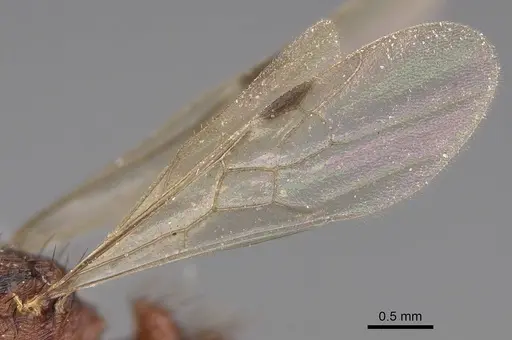
Pogonomyrmex abdominalis is an ant species of the genus Pogonomyrmex. It is primarily documented in 2 countries , including Argentina, Brazil. Detailed taxonomic data and occurrence records can be further explored via authoritative databases such as AntWeb or the Global Biodiversity Information Facility (GBIF).
Pogonomyrmex abdominalis
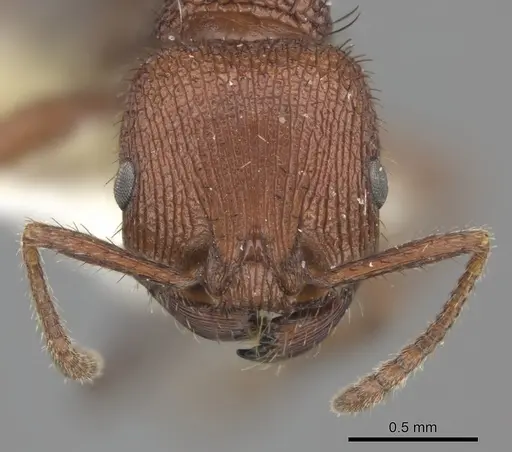
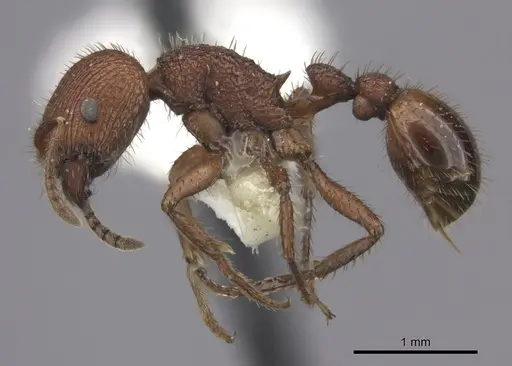
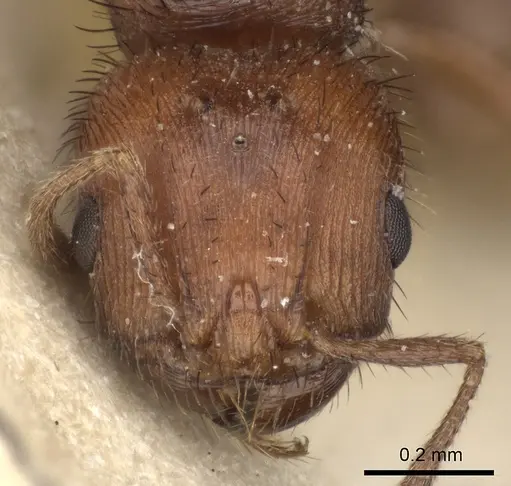
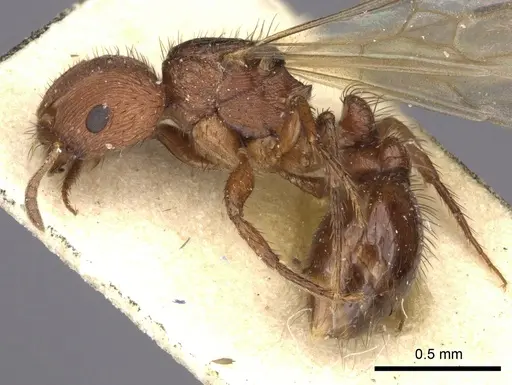
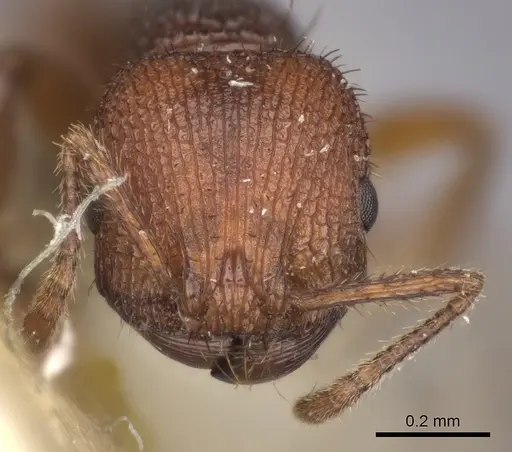
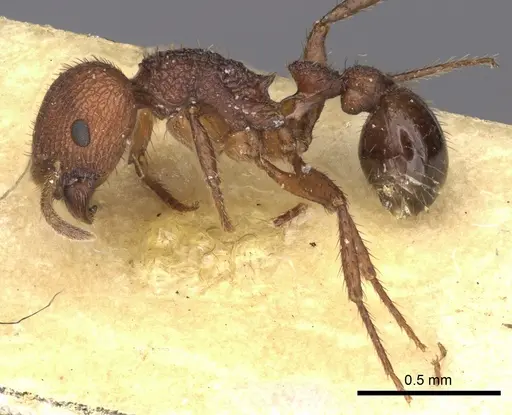
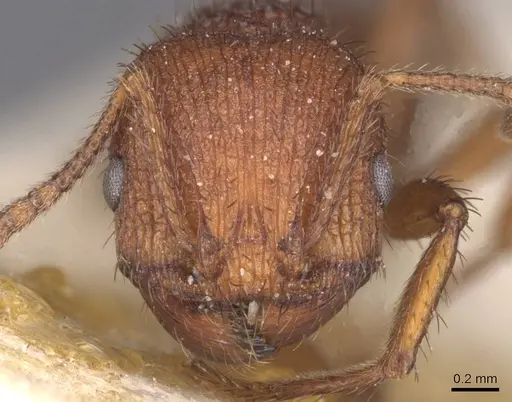
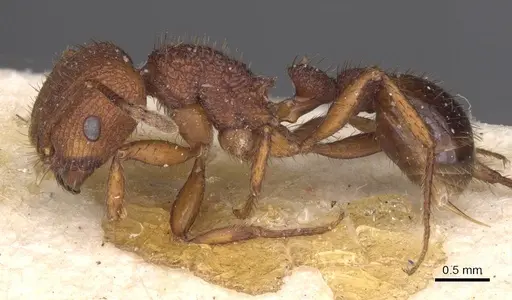
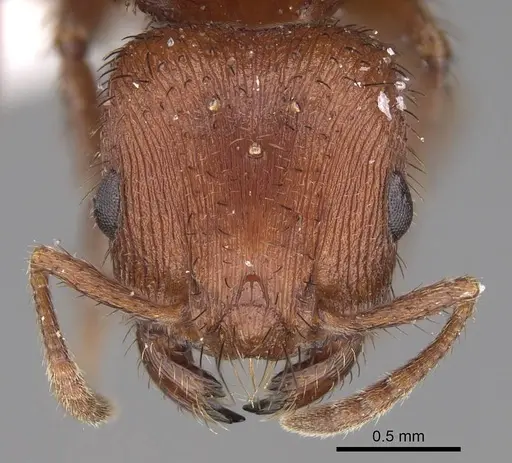
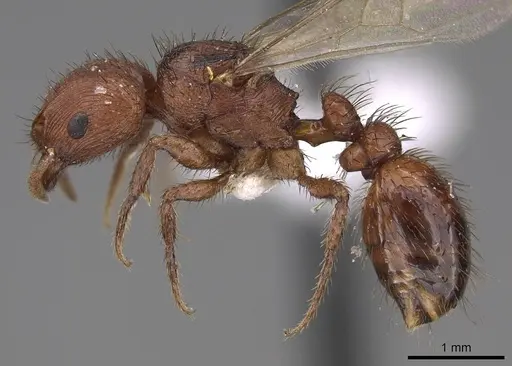
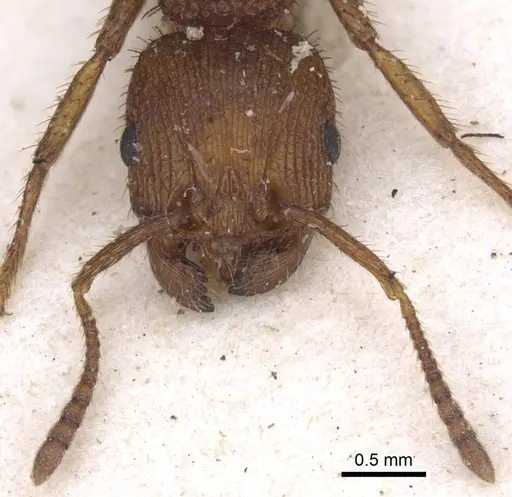
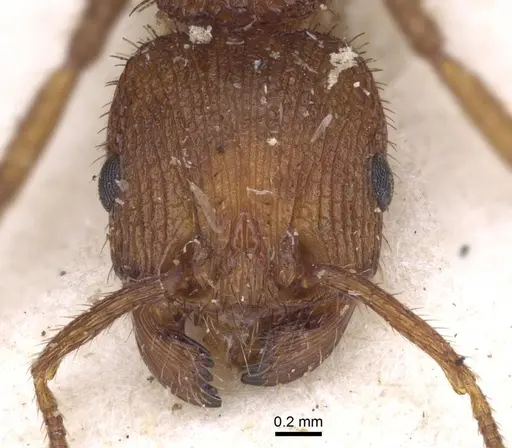
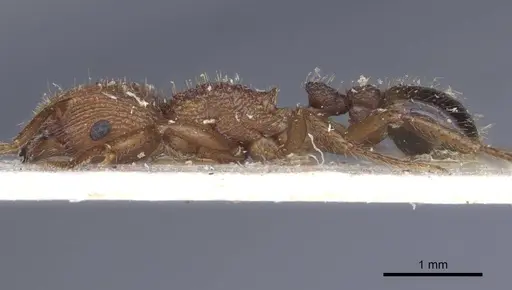
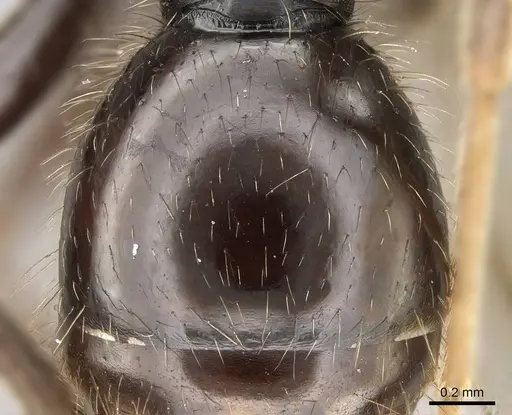
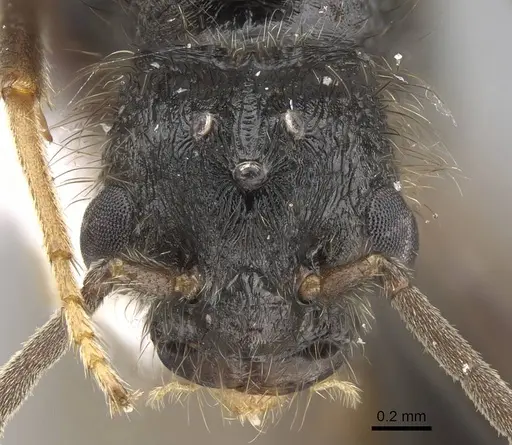
Pogonomyrmex abdominalis is a medium-sized seed-harvester ant native to South America, found across Argentina, Bolivia, and Brazil. Workers measure 4-5mm with a robust, reddish-brown body and distinctive coarse rugae (grooves) on the head. The species gets its name from the enlarged postpetiole (the segment between the waist and gaster). These ants are solitary foragers, meaning each worker searches for food independently rather than using chemical trails. Nests feature a small tumulus (mound) up to 15cm in diameter and are typically found in open, grassy, park-like habitats at low elevations between 10-1000m [1].
This species belongs to the Pogonomyrmex naegeliii group and is considered relatively uncommon despite its wide geographic distribution. Colonies reach approximately 500 workers. The species is a Hot Climate Specialist, indicating it prefers warmer conditions typical of its native tropical and subtropical habitats [2][3].
Quick Summary
- Difficulty: Medium
- Origin & Habitat: South America, Argentina, Bolivia, Brazil. Found in multiple ecoregions including Dry Chaco, Humid Pampas, Uruguayan Savanna, Alto Paraná Atlantic Forest, Cerrado, and Beni Savanna at elevations of 10-1000m [1]. Open, grassy, park-like habitats [1].
- Colony Type: Likely single-queen colonies (monogyne). Related species in the naegelii group produce ergatoid (wingless) replacement queens, so similar behavior may exist. Colony size reaches up to 500 workers [1].
- Colony: Monogyne
- Founding: Claustral
- Size & Growth:
- Queen: Approximately 5-6mm (HW 1.24-1.30mm) [1].
- Worker: 4-5mm (HW 1.14-1.33mm) [1].
- Colony: Up to 500 workers [1].
- Growth: Moderate, estimated based on related species.
- Development: 6-10 weeks estimated based on genus patterns for Pogonomyrmex species. (Development time is inferred from related species in the genus. Specific data for P. abdominalis is not available.)
- Antkeeping:
- Temperature: Keep at 24-28°C. This species is classified as a Hot Climate Specialist, indicating preference for warm conditions [2][3]. A heating cable on one side of the nest creates a temperature gradient.
- Humidity: Moderate. Provide a moisture gradient with a damp section (test tube water reservoir) and a drier area. These ants inhabit various ecoregions from dry Chaco to humid Pampas, suggesting adaptability.
- Diapause: Likely minimal or no true diapause. As a tropical/subtropical species from the southern hemisphere, they may slow down during cooler months but probably do not require hibernation like temperate species.
- Nesting: Y-tong (acrylic) nests or test tube setups work well. In the wild, they nest in soil with a small tumulus. Provide sand or soil substrate if using a naturalistic setup. Avoid overly compact substrates.
- Behavior: Solitary foragers, workers search for seeds and food individually rather than using recruitment trails. They are not aggressive but will defend their nest. Workers are medium-sized and can handle seeds, making them moderate escape risks. Use standard escape prevention (Fluon on container edges).
- Common Issues: limited availability, this species is relatively uncommon in the antkeeping hobby, slow colony growth compared to tropical species may frustrate beginners, specific temperature requirements as a Hot Climate Specialist mean they need warming in cooler climates, wild-caught colonies may have parasites that cause issues in captivity, solitary foraging means less impressive foraging displays compared to trail-forming species
Nest Preferences
In the wild, Pogonomyrmex abdominalis nests in soil and constructs a small tumulus (mound) up to 15cm in diameter. They prefer open, grassy habitats rather than dense forest. For captive care, a Y-tong (acrylic) nest works well because it provides visibility and easy maintenance. Test tube setups are also suitable for founding colonies. If using a naturalistic setup, provide a sandy soil mixture that allows for tunnel construction. The nest should have a moisture gradient, one area with access to water (via test tube reservoir) and a drier section for seed storage. These ants are not arboreal, so ground-level nests are appropriate. [2][1]
Feeding and Diet
As seed-harvester ants, Pogonomyrmex abdominalis primarily collects and stores seeds. In captivity, offer a variety of seeds including grass seeds, millet, and commercial ant seed mixes. They will also accept protein sources like small insects (fruit flies, pinhead crickets, mealworms). Sugar water or honey can be offered occasionally, though seeds should form the bulk of their diet. Feed seeds continuously, they store them in the nest. Offer protein 2-3 times per week. Remove uneaten seeds periodically to prevent mold. Fresh water should always be available. [1]
Temperature and Care
This species is classified as a Hot Climate Specialist, meaning they prefer warmer temperatures [2][3]. Maintain nest temperatures between 24-28°C. A heating cable placed on one side of the nest creates a gradient allowing workers to regulate their own temperature. Room temperature alone is likely insufficient in cooler climates. Monitor colony activity, if workers cluster near the heat source, increase temperature slightly, if they avoid it, reduce heat. Since they come from various South American ecoregions spanning from the Dry Chaco to humid areas, they have some adaptability, but warmth is essential for brood development.
Behavior and Temperament
Pogonomyrmex abdominalis is a solitary forager, meaning workers leave the nest individually to search for seeds rather than forming recruitment trails. This makes their foraging behavior less dramatic than species like Formica or fire ants. They are not particularly aggressive but will bite if their nest is threatened. Workers are medium-sized (4-5mm) and capable of escaping through small gaps. Use Fluon or similar barrier products on container edges. They are diurnal and most active during warmer parts of the day. Colonies reach up to 500 workers, so they are not among the largest Pogonomyrmex species but still form substantial colonies. [1]
Colony Founding
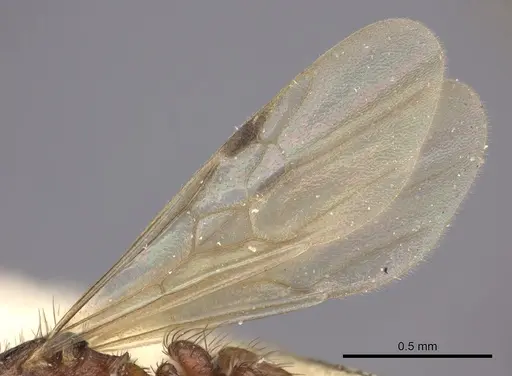
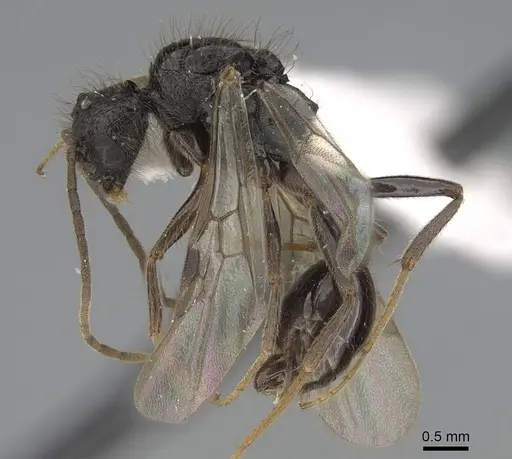
The founding behavior of Pogonomyrmex abdominalis has not been directly documented. However, based on typical Pogonomyrmex patterns, the queen likely seals herself in a claustral chamber and raises the first brood alone using stored fat reserves. Alate (winged) queens have been collected in February, suggesting nuptial flights occur during the austral summer (December-February in the southern hemisphere). Related species in the naegelii group produce ergatoid (wingless) replacement queens, so P. abdominalis may have similar ergatoid production for queen replacement if the primary queen dies. [1]
Growth and Development
Colony growth is moderate. Maximum colony size reaches approximately 500 workers [1]. The exact egg-to-worker development time is unknown for this species but is estimated at 6-10 weeks based on related Pogonomyrmex species. Brood development likely benefits from the warm temperatures this species requires. Nanitic (first) workers will be smaller than mature workers. Growth rate depends on temperature, food quality, and colony health. Colonies this size are considered medium-sized among Pogonomyrmex species.
Frequently Asked Questions
How long does it take for Pogonomyrmex abdominalis to produce first workers?
Estimated 6-10 weeks from egg to first worker based on related Pogonomyrmex species. Exact timing depends on temperature and food availability.
Can I keep Pogonomyrmex abdominalis in a test tube?
Yes, test tubes work well for founding colonies. Use a test tube with a water reservoir connected to a cotton ball for humidity. As the colony grows, you may need to upgrade to a Y-tong or formicarium.
What do Pogonomyrmex abdominalis eat?
They are seed-harvester ants. Offer various seeds (grass, millet, commercial ant seed mixes) as their primary food. Supplement with small insects (fruit flies, pinhead crickets) for protein 2-3 times per week. Occasional sugar water or honey is accepted.
Are Pogonomyrmex abdominalis good for beginners?
Difficulty is medium. They require warm temperatures and are less common in the hobby. Their moderate growth rate and specific thermal needs may challenge complete beginners, but they are not difficult to keep once requirements are met.
How big do Pogonomyrmex abdominalis colonies get?
Colonies reach up to 500 workers. This is moderate compared to some Pogonomyrmex species that can have thousands of workers.
Do Pogonomyrmex abdominalis need hibernation?
Probably not. As a tropical/subtropical species from South America, they likely do not require true hibernation. They may slow down during cooler months but should be kept warm year-round.
When do Pogonomyrmex abdominalis have nuptial flights?
Based on queen collections in February, mating flights occur during the austral summer (December-February in the southern hemisphere).
Can I keep multiple Pogonomyrmex abdominalis queens together?
This species is likely monogyne (single queen). Combining unrelated queens is not recommended as they would likely fight. If ergatoid replacement queens exist (as in related species), these serve as internal replacements, not additional egg-layers.
What temperature do Pogonomyrmex abdominalis need?
Keep nest temperatures between 24-28°C. They are Hot Climate Specialists and require warm conditions for optimal brood development. Use a heating cable or mat to maintain warmth.
Why are my Pogonomyrmex abdominalis dying?
Common causes include: temperatures too low (below 24°C), improper humidity (too dry or waterlogged), mold from uneaten food, or parasites from wild-caught colonies. Ensure proper temperature gradient, remove uneaten seeds, and use clean food sources.
When should I move Pogonomyrmex abdominalis to a formicarium?
Move from test tube to Y-tong or formicarium when the colony reaches 50-100 workers or when the test tube becomes crowded. Ensure the new setup has appropriate humidity and temperature control.
References

This caresheet is licensed under CC BY-SA 4.0 .
CASENT0235283
View on AntWeb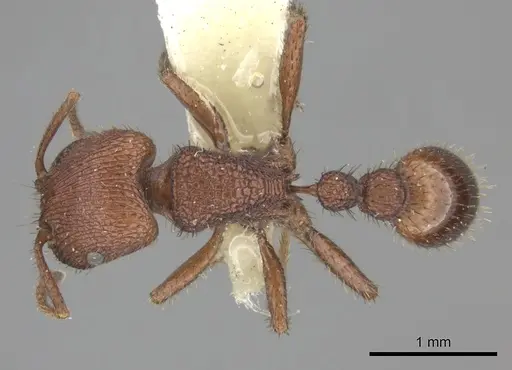
CASENT0235284
View on AntWeb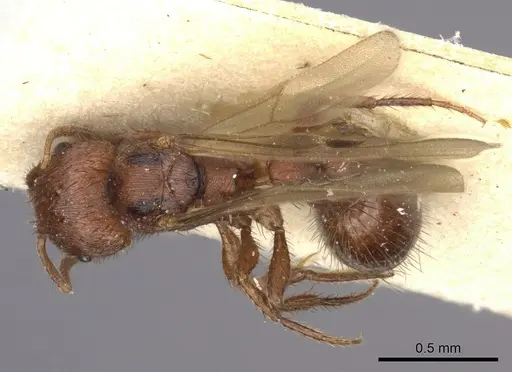
CASENT0235285
View on AntWeb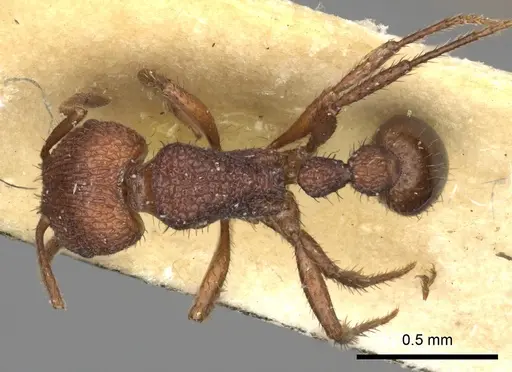
CASENT0913090
View on AntWeb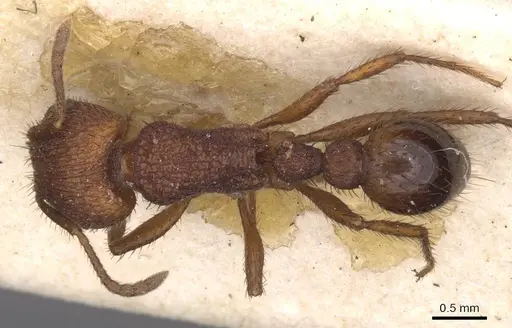
CASENT0914378
View on AntWeb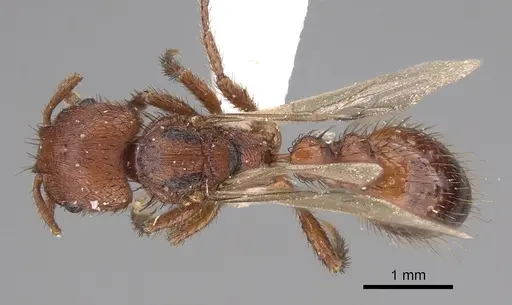
CASENT0914813
View on AntWeb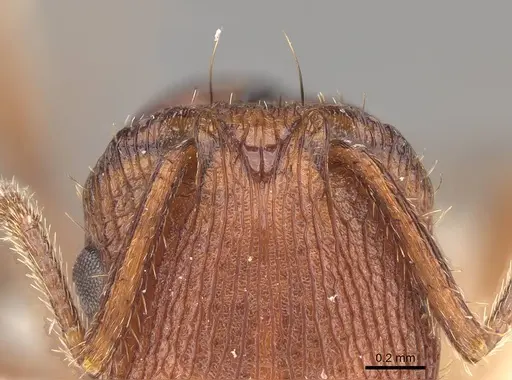
CASENT0916915
View on AntWeb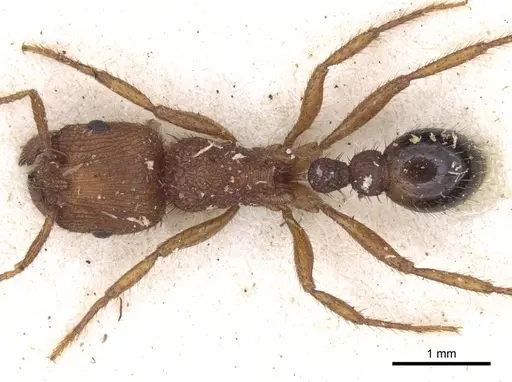
CASENT0922554
View on AntWeb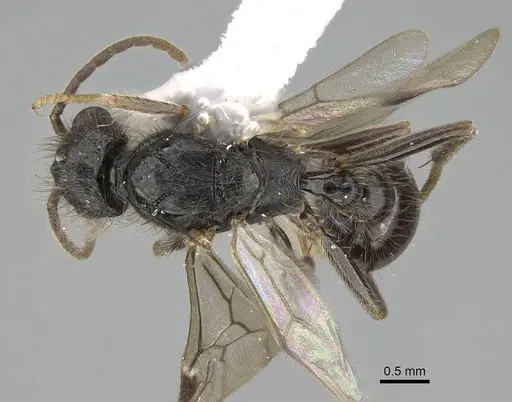
Literature
Loading...Loading products...