

Podomyrma ruficeps
- Scientific Name
- Podomyrma ruficeps
- Tribe
- Crematogastrini
- Subfamily
- Myrmicinae
- Author
- Smith, 1863
- Distribution
- Found in 1 countries
Podomyrma ruficeps Overview
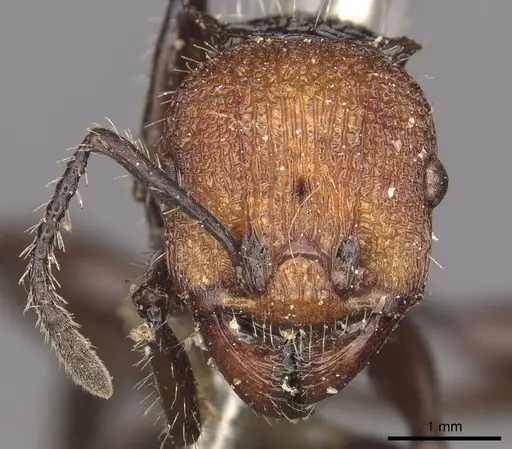
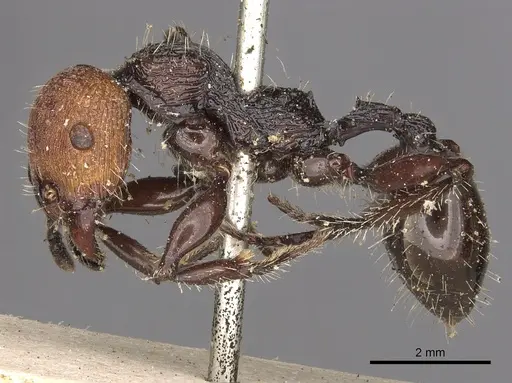
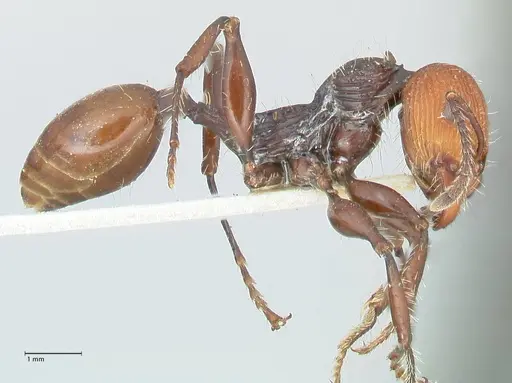
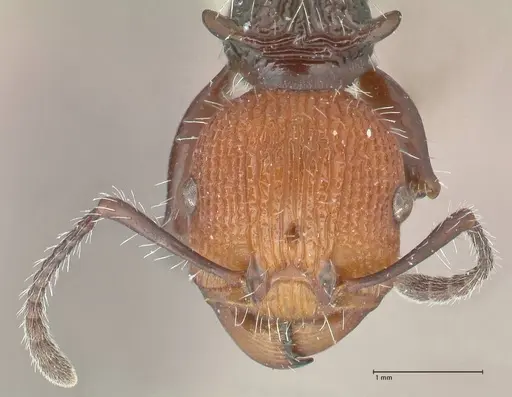
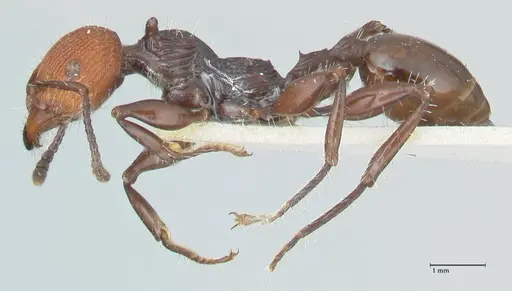
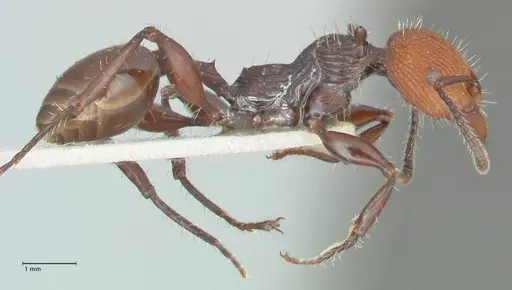
Podomyrma ruficeps is an ant species of the genus Podomyrma. It is primarily documented in 1 countries , including Papua New Guinea. Detailed taxonomic data and occurrence records can be further explored via authoritative databases such as AntWeb or the Global Biodiversity Information Facility (GBIF).
Podomyrma ruficeps
Podomyrma ruficeps is a small ant species described from Mysol Island in the Moluccas, Indonesia [1]. The genus Podomyrma contains around 30 species distributed across Australasia, with most species found in Australia, New Guinea, and surrounding islands. These ants are typically small, measuring only a few millimeters, and are known for their varied nesting habits ranging from ground-nesting to associations with plants. The specific biology and behavior of P. ruficeps remains poorly documented in scientific literature, making this a challenging species to find detailed information about.
Quick Summary
- Difficulty: Unknown
- Origin & Habitat: Mysol Island, Moluccas, Indonesia, a tropical island environment in the Australasian region [1]. Based on genus patterns, these ants likely inhabit forested areas with warm, humid conditions.
- Colony Type: Unconfirmed, colony structure has not been documented for this specific species. Many Podomyrma species form moderate-sized colonies with single queens, but this requires confirmation.
- Size & Growth:
- Queen: Estimated 5-7mm based on genus patterns for similar Podomyrma species
- Worker: Estimated 3-5mm based on genus patterns
- Colony: Unknown for this species, related Podomyrma species typically form colonies of several hundred workers
- Growth: Unknown, cannot determine without documented colony development
- Development: Estimated 6-8 weeks based on typical Myrmicinae development at tropical temperatures, but this is not confirmed for this species (Development timeline is estimated from genus-level patterns, not from direct observation of this species)
- Antkeeping:
- Temperature: Likely 24-28°C based on their tropical origin, but this is not directly studied. Provide a warm enclosure with a gentle heat gradient.
- Humidity: Likely requires high humidity (70-80%) typical of tropical Australasian ants. Keep substrate consistently moist but not waterlogged.
- Diapause: Unlikely, being from a tropical island, they probably do not require a diapause period. However, this is not confirmed.
- Nesting: Unknown for this species. Many Podomyrma species nest in soil or rotting wood. A naturalistic setup with moist substrate or a Y-tong/plaster nest may work.
- Behavior: Behavior is unconfirmed for this species. Based on genus patterns, they are likely moderate foragers with typical ant defensive behaviors. Escape prevention should be practiced as with any small ant species. The specific temperament, aggression level, and foraging patterns of P. ruficeps have not been documented.
- Common Issues: lack of documented care information makes proper husbandry challenging, specific temperature and humidity requirements are unknown, requiring careful observation, growth rate is unconfirmed, making it difficult to assess colony health, diet preferences are not documented, offer varied foods and observe acceptance, wild-caught colonies may have parasites or diseases with no documented treatment
Distribution and Natural Habitat
Podomyrma ruficeps was originally described from Mysol Island in the Moluccas, Indonesia [1]. The Moluccas are a tropical archipelago known for their rich biodiversity. Mysol Island (also spelled Misool) is located off the western tip of New Guinea in the Raja Ampat region. This tropical island environment suggests the species is adapted to warm temperatures year-round with high humidity. The specific microhabitat preferences of P. ruficeps within this environment are unknown, but many Podomyrma species are found in forested areas where they nest in soil, rotting logs, or occasionally in association with plants.
Taxonomy and Related Species
Podomyrma is a genus in the subfamily Myrmicinae, containing approximately 30 described species distributed primarily across Australasia. Most species are found in Australia and New Guinea, with some extending to surrounding islands. The genus was originally described by Frederick Smith in 1858. P. ruficeps is one of the less-documented species in the genus, with limited scientific attention since its original description. Related species in the genus show variation in colony size, nesting preferences, and behavior, making it difficult to predict the specific characteristics of this species without dedicated study. [1]
Current State of Knowledge
This caresheet represents the extent of documented scientific information available for Podomyrma ruficeps. The original description from 1863 provides the type locality (Mysol Island) but contains minimal biological information. No subsequent papers appear to have studied this species in detail. This represents a significant gap in antkeeping knowledge, virtually all care recommendations must be inferred from genus-level patterns rather than species-specific research. Keepers interested in this species should be prepared for a degree of experimentation and should document their observations carefully to contribute to our understanding of this rarely-kept species. [1]
Recommended Care Approach
Given the lack of species-specific information, keepers should approach Podomyrma ruficeps care conservatively. Start with conditions typical of tropical Australasian ants: temperatures around 24-28°C, humidity in the 70-80% range, and moist (but not waterlogged) substrate. Use a naturalistic setup that allows for observation and adjustment. Feed a varied diet including protein sources (small insects) and sugar water or honey, and monitor what the colony accepts. Be prepared to adjust conditions based on colony behavior and health. Since this species is rarely kept, sharing observations with the antkeeping community would help build knowledge for future keepers.
Frequently Asked Questions
How do I care for Podomyrma ruficeps ants?
Care is not well-documented for this species. Start with warm (24-28°C), humid conditions (70-80%) with moist substrate. Use a naturalistic setup and offer varied foods including protein and sugar sources. Monitor colony response and adjust as needed.
What do Podomyrma ruficeps ants eat?
Diet is unconfirmed for this species. Based on genus patterns, they likely accept small insects and sugar sources. Offer a varied diet and observe what your colony accepts.
How big do Podomyrma ruficeps colonies get?
Colony size is unknown for this species. Based on related Podomyrma species, colonies likely reach several hundred workers.
Do Podomyrma ruficeps ants need hibernation?
Diapause is unlikely, being from tropical Mysol Island, they probably do not require a winter rest period. However, this is not confirmed.
What temperature do Podomyrma ruficeps need?
Temperature requirements are not directly studied. Based on their tropical origin, aim for 24-28°C with a gentle gradient.
How long does it take for Podomyrma ruficeps to develop from egg to worker?
Development timeline is unconfirmed. Based on typical Myrmicinae development in tropical conditions, estimate 6-8 weeks, but this is not documented for this species.
Are Podomyrma ruficeps good for beginners?
This species is not recommended for beginners due to the lack of documented care information. The difficulty level cannot be determined, and proper care requires careful observation and experimentation.
Can I keep multiple Podomyrma ruficeps queens together?
Colony structure is unconfirmed for this species. The number of queens a colony can support is unknown. Do not attempt combining unrelated queens without documented success.
Do Podomyrma ruficeps ants sting?
Stinging behavior is not documented for this species. Most small Myrmicinae ants can sting but are typically too small to penetrate human skin effectively.
Where is Podomyrma ruficeps found?
This species was described from Mysol Island in the Moluccas, Indonesia [1].
References

This caresheet is licensed under CC BY-SA 4.0 .
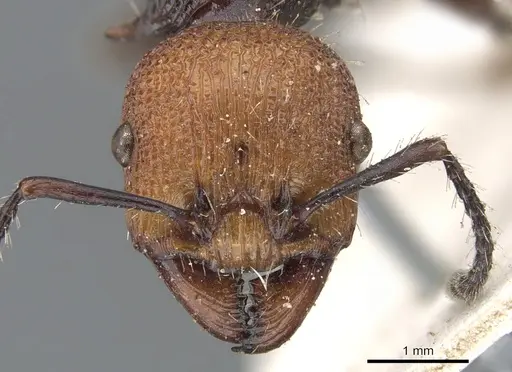
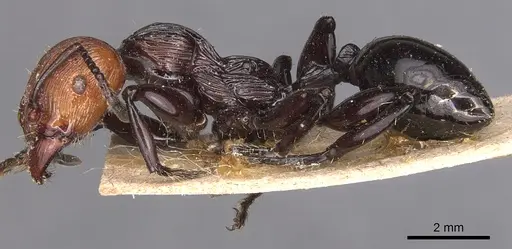
CASENT0901394
View on AntWeb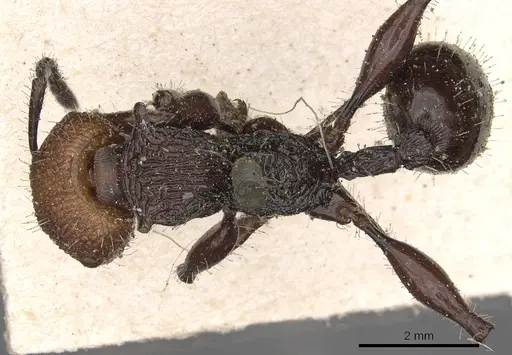
CASENT0902002
View on AntWeb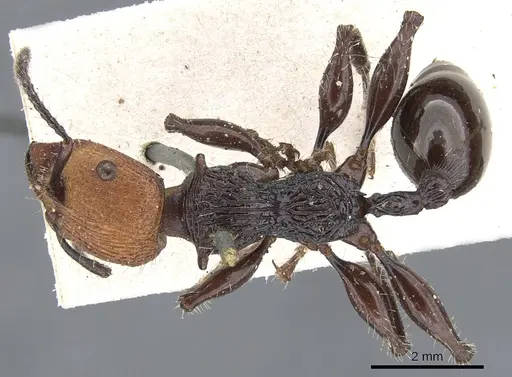
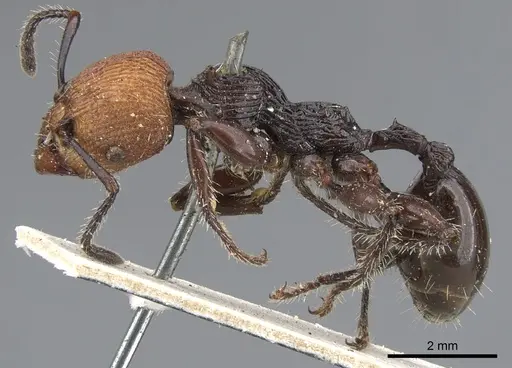
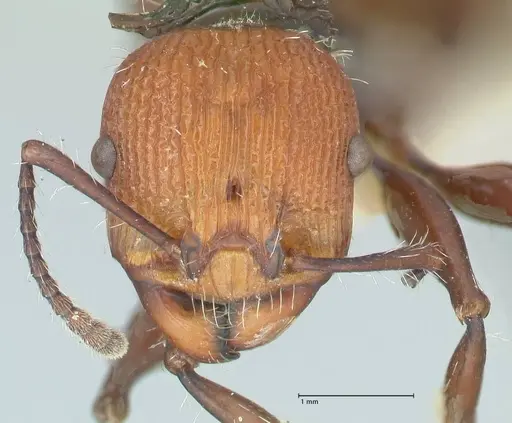
CASENT0904704
View on AntWeb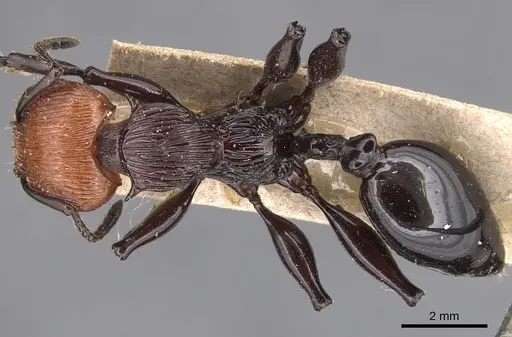
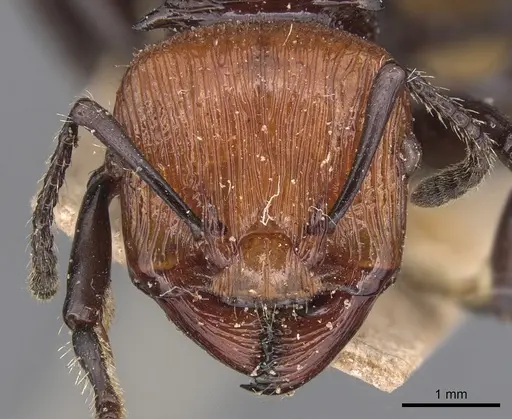
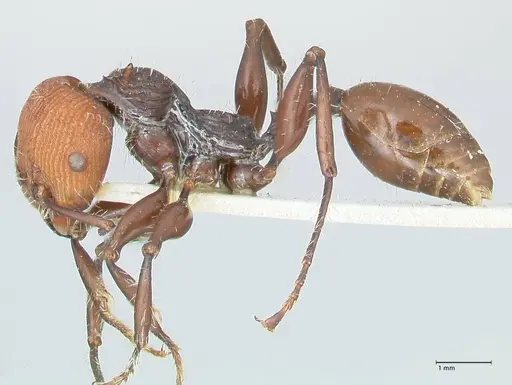
FOCOL2002
View on AntWeb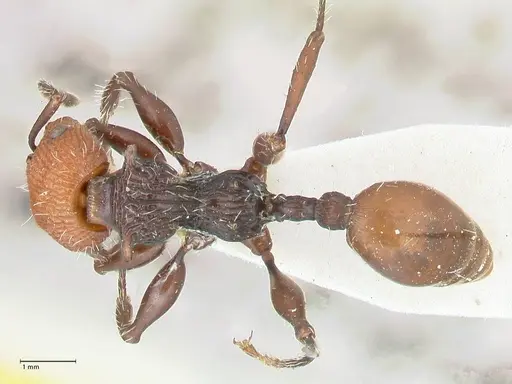
FOCOL2003
View on AntWeb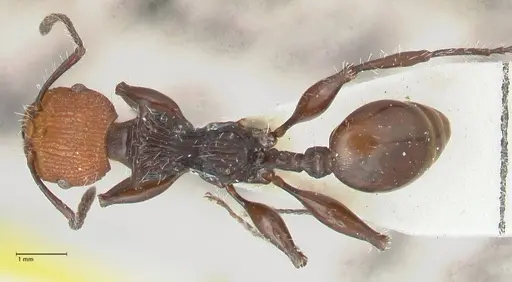
Literature
Loading...Loading products...