

Podomyrma nitida
- Scientific Name
- Podomyrma nitida
- Tribe
- Crematogastrini
- Subfamily
- Myrmicinae
- Author
- Clark, 1938
- Distribution
- Found in 1 countries
Podomyrma nitida Overview
Podomyrma nitida is an ant species of the genus Podomyrma. It is primarily documented in 1 countries , including Australia. Detailed taxonomic data and occurrence records can be further explored via authoritative databases such as AntWeb or the Global Biodiversity Information Facility (GBIF).
Podomyrma nitida
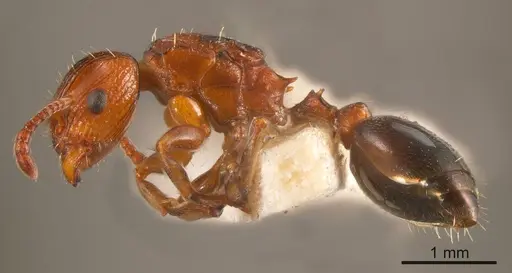
Podomyrma nitida is a small Myrmicinae ant native to Australia and surrounding regions. Workers measure approximately 4-5mm and have a distinctive appearance with a dark body and lighter ferruginous (rust-colored) antennae, mandibles, legs, and petiole nodes. The head shows delicate longitudinal striations, and the abdomen is oblong-ovate in shape. This species belongs to the novemdentata species group within the genus Podomyrma. Despite being described in 1938,biological and ecological information about this species remains poorly documented in scientific literature. The genus Podomyrma contains around 40 species distributed primarily in the Australasian region, with most species nesting in soil or under stones in forested areas.
Quick Summary
- Difficulty: Unknown, limited data available
- Origin & Habitat: Australia and New Guinea region. Specific habitat preferences are not well documented, but related Podomyrma species typically inhabit forested areas and nest in soil or under stones.
- Colony Type: Colony structure is unconfirmed. Most Myrmicinae species are single-queen (monogyne) colonies, but this has not been verified for P. nitida.
- Size & Growth:
- Queen: Undocumented in primary literature, estimated 6-8mm based on genus patterns
- Worker: Approximately 4-5mm (2 lines = ~4.2mm) [1]
- Colony: Unknown, no colony size data available
- Growth: Unknown, no development data available
- Development: Unconfirmed, no direct measurements available. Based on typical Myrmicinae patterns in similar climates, estimate 6-10 weeks at optimal temperature. (Development timeline is unconfirmed. Related Australian Myrmicinae species typically require 6-10 weeks from egg to worker at temperatures around 22-26°C.)
- Antkeeping:
- Temperature: Aim for 22-26°C based on Australian temperate/subtropical climate patterns. Related Podomyrma species suggest moderate warmth. Monitor colony activity to fine-tune.
- Humidity: Keep nest substrate moderately moist but not waterlogged. Provide a gradient with slightly drier areas for ants to self-regulate. Mist or rehydrate when surface appears dry.
- Diapause: Unknown for this specific species. Many Australian ants undergo a mild diapause during winter months (May-August). Consider a cool period around 10-15°C if colony shows reduced activity.
- Nesting: No specific nesting data available. Based on genus patterns, they likely prefer soil-based nests or spaces under stones. A naturalistic setup with soil substrate or a Y-tong/plaster nest with moisture provision would be appropriate starting points.
- Behavior: Behavior is not well documented. Most Podomyrma species are generalist foragers that search for protein and sugar sources. Their small size (4-5mm) means they can escape through standard gaps, use fine mesh and tight-fitting barriers. Temperament is likely moderate, they are not typically aggressive but will defend the nest if threatened. Escape prevention is important due to their small size.
- Common Issues: limited data means care requirements are estimates, monitor colony closely and adjust accordingly, escape prevention is critical due to small worker size, use fine mesh barriers, no documented diet preferences, start with standard ant foods (protein sources like mealworms, sugar water/honey) and observe acceptance, colony growth rate is unknown, do not overfeed as this can cause mold issues, no documented hibernation requirements, observe natural colony activity cycles for guidance
Species Overview and Identification
Podomyrma nitida is a small ant species belonging to the Myrmicinae subfamily, tribe Crematogastrini. Workers measure approximately 4-5mm in length, with a distinctive coloration pattern featuring a darker body and lighter ferruginous (rust-colored) appendages including the antennae, mandibles, legs, and petiole nodes. The head displays delicate longitudinal striations, and the body has a compressed femora structure. This species was originally described by Clark in 1938 as Podomyrma nitida before being reclassified into the genus Podomyrma. The species is part of the novemdentata species group, which contains several closely related Australian and Papuan species. Despite being described nearly a century ago, detailed biological studies on P. nitida remain scarce, making this a species where keeper observation can contribute valuable information to our understanding. [1]
Natural Distribution and Habitat
Podomyrma nitida is found throughout the Australasian region, with documented distribution in Australia and New Guinea. The type locality includes Dory in New Guinea [2][1]. Within Australia, the species has been recorded in Western Australia according to regional taxon lists. The specific microhabitat preferences of this species are not well documented in scientific literature. However, the genus Podomyrma as a whole contains species that typically inhabit forested environments and establish nests in soil or beneath stones. This suggests that P. nitida likely prefers similar conditions, shaded areas with access to soil substrate and moderate moisture levels. For captive care, a naturalistic setup replicating these conditions would be the most appropriate starting point.
Housing and Nesting Preferences
Since specific nesting data for P. nitida is not available, housing recommendations must be based on genus-level patterns and general Myrmicinae husbandry. A naturalistic setup with a soil-based substrate works well for species whose exact requirements are unknown. This allows for natural digging behavior and maintains appropriate humidity levels. Alternatively, a Y-tong (acrylic) nest or plaster nest with a water reservoir can provide controllable humidity. Given the small worker size (4-5mm), ensure that any constructed nest has appropriately scaled chambers and passages. The nest should include both moist areas (for brood development) and slightly drier areas (for adult comfort). Escape prevention is critical, these small ants can squeeze through surprisingly small gaps. Use fine mesh on any ventilation holes and ensure all connections between outworld and nest are secure.
Feeding and Diet
The specific dietary preferences of Podomyrma nitida have not been documented in scientific literature. As a Myrmicinae species, they are likely generalist omnivores similar to most ants in this subfamily. Start with a standard antkeeping diet: protein sources such as small insects (fruit flies, small mealworms, crickets) and constant access to sugar sources (sugar water, honey, or commercial ant nectar). Observe your colony's preferences and adjust accordingly. Fresh protein should be offered 2-3 times per week, with sugar water maintained continuously. Remove uneaten protein after 24-48 hours to prevent mold growth. Given the small worker size, prey items should be appropriately sized, not larger than the ants themselves. Some Podomyrma species are known to tend aphids for honeydew, so sugar sources are likely to be well-accepted.
Temperature and Seasonal Care
Temperature requirements for P. nitida are not specifically documented in scientific literature. Based on the species' Australian distribution and relationship to other Podomyrma species, aim for temperatures in the range of 22-26°C. This range aligns with typical Australian temperate to subtropical conditions. Room temperature within this range is likely suitable for most keepers. If your colony shows increased activity near the warm side of the nest, you can provide a gentle heat gradient using a heating cable on one side of the nest, place it on top of the nest to avoid evaporating moisture. Regarding seasonal care, diapause requirements are unknown for this specific species. Many Australian ants do undergo reduced activity during winter months. Consider providing a cooler period (10-15°C) during May-August if your colony naturally slows down, but this should be based on observation of the colony rather than forced diapause.
Behavior and Colony Dynamics
Detailed behavioral observations for Podomyrma nitida are not well documented in available literature. The genus Podomyrma is generally known for non-aggressive temperaments, with workers that are active foragers but not particularly defensive unless the nest is directly threatened. Workers are small (4-5mm) and likely forage individually or in small groups rather than forming large raiding columns. The small worker size means escape prevention must be a priority, these ants can easily slip through standard gaps in formicarium equipment. Use fluon barriers on smooth surfaces and fine mesh (at least 0.5mm) on any ventilation. Colony growth rate is unknown, but based on typical Myrmicinae patterns, founding colonies may take several months to establish their first workers (nanitics), and significant growth may take a year or more. Patience is essential with this species. [1]
Frequently Asked Questions
How long does it take for Podomyrma nitida to produce first workers?
The egg-to-worker development time is unconfirmed for this species. Based on typical Myrmicinae patterns from related Australian species, expect approximately 6-10 weeks from egg to first worker at optimal temperature (22-26°C). Founding colonies may take several months to establish after the queen lays her first eggs.
What do Podomyrma nitida ants eat?
Specific dietary preferences are not documented, but they likely accept standard ant foods. Offer small protein sources like fruit flies, small mealworms, or cricket pieces 2-3 times per week. Provide constant access to sugar water or honey. Remove uneaten protein after 24-48 hours to prevent mold.
What temperature should I keep Podomyrma nitida at?
Aim for 22-26°C based on the species' Australian distribution. Room temperature within this range is typically suitable. If needed, a heating cable on one side of the nest can provide additional warmth.
Do Podomyrma nitida ants need hibernation?
Diapause requirements are unknown for this specific species. Many Australian ants undergo a mild winter rest period. Observe your colony, if activity significantly decreases during winter months, a cooler period around 10-15°C may be appropriate.
Are Podomyrma nitida good for beginners?
Difficulty level is difficult to assess due to limited data. This species is not well-documented in antkeeping literature, so keepers should have some basic antkeeping experience. The main challenges are the lack of specific care information and the small worker size requiring excellent escape prevention.
How big do Podomyrma nitida colonies get?
Maximum colony size is unknown, no colony size data is available in scientific literature. Based on related Podomyrma species, colonies likely reach several hundred workers over time, but this is an estimate.
Do Podomyrma nitida ants sting?
Stinging behavior is not documented for this species. Most Myrmicinae ants have stingers, but they are often too small to penetrate human skin effectively. Handle with care regardless and monitor for any reactions.
Can I keep multiple Podomyrma nitida queens together?
Colony structure (monogyne vs polygyne) is unconfirmed for this species. Combining unrelated queens is not recommended since this has not been documented as successful. Most Myrmicinae species form single-queen colonies.
What size nest should I use for Podomyrma nitida?
Use a nest with appropriately scaled chambers for their small 4-5mm workers. A naturalistic setup with soil substrate or a Y-tong/plaster nest with moisture provision works well. Ensure chambers and passages are proportional to their size.
Why are my Podomyrma nitida escaping?
Their small worker size (4-5mm) means they can squeeze through tiny gaps. Use fine mesh (at least 0.5mm) on all ventilation, apply fluon barriers to smooth surfaces, and ensure all connections between nest components are secure and tight-fitting.
References

This caresheet is licensed under CC BY-SA 4.0 .
ANTWEB1008161
View on AntWeb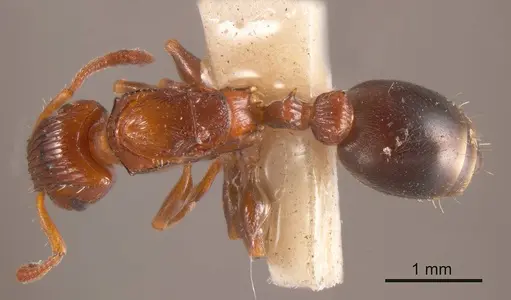
Literature
Loading...Loading products...