

Podomyrma micans
- Scientific Name
- Podomyrma micans
- Tribe
- Crematogastrini
- Subfamily
- Myrmicinae
- Author
- Mayr, 1876
- Distribution
- Found in 1 countries
Podomyrma micans Overview
Podomyrma micans is an ant species of the genus Podomyrma. It is primarily documented in 1 countries , including Australia. Detailed taxonomic data and occurrence records can be further explored via authoritative databases such as AntWeb or the Global Biodiversity Information Facility (GBIF).
Podomyrma micans
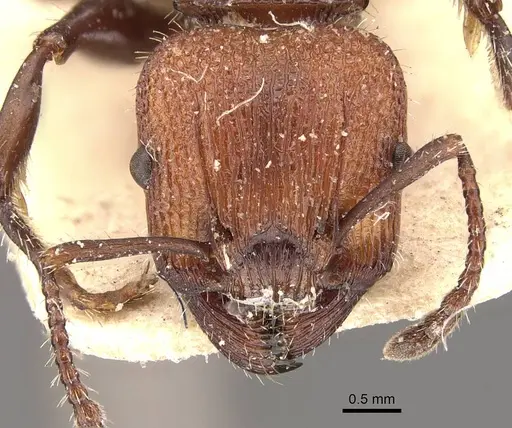
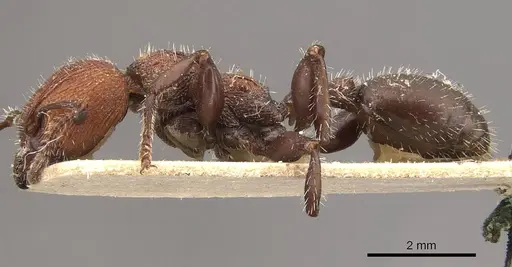
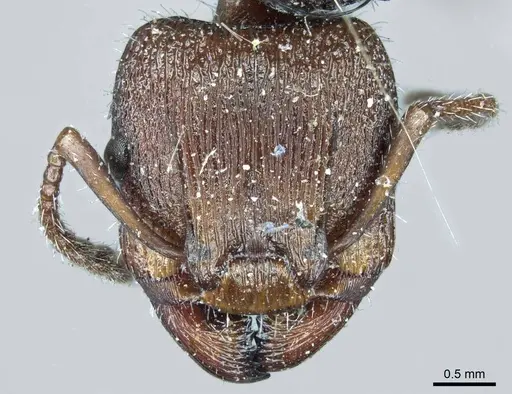
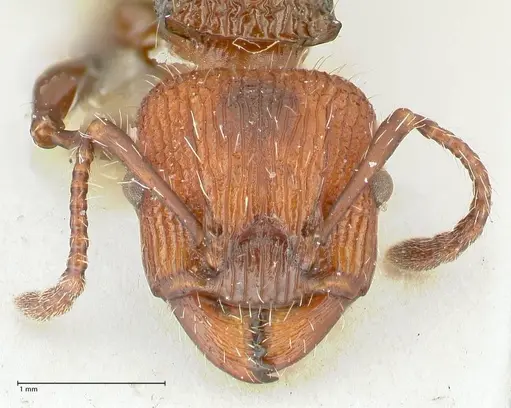
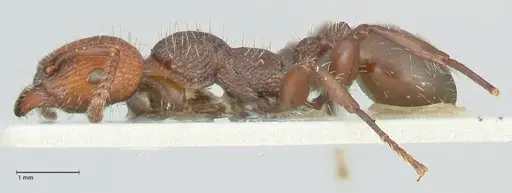
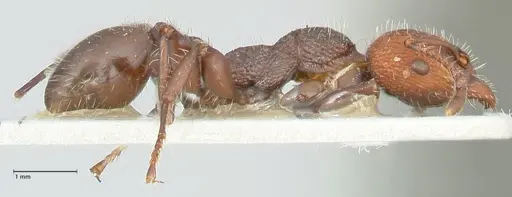
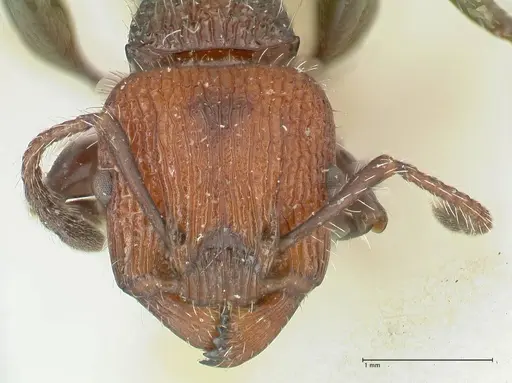
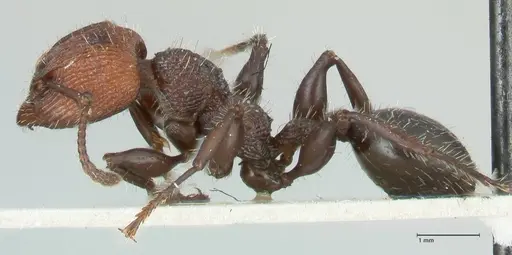
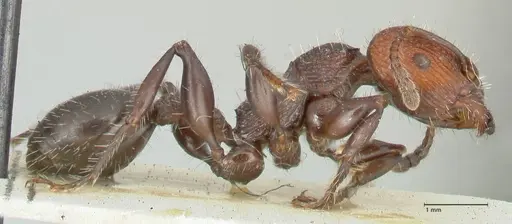
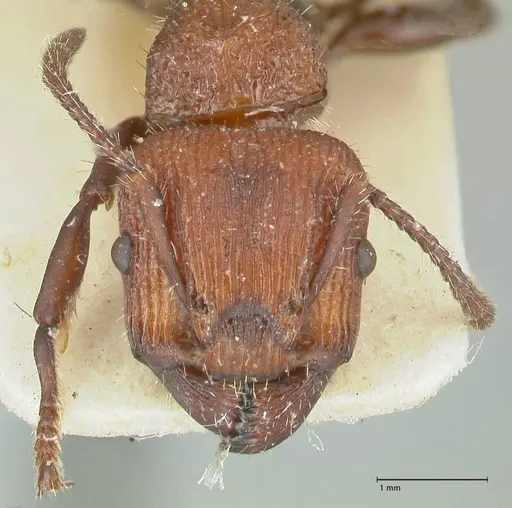
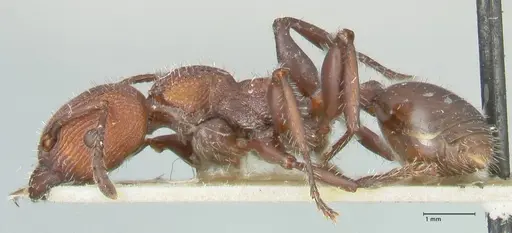
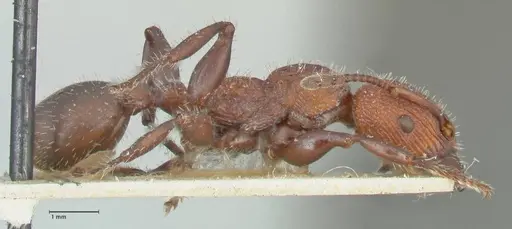
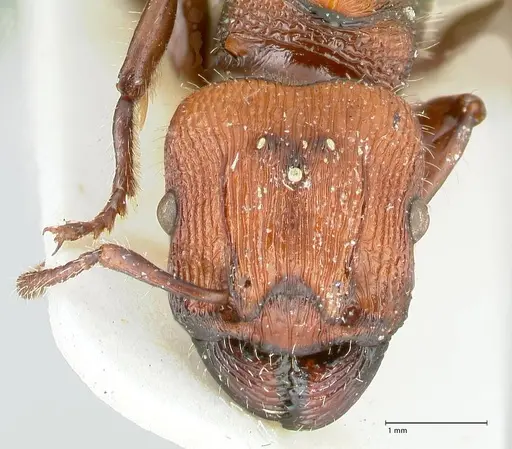
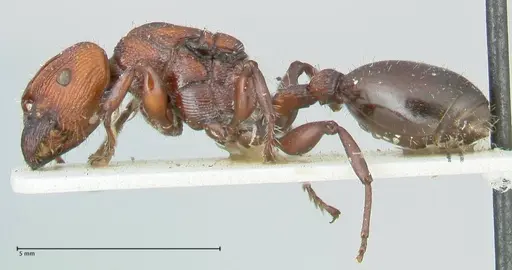
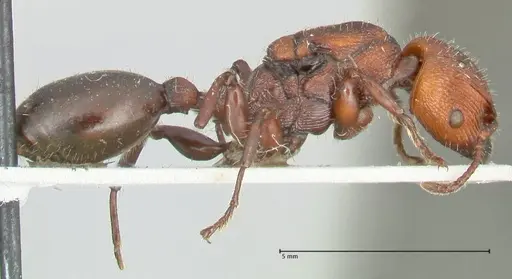
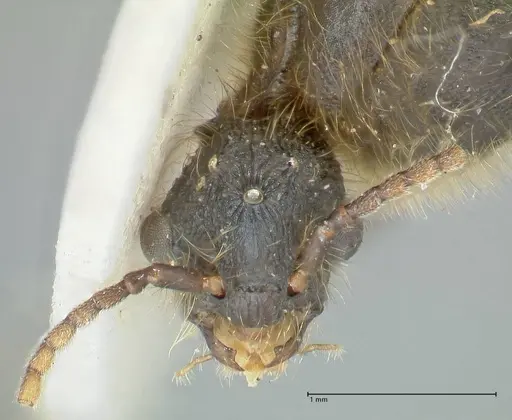
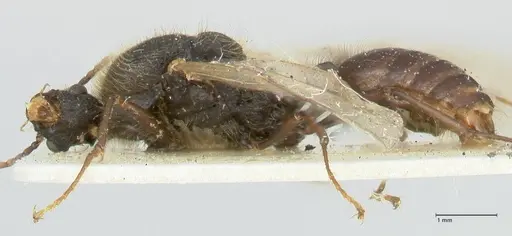
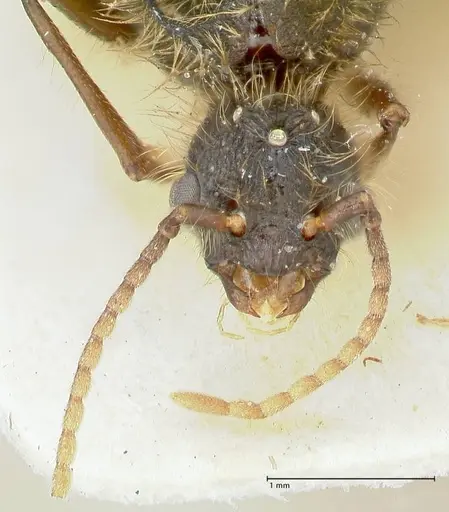
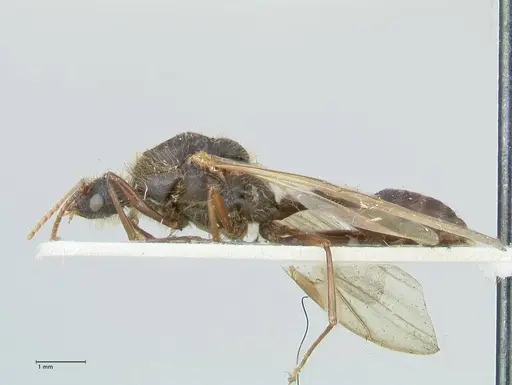
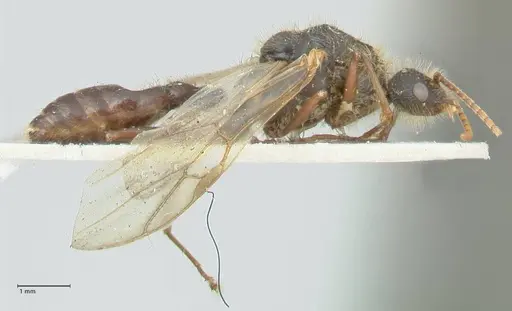
Podomyrma micans is a medium-sized Australian ant in the Myrmicinae subfamily. Workers measure 5.5-8mm with a distinctive dark brown abdomen featuring two elongated pale spots on the first segment (sometimes merged in some specimens). The species belongs to the adelaidae species group and is native to Australia, particularly the northern regions. These ants are relatively robust with moderately sized workers and show typical Myrmicine morphology. The species was formally described by Mayr in 1876 and was later confirmed as the senior synonym of Podomyrma micans and Podomyrma micans [1]. Little specific research exists on this species' biology, but genus-level patterns suggest they are ground-nesting ants typical of the Australian fauna.
Quick Summary
- Difficulty: Medium
- Origin & Habitat: Australia, primarily northern regions including Somerset in Cape York. They inhabit typical Australian terrestrial environments, though specific microhabitat preferences are not well documented in scientific literature [1][2].
- Colony Type: Unconfirmed, colony structure has not been specifically studied. Based on genus patterns, likely monogyne (single queen) colonies, though this requires confirmation.
- Size & Growth:
- Queen: Not specifically documented, estimated 8-10mm based on genus patterns for medium-sized Myrmicinae
- Worker: 5.5-8mm [1]
- Colony: Unknown, no colony size data available for this species
- Growth: Moderate, estimated based on typical Myrmicinae development patterns
- Development: Estimated 6-10 weeks at optimal temperature based on related Myrmicinae species (Development timeline not directly studied for this species. Estimate based on genus-level patterns for medium-sized Myrmicinae ants in temperate to subtropical climates.)
- Antkeeping:
- Temperature: Keep around 22-26°C. Australian species generally tolerate room temperature but benefit from gentle warming. Provide a temperature gradient allowing workers to self-regulate [2].
- Humidity: Moderate humidity around 50-70%. Provide a moist area in the nest but allow for drier retreat zones. Australian ants often adapt to varying conditions [2].
- Diapause: Likely, many Australian temperate ants require a winter rest period. Provide 2-3 months at 10-15°C during winter months [2].
- Nesting: Based on genus patterns, they likely prefer nesting in soil with potential use of rotting wood or under stones. A standard formicarium with soil chambers or a Y-tong style nest works well. Avoid overly wet conditions that could cause mold.
- Behavior: Behavior is not specifically documented for this species. Based on genus patterns, they are likely moderately active foragers with typical Myrmicine defensive capabilities. Workers are medium-sized and should be manageable in captivity. Escape prevention should be standard, medium-sized ants can climb smooth surfaces but are not extreme escape artists. They likely forage for protein and sugar sources similar to other Australian Myrmicinae [2].
- Common Issues: Limited species-specific information makes precise care challenging, be prepared to adjust conditions based on colony behavior, As a medium-sized Myrmicinae, they may be sensitive to drying out, monitor substrate moisture, Winter diapause is likely important for colony health, skipping hibernation may cause issues, Wild-caught colonies may carry parasites, quarantine and observe new colonies, Growth rate is moderate, avoid overfeeding which can cause mold issues in enclosed nests
Housing and Nest Setup
Podomyrma micans can be housed in standard ant keeping setups. A test tube setup works well for founding colonies, providing a humid environment with access to a water reservoir. Once the colony reaches 15-20 workers, consider moving to a proper formicarium. Y-tong style nests or naturalistic setups with soil chambers both work well for this species. Ensure the nest has a moisture gradient, one area kept moist while another remains drier. Medium-sized chambers scaled to worker size (roughly 10-15mm passages) allow comfortable movement without excessive open space. Always provide an outworld for foraging and feeding. [2]
Feeding and Diet
Like most Myrmicinae, Podomyrma micans likely accepts a varied diet. Offer protein sources such as small insects (fruit flies, small crickets, mealworms), and provide sugar water, honey, or diluted syrup as an energy source. Feed protein 2-3 times per week, removing uneaten prey after 24 hours. Sugar water should be available constantly but replaced every few days to prevent fermentation. Fresh water should always be accessible. Monitor acceptance, if workers ignore a food source, try alternatives. The moderate worker size (5.5-8mm) means they can handle prey items comparable to their own body size. [2]
Temperature and Seasonal Care
Maintain temperatures between 22-26°C during the active season. A heating cable on one side of the nest can create a gradient, allowing ants to self-regulate. Place heating on top of the nest rather than underneath to avoid excessive drying. During winter (roughly November-February in the Northern Hemisphere), reduce temperature to 10-15°C for a diapause period. This mimics their natural Australian seasonal cycle. Reduce feeding during diapause and keep substrate slightly drier but not bone dry. Do not disturb colonies during hibernation, movement and vibrations can stress them. [2]
Colony Development and Growth
Colony development for Podomyrma micans has not been specifically documented. Based on typical Myrmicinae patterns, expect the following timeline: queen lays eggs within 1-2 weeks of mating. Eggs develop through larval stages to workers over approximately 6-10 weeks at optimal temperature (around 24°C). First workers (nanitics) will be smaller than mature workers. Growth rate is moderate, colonies typically reach 50 workers within the first year under good conditions. Maximum colony size is unknown but likely several hundred workers based on genus patterns. Patience is key, medium-sized Myrmicinae colonies often grow slower than smaller species.
Handling and Behavior
Podomyrma micans workers are medium-sized (5.5-8mm) and should be manageable in captivity. They likely exhibit typical Myrmicine defensive behavior, they may bite if threatened and some species in this genus can spray formic acid. Use standard escape prevention (Fluon on container edges) but extreme measures are not necessary for this size class. Observe your colony's behavior, if workers become agitated or spend excessive time at the nest entrance, it may indicate stress or unfavorable conditions. Allow 2-3 weeks for a new colony to settle before making major changes to their setup. [2]
Frequently Asked Questions
How long does it take for Podomyrma micans to produce first workers?
The exact timeline is not documented for this species, but based on related Myrmicinae patterns, expect 6-10 weeks from egg to first worker at optimal temperature (around 24°C). Be patient, medium-sized ants typically develop slower than smaller species.
What do Podomyrma micans ants eat?
They likely accept a standard ant diet: protein sources like small insects (fruit flies, small crickets, mealworms) and sugar sources (honey water, sugar water, diluted syrup). Feed protein 2-3 times per week with sugar water available constantly.
Do Podomyrma micans ants need hibernation?
Yes, likely required. As an Australian species, they probably experience seasonal temperature drops in their natural habitat. Provide 2-3 months at 10-15°C during winter months.
How big do Podomyrma micans colonies get?
The maximum colony size is not documented for this species. Based on genus patterns for medium-sized Myrmicinae, expect several hundred workers at maturity.
What temperature is best for Podomyrma micans?
Keep them at 22-26°C during the active season. A temperature gradient allowing self-regulation is ideal. During winter diapause, reduce to 10-15°C.
Are Podomyrma micans good for beginners?
This species is rated as Medium difficulty. While not the most challenging, the limited species-specific information means you may need to adjust care based on colony behavior. Beginners should be comfortable with basic ant keeping before attempting this species.
Can I keep multiple Podomyrma micans queens together?
Colony structure is unconfirmed for this species. Based on typical Myrmicinae patterns, single-queen colonies are most stable. Combining unrelated queens is not recommended without specific evidence they can coexist.
What size nest do Podomyrma micans need?
Start with a test tube setup for founding colonies. Once the colony reaches 15-20 workers, upgrade to a formicarium with appropriately sized chambers (10-15mm passages). Y-tong or naturalistic soil nests both work well.
Do Podomyrma micans ants sting?
As Myrmicinae, they have a stinger but its effectiveness on human skin is unclear given their medium size. They may bite if threatened and some related species can spray formic acid. Handle with care but they are not considered dangerous.
Why is my Podomyrma micans colony not growing?
Check temperature (should be 22-26°C), humidity (moist but not waterlogged), and food quality. Medium-sized ants grow slower than small species, patience is key. Also ensure they are getting proper protein and sugar. If issues persist, consider that wild-caught colonies may have parasites.
References

This caresheet is licensed under CC BY-SA 4.0 .
CASENT0906185
View on AntWeb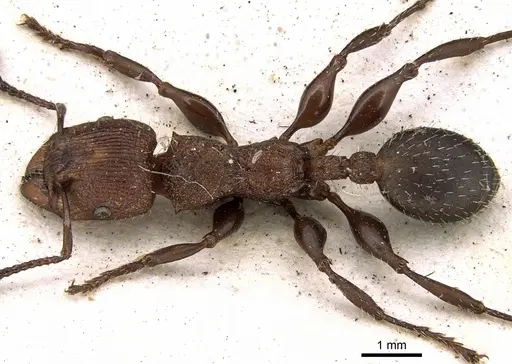
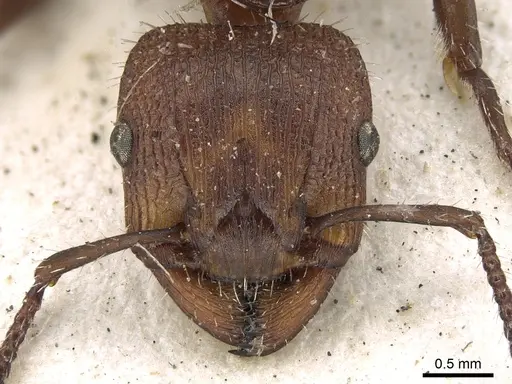
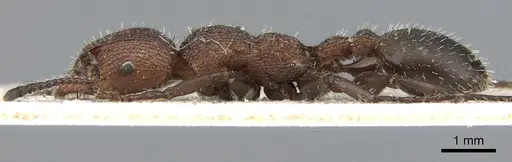
CASENT0908975
View on AntWeb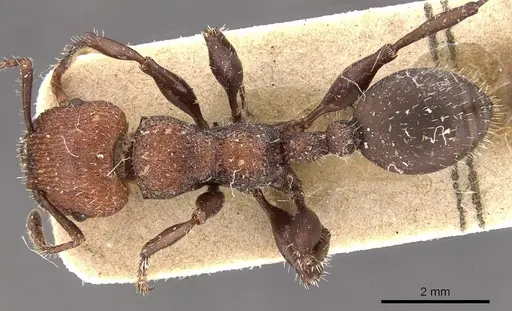
CASENT0919739
View on AntWeb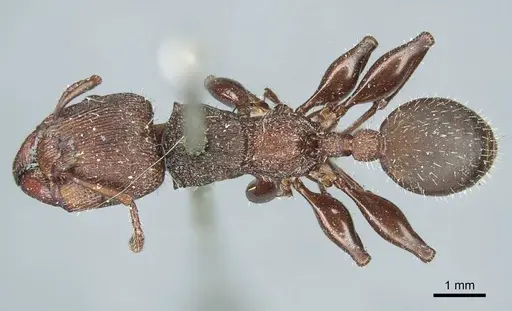
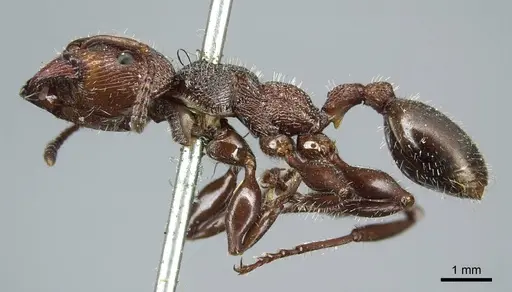
CASENT0922813
View on AntWeb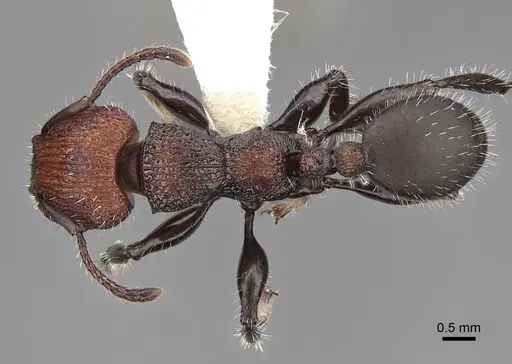
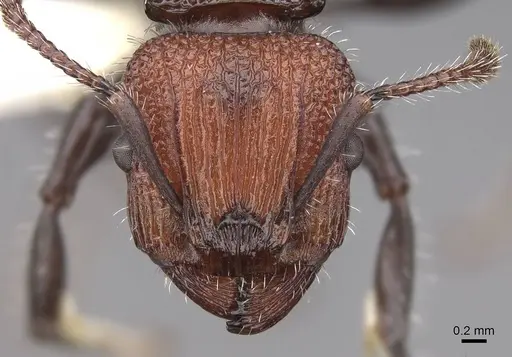
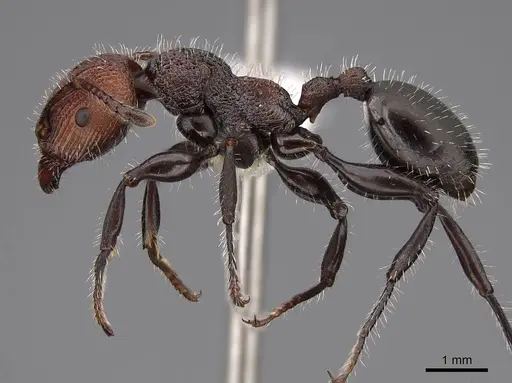
FOCOL1979
View on AntWeb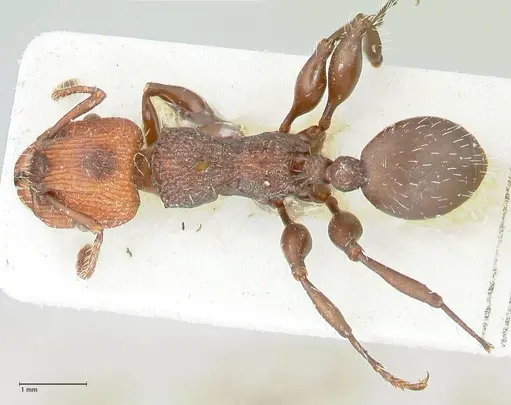
FOCOL1989
View on AntWeb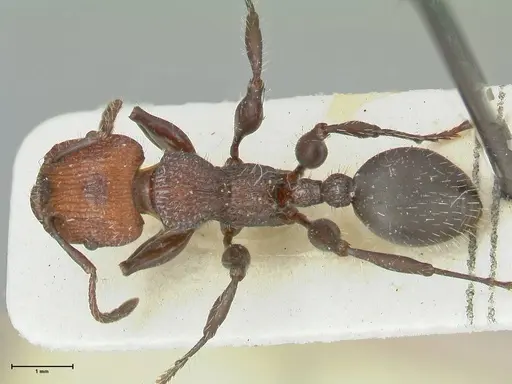
FOCOL1990
View on AntWeb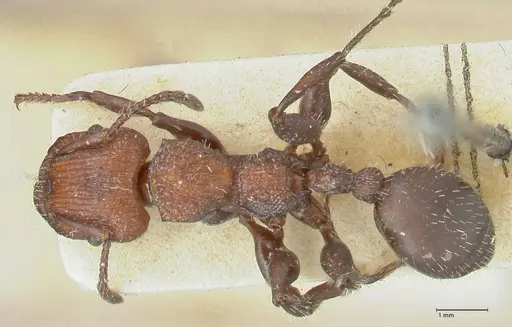
FOCOL1991
View on AntWeb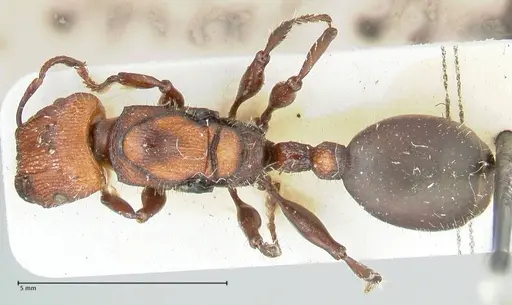
FOCOL1992
View on AntWeb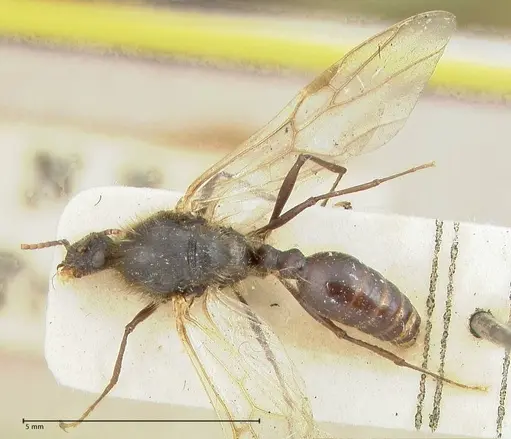
FOCOL1993
View on AntWeb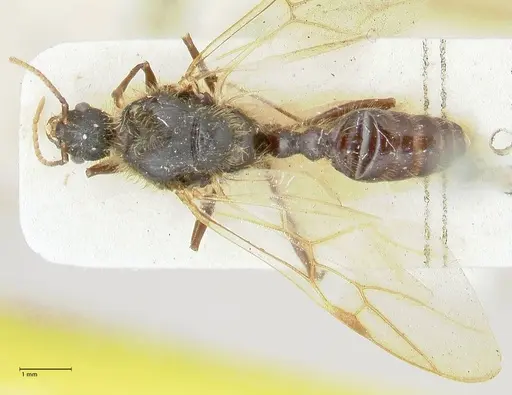
Literature
Loading...Loading products...