

Podomyrma macrophthalma
- Scientific Name
- Podomyrma macrophthalma
- Tribe
- Crematogastrini
- Subfamily
- Myrmicinae
- Author
- Viehmeyer, 1925
- Distribution
- Found in 1 countries
Podomyrma macrophthalma Overview
Podomyrma macrophthalma is an ant species of the genus Podomyrma. It is primarily documented in 1 countries , including Australia. Detailed taxonomic data and occurrence records can be further explored via authoritative databases such as AntWeb or the Global Biodiversity Information Facility (GBIF).
Podomyrma macrophthalma
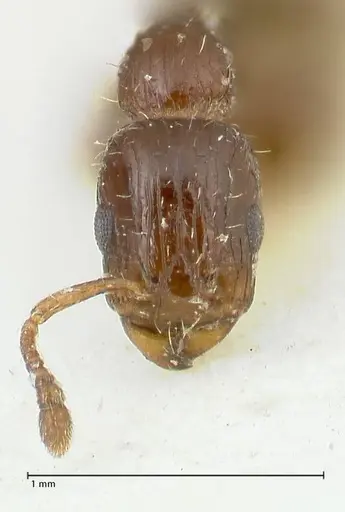
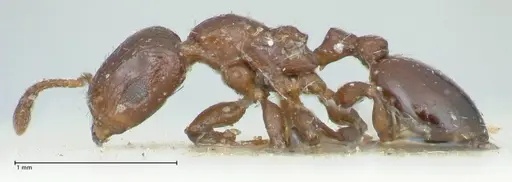
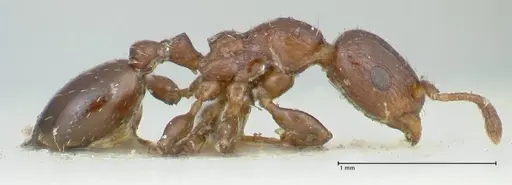
Podomyrma macrophthalma is a very small ant species native to Australia, found in Western Australia and New South Wales. Workers resemble Crematogaster ants in general shape but lack the typical spines or denticles on the node. The propodeal angles are also unarmed, meaning they don't have the small spines usually seen in related species. This ant is occasionally spotted in suburban Perth climbing on trees or wooden fence-lines, making it one of the more accessible native ant species for observers in urban areas [1]. The species is part of the omniparens species group, which suggests generalist feeding habits [1].
Quick Summary
- Difficulty: Unknown, species has limited documentation in antkeeping literature
- Origin & Habitat: Western Australia and New South Wales, Australia. Found in suburban environments on trees and wooden fence-lines in the Perth area [1].
- Colony Type: Unconfirmed colony structure, likely single-queen based on typical Myrmicinae patterns, but no specific studies exist for this species
- Size & Growth:
- Queen: Unknown, no documented measurements available
- Worker: Very small, described as a very small species similar to Crematogaster [1]
- Colony: Unknown, no colony size data available
- Growth: Unknown
- Development: Unknown, no development data available for this species (No direct studies on development timeline. Related Crematogaster species typically develop from egg to worker in 4-8 weeks at warm temperatures.)
- Antkeeping:
- Temperature: Unclear, no specific studies. Based on Australian distribution (Perth region), likely tolerates moderate temperatures around 20-26°C. Start in the low-mid 20s and observe colony activity.
- Humidity: Unclear, no specific data. Australian ants in this region typically prefer moderate humidity. Provide a water tube and allow the colony to choose moisture levels.
- Diapause: Unknown for this species. Many Australian ants reduce activity during cooler months but true hibernation may not be required.
- Nesting: No specific nesting data. In captivity, small Myrmicinae do well in test tubes or small acrylic nests. The species has been found on trees and wooden structures, suggesting they may accept wooden or bark-based nesting sites.
- Behavior: Not well documented. The species is occasionally observed foraging on trees and wooden structures in suburban areas, suggesting moderate activity levels. Escape prevention is important given their very small size, they can squeeze through tiny gaps. No documented aggression or stinging reports, but related Crematogaster species can be defensive when threatened.
- Common Issues: limited documentation makes care requirements uncertain, very small size creates high escape risk without fine mesh barriers, no established feeding protocols for this species, colony development timeline unknown makes planning difficult, wild-caught colonies may have parasites or diseases not yet documented
Identification and Appearance
Podomyrma macrophthalma workers are very small ants that closely resemble Crematogaster species in their general body shape. The most distinctive feature is the complete absence of spines or denticles on the node, most Crematogaster and related species have small spines there. The propodeal angles (the angles between the mesonotum and propodeum) are also unarmed, meaning they lack the small denticles typically present in this group. This combination of features makes identification relatively straightforward once you know what to look for. The species was originally described by Viehmeyer in 1925 from Australian specimens [1].
Natural Distribution and Habitat
This species is found only in Australia, specifically in Western Australia and New South Wales. In Western Australia, particularly around Perth, the species has been observed in suburban environments climbing on trees and wooden fence-lines. This makes it one of the more accessible native ant species for observation in urban areas. The species has been recorded in rehabilitation studies as characterizing mature restored areas, suggesting it can thrive in disturbed environments [2]. The Perth climate is Mediterranean, with hot dry summers and mild wet winters, which gives clues about the conditions this species naturally tolerates.
Housing and Nesting
Since specific nesting data is not available for this species, we must make educated guesses based on related ants and the observed natural behavior. The fact that they are found on trees and wooden structures suggests they may accept bark or wood-based nesting sites. In captivity, small Myrmicinae like this do well in test tube setups or small acrylic nests. Given their very small size, chambers and passages should be appropriately scaled. A test tube with a water reservoir works well for founding colonies. For established colonies, a small formicarium with narrow tunnels would be appropriate. Always use excellent escape prevention, their small size means they can squeeze through gaps that larger ants cannot.
Feeding and Diet
As a member of the omniparens species group, this species likely has generalist feeding habits and accepts a variety of foods [1]. However, no specific dietary studies exist for P. macronota. In captivity, small Myrmicinae typically accept sugar water, honey, or diluted syrup as an energy source. For protein, small insects like fruit flies, pinhead crickets, or mealworm pieces are usually accepted. Start with standard ant foods and observe what your colony prefers. Given their very small size, prey items should be appropriately small. Remove uneaten food promptly to prevent mold issues.
Temperature and Seasonal Care
No specific temperature studies exist for this species. Based on the Perth distribution, the ant experiences Mediterranean conditions with summer temperatures regularly exceeding 30°C and winter lows around 10-15°C. For captive care, a range in the low-to-mid 20s Celsius (around 22-26°C) is a reasonable starting point. Monitor your colony's activity, if they seem sluggish, slightly increase temperature, if they avoid the heated area, reduce it. Many Australian ants do not require true hibernation but may reduce activity during cooler months. A slight reduction in temperature during winter months may be appropriate but is not mandatory. [1]
Colony Development and Growth
Unfortunately, no specific data exists on the development timeline from egg to worker for this species. Related Crematogaster species typically develop in 4-8 weeks under warm conditions, but this is only an estimate. The first workers (nanitics) are usually smaller than subsequent workers. Given the very small size of the workers, colony growth may be slower than larger ant species. Patience is essential, small colonies take time to establish. Do not overfeed or disturb the colony during the founding stage. Once workers are established, regular feeding with protein and sugar sources will support growth.
Frequently Asked Questions
How long does it take for Podomyrma macrophthalma to produce first workers?
The exact development timeline is unknown, no studies have documented egg-to-worker time for this species. Based on related Crematogaster species, expect approximately 4-8 weeks at warm temperatures (around 24-26°C). Be patient with founding colonies.
What do Podomyrma macrophthalma ants eat?
No specific dietary studies exist for this species. As a member of the omniparens species group, they likely accept a variety of foods. In captivity, offer sugar sources (honey, sugar water) for energy and small protein sources (fruit flies, tiny insects). Start with standard ant foods and observe what your colony accepts.
Can I keep Podomyrma macrophthalma in a test tube?
Yes, test tubes are appropriate for founding colonies of this small ant species. Ensure the tube is properly set up with a water reservoir and cotton plug. The small size means you should use a test tube with appropriately narrow dimensions or consider a small acrylic nest for established colonies.
Do Podomyrma macrophthalma ants sting?
No documented reports of stinging exist for this species. As very small Myrmicinae, they may have reduced ability to sting humans. Related Crematogaster species can be defensive when their nest is threatened but rarely pose any danger to keepers.
Are Podomyrma macrophthalma good for beginners?
This species cannot be recommended for beginners due to limited documentation. Care requirements are not well-established, and there are no established protocols in the antkeeping hobby. This species is better suited for experienced keepers interested in working with poorly-documented native Australian species.
How big do Podomyrma macrophthalma colonies get?
Colony size is unknown, no studies have documented maximum colony sizes for this species. Being a very small ant, colonies are likely modest in size compared to larger ant species. Related Crematogaster colonies can reach several hundred to a few thousand workers.
What temperature should I keep Podomyrma macrophthalma at?
No specific requirements are documented. Based on their Perth distribution, aim for temperatures in the low-to-mid 20s Celsius (22-26°C). Start around 24°C and adjust based on colony behavior. Avoid temperatures above 30°C or below 15°C.
Do Podomyrma macrophthalma need hibernation?
Diapause requirements are unknown for this species. Many Australian ants reduce activity during winter but do not require true hibernation. A slight temperature reduction during cooler months (winter) may be appropriate but is not mandatory.
Why are my Podomyrma macrophthalma escaping?
Their very small size means they can escape through tiny gaps. Use excellent escape prevention including fine mesh barriers, tight-fitting lids, and fluon barriers. Check all connections and openings regularly.
Can I keep multiple Podomyrma macrophthalma queens together?
Colony structure is unconfirmed. No studies document whether this species is monogyne (single queen) or polygyne (multiple queens). Combining unrelated queens is not recommended due to lack of data on their social structure.
References

This caresheet is licensed under CC BY-SA 4.0 .
FOCOL1965
View on AntWeb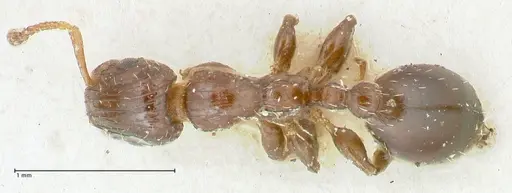
Literature
Loading...Loading products...