

Podomyrma laevifrons
- Scientific Name
- Podomyrma laevifrons
- Tribe
- Crematogastrini
- Subfamily
- Myrmicinae
- Author
- Smith, 1859
- Distribution
- Found in 2 countries
Podomyrma laevifrons Overview
Podomyrma laevifrons is an ant species of the genus Podomyrma. It is primarily documented in 2 countries , including Australia, Papua New Guinea. Detailed taxonomic data and occurrence records can be further explored via authoritative databases such as AntWeb or the Global Biodiversity Information Facility (GBIF).
Podomyrma laevifrons
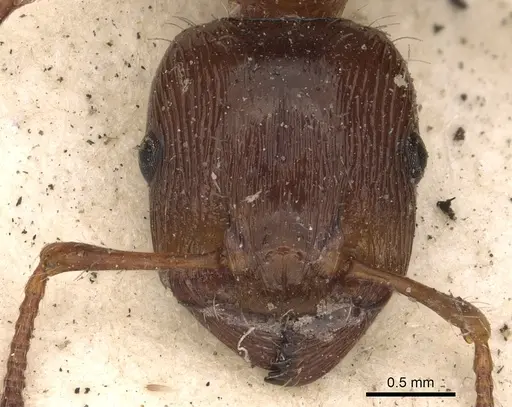
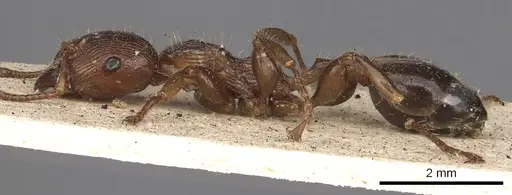
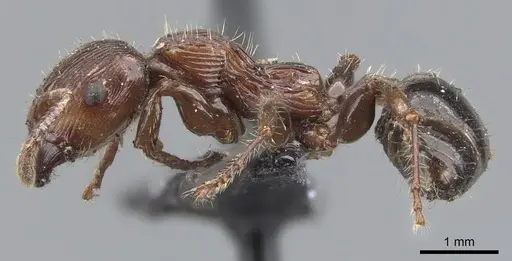
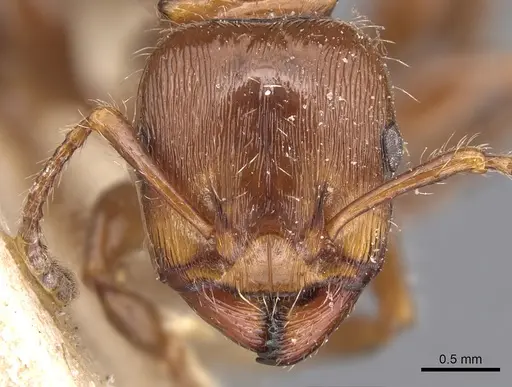
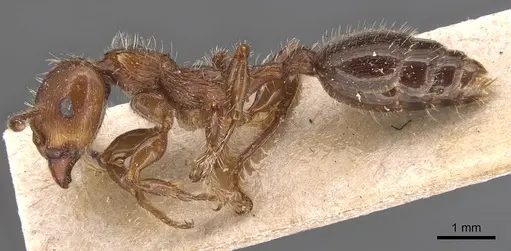
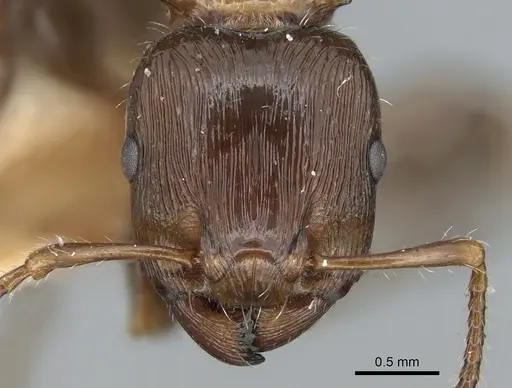
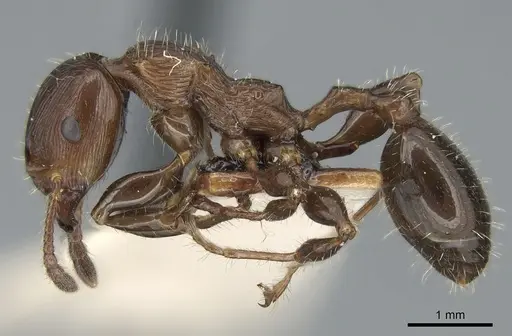
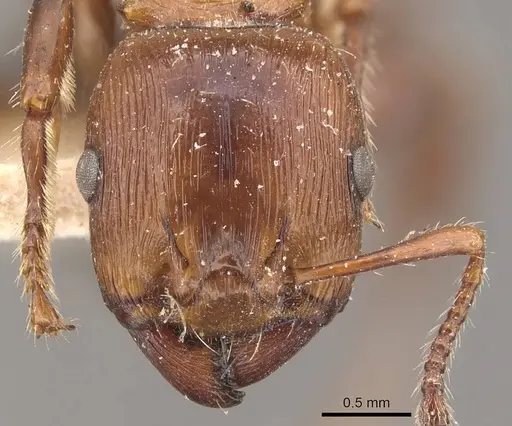
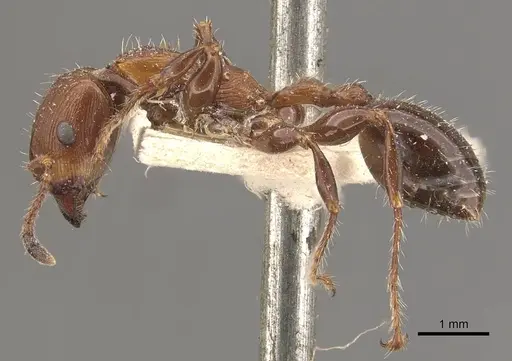
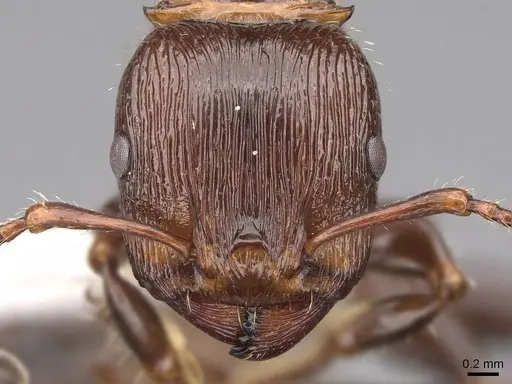
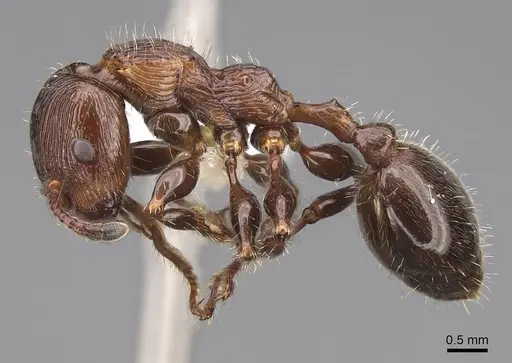
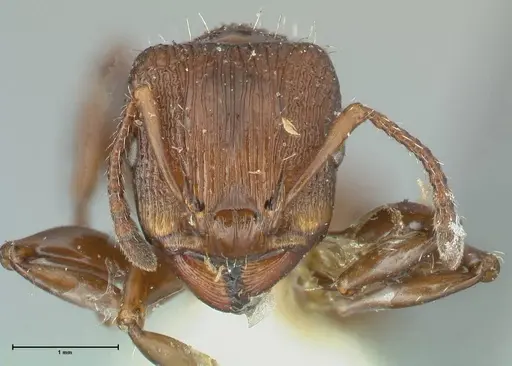
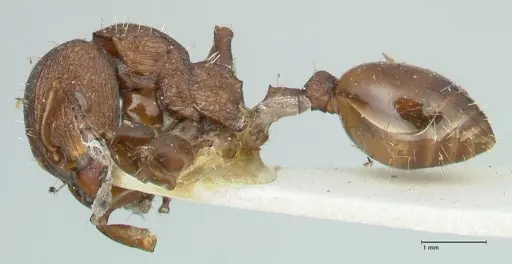
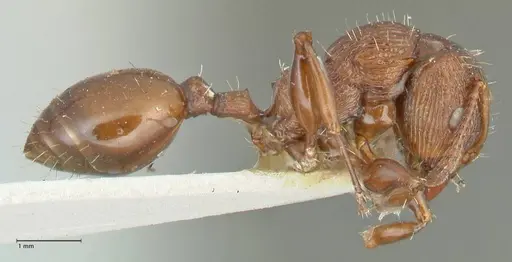
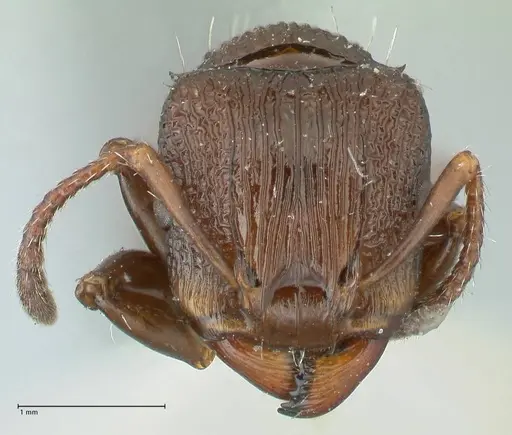
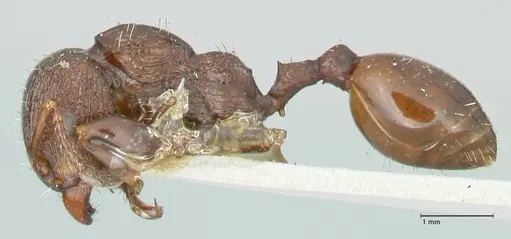
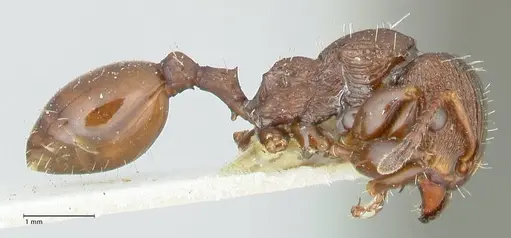
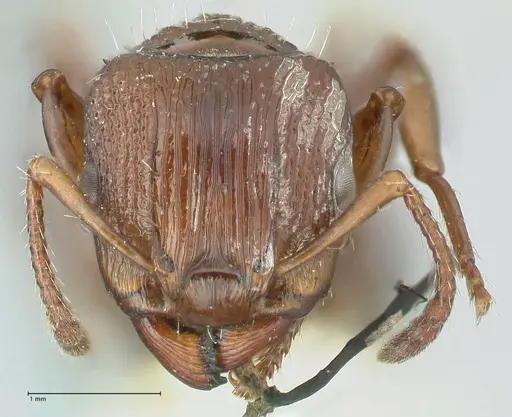
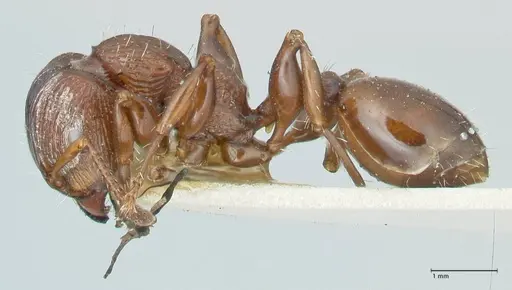
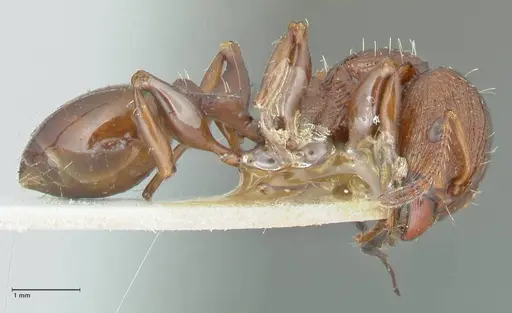
Podomyrma laevifrons is a medium-sized ant species native to the Australasian region, including northern Australia, New Guinea, and Indonesia. Workers measure approximately 6.67mm and have a distinctive chestnut-brown coloration with a darker abdomen. They belong to the Myrmicinae subfamily and are known for their interesting trophobiont-tending behavior, where they farm scale insects for honeydew. These ants form foraging trails and are typically found in tropical and subtropical forest environments.
Quick Summary
- Difficulty: Medium
- Origin & Habitat: Australasian region, found across northern Australia, New Guinea, and Indonesia (Aru Islands). Inhabits tropical and subtropical forest environments where they tend scale insects on trees [1][2].
- Colony Type: Colony structure is unconfirmed. Based on typical Podomyrma patterns, likely single-queen colonies but this requires verification.
- Size & Growth:
- Queen: Unconfirmed, no specific measurements available
- Worker: 6.67mm [1]
- Colony: Unknown, no colony size data available
- Growth: Unknown, no development data available
- Development: Unconfirmed, no direct measurements available. Based on typical Myrmicinae patterns from similar tropical species, estimate 6-10 weeks at optimal temperature. (Development timeline has not been directly studied. Estimates based on genus-level patterns.)
- Antkeeping:
- Temperature: Keep at warm room temperature, roughly 24-28°C. Their tropical distribution suggests they prefer warmer conditions. A heating cable on one side of the nest can create a gentle gradient if needed.
- Humidity: Maintain moderate to high humidity, similar to their tropical forest habitat. Keep nest substrate consistently moist but not waterlogged. Provide a water tube for drinking access.
- Diapause: Unknown, tropical species may not require formal hibernation but may show reduced activity during cooler months.
- Nesting: In nature, they likely nest in soil or rotting wood in forest environments. In captivity, a Y-tong or plaster nest works well. They need secure containment as medium-sized ants can escape through standard gaps.
- Behavior: These ants are known for their trophobiont-tending behavior, they farm scale insects and other honeydew-producing insects for sugar. They form foraging trails, which is an interesting behavior to observe in captivity. They are not particularly aggressive but will defend their colony if threatened. Escape prevention should be moderate, they are medium-sized and can fit through small gaps.
- Common Issues: lack of development data makes precise care challenging, start with standard Myrmicinae parameters and adjust based on colony behavior, tropical species may be sensitive to temperature drops, keep warm and stable, honeydew dependency means sugar sources are essential, they may not accept sugar water readily if not accustomed to it, foraging trail behavior requires space, they need room to establish trails between nest and outworld
Natural History and Distribution
Podomyrma laevifrons is found across the Australasian region, including northern Australia, New Guinea, and the Aru Islands of Indonesia. This species was originally described by Frederick Smith in 1859 and has several junior synonyms, including Podomyrma laevifrons, Podomyrma laevifrons, and Podomyrma laevifrons [1][2]. They inhabit tropical and subtropical forest environments where they can access their primary food source, honeydew-producing insects.
Feeding and Diet
Like other Podomyrma species, P. laevifrons is known for trophobiont tending, they farm scale insects and other honeydew-producing hemipterans for their sugary secretions. This is their primary food source in the wild [3]. In captivity, you should provide a varied diet including sugar sources (honey water or sugar water) and protein (small insects like fruit flies, mealworms, or crickets). Their trail-forming foraging behavior suggests they are active hunters and will accept protein prey. Offer sugar water constantly and protein prey 2-3 times per week.
Temperature and Housing
As a tropical species from northern Australia and New Guinea, Podomyrma laevifrons prefers warm conditions. Keep the nest area at approximately 24-28°C. A heating cable on one side of the nest can create a temperature gradient, but ensure they can move to cooler areas if needed. For nesting, a Y-tong (acrylic) or plaster nest works well, these materials hold humidity consistently. Keep the substrate moderately moist. Provide a water tube for drinking access.
Foraging Behavior
One of the most interesting aspects of keeping Podomyrma laevifrons is their trail-forming foraging behavior. They establish defined trails between their nest and food sources, which is fascinating to observe [3]. This means they need adequate space to move between the nest and outworld. When setting up their enclosure, ensure the outworld is easily accessible from the nest and that they can establish clear trails. This behavior also means they are active foragers rather than ambush predators.
Frequently Asked Questions
How long does it take for Podomyrma laevifrons to produce first workers?
The exact development timeline has not been documented. Based on typical Myrmicinae patterns for tropical species, expect approximately 6-10 weeks from egg to first worker at optimal temperature (24-28°C). Nanitics (first workers) will likely be smaller than mature workers.
What do Podomyrma laevifrons eat?
They primarily tend scale insects for honeydew in the wild. In captivity, offer sugar water or honey water as a constant sugar source, plus protein prey like fruit flies, small crickets, or mealworms 2-3 times weekly.
Do Podomyrma laevifrons ants sting?
As Myrmicinae ants, they have a stinger but are not known for aggressive stinging behavior. They will defend their colony if threatened but are not considered dangerous to humans.
What temperature do Podomyrma laevifrons need?
Keep them warm at 24-28°C. Their tropical distribution means they prefer consistent warmth. A heating cable on part of the nest can help maintain optimal temperature.
Are Podomyrma laevifrons good for beginners?
They are rated as Medium difficulty. While their basic care is straightforward, the lack of detailed husbandry information makes them slightly more challenging than well-studied species. They are best suited for antkeepers who have kept Myrmicinae species before and are comfortable adapting care based on colony behavior.
How big do Podomyrma laevifrons colonies get?
Colony size data is not available in scientific literature. Based on their medium worker size (6.67mm) and typical Podomyrma patterns, colonies likely reach several hundred workers over time.
Do Podomyrma laevifrons need hibernation?
As a tropical species from northern Australia and New Guinea, they likely do not require formal hibernation. They may show reduced activity during cooler periods but should be kept warm year-round (24-28°C).
Can I keep multiple Podomyrma laevifrons queens together?
Colony structure (monogyne vs polygyne) has not been documented for this species. Until more information is available, it is not recommended to keep multiple unrelated queens together as queen fighting may occur.
What type of nest is best for Podomyrma laevifrons?
A Y-tong (acrylic) or plaster nest works well. These materials hold humidity consistently, which is important for this tropical species. Ensure the chambers are appropriately sized for their medium 6.67mm worker size.
Why do my Podomyrma laevifrons form trails?
Trail-forming is natural behavior for this species. They establish defined foraging trails between their nest and food sources [3]. This is an efficient strategy for trophobiont tending and is fascinating to observe in captivity.
References

This caresheet is licensed under CC BY-SA 4.0 .
CASENT0901390
View on AntWeb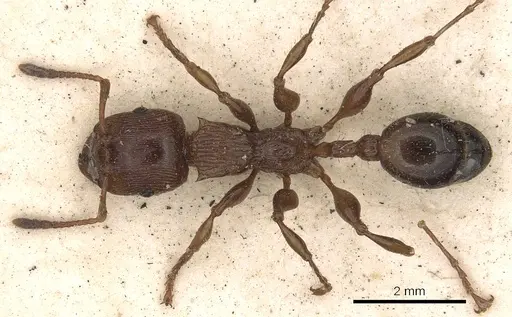
CASENT0901391
View on AntWeb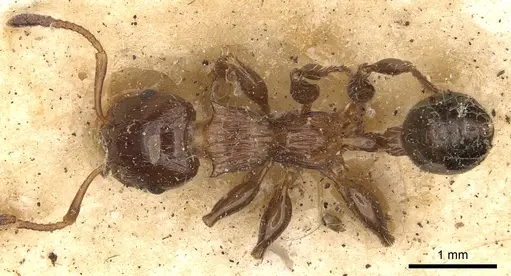
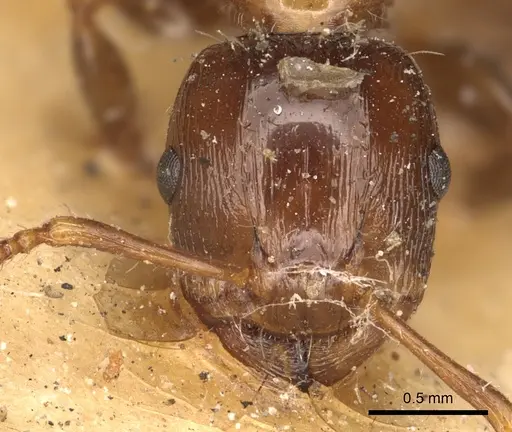
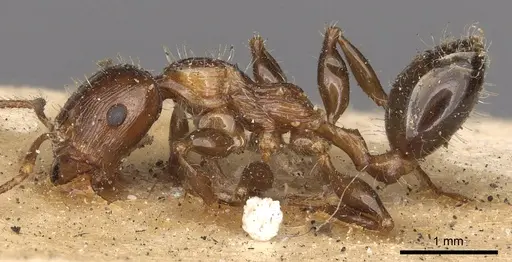
CASENT0902001
View on AntWeb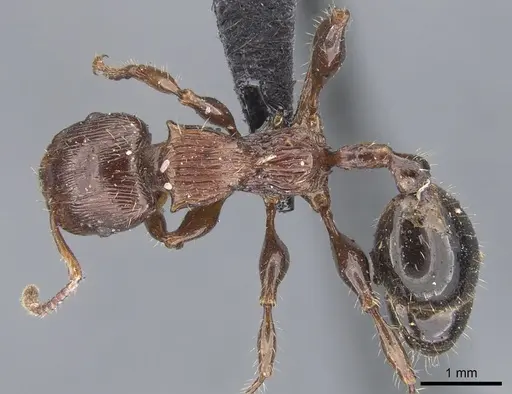
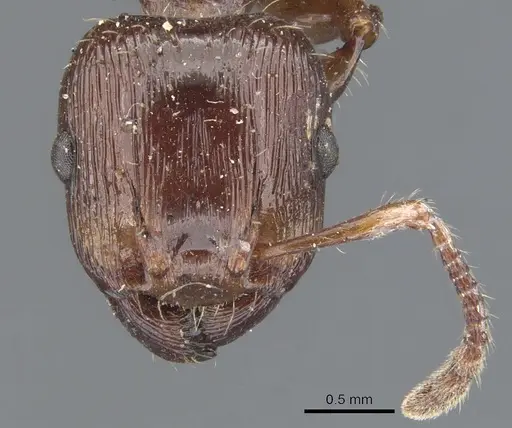
CASENT0904707
View on AntWeb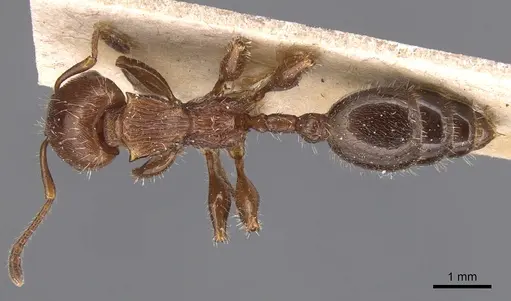
CASENT0906186
View on AntWeb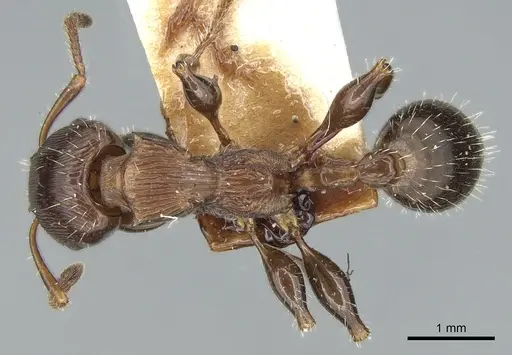
CASENT0908973
View on AntWeb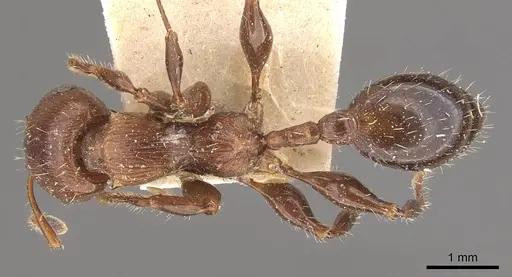
CASENT0922812
View on AntWeb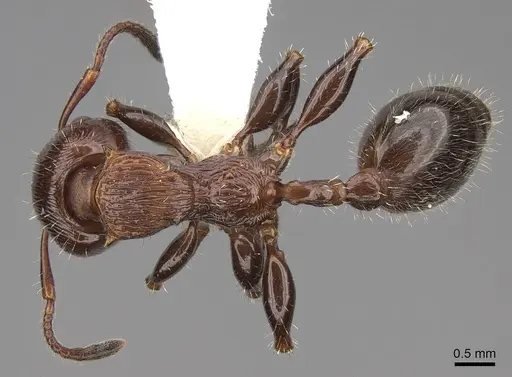
FOCOL1975
View on AntWeb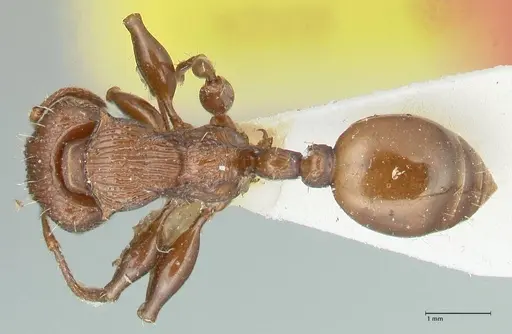
FOCOL1976
View on AntWeb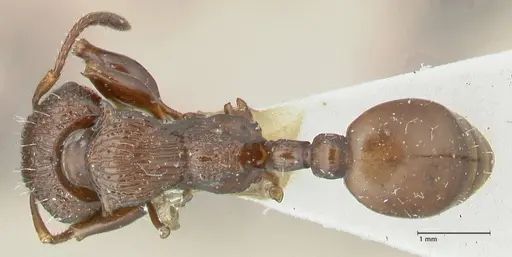
FOCOL1977
View on AntWeb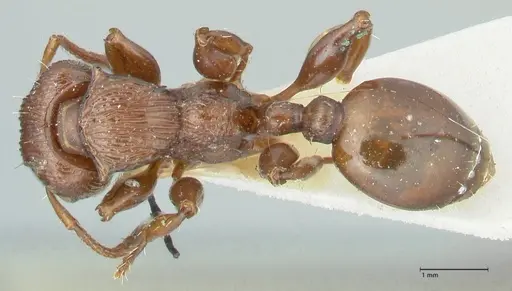
Literature
Loading...Loading products...