
Podomyrma gratiosa shows a January to December flight window. Peak activity occurs in November, with nuptial flights distributed across 4 months.
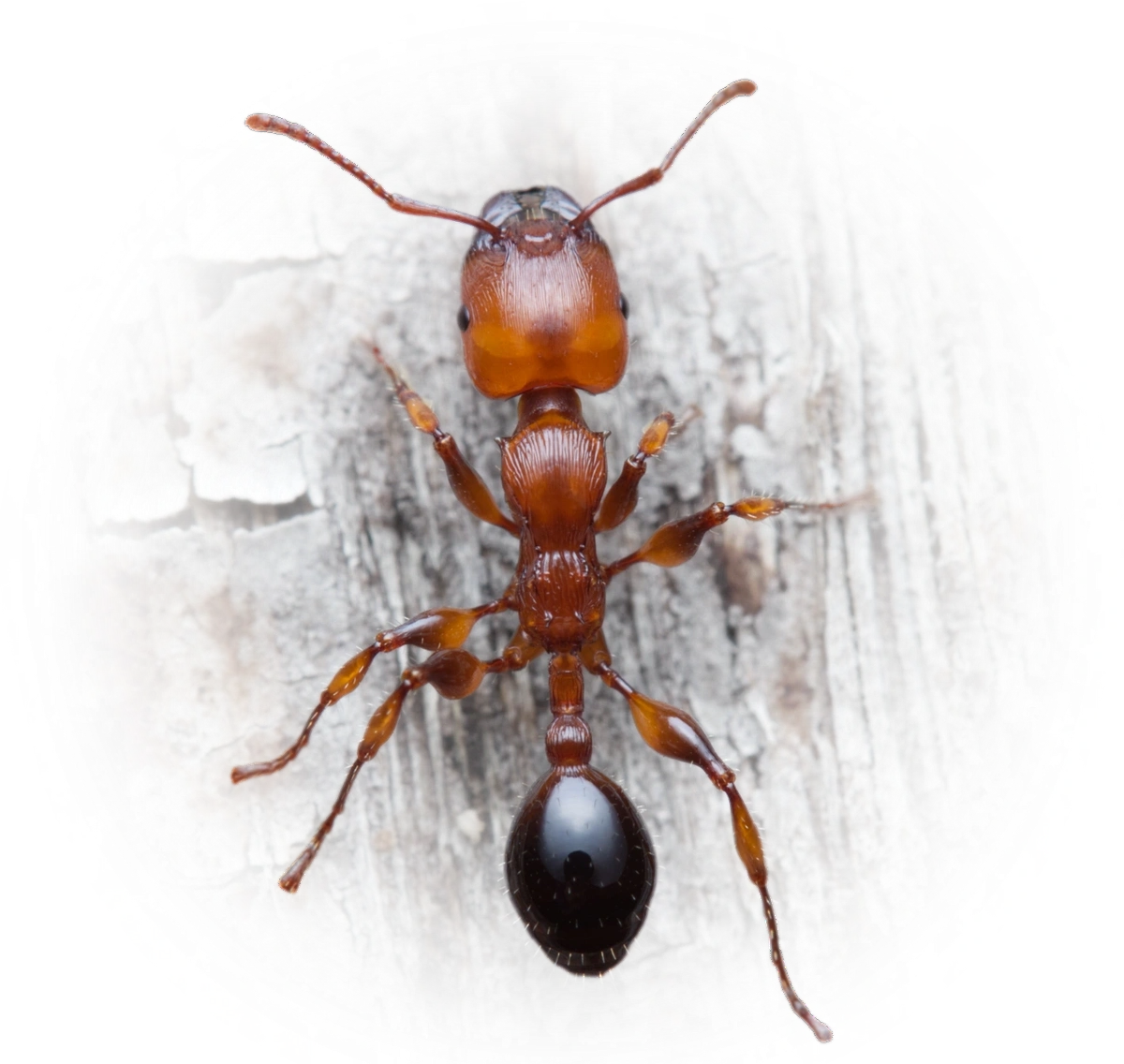
Podomyrma gratiosa
- Scientific Name
- Podomyrma gratiosa
- Tribe
- Crematogastrini
- Subfamily
- Myrmicinae
- Author
- Smith, 1858
- Common Name
- Muscleman Tree ant
- Distribution
- Found in 1 countries
- Nuptial Flight
- from January to December, peaking in November
AI Identifiable
try →
Podomyrma gratiosa Overview
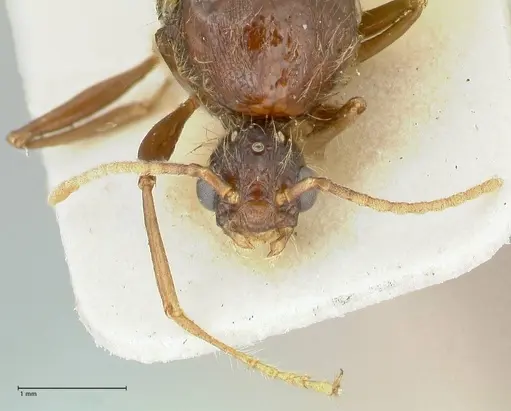
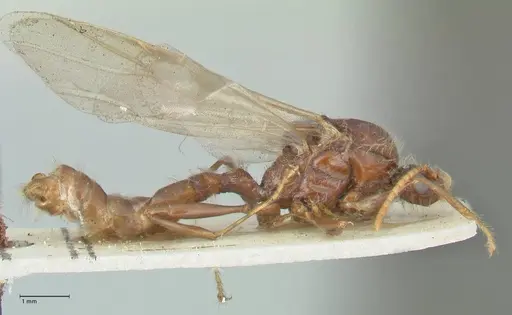
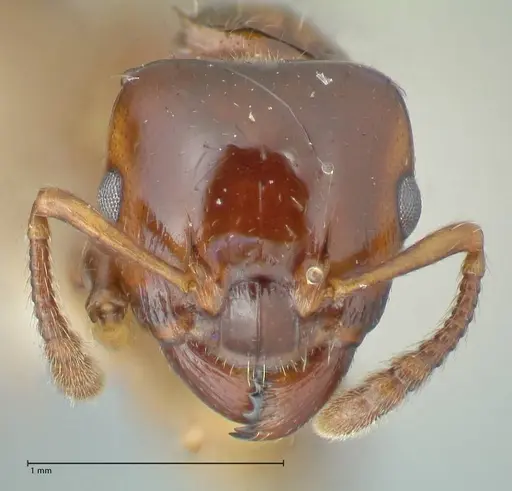
Podomyrma gratiosa (commonly known as the Muscleman Tree ant) is an ant species of the genus Podomyrma. It is primarily documented in 1 countries , including Australia. Detailed taxonomic data and occurrence records can be further explored via authoritative databases such as AntWeb or the Global Biodiversity Information Facility (GBIF).
The nuptial flight of Podomyrma gratiosa is a significant biological event, typically occurring from January to December, peaking in November. During this time, winged queens and males leave the nest to mate and establish new colonies.
Podomyrma gratiosa - "Muscleman Tree ant"
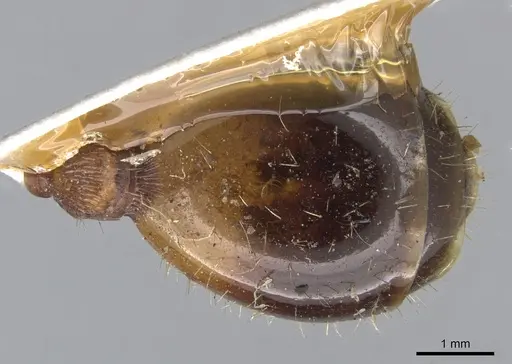
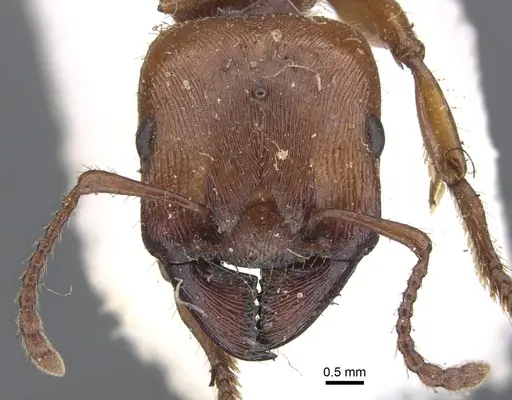
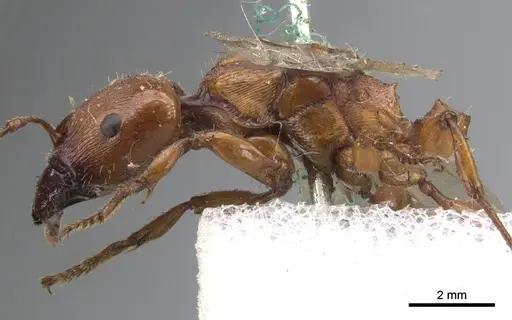
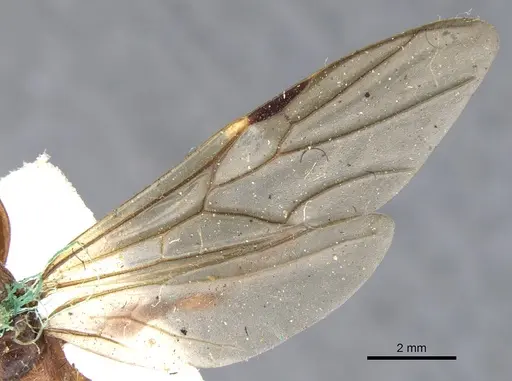
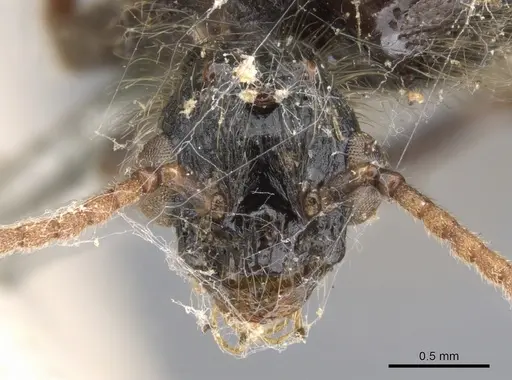
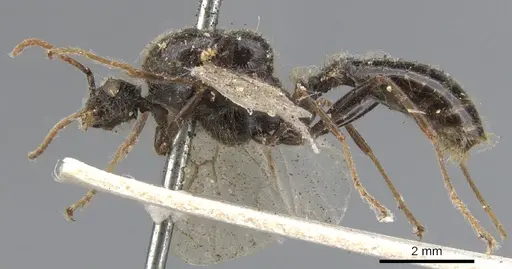
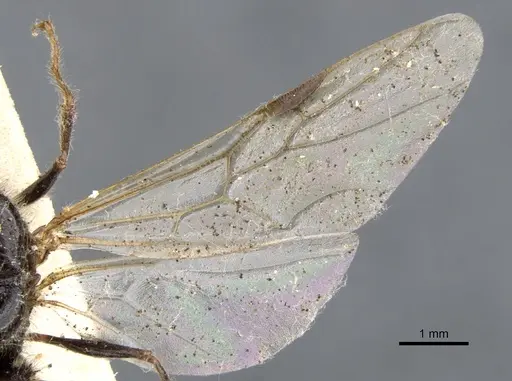
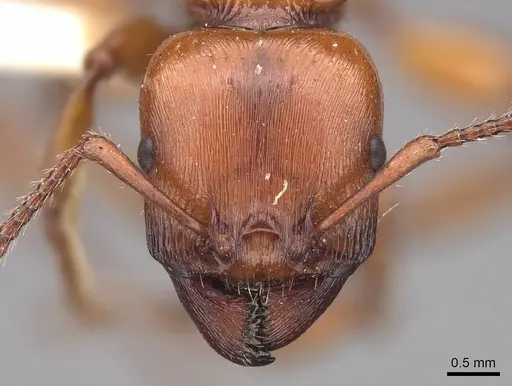
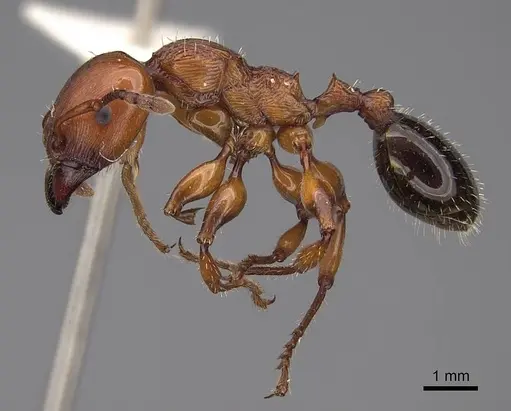
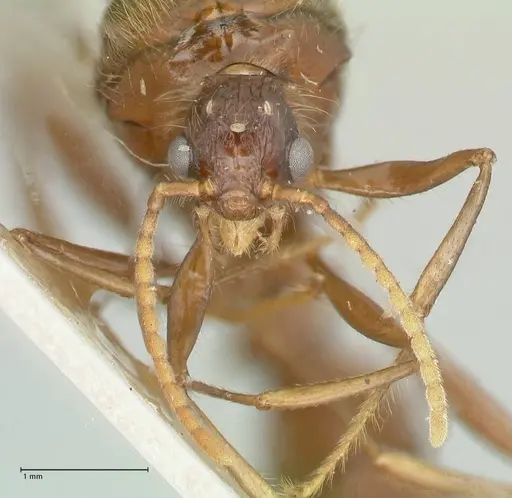
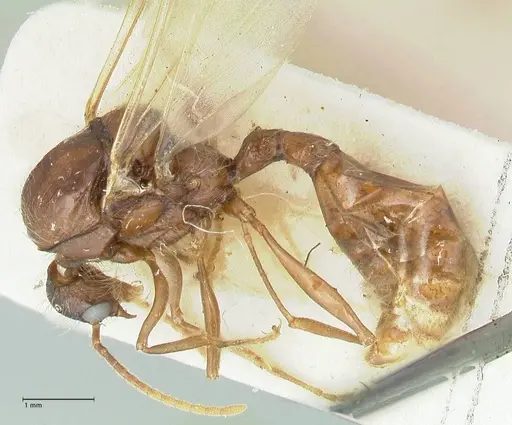
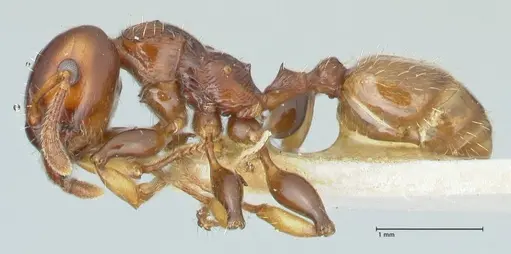
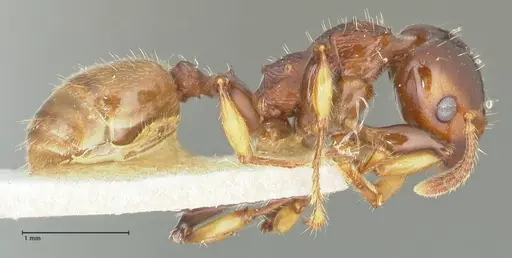
Podomyrma gratiosa is a small to medium-sized ant species native to Australia, specifically recorded from the Adelaide region. Workers measure approximately 6-7mm while queens reach around 10-11mm, making them a modest-sized Myrmicine species. They belong to the Crematogastrini tribe and feature the typical chunky body shape common to many Australian ground-nesting ants. The species has a dark brown to black coloration with lighter appendages, and like other Podomyrma species, they have a distinctive raised area (tubercles) on the propodeum. This species is known from historical collections in South Australia, with the original specimens described by Frederick Smith in 1858 from Adelaide [1][2].
Quick Summary
- Difficulty: Medium
- Origin & Habitat: Native to Australia, specifically the Adelaide region in South Australia. They are a ground-nesting species adapted to temperate Australian conditions.
- Colony Type: Colony structure is unconfirmed. Based on typical Podomyrma patterns, likely single-queen (monogyne) colonies with moderate worker populations.
- Size & Growth:
- Queen: Approximately 10-11mm (6.5 lines) [1]
- Worker: Approximately 6-7mm (4 lines) [1]
- Colony: Unknown, estimated moderate colonies of several hundred workers based on genus patterns
- Growth: Moderate, estimated based on similar Myrmicinae
- Development: Estimated 6-10 weeks at optimal temperature based on related Myrmicinae patterns (Development timeline not directly studied, estimate based on genus-level data for similar Australian Myrmicinae)
- Antkeeping:
- Temperature: Keep at 20-26°C. Australian temperate species can tolerate room temperature (20-24°C) and benefit from a gentle warmth gradient. Avoid temperatures above 30°C.
- Humidity: Moderate humidity needs. Keep nest substrate lightly moist but not waterlogged. Provide a water tube as a moisture source. Australian species typically handle drier conditions than tropical ants.
- Diapause: Yes, Australian temperate species require a winter rest period. Reduce temperature to 10-15°C for 2-3 months during winter (roughly May-August in Northern Hemisphere timing).
- Nesting: Ground-nesting species. In captivity, they do well in Y-tong (AAC) nests, plaster nests, or naturalistic setups with soil substrate. Provide moderate chamber sizes scaled to colony size.
- Behavior: Workers are active foragers that search for food both on the ground and low vegetation. They are not particularly aggressive but will defend their nest. Workers are moderate in size with good climbing ability, escape prevention should be moderate but is not as critical as for tiny species. They likely show typical Myrmicinae behavior with moderate activity levels.
- Common Issues: Limited availability, this species is rarely available in the antkeeping hobby, Slow colony growth compared to faster-raising species like Pheidole, Winter dormancy requirements can be challenging for beginners, Wild-caught colonies may have parasites or diseases, Limited published care information means keepers must adapt from genus-level knowledge
Nuptial Flight Activity Analysis 59 observations
Flight Activity by Hour 59 observations
Podomyrma gratiosa nuptial flight activity peaks around 10:00 during the late morning to early afternoon. Activity is spread across a 14-hour window (07:00–20:00). A secondary activity peak occurs around 14:00. Times may be influenced by human observation patterns.
Housing and Nest Setup
Podomyrma gratiosa is a ground-nesting species that does well in various captive setups. Y-tong (AAC) nests work excellently for this species, providing dark, secure chambers that mimic underground conditions. Plaster nests with built-in water chambers also work well, allowing you to maintain consistent humidity. For a naturalistic approach, use a soil-filled container with a layer of gravel for drainage. Regardless of nest type, ensure the outworld (foraging area) is connected properly and escape barriers are in place. These ants are moderate climbers but not extreme escape artists like tiny Pheidole or Wasmannia species. A test tube setup works for founding colonies, use a standard test tube with a water reservoir sealed with cotton, keeping it horizontal so the queen can move between dry and moist areas.
Feeding and Diet
Like most Podomyrma species, P. gratiosa is likely a generalist forager that accepts both sugar sources and protein. Offer sugar water (1:4 ratio sugar to water) or honey diluted with water as a constant carbohydrate source. For protein, provide small insects like fruit flies, small mealworms, or cricket pieces. They will likely also collect honeydew from offered sugar sources. Feed protein 2-3 times per week, adjusting based on colony size and consumption. Remove uneaten prey after 24-48 hours to prevent mold. A varied diet helps ensure healthy colony development. Young colonies (with just a queen and brood) typically don't need much food, the claustral queen survives on her fat reserves until the first workers emerge.
Temperature and Seasonal Care
Maintain temperatures between 20-26°C for optimal brood development. Room temperature (around 20-24°C) is typically suitable for this Australian temperate species. You can create a gentle temperature gradient by placing a heating cable or mat on one side of the nest, this allows workers to choose their preferred temperature zone. During winter (roughly November-February in Australia, or May-August if mimicking Southern Hemisphere seasons), reduce temperatures to 10-15°C to provide a dormancy period. This winter rest is important for colony health and may trigger reproductive cycles in spring. Do not cool below 5°C or warm above 30°C. Stable temperatures without dramatic fluctuations support healthy colony growth.
Humidity and Water
Keep nest substrate moderately moist but avoid waterlogging. The substrate should feel damp to the touch but not squishy. A water tube attached to the nest provides a constant moisture source that diffuses through the nesting material. Mist the outworld occasionally, especially if the colony is actively foraging. Good ventilation is important to prevent mold growth while maintaining humidity, avoid completely sealed nests. If you notice condensation constantly pooling on nest walls, increase ventilation. If the substrate dries too quickly or workers cluster near the water tube, increase moisture. The goal is a balanced environment that doesn't swing between extremes.
Colony Development and Growth
A newly mated queen will found her colony claustrally, she seals herself in a chamber and survives on stored fat reserves while laying eggs and raising the first brood. The first workers (nanitics) will be smaller than normal workers but help expand the colony. Growth rate is moderate, expect 6-10 weeks from egg to first worker at optimal temperature. After workers emerge, the colony grows steadily as the queen continues laying eggs. Unlike fast-growing genera like Pheidole, Podomyrma colonies develop more slowly but can live for many years. A mature colony may reach several hundred workers. Be patient with founding colonies, overfeeding or disturbing the queen during founding can cause colony failure.
Behavior and Observation
Workers of P. gratiosa are active foragers that search the outworld for food. They show typical Myrmicinae behavior, not particularly aggressive toward humans but willing to defend the nest if threatened. Workers are moderate climbers, capable of traversing smooth surfaces but not as adept as specialized climbers. You can observe interesting behaviors like trophallaxis (food sharing between workers), brood care, and territorial defense. The colony will establish clear foraging patterns once established. Watching workers communicate about food discoveries and carry prey back to the nest provides engaging observation opportunities. This species is suitable for keepers who enjoy observing natural ant behavior over extended periods.
Frequently Asked Questions
How long does it take for Podomyrma gratiosa to raise first workers?
Expect 6-10 weeks from egg to first worker at optimal temperature (20-26°C). This is a moderate development time typical for Myrmicinae ants. The exact timeline depends on temperature and how well the queen is cared for during founding.
What do Podomyrma gratiosa ants eat?
They are generalists that accept both sugar and protein. Offer sugar water or diluted honey as a constant carbohydrate source. For protein, provide small insects like fruit flies, small mealworms, or cricket pieces. Remove uneaten prey after 24-48 hours.
Do Podomyrma gratiosa ants need hibernation?
Yes, as an Australian temperate species they benefit from a winter rest period. Reduce temperatures to 10-15°C for 2-3 months annually. This mimics their natural seasonal cycle and supports colony health.
What size nest do I need for Podomyrma gratiosa?
Start with a test tube for founding colonies. Once the colony reaches 20-30 workers, you can move them to a small Y-tong (AAC) nest or plaster nest. Scale up nest size as the colony grows, they do well in nests with multiple chambers.
Are Podomyrma gratiosa ants aggressive or dangerous?
They are not particularly aggressive toward keepers but will defend their nest if threatened. They have the typical Myrmicinae sting but are not considered dangerous to humans. Their moderate size makes them easier to handle than larger aggressive species.
How big do Podomyrma gratiosa colonies get?
Colony size is not well documented but based on genus patterns, expect moderate colonies of several hundred workers. They are not supercolonial and typically maintain a single nest site.
Can I keep multiple Podomyrma gratiosa queens together?
Colony structure is unconfirmed for this species. Based on typical Podomyrma patterns, they likely have single-queen colonies. Combining unrelated queens is not recommended without evidence they can found colonies pleometrotically.
What temperature is best for Podomyrma gratiosa?
Keep them at 20-26°C. Room temperature (20-24°C) is typically suitable. You can provide a gentle warmth gradient using a heating cable on one side of the nest, but avoid temperatures above 30°C.
Why is my Podomyrma gratiosa colony dying?
Common causes include: overfeeding leading to mold, incorrect humidity (too wet or too dry), temperature stress, or disturbance during founding. Also ensure they have proper ventilation. Wild-caught colonies may carry parasites.
Is Podomyrma gratiosa good for beginners?
This species is rated as medium difficulty. While not as challenging as some exotic species, the limited available care information and winter dormancy requirements make it better suited for keepers with some experience. Beginners may find the slower growth and specific seasonal needs challenging.
References

This caresheet is licensed under CC BY-SA 4.0 .
CASENT0217912
View on AntWeb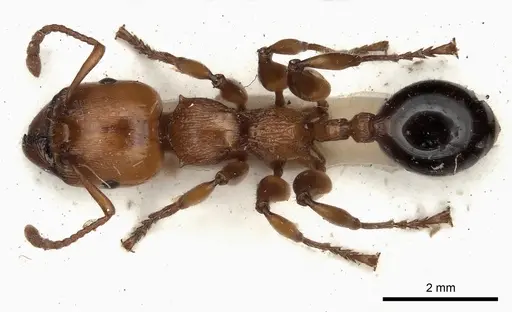
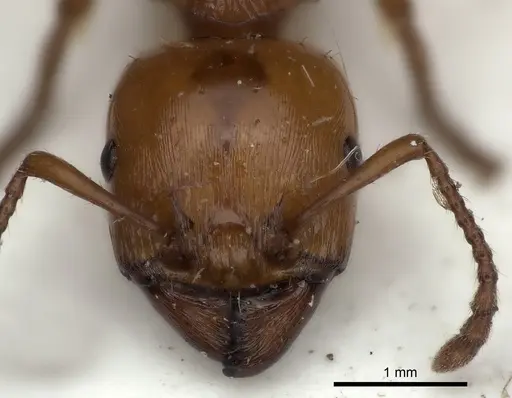
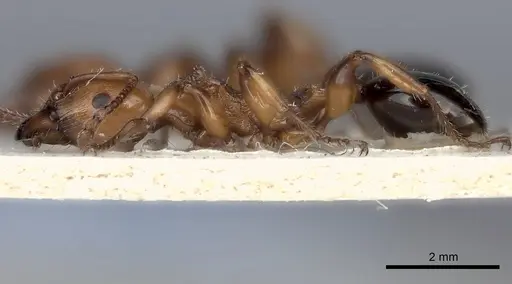
CASENT0902009
View on AntWeb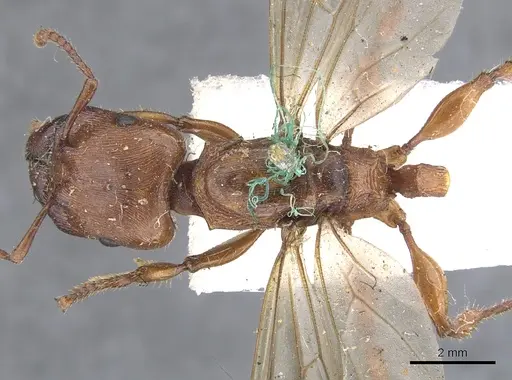
CASENT0902010
View on AntWeb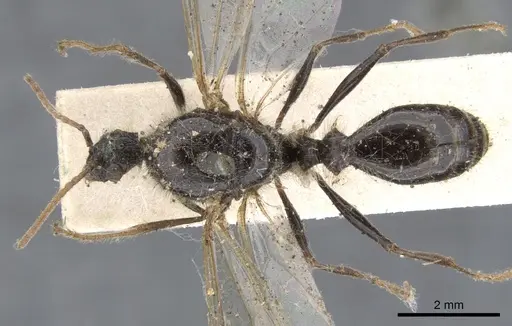
CASENT0922810
View on AntWeb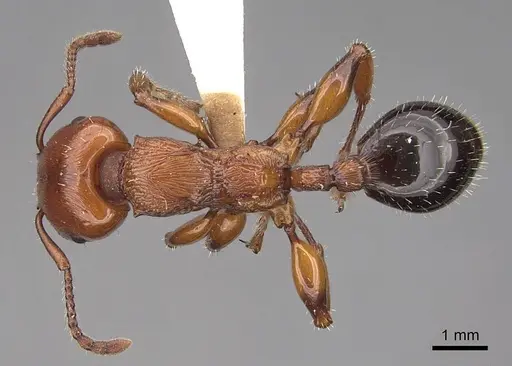
FOCOL1996
View on AntWeb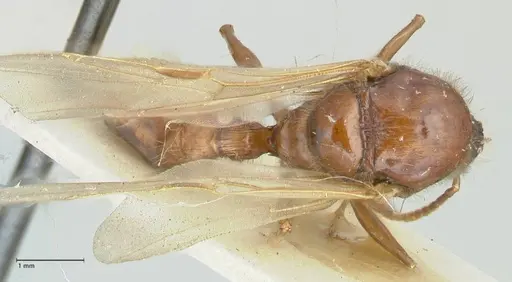
FOCOL1997
View on AntWeb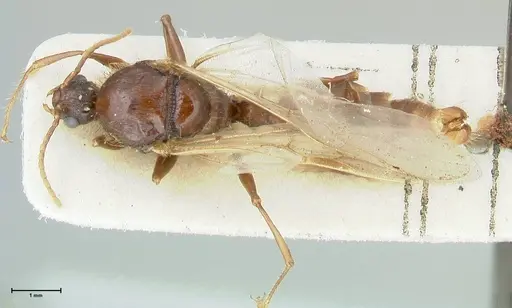
FOCOL1998
View on AntWeb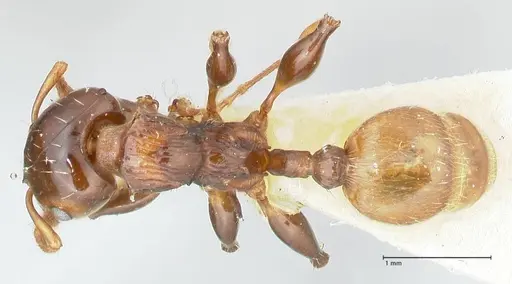
Literature
Loading...Loading products...