

Podomyrma basalis
- Scientific Name
- Podomyrma basalis
- Tribe
- Crematogastrini
- Subfamily
- Myrmicinae
- Author
- Smith, 1859
- Distribution
- Found in 4 countries
Podomyrma basalis Overview
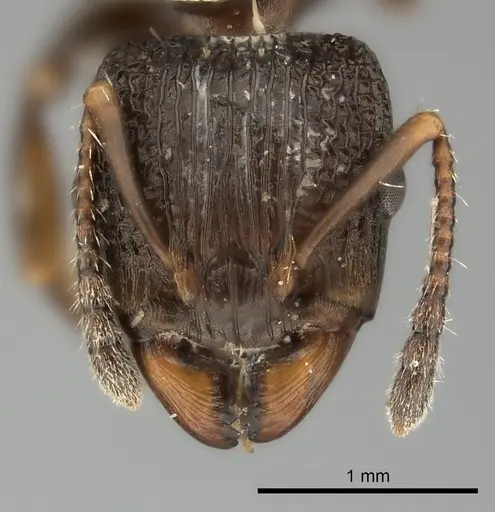
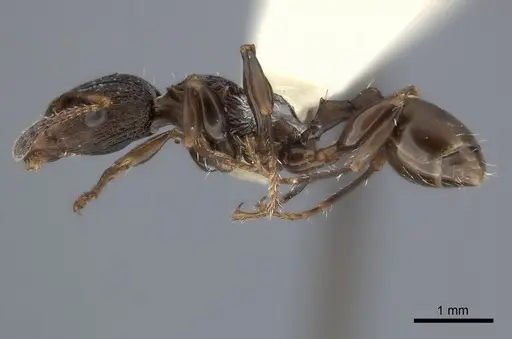
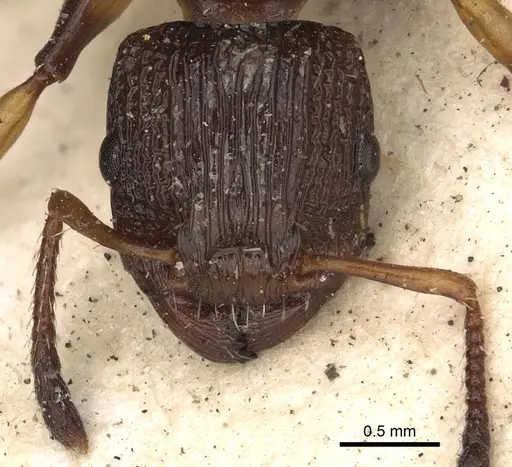
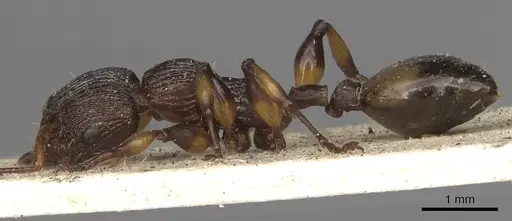
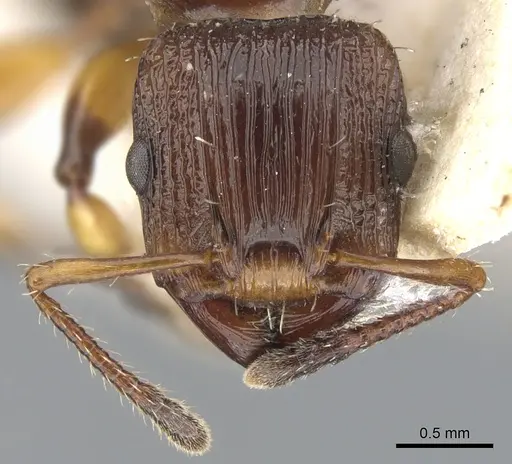
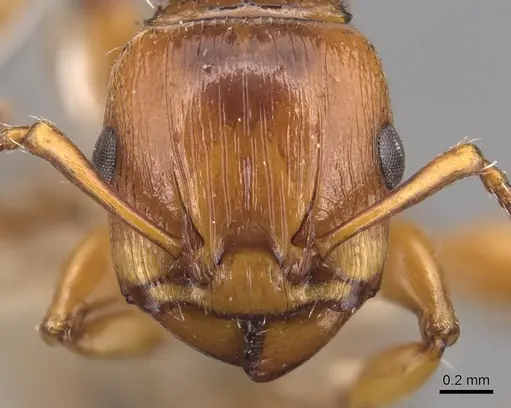
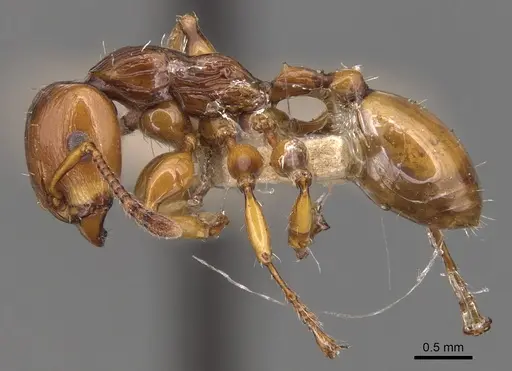
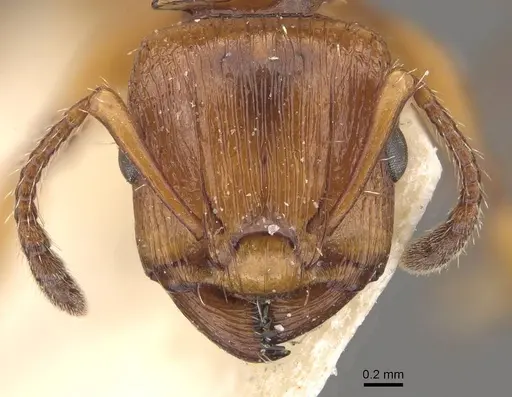
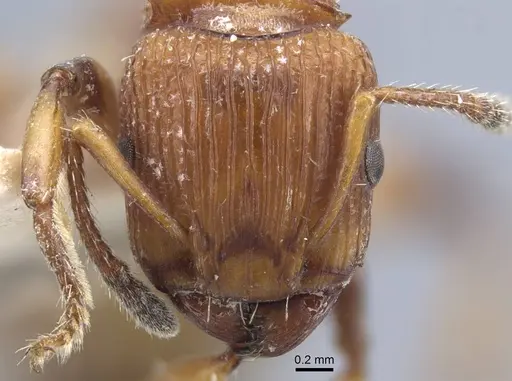
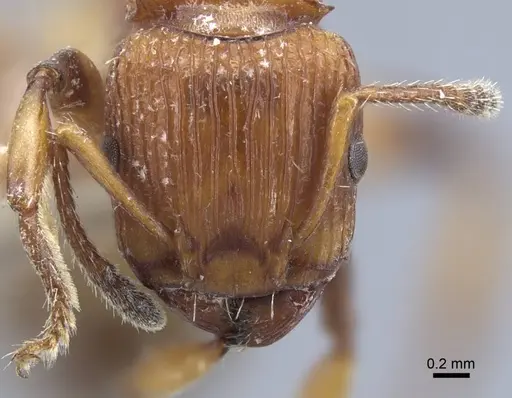
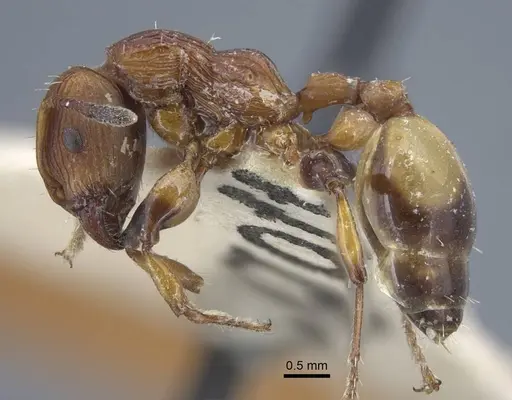
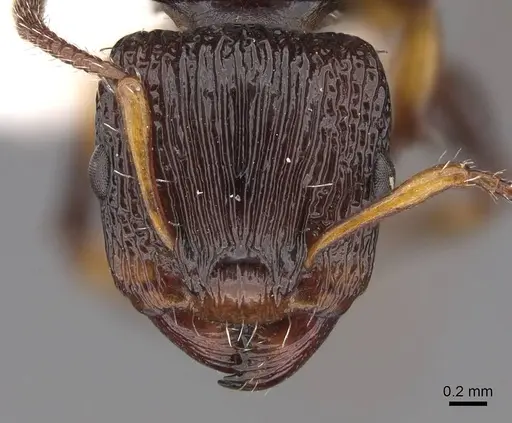
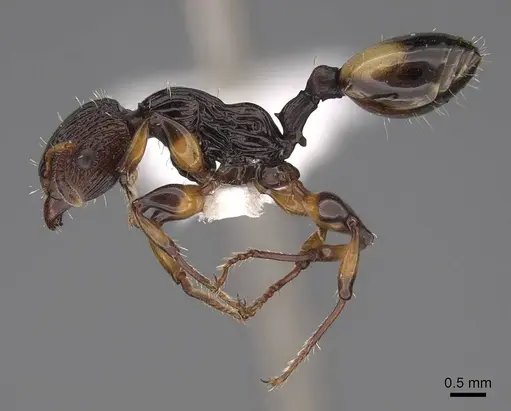
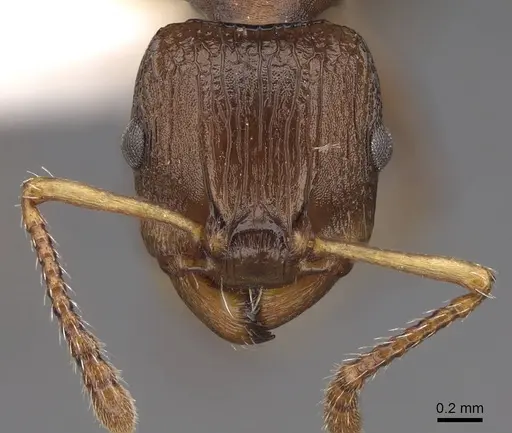
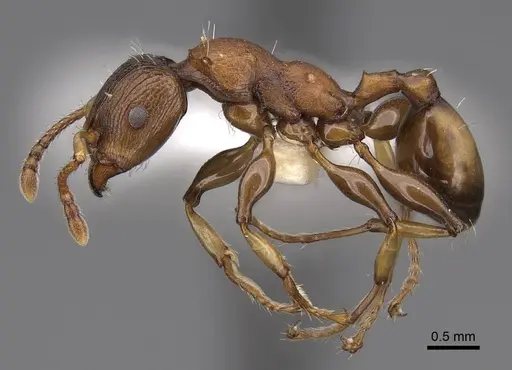
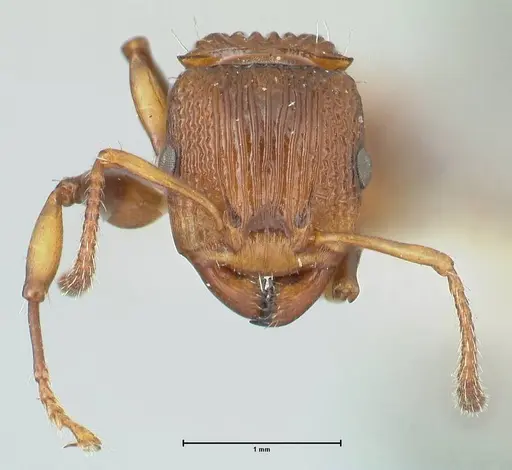
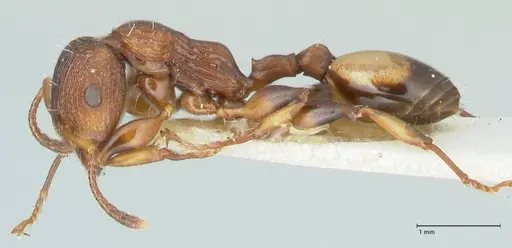
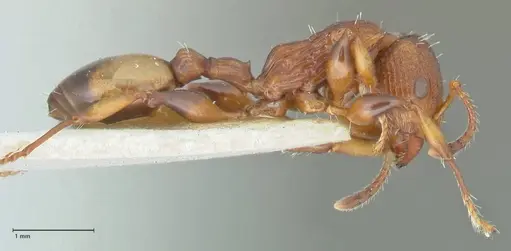
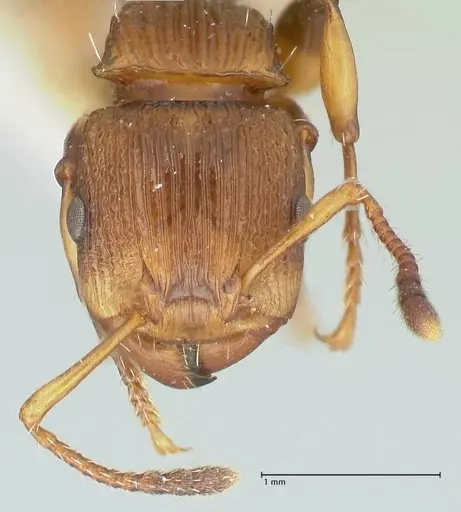
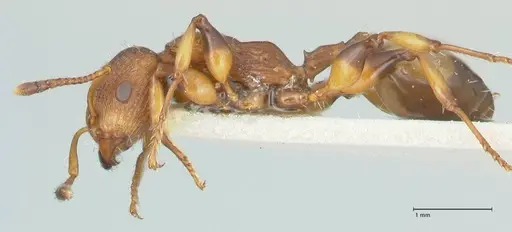
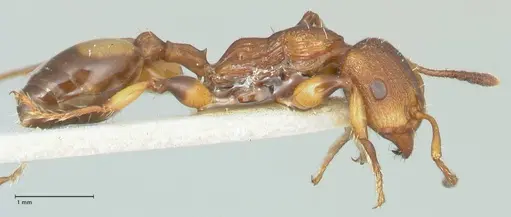
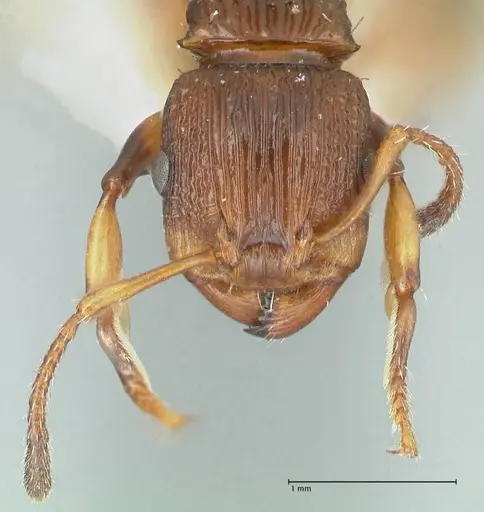
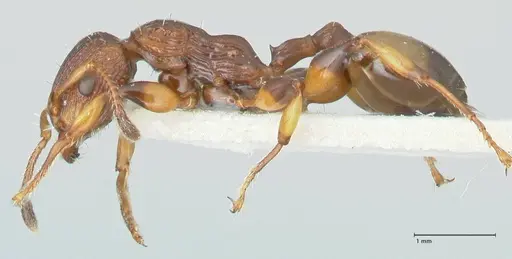
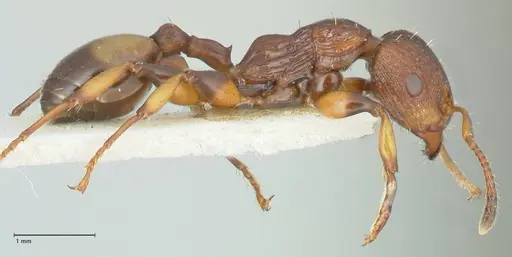
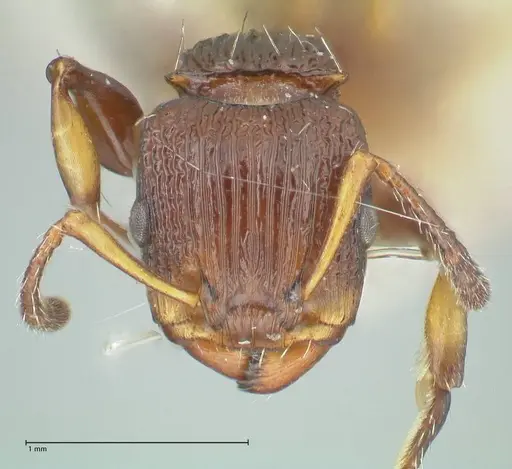
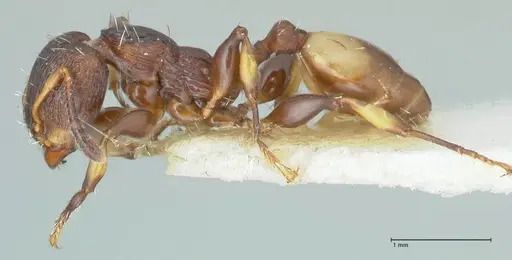
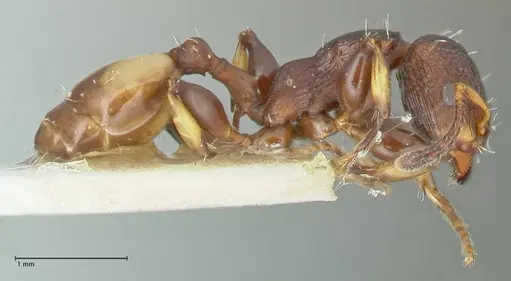
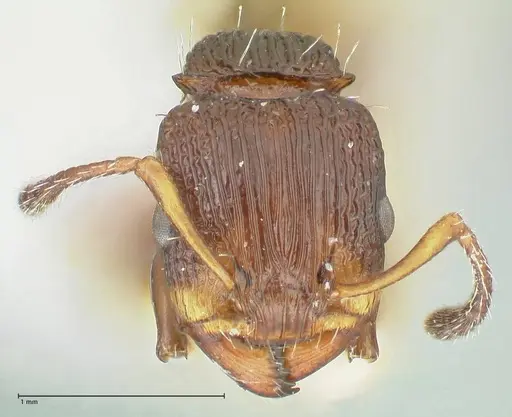
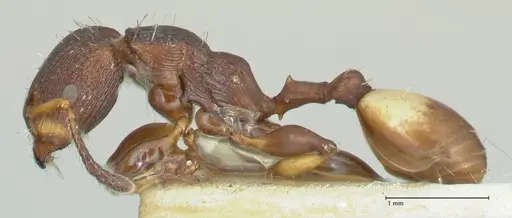
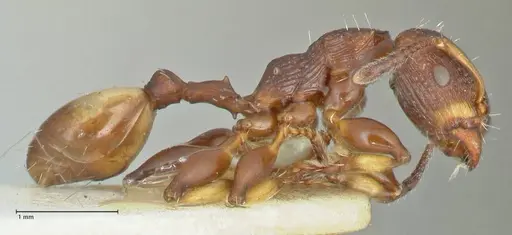
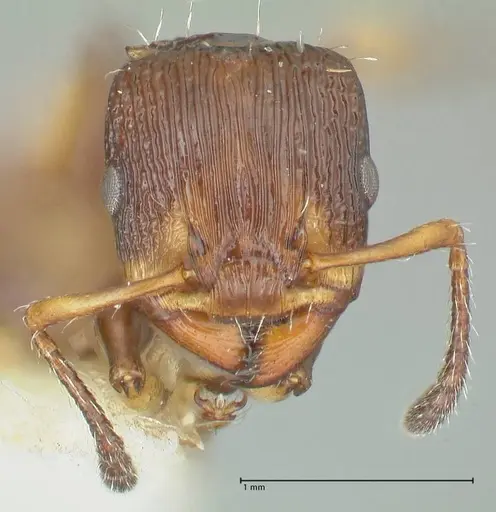
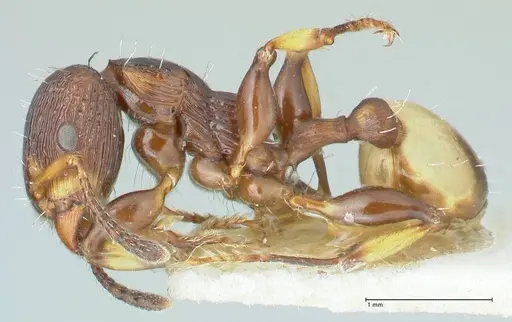
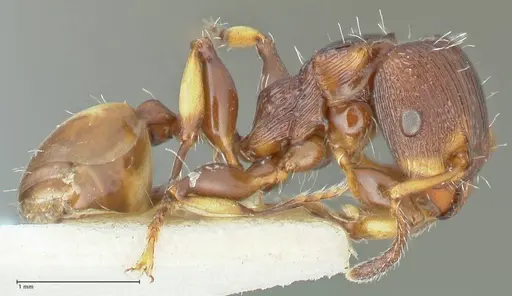
Podomyrma basalis is an ant species of the genus Podomyrma. It is primarily documented in 4 countries , including Australia, Indonesia, Papua New Guinea. Detailed taxonomic data and occurrence records can be further explored via authoritative databases such as AntWeb or the Global Biodiversity Information Facility (GBIF).
Podomyrma basalis
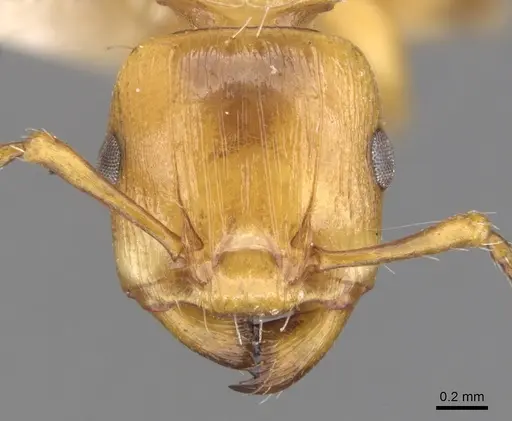
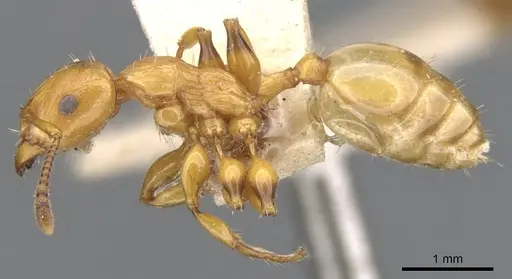
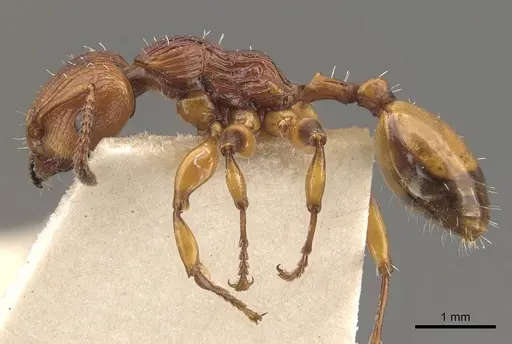
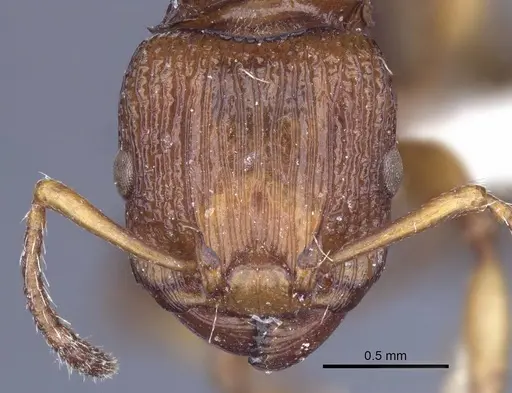
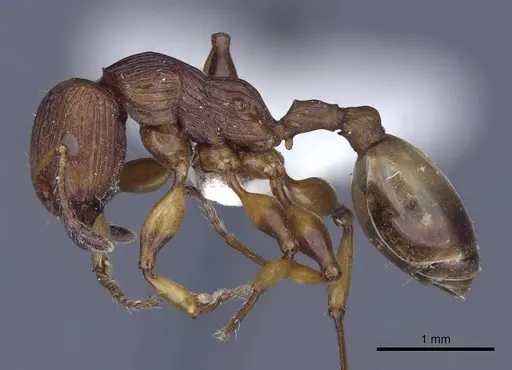
Podomyrma basalis is a small to medium-sized Myrmicinae ant species native to the Australasian region, including northern Australia, New Guinea, and the Indonesian islands [1][2]. Workers are compact ants with typical Myrmicinae morphology, though exact measurements are not well-documented in scientific literature. The species shows a preference for lowland to mid-elevation habitats, with records from rainforest environments in Queensland at around 200m elevation [3]. Five subspecies are recognized, including P. b. brunnea, P. b. nigrescens, P. b. reyi, P. b. salomo, and P. b. woodfordi, suggesting some regional variation across its range [3]. This species has been recorded from multiple island populations including the Solomon Islands, Ambon, and the Wessel Islands in Australia's Northern Territory [4][5][6].
Quick Summary
- Difficulty: Unknown, likely Medium due to limited documented care information
- Origin & Habitat: Northern Australia, New Guinea, and Indonesian islands (Ambon, Aru, Buru). Found in rainforest environments at low to mid elevations, with records from 200m in Queensland [3][1][2].
- Colony Type: Unconfirmed colony structure, no documented studies on queen number or colony organization for this species.
- Size & Growth:
- Queen: Undocumented in scientific literature, estimated 6-8mm based on genus typical size
- Worker: Undocumented in scientific literature, estimated 3-5mm based on genus typical size
- Colony: Unknown, no colony size data available
- Growth: Unknown, no development data available
- Development: Unconfirmed, estimated 6-10 weeks based on typical Myrmicinae development at tropical temperatures (No direct studies on development time exist for this species. Estimates based on related tropical Myrmicinae species.)
- Antkeeping:
- Temperature: Likely 22-28°C based on tropical distribution, start in this range and observe colony activity
- Humidity: Requires moderate to high humidity consistent with rainforest habitat, aim for 60-80% relative humidity with moist but not waterlogged substrate
- Diapause: Unknown, tropical species may have reduced activity periods rather than true hibernation
- Nesting: No specific nesting data, likely nests in soil or rotting wood in natural habitat. Recommend test tube setup for founding, transitioning to Y-tong or plaster nest for established colonies
- Behavior: Behavior is poorly documented. As a Myrmicinae species, they likely have typical worker behaviors including foraging for protein and sugar sources. Escape prevention should be moderate, their estimated worker size of 3-5mm means standard barrier methods should suffice. No documented aggression or stinging behavior in available literature.
- Common Issues: limited care information makes proper husbandry challenging, no documented diet preferences, keepers must experiment with protein and sugar sources, colony size and growth rate are unknown, making feeding schedules difficult to establish, no information on founding behavior, claustral vs semi-claustral is unconfirmed, tropical humidity requirements may be difficult to maintain consistently
Distribution and Natural Range
Podomyrma basalis occupies a broad range across the Australasian region. The species is documented from northern Australia (including Queensland and the Northern Territory islands), New Guinea, and multiple Indonesian islands including Amboyna (Ambon), Aru, Buru, and Dory [1][2][6]. The type locality is the Aru Islands in Indonesia. Subspecies P. b. reyi was described from specimens collected on Ambon and Buru islands, while P. b. salomo and P. b. woodfordi are associated with the Solomon Islands [7][3]. In Queensland, they have been recorded at elevations around 200m in the Eungella region, appearing in 30-40% of ant samples at this elevation band [3]. The species has also been found in undisturbed forest on Ambon Island, indicating a preference for forested habitats [5].
Nest Preferences and Housing
Specific nesting preferences for Podomyrma basalis are not documented in scientific literature. Based on the genus typical behavior and the species' presence in rainforest habitats, they likely nest in soil, under stones, or in rotting wood in their natural environment. For captive care, a standard test tube setup works well for colony founding, fill a clean test tube with water, plug the water end with cotton, and place the queen or colony inside. The tube should be kept horizontal with the cotton end slightly elevated to allow the ants to access water. For established colonies, a Y-tong (acrylic) nest or plaster nest with chambers scaled to their estimated 3-5mm worker size provides appropriate housing. Maintain moderate humidity within the nest while providing a dry outworld area for foraging.
Feeding and Diet
The specific diet of Podomyrma basalis has not been documented in scientific literature. As a Myrmicinae species, they likely have an omnivorous diet typical of the subfamily, including protein sources (small insects, larvae) and carbohydrate sources (honeydew, nectar). Based on related species in the genus, they probably forage actively on the ground and possibly in low vegetation. In captivity, offer a varied diet including small live insects (fruit flies, pinhead crickets, mealworms), protein-rich foods (hard-boiled egg, cat food), and sugar sources (honey water, sugar water). Start with small amounts and observe what the colony accepts. Remove uneaten protein within 24-48 hours to prevent mold. Provide constant access to a sugar water source once workers are established.
Temperature and Humidity Requirements
Given the tropical to subtropical distribution of Podomyrma basalis across northern Australia, New Guinea, and Indonesian islands, they likely require warm and humid conditions [1][2]. Based on their presence in rainforest environments, aim for temperatures in the 22-28°C range. Room temperature (around 22-24°C) is likely suitable in most climates. If your colony shows reduced activity, a small heating cable placed on one side of the nest can provide additional warmth, place it on top of the nest material rather than underneath to avoid excessive drying. Humidity should be moderate to high, roughly 60-80% relative humidity. Keep the nest substrate consistently moist but not waterlogged. A water reservoir attached to the nest or occasional misting can help maintain humidity. Ensure adequate ventilation to prevent mold while maintaining these moisture levels.
Colony Development and Growth
No specific data exists on the development timeline of Podomyrma basalis. Based on typical Myrmicinae patterns and their tropical distribution, the egg-to-worker development likely takes 6-10 weeks at optimal temperatures (around 25-27°C). The first workers (nanitics) will typically be smaller than mature workers. Colony growth rate is unknown but is likely moderate for a tropical species. Start with a small outworld and expand as the colony grows. Do not overfeed, excess food mold can be fatal to small colonies. Monitor colony size and adjust feeding frequency accordingly. Since this species has not been documented in captive husbandry literature, keepers should keep detailed notes on their colony's development to contribute to our understanding of this species.
Behavior and Temperament
The specific behavioral characteristics of Podomyrma basalis are not well-documented in available scientific literature. As a member of the Myrmicinae subfamily, they possess a stinger but their defensive behavior is unknown. Based on the genus, they are likely moderately active foragers rather than nocturnal or strictly diurnal. Their estimated worker size of 3-5mm means they are not extremely small, so standard escape prevention methods (fluon barriers, tight-fitting lids) should be adequate. No aggressive behaviors or significant stinging reports are documented. They likely form moderate-sized colonies based on typical Myrmicinae patterns. Observe your colony's behavior to understand their individual temperament, some colonies are more active while others are more docile.
Frequently Asked Questions
How long does it take for Podomyrma basalis to produce first workers?
The exact development time is unconfirmed for this species. Based on typical Myrmicinae development patterns and their tropical distribution, expect approximately 6-10 weeks from egg to first worker at optimal temperatures (around 25-27°C). This is an estimate, actual times may vary based on temperature and other factors.
What do Podomyrma basalis ants eat?
Their specific diet is not documented. Based on related Myrmicinae species, they likely accept small insects, larvae, and other protein sources, plus sugar sources like honeydew and nectar. In captivity, offer small live insects (fruit flies, pinhead crickets), protein foods (hard-boiled egg, cat food), and sugar water or honey water. Start with small amounts and observe what your colony accepts.
What temperature should I keep Podomyrma basalis at?
Based on their tropical distribution across northern Australia, New Guinea, and Indonesia, aim for temperatures between 22-28°C. Room temperature (22-24°C) is likely suitable. If your colony shows reduced activity, you can provide additional warmth with a heating cable on one side of the nest.
Are Podomyrma basalis ants aggressive or do they sting?
Aggressive behavior and stinging are not documented in available literature for this species. As Myrmicinae, they possess a stinger but their defensive behavior appears to be mild based on lack of documented reports. Standard care precautions are sufficient.
How big do Podomyrma basalis colonies get?
Colony size is not documented in scientific literature. Based on typical Myrmicinae patterns and their estimated worker size of 3-5mm, colonies likely reach several hundred workers over time. Start with a small setup and expand as the colony grows.
Do Podomyrma basalis ants need hibernation or diapause?
This is unknown. As a tropical species from northern Australia, New Guinea, and Indonesia, they likely experience reduced activity during cooler periods rather than true hibernation. No documented diapause requirements exist. If kept in a temperate climate, you may observe reduced activity in winter months.
Can I keep multiple Podomyrma basalis queens together?
This is not documented. The colony structure (monogyne vs polygyne) has not been studied for this species. Until more information is available, it is not recommended to combine unrelated queens, as fighting is likely.
Is Podomyrma basalis suitable for beginners?
This species is not well-documented in antkeeping literature, making it challenging for beginners. Limited information on diet, development, and care requirements means keepers must experiment and observe their colony closely. Consider starting with more commonly kept species if you are new to antkeeping.
Where is Podomyrma basalis found in the wild?
They are native to the Australasian region, including northern Australia (Queensland, Northern Territory), New Guinea, and Indonesian islands (Ambon, Aru, Buru). They have also been recorded from the Solomon Islands. Their habitat is typically lowland to mid-elevation rainforest.
References

This caresheet is licensed under CC BY-SA 4.0 .
CASENT0217909
View on AntWeb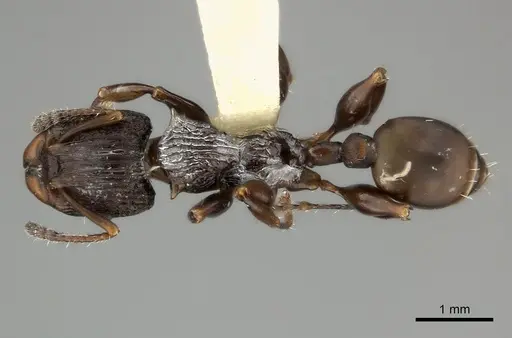
CASENT0901389
View on AntWeb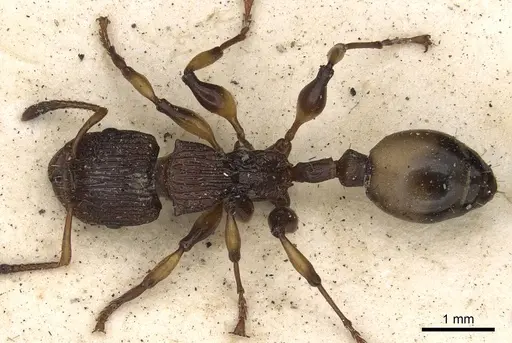
CASENT0901998
View on AntWeb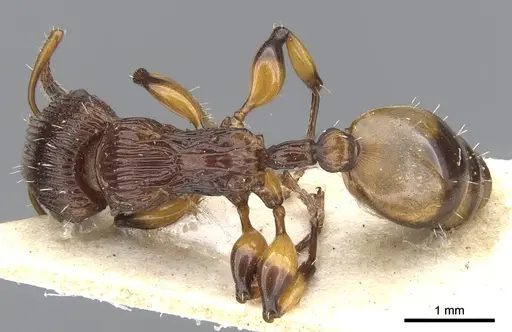
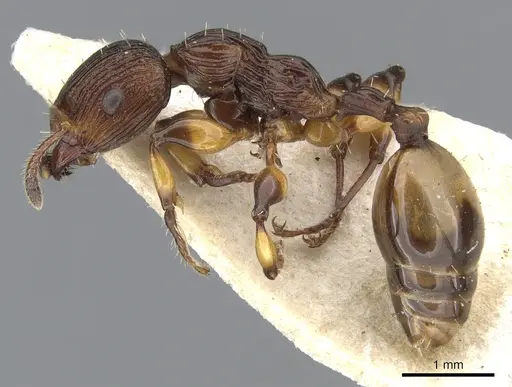
CASENT0902007
View on AntWeb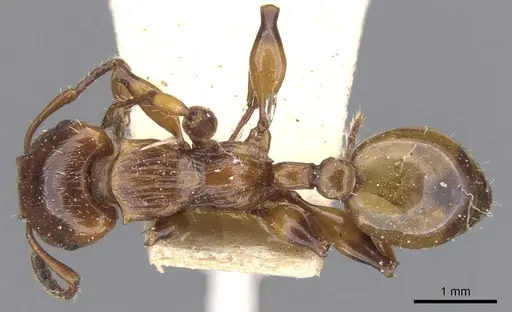
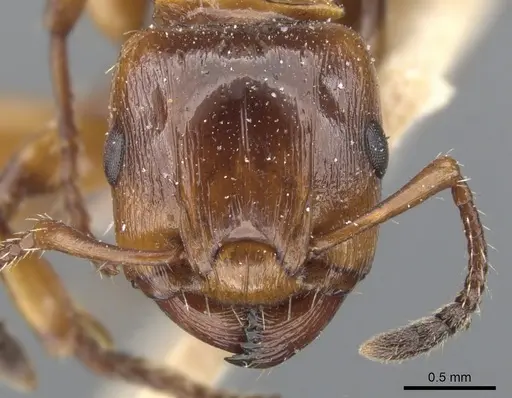
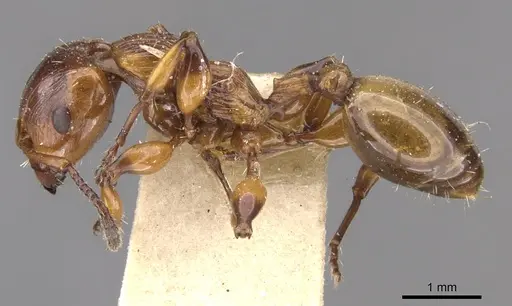
CASENT0902008
View on AntWeb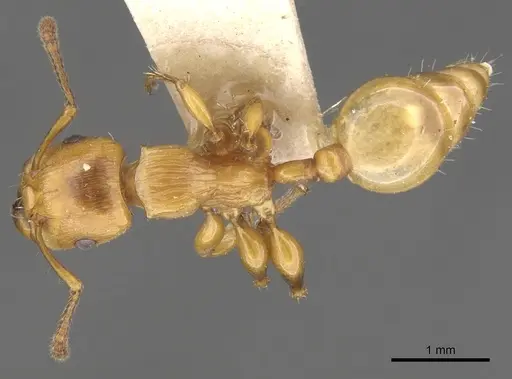
CASENT0904709
View on AntWeb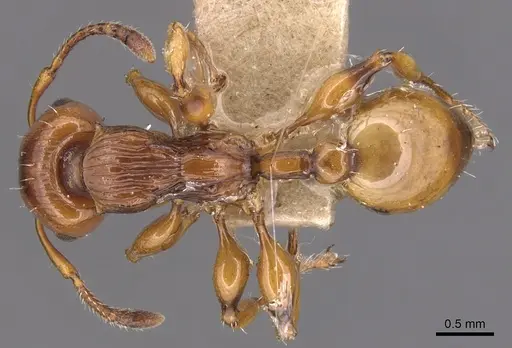
CASENT0908966
View on AntWeb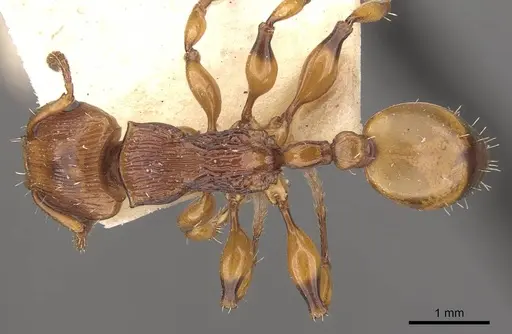
CASENT0916780
View on AntWeb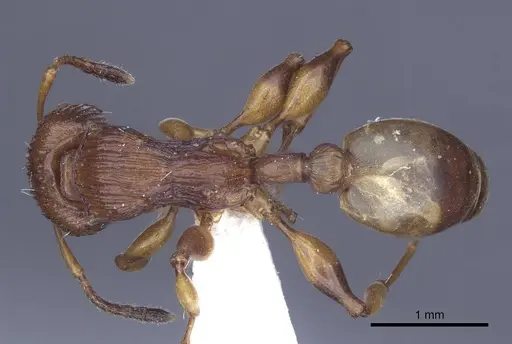
CASENT0917034
View on AntWeb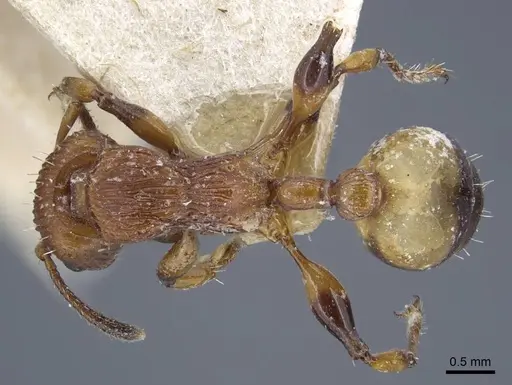
CASENT0922806
View on AntWeb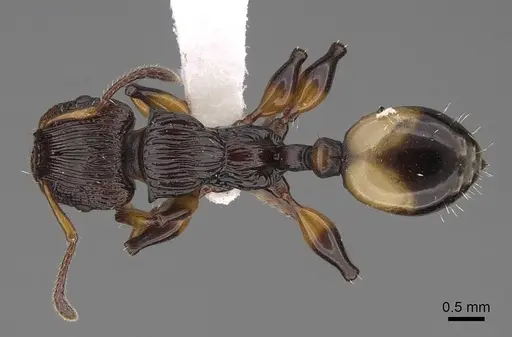
CASENT0922807
View on AntWeb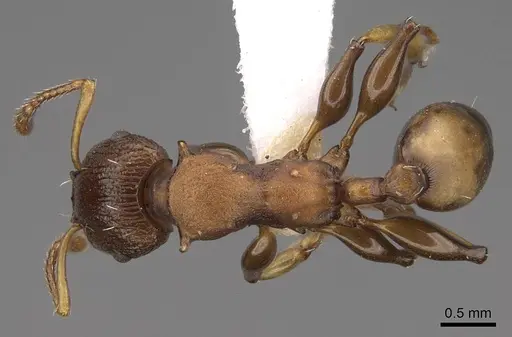
FOCOL1958
View on AntWeb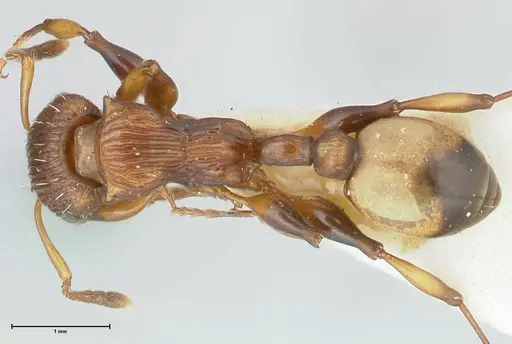
FOCOL1959
View on AntWeb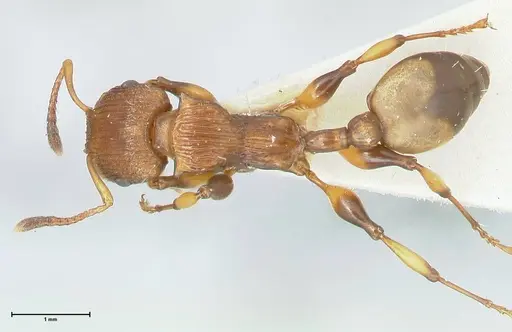
FOCOL1960
View on AntWeb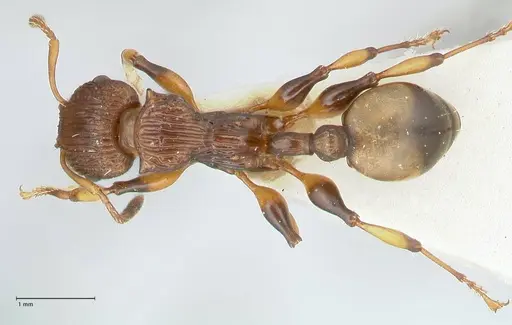
FOCOL1961
View on AntWeb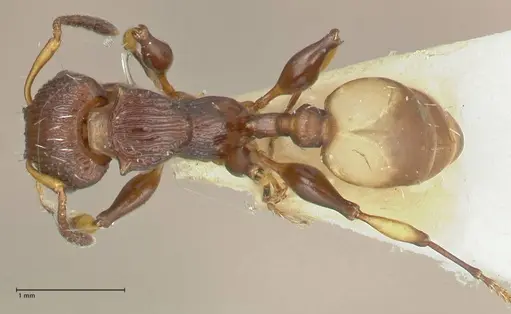
FOCOL1962
View on AntWeb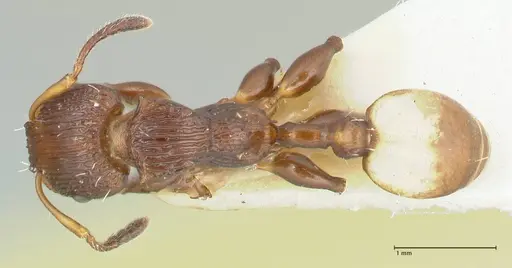
FOCOL1963
View on AntWeb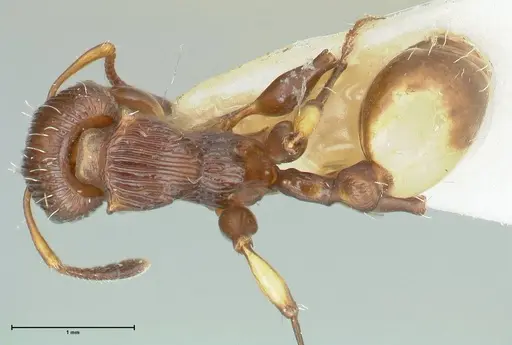
Literature
Loading...Loading products...