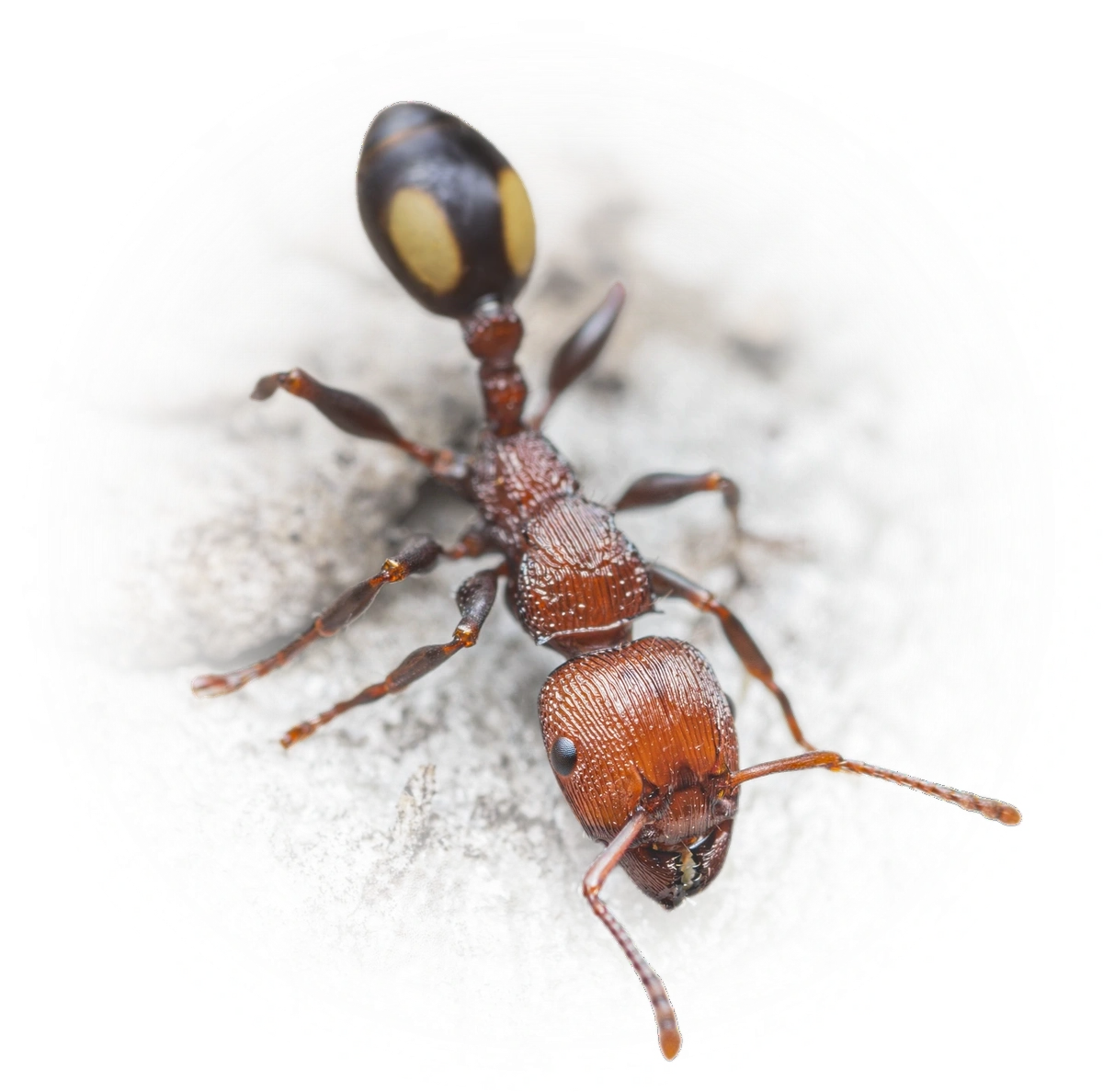

Podomyrma adelaidae
- Scientific Name
- Podomyrma adelaidae
- Tribe
- Crematogastrini
- Subfamily
- Myrmicinae
- Author
- Smith, 1858
- Common Name
- spotted muscleman tree ant
- Distribution
- Found in 1 countries
Podomyrma adelaidae Overview
Podomyrma adelaidae (commonly known as the spotted muscleman tree ant) is an ant species of the genus Podomyrma. It is primarily documented in 1 countries , including Australia. Detailed taxonomic data and occurrence records can be further explored via authoritative databases such as AntWeb or the Global Biodiversity Information Facility (GBIF).
Podomyrma adelaidae - "spotted muscleman tree ant"
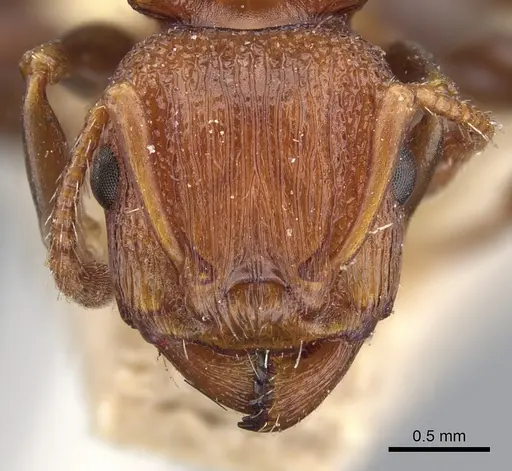
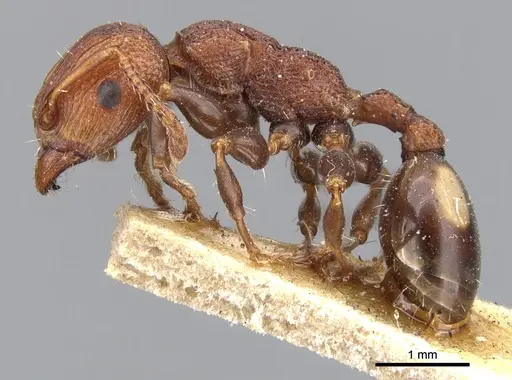
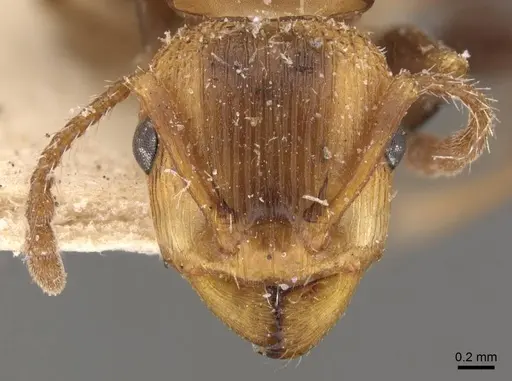
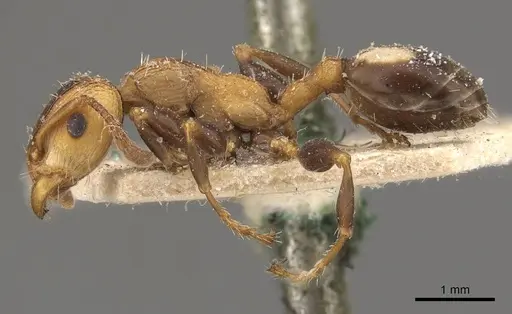
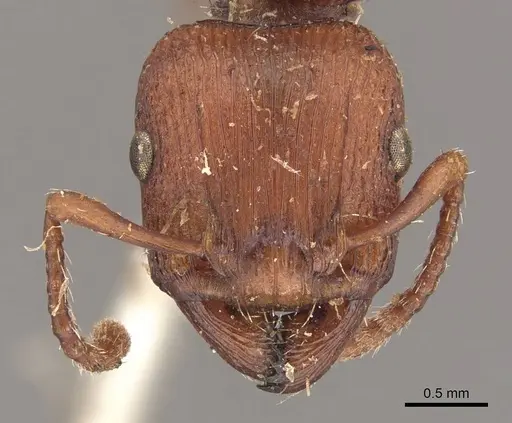
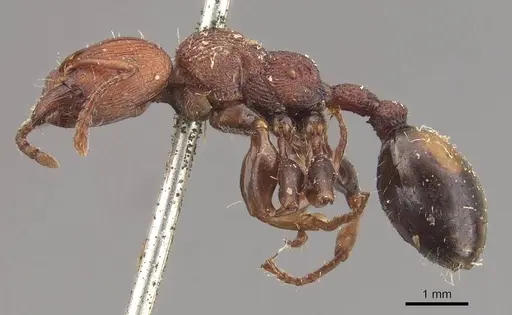
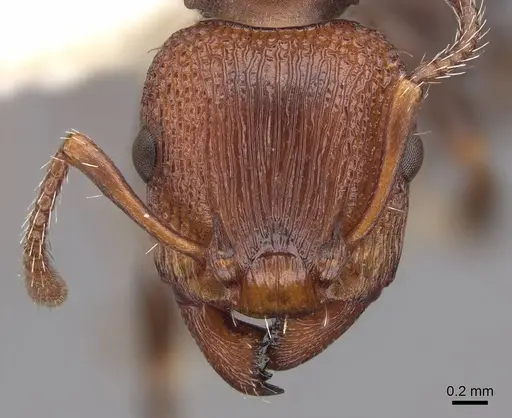
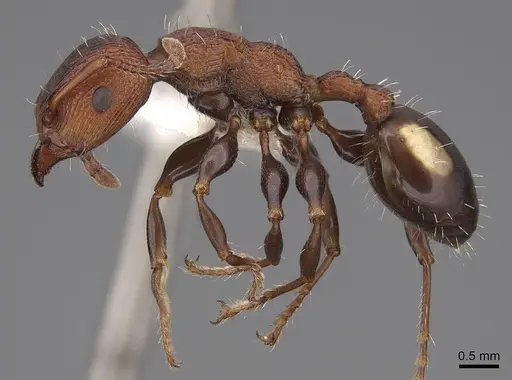
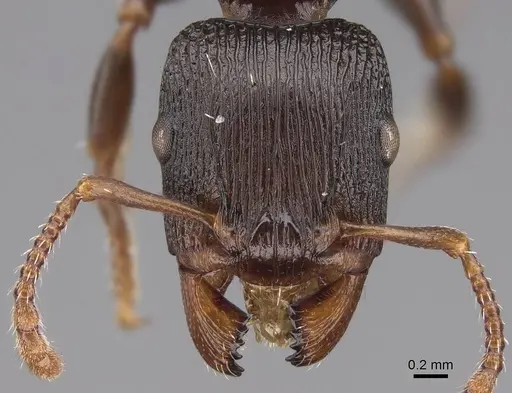
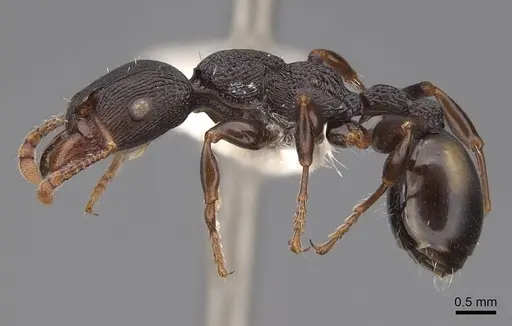
Podomyrma adelaidae is a distinctive arboreal ant native to temperate Australia, easily recognized by the pair of white spots on its abdomen (gaster). Workers are medium-sized ants that forage on the trunks of eucalypt trees, particularly smooth-barked species. They have a robust build with notably swollen femora (thighs) that give them a characteristic 'muscle-man' appearance [1]. These ants are widespread throughout temperate Australia and the Kimberley region, making them a common sight in Australian bushland [2].
Quick Summary
- Difficulty: Medium
- Origin & Habitat: Native to temperate Australia and the Kimberley region. These ants are arboreal foragers, commonly found on the trunks of eucalypt trees, especially smooth-barked species [2].
- Colony Type: Colony structure is unconfirmed, likely single-queen (monogyne) based on typical Podomyrma patterns, but this has not been directly studied.
- Size & Growth:
- Queen: Estimated 8-10mm based on genus typical size
- Worker: Estimated 5-7mm based on genus typical size
- Colony: Estimated 500-2000 workers based on similar arboreal Myrmicinae
- Growth: Moderate
- Development: Estimated 6-10 weeks based on typical Myrmicinae development at optimal temperature (Development time is estimated, not directly studied for this species. Temperature around 22-26°C likely optimal.)
- Antkeeping:
- Temperature: Keep at 22-26°C. As a temperate Australian species, they can tolerate cooler temperatures but prefer warmth. A gentle gradient with a heating cable on one side of the nest works well.
- Humidity: Moderate humidity around 60-70%. Being arboreal, they prefer slightly drier conditions than ground-nesting ants. Allow the nest to dry out partially between water additions.
- Diapause: Yes, as a temperate Australian species, they require a winter dormancy period. Reduce temperature to 10-15°C for 2-3 months during winter.
- Nesting: Arboreal species prefer nests that mimic tree hollows. Y-tong (AAC) nests or plaster nests with narrow chambers work well. Provide bark or wood pieces in the outworld to simulate their natural eucalypt foraging habitat.
- Behavior: These ants are arboreal foragers, actively hunting for prey on tree trunks. They are not particularly aggressive but will defend their colony if threatened. Workers are medium-sized and capable climbers. Escape prevention should be moderate, they are not tiny but can climb smooth surfaces. They likely use chemical trails to recruit nestmates to food sources.
- Common Issues: colonies may fail if kept too cold, maintain warmth year-round except during hibernation, arboreal nature means they need vertical space and climbing surfaces in the outworld, slow founding phase means new keepers may lose patience and disturb the queen, test tube setups may not provide enough vertical climbing space, use formicarium with chambers, winter dormancy is required, skipping hibernation can weaken or kill the colony
Nest Preferences and Housing
Podomyrma adelaidae is an arboreal species that naturally nests in tree hollows and under bark on eucalypt trees. In captivity, they do well in Y-tong (AAC) nests or plaster nests with narrow chambers scaled to their medium size. The nest should have some vertical orientation to accommodate their tree-climbing behavior. In the outworld, provide pieces of bark, twigs, or cork to simulate their natural foraging habitat. These ants are active climbers and will utilize vertical space extensively. Test tube setups are not ideal for this species due to their arboreal nature, they prefer to move vertically rather than horizontally.
Feeding and Diet
In the wild, these ants forage on eucalypt trunks and likely consume honeydew from scale insects and aphids, plus small insects they catch. In captivity, offer a varied diet: sugar water or honey as an energy source, and protein-rich foods like small crickets, mealworms, or fruit flies. Feed protein 2-3 times per week, and keep sugar water available at all times. Being medium-sized ants, they can tackle prey items that smaller ants cannot. Observe your colony's preferences, some Podomyrma species show strong preferences for certain foods.
Temperature and Seasonal Care
Maintain temperatures between 22-26°C for optimal colony activity and brood development. As a temperate Australian species, they are adapted to seasonal temperature variations. During summer, room temperature is usually sufficient. In winter, they require a diapause (hibernation) period of 2-3 months at reduced temperatures of 10-15°C. This winter rest is essential for colony health and longevity. Do not skip hibernation as it can weaken the colony and reduce queen lifespan. Reduce feeding during diapause and avoid disturbing the colony.
Behavior and Colony Dynamics
Workers are active foragers that hunt on vertical surfaces like tree trunks. They likely use chemical pheromone trails to recruit nestmates to food discoveries. This is a medium-sized ant with a robust build, the swollen femora give workers a distinctive appearance. They are not particularly aggressive toward humans but will defend the nest if threatened. Colonies grow at a moderate pace, with the queen producing workers continuously after the founding phase. The first workers (nanitics) are typically smaller than mature workers.
Frequently Asked Questions
Can I keep Podomyrma adelaidae in a test tube?
Test tubes are not ideal for this arboreal species. They prefer vertical space and climbing surfaces. A Y-tong (AAC) nest or plaster formicarium with vertical orientation works much better. You can use a test tube as a founding chamber but transfer to a proper nest once workers emerge.
How long does it take for the first workers to hatch?
Estimated 6-10 weeks from egg to first worker at optimal temperature (22-26°C). This is based on typical Myrmicinae development, the exact timeline has not been directly studied for this species. Be patient during founding as the queen needs time to raise her first brood.
Do Podomyrma adelaidae ants sting?
Yes, being a Myrmicinae ant, they have a stinger. However, their sting is mild due to their medium size, most people experience only minor irritation similar to a mosquito bite. They are not considered dangerous to humans.
What do Podomyrma adelaidae eat?
They are omnivorous with a preference for protein. Feed small insects like fruit flies, pinhead crickets, or mealworms 2-3 times per week. Keep sugar water or honey available constantly. They may also accept honeydew or nectar sources.
Do they need hibernation?
Yes, as a temperate Australian species, they require a winter dormancy period. Reduce temperature to 10-15°C for 2-3 months during winter. This is essential for colony health, skipping hibernation can weaken or kill the colony over time.
Are Podomyrma adelaidae good for beginners?
They are moderate difficulty, not the easiest but not challenging either. The main requirements are providing vertical climbing space, maintaining proper temperature, and respecting their hibernation needs. If you can meet these basic requirements, they are a rewarding species to keep.
How big do Podomyrma adelaidae colonies get?
Estimated 500-2000 workers at maturity. This is an estimate based on similar arboreal Myrmicinae, the exact maximum colony size has not been documented. Growth is moderate, with colonies typically reaching several hundred workers within the first year or two.
When should I move them to a formicarium?
Move from a founding test tube to a formicarium once the colony has 20-30 workers and the test tube is becoming cramped. For this arboreal species, choose a nest with vertical orientation and climbing surfaces. Make sure the formicarium has a secure outworld area with perches like cork or twigs.
Can I keep multiple queens together?
This has not been studied for this species. Based on typical Podomyrma patterns, single-queen colonies are most likely. Combining unrelated foundress queens is not recommended as they likely will fight. If you catch a queen in the wild, house her alone until workers emerge.
Why are my ants dying?
Common causes include: temperatures too cold (keep at 22-26°C), skipping hibernation (they need winter rest), too much moisture (arboreal species prefer drier conditions than ground-nesting ants), or insufficient protein in their diet. Check these factors and adjust accordingly.
What temperature range is ideal for Podomyrma adelaidae?
Keep the nest at 22-26°C during the active season. They can tolerate a range from about 18°C to 30°C, but growth and activity are optimal in the mid-20s. During hibernation, reduce to 10-15°C.
Are they escape artists?
They are moderate escape risks, not as prone to escaping as tiny ants, but they can climb smooth surfaces well. Use standard barrier methods like fluon on test tube rims. Their medium size means they cannot squeeze through the smallest gaps that tiny ants can.
References

This caresheet is licensed under CC BY-SA 4.0 .
CASENT0217908
View on AntWeb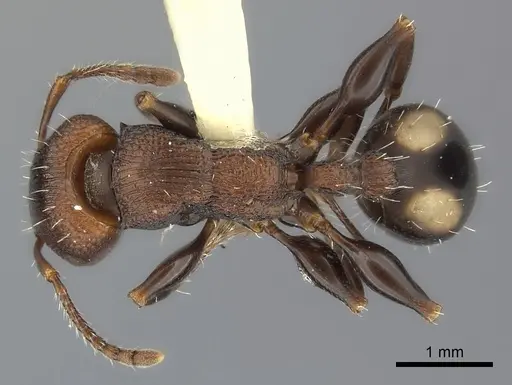
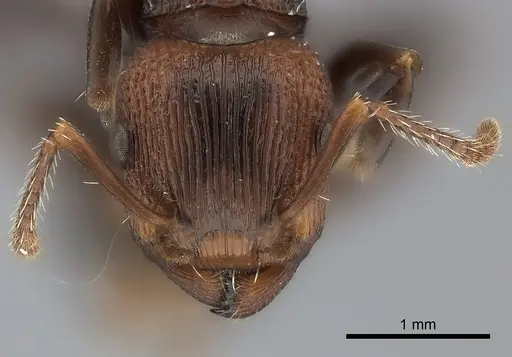
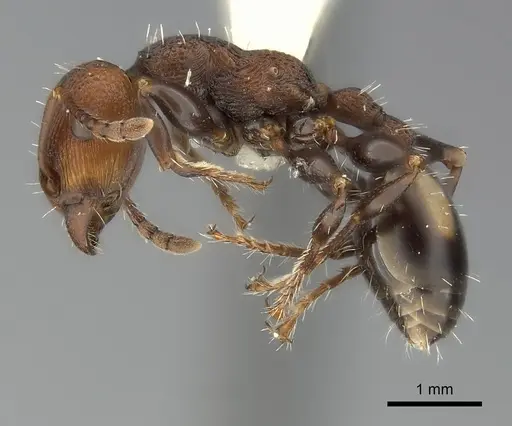
CASENT0901997
View on AntWeb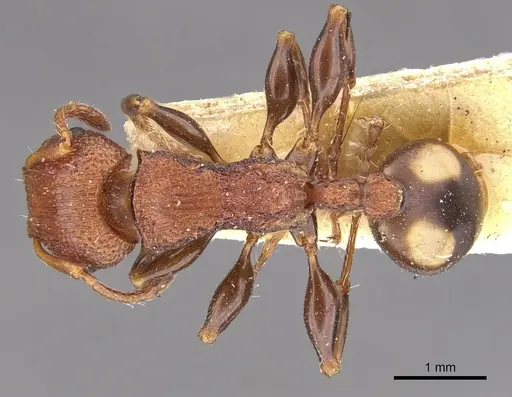
CASENT0908964
View on AntWeb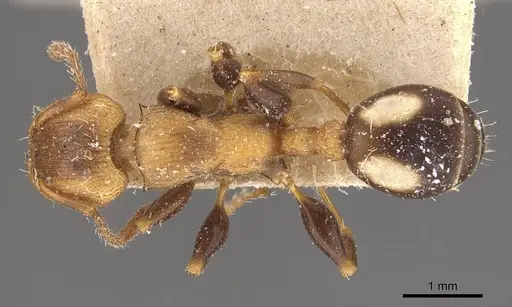
CASENT0908965
View on AntWeb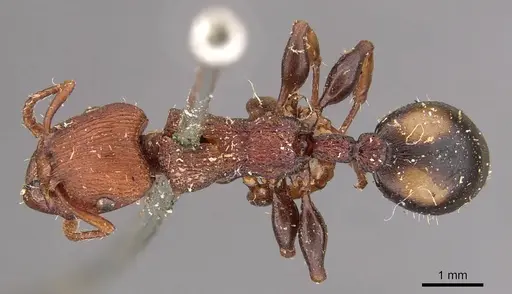
CASENT0922804
View on AntWeb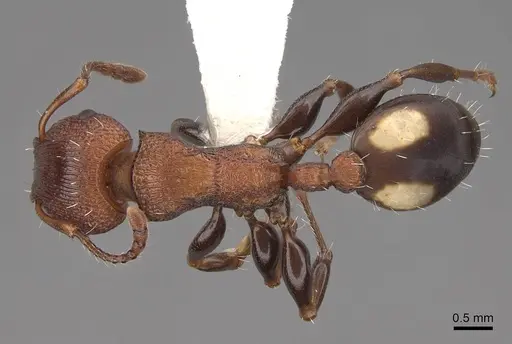
CASENT0922805
View on AntWeb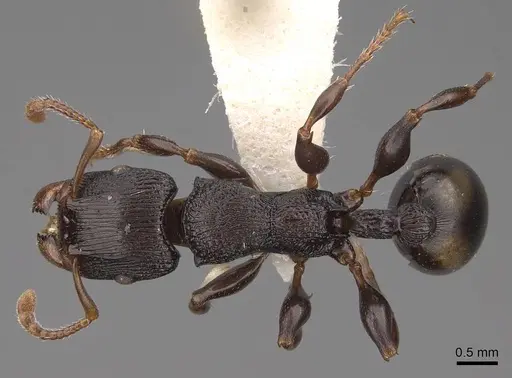
Literature
Loading...Loading products...