

Plectroctena ugandensis
- Scientific Name
- Plectroctena ugandensis
- Tribe
- Ponerini
- Subfamily
- Ponerinae
- Author
- Menozzi, 1932
- Distribution
- Found in 3 countries
Plectroctena ugandensis Overview
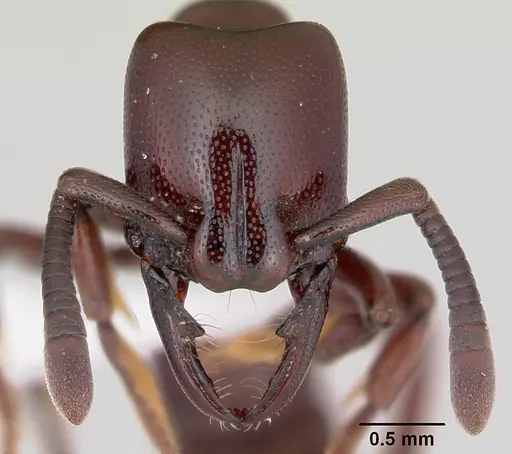
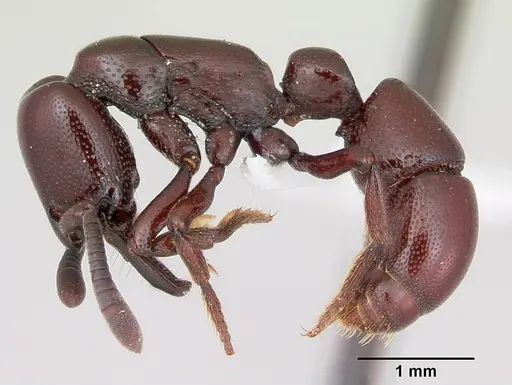
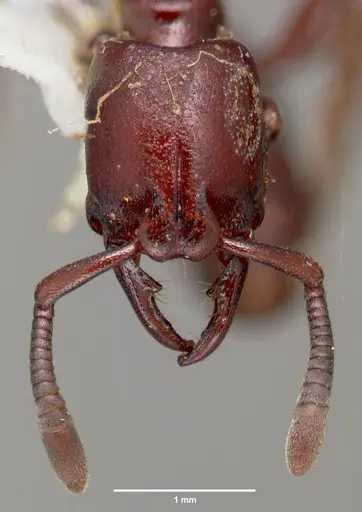
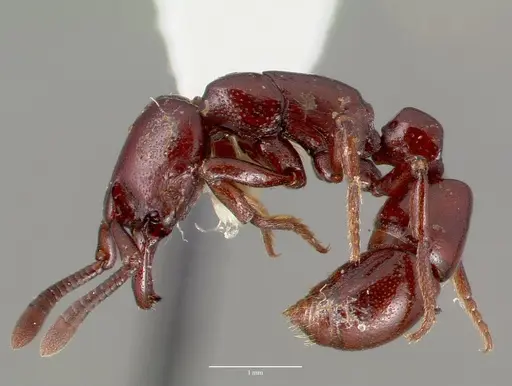
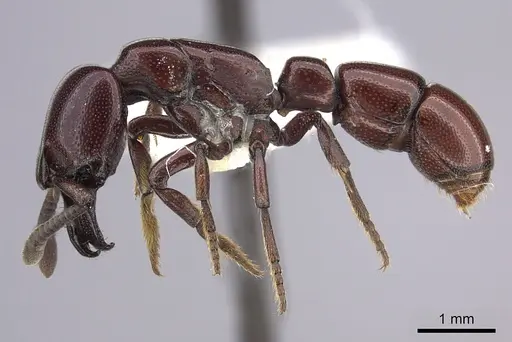
Plectroctena ugandensis is an ant species of the genus Plectroctena. It is primarily documented in 3 countries , including Central African Republic, Gabon, Uganda. Detailed taxonomic data and occurrence records can be further explored via authoritative databases such as AntWeb or the Global Biodiversity Information Facility (GBIF).
Plectroctena ugandensis
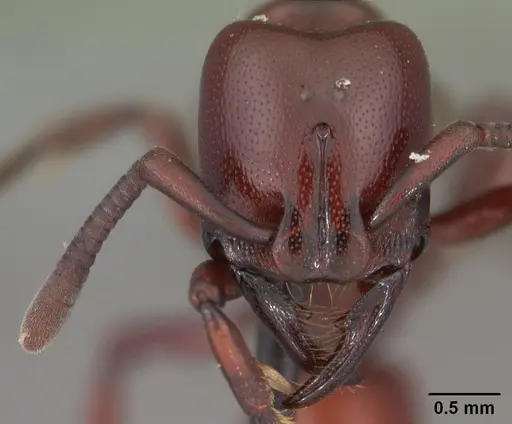
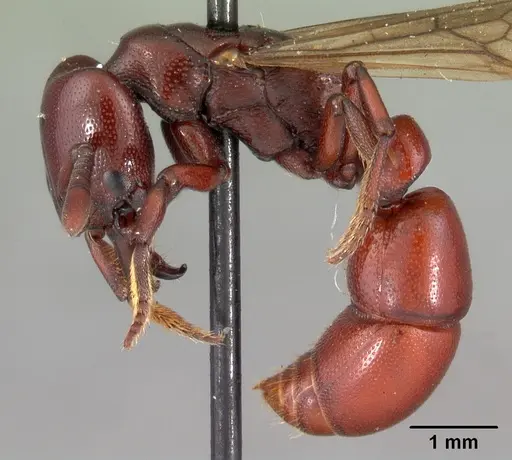
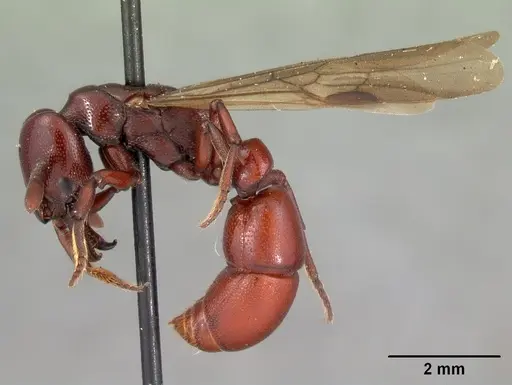
Plectroctena ugandensis is a predatory ant species belonging to the subfamily Ponerinae, found in central Africa including Uganda, the Democratic Republic of Congo, Ivory Coast, and Central African Republic [1]. Workers are part of the Ponerini tribe and have been collected at low elevations around 110m in Gabon [2]. This is a medium-sized predatory ant with typical Ponerine morphology, they possess a potent sting and are active hunters. The genus Plectroctena is known for its specialized predatory behavior, targeting prey like earthworms and other soil invertebrates. Queens were originally described by Menozzi in 1933,with workers later described by Bolton and Brown in 2002 [1]. This species is rarely kept in captivity and remains poorly studied in the antkeeping hobby.
Quick Summary
- Difficulty: Expert
- Origin & Habitat: Central African region including Uganda, Democratic Republic of Congo, Ivory Coast, and Central African Republic. Found in lowland forest habitats at elevations around 110m [1][2].
- Colony Type: Colony structure is unconfirmed. Based on typical Ponerinae patterns, likely single-queen colonies.
- Size & Growth:
- Queen: Unconfirmed, no specific measurements available
- Worker: Unconfirmed, no specific measurements available
- Colony: Unknown, no colony size data available
- Growth: Unknown, no development data available
- Development: Unconfirmed, no direct data available. Based on typical Ponerinae patterns, estimate 6-10 weeks at optimal temperature. (This is an estimate based on related Ponerine ants. Specific development time has not been documented for this species.)
- Antkeeping:
- Temperature: Start around 24-28°C based on their African lowland forest origin. Provide a temperature gradient so ants can self-regulate. Monitor colony activity to find the ideal range.
- Humidity: Keep substrate moderately moist, these are forest floor ants from a humid tropical region. Aim for 60-80% humidity with some drier areas available.
- Diapause: Unknown, no documented hibernation requirement. As a tropical species, they likely do not require a diapause period, but may slow down during cooler months.
- Nesting: In nature they likely nest in soil or rotting wood in forest floor habitats. In captivity, a naturalistic setup with moist substrate or a Y-tong/plaster nest works well for Ponerine ants. Provide narrow chambers scaled to their size.
- Behavior: Plectroctena ugandensis is a predatory ant with a potent sting. They are active hunters that likely target soil invertebrates like earthworms and other small arthropods. Workers are likely to be moderately aggressive and will defend the colony vigorously. Escape prevention is important, while not among the smallest ants, they are capable climbers. Ponerine ants are typically nocturnal or crepuscular, so expect peak activity during evening and night hours.
- Common Issues: limited availability, this species is rarely available in the antkeeping trade, lack of species-specific care information means keepers must adapt from related species, predatory diet requirements may be challenging to meet consistently, sting is potent and can cause discomfort, handle with care, slow colony growth compared to many common ant species
Species Background and Identification
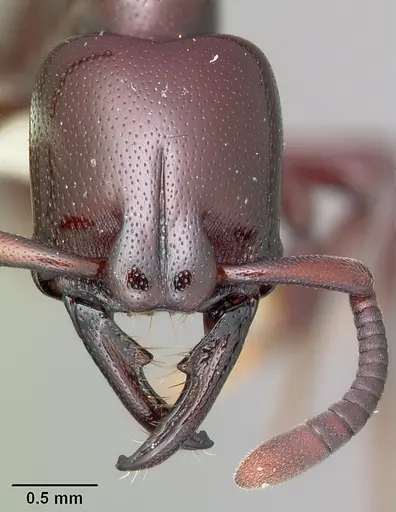
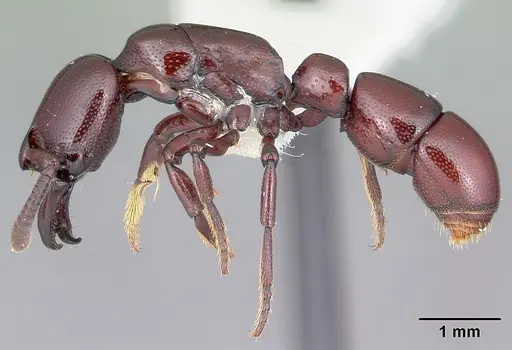
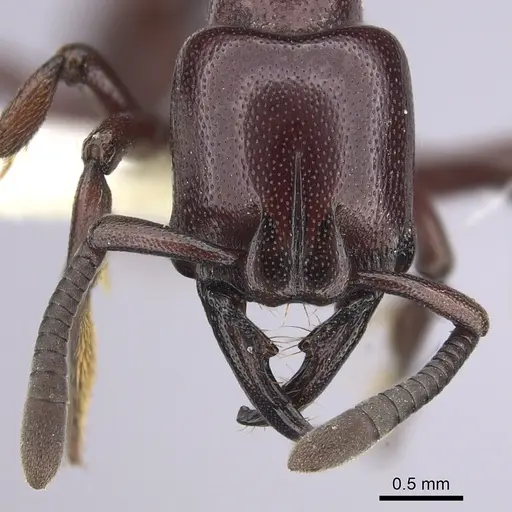
Plectroctena ugandensis is a member of the subfamily Ponerinae, which represents some of the more primitive ant lineages. The species was first described from Uganda by Menozzi in 1933 based on queen specimens [1]. Workers were later described and included in identification keys by Bolton and Brown in 2002. The genus Plectroctena is restricted to the Afrotropical region and contains species specialized in preying on earthworms and other soil invertebrates. This species has been recorded from multiple central African countries including the Democratic Republic of Congo, Ivory Coast, Uganda, and Central African Republic [1]. The limited distribution data shows they prefer lowland forest habitats at lower elevations.
Housing and Nest Setup
For Plectroctena ugandensis, a naturalistic setup with moist substrate is most appropriate given their forest floor origin. A Y-tong (acrylic) nest with narrow chambers or a plaster/gypsum nest works well for Ponerine ants. The nest should have tight-fitting barriers as these ants can squeeze through small gaps. Provide a water reservoir or moisture source to maintain humidity. Since they are predatory, the outworld should include space for hunting and foraging. A dark background helps since many Ponerine ants prefer lower light conditions. Ensure excellent escape prevention, while not tiny, they are active and determined.
Feeding and Diet
Based on typical Plectroctena genus behavior, P. ugandensis is likely a specialized predator targeting earthworms and other soil invertebrates. In captivity, offer small live prey such as mealworms, small crickets, and other appropriately-sized insects. They may also accept protein-rich foods like pieces of raw chicken or fish, though live prey is preferred to trigger natural hunting behavior. Sugar sources are not typically a primary food for predatory Ponerines, but a small amount of honey or sugar water may be accepted occasionally. Feed every 2-3 days, adjusting based on colony size and consumption rate. Remove uneaten prey after 24 hours to prevent mold.
Temperature and Seasonal Care
As a species from central African lowlands, Plectroctena ugandensis prefers warm conditions. Start around 24-28°C and provide a temperature gradient so the colony can self-regulate. A heating cable on one side of the nest can help maintain warmth, placed on top of the nest to avoid drying it out. Monitor colony behavior, if workers cluster near the heat source, increase temperature slightly, if they avoid it, reduce heat. They likely do not require a formal diapause period as they come from a tropical climate, but may show reduced activity during cooler periods. Room temperature in the low-to-mid 20s°C is likely suitable for most of the year.
Behavior and Handling
Plectroctena ugandensis possesses a functional sting that can cause discomfort to humans. When disturbed or defending their nest, workers will not hesitate to use their sting. Handle with care and avoid disturbing the colony unnecessarily. These ants are likely nocturnal or crepuscular, with peak activity during evening and night hours. Workers are medium-sized and active hunters. The colony will likely be defensive and may alarm-rally when threatened. Do not overhandle and provide minimal disturbance during the founding stage. Escape prevention should be taken seriously as they are active and determined climbers.
Frequently Asked Questions
Is Plectroctena ugandensis good for beginners?
No, this species is not recommended for beginners. It is rarely available in the antkeeping trade, and there is very limited species-specific care information available. Additionally, their predatory diet requirements and potent sting make them challenging to keep. They are best suited for experienced antkeepers who can provide specialized care.
What do Plectroctena ugandensis ants eat?
Based on typical Plectroctena genus behavior, they are predatory ants that hunt soil invertebrates. In captivity, feed small live prey like mealworms, small crickets, and other insects. They may accept protein foods like raw chicken or fish occasionally. Sugar sources are not typically a primary food source.
Do Plectroctena ugandensis ants sting?
Yes, as a Ponerine ant, they possess a functional sting that can cause discomfort. Handle with care and avoid disturbing the colony.
How long does it take for Plectroctena ugandensis to develop from egg to worker?
The specific development time has not been documented for this species. Based on typical Ponerinae patterns, estimate 6-10 weeks from egg to first worker at optimal temperature (around 24-28°C).
What temperature do Plectroctena ugandensis need?
Start around 24-28°C based on their African lowland forest origin. Provide a temperature gradient so ants can self-regulate. Monitor colony activity to find the ideal range.
Can I keep multiple Plectroctena ugandensis queens together?
The colony structure is unconfirmed for this species. Based on typical Ponerinae patterns, they likely form single-queen colonies. Combining unrelated queens has not been documented and is not recommended.
What size do Plectroctena ugandensis colonies reach?
Colony size data is not available for this species. Based on typical Ponerine ant patterns, colonies likely reach several hundred workers at maturity.
Do Plectroctena ugandensis need hibernation?
As a tropical species from central Africa, they likely do not require a formal hibernation period. They may slow down during cooler months but should be kept warm year-round.
Where is Plectroctena ugandensis found?
This species is found in central Africa including Uganda, Democratic Republic of Congo, Ivory Coast, and Central African Republic. They inhabit lowland forest habitats at lower elevations around 110m.
Is Plectroctena ugandensis available in the antkeeping trade?
This species is rarely available in the antkeeping hobby. It is not commonly kept and may be difficult to acquire. Most antkeepers interested in Ponerine ants work with more commonly available species in the genus.
References

This caresheet is licensed under CC BY-SA 4.0 .
CASENT0003063
View on AntWeb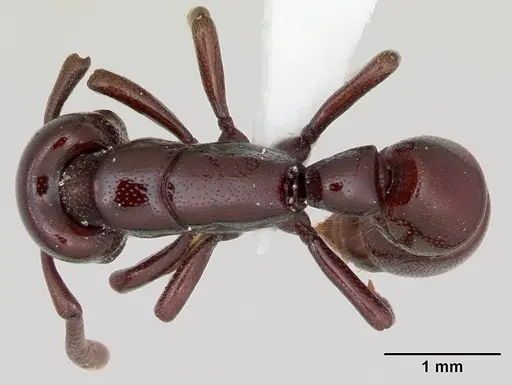
CASENT0003064
View on AntWeb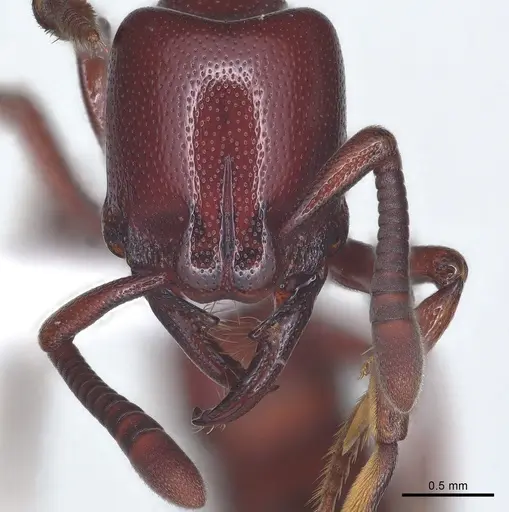
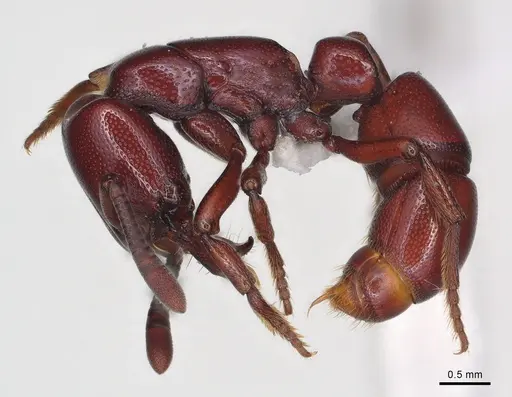
CASENT0003114
View on AntWeb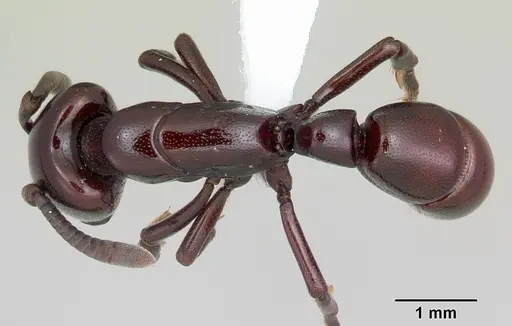
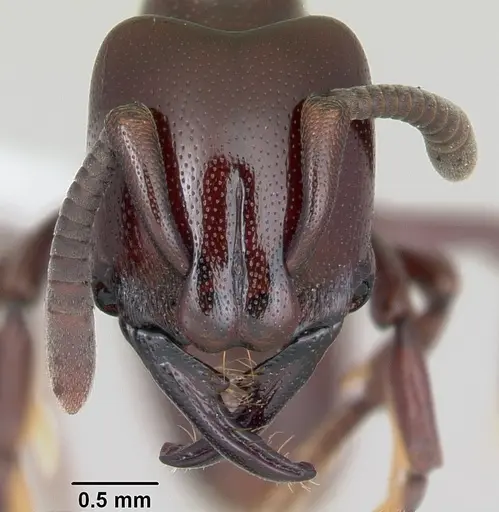
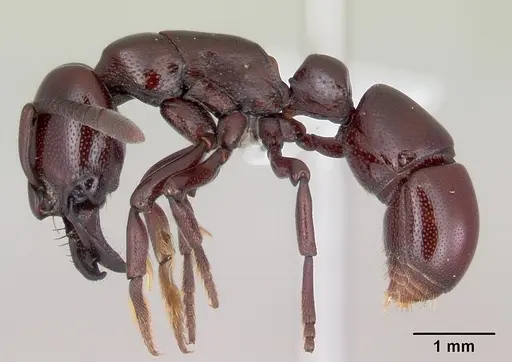
CASENT0006681
View on AntWeb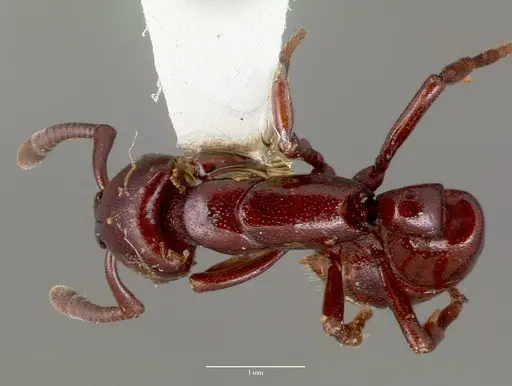
CASENT0102133
View on AntWeb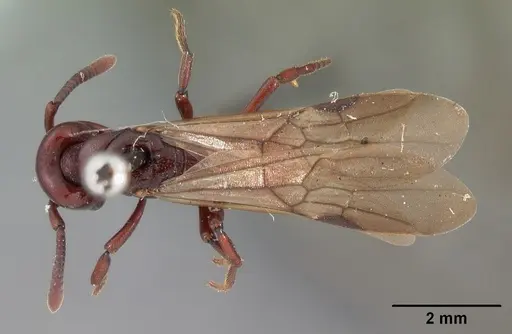
CASENT0102981
View on AntWeb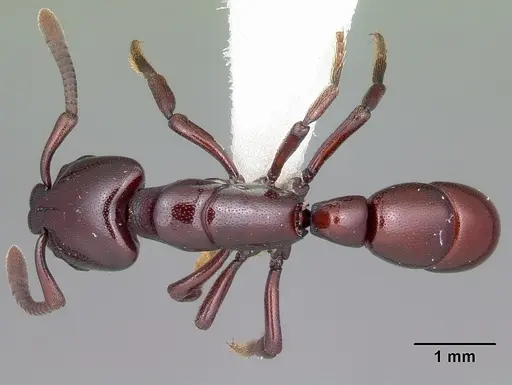
CASENT0249219
View on AntWeb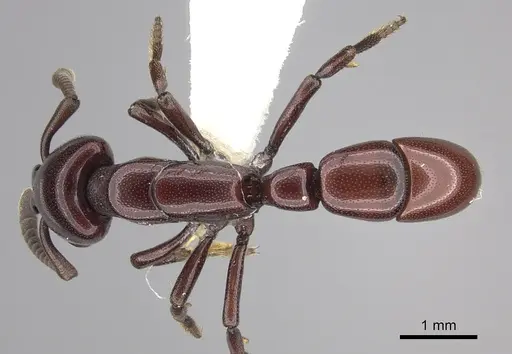
Literature
Loading...Loading products...