

Plectroctena subterranea
- Scientific Name
- Plectroctena subterranea
- Tribe
- Ponerini
- Subfamily
- Ponerinae
- Author
- Arnold, 1915
- Common Name
- Underground Millipede Muncher ant
- Distribution
- Found in 4 countries
Plectroctena subterranea Overview
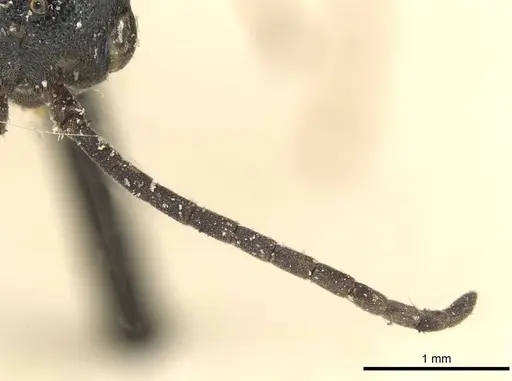
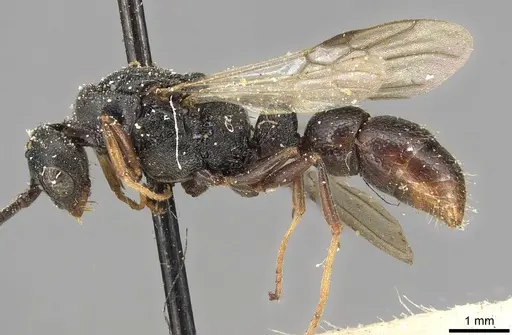
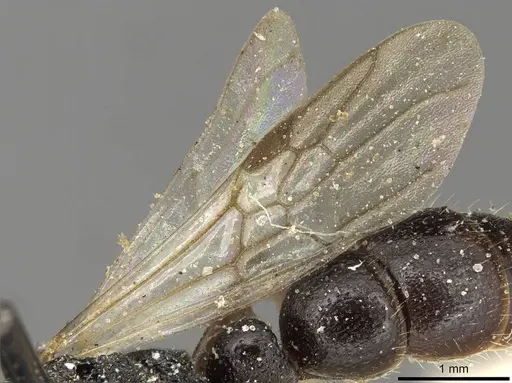
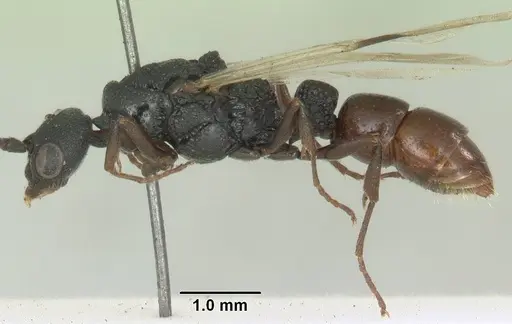
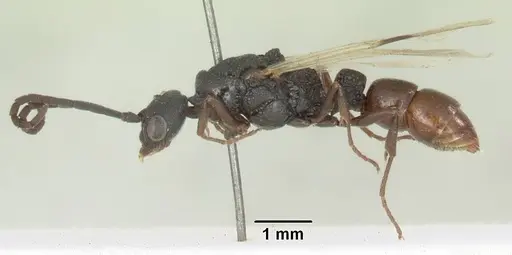
Plectroctena subterranea (commonly known as the Underground Millipede Muncher ant) is an ant species of the genus Plectroctena. It is primarily documented in 4 countries , including Kenya, Mozambique, South Africa. Detailed taxonomic data and occurrence records can be further explored via authoritative databases such as AntWeb or the Global Biodiversity Information Facility (GBIF).
Plectroctena subterranea - "Underground Millipede Muncher ant"
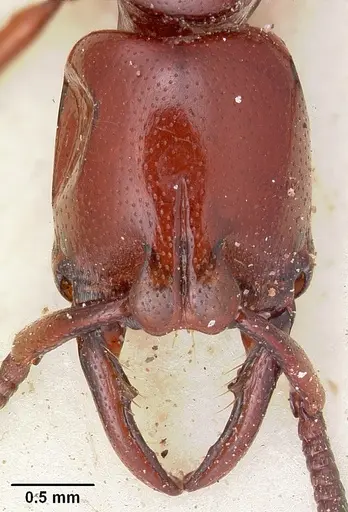
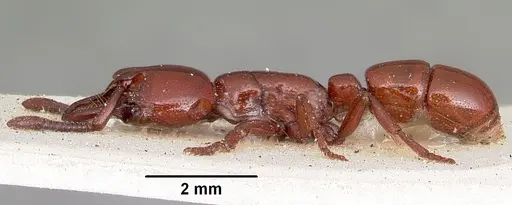
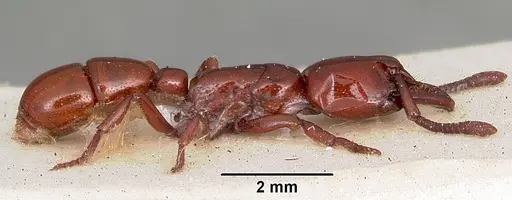
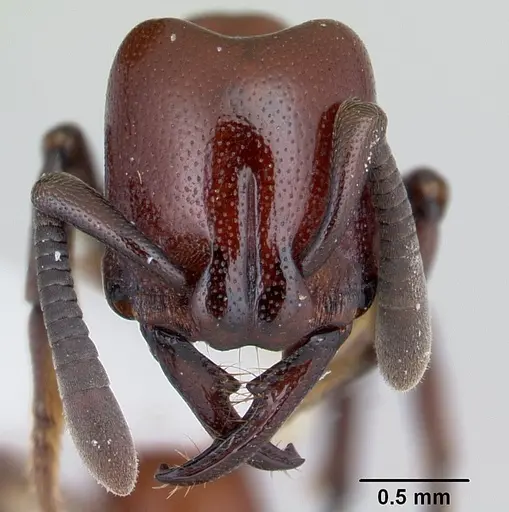
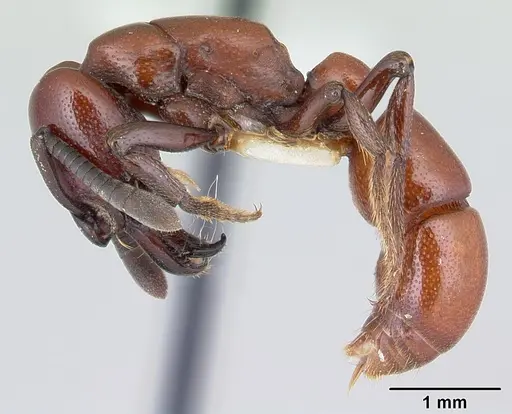
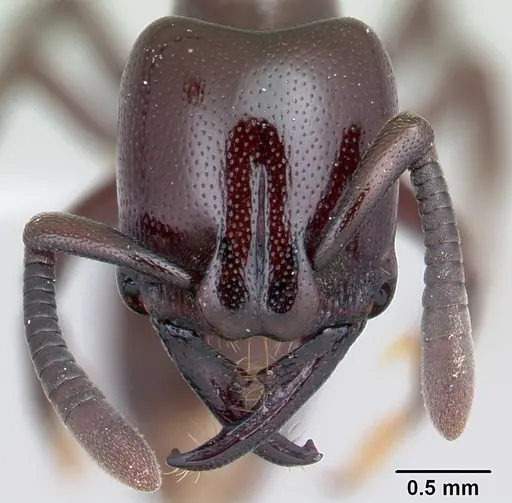
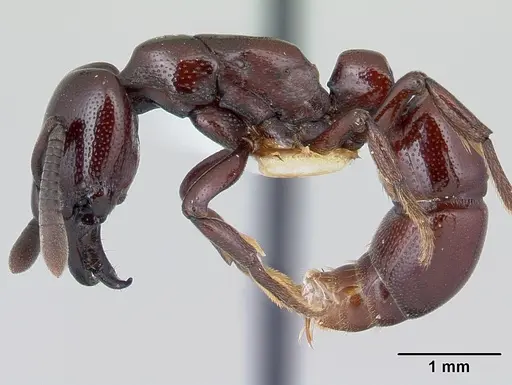
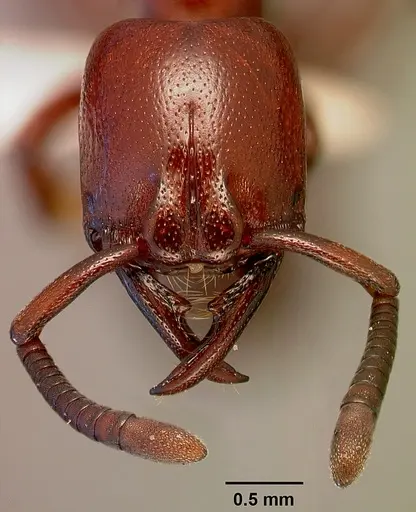
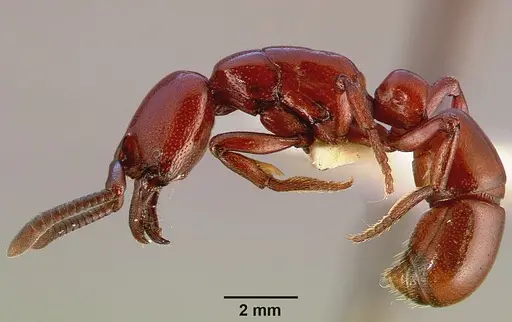
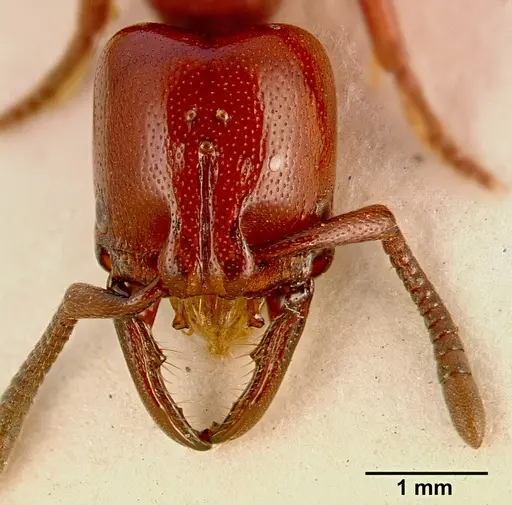
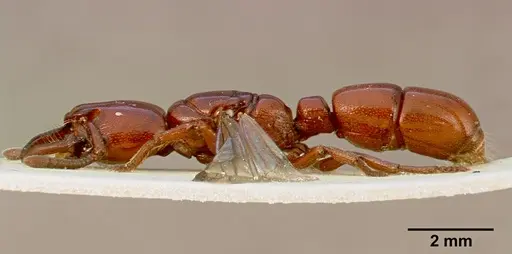
Plectroctena subterranea is a medium-sized predatory ant species native to central and eastern Africa. Workers measure approximately 8-12mm with distinctive powerful mandibles capable of rapid snapping movements, characteristic of trap-jaw ants in the Ponerinae subfamily. The species has a dark reddish-brown to black coloration. This ant was first recorded in Rwanda's Akagera National Park in 2026,expanding the known range of this rarely studied species [1]. In the wild, they typically nest in rotting wood or under stones in forested areas, where they hunt small invertebrates.
Quick Summary
- Difficulty: Medium
- Origin & Habitat: Central to eastern Africa, primarily in forested habitats. Collected in Akagera National Park, Rwanda, which features savanna and woodland ecosystems [1].
- Colony Type: Colony structure is unconfirmed. Based on typical Plectroctena patterns, likely single-queen colonies with moderate worker populations.
- Size & Growth:
- Queen: Estimated 12-15mm based on genus Plectroctena morphology
- Worker: Estimated 8-12mm based on genus patterns
- Colony: Estimated several hundred workers based on related Ponerinae species
- Growth: Moderate
- Development: Estimated 8-12 weeks at optimal temperature based on typical Ponerinae development (Development time is estimated from related species, specific data for P. subterranea is unavailable)
- Antkeeping:
- Temperature: Keep at 24-28°C. A heating cable on one side of the nest creates a temperature gradient allowing ants to self-regulate.
- Humidity: Maintain moderate to high humidity (60-80%). Keep the nest substrate consistently moist but not waterlogged. Mist occasionally and provide a water tube.
- Diapause: Unlikely required. As a tropical African species, they probably do not enter true diapause. However, slight temperature reduction during winter months may slow activity.
- Nesting: In captivity, they do well in Y-tong (AAC) nests or naturalistic setups with rotting wood sections. They prefer dark, humid nest chambers. Avoid dry conditions.
- Behavior: Plectroctena subterranea is a predatory ant with powerful trap-jaw mandibles. They are active hunters and will readily tackle small live prey. Workers are moderately aggressive and will defend the colony. They are primarily nocturnal or crepuscular foragers. Escape prevention is important due to their medium size, ensure nest connections are secure. They may be less aggressive than some Ponerines but will sting if threatened.
- Common Issues: predatory diet means colonies can starve without regular live prey, this is the most common failure point, tropical species may decline if kept too cool, maintain warm temperatures year-round, escape prevention matters despite their medium size, they can squeeze through small gaps, wild-caught colonies may carry parasites that cause colony collapse in captivity, slow founding means new keepers often give up before first workers arrive
Housing and Nest Setup
Plectroctena subterranea does well in Y-tong (acrylic) nests or naturalistic setups. They prefer dark, humid chambers that mimic their natural underground nesting sites. A nest with chambers sized 10-15mm tall works well for their medium size. Provide a water tube for humidity and mist the outworld occasionally. Since they are predatory, include an outworld area where you can place live prey. Test tube setups work for founding colonies but will need upgrading as the colony grows. Avoid dry nests, these ants are adapted to humid forest floor conditions.
Feeding and Diet
As a predatory ant species, Plectroctena subterranea requires live protein prey as their primary food source. Offer small insects such as fruit flies, small crickets, mealworms, and other appropriately sized arthropods. They will likely accept soft-bodied prey more readily. Feed protein 2-3 times per week, adjusting based on colony size and consumption. Sugar sources may be accepted occasionally, you can offer a drop of honey or sugar water, but do not rely on these as primary nutrition. Fresh water should always be available.
Temperature and Seasonal Care
Maintain temperatures between 24-28°C for optimal colony health and development. A heating cable placed on one end of the nest creates a gradient that allows ants to regulate their own temperature. As a tropical African species, they do not require true hibernation. During winter months, you can slightly reduce temperatures (to around 20-22°C) which may slow activity, but avoid cold temperatures below 18°C. Keep them warm year-round and avoid drafts from windows or air conditioning.
Behavior and Handling
These ants possess powerful trap-jaw mandibles capable of rapid snapping. While they are not typically aggressive toward keepers, they will defend their nest if threatened. Workers are active hunters and will pursue prey across the outworld. They are primarily crepuscular or nocturnal, so expect most activity during evening and night hours. When cleaning the outworld or performing maintenance, use caution and work gently to avoid provoking defensive behavior. Their sting is not considered dangerous to healthy humans but can cause brief discomfort.
Frequently Asked Questions
How long does it take for Plectroctena subterranea to have first workers?
Expect first workers (nanitics) approximately 8-12 weeks after the queen lays her first eggs, assuming optimal temperature (24-28°C). This is an estimate based on related Ponerinae species, as specific development data for this species is not available.
What do Plectroctena subterranea ants eat?
They are predatory ants that need live protein prey. Feed small insects like fruit flies, small crickets, and mealworms. They may accept sugar water occasionally but should not rely on it. Protein prey should be offered 2-3 times per week.
Can I keep Plectroctena subterranea in a test tube?
Yes, test tubes work for founding colonies. Use a water tube for humidity and provide a drop of honey for sugar. You will need to move them to a larger nest (like a Y-tong or naturalistic setup) once the colony reaches 20-30 workers.
Are Plectroctena subterranea good for beginners?
This species is rated as Medium difficulty. They are more challenging than simple sugar-feeding ants because they require live prey. However, they are less demanding than some other Ponerines. Beginners should have some antkeeping experience before attempting this species.
What temperature do Plectroctena subterranea need?
Keep them at 24-28°C. A heating cable on one side of the nest creates a gradient. They are tropical African ants and need consistent warmth. Avoid temperatures below 18°C.
How big do Plectroctena subterranea colonies get?
Based on related species, colonies likely reach several hundred workers. They are not supercolony-forming ants. Maximum colony size is estimated, as specific data for this species is unavailable.
Do Plectroctena subterranea need hibernation?
No, they do not require hibernation. As a tropical African species, they remain active year-round with proper warmth. You can slightly reduce temperatures in winter but keep them above 20°C.
Why are my Plectroctena subterranea dying?
The most common causes are: lack of live prey (starvation), temperatures too low (below 18°C), or dry conditions. Wild-caught colonies may also carry parasites. Ensure proper temperature, humidity, and regular protein feedings.
When should I move Plectroctena subterranea to a formicarium?
Move them when the colony reaches 20-30 workers. A Y-tong nest or naturalistic setup works well. Ensure the new enclosure maintains humidity and provides dark nesting chambers.
References

This caresheet is licensed under CC BY-SA 4.0 .
CASENT0102946
View on AntWeb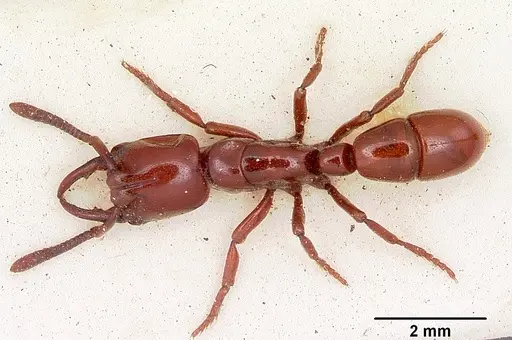
CASENT0178265
View on AntWeb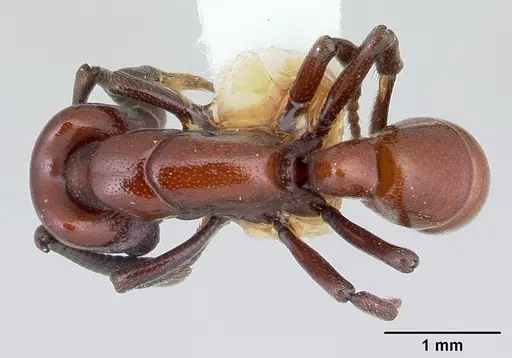
CASENT0178266
View on AntWeb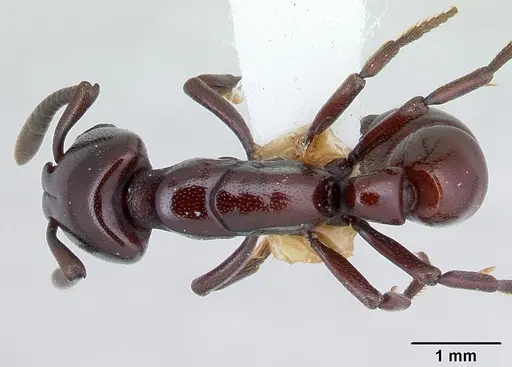
CASENT0915293
View on AntWeb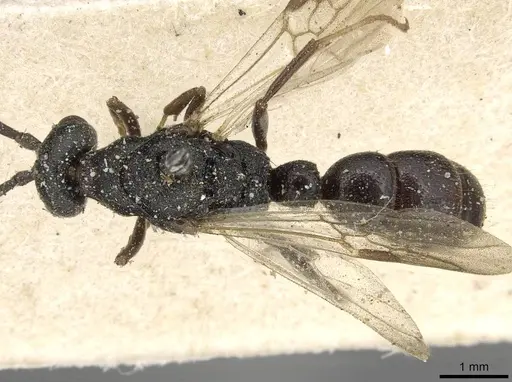
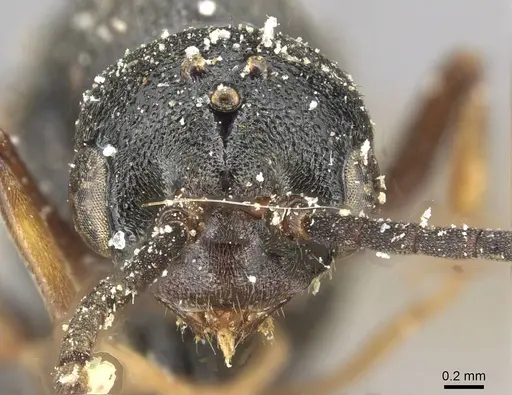
SAM-HYM-C000908
View on AntWeb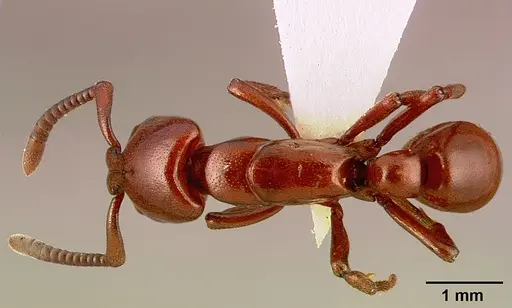
SAM-HYM-C002429
View on AntWeb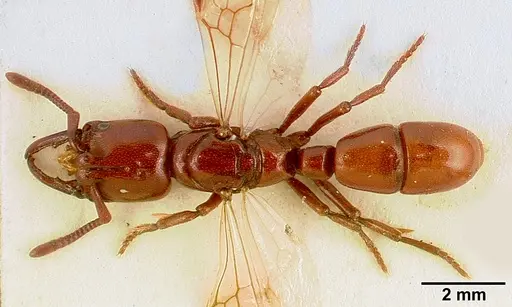
SAM-HYM-C008855A
View on AntWeb
Literature
Loading...Loading products...