

Platythyrea tricuspidata
- Scientific Name
- Platythyrea tricuspidata
- Tribe
- Platythyreini
- Subfamily
- Ponerinae
- Author
- Emery, 1900
- Distribution
- Found in 2 countries
Platythyrea tricuspidata Overview
Platythyrea tricuspidata is an ant species of the genus Platythyrea. It is primarily documented in 2 countries , including Brunei Darussalam, Malaysia. Detailed taxonomic data and occurrence records can be further explored via authoritative databases such as AntWeb or the Global Biodiversity Information Facility (GBIF).
Platythyrea tricuspidata
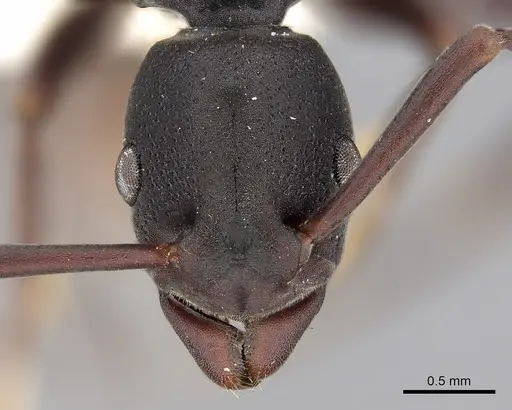
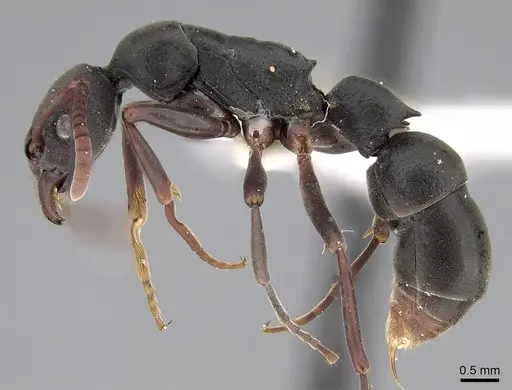
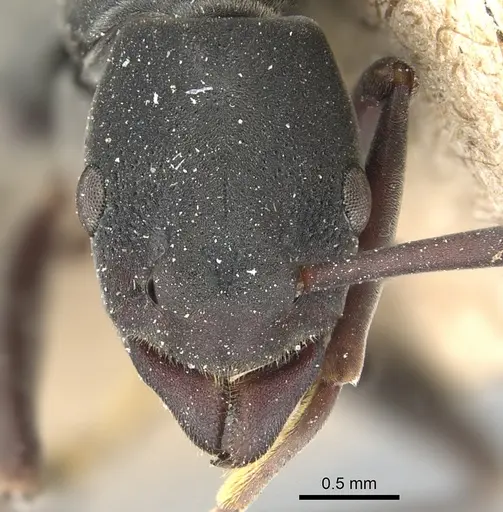
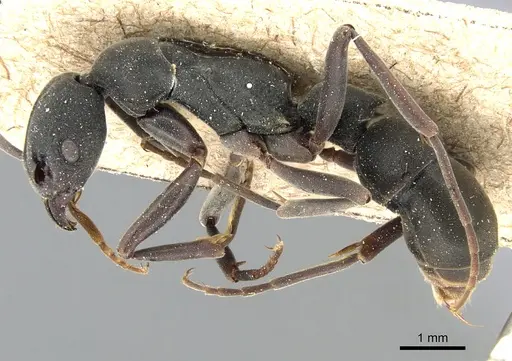
Platythyrea tricuspidata is a small to medium-sized ant belonging to the subfamily Ponerinae, found throughout the Indomalaya region including Borneo, Sumatra, Peninsular Malaysia, and southern Thailand. Workers are dark in coloration with a distinctive feature: the posterior margin of the petiole (the narrow waist segment) has three distinct spines when viewed from above, which is how it gets its species name 'tricuspidata' meaning three-pointed [1]. This species belongs to the P. parallela group, which is known for some unusual reproductive behaviors compared to typical ants. The species was originally described from Sumatra by Emery in 1900 [2].
What makes this species particularly interesting is its reproductive biology. Members of the parallela group have been observed to potentially reproduce through multiple pathways, not just through winged queens, but also through dealated (wingless) queens and potentially even workers [3]. This is unusual among ants and makes P. tricuspidata an interesting species for keepers who want to observe complex social dynamics.
Quick Summary
- Difficulty: Medium
- Origin & Habitat: Native to Southeast Asia, found in Borneo, Indonesia (Kalimantan, Sumatra), Malaysia (Peninsula, Sabah), and southern Thailand. This is a tropical forest species that typically nests in rotting wood or under bark in humid, shaded environments [4][2].
- Colony Type: Colony structure appears to be monogyne (single queen) based on typical Ponerinae patterns, though the parallela group shows unusual reproductive flexibility with potential for worker reproduction [3].
- Colony: Monogyne
- Founding: Claustral
- Size & Growth:
- Queen: Estimated 6-8mm based on genus, no direct measurement found in available literature
- Worker: Estimated 4-6mm based on genus, no direct measurement found in available literature
- Colony: Likely moderate, related Ponerinae species typically reach several hundred workers. No specific colony size data available for this species.
- Growth: Moderate, Ponerinae species generally develop slower than advanced ants like Formicinae or Myrmicinae
- Development: Estimated 8-12 weeks based on typical Ponerinae development at tropical temperatures (Ponerinae development is generally slower than many common ant genera. At optimal tropical temperatures (around 25-28°C), expect 2-3 months from egg to first worker.)
- Antkeeping:
- Temperature: Keep at 24-28°C. As a tropical species from Southeast Asia, they need warm conditions year-round. A heating cable on one side of the nest can create a gentle gradient if room temperature is below 24°C.
- Humidity: High humidity is essential, think humid tropical forest floor. Keep nest substrate consistently moist but not waterlogged. Provide a water tube as a drinking source. Mist the outworld occasionally and maintain humidity through a hydration reservoir in the nest.
- Diapause: No, this is a tropical species that does not require hibernation. Keep warm year-round.
- Nesting: In captivity, they do well in naturalistic setups with moist substrate (like a dirt/soil mix) or in acrylic/plaster nests that hold humidity well. They prefer dark, enclosed spaces and will often nest in the moist areas of the setup. Y-tong nests or plaster nests work well for this genus.
- Behavior: Ponerinae ants are generally more primitive in their behavior, they have a functional sting (which can be painful to humans) and are often more solitary in their foraging compared to advanced ants. Workers are active hunters and will hunt small invertebrates. They are not aggressive toward humans but will defend their nest if threatened. Escape prevention should be good, they are moderate-sized ants but can climb smooth surfaces. Watch for escape attempts, especially when the colony grows larger.
- Common Issues: tropical species needs constant warmth, cold temperatures can slow or stop brood development, high humidity is critical, dry conditions will cause colony decline, slower development than common ants can lead to keeper impatience and overfeeding, sting is functional and can cause discomfort, handle with care, limited availability in the antkeeping hobby means established colonies may be difficult to find
Housing and Nest Setup
Platythyrea tricuspidata does well in naturalistic setups that replicate their natural habitat of humid tropical forests. Use a mix of soil and sand as substrate, keeping it consistently moist but not waterlogged. You can add pieces of rotting wood, bark, or leaf litter to give them natural nesting sites. Alternatively, a Y-tong (acrylic) nest with a hydration chamber works well, the key is maintaining high humidity inside the nest while providing a foraging area that can be slightly drier. Cover the nest portion to create dark, enclosed spaces that these ants prefer. A water test tube should always be available in the outworld as a drinking source. [3][2]
Feeding and Diet
As Ponerinae ants, they are predators and will hunt small invertebrates. Offer small live prey such as fruit flies, small crickets, mealworms, and other small insects. They likely also accept protein-based foods like boiled eggs or cat food. In the wild, they hunt springtails and other small arthropods in the forest floor litter. Feed them small prey items 2-3 times per week, adjusting based on colony size. Remove uneaten prey after 24-48 hours to prevent mold. Sugar sources like honey water or sugar water may be accepted but are not a primary food source for this predatory species.
Temperature and Seasonal Care
Being a tropical species from Southeast Asia, P. tricuspidata needs warm temperatures year-round. Keep the nest area at 24-28°C (75-82°F). If your room temperature is below this range, use a heating cable or heating mat placed on top of the nest (not underneath to avoid drying out the substrate). Unlike temperate species, they do not require any hibernation or cooling period. Consistency is key, avoid sudden temperature drops or drafts. They are adapted to stable tropical conditions and will do best with stable warmth. [4]
Behavior and Handling
Ponerinae ants including Platythyrea have a functional sting that they use to subdue prey and defend the nest. While not dangerously toxic, a sting can be painful and cause localized irritation, similar to a bee sting. These ants are not aggressive toward humans but will sting if they feel threatened or if you handle them roughly. They are more solitary foragers compared to many advanced ant species, you may see single workers hunting rather than large foraging trails. The colony will establish a nest in the moistest area of their setup and expand outward from there.
Reproduction and Colony Growth
The parallela species group that P. tricuspidata belongs to shows unusual reproductive biology. Studies on related species in this group suggest reproduction can occur through dealated (wingless) queens in addition to the typical winged queen reproductive caste [3]. This means colonies may have more flexibility in replacing reproductives if the primary queen is lost. Nuptial flights likely occur during the tropical wet season, though specific timing is not documented. Colony growth is moderate, expect the first workers (nanitics) to emerge 2-3 months after the queen lays her first eggs, then steady growth over the following months.
Frequently Asked Questions
How long does it take for Platythyrea tricuspidata to get their first workers?
Expect 8-12 weeks from egg to first worker at optimal temperatures (24-28°C). Ponerinae species develop slower than many common ant genera, so patience is needed during the founding stage.
What do Platythyrea tricuspidata eat?
They are predators that hunt small invertebrates. Feed them small live prey like fruit flies, small crickets, and mealworms. They may also accept protein foods like boiled eggs or cat food. Remove uneaten prey after 24-48 hours.
Are Platythyrea tricuspidata good for beginners?
This species is rated as medium difficulty. While not the hardest species, they require specific conditions (high humidity, warm temperatures) that beginners must maintain consistently. Their slower development also requires patience.
Do Platythyrea tricuspidata need hibernation?
No, they are a tropical species and do not require hibernation. Keep them warm year-round at 24-28°C.
How big do Platythyrea tricuspidata colonies get?
Based on related species, colonies likely reach several hundred workers. No specific maximum is documented for this species.
Can I keep multiple Platythyrea tricuspidata queens together?
This is not recommended. While the parallela group shows some reproductive flexibility, keeping multiple unrelated queens together is likely to result in fighting. Stick to single-queen colonies.
What humidity do Platythyrea tricuspidata need?
High humidity is critical, keep the nest substrate consistently moist but not waterlogged. This is a tropical forest species adapted to humid conditions.
When should I move Platythyrea tricuspidata to a formicarium?
Wait until the colony has at least 20-30 workers before moving them. They do well in naturalistic setups from the start, which can be transitioned to a more formal formicarium as the colony grows.
Why is my Platythyrea tricuspidata colony declining?
Check three things: 1) Temperature, they need 24-28°C,2) Humidity, substrate must be moist,3) Food, they need regular small prey. Cold or dry conditions are the most common causes of colony decline in this species.
References

This caresheet is licensed under CC BY-SA 4.0 .
CASENT0281865
View on AntWeb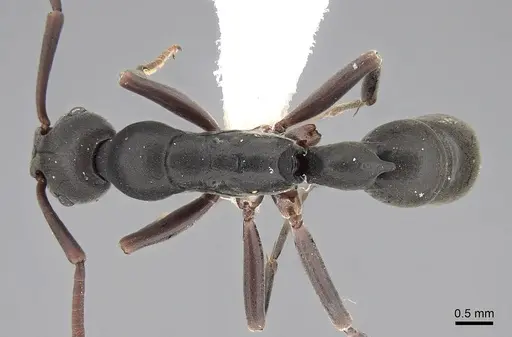
CASENT0903799
View on AntWeb
Literature
Loading...Loading products...