

Platythyrea strenua
- Scientific Name
- Platythyrea strenua
- Tribe
- Platythyreini
- Subfamily
- Ponerinae
- Author
- Wheeler & Mann, 1914
- Distribution
- Found in 2 countries
Platythyrea strenua Overview
Platythyrea strenua is an ant species of the genus Platythyrea. It is primarily documented in 2 countries , including Dominican Republic, Haiti. Detailed taxonomic data and occurrence records can be further explored via authoritative databases such as AntWeb or the Global Biodiversity Information Facility (GBIF).
Platythyrea strenua
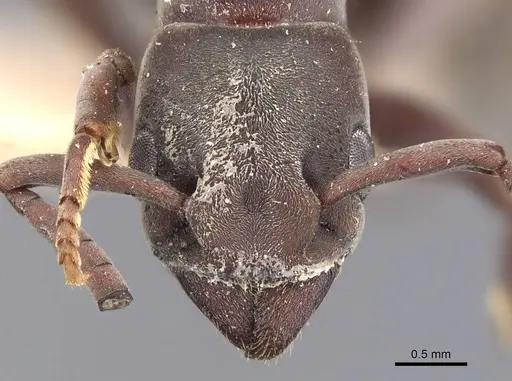
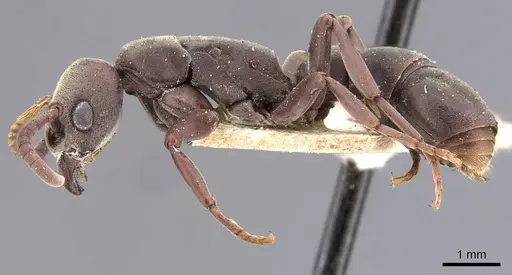
Platythyrea strenua is a medium-sized ponerine ant native to the island of Hispaniola (Haiti and Dominican Republic). Workers measure 8-8.5mm and have a robust, stocky build with a distinctive black body. The mandibles, clypeus, antennae, leg joints, and tip of the abdomen show reddish tinges, giving them a subtle two-tone appearance. The body is covered in fine punctures and a yellowish-gray pubescence that gives a slightly dusty look [1].
This species is notable for being a high-elevation ant found only in pine forests at 1,200-1,500m altitude. Unlike many tropical ants, they nest in cool, damp microhabitats under limestone slabs and in rotting wood, often near termite colonies. Their limited distribution makes them one of the rarer Caribbean ant species [2][3].
Quick Summary
- Difficulty: Medium
- Origin & Habitat: Endemic to Hispaniola, found only in Haiti (type locality at Diquini) and the Dominican Republic (Sierra de Baoruco). They live in high-elevation pine forests (Pinus occidentalis) at 1,200-1,500m altitude, nesting under limestone slabs and in rotting wood near termite colonies [2][3].
- Colony Type: Colony structure is unconfirmed. Based on typical Platythyrea patterns, likely single-queen colonies. The type collection came from a small colony, suggesting modest colony sizes [2][3].
- Size & Growth:
- Queen: Unknown, not directly described in available literature. Estimated 10-12mm based on genus patterns for robust ponerines.
- Worker: 8-8.5mm [1]
- Colony: Likely small to moderate, field collections noted 'small colonies' [2]. Estimated under 500 workers based on related species.
- Growth: Moderate, inferred from typical Ponerinae development patterns.
- Development: Estimated 6-10 weeks at optimal temperature based on genus-level data for Ponerinae. (Development time is estimated from related ponerine ants. Specific data for this species is unavailable.)
- Antkeeping:
- Temperature: Keep cooler than typical tropical ants due to high-elevation origin. Aim for 18-22°C, with a gentle gradient allowing workers to self-regulate. Avoid overheating, they naturally occur in cool mountain forests [2][3].
- Humidity: Moderate to high humidity (60-80%). Their natural habitat under limestone slabs and in rotting wood is damp but not waterlogged. Keep nest substrate consistently moist but provide some drier areas for foraging space.
- Diapause: Likely yes, given their high-elevation origin and the seasonal nature of the Dominican Republic highlands, expect a mild winter slowdown period. Reduce temperature to 15-18°C for 2-3 months during winter months.
- Nesting: Prefers damp, dark nesting sites. In captivity, a naturalistic setup with moist substrate (soil/peat mix) works well, or a Y-tong/plaster nest with moisture chambers. They accept tight chambers scaled to their robust size. Keep nesting area dark and undisturbed.
- Behavior: Platythyrea strenua is a predatory ponerine ant with moderate activity levels. Workers forage on the ground surface and are likely to accept small live prey. They are not aggressive toward keepers but have a functional stinger, expect defensive stinging if provoked. Escape risk is moderate due to their size, standard barrier methods work well. They are not known escape artists. Colonies are likely peaceful and not territorial toward conspecifics.
- Common Issues: high-elevation origins mean they are sensitive to overheating, keep them cool, small colony sizes in the wild suggest colonies may be slow to establish and vulnerable during founding, damp nesting conditions can lead to mold if ventilation is poor, their rarity means wild-caught colonies may have limited genetic diversity, they may be difficult to find as they are not common in the antkeeping trade
Natural History and Distribution
Platythyrea strenua is one of the rarest ant species in the Caribbean, known only from the island of Hispaniola. The original type collection was made in Diquini, Haiti in 1912-1913 from a rotten log situated near a termite colony. After this initial discovery, the species was not recorded again until 1975 when two separate colonies were found in the Sierra de Baoruco mountains of the Dominican Republic at elevations between 1,200-1,500 meters [2][3].
These high-elevation pine forest habitats are notably cooler than lowland tropical areas. The colonies were found nesting under limestone slabs in areas where Pinus occidentalis (Hispaniolan pine) dominates, with Gnaphalium and related plants in the understory. This suggests P. strenua is a cool-adapted species that prefers damp, shaded microhabitats typical of mountain forests [2][3].
Housing and Nest Setup
For keeping Platythyrea strenua successfully, replicate their natural cool, damp habitat. A naturalistic setup with a soil/peat substrate mixture works well, keep it consistently moist but not waterlogged. A Y-tong (acrylic) nest with moisture chambers is also suitable, as it allows you to maintain humidity while still being able to observe the colony.
Given their high-elevation origins, avoid overheating. Room temperature (18-22°C) is ideal, they will struggle if kept above 25°C. Place the nest in a cool, dark location away from direct sunlight and heat sources. Provide a temperature gradient so workers can choose their preferred zone. Because they are ground-nesting ants, keep the nesting area dark and minimize disturbances during the founding stage [2][3].
Feeding and Diet
As a member of the Ponerinae subfamily, Platythyrea strenua is likely a predatory ant that hunts small invertebrates. In captivity, offer small live prey such as fruit flies, pinhead crickets, mealworms, and other appropriately-sized insects. Feed protein prey 2-3 times per week, removing any uneaten prey after 24 hours.
Sugar sources may be accepted, you can offer a drop of honey or sugar water occasionally, though ponerines are typically less interested in sweets than formicines. Always provide fresh water. Since colonies in the wild were found near termite colonies, they may have a particular affinity for termite prey, this could be an interesting food to experiment with if available [1].
Temperature and Seasonal Care
Temperature management is the most critical factor for keeping this species healthy. Their native habitat at 1,200-1,500m elevation means they are adapted to cooler conditions than most tropical ants. Keep the nest area between 18-22°C year-round. During winter months in the Northern Hemisphere (roughly November through February), expect natural slowing of activity and reduce temperatures slightly to 15-18°C.
This winter rest period likely mimics their natural cycle in the Dominican highlands, where cooler temperatures prevail during the dry season. Do not attempt to maintain active growth year-round, allow the colony to rest. Overheating is the primary killer of this species in captivity, so monitor temperatures carefully and provide ventilation to prevent heat buildup [2][3].
Colony Establishment and Growth
P. strenua colonies appear to be small in the wild, field collectors noted 'small colonies' rather than the large supercolonies seen in some ant species. This means you should expect slower growth than species like Camponotus or Formica. A founding queen will likely take 6-10 weeks to produce her first workers (nanitics), and the colony may remain under 100 workers for the first year.
Be patient during the founding stage. Provide the queen with a dark, humid test tube setup and do not disturb her. Once workers emerge, growth should be steady but modest. The key to success is providing stable, cool conditions and consistent (but not excessive) feeding. Small colony size also means each individual is valuable, avoid excessive disturbances that could stress the colony [2][3].
Frequently Asked Questions
How long does it take for Platythyrea strenua to produce first workers?
Based on typical Ponerinae development, expect 6-10 weeks from egg to first worker at optimal temperature (around 20°C). This is an estimate since specific development data for this species is not available.
What temperature do Platythyrea strenua ants need?
Keep them cool, 18-22°C is ideal. They are high-elevation ants from mountain pine forests and do not tolerate heat well. Never exceed 25°C.
How big do Platythyrea strenua colonies get?
Based on field observations of 'small colonies, ' maximum colony size is likely under 500 workers. Do not expect the large supercolonies seen in some other ant genera.
Can I keep multiple Platythyrea strenua queens together?
This has not been documented. Based on typical genus patterns, they likely form single-queen colonies. Do not attempt combining unrelated foundresses without evidence they will accept each other.
What do Platythyrea strenua ants eat?
They are predatory Ponerinae ants. Feed small live prey such as fruit flies, pinhead crickets, and mealworms. They may occasionally accept sugar sources like honey water, but protein prey should be the primary food.
Do Platythyrea strenua need hibernation?
Yes, given their high-elevation origin, they benefit from a winter rest period. Reduce temperatures to 15-18°C for 2-3 months during winter. This mimics their natural seasonal cycle in the Dominican highlands.
Is Platythyrea strenua a good species for beginners?
This is a medium-difficulty species. The main challenges are maintaining cool temperatures and being patient with slow colony growth. Not the best choice for a first ant, but manageable for those with some experience.
Where is Platythyrea strenua found in the wild?
They are endemic to Hispaniola, found only in Haiti and the Dominican Republic at elevations of 1,200-1,500m in pine forest habitats.
References

This caresheet is licensed under CC BY-SA 4.0 .
CASENT0907128
View on AntWeb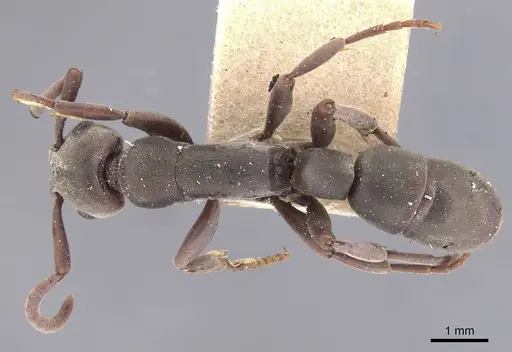
Literature
Loading...Loading products...