

Platythyrea sinuata
- Scientific Name
- Platythyrea sinuata
- Tribe
- Platythyreini
- Subfamily
- Ponerinae
- Author
- Roger, 1860
- Distribution
- Found in 6 countries
Platythyrea sinuata Overview
Platythyrea sinuata is an ant species of the genus Platythyrea. It is primarily documented in 6 countries , including Brazil, Colombia, Ecuador. Detailed taxonomic data and occurrence records can be further explored via authoritative databases such as AntWeb or the Global Biodiversity Information Facility (GBIF).
Platythyrea sinuata
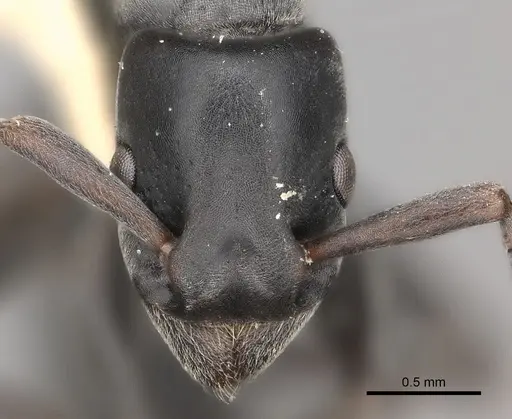
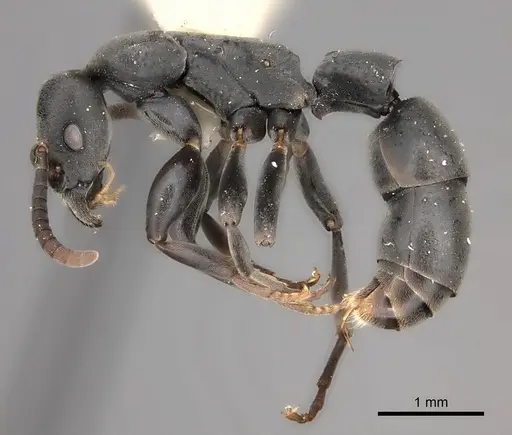
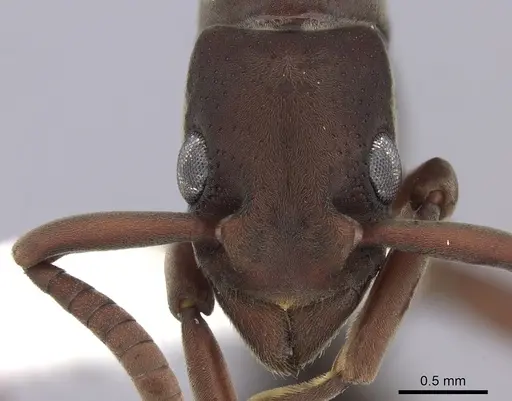
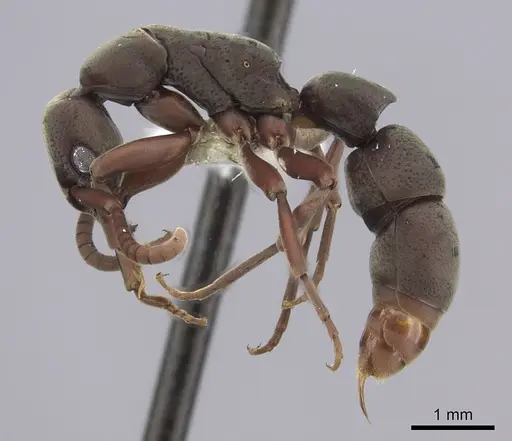
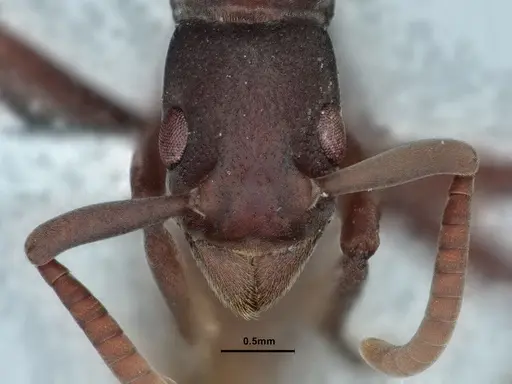
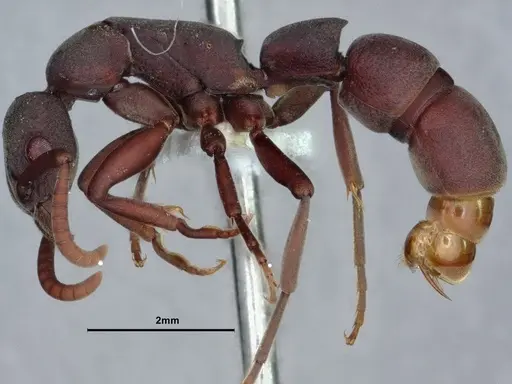
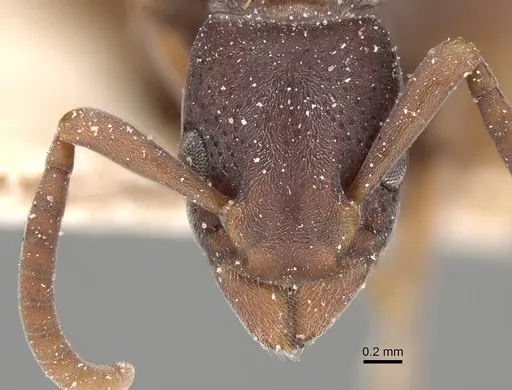
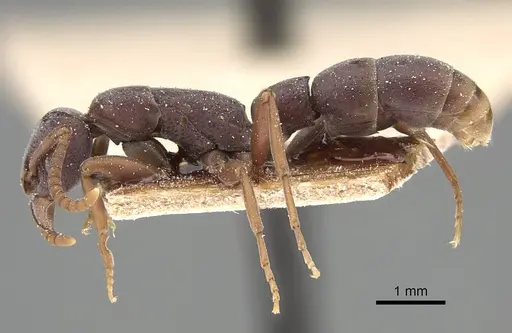
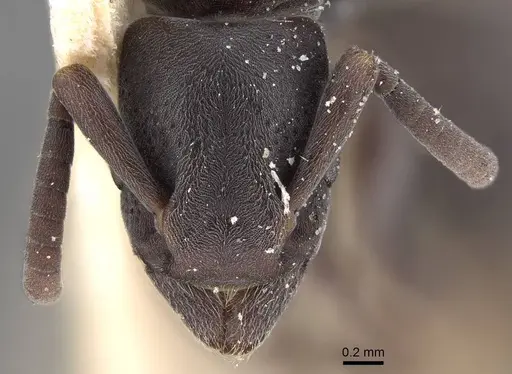
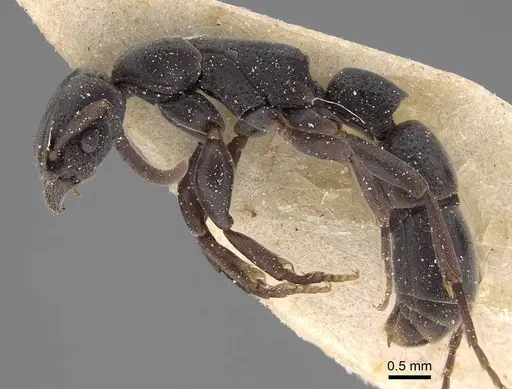
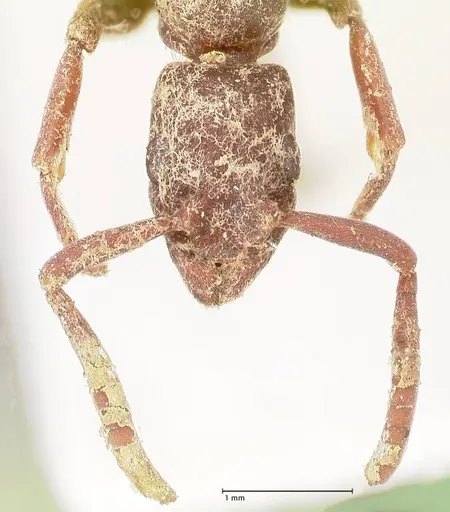
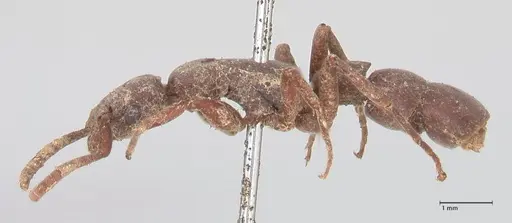
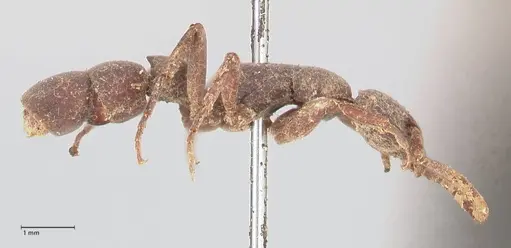
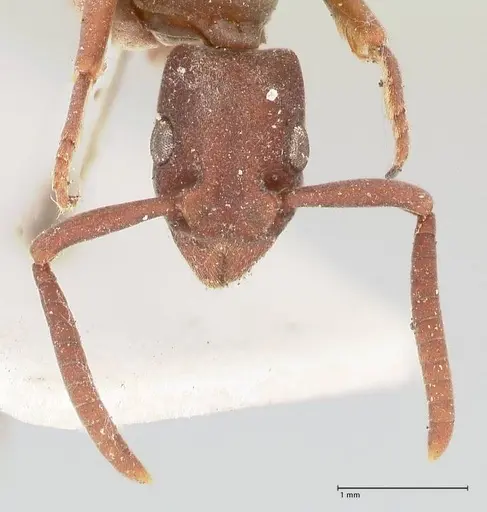
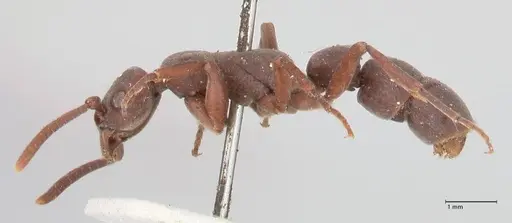
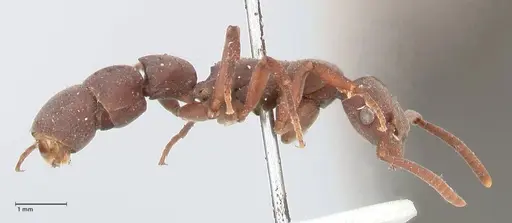
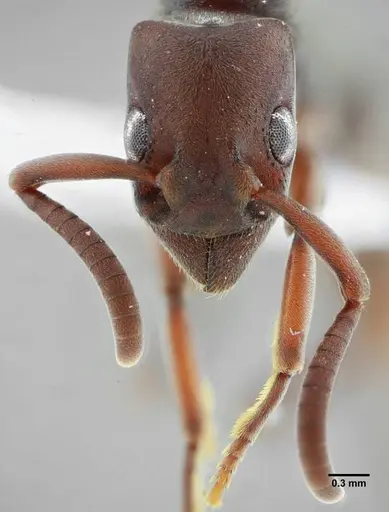
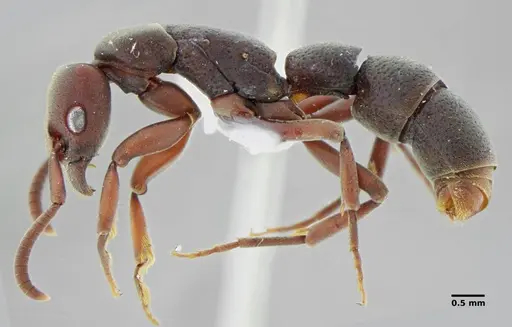
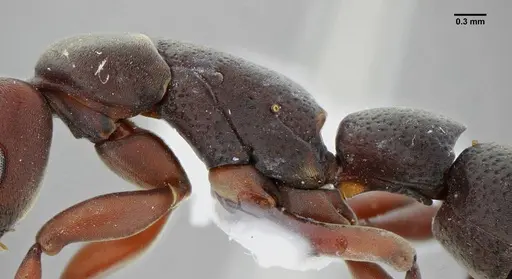
Platythyrea sinuata is a medium-sized predatory ant from the Ponerinae subfamily, found throughout the Neotropical region from Mexico to Brazil [1]. Workers are characterized by a distinctive petiolar node that is longer than wide, which helps distinguish them from similar-looking species like P. angusta, P. pilosula, and P. punctata. This species is rarely encountered in ant surveys, suggesting it has specific habitat requirements or behaviors that make it difficult to collect. They inhabit humid tropical forests, typically nesting in rotting wood, twigs, bark cavities, or between decaying trunks and soil.
Quick Summary
- Difficulty: Medium
- Origin & Habitat: Neotropical region, Mexico through Brazil, including Colombia, Ecuador, Peru, Bolivia, Venezuela, Suriname, Guyana, French Guiana, and Guadeloupe. Found in humid tropical forests, primarily in lowland Amazonian areas and cocoa agroforestry systems (cabruca), nesting in rotting wood, twigs, bark cavities, and under stones between rotted trunks and soil [1][2][3].
- Colony Type: Colony structure is not well documented in scientific literature. Based on related Platythyreini species, they likely form small to moderate colonies. Ergatoid (wingless) males have been documented in the genus, suggesting potential for replacement reproductives within established colonies [4].
- Size & Growth:
- Queen: Estimated 7-9mm based on genus-level Ponerinae patterns, direct measurements not available in literature
- Worker: Estimated 5-7mm based on genus-level patterns, morphological studies show petiolar node longer than wide [5]
- Colony: Likely small to moderate colonies, only ever collected as singletons or in very low numbers, suggesting small colony sizes [6]
- Growth: Unknown, limited data available due to rare collection records
- Development: Estimated 6-10 weeks based on typical Ponerinae development at tropical temperatures (Development timeline is not directly studied for this species. Ponerine ants typically develop faster in warm tropical conditions (25-28°C), with egg to worker taking 6-10 weeks under ideal conditions.)
- Antkeeping:
- Temperature: Keep at 24-28°C, reflecting their tropical lowland origin. A slight gradient allowing cooler areas (22°C) is beneficial. Do not allow temperatures to drop below 22°C for extended periods.
- Humidity: High humidity is essential, these are forest floor ants from humid tropical environments. Keep nest substrate consistently moist but not waterlogged. Provide a water source and maintain 70-85% humidity in the outworld.
- Diapause: No diapause required, as a tropical species, they do not need a winter rest period. Maintain consistent warm temperatures year-round.
- Nesting: Provide a naturalistic setup with rotting wood pieces, twigs, or a Y-tong/plaster nest with high humidity. They prefer tight, humid chambers. Avoid dry conditions entirely.
- Behavior: This is a predatory Ponerine ant, they are active hunters and likely specialize in hunting small invertebrates. Workers are probably moderate to fast-moving foragers that hunt individually or in small groups. They are not aggressive toward keepers but can deliver a moderately painful sting if handled roughly. Escape risk is moderate, ensure formicarium has tight-fitting lids and small gaps are sealed. Activity level is likely high, especially at warmer temperatures.
- Common Issues: Rare species with limited availability, finding a colony for sale may be difficult, High humidity requirements mean mold can be a problem if ventilation is poor, Predatory diet means they need live prey, cannot survive on sugar water alone, Small colony sizes in the wild mean colonies may be slow to establish, Tropical species is sensitive to temperature drops, cold drafts can be fatal
Natural History and Distribution
Platythyrea sinuata is widely distributed across the Neotropical region, ranging from Mexico down through Central America and into South America as far as Brazil and Bolivia [1]. This species has been recorded in multiple countries including Mexico, Ecuador, Peru, Bolivia, Venezuela, Suriname, Guyana, French Guiana, Colombia, Brazil, and the Caribbean islands of Guadeloupe [1][2][7]. In Colombia specifically, they have been found in the Amazon region (Amazonas), as well as Cauca, Huila, Meta, and Valle del Cauca at elevations ranging from sea level to around 1,100 meters [8][5].
They are considered a rare species in ant surveys, which likely reflects their specific microhabitat preferences rather than true rarity in the wild. Studies in Amazonian Brazil found them only in primary forest areas with high leaf-litter volume, and they were collected exclusively during the rainy season [6]. This suggests they prefer stable, humid microhabitats in mature forest understories. In Brazil's Atlantic forest agroecosystems, they were found nesting in bromeliads, specifically associated with twigs and bark cavities rather than the suspended soil that other ant species use.
Nesting and Habitat Preferences
In their natural habitat, Platythyrea sinuata nests in rotting wood, twigs, bark cavities, and in the spaces between decaying trunks and soil. They are associated with humid forest floor microhabitats and appear to avoid drier areas. The species has been collected using mini-Winkler extractors from leaf-litter samples in primary Amazonian rainforest, indicating they are ground-nesting ants that forage in the leaf litter layer [6].
For captive care, provide a naturalistic setup that mimics these conditions. A Y-tong or plaster nest with small, tight chambers works well, or you can create a naturalistic setup with rotting wood pieces and moist substrate. The key requirement is consistently high humidity, the nest substrate should feel damp to the touch. Avoid any nest setup that allows the substrate to dry out completely. Provide a water tube or other moisture source to maintain humidity.
Feeding and Diet
As a member of the Ponerinae subfamily, Platythyrea sinuata is predatory, hunting small invertebrates in the leaf litter. Studies note that rare species like this one often have peculiar diets and predatory habits [6]. In captivity, you should offer a diet based on small live prey such as fruit flies, pinhead crickets, small mealworms, and other appropriately-sized insects.
Feed them small live prey items 2-3 times per week, adjusting based on colony size and consumption. Unlike some ants that readily accept sugar sources, Ponerinae ants are primarily predatory and may not show strong interest in honey or sugar water. However, you can offer it occasionally as a supplement. The key is providing regular protein from small invertebrate prey. Remove any uneaten prey after 24 hours to prevent mold issues.
Temperature and Care
Being a tropical lowland species from Central and South America, Platythyrea sinuata requires warm temperatures year-round. Keep the nest area at 24-28°C, with a slight gradient allowing workers to choose their preferred temperature. A heating cable on one side of the nest can help maintain these temperatures, but place it on top of the nest rather than underneath to avoid excessive drying.
Do not allow temperatures to drop below 22°C for extended periods, and avoid cold drafts entirely. Since they come from humid tropical environments, they also need high humidity, aim for 70-85% relative humidity in the outworld. Unlike temperate species, they do not require any diapause or winter rest period. Maintain consistent warm and humid conditions throughout the year. This is not a species for keepers who keep their ant rooms cool.
Behavior and Temperament
Ponerine ants like Platythyrea sinuata are active predators with well-developed stingers. Workers are likely moderate to fast-moving foragers that hunt individually through the leaf litter. While they are not typically aggressive toward humans, they can deliver a moderately painful sting if threatened or handled roughly.
In terms of escape prevention, ensure your formicarium has tight-fitting lids and seal any small gaps or cracks. While not the smallest ants, they can still squeeze through surprisingly small openings. Provide an outworld (foraging area) that is appropriately sized to the colony, they do not need large spaces but should have room to forage and dispose of waste. Activity levels will be highest at warmer temperatures and will decrease if conditions become too cool or dry.
Frequently Asked Questions
How long does it take for Platythyrea sinuata to produce first workers?
The exact development timeline is not documented in scientific literature. Based on typical Ponerinae development at tropical temperatures (24-28°C), expect approximately 6-10 weeks from egg to first worker. This is an estimate based on related species, as this specific species has not been studied in laboratory conditions.
What do Platythyrea sinuata ants eat?
They are predatory ants that hunt small invertebrates. In captivity, feed them small live prey such as fruit flies, pinhead crickets, small mealworms, and other tiny insects. They may accept occasional sugar water or honey as a supplement, but protein from live prey should be their primary food source.
Can I keep Platythyrea sinuata in a test tube?
A test tube setup can work for founding colonies, but you will need to maintain very high humidity. For established colonies, a naturalistic setup with rotting wood or a Y-tong/plaster nest with small chambers works better. The key is keeping the nest consistently humid without allowing it to dry out.
Are Platythyrea sinuata good for beginners?
This species is rated as medium difficulty. While not the most challenging ant to keep, they have specific humidity and temperature requirements that make them better suited for keepers who already have some experience with Ponerinae or tropical species. Their predatory diet and need for high humidity require more attention than easier species.
How big do Platythyrea sinuata colonies get?
Based on collection records showing only singletons or very small numbers in the wild, colonies likely remain small, probably under 200 workers at maturity. They appear to be a species that maintains small colony sizes rather than producing massive colonies.
Do Platythyrea sinuata need hibernation?
No, as a tropical species from Central and South America, they do not require diapause or hibernation. Keep them warm year-round at 24-28°C without seasonal temperature drops.
Why is Platythyrea sinuata so rare in the antkeeping hobby?
This species is rarely collected in scientific surveys, which limits availability for the hobby. They appear to have specific habitat requirements (humid forest floor microhabitats) and may not be abundant even in their natural range. Finding a colony for sale can be difficult.
What temperature range is best for Platythyrea sinuata?
Keep them at 24-28°C, which reflects their tropical lowland origin. A slight gradient allowing cooler areas around 22°C is beneficial. Do not allow temperatures to drop below 22°C for extended periods, and avoid cold drafts completely.
Can I keep multiple queens together?
The colony structure of this species is not well documented. Based on typical Ponerinae patterns, they likely have single-queen colonies. Combining unrelated queens has not been documented and is not recommended.
References

This caresheet is licensed under CC BY-SA 4.0 .
CASENT0217573
View on AntWeb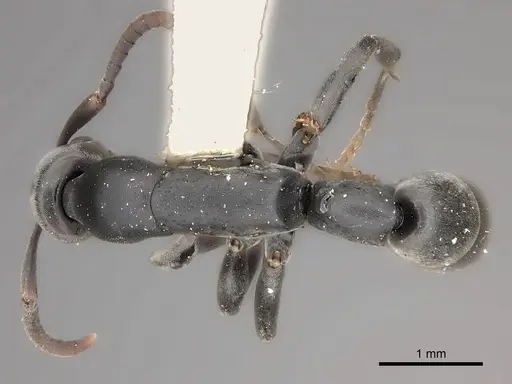
CASENT0260485
View on AntWeb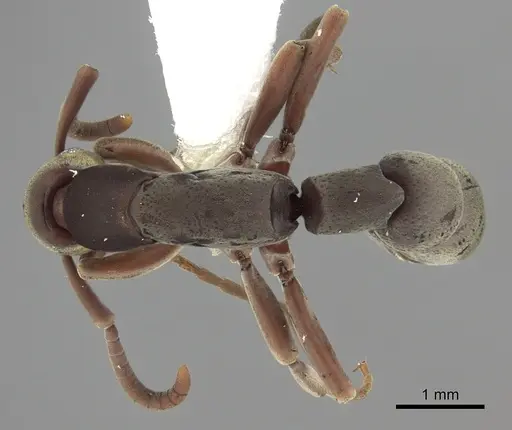
CASENT0882098
View on AntWeb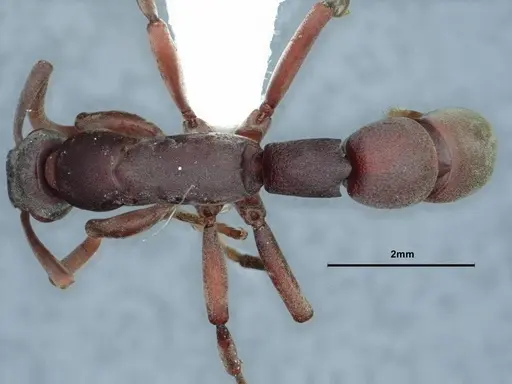
CASENT0922389
View on AntWeb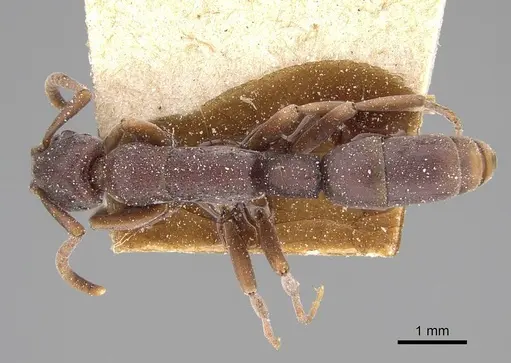
CASENT0922390
View on AntWeb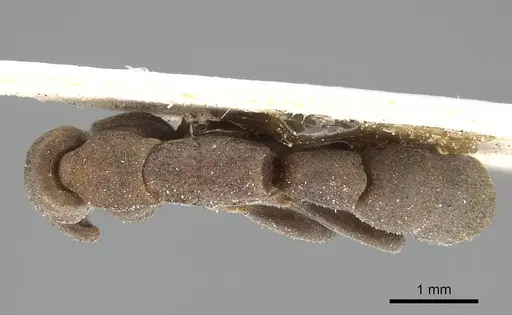
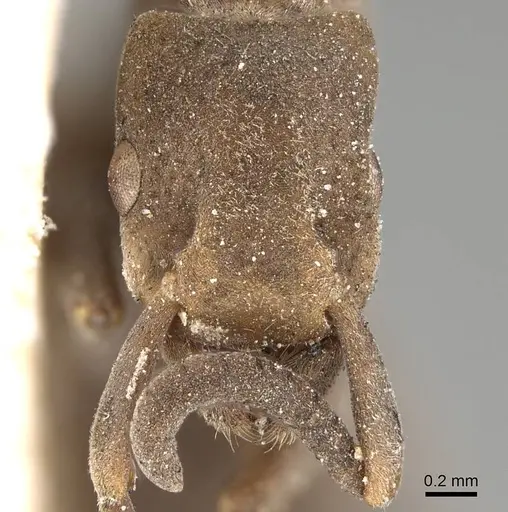
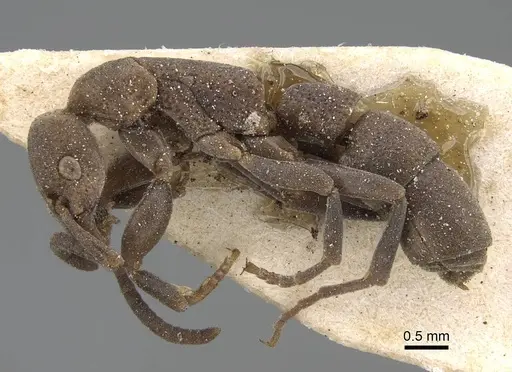
CASENT0922397
View on AntWeb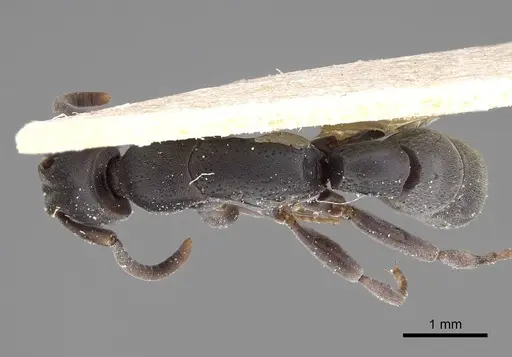
FOCOL0855
View on AntWeb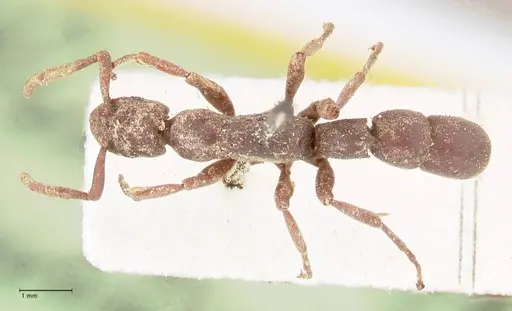
FOCOL0856
View on AntWeb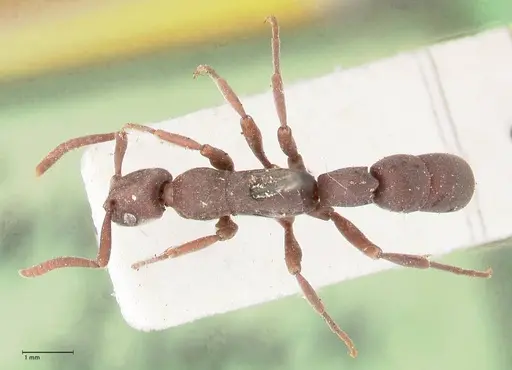
UFV-LABECOL-001205
View on AntWeb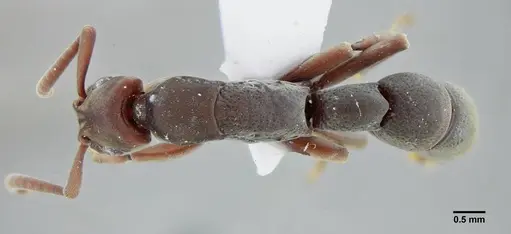
Literature
Loading...Loading products...