

Platythyrea schultzei
- Scientific Name
- Platythyrea schultzei
- Tribe
- Platythyreini
- Subfamily
- Ponerinae
- Author
- Forel, 1910
- Distribution
- Found in 9 countries
Platythyrea schultzei Overview
Platythyrea schultzei is an ant species of the genus Platythyrea. It is primarily documented in 9 countries , including Botswana, Congo, Democratic Republic of the. Detailed taxonomic data and occurrence records can be further explored via authoritative databases such as AntWeb or the Global Biodiversity Information Facility (GBIF).
Platythyrea schultzei
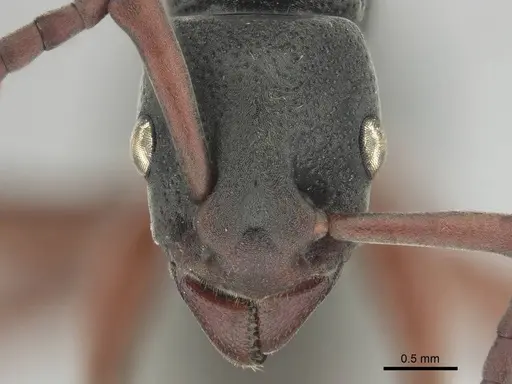
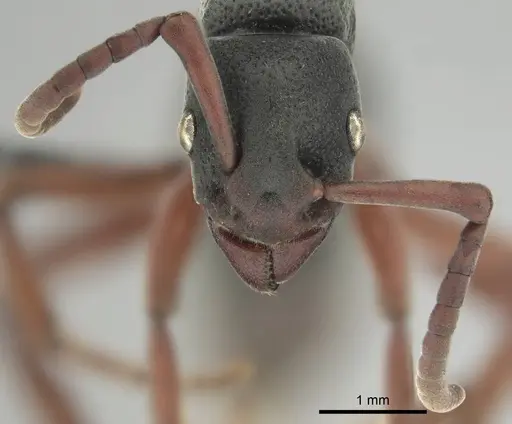
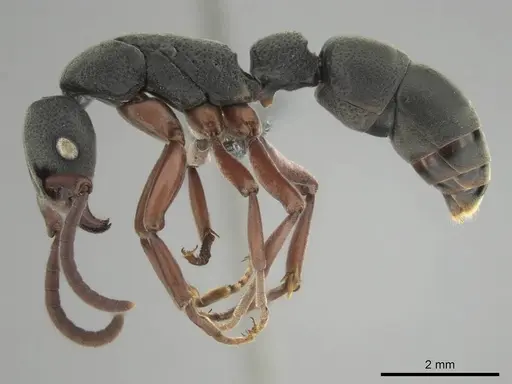
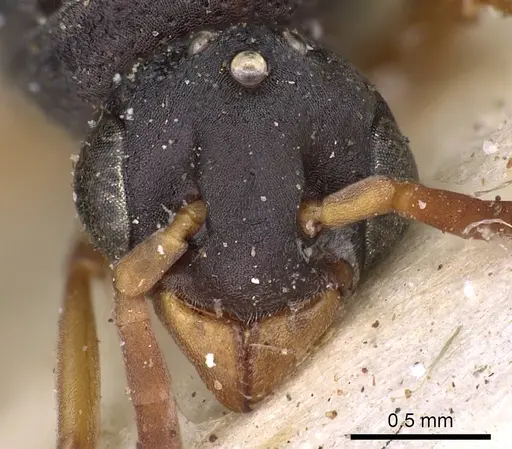
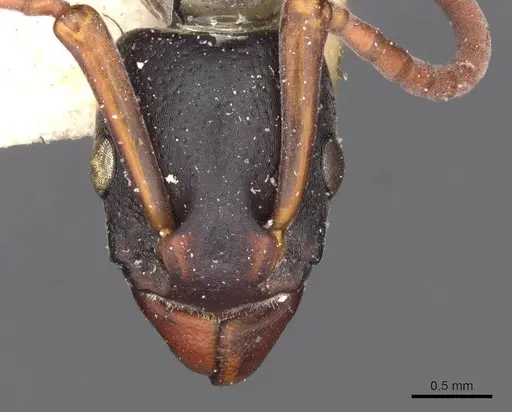
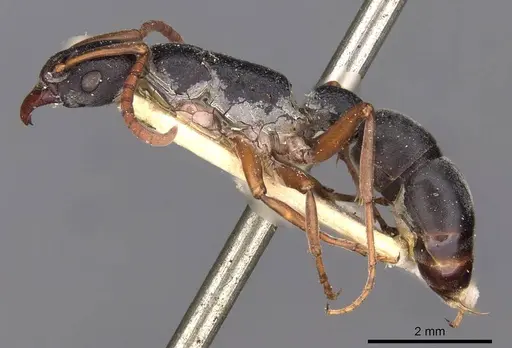
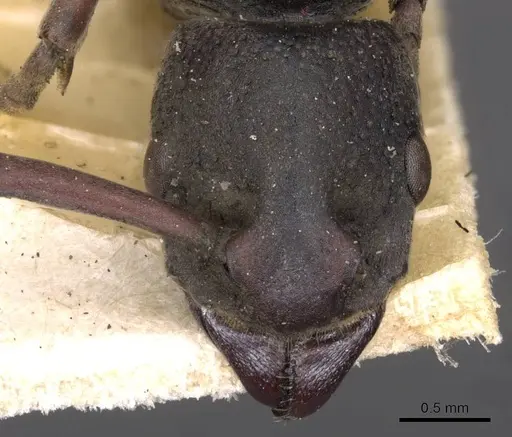
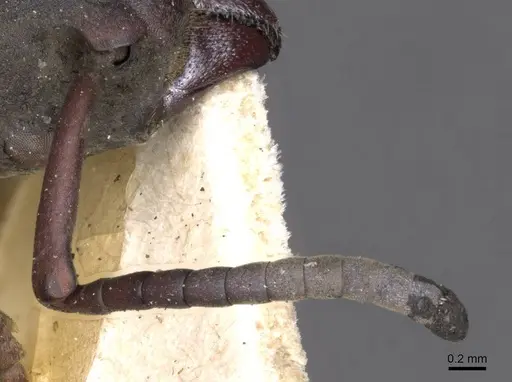
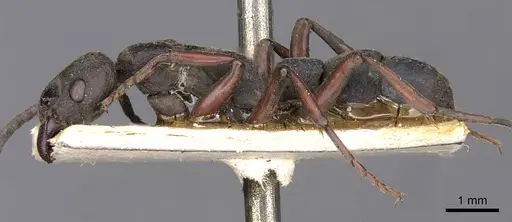
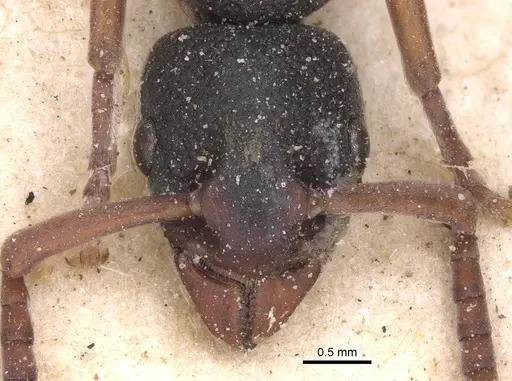
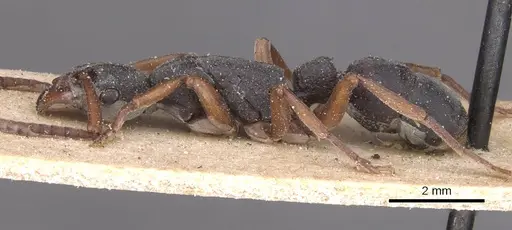
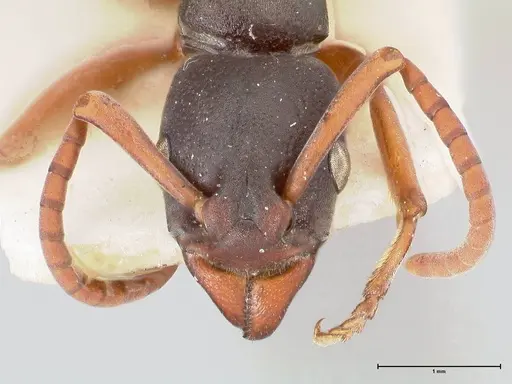
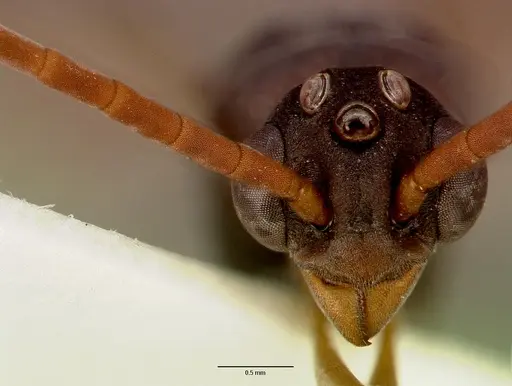
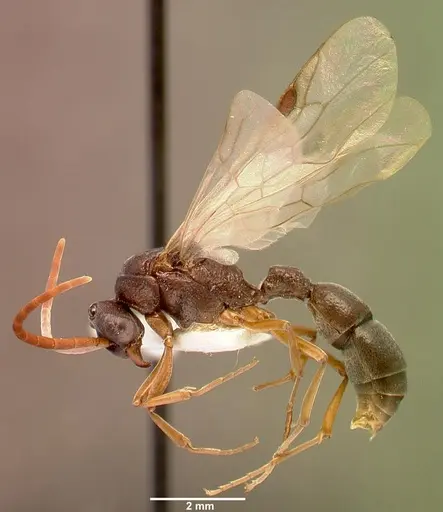
Platythyrea schultzei is a small to medium-sized ant native to the Afrotropical region, found across southern and eastern Africa including Namibia, South Africa, Angola, Democratic Republic of Congo, Zambia, Zimbabwe, Kenya, Mozambique, and Uganda [1]. Workers are approximately 5-7mm in length with the characteristic flattened body shape typical of the Platythyrea genus. They have dark brown to black coloration and distinctive mandibles adapted for their predatory lifestyle.
This species is remarkable because it is one of the few truly queenless ants, it lacks a morphologically distinct queen caste entirely. Instead, reproduction is carried out by gamergates, which are mated workers that take on the reproductive role. Colonies are small, typically containing around 20 workers, with only one gamergate per colony [2]. This makes P. schultzei fascinating for antkeepers interested in alternative social structures.
Quick Summary
- Difficulty: Medium
- Origin & Habitat: Native to the Afrotropical region, found across southern and eastern Africa from Namibia and South Africa east to Kenya and Uganda [1]. In South Africa, they are known from the Kruger National Park area and have been recorded as a negative indicator taxon decreasing with elevation above 1200m [3]. They nest in soil or under stones in savanna and woodland habitats.
- Colony Type: Queenless, reproduces via gamergates (mated workers). Single gamergate species with approximately 21 workers per colony [2]. No morphologically distinct queen caste exists.
- Special: Gamergates
- Size & Growth:
- Queen: N/A, queen caste absent [2]
- Worker: 5-7mm (estimated from genus)
- Colony: Up to ~21 workers on average [2]
- Growth: Slow, small colony size
- Development: Unknown, not directly studied (Development timeline unconfirmed. Based on typical Ponerinae patterns, expect several months from egg to adult worker.)
- Antkeeping:
- Temperature: Keep at 24-28°C. They come from warm African habitats so they prefer temperatures in the mid-to-high 20s. A heating cable on one side of the nest creates a suitable gradient.
- Humidity: Moderate humidity around 50-70%. These ants prefer drier conditions compared to many Ponerinae. Allow the nest substrate to dry out partially between water additions.
- Diapause: Unknown for this species. Many African ants may reduce activity during cooler months but true hibernation is unlikely given their tropical/subtropical range.
- Nesting: Test tubes or Y-tong nests work well. They prefer tight, enclosed spaces. A small outworld area allows for hunting and foraging. Provide a moisture chamber but avoid overly wet conditions.
- Behavior: These are relatively docile ants for a Ponerine species. Workers are predatory and will hunt small invertebrates. They have functional stingers but rarely use them against humans. Escape prevention is important as workers are agile and can climb smooth surfaces. They are not aggressive toward keepers but will defend their nest if threatened.
- Common Issues: small colony size means losses have big impact, a single worker death is significant in colonies of ~20, queenless system is fragile, if the gamergate dies and no replacement is mated, the colony cannot recover, lack of documented captive breeding means establishing a colony from wild-caught specimens is challenging, predatory diet requires constant live prey, they cannot survive on sugar alone
Understanding the Queenless System
Platythyrea schultzei is one of the few ant species that has completely lost the queen caste. Instead of a large, specialized queen, reproduction is handled by gamergates, workers that have mated and can lay fertilized eggs. This is a rare and fascinating social structure where mated workers integrate back into the workforce and monopolize egg-tending tasks [4]. Each colony typically has just one gamergate that does most of the egg-laying [2].
For antkeepers, this means you cannot look for a queen, there isn't one. Instead, you would need to locate a colony with a functional gamergate. The system is regulated: virgin workers do not develop eggs when a mated worker is present in the colony [4]. If the gamergate dies and no replacement is available, the colony cannot produce new workers and will eventually die out.
Feeding and Diet
As Ponerinae ants, Platythyrea schultzei are predatory and need a protein-rich diet. They hunt small invertebrates including springtails, fruit flies, small beetles, and other tiny arthropods. In captivity, offer small live prey items 2-3 times per week. Remove any uneaten prey within 24 hours to prevent mold.
While many Ponerinae will accept sugar water or honey as a supplementary energy source, protein should form the bulk of their diet. Observe your colony's acceptance of different prey types and adjust feeding accordingly. The small colony size means they need less food than larger species, overfeeding can actually harm them by creating mold problems in the nest.
Housing and Nest Setup
Given their small colony size of around 20 workers, these ants do well in compact setups. A test tube setup with a water reservoir works for founding colonies, while a small Y-tong or acrylic nest suits established colonies. They prefer tight chambers and narrow passages rather than large open spaces.
Provide a small outworld for hunting and foraging. Use a substrate barrier or fluon on the rim of the outworld to prevent escapes, these ants are good climbers. Keep the nest relatively dry compared to many other Ponerinae, excessive moisture can be harmful. A small water chamber for humidity is sufficient.
Colony Acquisition and Establishment
Acquiring Platythyrea schultzei is challenging because they are not commonly kept and there is limited captive breeding information. Your best option would be to find an established colony in the wild, looking under stones in their African range. You would need to locate a colony containing a functional gamergate.
Once established, colony growth is slow. Expect a small colony that remains modest in size. The queenless system means you cannot simply add a new queen if things go wrong, the colony's survival depends entirely on maintaining a mated, reproductive worker. This makes them a species for more experienced antkeepers who understand the unique challenges of queenless species. [2]
Temperature and Seasonal Care
Keep these ants warm at 24-28°C. They originate from warm African habitats and higher temperatures support their metabolism and brood development. A heating cable on part of the nest creates a thermal gradient they can choose between.
The diapause requirements are unknown for this species. Many African ants from their range do not undergo true hibernation but may reduce activity during cooler periods. Monitor your colony's activity levels and adjust temperature accordingly. Avoid temperatures below 20°C for extended periods as this could stress or kill the colony.
Frequently Asked Questions
How do I identify a Platythyrea schultzei queen?
There is no queen caste in this species. Instead, reproduction is handled by gamergates, mated workers that look similar to regular workers but may have slightly larger abdomens. Look for one worker that appears slightly more robust and is attended by other workers.
Can I keep multiple Platythyrea schultzei colonies together?
This is not recommended. Each colony has a single gamergate and introducing workers from different colonies would likely result in aggression. The small colony size also means combining colonies is risky.
How long do Platythyrea schultzei workers live?
Specific lifespan data is not available for this species, but Ponerine workers typically live several months to over a year. The gamergate may live longer since she has a more protected role within the colony.
What makes Platythyrea schultzei different from other ants?
This species is queenless, it lacks a morphologically distinct queen caste entirely. Reproduction is done by gamergates (mated workers), and colonies are very small with only about 20 workers. This makes them one of the most unusual ant species in captivity.
Are Platythyrea schultzei good for beginners?
No, this species is not recommended for beginners. The queenless system is fragile, colony size is very small, and they have specific dietary and environmental needs. They are also difficult to acquire. They are best suited for experienced antkeepers interested in unusual social structures.
How fast do Platythyrea schultzei colonies grow?
Colony growth is slow. Maximum colony size is only around 20-30 workers, and reaching this takes many months. The small colony size and lack of a queen caste means growth is limited compared to typical ant species.
What do I feed Platythyrea schultzei?
Feed small live prey such as fruit flies, springtails, small crickets, and other tiny invertebrates. They are predatory Ponerinae that hunt live prey. You can occasionally offer sugar water or honey for energy, but protein-rich prey should be the primary food source.
Why is my Platythyrea schultzei colony dying?
Common causes include: gamergate death (the colony cannot reproduce without her), improper temperature (too cold or too hot), excessive humidity (they prefer drier conditions), lack of live prey, or stress from too much handling. Check each of these factors and adjust accordingly.
References

This caresheet is licensed under CC BY-SA 4.0 .
CASENT0250184
View on AntWeb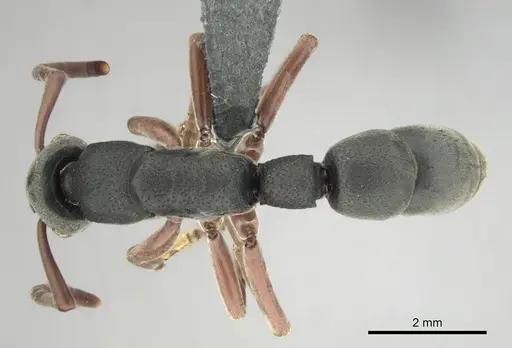
CASENT0815127
View on AntWeb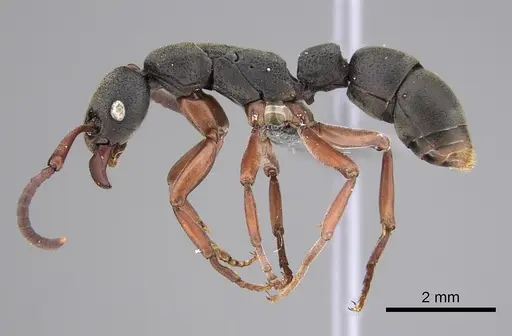
CASENT0900573
View on AntWeb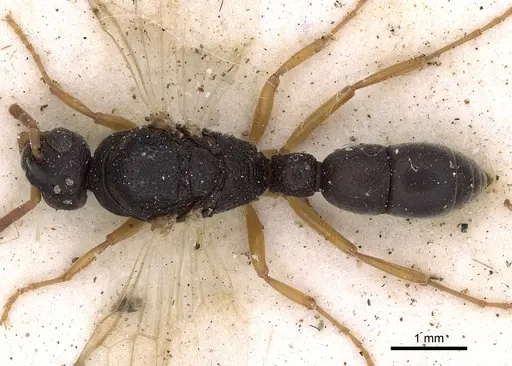
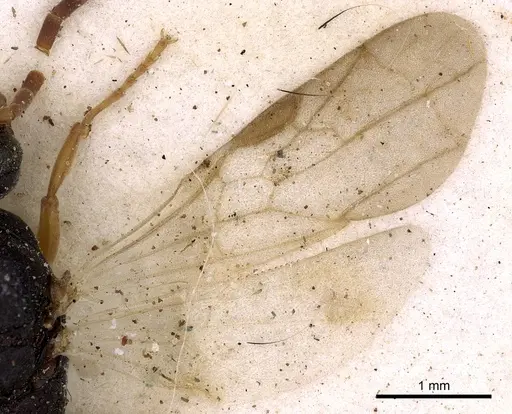
CASENT0907102
View on AntWeb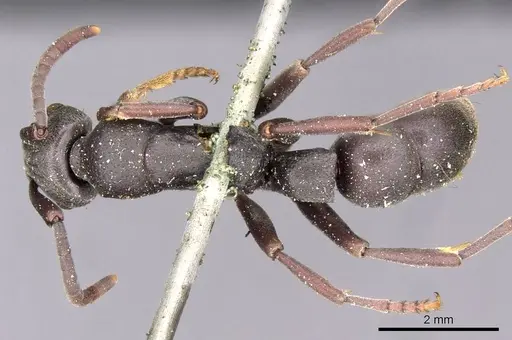
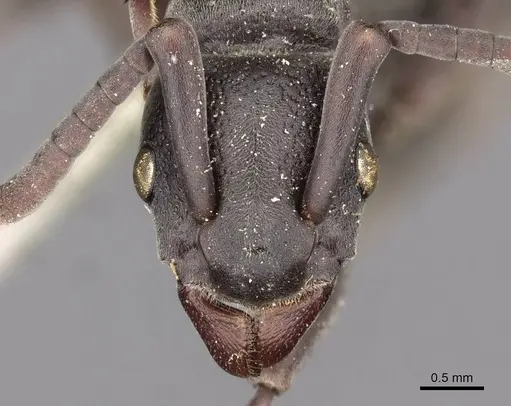
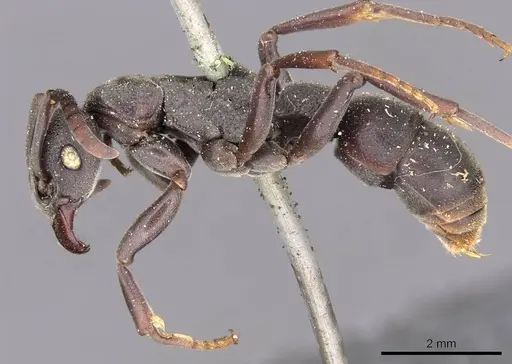
CASENT0907109
View on AntWeb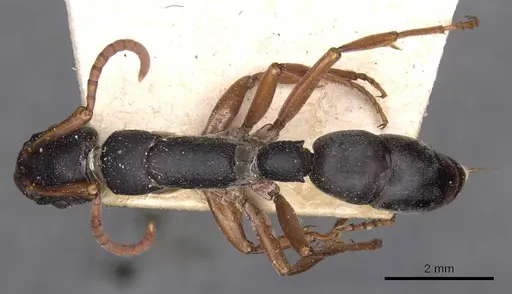
CASENT0907110
View on AntWeb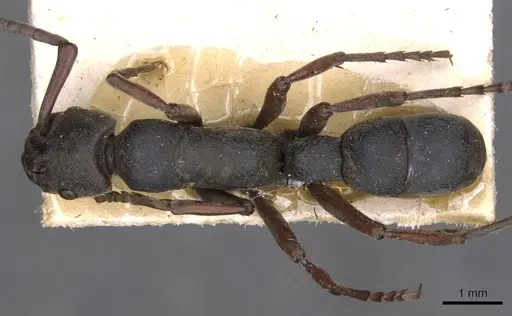
CASENT0915151
View on AntWeb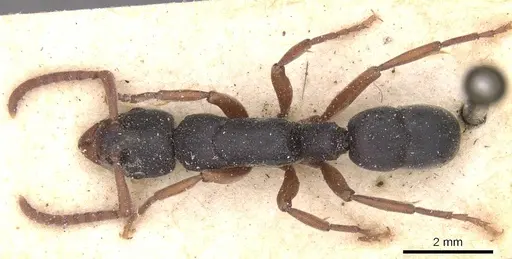
FOCOL0845
View on AntWeb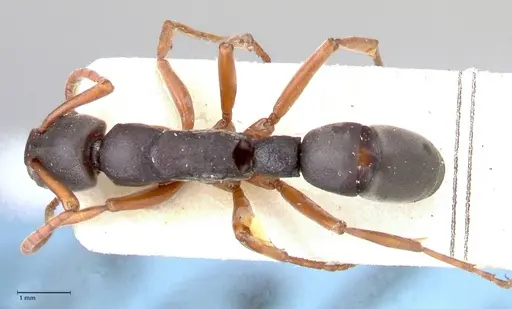
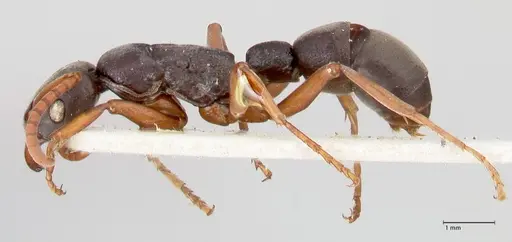
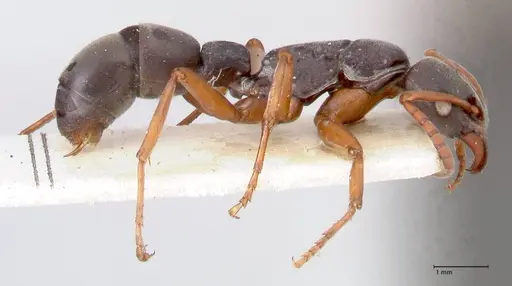
FOCOL0846
View on AntWeb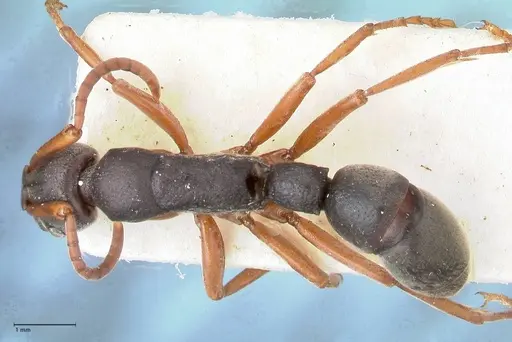
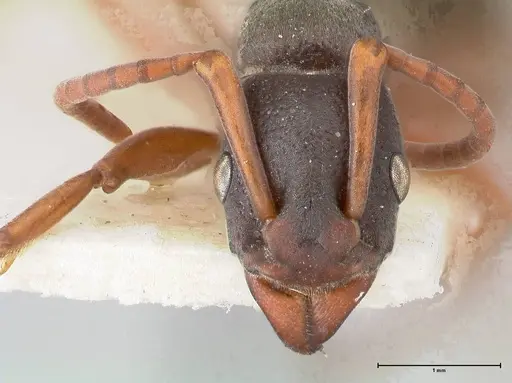
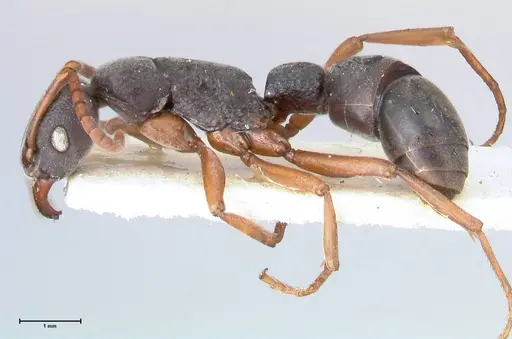
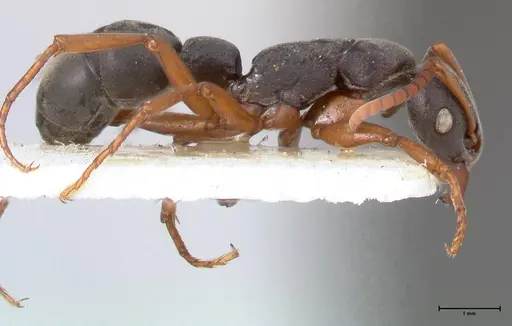
RMCAENT000017720
View on AntWeb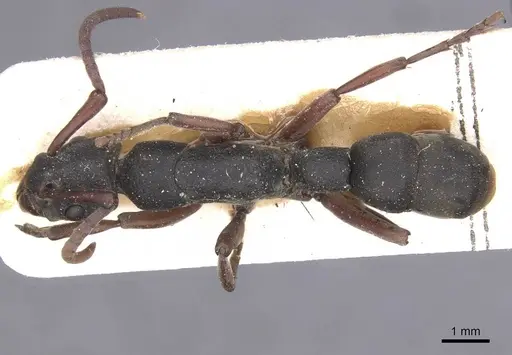
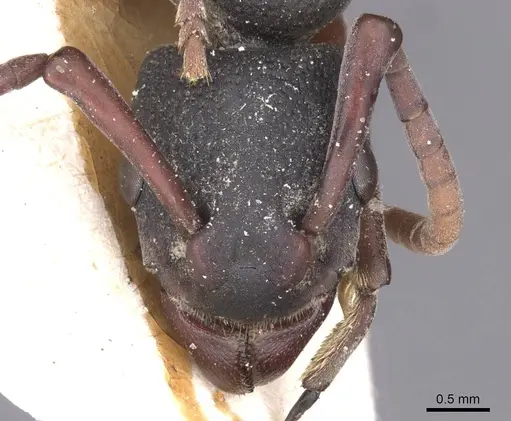
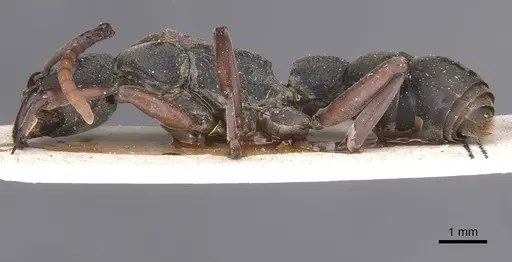
SAM-HYM-C008343A
View on AntWeb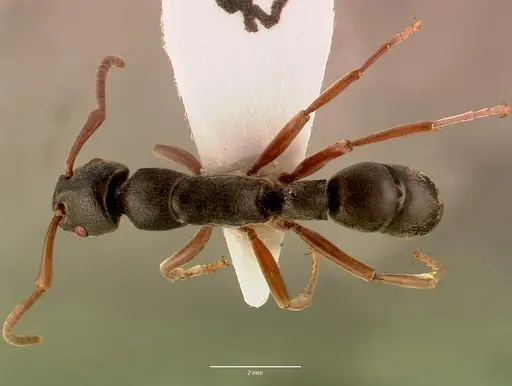
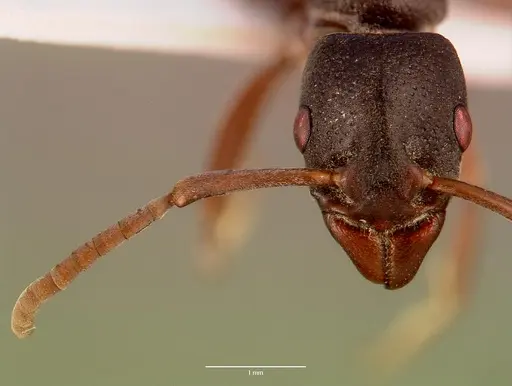
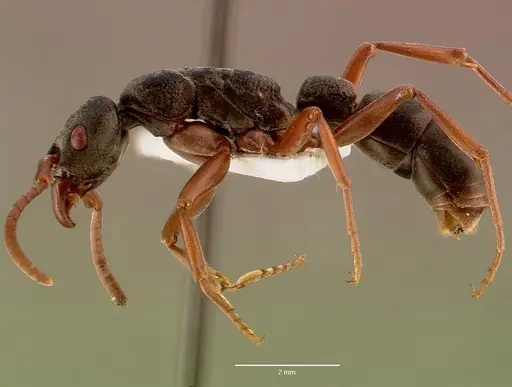
SAM-HYM-C008351A
View on AntWeb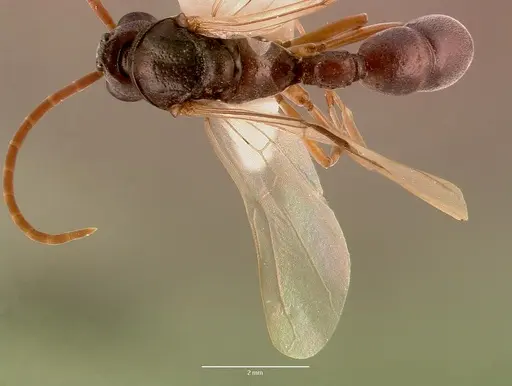
Literature
Loading...Loading products...