

Platythyrea prizo
- Scientific Name
- Platythyrea prizo
- Tribe
- Platythyreini
- Subfamily
- Ponerinae
- Author
- Kugler, 1977
- Distribution
- Found in 6 countries
Platythyrea prizo Overview
Platythyrea prizo is an ant species of the genus Platythyrea. It is primarily documented in 6 countries , including Costa Rica, Ecuador, Guatemala. Detailed taxonomic data and occurrence records can be further explored via authoritative databases such as AntWeb or the Global Biodiversity Information Facility (GBIF).
Platythyrea prizo
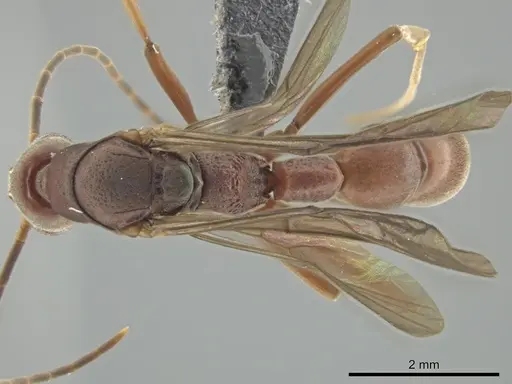
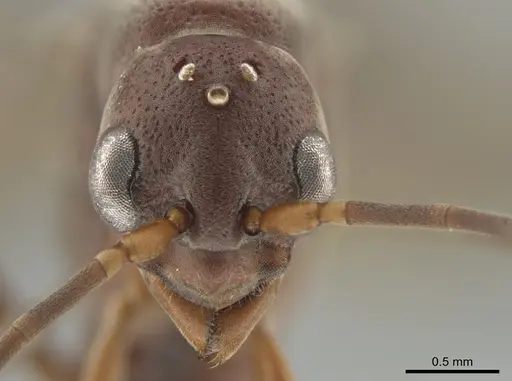
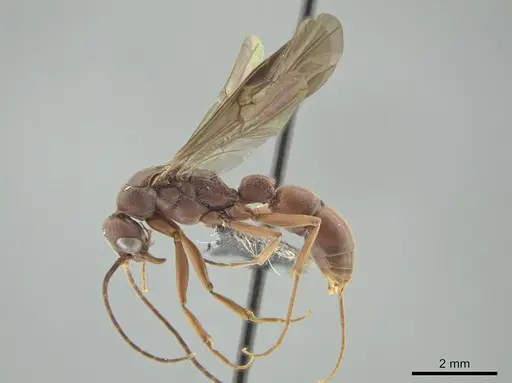
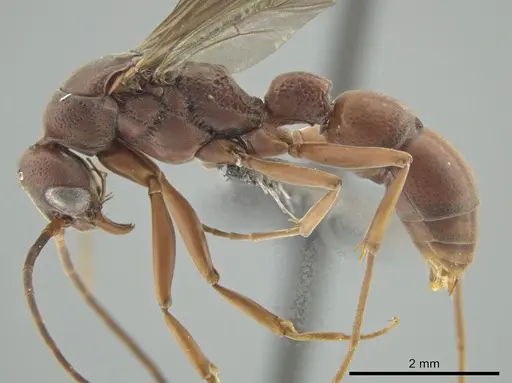
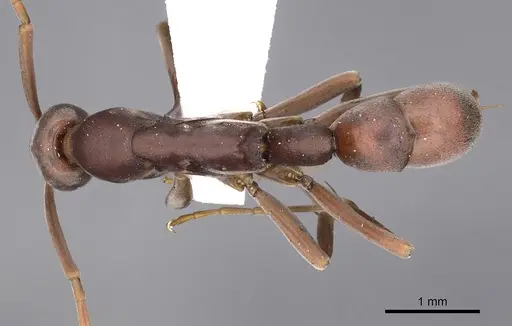
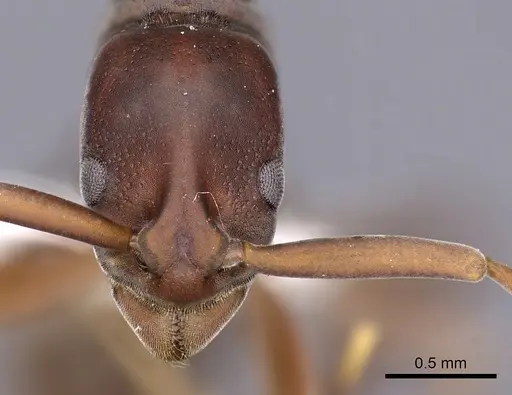
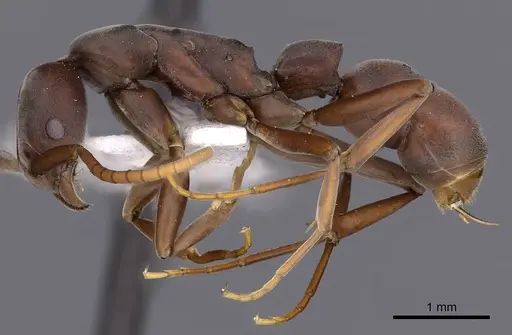
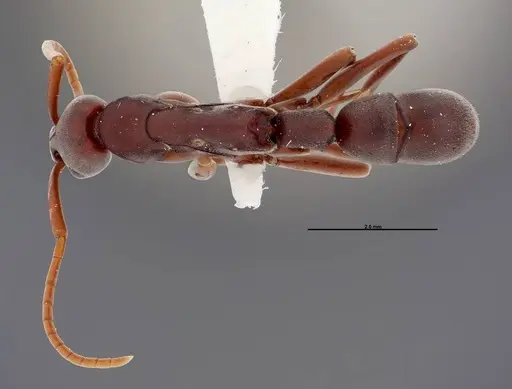
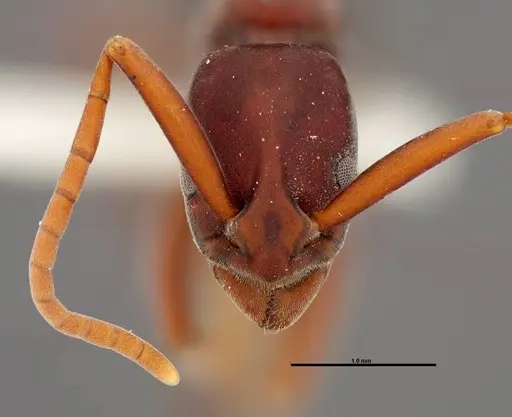
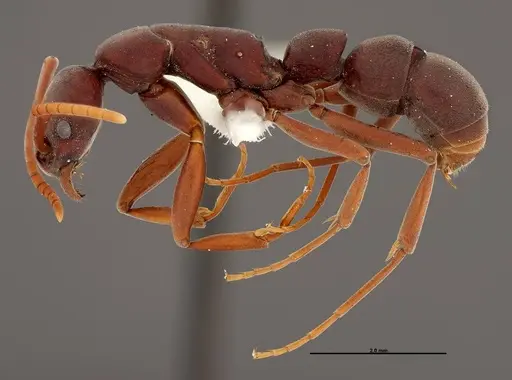
Platythyrea prizo is a medium-sized predatory ant found throughout Central America into northern South America. Workers measure 7.5-8.2mm with a distinctive slender build and unusually long legs and antennae for a Ponerine ant. The species is notable for being the only New World Platythyrea with toothed (serrated) mandibles, the name 'prizo' comes from the Greek word for 'to saw' . Their body is dark reddish-brown appearing black to the naked eye, while the legs and antennae are lighter castaneous brown with golden-yellow tips. They inhabit wet tropical forests from southern Mexico through Costa Rica, Guatemala, Honduras, and into Colombia, where they are typically found in leaf litter and soil samples at ground level [1][2].
Quick Summary
- Difficulty: Medium
- Origin & Habitat: Wet tropical forests from southern Mexico to Colombia. Type locality is La Selva Biological Station, Costa Rica, where they were collected from root duff and buttress soil samples in lowland rainforest [1].
- Colony Type: Colony structure is unconfirmed. As a Ponerine ant, they likely form single-queen colonies, but no specific data exists on their colony structure or reproductive systems.
- Size & Growth:
- Queen: Undescribed, queen caste has not been documented in scientific literature
- Worker: 7.5-8.2mm total length, workers are notably slender with long appendages [3]
- Colony: Unknown, no colony size data available
- Growth: Unknown, no development timing data exists for this species
- Development: Unknown, no direct measurements available. Based on typical Ponerine development patterns, estimate 6-10 weeks at optimal temperature. (Development timeline is unconfirmed. Related Ponerine ants typically take 6-10 weeks from egg to worker at tropical temperatures.)
- Antkeeping:
- Temperature: Keep at 24-28°C. As a tropical wet forest species, they need warm conditions similar to their natural habitat. A heating cable on one side of the nest creates a suitable gradient [1].
- Humidity: High humidity required, think damp forest floor. Keep nest substrate consistently moist but not waterlogged. They naturally inhabit wet forest leaf litter and soil .
- Diapause: No, as a tropical species, they do not require hibernation. Maintain warm temperatures year-round.
- Nesting: Ground-dwelling species that naturally nests in soil and leaf litter. In captivity, they do well in naturalistic setups with moist substrate or Y-tong nests with tight chambers scaled to their medium size. Avoid tall open spaces, they prefer tight, enclosed chambers.
- Behavior: Fast-moving ants with active foraging behavior. They are predatory and, like many Ponerines, likely hunt small invertebrates. The serrated mandibles suggest specialized prey-handling abilities. They are ground-dwelling and will hunt through leaf litter and soil. Escape risk is moderate, their medium size means standard barriers work well, but they are agile and fast. Handle with care as Ponerine ants can deliver a painful sting.
- Common Issues: no colony size data makes growth expectations uncertain, keepers should monitor and adjust care based on colony response, humidity requirements are critical, too dry and colonies will fail, but too wet causes mold issues, predatory diet means they need live prey, sugar sources alone will not sustain them, tropical species is sensitive to temperature drops, keep warm and stable, no documented founding behavior means new keepers should acquire established colonies rather than attempt to found from queen
Natural History and Distribution
Platythyrea prizo ranges from southern Mexico through Central America (Guatemala, Honduras, Costa Rica) into northern South America (Colombia) [2][4]. The type specimens were collected at La Selva Biological Station in Costa Rica, a famous lowland tropical wet forest site. They were found in berlese samples of leaf litter and soil, specifically root duff from around grass-like plants, epiphytic garden root material, and buttress root duff with soil . This confirms they are ground-dwelling ants that live in the moist leaf litter and upper soil layers of tropical rainforests. The species belongs to the clypeata species group, which is primarily Old World in distribution, making P. prizo an unusual New World member of this group [5]. The serrated mandibles that give the species its name are unique among New World Platythyrea species.
Feeding and Diet
Based on field observations from Guatemala, P. prizo is a fast-moving predatory ant that forages actively through leaf litter and soil [1]. Termites form an important part of the diet for many Ponerine ants in this region, and the serrated mandibles of P. prizo are well-suited for capturing and processing small arthropods [1]. In captivity, you should replicate this predatory diet. Offer small live prey such as fruit flies, small crickets, mealworms, and other appropriately-sized insects. Since they are ground-foragers, place prey on the substrate surface where they naturally hunt. Sugar water or honey can be offered occasionally, but protein-rich live prey should be the primary food source. Feed every 2-3 days, adjusting based on colony size and consumption rates.
Temperature and Housing
As a tropical wet forest species, P. prizo requires warm and humid conditions. Keep the nest area at 24-28°C year-round, they do not experience cold winters in their native habitat and will be stressed by temperature drops [1]. A heating cable placed on one side of the nest creates a temperature gradient that allows ants to regulate their own position. Humidity is critical: maintain consistently moist substrate without flooding. The natural habitat is perpetually damp forest floor litter. Use a moisture-retaining nest material like naturalistic setup with soil or a Y-tong/plaster nest. Provide a water tube for drinking access. Ventilation should be adequate to prevent mold but not so open that the nest dries out quickly.
Behavior and Handling
P. prizo is described as a fast ant, active and quick-moving when foraging [1]. Like other Ponerines, they are predatory and have well-developed stingers for subdueing prey. While not aggressive toward humans, they will defend their nest if threatened. The sting is functional and can cause discomfort, so handle with care during nest maintenance. They are ground-dwelling and do not climb well on smooth surfaces, which helps with containment, but their speed means escapes can happen if you're not careful. Use standard barrier methods (Fluon on container rims) for containment. When working with the colony, move slowly and calmly to minimize stress and defensive responses.
Colony Establishment
Since founding behavior has not been documented for this species, the safest approach for new keepers is to acquire an established colony rather than attempting to found from a queen. If you do obtain a queen, assume claustral founding (queen seals herself in and raises first workers alone on stored body fat) as is typical for Ponerinae, though this is an inference from related species rather than confirmed for P. prizo specifically. Provide a claustral founding setup with a small test tube or chamber with moist substrate, maintain warm temperatures (26°C), and leave the queen undisturbed for several weeks until workers emerge. Once established, the colony can be moved to a larger naturalistic setup or formicarium.
Frequently Asked Questions
How long does it take for Platythyrea prizo to produce first workers?
The egg-to-worker timeline is unconfirmed for this species. Based on typical Ponerine development patterns, expect approximately 6-10 weeks from egg to first worker at optimal tropical temperatures (26-28°C). However, no specific data exists for P. prizo, so this is an estimate.
What do Platythyrea prizo ants eat?
They are predatory ants that hunt small invertebrates. In captivity, feed small live prey such as fruit flies, small crickets, mealworms, and other appropriately-sized insects. Termites are an important natural prey source. Offer protein prey 2-3 times per week, with sugar water or honey occasionally. Live prey is essential, they are active hunters.
Are Platythyrea prizo ants good for beginners?
This species is rated as Medium difficulty. They require warm, humid tropical conditions and a predatory diet, which is more demanding than sugar-feeding species. They are not the best choice for absolute beginners, but antkeepers with some experience keeping Ponerines or tropical species should do well with them.
What temperature do Platythyrea prizo ants need?
Keep them warm at 24-28°C year-round. As a tropical wet forest species from Central America, they do not tolerate cool temperatures. Use a heating cable on one side of the nest to maintain warmth and create a gradient.
How big do Platythyrea prizo colonies get?
Colony size is unknown, no wild colony size data exists for this species. Based on related Ponerines, colonies likely reach dozens to a few hundred workers over time, but this is an estimate.
Can I keep multiple Platythyrea prizo queens together?
Colony structure is unconfirmed for this species. Ponerine ants are typically single-queen (monogyne), but polygyny has not been studied in P. prizo. Do not combine unrelated queens unless you have specific evidence they can coexist.
Do Platythyrea prizo ants need hibernation?
No. As a tropical species from Central America and northern South America, they do not require hibernation or winter cooling. Maintain warm temperatures year-round.
What type of nest is best for Platythyrea prizo?
They are ground-dwelling ants that naturally live in moist soil and leaf litter. In captivity, they do well in naturalistic setups with moist substrate or Y-tong/plaster nests with tight chambers. Keep the substrate consistently moist but not waterlogged.
References

This caresheet is licensed under CC BY-SA 4.0 .
Literature
Loading...Loading products...