

Platythyrea pilosula
- Scientific Name
- Platythyrea pilosula
- Tribe
- Platythyreini
- Subfamily
- Ponerinae
- Author
- Smith, 1858
- Distribution
- Found in 8 countries
Platythyrea pilosula Overview
Platythyrea pilosula is an ant species of the genus Platythyrea. It is primarily documented in 8 countries , including Argentina, Brazil, Colombia. Detailed taxonomic data and occurrence records can be further explored via authoritative databases such as AntWeb or the Global Biodiversity Information Facility (GBIF).
Platythyrea pilosula
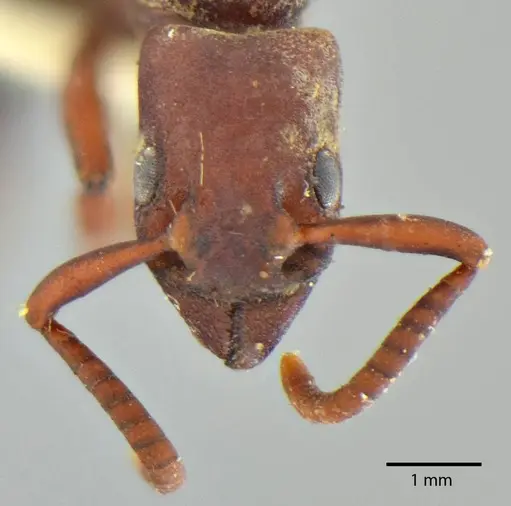
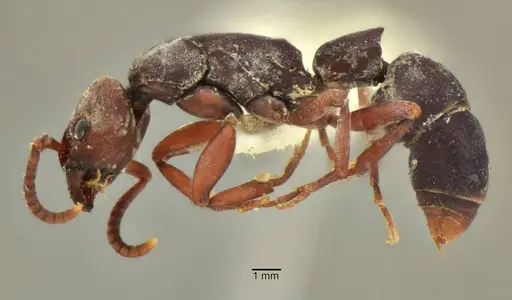
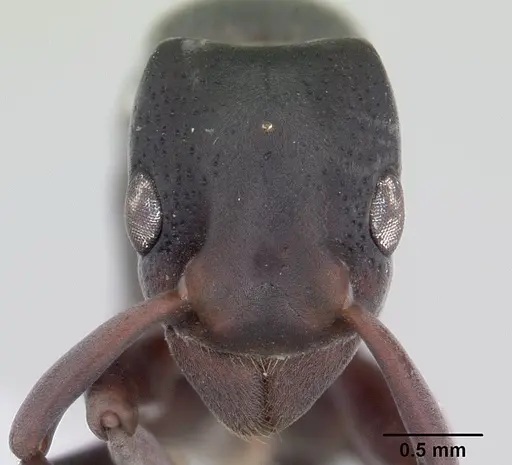
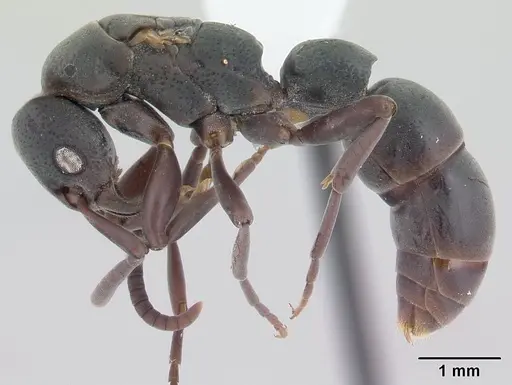
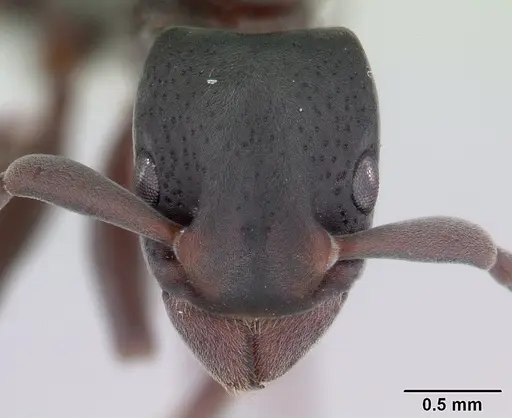
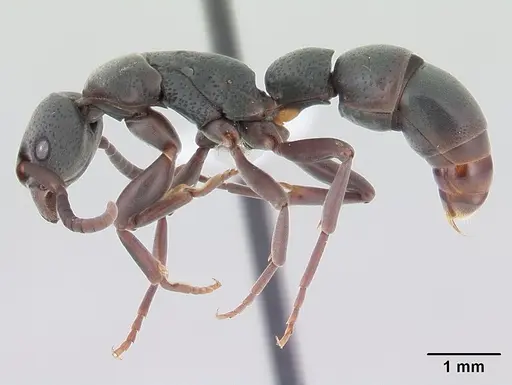
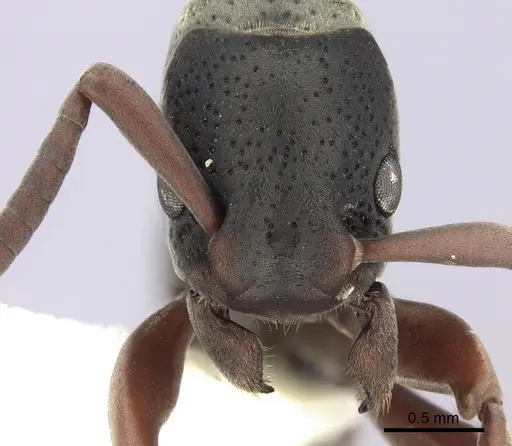
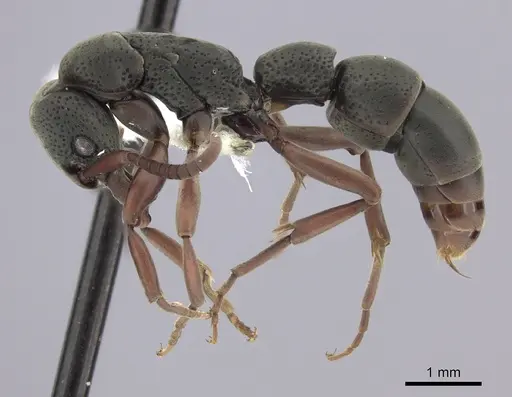
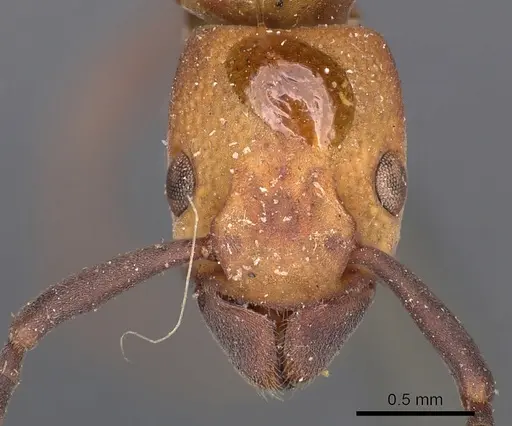
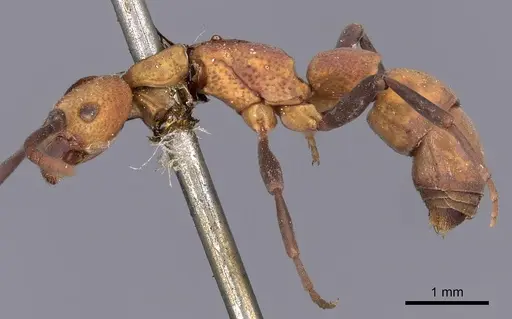
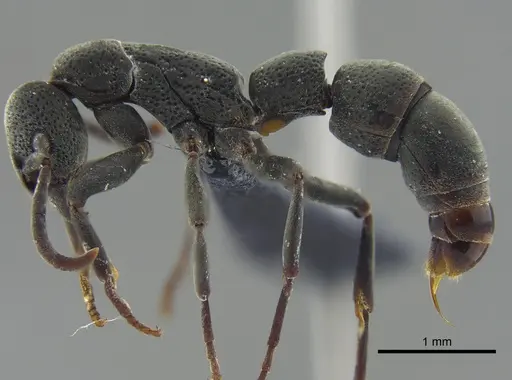
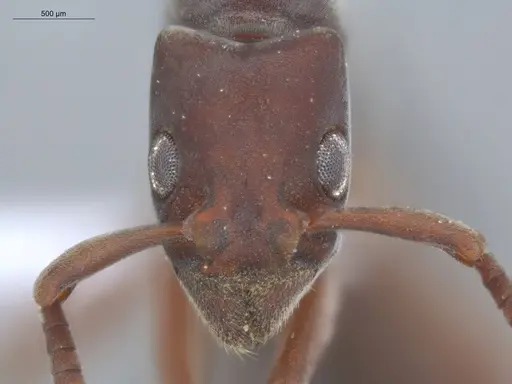
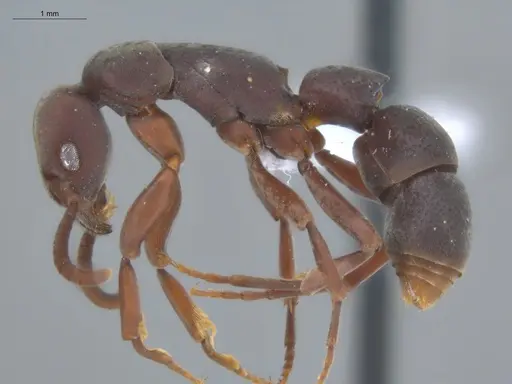
Platythyrea pilosula is a large ponerine ant species native to the Neotropical region, found across Brazil, Colombia, Venezuela, Paraguay, Argentina, Costa Rica, and French Guiana [1][2]. Workers are robust ants measuring around 8mm in length, with a distinctive hairy appearance and dark coloration [3]. This species belongs to the subfamily Ponerinae and tribe Platythyreini, a group known for their relatively simple colony structures and varied reproductive strategies.
The genus Platythyrea is notable for having species where workers can sometimes function as replacement reproductives (gamergates), meaning workers may lay eggs if the queen dies, a trait that affects how you manage colonies in captivity. These ants are arboreal, meaning they naturally nest in elevated locations like tree hollows and branches rather than in soil [4].
Quick Summary
- Difficulty: Medium
- Origin & Habitat: Neotropical region, Brazil, Colombia, Venezuela, Paraguay, Argentina, Costa Rica, and French Guiana. Found in tropical rainforests and humid forest habitats [1][2].
- Colony Type: Colony structure is not well-documented in scientific literature. The genus Platythyrea is known to have species where gamergates (reproductive workers) can serve as replacement reproductives if the queen dies, but this has not been specifically studied for P. pilosula. Likely single-queen colonies based on typical genus patterns.
- Size & Growth:
- Queen: Approximately 8-10mm (estimated based on worker size and genus patterns)
- Worker: Around 8mm [3]
- Colony: Unknown for this specific species, related ponerines typically reach several hundred workers
- Growth: Moderate, based on typical Ponerinae development patterns
- Development: Estimated 6-10 weeks at tropical temperatures (24-28°C), based on related Ponerinae species [1] (Development time is inferred from genus-level data since specific studies are lacking for this species)
- Antkeeping:
- Temperature: Keep at 24-28°C. As a Neotropical species, they need warm, stable temperatures typical of tropical rainforests. A heating cable on one side of the nest creates a suitable gradient [1].
- Humidity: High humidity required, aim for 70-80% relative humidity. These forest-dwelling ants need consistently moist conditions. Keep the nest substrate damp but not waterlogged, with some drier areas available for the ants to regulate their own moisture exposure [1].
- Diapause: Likely no true diapause, as a tropical species, they do not experience cold winters. However, they may reduce activity during drier seasons in their native range. Keep temperatures stable year-round [1].
- Nesting: Arboreal nesting preferences mean they do well in Y-tong (AAC) nests or plaster nests with chambers scaled to their size. Provide a water reservoir for humidity. They prefer enclosed, dark spaces similar to tree hollows. Avoid dry, exposed setups.
- Behavior: These ants are moderately aggressive predators, typical of Ponerinae. They are active foragers that hunt small invertebrates. Workers are fairly large and can deliver a sting, though their sting is not considered medically significant to humans. They have good escape prevention needs due to their size, standard barriers work well. They are relatively slow-moving compared to some ponerines but will defend the colony vigorously if threatened. Workers may show ergatoid (worker-like) reproductive traits where they can replace a lost queen.
- Common Issues: tropical temperature requirements mean colonies can struggle in air-conditioned rooms or cool climates, high humidity needs can lead to mold problems if ventilation is poor, slow colony growth may tempt keepers to overfeed, leading to mold and mite issues, arboreal nesting means they may not accept typical soil-based formicariums, sting capability means handling should be minimal, they will sting if threatened
Housing and Nest Setup
Platythyrea pilosula is an arboreal species, meaning they naturally nest in elevated locations like tree hollows, rotting branches, and similar enclosed spaces. In captivity, they do well in Y-tong (AAC) nests or plaster nests with properly scaled chambers. The chambers should be sized appropriately for their 8mm workers, not too tight, but with enough narrow passages to make them feel secure.
A water reservoir connected to the nest helps maintain the high humidity they need. Keep the nest substrate consistently moist but never waterlogged. These ants avoid bright light, so position the nest in a dim area of your setup. A small outworld for foraging works well, they will send workers out to hunt and gather food. Escape prevention is straightforward since they are relatively large ants, but still use standard barriers as a precaution. [4][3]
Feeding and Diet
As a Ponerinae species, Platythyrea pilosula is primarily predatory, hunting small invertebrates in nature. In captivity, offer protein-rich foods like small crickets, mealworms, fruit flies, and other small insects. Prey items should be appropriately sized, roughly half the worker size or smaller.
They will likely accept sugar sources like honey water or sugar water, though protein should form the bulk of their diet. Feed them prey items 2-3 times per week, removing any uneaten prey after 24 hours to prevent mold. A constant supply of sugar water can be offered, but replace it every few days to prevent fermentation. Observe your colony's appetite, active colonies will readily take prey within hours.
Temperature and Humidity
Being a Neotropical species, Platythyrea pilosula requires warm, humid conditions. Keep the nest area at 24-28°C (75-82°F). Temperatures below 20°C can slow their metabolism and reduce colony activity. A heating cable placed on one side of the nest creates a gentle temperature gradient, allowing ants to self-regulate by moving between warmer and cooler areas.
Humidity should remain high at 70-80%. The nest substrate should feel damp to the touch. Check water reservoirs regularly and refill as needed. Good ventilation is important to prevent mold, but avoid excessive airflow that dries out the nest. A balance of moist air circulation works best, think humid greenhouse conditions rather than wet swamp or dry desert.
Colony Development and Growth
Colony growth for Platythyrea pilosula is expected to be moderate, typical of Ponerinae ants. The queen lays eggs that develop through larval stages before emerging as workers. Based on related species, expect 6-10 weeks from egg to first worker at optimal temperatures (around 26°C). Nanitics (first workers) will be smaller than mature workers but should be functional.
Colonies likely reach several hundred workers over time, though specific maximum sizes are not documented. The genus is known for potential gamergate reproduction, workers that can become reproductives if the queen dies, which may help colony survival but is not something you should rely on for breeding. Be patient with growth, Ponerinae colonies typically develop more slowly than many common ant species.
Behavior and Defense
Platythyrea pilosula workers are moderately aggressive and will defend their colony vigorously if threatened. They possess a functional stinger and will use it when provoked. While the sting is not medically significant for healthy humans, it can be painful and may cause localized irritation. Handle these ants minimally and avoid disturbing the nest unnecessarily.
Foraging workers are active hunters, searching the outworld for prey. They are not particularly fast-moving but are persistent. Workers communicate through chemical signals and may form simple recruitment trails to food sources. The colony will likely establish a clear territory between the nest chamber and foraging areas.
Frequently Asked Questions
How long does it take for Platythyrea pilosula to produce first workers?
Based on related Ponerinae species, expect 6-10 weeks from egg to first worker at optimal temperatures (around 26°C). Development is temperature-dependent, so cooler conditions will slow growth.
What do Platythyrea pilosula ants eat?
They are predatory ants that need protein-rich foods like small crickets, mealworms, fruit flies, and other small insects. They will likely accept sugar water or honey as well. Feed prey items 2-3 times per week.
What temperature do Platythyrea pilosula ants need?
Keep them at 24-28°C (75-82°F). As a Neotropical species, they need warm conditions year-round. A heating cable on part of the nest helps maintain proper temperatures.
Are Platythyrea pilosula ants good for beginners?
They are considered medium difficulty. Their high humidity needs and tropical temperature requirements make them better suited for keepers who can maintain stable, warm, humid conditions. Not the best choice for absolute beginners, but manageable for those with some antkeeping experience.
How big do Platythyrea pilosula colonies get?
Specific colony size data is lacking, but related Ponerinae species typically reach several hundred workers. Expect moderate growth rates over several years.
What humidity level do Platythyrea pilosula ants need?
High humidity at 70-80% relative humidity. Keep the nest substrate consistently moist but not waterlogged. A water reservoir connected to the nest helps maintain humidity.
Can I keep multiple Platythyrea pilosula queens together?
Not recommended. There is no data on combining unrelated queens (pleometrosis) for this species. Based on typical genus patterns, they likely form single-queen colonies. Keep one queen per colony.
Do Platythyrea pilosula need hibernation or diapause?
No. As a tropical species, they do not require hibernation. They may reduce activity during dry seasons in the wild, but year-round warm conditions are appropriate in captivity.
Why is my Platythyrea pilosula colony dying?
Common causes include: temperatures below 20°C (they need warmth), low humidity causing desiccation, mold from overwatering or poor ventilation, or feeding inappropriate foods. Check all three, temperature, humidity, and diet, and adjust accordingly.
Is Platythyrea pilosula arboreal or ground-nesting?
They are arboreal, meaning they naturally nest in elevated locations like tree hollows and branches. This is reflected in their care, they do well in enclosed nests rather than naturalistic ground setups.
References

This caresheet is licensed under CC BY-SA 4.0 .
ANTWEB1014007
View on AntWeb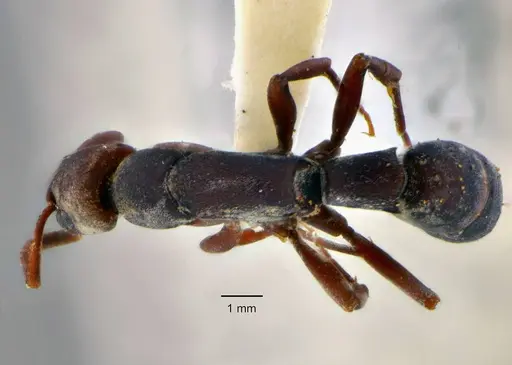
CASENT0178860
View on AntWeb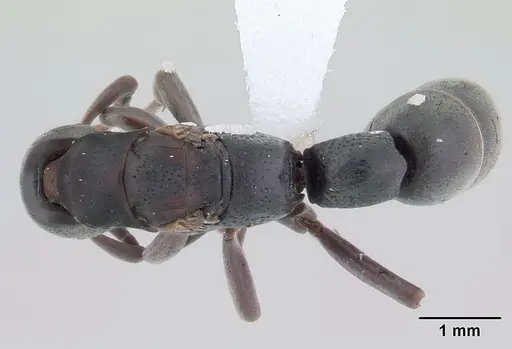
CASENT0178861
View on AntWeb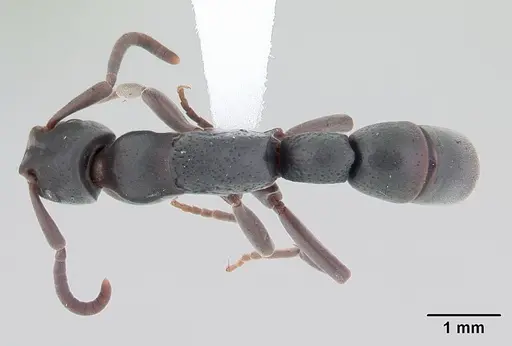
CASENT0260481
View on AntWeb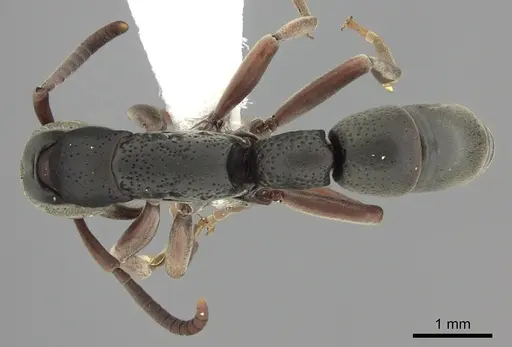
CASENT0900575
View on AntWeb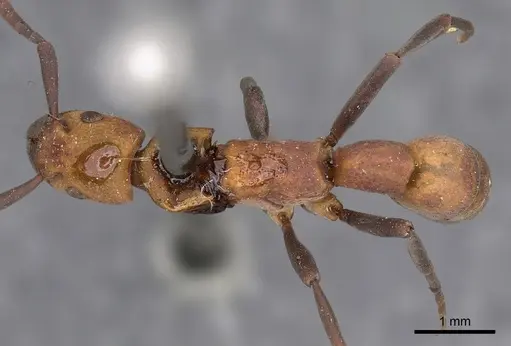
CASENT0903803
View on AntWeb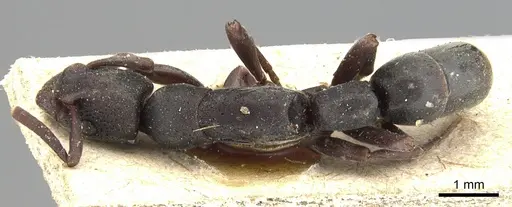
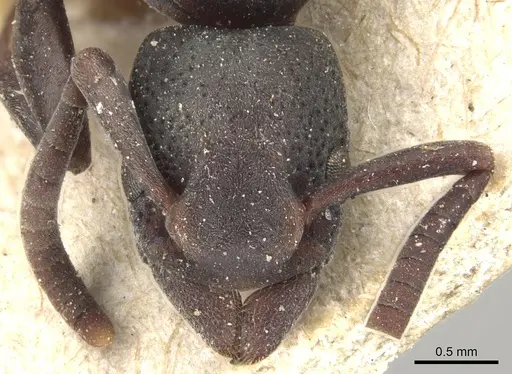
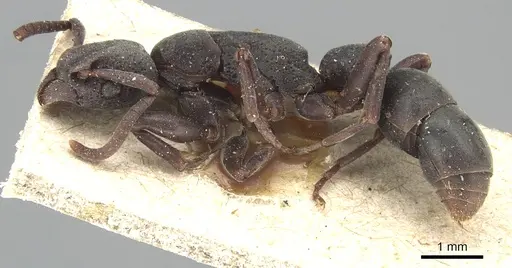
CBUMAGENT41670
View on AntWeb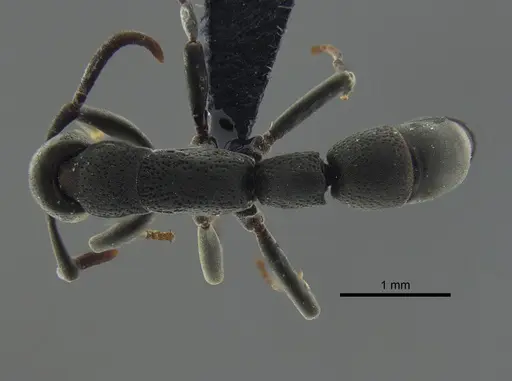
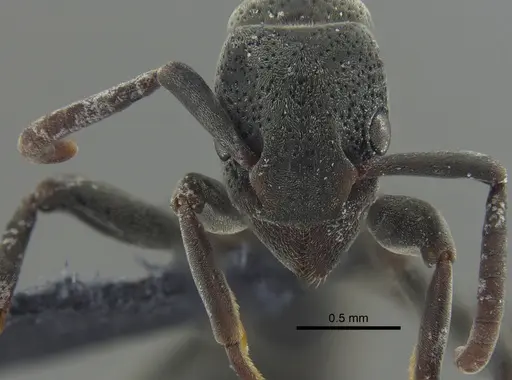
ECOFOG-IT14-0443-08
View on AntWeb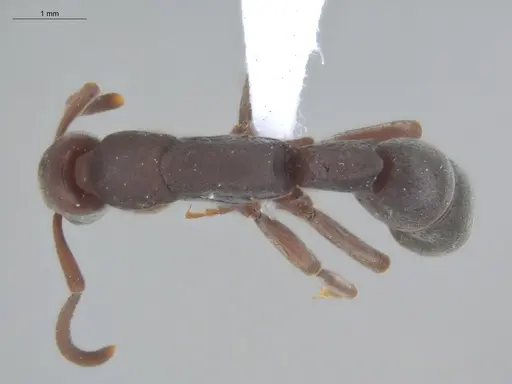
Literature
Loading...Loading products...