

Platythyrea occidentalis
- Scientific Name
- Platythyrea occidentalis
- Tribe
- Platythyreini
- Subfamily
- Ponerinae
- Author
- André, 1890
- Distribution
- Found in 2 countries
Platythyrea occidentalis Overview
Platythyrea occidentalis is an ant species of the genus Platythyrea. It is primarily documented in 2 countries , including Congo, Uganda. Detailed taxonomic data and occurrence records can be further explored via authoritative databases such as AntWeb or the Global Biodiversity Information Facility (GBIF).
Platythyrea occidentalis
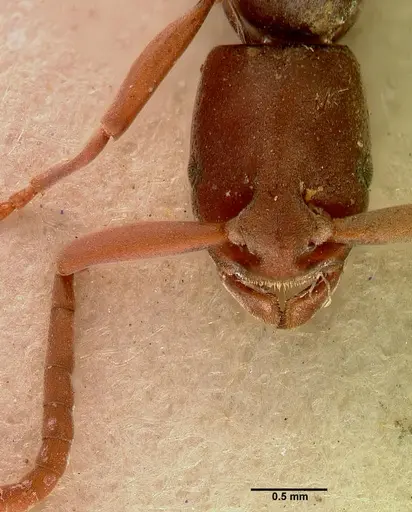
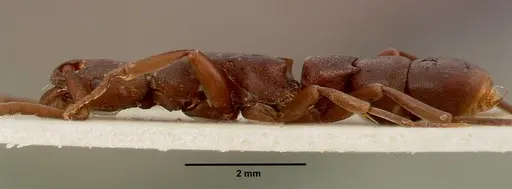
Platythyrea occidentalis is a medium-sized Ponerine ant native to West and Central Africa. Workers are characterized by their distinctly flattened body (the genus name literally means 'flat thorax'), with a smooth, glossy appearance and relatively long legs. They are dark brown to black in color, with workers measuring around 6-8mm. This species occurs across the Afrotropical region from Sierra Leone east to Uganda, typically found in lowland to mid-elevation forests [1]. The genus Platythyreini is known for some unusual social traits, and this species has documented ergatoid (wingless) males, which is rare among ants [2].
Quick Summary
- Difficulty: Medium
- Origin & Habitat: West to Central Africa (Sierra Leone, Ghana, Cameroon, Congo, DRC, Uganda). Found in lowland tropical forests, with documented occurrences at 800-900m elevation in Cameroon [1].
- Colony Type: Colony structure is not well documented. The genus is known to have ergatoid (wingless) males, which may indicate unique reproductive systems [2]. Likely single-queen colonies based on typical Ponerinae patterns.
- Size & Growth:
- Queen: Approximately 8-10mm (estimated from genus patterns)
- Worker: 6-8mm [3]
- Colony: Unknown, likely moderate colonies of several hundred workers based on genus patterns
- Growth: Moderate, Ponerines typically develop slower than many ants
- Development: Estimated 8-12 weeks at optimal temperature based on typical Ponerinae development (Direct development data unavailable, estimate based on related Ponerinae species. Ponerine ants typically have longer development times than Myrmicinae.)
- Antkeeping:
- Temperature: Keep at 24-28°C, they are tropical ants requiring warm conditions. A gentle gradient is recommended.
- Humidity: High humidity preferred (70-80%). Keep the nest substrate consistently moist but not waterlogged. Ponerines benefit from damp conditions.
- Diapause: Unlikely, being tropical, they probably do not require a true hibernation period. However, slight temperature reductions during cooler months may be beneficial.
- Nesting: In nature they likely nest in soil, under stones, or in rotting wood in forest habitats. In captivity, a naturalistic setup with moist substrate or a Y-tong/plaster nest works well. They prefer tight, humid chambers.
- Behavior: Ponerine ants are typically predatory and have a potent sting. Platythyrea workers are active foragers, hunting small invertebrates. They are not aggressive toward humans but will defend the nest if threatened. Their small size and active foraging behavior mean escape prevention should be considered, though they are not extreme escape artists. They are primarily nocturnal or crepuscular, showing increased activity during darker hours.
- Common Issues: slow development can frustrate beginners, colonies take months to establish, humidity control is critical, too dry and brood dies, too wet and mold becomes a problem, predatory diet means they need regular live prey, not suitable for keepers who want hands-off feeding, wild-caught colonies may carry parasites that can devastate captive populations, Ponerine stings can be painful, handle with care during nest maintenance
Housing and Nest Setup
Platythyrea occidentalis does best in a naturalistic setup that mimics their forest floor habitat. A Y-tong (AAC) nest with moist plaster or a naturalistic terrarium with soil substrate works well. They prefer tight, humid chambers rather than open spaces. The nest area should be kept consistently moist, think damp forest floor. Provide a water tube and ensure the outworld (foraging area) is separate from the nest to control humidity. Because they are tropical, room temperature may be adequate if your home stays above 24°C, but a heating cable on one side of the nest can help maintain optimal temperatures. Use a substrate depth of at least 2-3 inches if using a naturalistic setup to allow for tunneling. [3]
Feeding and Diet
As Ponerine ants, they are primarily predatory and need a protein-rich diet to thrive. Offer small live prey such as fruit flies, pinhead crickets, small mealworms, and other tiny arthropods. They will likely accept dead prey if moved near the nest, but live prey stimulates natural hunting behavior. Sugar sources may or may not be accepted, some Ponerines take honey or sugar water, while others ignore sweet liquids entirely. Offer sugar water occasionally and observe whether they accept it. Feed protein prey 2-3 times per week, adjusting based on colony size and consumption. Remove uneaten prey after 24 hours to prevent mold. [3]
Temperature and Seasonal Care
These are tropical ants requiring warm, stable temperatures. Maintain the nest area at 24-28°C year-round. Temperature drops below 22°C can slow development significantly, and prolonged cold can be fatal. Unlike temperate species, they do not require a true hibernation period. However, slight seasonal variations are natural, you might allow nighttime temperatures to drop a few degrees or reduce heating slightly during winter months, but maintain above 20°C. Avoid placing the nest near air conditioning vents or drafty windows. A heating cable placed on top of the nest (not underneath to avoid drying) helps maintain consistent warmth. [3]
Behavior and Temperament
Platythyrea workers are active foragers that hunt small invertebrates on the forest floor. They are not particularly aggressive but will sting if threatened or if the nest is disturbed. The sting is reported to be painful for such a small ant. Workers are relatively long-legged and fast-moving compared to many Ponerines. They are likely primarily nocturnal or crepuscular, showing increased activity during evening and night hours. Colonies are moderately defensive, they will alert and attack intruders that approach the nest, but they are not hyper-aggressive like some other Ponerines. They do not form large supercolonies and are not considered invasive anywhere. [3][2]
Colony Establishment and Growth
Establishing a colony from a wild-caught queen is challenging since founding behavior is not well documented for this species. If you obtain a founding queen, provide a small test tube or mini-nest with moist substrate. Ponerine queens often hunt during the founding stage (semi-claustral), so you may need to offer small live prey even before workers emerge. Once workers arrive (nanitics will be small), the colony enters a slow growth phase. Ponerine colonies typically take 6-12 months to reach 20-30 workers, and several years to reach several hundred. Patience is essential, do not overfeed or disturb the nest frequently. Colonies are long-lived, with queens potentially surviving over a decade. [3]
Frequently Asked Questions
How long does it take for Platythyrea occidentalis to produce first workers?
Direct data is unavailable, but based on typical Ponerinae development, expect 8-12 weeks from egg to first worker at optimal temperature (24-28°C). The first workers (nanitics) will be smaller than normal workers.
Can I keep Platythyrea occidentalis in a test tube?
A test tube can work for a founding queen, but you will need to move the colony to a proper nest (Y-tong, plaster, or naturalistic setup) once workers emerge. Test tubes dry out quickly and don't provide the humidity control Ponerines need.
What do Platythyrea occidentalis eat?
They are predatory ants that need live protein prey. Offer small insects like fruit flies, pinhead crickets, small mealworms, and similar prey. They may or may not accept sugar water or honey, offer occasionally but do not rely on sweets.
Are Platythyrea occidentalis good for beginners?
They are considered medium difficulty. They require more attention to humidity and temperature than some beginner species, and their slow development can be frustrating. They are not recommended as a first ant unless you are prepared for the specific care requirements of Ponerine ants.
Do Platythyrea occidentalis need hibernation?
No, they are tropical ants and do not require a true hibernation period. Maintain warm temperatures year-round (24-28°C).
How big do Platythyrea occidentalis colonies get?
Colony size is not well documented, but based on genus patterns, they likely reach several hundred workers over several years. They are not supercolonial and typically remain moderate-sized.
Can I keep multiple Platythyrea occidentalis queens together?
This is not documented. Unlike some ants that can form multi-queen colonies, Ponerines are typically single-queen species. It is not recommended to combine unrelated queens.
What temperature range is ideal for Platythyrea occidentalis?
Keep them at 24-28°C. They are tropical and need consistent warmth. Avoid temperatures below 20°C for extended periods.
Why is my Platythyrea occidentalis colony dying?
Common causes include: too low humidity (keep substrate consistently moist), temperatures below 20°C, overfeeding leading to mold, parasites from wild-caught colonies, or insufficient protein in their diet. Review each of these factors and adjust accordingly.
References

This caresheet is licensed under CC BY-SA 4.0 .
CASENT0250054
View on AntWeb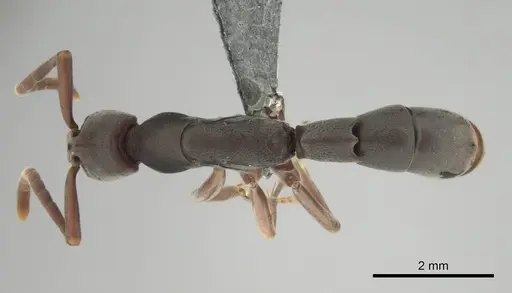
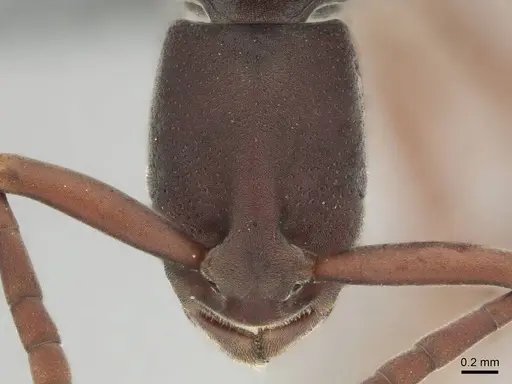
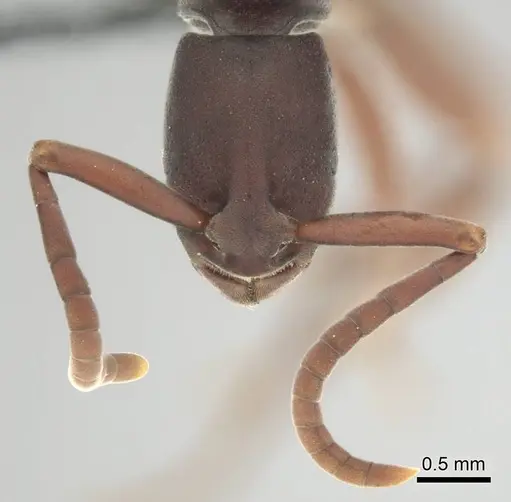
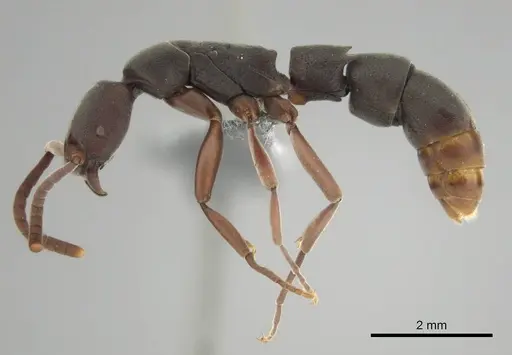
CASENT0250055
View on AntWeb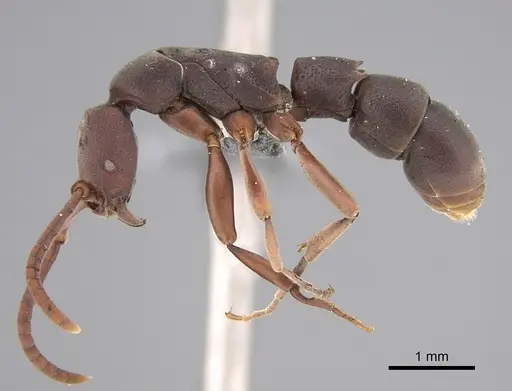
CASENT0913731
View on AntWeb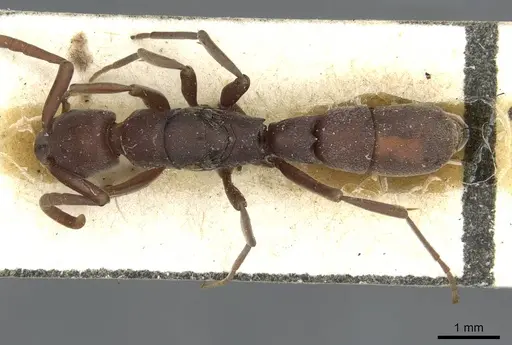
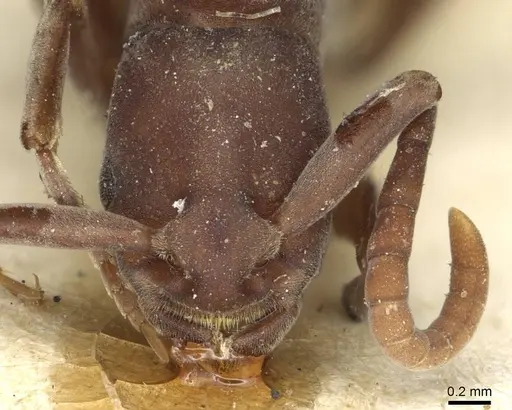
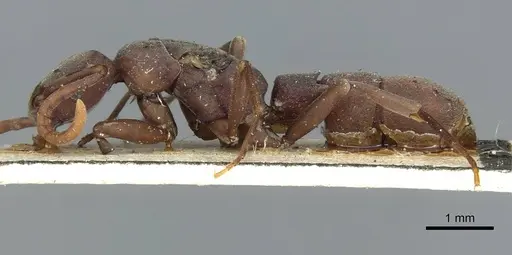
SAM-ENT-0011507
View on AntWeb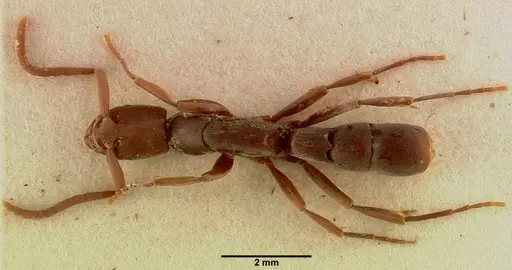
Literature
Loading...Loading products...