

Platythyrea modesta
- Scientific Name
- Platythyrea modesta
- Tribe
- Platythyreini
- Subfamily
- Ponerinae
- Author
- Emery, 1899
- Distribution
- Found in 13 countries
Platythyrea modesta Overview
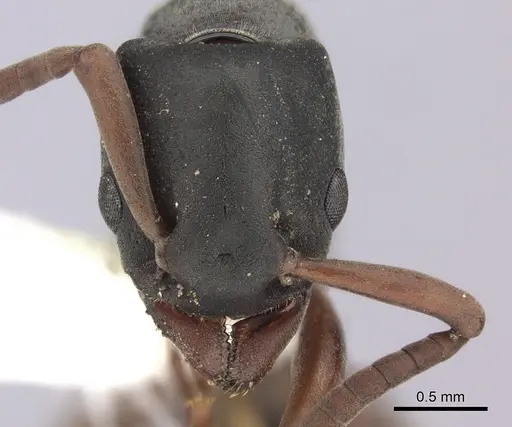
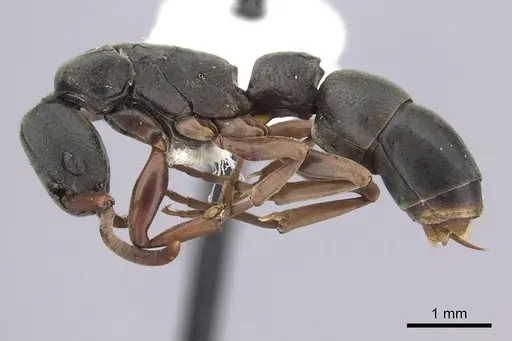
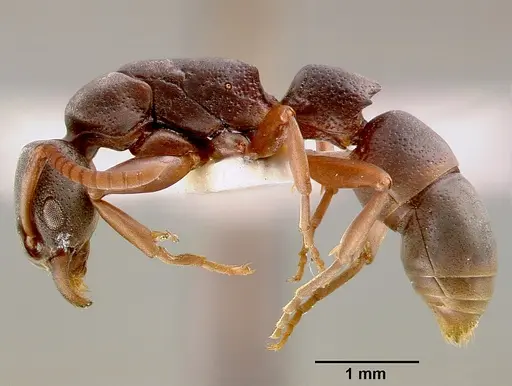
Platythyrea modesta is an ant species of the genus Platythyrea. It is primarily documented in 13 countries , including Congo, Democratic Republic of the, Congo. Detailed taxonomic data and occurrence records can be further explored via authoritative databases such as AntWeb or the Global Biodiversity Information Facility (GBIF).
Platythyrea modesta - "Modest Arboreal Ant"
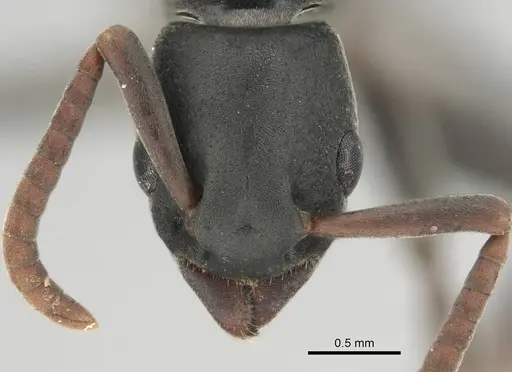
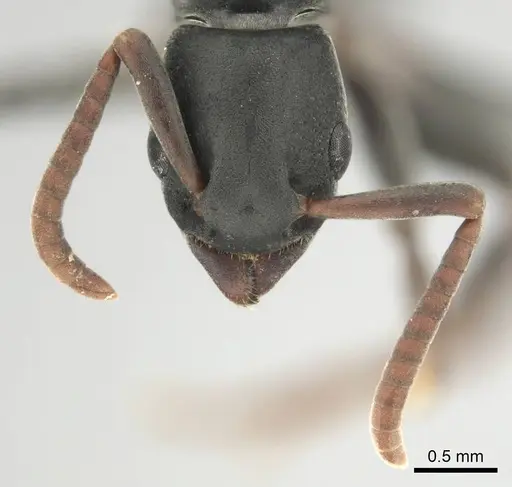
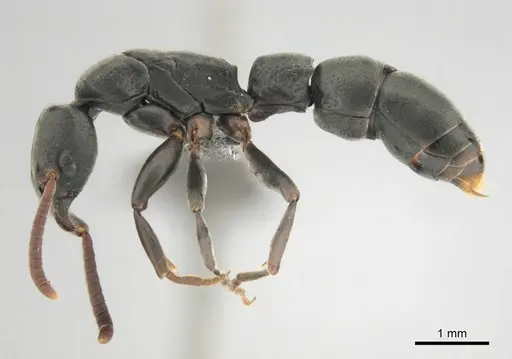
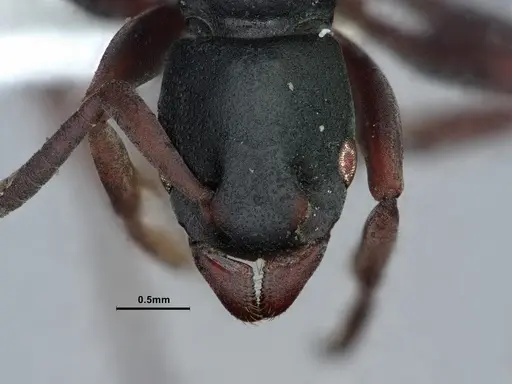
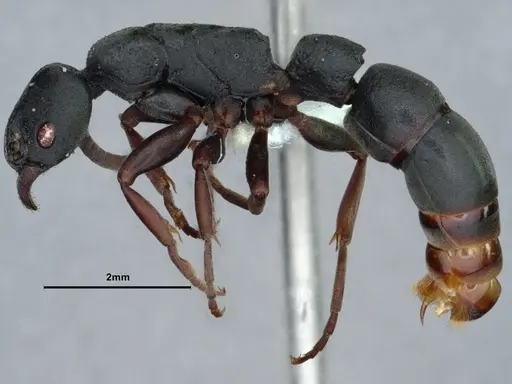
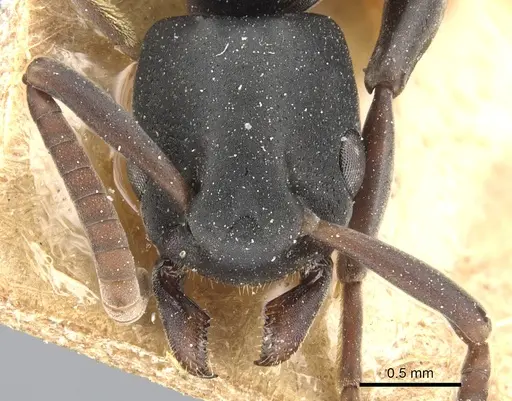
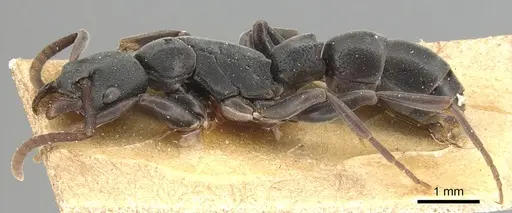
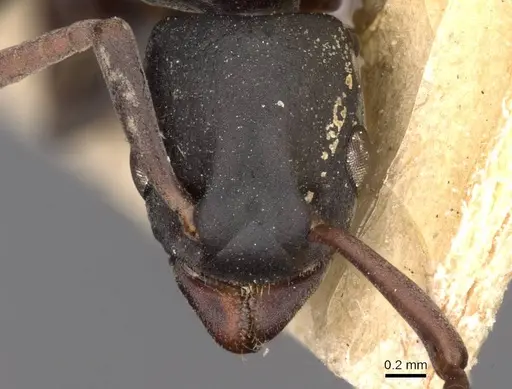
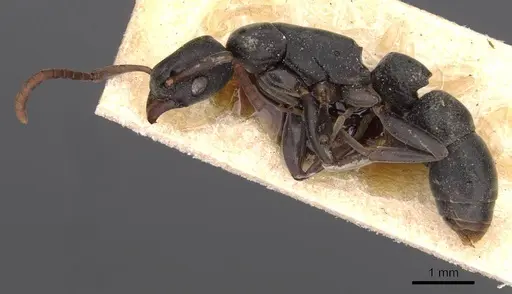
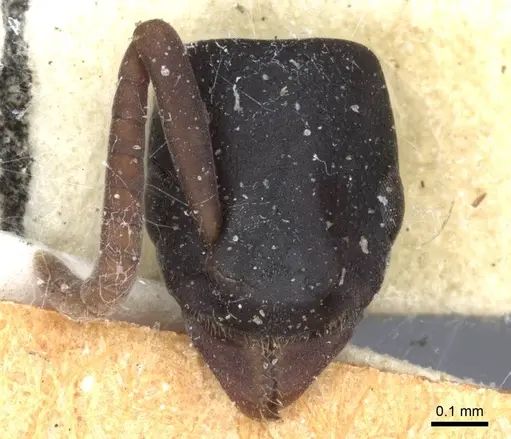
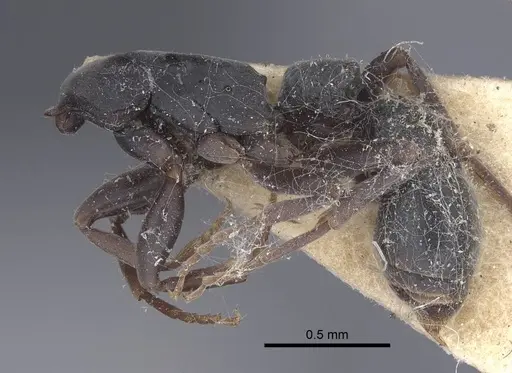
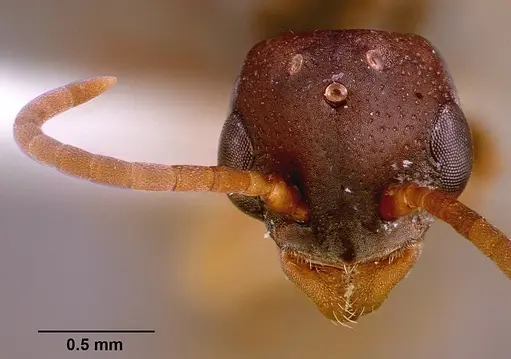
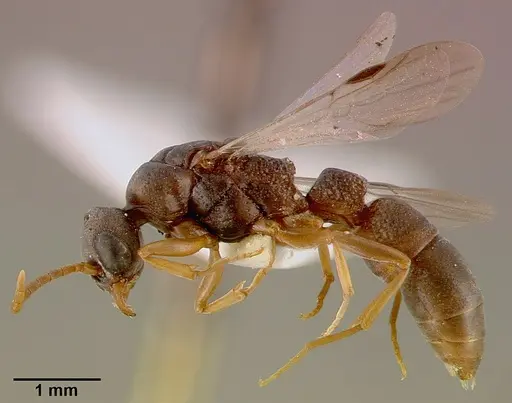
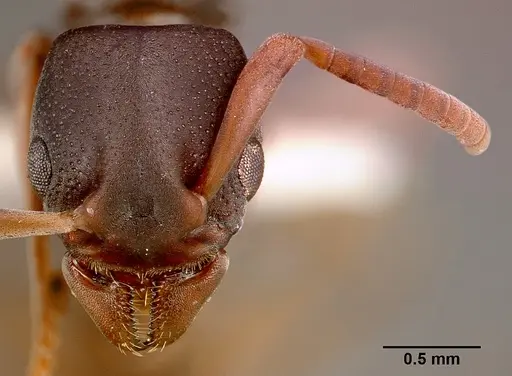
Platythyrea modesta is a fascinating arboreal ant species known for its swift movements and predatory nature. These ants are moderately sized for ponerines, with workers typically falling within the 4-20mm range, though specific measurements for this species are not commonly cited. Queens, where present, are generally similar in size to workers. A distinguishing feature is their uniform pruinose (frosted) sculpturing on the head and body. What truly sets them apart is their unique hunting strategy: workers are formidable solitary hunters, capable of subduing remarkably large prey. When faced with prey too big to carry back to the nest, they exhibit an extraordinary behavior, recruiting nestmates to process the meal on the spot, and even carrying their own larvae directly to the prey for feeding. They are also notable for their polygynous colonies and the presence of gamergates, which act as reproductive females in many instances.
- Difficulty: Medium
- Origin & Habitat: Africa (Cameroon, Central African Republic, Democratic Republic of Congo, Equatorial Guinea, Gabon, Ghana, Ivory Coast, Kenya, Mozambique, Nigeria, Saudi Arabia, South Africa, Sudan, Uganda, Oman, Yemen) in Old and secondary forests, nesting in pre-existing cavities in tree bark, dead branches, or within Cubitermes termitaries at the base of trees. They are primarily arboreal foragers..
- Colony Type: Polygyne (multiple queens), semi-claustral (queen forages for first brood, often with worker assistance, as they are predatory) founding.
- Size & Growth:
- Queen: 4-20mm
- Worker: 4-20mm
- Colony: Small (up to 50 workers). Slow (due to small colony size and specific predatory needs) growth.
- Antkeeping:
- Temperature: Maintain a consistent temperature between 24-28°C (75-82°F). As a tropical species, they thrive in warmer conditions..
- Humidity: Keep humidity moderately high, around 70-80%, reflecting their arboreal forest habitat. Providing a humidity gradient within the nest is beneficial..
- Diapause: Not required. Not specified at Not specified.
- Nesting: Prefers arboreal setups. Nests that mimic natural tree cavities, such as those made from cork bark, bamboo, or specialized acrylic nests with deep, humid chambers are ideal. They appreciate wood-based inserts or decor..
- Behavior: High (towards prey; moderate towards handler if threatened) aggressiveness.
- Common Issues: Maintaining consistent humidity, especially in artificial setups, Providing appropriate live prey that is not too large or too small, Stress from frequent disturbances or inadequate nesting space, Lack of natural arboreal structures in their habitat.
One of the most captivating behaviors of Platythyrea modesta is their unique predatory strategy. These ants are known for their incredibly swift movements and potent venom, which allows them to quickly subdue even large insect prey. Unlike many ant species that carry all prey back to the nest, P. modesta workers will often process substantial catches on the spot. This involves recruiting nestmates to help carve up the larger prey items right there in their foraging area, ensuring no valuable protein goes to waste.
Beyond just field processing, P. modesta exhibits a truly extraordinary behavior: workers sometimes transport their own larvae directly to a large captured prey item. This 'larval transfer' for on-site feeding is highly unusual within the Ponerinae subfamily and offers a fascinating glimpse into their flexible foraging adaptations. Providing appropriately sized feeder insects, like roaches, crickets, or mealworms, is crucial to observe these specialized hunting and feeding behaviors in your formicarium.
Keeping Platythyrea modesta can be a rewarding experience for antkeepers familiar with ponerine care. They are polygynous, meaning colonies can have multiple queens (or gamergates acting as reproductives), which can potentially lead to more stable and resilient setups compared to monogyne species. However, their colony sizes remain relatively small, typically reaching only around 50 workers. This makes them a more manageable species for those looking to observe unique behaviors without the massive scale of supercolony-forming ants.
These ants are also known for conducting frequent emigrations to new nest sites in the wild, utilizing chemical trails for recruitment during these moves. While less common in a controlled antkeeping environment, it highlights their adaptability and the importance of providing a secure, stable nesting setup. Ensuring their outworld is escape-proof and that their nest offers the desired conditions will help prevent unwanted stress or attempts at relocating within your setup.
Frequently Asked Questions
What's the best way to feed Platythyrea modesta in a captive setup?
These ants are dedicated predators, so live feeder insects are a must! Offer them appropriately sized roaches, crickets, or mealworms. Given their unique 'on-site' feeding behavior for large prey, you might even observe them bringing their brood out to the foraging area for a meal. Always ensure feeder insects are gut-loaded and free of pesticides.
Do Platythyrea modesta have a queen, or do they use gamergates?
Yes, Platythyrea modesta colonies are polygynous, meaning they can have multiple queens. Additionally, like many ponerines, they are known to utilize gamergates, which are fertile workers capable of reproduction. This adds an interesting dynamic to their colony structure and can make them more resilient.
What kind of nest is ideal for Platythyrea modesta?
Since they're an arboreal species, a nest that mimics tree cavities is best. Cork bark setups, bamboo nests, or specialized acrylic formicariums with deep, humid chambers and wooden inserts work wonderfully. They need structures that simulate their natural dwelling in pre-existing tree hollows or dead branches.
Are Platythyrea modesta difficult to keep for a beginner antkeeper?
While captivating, Platythyrea modesta would be considered a 'Medium' difficulty species. Their specific predatory diet, need for stable humidity, and unique social dynamics mean they're better suited for antkeepers who have some prior experience with more common species. They're not notoriously hard, but they're not a 'set and forget' ant either.
Do these ants sting, and is it painful?
Yes, Platythyrea modesta ants possess a sting and potent venom, which they primarily use to subdue their prey. While not typically aggressive towards antkeepers unless provoked, their sting can be painful if you're unlucky enough to get tagged. Always handle them with care, and avoid direct contact.
How large do Platythyrea modesta colonies get?
These ants form relatively small colonies compared to some other popular species. In the wild, their colonies typically reach up to about 50 workers. This makes them a great choice for antkeepers who appreciate observing complex behaviors in a more contained setup.
Do they need a diapause period?
No, Platythyrea modesta hails from tropical regions, so they do not require a diapause or hibernation period. Maintaining consistent warm temperatures and humidity year-round is key to their continuous activity and development.
What's the most interesting thing about their foraging behavior?
Their most striking foraging behavior is their ability to recruit nestmates to large prey items and, even more remarkably, carry their larvae directly to the prey for on-site feeding. This 'larval taxi' to the buffet is truly unique and a highlight for any observer of their colony!
Can I keep multiple Platythyrea modesta queens together in a founding setup?
Given that Platythyrea modesta is a polygynous species, keeping multiple queens together from the start, known as pleometrosis, is theoretically possible and aligns with their natural colony structure. However, it's always wise to monitor initial interactions closely, as individual colony dynamics can vary.
What kind of humidity setup do they prefer?
They thrive in moderately high humidity, around 70-80%, simulating their natural forest environment. Nests with good moisture retention, like natural wood or specific gypsum/Ytong setups, that also allow for a humidity gradient will be most beneficial for their brood development and overall colony health.

This caresheet is licensed under CC BY-SA 4.0 .
CASENT0250048
View on AntWeb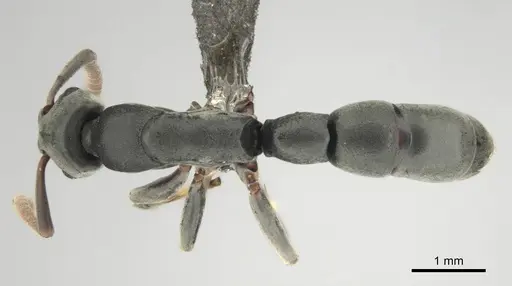
CASENT0260476
View on AntWeb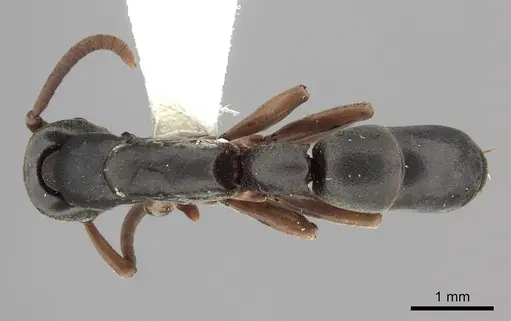
CASENT0882085
View on AntWeb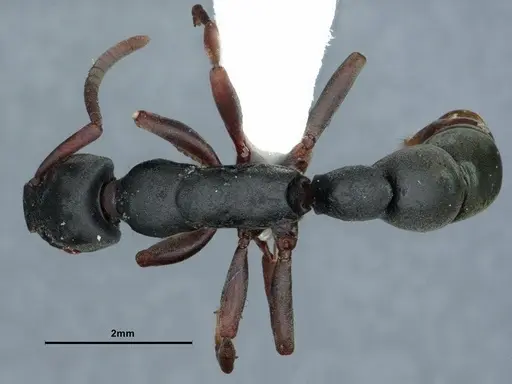
CASENT0903797
View on AntWeb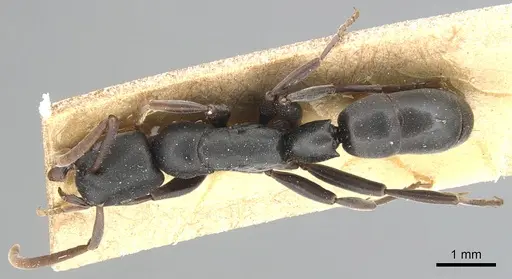
CASENT0907108
View on AntWeb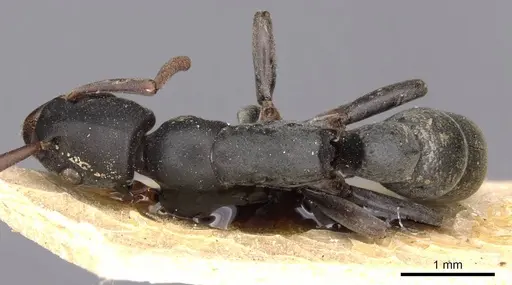
CASENT0916799
View on AntWeb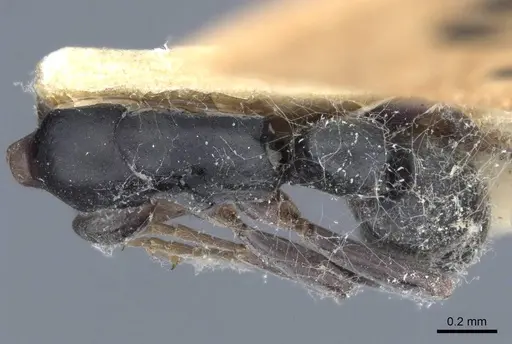
SAM-HYM-C000992A
View on AntWeb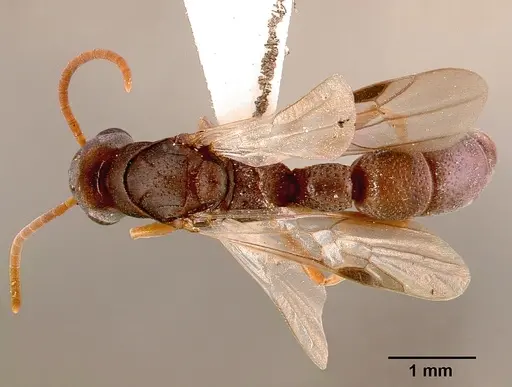
SAM-HYM-C000992B
View on AntWeb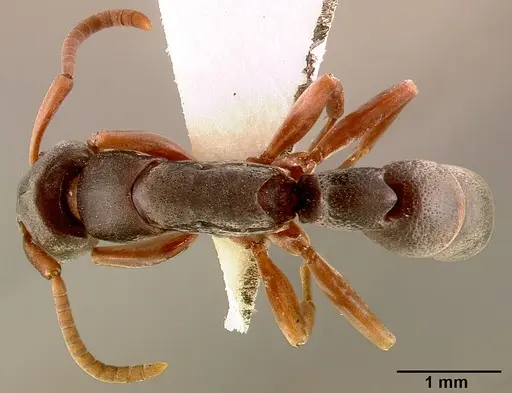
Literature
Loading...Loading products...