

Platythyrea lamellosa
- Scientific Name
- Platythyrea lamellosa
- Tribe
- Platythyreini
- Subfamily
- Ponerinae
- Author
- Roger, 1860
- Common Name
- Flat Stink Ant
- Distribution
- Found in 4 countries
Platythyrea lamellosa Overview
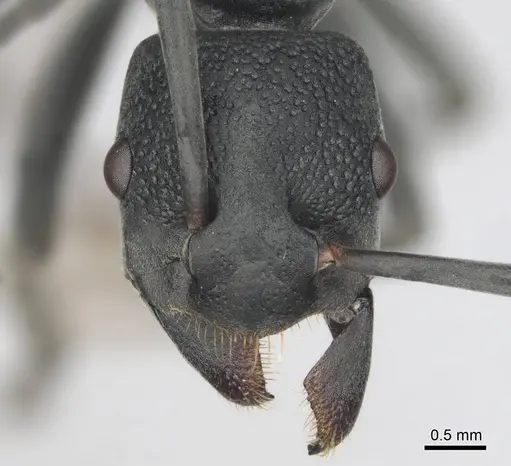
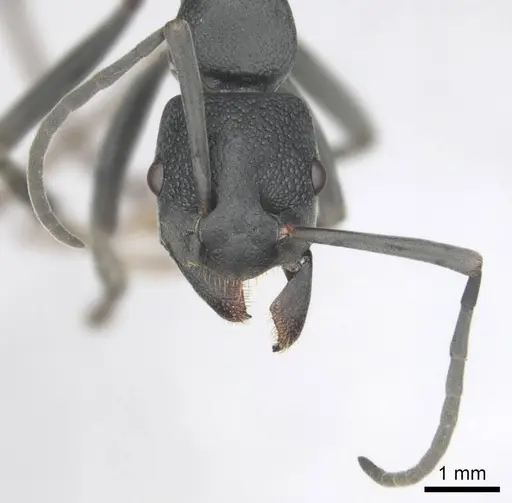
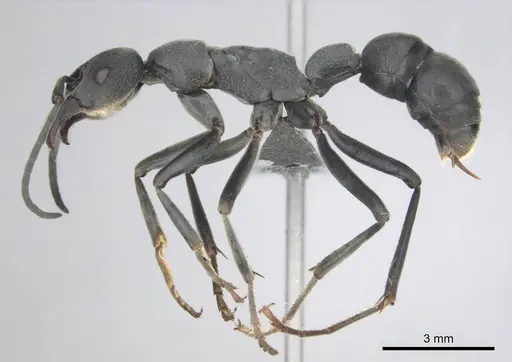
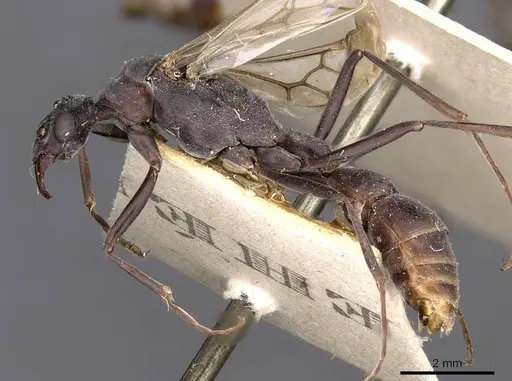
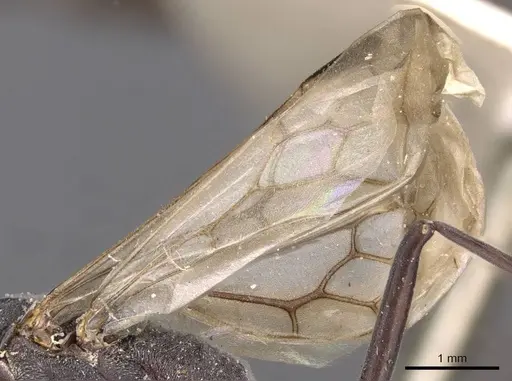
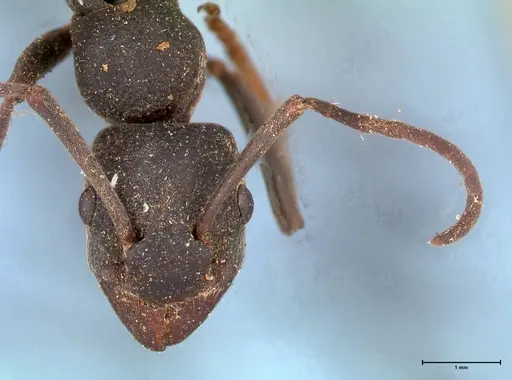
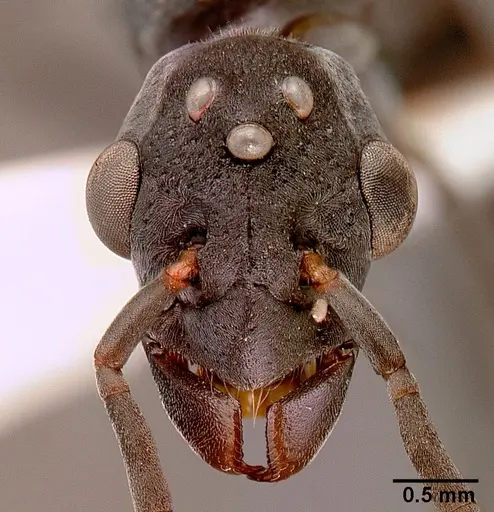
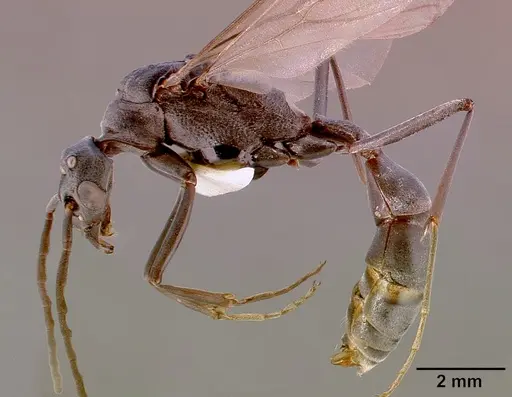
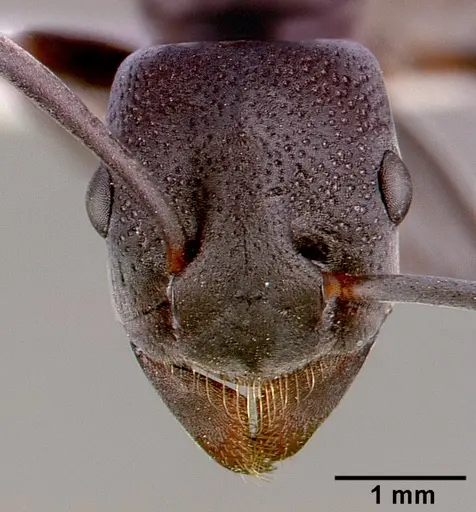
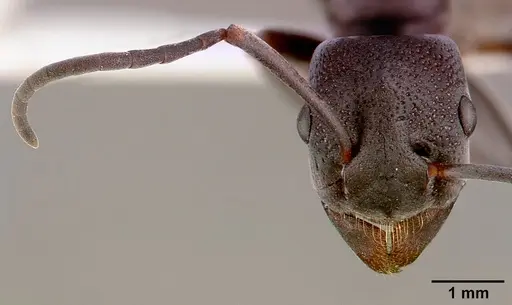
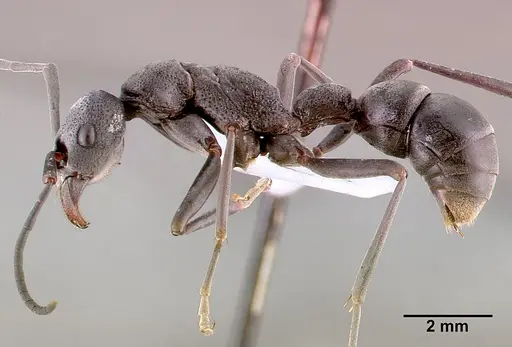
Platythyrea lamellosa (commonly known as the Flat Stink Ant) is an ant species of the genus Platythyrea. It is primarily documented in 4 countries , including Botswana, South Africa, Zambia. Detailed taxonomic data and occurrence records can be further explored via authoritative databases such as AntWeb or the Global Biodiversity Information Facility (GBIF).
Platythyrea lamellosa - "Flat Stink Ant"
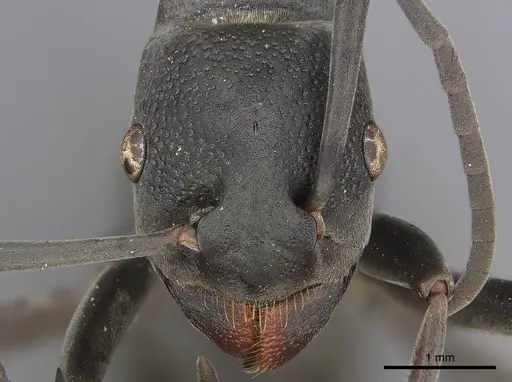
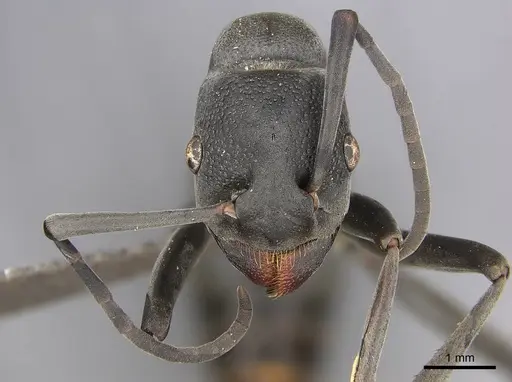
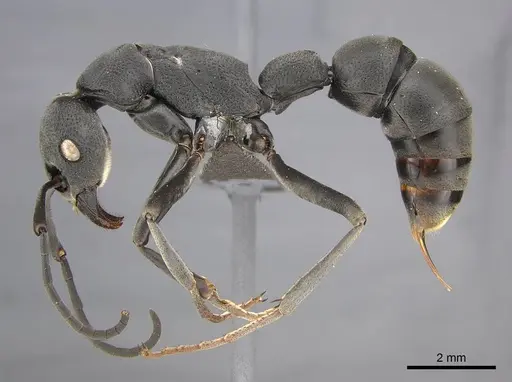
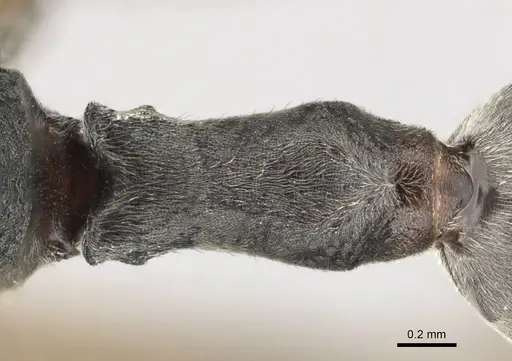
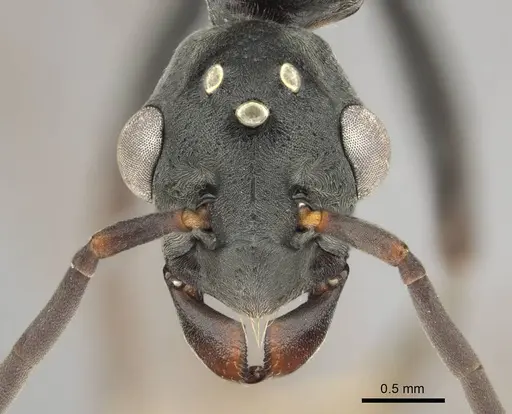
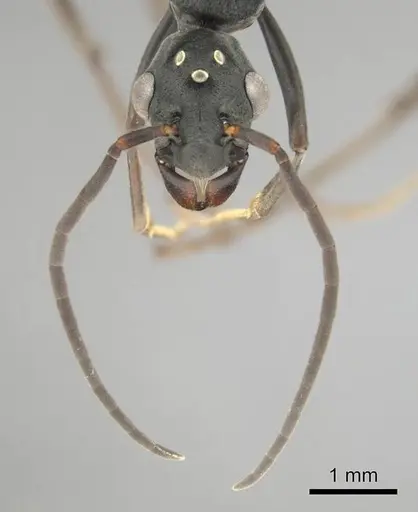
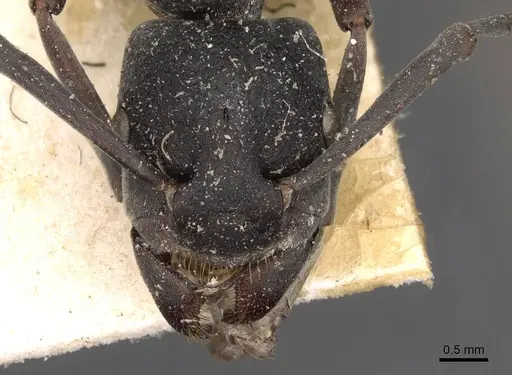
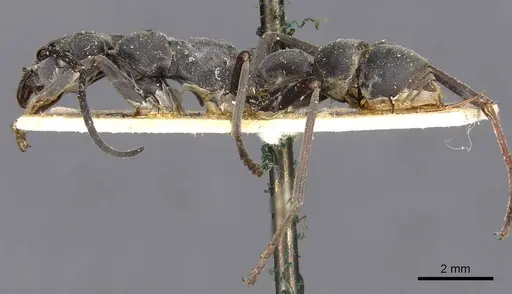
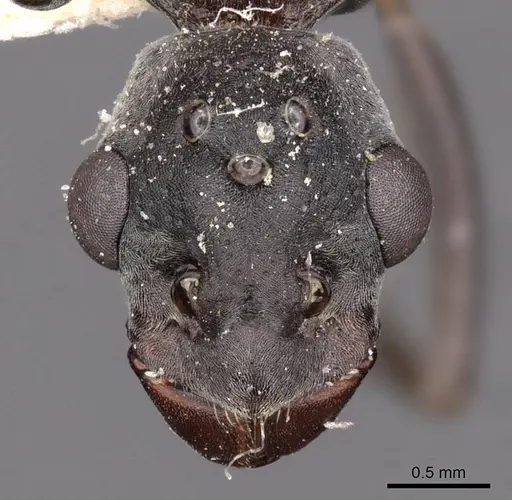
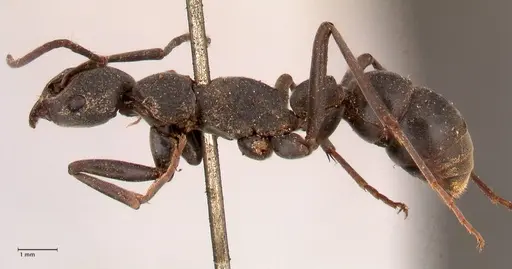
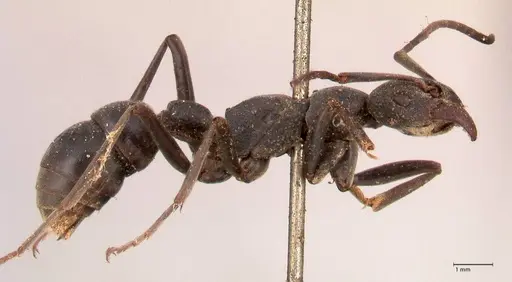
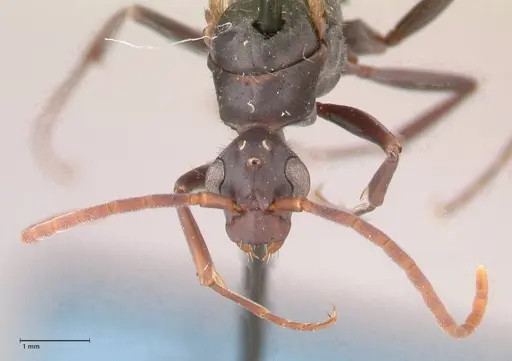
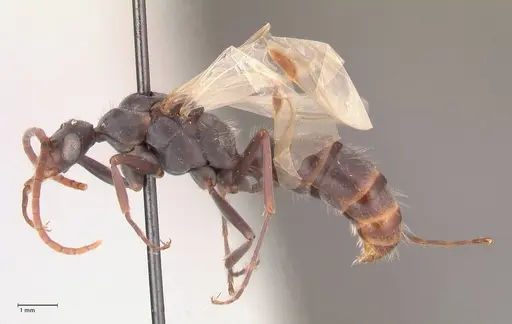
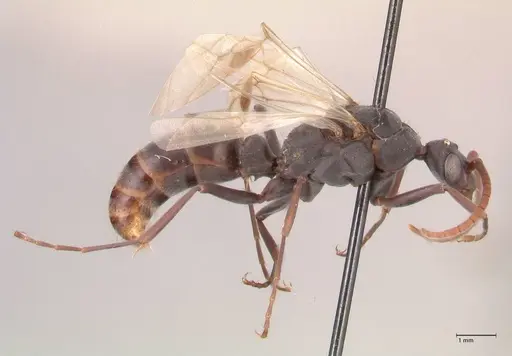
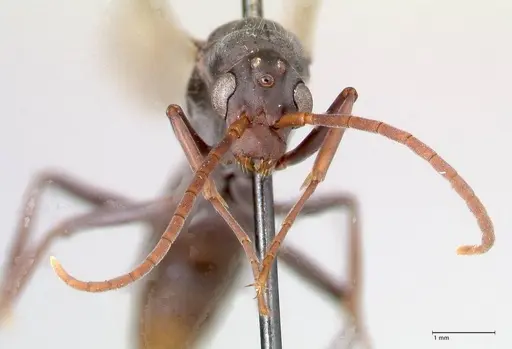
Platythyrea lamellosa is a small to medium-sized ant native to the Afrotropical region, found across southern Africa including South Africa, Botswana, Namibia, Zimbabwe, Angola, and the Democratic Republic of Congo [1]. Workers measure approximately 5-7mm with a distinctive flattened body and dark coloration. This species is remarkable for being queenless, instead of a morphologically distinct queen, reproduction is carried out by mated workers called gamergates [2]. Colonies typically contain around 115 workers, making them a moderately sized species [2]. The genus Platythyrea belongs to the subfamily Ponerinae and is known for its unusual reproductive systems where workers can become reproductive.
Quick Summary
- Difficulty: Medium
- Origin & Habitat: Native to southern Africa, specifically the Afrotropical region including South Africa, Botswana, Namibia, Zimbabwe, Angola, and the Democratic Republic of Congo [1]. Found primarily in woodland habitats, though they also occur in sedgeland-herbland, forest, thicket, and shrubland areas [3]. They prefer lower elevations, showing decreasing abundance above 1200m [4].
- Colony Type: Queenless colony, this species lacks a distinct queen caste. Reproduction is handled by gamergates (mated workers), with colonies typically having a single reproductive gamergate [2]. This is a single gamergate species where one mated worker lays all the eggs while other workers handle colony tasks.
- Special: Gamergates
- Size & Growth:
- Queen: N/A, queenless species (reproduction by gamergates)
- Worker: 5-7mm (estimated from genus)
- Colony: Approximately 115±83 workers based on field studies [2]
- Growth: Moderate
- Development: Unknown, no specific development data available for this species. Based on typical Ponerinae patterns, estimate 6-10 weeks at optimal temperature. (Development timeline unconfirmed for this species. Related Platythyrea species suggest several months from egg to adult worker.)
- Antkeeping:
- Temperature: Keep at 22-26°C. They are adapted to warmer African conditions and prefer temperatures in the low-to-mid 20s°C range.
- Humidity: Moderate humidity around 50-70%. They prefer drier conditions compared to many Ponerinae, reflecting their savanna woodland habitat.
- Diapause: Likely a winter slowdown period, though specific diapause requirements are unconfirmed. Southern African populations may experience cooler winters but not harsh cold.
- Nesting: In nature, they nest under stones and in rotting wood [1]. In captivity, a Y-tong (AAC) nest or plaster nest with moderate moisture works well. Provide a small outworld for foraging.
- Behavior: Generally peaceful and non-aggressive compared to many Ponerinae. Workers are active foragers, hunting small prey. They do not have a functional sting but may bite defensively. They are moderate escape artists, use standard barrier methods but they are not particularly small or agile. Colonies are relatively calm and can be observed during daytime hours.
- Common Issues: queenless biology makes colony establishment difficult, you need an established colony with gamergates rather than a founding queen, slow colony growth compared to many common ant species, colonies remain relatively small (under 200 workers) which may disappoint keepers expecting rapid expansion, limited availability in the antkeeping hobby since they cannot be caught as founding queens, may be sensitive to excessive moisture, avoid waterlogged nests
Understanding Queenless Biology
Platythyrea lamellosa is one of the most fascinating ants you can keep because it lacks a queen caste entirely. Instead, reproduction is handled by gamergates, workers that have mated and can lay eggs [2]. This is a single gamergate species, meaning typically only one mated worker per colony actually reproduces [2]. The colony structure is fundamentally different from most ants: there is no queen to serve as the central reproductive hub, and instead the workers themselves carry out all colony functions including reproduction. Virgin workers in this species develop oocytes but do not lay eggs, the regulation happens at the ovoposition level [5]. This means you cannot start a colony with a queen because there isn't one. Instead, you must acquire an established colony that already contains mated, reproductive workers. This makes them more challenging to obtain than typical ant species but also makes them incredibly interesting to observe.
Nest Preferences and Housing
In the wild, Platythyrea lamellosa nests under stones and in rotting wood in woodland habitats [1]. For captive care, a Y-tong (AAC) nest or plaster formicarium works well. They prefer moderate humidity, think savanna conditions rather than rainforest. The nest should have some moisture but allow for drier areas the ants can choose between. A small outworld (foraging area) of about 10x10cm or similar provides space for hunting and feeding. Since they are not large ants and moderate escape risks, standard barrier methods like fluon on container edges work adequately. Avoid overly wet or waterlogged conditions, these ants are adapted to drier African conditions and can suffer in constantly damp nests.
Feeding and Diet
As Ponerinae ants, Platythyrea lamellosa are predators that hunt small invertebrates. In captivity, offer small live prey such as fruit flies, small crickets, mealworms, and other appropriately-sized insects. They likely also consume honeydew and may accept sugar water or honey occasionally, though protein-rich prey should form the bulk of their diet. Feed them small prey items 2-3 times per week, adjusting based on colony size and consumption. Remove uneaten prey after 24-48 hours to prevent mold. A small dish of sugar water or honey can be offered occasionally but is not required. The colony size of around 100 workers means their food requirements are modest compared to larger species.
Temperature and Seasonal Care
Keep your Platythyrea lamellosa colony at 22-26°C for optimal activity and development. They are adapted to warm African conditions and prefer temperatures in the low-to-mid 20s°C range. A heating cable on one side of the nest can create a temperature gradient, allowing ants to choose their preferred warmth. During winter months, room temperature (around 18-20°C) is likely sufficient, they may become less active but should not require a true hibernation period. Avoid temperatures below 15°C for extended periods. Monitor colony activity: if workers become sluggish, slightly increase temperature. If they avoid the heated area, reduce heat.
Colony Dynamics and Behavior
The social organization of Platythyrea lamellosa has been studied extensively. Workers divide labor within the colony, with different individuals taking on different tasks. The single gamergate (reproductive worker) is responsible for egg-laying, while other workers handle foraging, brood care, and nest maintenance [2]. This division of labor is flexible, workers can shift tasks as needed. The colony size of approximately 115 workers in natural colonies suggests they remain relatively modest-sized [2]. Workers are active foragers that hunt small prey rather than relying solely on sugary baits. They are generally peaceful and do not exhibit aggressive swarming behavior, making them manageable in captivity.
Frequently Asked Questions
Can I start a Platythyrea lamellosa colony from a queen?
No. Platythyrea lamellosa is a queenless species, there is no queen caste. Reproduction is handled by gamergates (mated workers) instead [2]. You cannot start a colony with a queen because one does not exist. You must acquire an already-established colony containing mated, reproductive workers.
How do I get a Platythyrea lamellosa colony?
Since they are queenless, you cannot catch a founding queen. You would need to obtain an established colony from a breeder or keeper who already has a reproducing colony. The colony will contain workers and at least one gamergate (mated reproductive worker). This makes them less common in the hobby than typical ant species.
How big do Platythyrea lamellosa colonies get?
Natural colonies reach approximately 115±83 workers on average [2]. They are not large colonies compared to many common ant species, expect a maximum of around 100-200 workers in a mature colony. This modest size makes them suitable for keepers who prefer smaller, more manageable colonies.
What temperature do Platythyrea lamellosa need?
Keep them at 22-26°C. They prefer warm conditions reflecting their African origin. A temperature gradient allowing them to choose warmer or cooler areas within the nest is ideal. Room temperature is often suitable, but you may need to add gentle heating during cooler months.
Are Platythyrea lamellosa good for beginners?
They are rated as medium difficulty. While they are peaceful and manageable, the queenless biology makes them harder to obtain and establish than typical ants. If you can find an established colony, they are otherwise relatively straightforward to care for. They require warm temperatures, moderate humidity, and small live prey.
How long does it take for Platythyrea lamellosa to develop from egg to worker?
The specific development timeline has not been documented for this species. Based on typical Ponerinae patterns, expect approximately 6-10 weeks from egg to worker at optimal temperature (around 24°C). Related Platythyrea species suggest development takes several months, so be patient with colony growth.
What do Platythyrea lamellosa eat?
They are predators that hunt small invertebrates. Feed them small live prey such as fruit flies, small crickets, mealworms, and similar insects. They may occasionally accept sugar water or honey, but protein-rich prey should form the main diet. Remove uneaten prey after 24-48 hours.
Do they need hibernation?
Specific diapause requirements are unconfirmed for this species. Southern African populations experience cooler winters but not harsh cold. A slight winter slowdown at room temperature (around 18-20°C) is likely sufficient. They do not require a true hibernation period like temperate species.
Can I keep multiple Platythyrea lamellosa colonies together?
This would require careful introduction and is not typically recommended. Since they are queenless and colonies establish their own social structure, combining unrelated colonies may result in aggression. If you have multiple colonies, keep them in separate enclosures.
References

This caresheet is licensed under CC BY-SA 4.0 .
CASENT0106138
View on AntWeb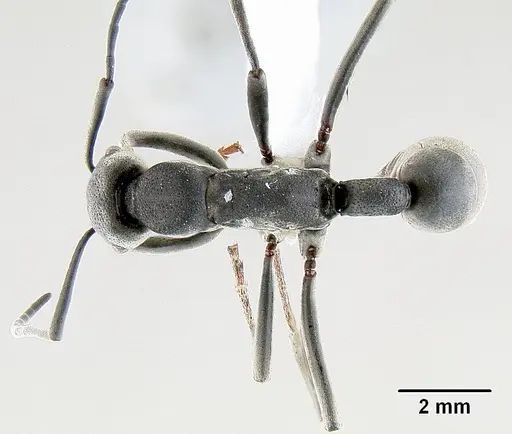
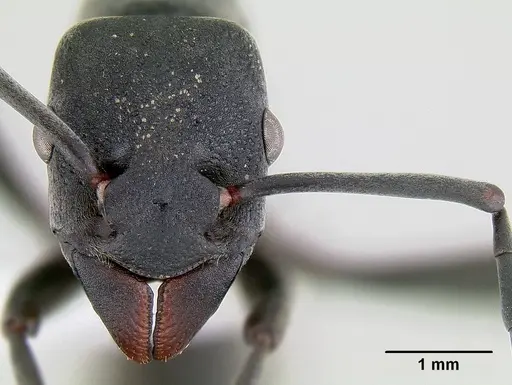
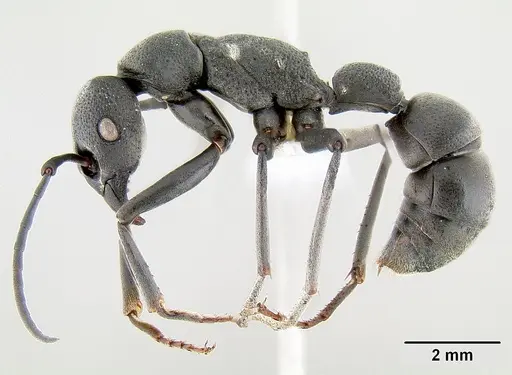
CASENT0252018
View on AntWeb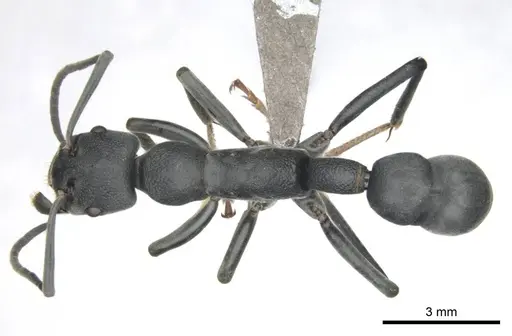
CASENT0252019
View on AntWeb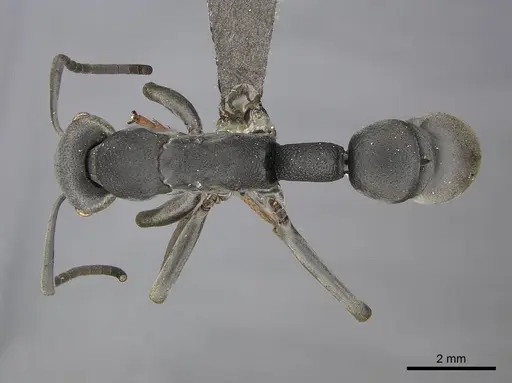
CASENT0256013
View on AntWeb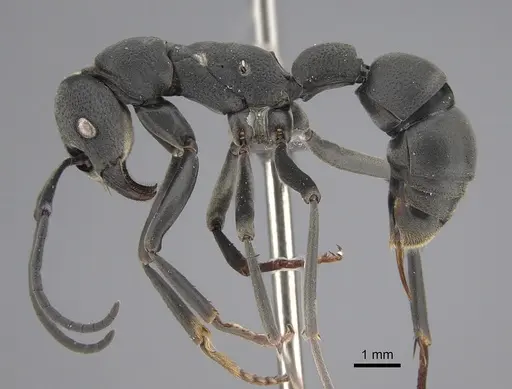
CASENT0257315
View on AntWeb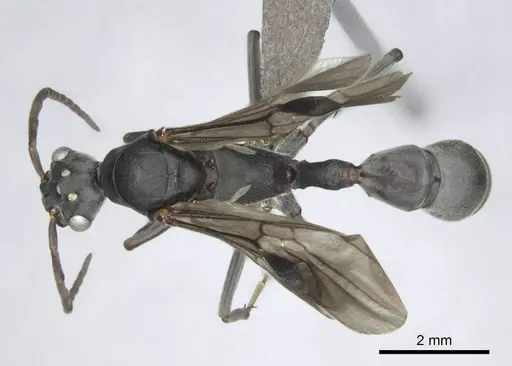
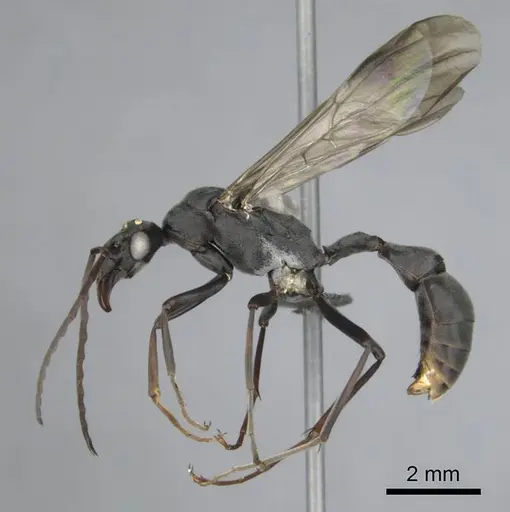
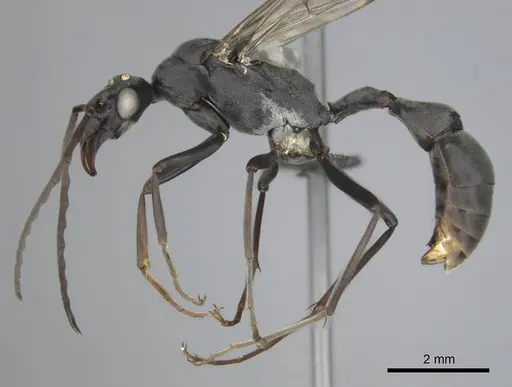
CASENT0260475
View on AntWeb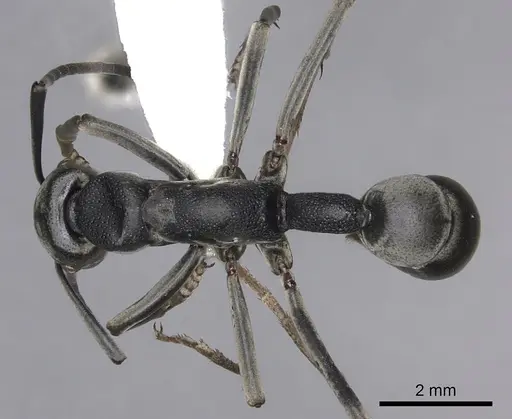
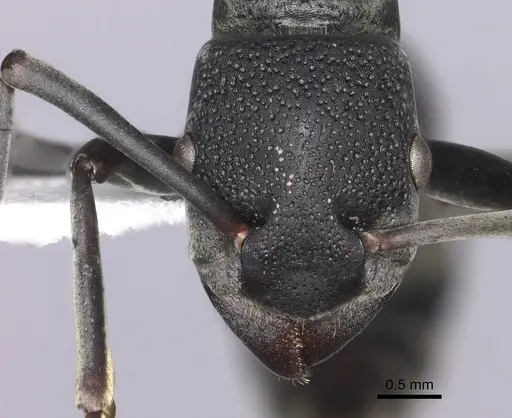
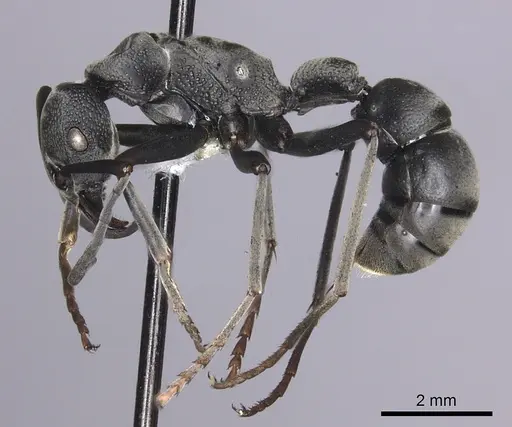
CASENT0907104
View on AntWeb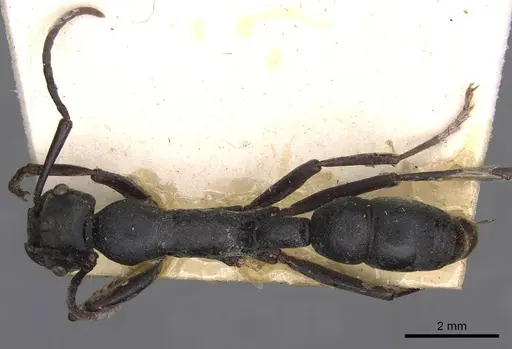
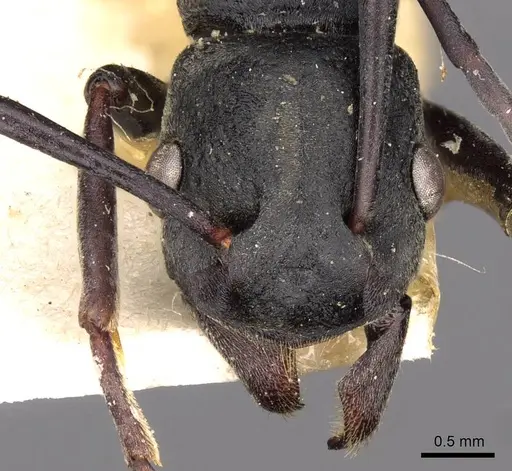
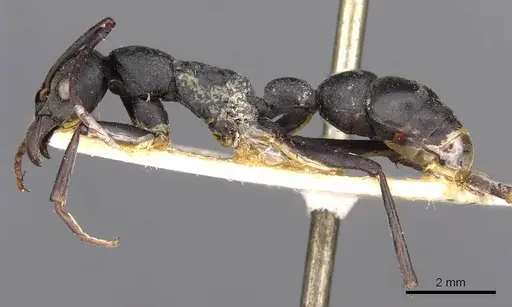
CASENT0907105
View on AntWeb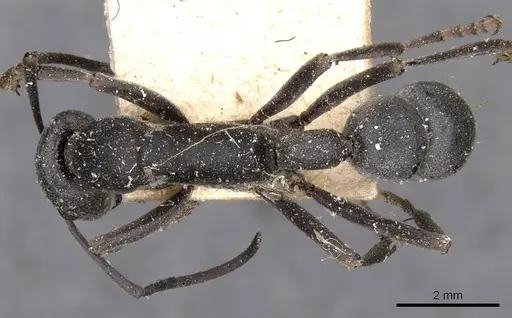
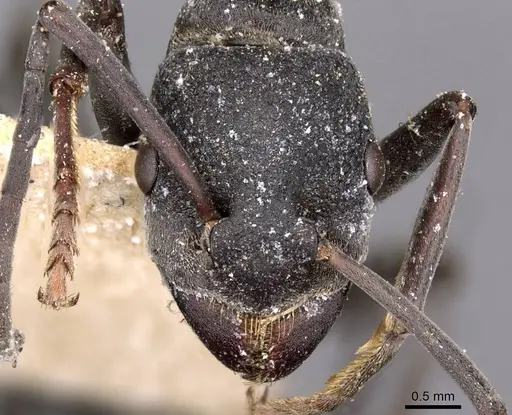
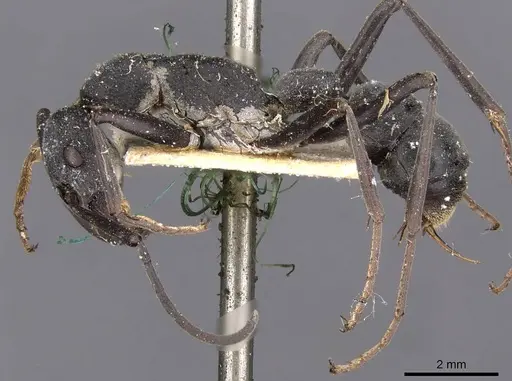
CASENT0907106
View on AntWeb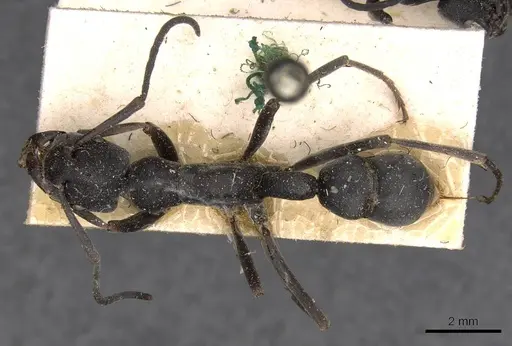
CASENT0907107
View on AntWeb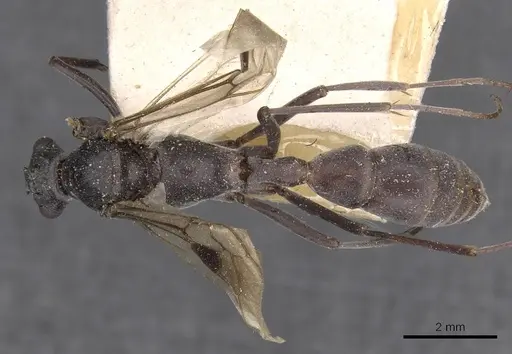
FOCOL0842
View on AntWeb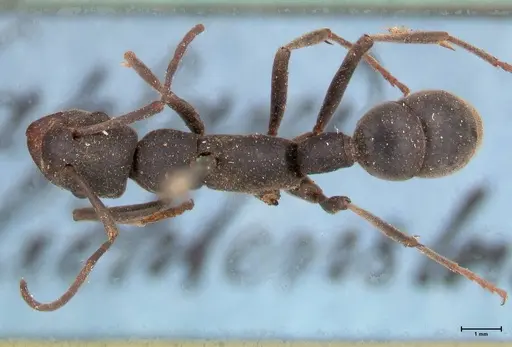
FOCOL0843
View on AntWeb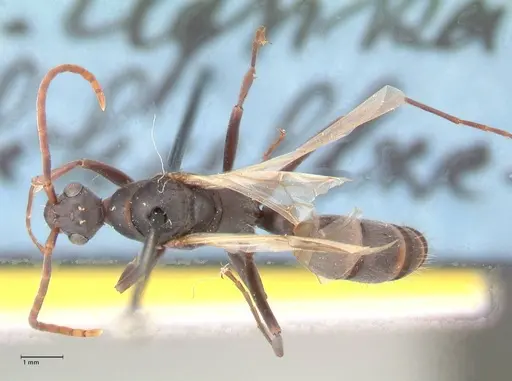
FOCOL0844
View on AntWeb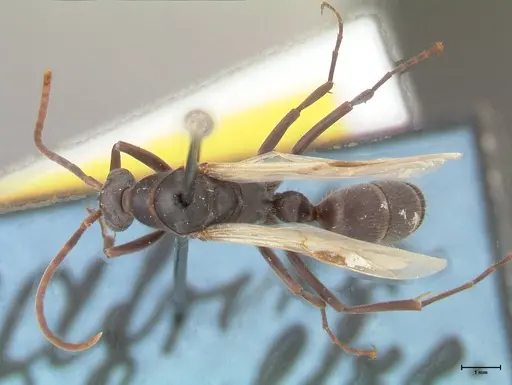
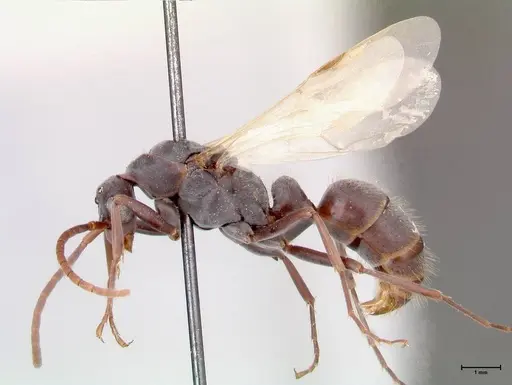
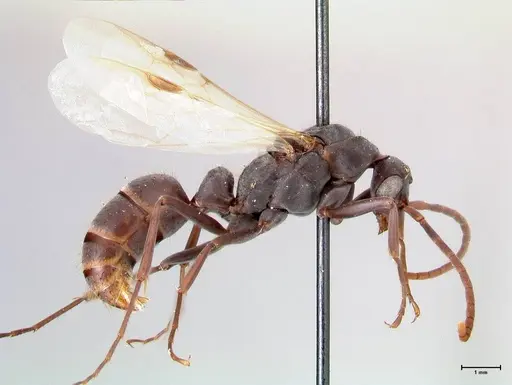
SAM-HYM-C001332A
View on AntWeb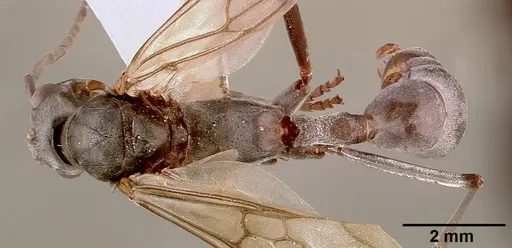
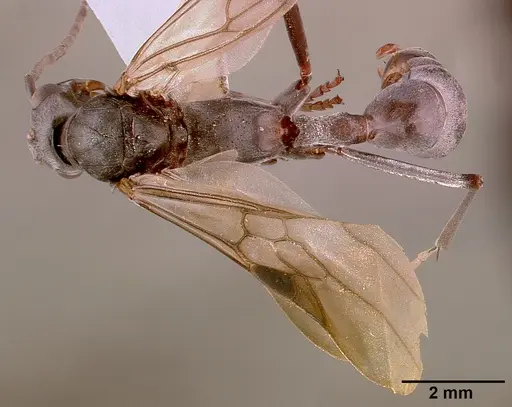
SAM-HYM-C001332B
View on AntWeb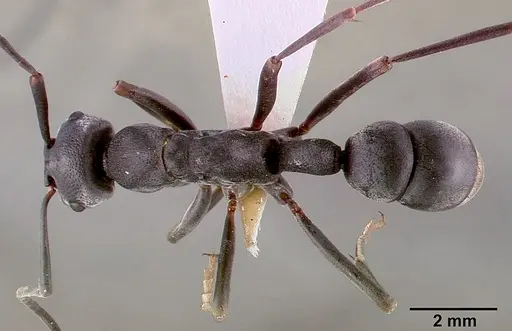
Literature
Loading...Loading products...