

Platythyrea exigua
- Scientific Name
- Platythyrea exigua
- Tribe
- Platythyreini
- Subfamily
- Ponerinae
- Author
- Kempf, 1964
- Distribution
- Found in 2 countries
Platythyrea exigua Overview
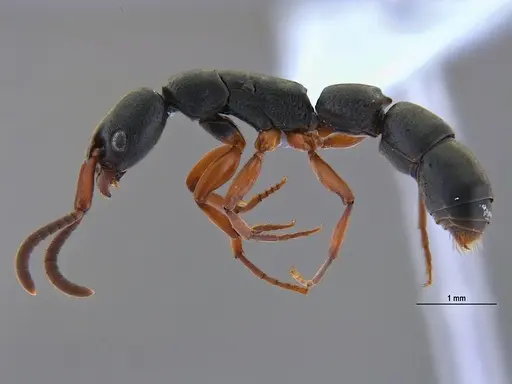
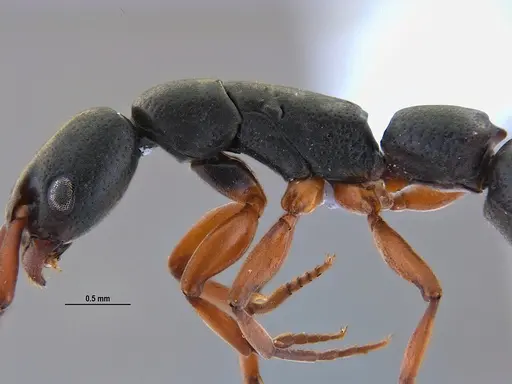
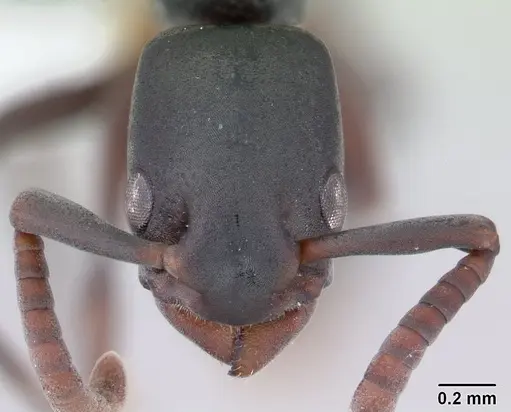
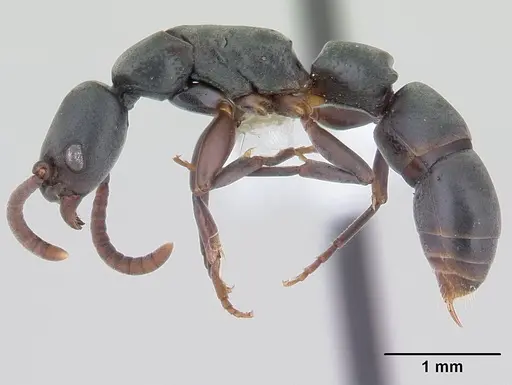
Platythyrea exigua is an ant species of the genus Platythyrea. It is primarily documented in 2 countries , including Brazil, Paraguay. Detailed taxonomic data and occurrence records can be further explored via authoritative databases such as AntWeb or the Global Biodiversity Information Facility (GBIF).
Platythyrea exigua
Platythyrea exigua is a small to medium-sized Ponerine ant native to the southern Amazon basin of Brazil, Paraguay, and northern Argentina. Workers are relatively slender for Ponerinae, with a distinctive elongated head and mandibles adapted for predatory hunting. The genus Platythyrea belongs to the tribe Platythyreini and is known for some unusual colony structures, including the presence of ergatoid (wingless) replacement queens in many species. This species was described from Mato Grosso, Brazil, where it inhabits tropical forest environments. The colony size appears to be small to moderate based on related species in the genus.
Quick Summary
- Difficulty: Medium
- Origin & Habitat: Native to the Neotropical region: Brazil (Mato Grosso), Paraguay, and northern Argentina. Found in tropical forest environments at elevations around 350m. The region has warm temperatures year-round with seasonal rainfall patterns [1][2].
- Colony Type: Colony structure is not well documented for this specific species. Many Platythyrea species have ergatoid (wingless) queens that can serve as replacement reproductives. The genus is known for flexible colony structures, but whether P. exigua is monogyne or polygyne is unconfirmed.
- Size & Growth:
- Queen: Unknown for this species. Based on related Platythyrea species, queens likely measure 7-10mm. The type series includes one paratype queen [2].
- Worker: Unknown for this species. Based on genus patterns, workers likely measure 4-7mm [1].
- Colony: Unconfirmed. Based on typical Ponerinae colony sizes, likely reaches several hundred workers at maturity.
- Growth: Unconfirmed. Ponerine ants typically grow at moderate rates.
- Development: Unconfirmed. Based on typical Ponerinae development at tropical temperatures (24-28°C), estimate 6-10 weeks from egg to first worker. (Development time is estimated from related Ponerinae species. Specific data for P. exigua is not available.)
- Antkeeping:
- Temperature: Keep at 24-28°C. This species comes from tropical Brazil where temperatures remain warm year-round. A slight temperature gradient allows ants to regulate their exposure. Room temperature (around 24°C) is likely suitable for most of the year.
- Humidity: Maintain moderate to high humidity, roughly 60-80%. The Mato Grosso region experiences humid tropical conditions. Keep the nest substrate moist but not waterlogged, with some drier areas available.
- Diapause: Unlikely. As a tropical species from Brazil, P. exigua probably does not require a true diapause. However, slight seasonal reduction in activity during cooler months may occur.
- Nesting: In nature, Platythyrea species typically nest in soil, under stones, or in rotting wood in forest floor habitats. In captivity, a Y-tong (AAC) nest or plaster nest with moisture chambers works well. Provide a small outworld for hunting and foraging.
- Behavior: Platythyrea exigua is a predatory Ponerine ant. Workers are active foragers that hunt small invertebrates. They likely have functional stingers for subduing prey, though the sting potency is not well documented. Based on genus behavior, they are likely moderately aggressive when defending the colony but not particularly territorial. Escape prevention is important, ensure enclosures have no gaps, as these ants can squeeze through small openings.
- Common Issues: tropical species requires consistent warmth, cold temperatures can suppress activity and slow colony growth, predatory diet means they need regular live protein prey, sugar alone is insufficient, small colony sizes mean they are vulnerable to disturbance, minimize nest inspections during founding, escape prevention is important as workers can fit through tiny gaps, lack of species-specific data means care is based on genus patterns, be prepared to experiment
Housing and Nest Setup
Platythyrea exigua can be housed in standard ant keeping setups. A Y-tong (AAC) nest works well for this species, providing dark chambers that these forest-dwelling ants prefer. Alternatively, a plaster or acrylic nest with moisture chambers maintains appropriate humidity. The nest should have chambers scaled to the colony size, avoid overly large spaces for small colonies. Provide a small outworld connected to the nest where you can offer food. Ensure all connections are secure, as these ants can escape through small gaps. [1]
Feeding and Diet
As a Ponerine ant, P. exigua is primarily predatory. Offer small live invertebrates such as fruit flies, pinhead crickets, small mealworms, and other appropriately-sized prey. Protein should make up the majority of their diet. Some Platythyrea species will accept sugar water or honey as a supplementary energy source, but protein-rich prey is essential for brood development. Feed every 2-3 days, adjusting based on colony size and consumption. Remove uneaten prey after 24 hours to prevent mold.
Temperature and Seasonal Care
Maintain temperatures between 24-28°C for optimal colony health. This tropical species does not tolerate cold well, avoid temperatures below 20°C. A small heating cable on one side of the nest can create a gradient if your room temperature runs cool. Unlike temperate species, P. exigua does not require hibernation. However, you may notice reduced activity during winter months if your home cools slightly. Monitor colony behavior and adjust feeding accordingly during slower periods.
Behavior and Colony Dynamics
Platythyrea exigua workers are active foragers that hunt individually rather than forming large raiding parties. They likely use chemical trails to communicate about food sources, similar to other Ponerinae. The colony may have ergatoid (wingless) queens that can take over reproduction if the primary queen dies, this is a common trait in the genus. Colonies likely remain relatively small compared to many Myrmicinae species. Workers are probably moderately long-lived for ants, which is typical of Ponerinae. [1]
Frequently Asked Questions
How long does it take for Platythyrea exigua to raise first workers?
The exact timeline is unconfirmed for this species. Based on typical Ponerinae development at warm temperatures (24-28°C), expect approximately 6-10 weeks from egg to first worker. Patience is key with Ponerine ants as they develop more slowly than many common species.
Can I keep multiple Platythyrea exigua queens together?
The colony structure of this species is not well documented. Combining unrelated queens is not recommended since we don't know if they naturally form multi-queen colonies. If you obtain a wild colony, it likely has a single functional queen or ergatoid replacement reproductives.
What do Platythyrea exigua ants eat?
They are predatory ants that need live protein prey. Offer small insects like fruit flies, pinhead crickets, small mealworms, or similar appropriately-sized live prey. Some keepers report that they will accept sugar water or honey as a supplement, but protein is essential for brood development.
Is Platythyrea exigua a good species for beginners?
This is not an ideal beginner species due to limited available care information and their specific dietary needs as predators. They require consistent warmth and regular live prey. If you have experience with other Ponerinae or predatory ants, this species can be rewarding. For complete beginners, more documented species like Lasius or Camponotus are recommended.
How big do Platythyrea exigua colonies get?
Colony size is unconfirmed for this specific species. Based on typical Ponerinae colony sizes, they likely reach several hundred workers at maturity rather than the thousands seen in many Myrmicinae species. Expect moderate-sized colonies.
Do Platythyrea exigua need hibernation?
No. As a tropical species from Brazil, this ant does not require hibernation. They prefer consistent warm temperatures year-round. Slight seasonal variation in activity is possible but not a true diapause.
When should I move Platythyrea exigua to a formicarium?
Keep newly caught or purchased colonies in a test tube setup until they reach 15-20 workers. Once the colony outgrows the test tube or you see workers regularly foraging in the outworld, you can transition them to a formicarium. Ensure the new nest has appropriately-sized chambers.
Why is my Platythyrea exigua colony declining?
Common causes include: cold temperatures (below 20°C), insufficient protein in diet, too dry or too wet conditions, excessive disturbance during founding, or disease. Review your temperature, feeding schedule, and humidity. Ponerine colonies are sensitive to poor conditions and may decline quickly if needs aren't met.
References

This caresheet is licensed under CC BY-SA 4.0 .
ANTWEB1047054
View on AntWeb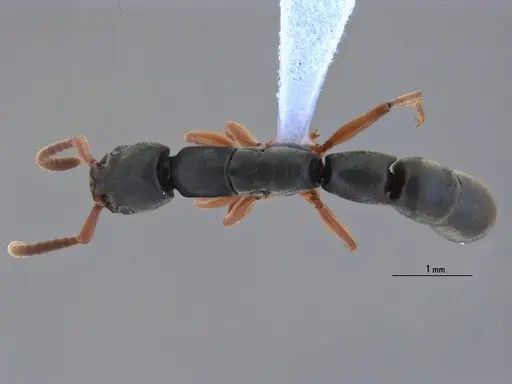
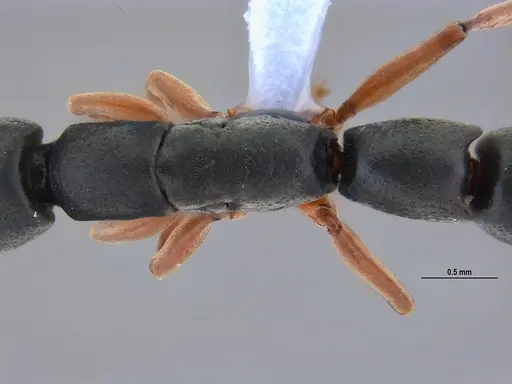
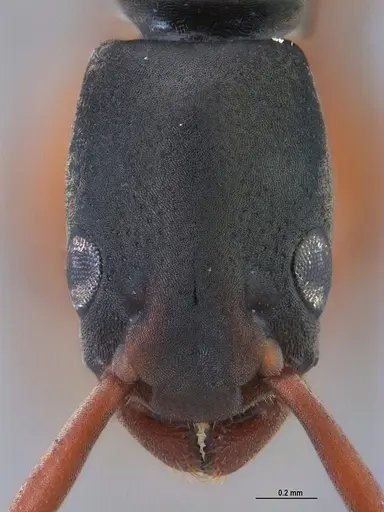
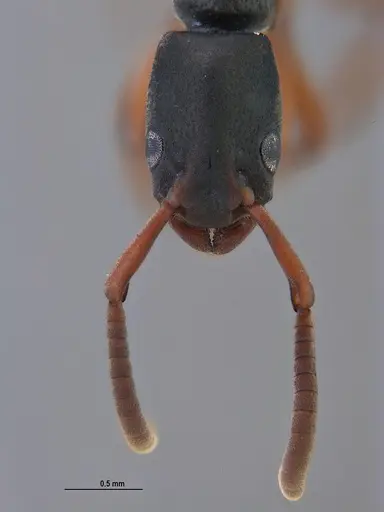
CASENT0178859
View on AntWeb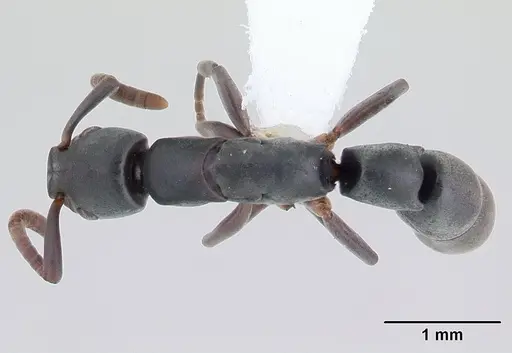
Literature
Loading...Loading products...