

Platythyrea cribrinodis
- Scientific Name
- Platythyrea cribrinodis
- Tribe
- Platythyreini
- Subfamily
- Ponerinae
- Author
- Gerstäcker, 1859
- Distribution
- Found in 5 countries
Platythyrea cribrinodis Overview
Platythyrea cribrinodis is an ant species of the genus Platythyrea. It is primarily documented in 5 countries , including Kenya, Mozambique, Tanzania. Detailed taxonomic data and occurrence records can be further explored via authoritative databases such as AntWeb or the Global Biodiversity Information Facility (GBIF).
Platythyrea cribrinodis
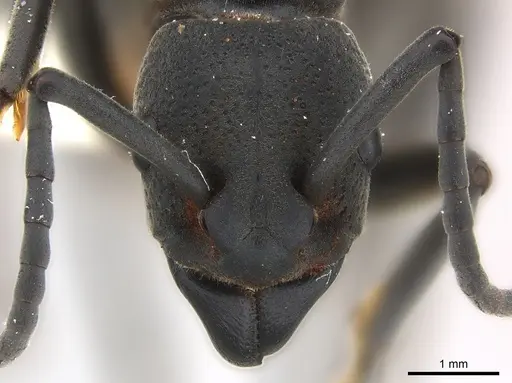
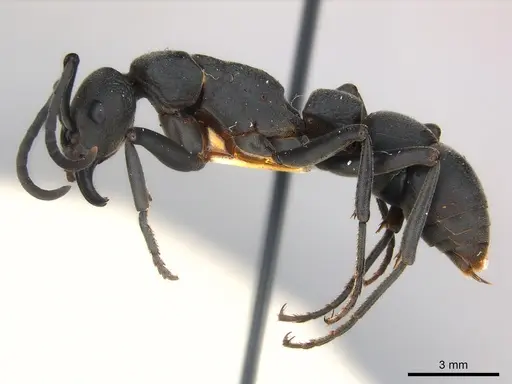
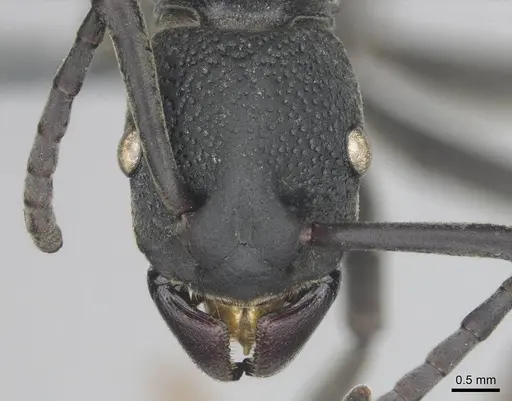
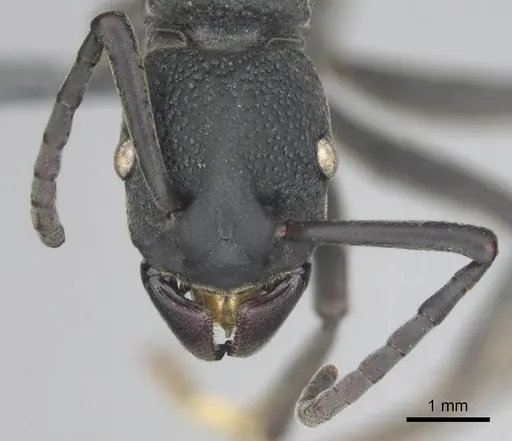
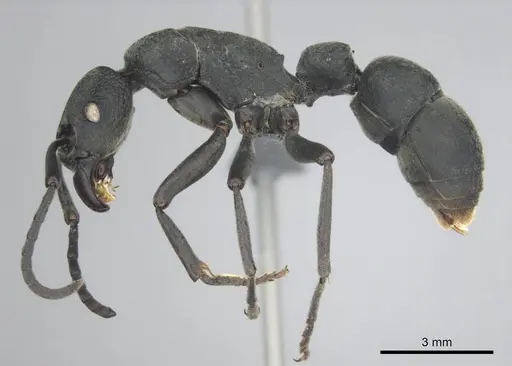
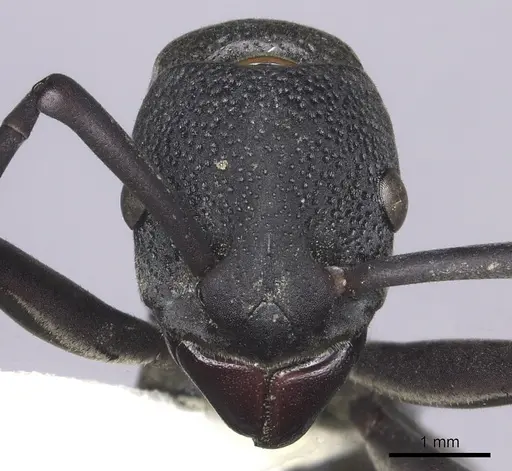
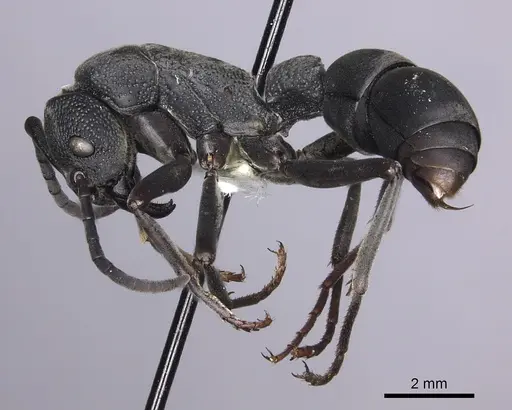
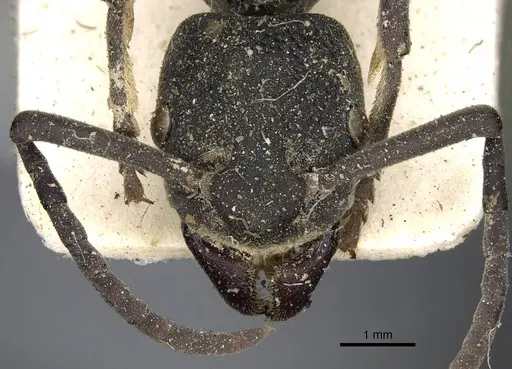
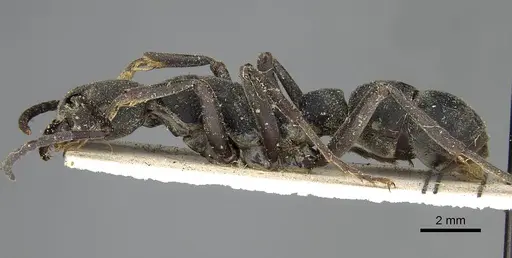
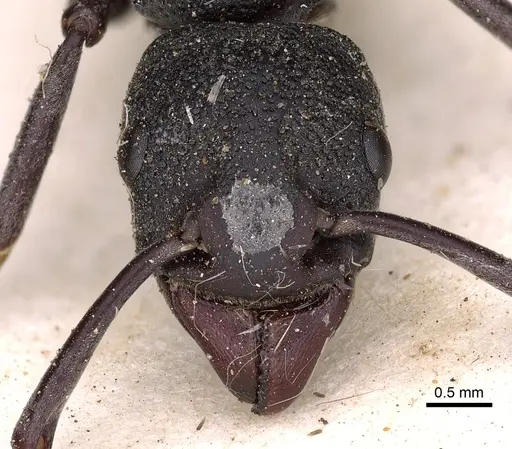
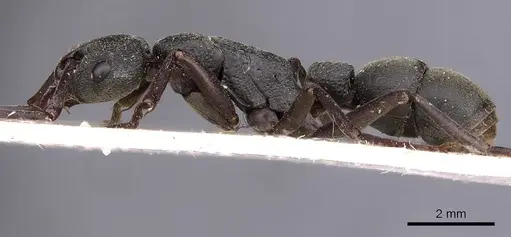
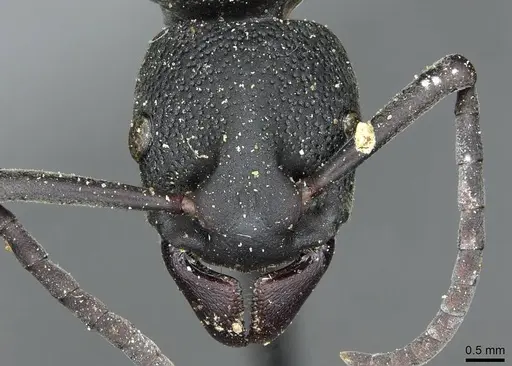
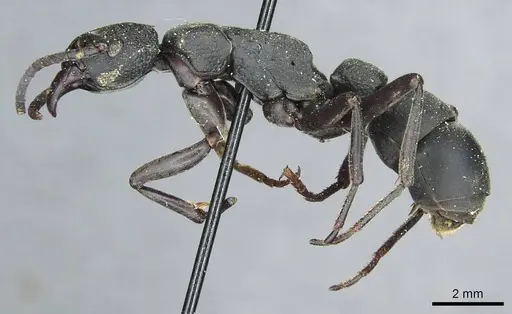
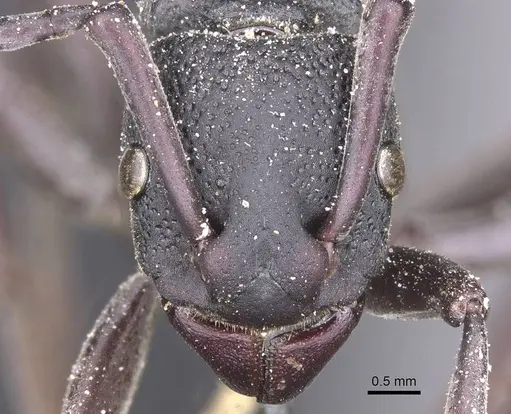
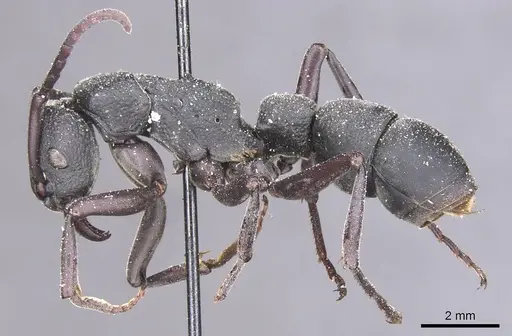
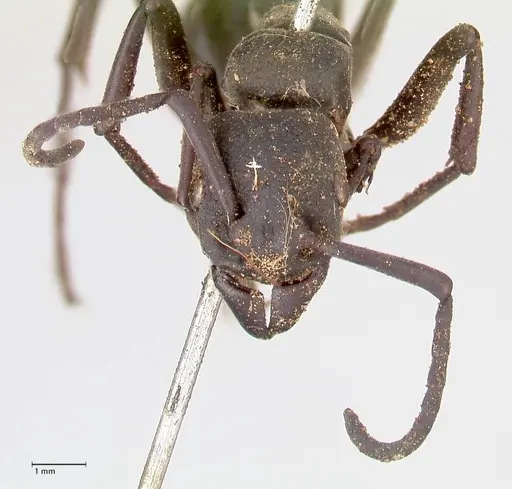
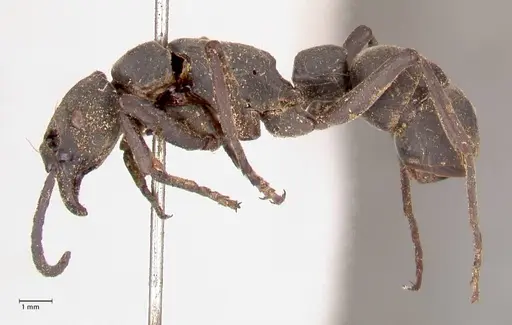
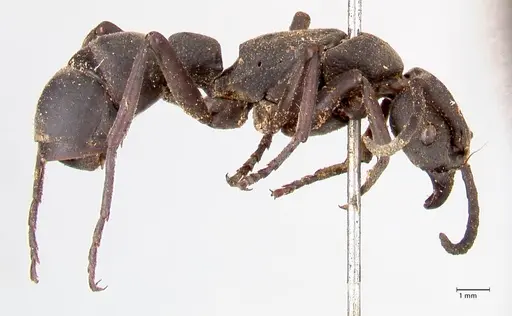
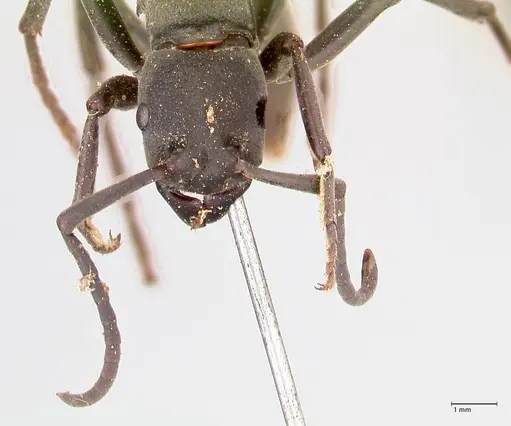
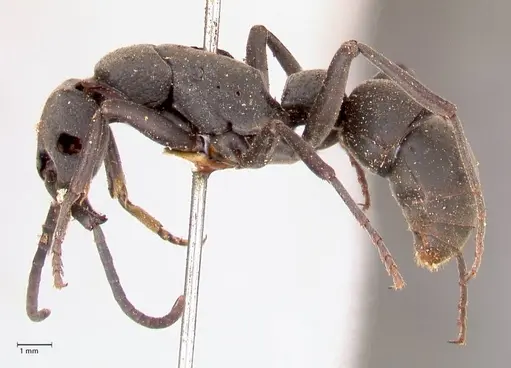
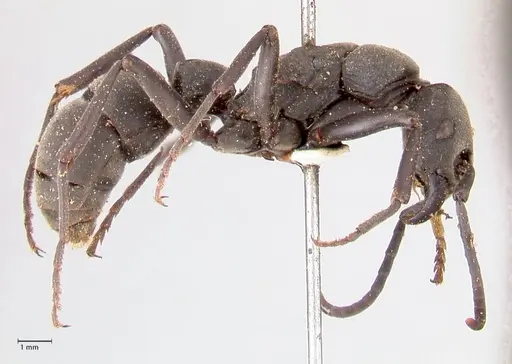
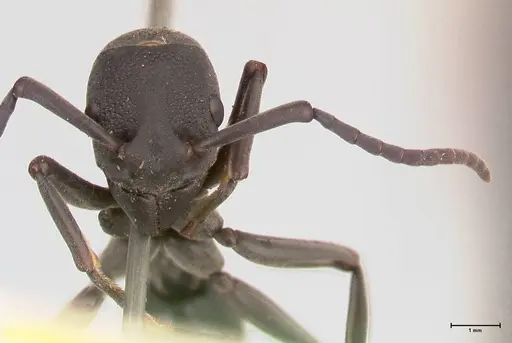
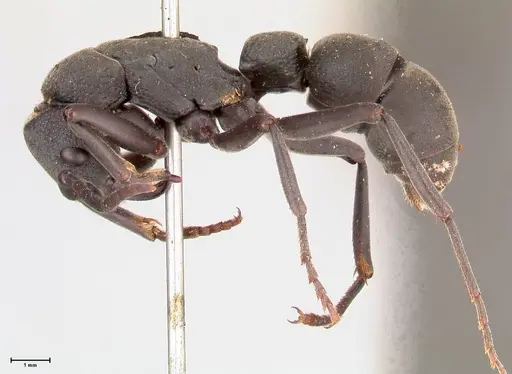
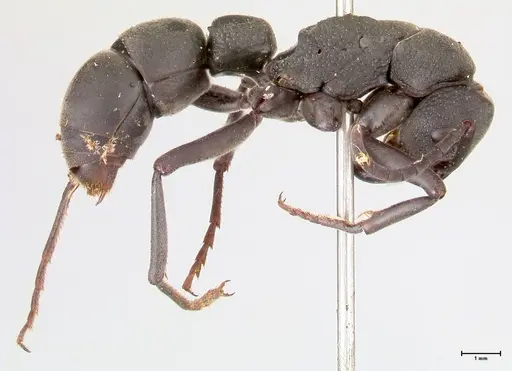
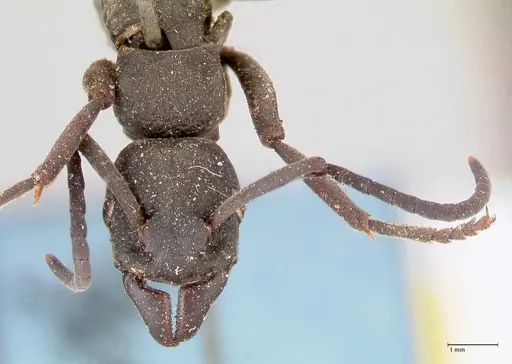
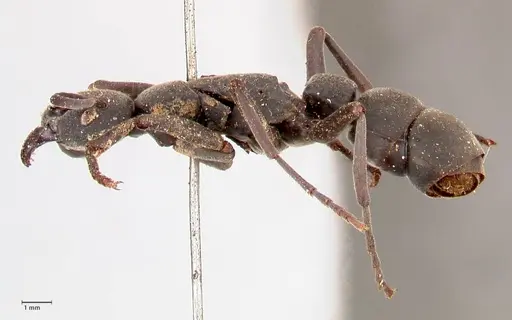
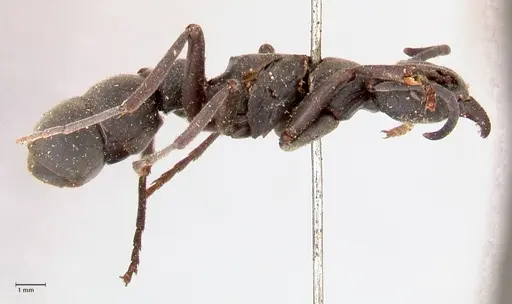
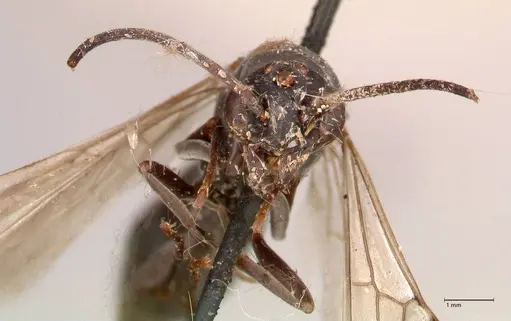
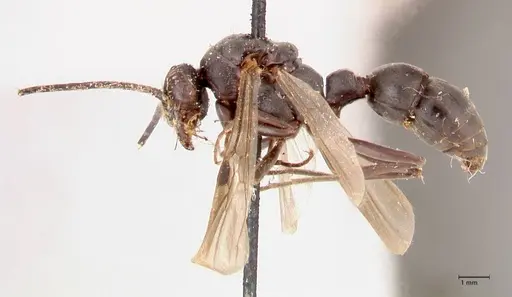
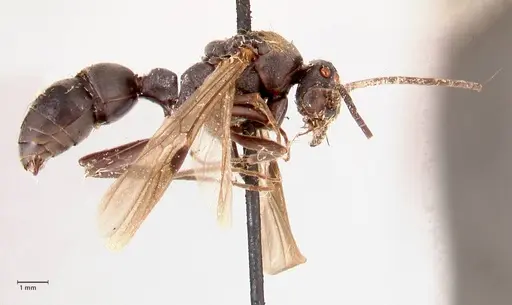
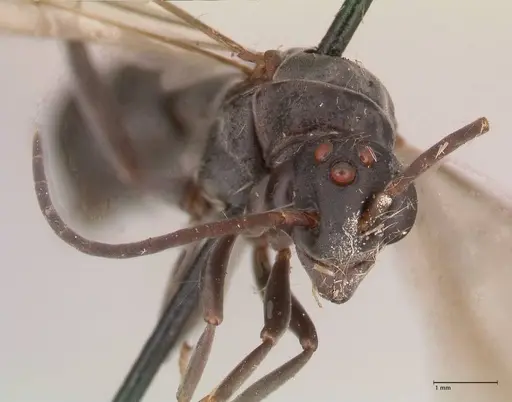
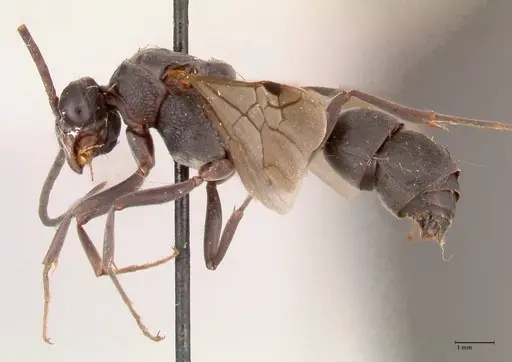
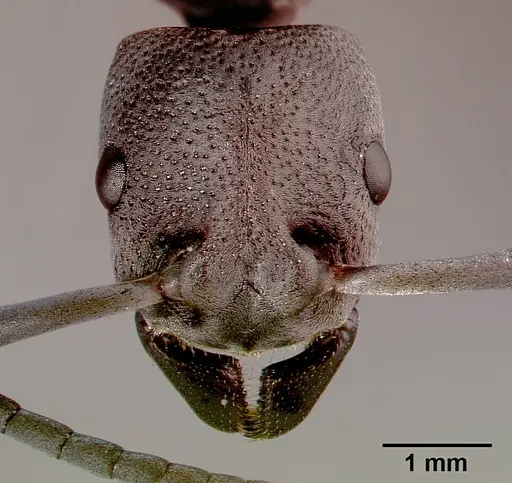
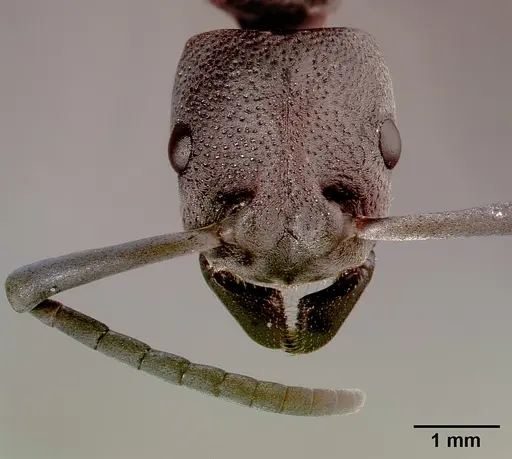
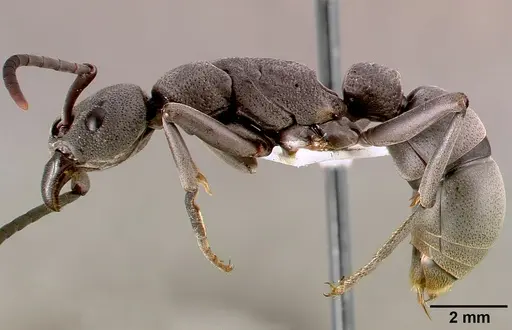
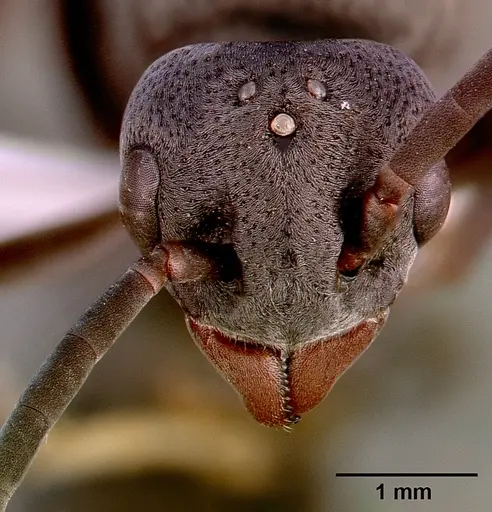
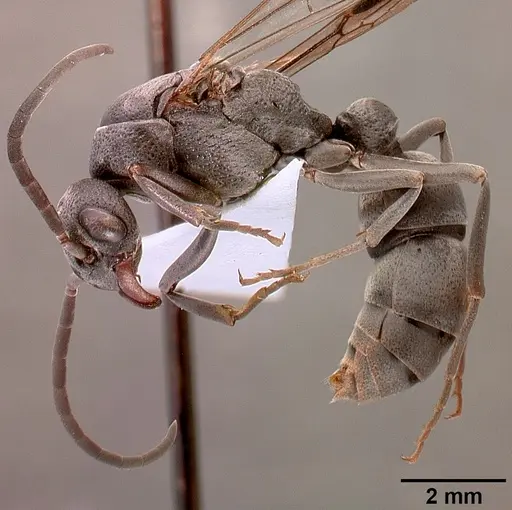
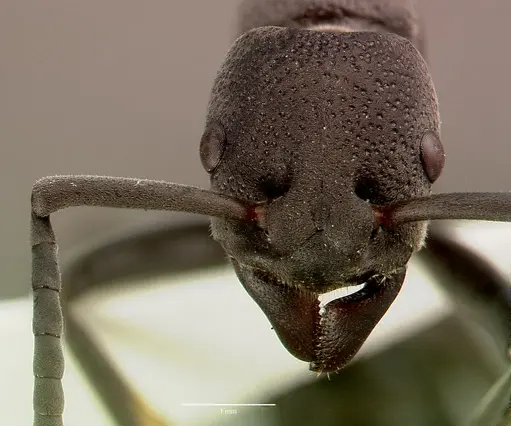
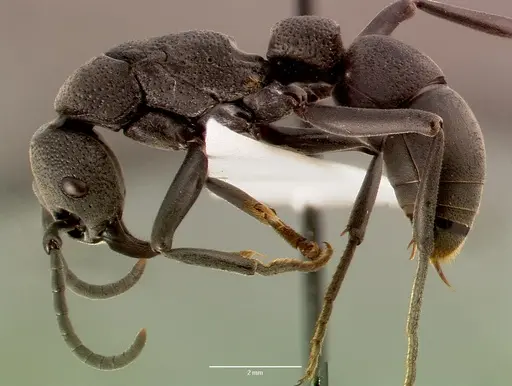
Platythyrea cribrinodis is a large, slender Ponerine ant native to the Afrotropical region, found across eastern and southern Africa from Ethiopia down to Zimbabwe and Mozambique. Workers measure approximately 14-16mm with a distinctive matte black body covered in fine gray tomentum (tiny hairs), giving them a dusty appearance especially on the abdomen. Their head is relatively narrow compared to other Platythyrea species, and they have powerful mandibles suited for their predatory lifestyle. These ants nest in simple ground burrows and forage individually during the day, hunting for insect prey including termites. A notable feature of this species is gamergate reproduction, workers can become reproductive and lay eggs, replacing the need for a permanent queen. Their sting is painful, and caution should be exercised when handling [1][2].
What makes P. cribrinodis particularly interesting is their gamergate system, which is relatively rare among ants. Unlike most ant species where only the queen reproduces, in this species certain workers (called gamergates) can mate and lay eggs. The colony continues to function with these reproductive workers taking over queen duties. They are confirmed generalized predators, using their potent sting to subdue prey [3][4].
Quick Summary
- Difficulty: Medium
- Origin & Habitat: Afrotropical region, found across eastern Africa including Kenya, Tanzania, Uganda, Mozambique, Zimbabwe, Ethiopia, Somalia, and adjacent countries. Inhabits savanna and woodland habitats where they nest in simple ground burrows and forage on the ground surface during daylight hours [1][5].
- Colony Type: Gamergate colony, workers can become reproductive (gamergates) and function as replacement egg-layers. Colonies are typically smaller than many Ponerines, with the reproductive role taken on by mated workers rather than a permanent queen [3].
- Special: Gamergates
- Size & Growth:
- Queen: 14-16mm (estimated from original 7-7.5 lines description) [2]
- Worker: 14-16mm [2]
- Colony: Small to moderate, likely under 200 workers based on typical Ponerine patterns and gamergate system
- Growth: Moderate
- Development: Estimated 6-10 weeks at tropical temperatures based on related Ponerine development (Development time is estimated from similar Ponerine species, no specific data available for this species. Warm temperatures (25-28°C) will accelerate development.)
- Antkeeping:
- Temperature: Keep at 24-28°C (warm tropical conditions). A gentle heat gradient allows workers to regulate their temperature. These are active predators that benefit from warm conditions.
- Humidity: Moderate humidity around 50-70%. Allow the nest substrate to dry partially between waterings. As ground-nesting ants, they tolerate drier conditions than many rainforest species.
- Diapause: No, as an Afrotropical species from equatorial and southern Africa, they do not require hibernation. Keep warm year-round.
- Nesting: Ground-nesting species. In captivity, a soil-based naturalistic setup or Y-tong/plaster nest works well. Provide a layer of moist substrate (2-3cm) that can dry partially. They prefer narrow chambers and passages scaled to their body size.
- Behavior: These are active, predatory ants that forage individually during the day. Workers hunt for insect prey including termites, using their painful sting to subdue victims. They are not aggressive toward humans but will sting if threatened or handled roughly. Escape risk is moderate, they are large ants but good climbers, standard barrier methods work well. Colonies show active hunting behavior with workers readily attacking prey items. The gamergate system means colonies can sustain reproduction even without a queen, though this also means colony growth may be slower than queen-right species.
- Common Issues: gamergate colonies may have slower growth rates than queen-right species, don't panic if development seems slow, painful sting means handling should be minimal and careful, use gentle techniques when moving colonies, as predators, they need regular protein input, starvation is a risk if prey isn't offered frequently enough, ground-nesting means they need proper substrate depth, too shallow and they may not settle, wild-caught colonies may contain parasites that can devastate captive colonies, quarantine and monitor new colonies
Housing and Nest Setup
Platythyrea cribrinodis is a ground-nesting ant that does well in captivity with a simple setup. A naturalistic terrarium with a soil substrate layer of 2-4cm works well, this allows them to dig their own chambers and tunnels. Alternatively, a Y-tong (acrylic) nest with narrow chambers scaled to their 14-16mm body size provides good visibility. For the outworld (foraging area), offer a moderate space where they can hunt and dispose of prey remains. Because they are active predators, ensure the setup allows you to observe hunting behavior. A water test tube setup attached to the nest works for humidity, but avoid overly wet conditions, these ants prefer substrate that can dry partially between waterings. Escape prevention is straightforward as they are large ants, but ensure lid security as they can squeeze through small gaps when determined. [1]
Feeding and Diet
As confirmed generalized predators, P. cribrinodis requires protein-rich food to thrive. Offer small live insects regularly, fruit flies, small crickets, mealworms, and other appropriately-sized invertebrates. They are known to hunt termites in the wild, so termite prey is particularly appropriate if available. Remove uneaten prey after 24-48 hours to prevent mold. While they are primarily predatory, you can occasionally offer a sugar source like diluted honey or sugar water, but protein should form the bulk of their diet. Feed every 2-3 days for established colonies, with prey items offered based on colony size. A well-fed colony will have workers with distended abdomens (indicating they have eaten). [1]
Temperature and Heating
These Afrotropical ants require warm conditions year-round. Maintain temperatures between 24-28°C in the nest area. A heating cable or mat placed on one side of the nest creates a temperature gradient that allows the ants to self-regulate. Place the heating on top of the nest (not underneath) to avoid evaporating moisture too quickly. Room temperature may be sufficient if your home stays in the low-to-mid 20s°C, but monitor colony activity, if workers seem sluggish, provide gentle supplemental heating. Avoid temperatures below 20°C for extended periods as this can slow metabolism and harm brood development. There is no winter dormancy requirement for this species.
Behavior and Colony Dynamics
The most distinctive aspect of P. cribrinodis is their gamergate reproductive system. Unlike most ants where only a queen reproduces, in this species certain workers can become reproductive after mating with males. These gamergates take on the role of egg-laying for the colony. This means colonies can persist and grow even without a traditional queen. Workers are active daytime foragers, hunting individually rather than in groups. They use their sting to subdue prey, which can be painful to humans, handle them gently and avoid provoking defensive responses. The sting pain level is notable (venom LD50 of 42 mg/kg in laboratory tests), so these ants should be respected rather than handled frequently [4].
Growth and Development
Colony growth in gamergate species like P. cribrinodis differs from queen-right ants. Since reproduction depends on workers becoming gamergates (which takes time), initial colony establishment may be slower than species with a founding queen. Once gamergates are established and laying eggs, expect moderate growth rates. Brood development likely takes 6-10 weeks from egg to worker at optimal temperatures (25-28°C), based on similar Ponerine species. The first workers (nanitics) may be smaller but will quickly be replaced by normal-sized workers as the colony grows. Patience is key, don't disturb the colony trying to check on brood development. A healthy colony will show increasing activity and prey-hunting behavior over time.
Frequently Asked Questions
How long does it take for Platythyrea cribrinodis to produce first workers?
Since this is a gamergate species (workers become reproductive), the timeline differs from queen-right ants. Expect 2-4 months for gamergates to become established and begin laying eggs, then another 6-10 weeks for eggs to develop into first workers. Total time from colony establishment to first workers may be 4-6 months or longer, patience is essential with gamergate species.
Can I keep multiple Platythyrea cribrinodis queens together?
This species uses a gamergate system where workers become reproductive rather than having a permanent queen. Multiple unrelated foundresses would likely fight, pleometrosis (multiple queens founding together) has not been documented for this species. If you acquire multiple gamergate workers, they may coexist, but introducing unrelated queens is not recommended.
What do Platythyrea cribrinodis eat?
They are confirmed generalized predators. Feed small live insects regularly, fruit flies, small crickets, mealworms, and other appropriately-sized invertebrates. Termites are a particularly natural prey item. You can occasionally offer sugar sources like honey water, but protein should form the bulk of their diet.
Are Platythyrea cribrinodis good for beginners?
This species is rated as medium difficulty. While their care requirements are straightforward (warm temperatures, regular protein feeding), the gamergate system means slower colony establishment than easier species. They also have a painful sting, which may not be ideal for those who want to handle their ants frequently. Beginners willing to be patient and respect their needs can succeed with them.
Do Platythyrea cribrinodis need hibernation?
No, they do not require hibernation. As an Afrotropical species from equatorial and southern Africa, they are adapted to warm conditions year-round. Keep them at 24-28°C consistently. Temperatures below 20°C for extended periods can be harmful.
How big do Platythyrea cribrinodis colonies get?
Colony size is likely small to moderate, probably under 200 workers based on typical Ponerine patterns and the gamergate reproductive system. They are not known for forming large supercolonies. Growth is also moderate due to the gamergate system.
When should I move Platythyrea cribrinodis to a formicarium?
Start them in a simple setup like a test tube or small container with soil. Once the colony reaches 20-30 workers and you see established foraging patterns, you can move them to a more elaborate setup. A naturalistic terrarium with soil substrate works well for this ground-nesting species.
Why is my Platythyrea cribrinodis colony not growing?
Gamergate species naturally grow more slowly than queen-right ants. Ensure temperatures are warm (24-28°C), protein is offered regularly, and the colony is not disturbed. It can take months for gamergates to become established and begin laying eggs. If the colony appears healthy otherwise, patience is key.
References

This caresheet is licensed under CC BY-SA 4.0 .
CASENT0217122
View on AntWeb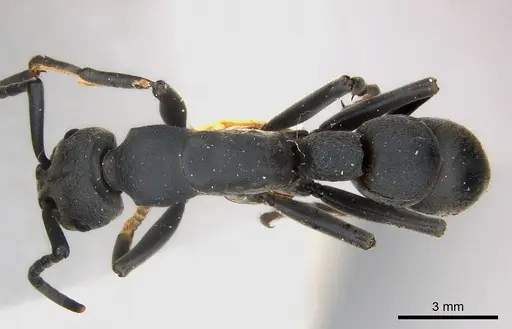
CASENT0252007
View on AntWeb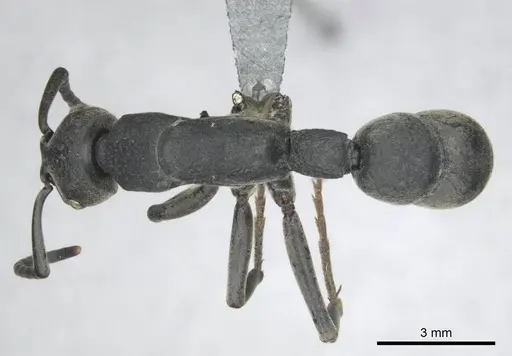
CASENT0260472
View on AntWeb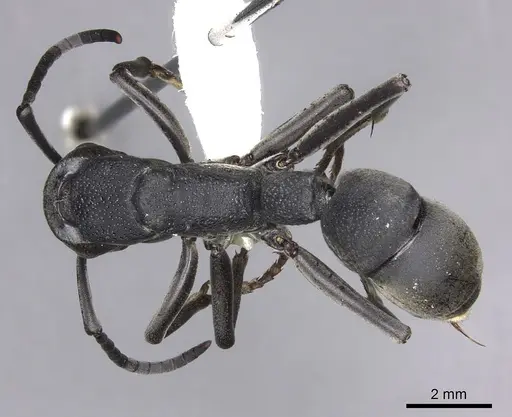
CASENT0752925
View on AntWeb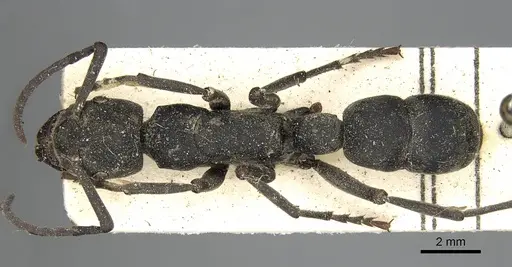
CASENT0778160
View on AntWeb
CASENT0815135
View on AntWeb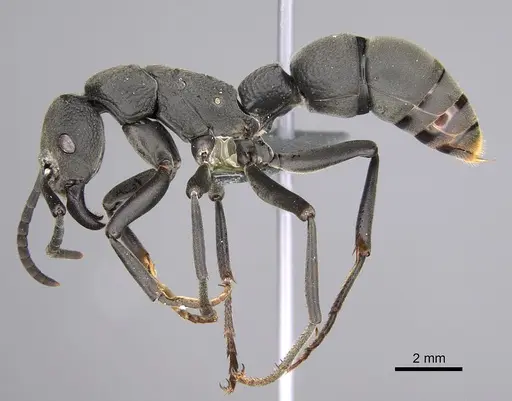
CASENT0900567
View on AntWeb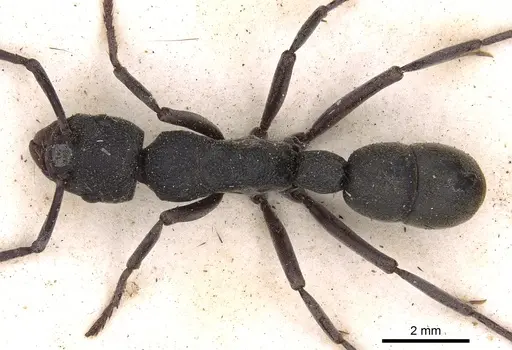
CASENT0913729
View on AntWeb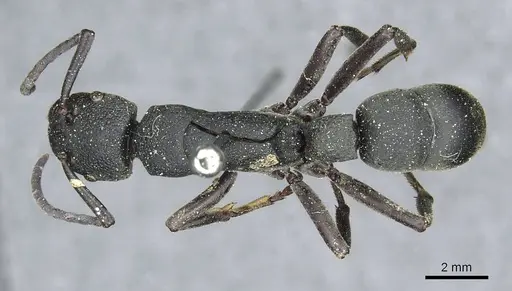
CASENT0915147
View on AntWeb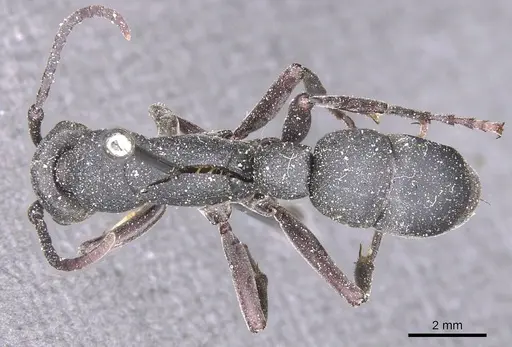
FOCOL0836
View on AntWeb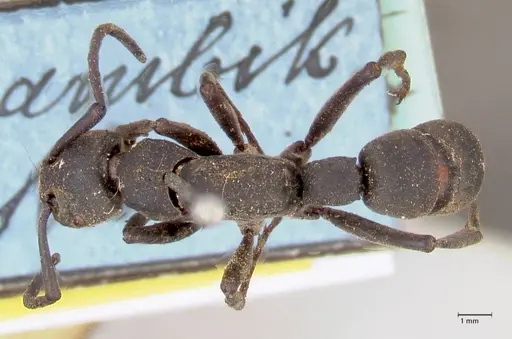
FOCOL0837
View on AntWeb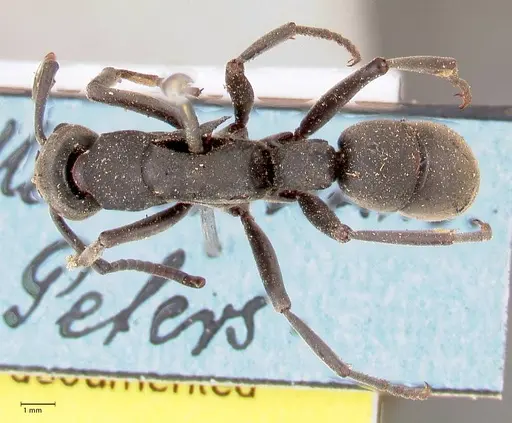
FOCOL0838
View on AntWeb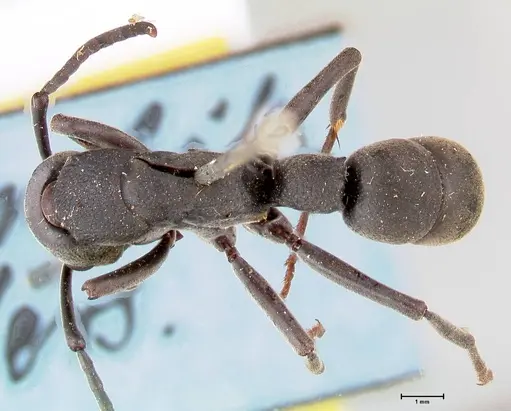
FOCOL0839
View on AntWeb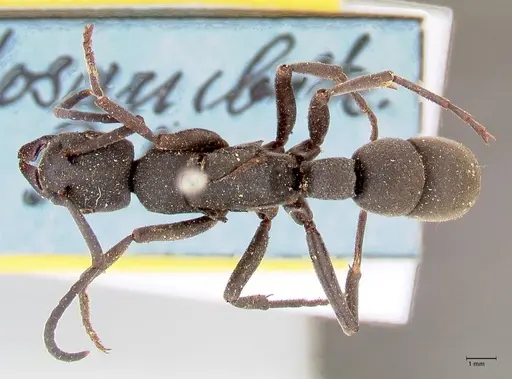
FOCOL0840
View on AntWeb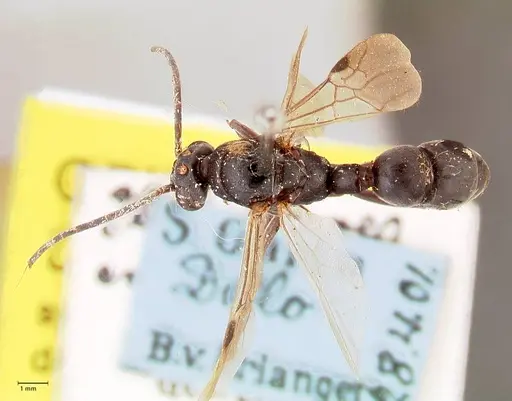
FOCOL0841
View on AntWeb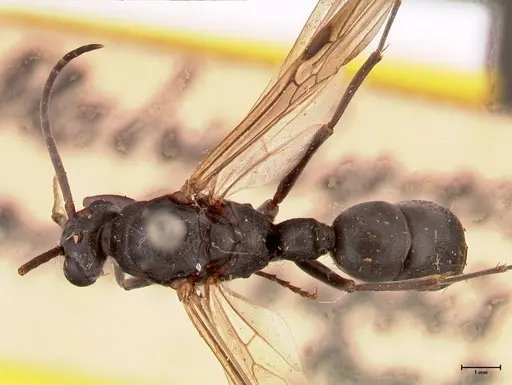
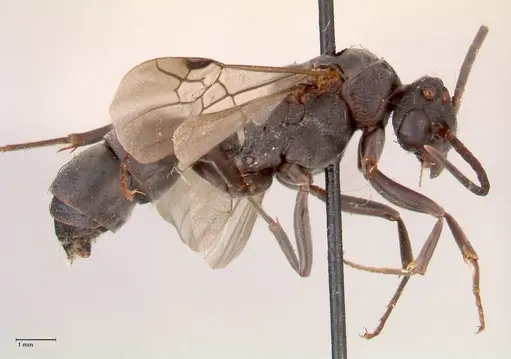
SAM-HYM-C000337A
View on AntWeb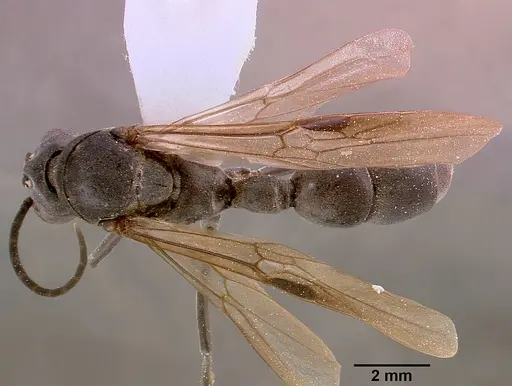
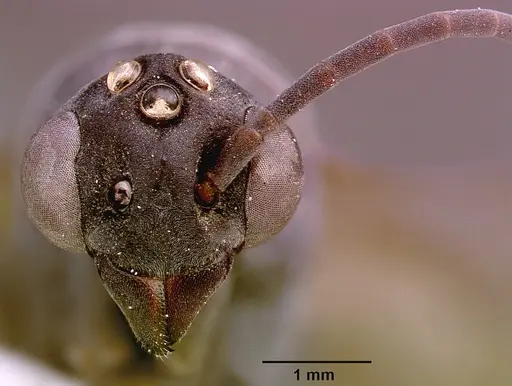
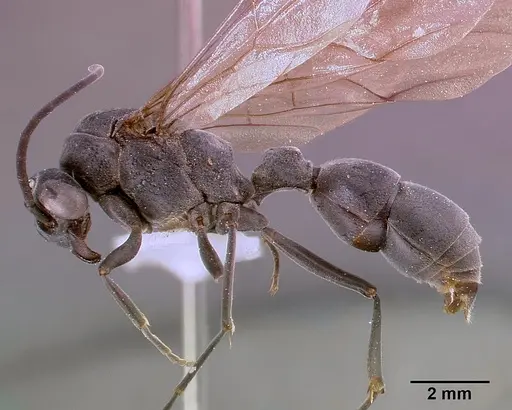
SAM-HYM-C001104B
View on AntWeb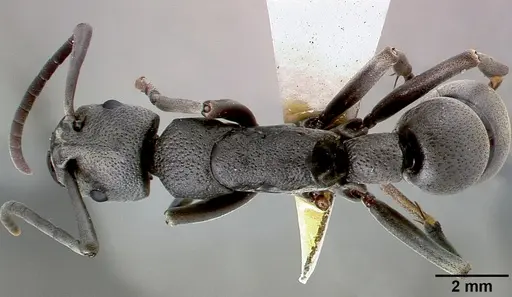
SAM-HYM-C001105A
View on AntWeb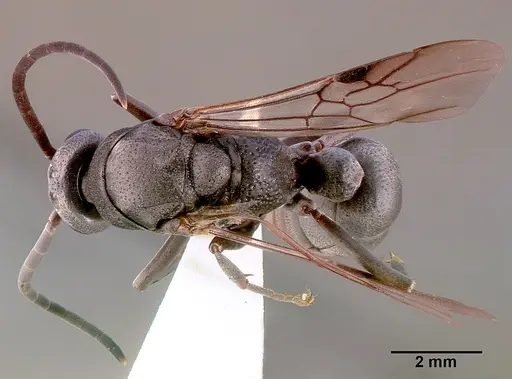
SAM-HYM-C005620A
View on AntWeb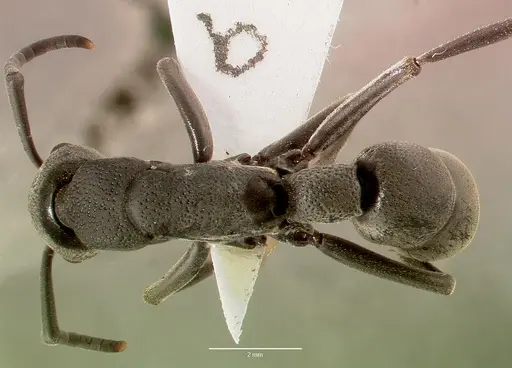
Literature
Loading...Loading products...