

Platythyrea bicuspis
- Scientific Name
- Platythyrea bicuspis
- Tribe
- Platythyreini
- Subfamily
- Ponerinae
- Author
- Emery, 1899
- Distribution
- Found in 1 countries
Platythyrea bicuspis Overview
Platythyrea bicuspis is an ant species of the genus Platythyrea. It is primarily documented in 1 countries , including Madagascar. Detailed taxonomic data and occurrence records can be further explored via authoritative databases such as AntWeb or the Global Biodiversity Information Facility (GBIF).
Platythyrea bicuspis
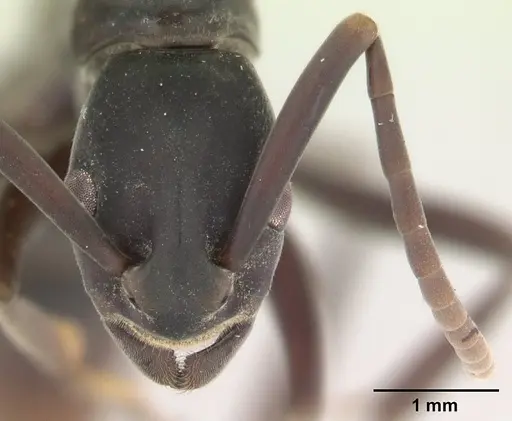
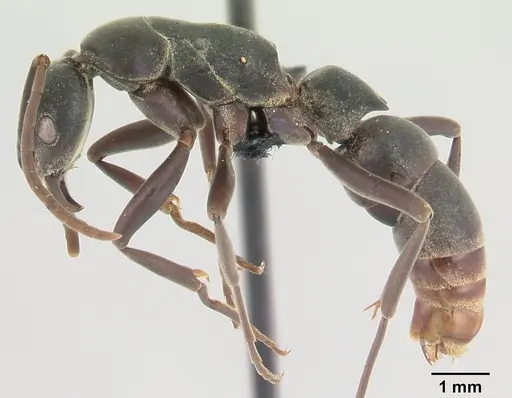
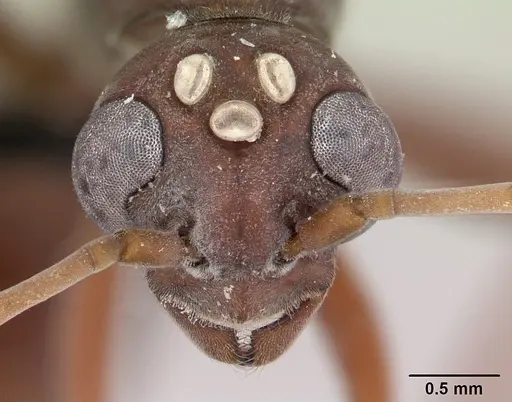
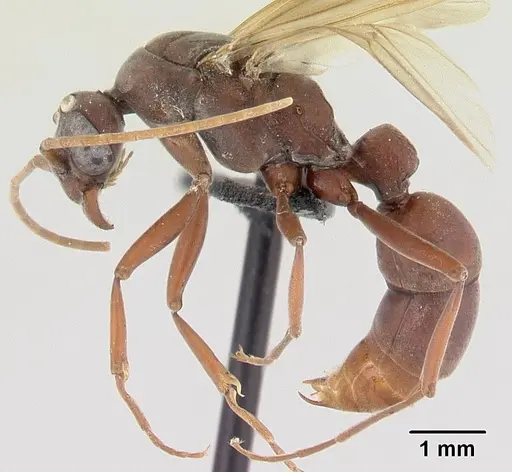
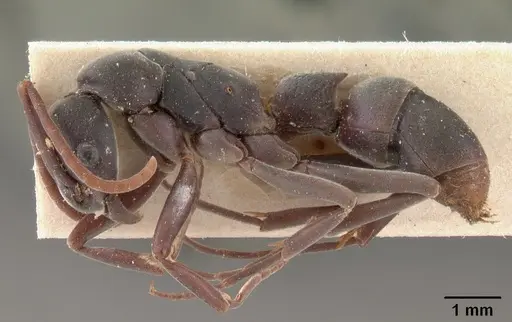
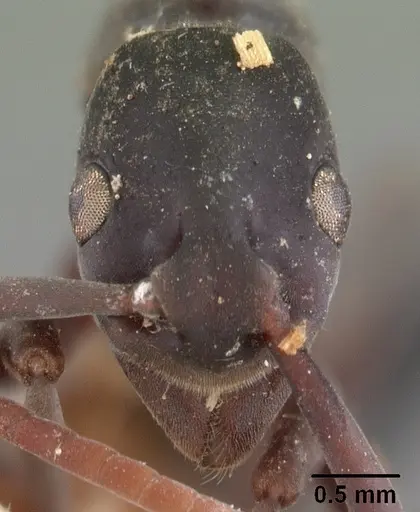
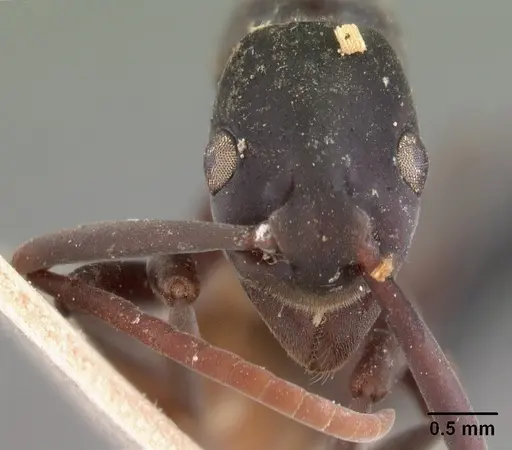
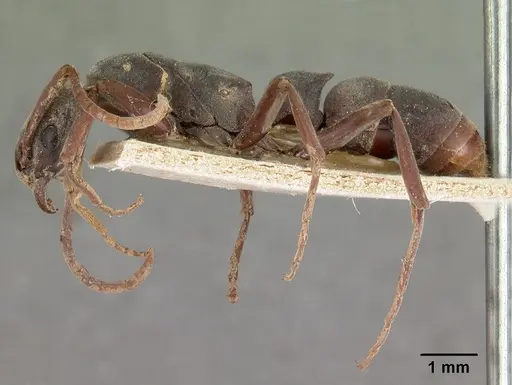
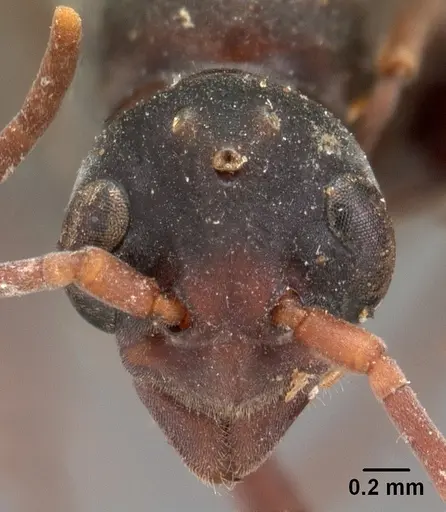
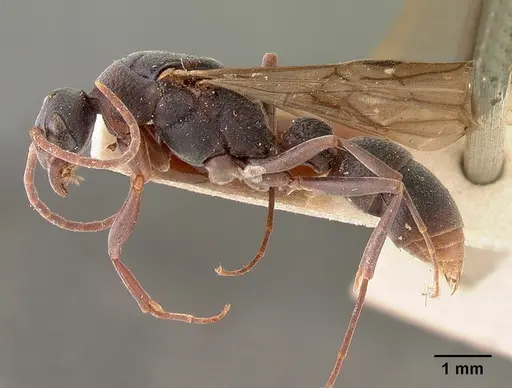
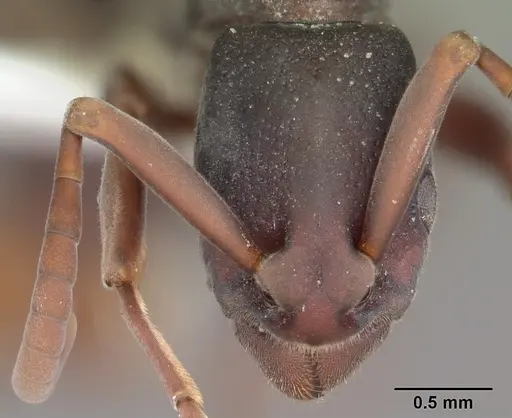
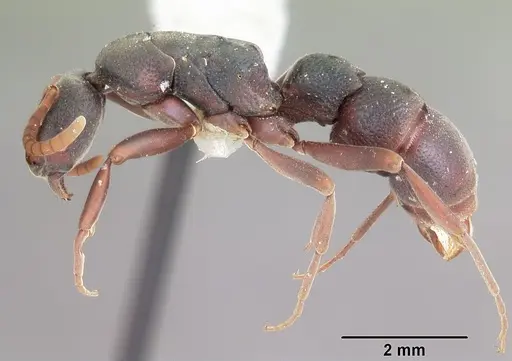
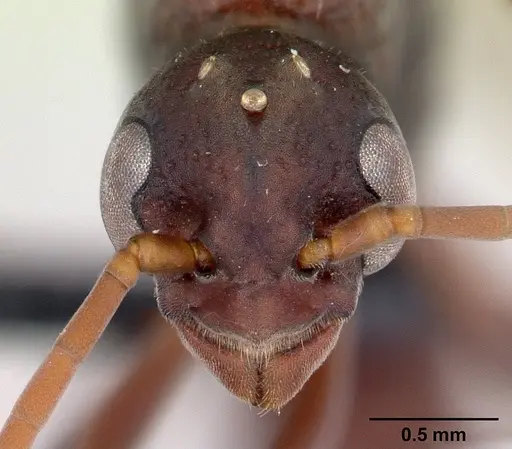
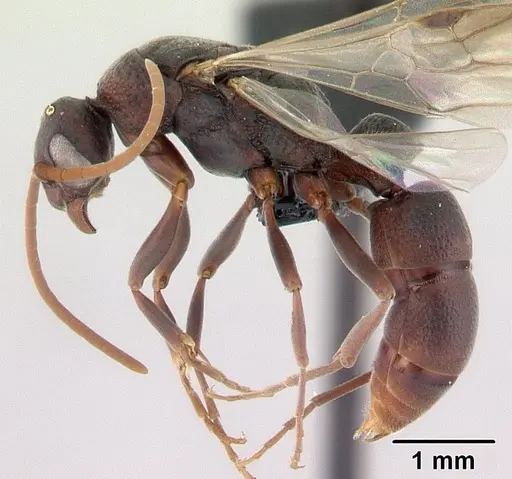
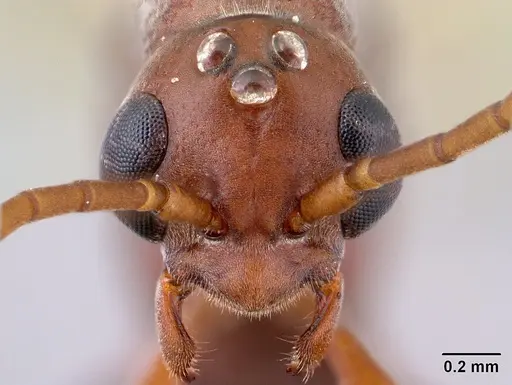
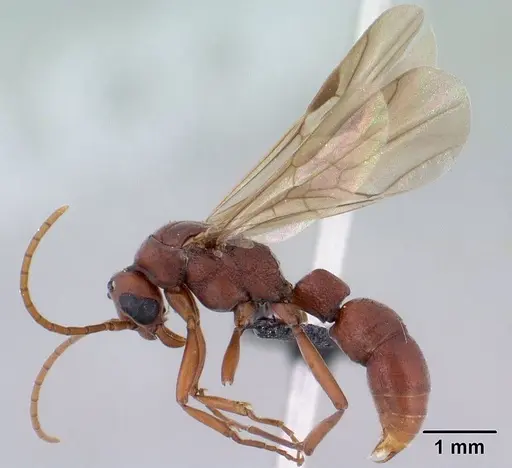
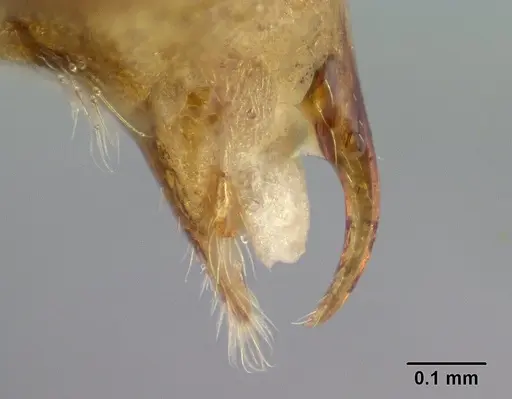
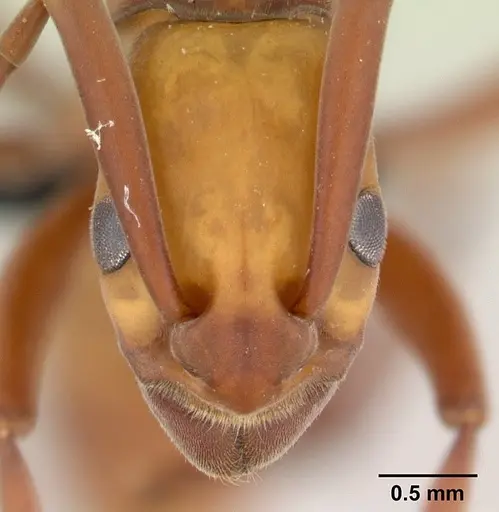
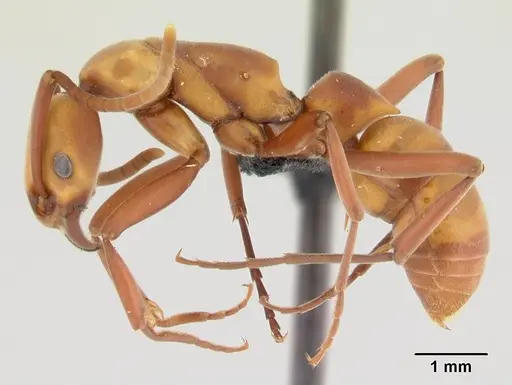
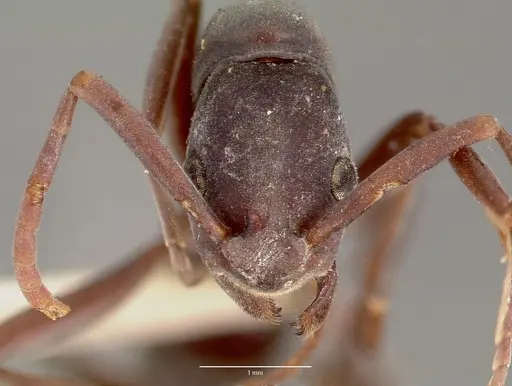
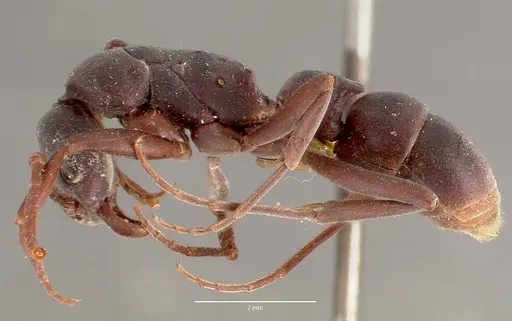
Platythyrea bicuspis is a small to medium-sized ant native only to Madagascar, where it inhabits the island's humid forest regions at mid-elevations around 600-825 meters [1][2][3]. Workers are characterized by their distinctive bidentate (two-toothed) mandibles, which give the species its name 'bicuspis' [4]. This species belongs to the Ponerinae subfamily and is considered phylogenetically basal within this group, meaning it represents an ancient lineage that split off early in Ponerinae evolution [5]. The genus Platythyrea contains about 38 described species distributed across tropical and subtropical regions worldwide, but P. bicuspis is endemic to Madagascar [5]. One of the most fascinating aspects of this species is the discovery of an ergatoid (wingless) male, which is extremely rare in ants and provides unique insights into ant reproductive biology [6].
Quick Summary
- Difficulty: Medium
- Origin & Habitat: Endemic to Madagascar, found in humid forest habitats at elevations between 600-825 meters [1][2][3]. The species is terricolous, meaning it nests in the ground, and is associated with humid forest conditions [7].
- Colony Type: Colony structure is not well documented. The discovery of an ergatoid male suggests the possibility of ergatoid replacement reproductives, but this requires further study [6]. Single-queen colonies are likely based on typical Ponerinae patterns.
- Size & Growth:
- Queen: Estimated 6-8mm based on genus-level patterns, direct measurements unavailable
- Worker: Workers measure approximately 5-7mm based on Weber's Length (WL=3.45) from specimen measurements [7]
- Colony: Unknown, no colony size data available for this species
- Growth: Moderate, inferred from typical Ponerinae development patterns
- Development: Estimated 6-10 weeks based on related Ponerinae species at optimal temperature (Direct development data unavailable, estimate based on genus-level patterns for Ponerinae in tropical environments)
- Antkeeping:
- Temperature: Keep at 22-26°C. Based on mid-elevation Madagascar habitat (600-825m), they prefer warm but not hot conditions. A gentle gradient allowing cooler areas is beneficial.
- Humidity: High humidity is essential, they come from humid forest environments [7]. Keep nest substrate consistently moist but not waterlogged. Provide a humidity gradient with a moist side and slightly drier areas.
- Diapause: Unknown for this species. Madagascar has mild seasons, so a true diapause may not be required, but a slight cooling period during winter months may be beneficial.
- Nesting: Ground-nesting species, they prefer soil-based setups. A naturalistic setup with moist substrate or a Y-tong/plaster nest works well. Provide deep soil chambers for nesting.
- Behavior: This is a predatory Ponerine ant with moderate activity levels. Workers are likely to be generalist predators, hunting small invertebrates. They are not typically aggressive toward keepers but will defend their nest. Escape prevention should be moderate, they are not extremely small but can fit through standard gaps. Their bidentate mandibles suggest they are capable of grasping prey effectively.
- Common Issues: lack of published care information means much is inferred, start with standard Ponerinae care and adjust based on colony response, humidity management is critical, too dry and colonies will fail, but too wet can cause mold, predatory diet requirements may be challenging for beginners, live prey is essential, colony growth may be slow, which can lead to impatience and overfeeding mistakes, the ergatoid male discovery suggests unique reproductive biology that may affect captive colony establishment
Natural History and Distribution
Platythyrea bicuspis is endemic to Madagascar, making it a truly specialized species found nowhere else on Earth [4]. The species has been recorded at several mid-elevation sites across the island, including the Réserve Spéciale d'Anjanaharibe-Sud at 600 meters, the Réserve Naturelle Intégrale d'Andringitra at 825 meters, and the Réserve Naturelle Intégrale d'Andohahela at 800 meters [1][2][3]. These locations represent Madagascar's humid forest ecosystems, which are characterized by high rainfall and consistent moisture throughout the year. The elevation range of 600-825 meters places these ants in the island's mid-mountainous forest zone, where temperatures remain warm but not extreme. The species is terricolous, meaning it nests in the ground, and is associated with humid forest floor microhabitats [7]. This specialization to Madagascar's unique environment makes P. bicuspis a particularly interesting species for antkeepers seeking something truly distinctive.
Phylogenetic Significance
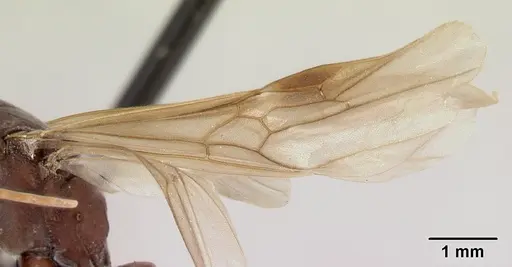
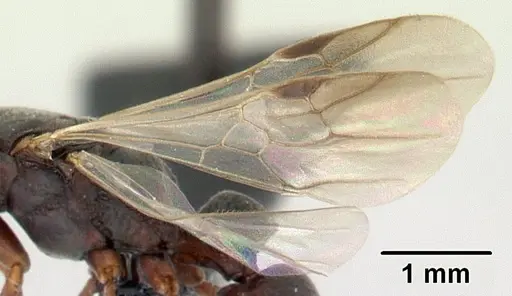
Platythyrea bicuspis holds a special place in ant systematics as part of a phylogenetically basal lineage within the Ponerinae subfamily [5]. Molecular studies have confirmed that Platythyrea forms a sister clade to all other Ponerinae ants, meaning this genus represents an ancient split from the main Ponerine lineage that occurred very early in their evolutionary history [5]. This makes the genus, including P. bicuspis, particularly important for understanding how ants evolved. Brown (1975) originally suggested this relationship based on morphological features, noting that workers and queens of Platythyrea possess a unique palp formula of six maxillary and four labial palpomeres that distinguishes them from other Ponerinae [5]. The discovery of an ergatoid (wingless) male in this species in 2016 was the first documented case for the entire genus Platythyrea, adding another layer of scientific interest [6]. For antkeepers, this phylogenetic significance means caring for P. bicuspis is like keeping a living piece of ant evolutionary history.
Housing and Nesting
Based on the species' terricolous (ground-nesting) nature and humid forest habitat, you should provide a soil-based nesting environment [7]. A naturalistic setup with a deep soil layer works best, aim for at least 5-10cm of moist substrate that remains damp but never waterlogged. You can use a mixture of soil and sand for structure, with some leaf litter or decaying wood pieces to simulate the forest floor. Alternatively, a Y-tong (acrylic) nest with moist plaster or soil insert can work well. The key is maintaining high humidity while ensuring good ventilation to prevent mold. Provide a humidity gradient by keeping one side moister than the other, allowing the ants to self-regulate. The outworld should include a water source and areas for foraging. Since they come from mid-elevation humid forests, avoid dry conditions entirely.
Feeding and Diet
As a Ponerine ant, Platythyrea bicuspis is likely primarily predatory, hunting small invertebrates in nature like other members of this subfamily. You should offer a diet based on live small prey such as fruit flies, pinhead crickets, small mealworms, and other appropriately-sized insects. Protein-rich foods are essential for brood development. While some Ponerinae will accept sugar sources, this varies by species, and acceptance is uncertain for P. bicuspis specifically. Offer sugar water or honey occasionally, but do not rely on these as primary food sources. Feed prey items 2-3 times per week, adjusting based on colony size and consumption. Remove any uneaten prey after 24-48 hours to prevent mold. A varied diet helps ensure proper nutrition for growing larvae.
Temperature and Humidity Requirements
Based on the species' mid-elevation Madagascar habitat (600-825m), aim for temperatures in the range of 22-26°C [1][2][3]. This represents warm but not hot conditions typical of humid forest environments. You can use a heating cable on one side of the nest to create a gentle gradient, but ensure cooler areas are available as well. Temperature is likely more flexible than humidity, the key requirement is consistently high humidity. The research data confirms this species is associated with humid conditions (humid=1) [7]. Use a moisture-retaining substrate and consider covering part of the nest to reduce evaporation. Monitor for condensation, some condensation is good, but excessive pooling indicates too much moisture. A digital hygrometer can help you monitor conditions, but visual inspection of substrate moisture is often more practical.
Colony Establishment and Growth
Establishing a colony of Platythyrea bicuspis may present challenges due to the limited available information about their specific colony founding behavior. Most Ponerinae species are claustral, meaning the queen seals herself in a chamber and raises her first workers using stored fat reserves without foraging. However, this has not been confirmed for P. bicuspis specifically. If you obtain a founding queen, provide her with a small, moist test tube or similar setup and monitor for claustral behavior. Expect the first workers (nanitics) to emerge in approximately 6-10 weeks if following typical Ponerinae development patterns, though this is an estimate. Colony growth is likely moderate rather than rapid. Be patient, Ponerine colonies often grow more slowly than many common ant species. The discovery of an ergatoid male suggests unique reproductive biology that may affect how colonies establish in captivity [6].
Frequently Asked Questions
How long does it take for Platythyrea bicuspis to produce first workers?
The exact timeline is unknown, but based on typical Ponerinae development patterns, expect approximately 6-10 weeks from egg to first worker at optimal temperature (22-26°C). This is an estimate rather than a confirmed value for this specific species.
What do Platythyrea bicuspis ants eat?
They are likely predatory like other Ponerinae ants. Feed small live prey such as fruit flies, pinhead crickets, small mealworms, and other tiny insects. Protein is essential for brood development. Sugar sources may be accepted occasionally but should not be the primary food.
Are Platythyrea bicuspis ants aggressive?
They are not typically aggressive toward humans but will defend their nest if threatened. As predators, they have functional stingers, though the pain level is unknown. They are not considered dangerous to keepers.
What temperature and humidity do Platythyrea bicuspis need?
Keep them at 22-26°C with high humidity. They come from humid Madagascar forests at 600-825m elevation. The nest substrate should remain consistently moist but not waterlogged.
Can I keep Platythyrea bicuspis in a test tube?
A test tube can work for a founding queen, but established colonies will need more space. A naturalistic setup with moist soil or a Y-tong nest with moisture-retaining substrate is more appropriate for growing colonies.
Is Platythyrea bicuspis good for beginners?
This species is rated as Medium difficulty. The lack of published care information means you may need to experiment with conditions. Their humidity requirements and predatory diet make them more challenging than common species like Lasius or Camponotus.
Do Platythyrea bicuspis ants need hibernation?
Diapause requirements are unknown for this species. Madagascar has mild seasons, so a true hibernation may not be necessary. A slight cooling period during winter months may be beneficial, but this is not confirmed.
How big do Platythyrea bicuspis colonies get?
Colony size is unknown, no data is available on maximum colony size for this species. Based on typical Ponerinae patterns, colonies are likely moderate in size rather than extremely large.
Where is Platythyrea bicuspis found in the wild?
This species is endemic to Madagascar, found only on the island. It has been recorded at several mid-elevation sites (600-825m) in humid forest regions including the Réserve Spéciale d'Anjanaharibe-Sud and Réserve Naturelle Intégrale d'Andohahela [1][2][3].
What makes Platythyrea bicuspis special compared to other ants?
This species is phylogenetically basal within Ponerinae, representing an ancient evolutionary lineage. It is also one of only a few ant species where an ergatoid (wingless) male has been documented. Being endemic to Madagascar makes it a truly unique species found nowhere else on Earth [5][6].
References

This caresheet is licensed under CC BY-SA 4.0 .
CASENT0048678
View on AntWeb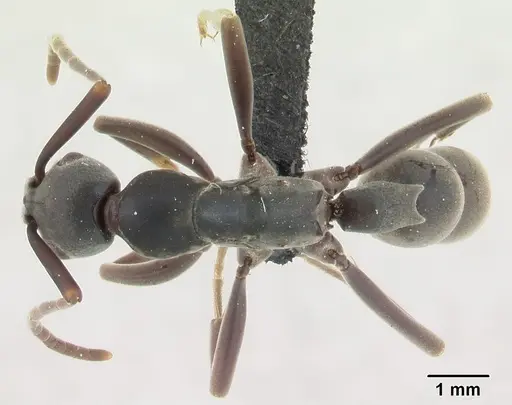
CASENT0050289
View on AntWeb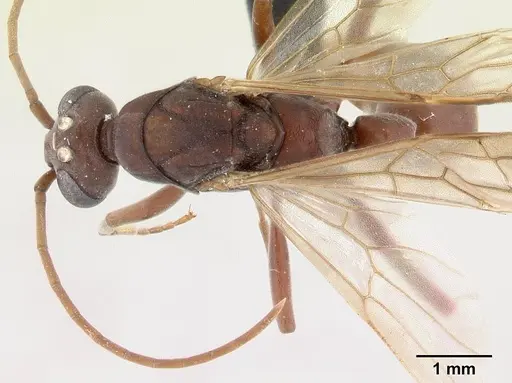
CASENT0101766
View on AntWeb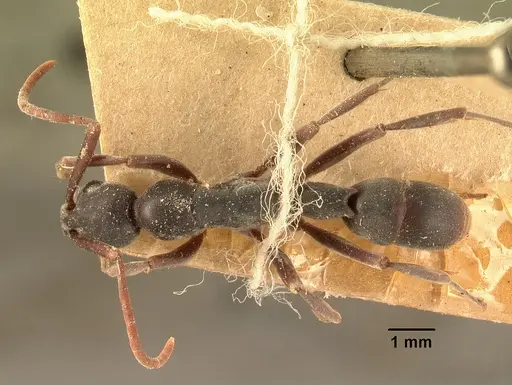
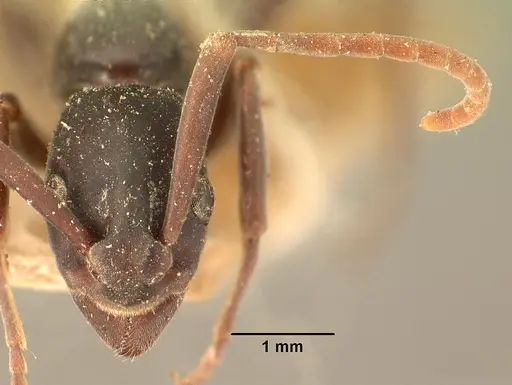
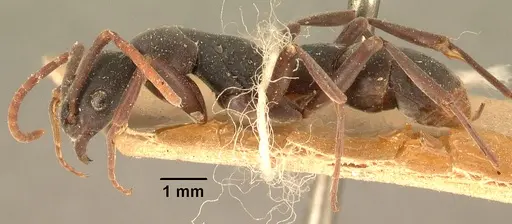
CASENT0102004
View on AntWeb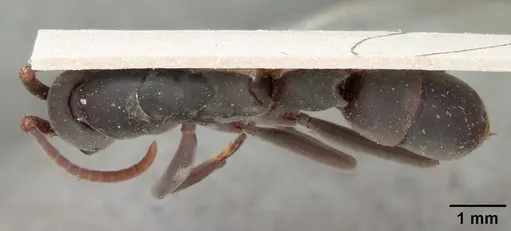
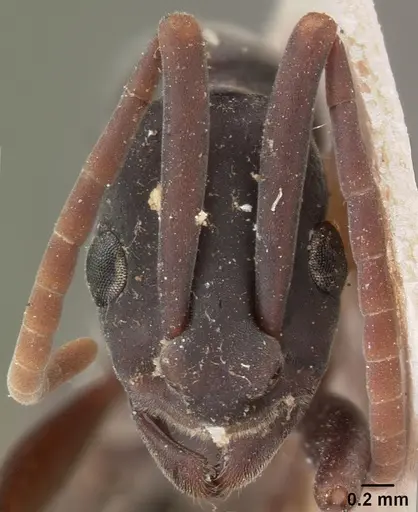
CASENT0102005
View on AntWeb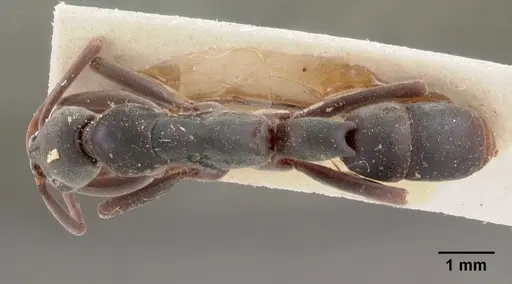
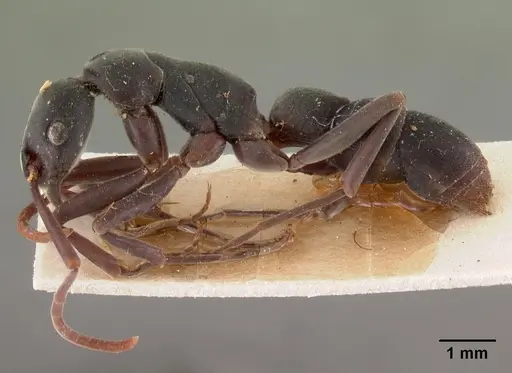
CASENT0102006
View on AntWeb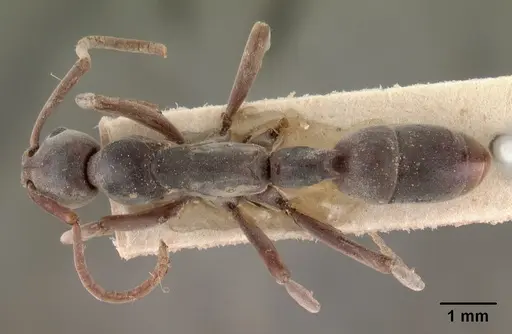
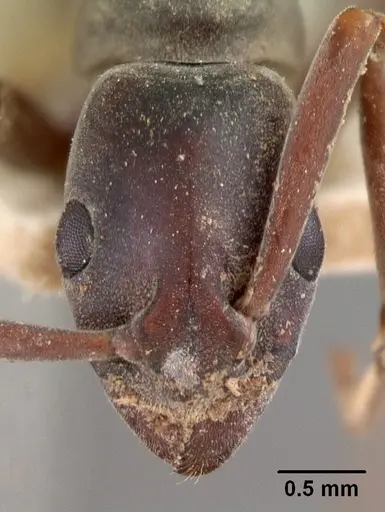
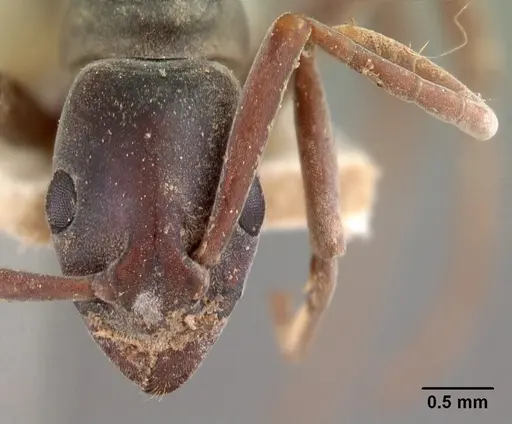
CASENT0102007
View on AntWeb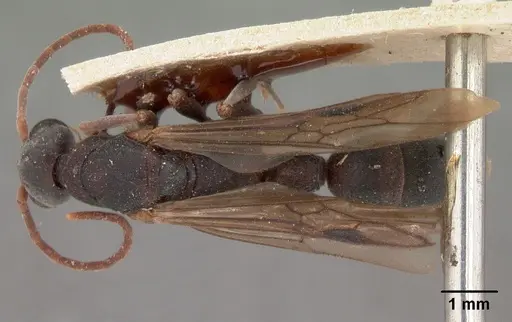
CASENT0102930
View on AntWeb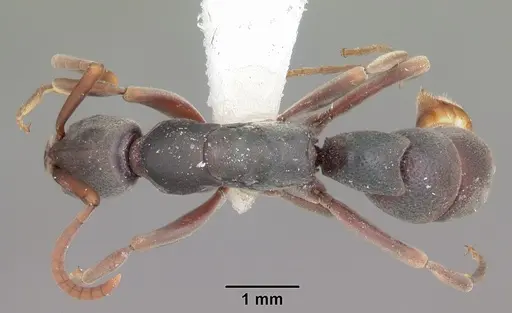
CASENT0117208
View on AntWeb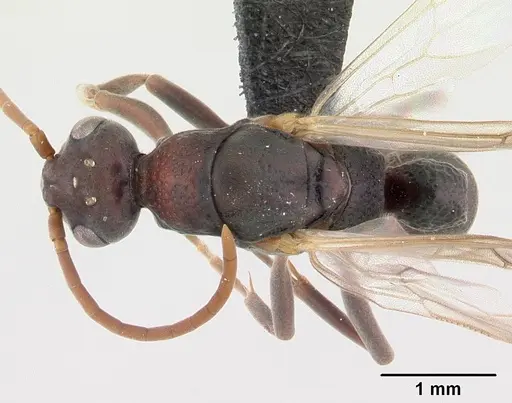
CASENT0138492
View on AntWeb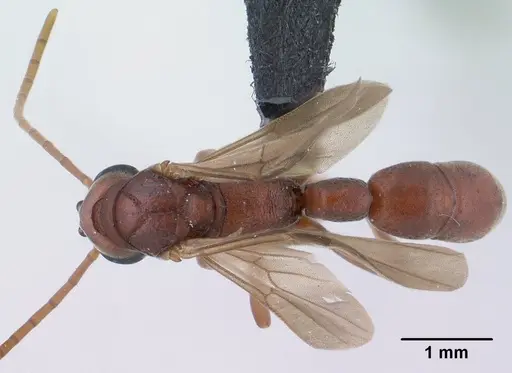
CASENT0497789
View on AntWeb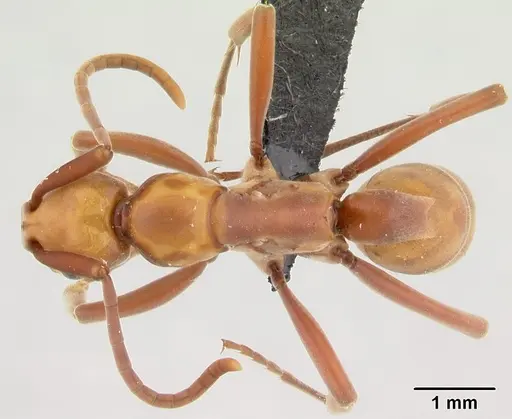
CASENT0923532
View on AntWeb
MCZTYPE20378
View on AntWeb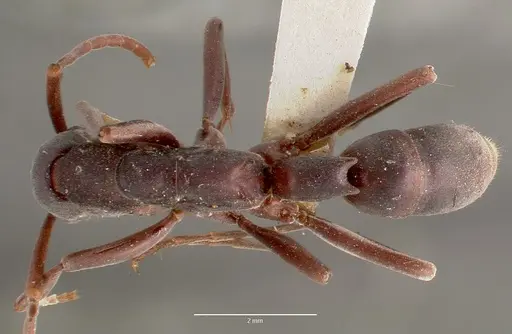
Literature
Loading...Loading products...