

Platythyrea arthuri
- Scientific Name
- Platythyrea arthuri
- Tribe
- Platythyreini
- Subfamily
- Ponerinae
- Author
- Forel, 1910
- Distribution
- Found in 3 countries
Platythyrea arthuri Overview
Platythyrea arthuri is an ant species of the genus Platythyrea. It is primarily documented in 3 countries , including Comoros, Madagascar, Mayotte. Detailed taxonomic data and occurrence records can be further explored via authoritative databases such as AntWeb or the Global Biodiversity Information Facility (GBIF).
Platythyrea arthuri
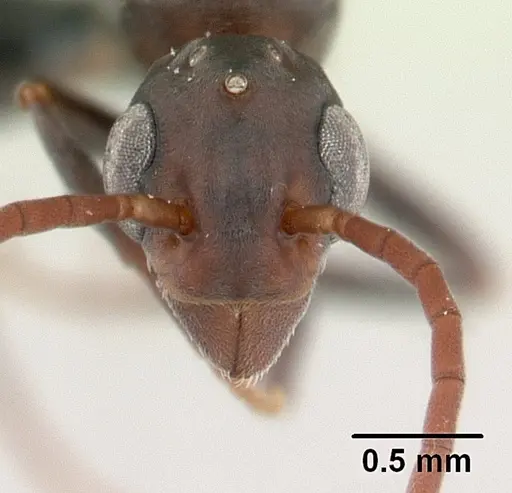
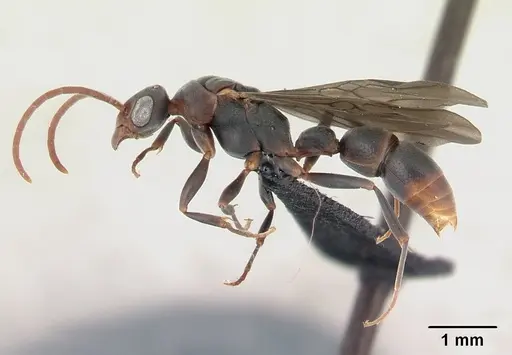
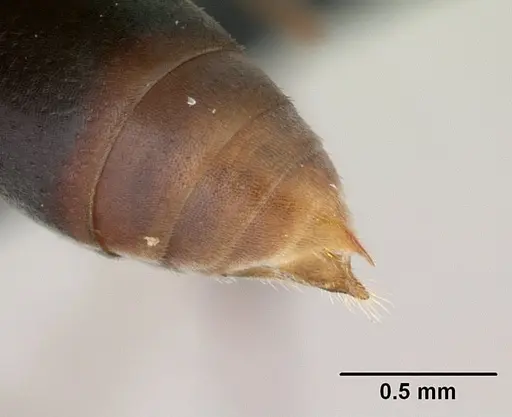
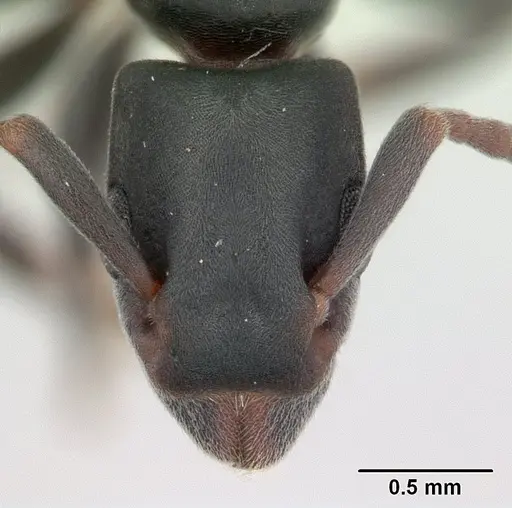
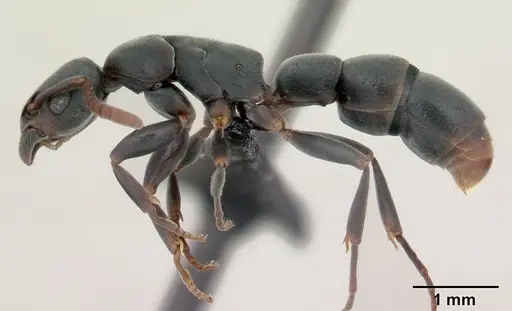
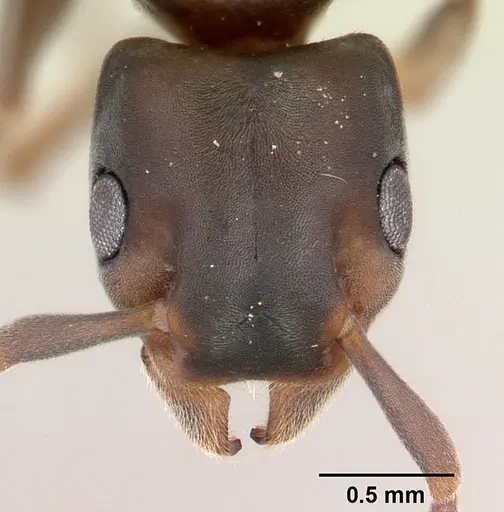
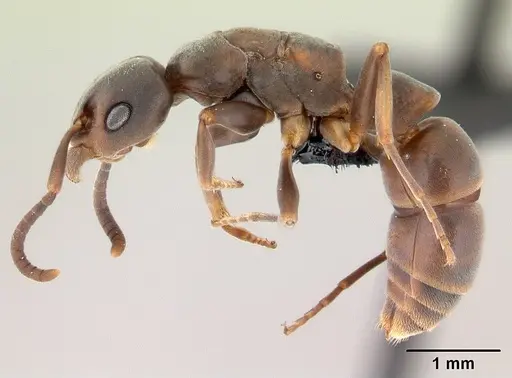
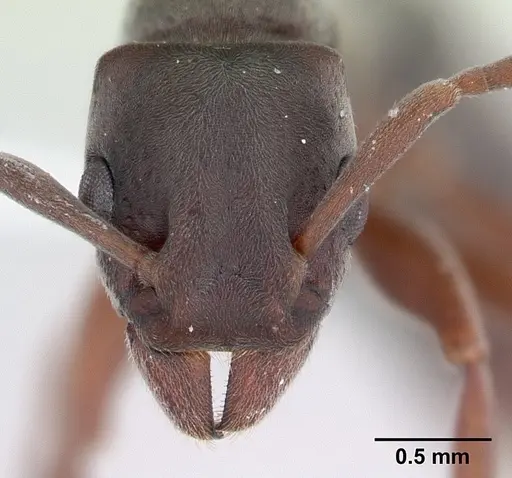
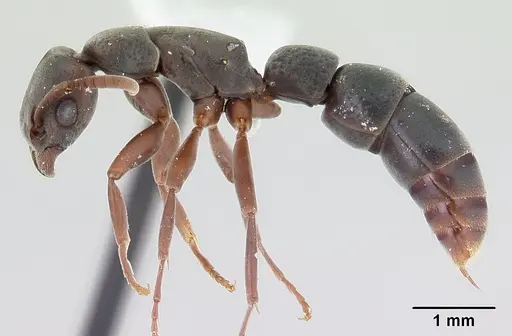
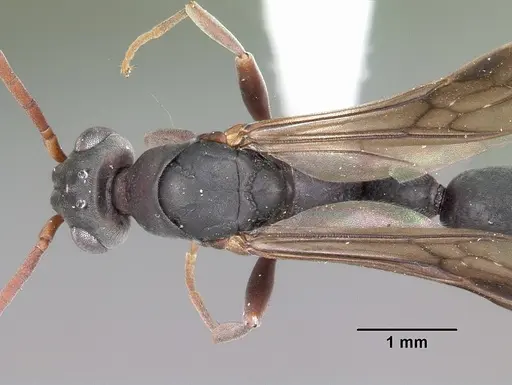
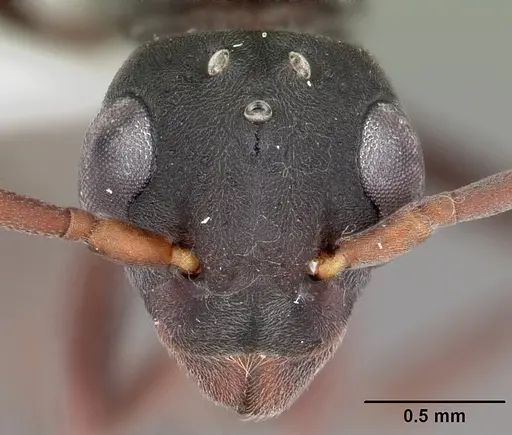
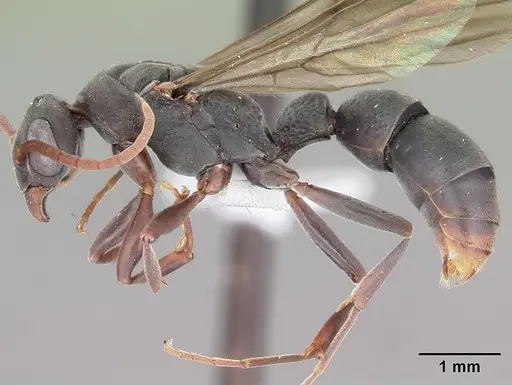
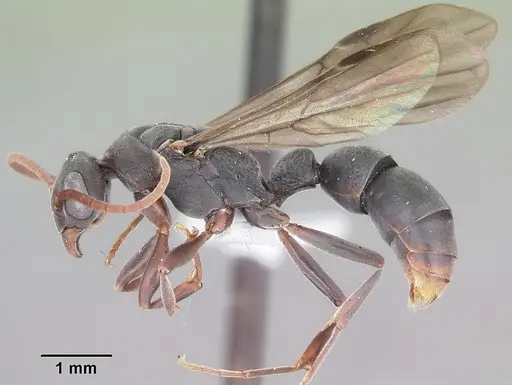
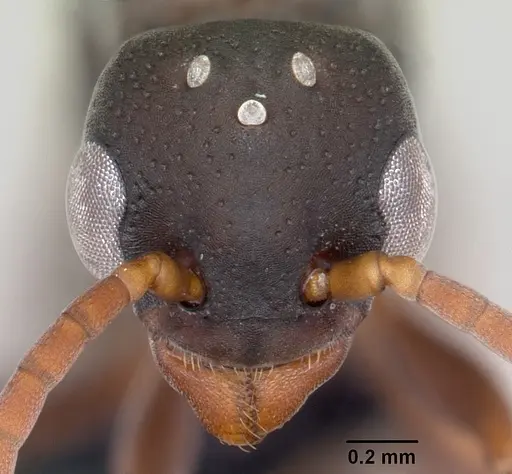
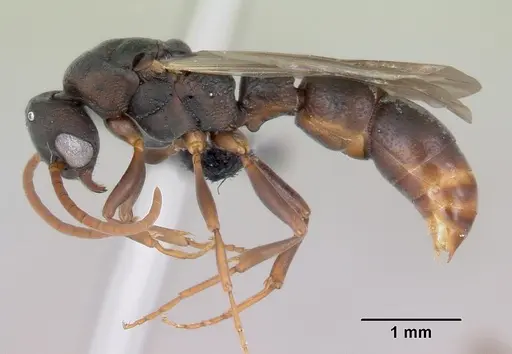
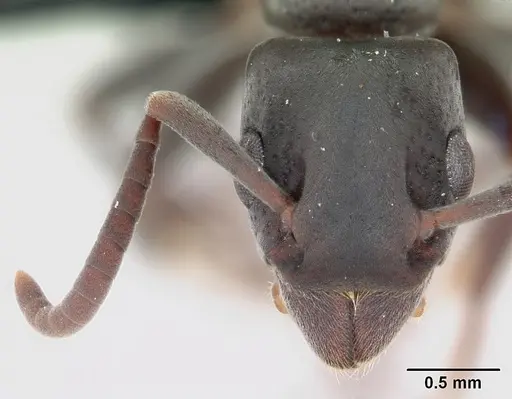
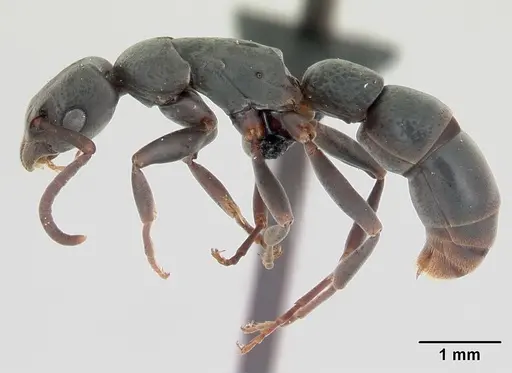
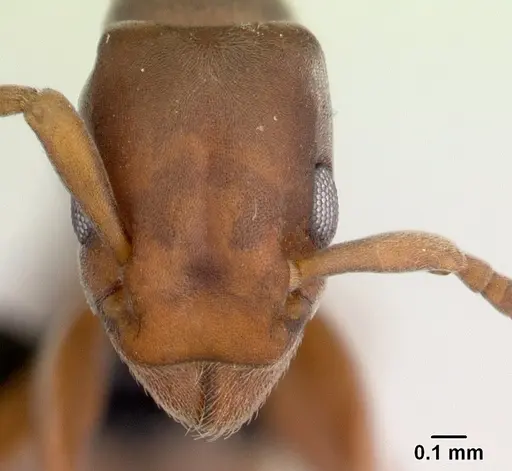
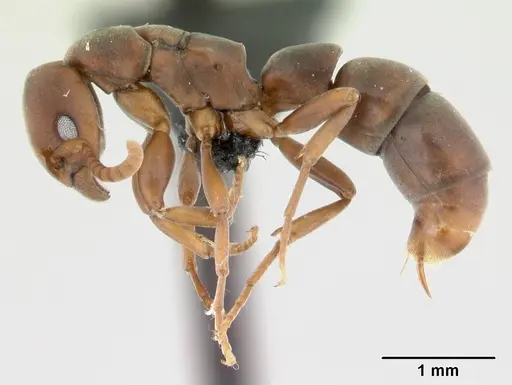
Platythyrea arthuri is a small to medium-sized ant species native to Madagascar and the surrounding islands (Comoros, Mayotte). Workers are slender with the characteristic Ponerine body shape, they have a distinct metanotal groove and a powerful stinger. The genus Platythyrea is known for being predatory, specializing in hunting other ants and small invertebrates. This species nests arboreally in the tropical forests of Madagascar, typically in the eastern rainforests and western dry forests. They are part of the tribe Platythyreini, which contains some of the more behaviorally unique Ponerine ants including species with gamergate reproduction (workers that can lay eggs).
Quick Summary
- Difficulty: Medium
- Origin & Habitat: Native to Madagascar, Comoros, and Mayotte. Found in both rainforest and dry forest habitats, with documented presence in Vohibasia and Isoky-Vohimena forests. Nests arboreally in tropical forest environments [1][2][3].
- Colony Type: Colony structure is unconfirmed. The genus Platythyrea is known to include species with gamergate reproduction (workers that can become reproductive), but whether P. arthuri has this trait is unknown.
- Size & Growth:
- Queen: Estimated 6-8mm based on genus patterns, no direct species measurement available
- Worker: Estimated 4-6mm based on genus patterns, no direct species measurement available
- Colony: Likely small to moderate colonies, possibly under 500 workers based on typical Ponerine patterns
- Growth: Moderate, Ponerines typically develop slower than Myrmicines
- Development: Estimated 8-12 weeks based on typical Ponerine development at warm temperatures (Ponerine ants typically have longer development times than many common house ants. Expect 2-3 months from egg to first worker at optimal temperature.)
- Antkeeping:
- Temperature: Keep around 24-28°C. Being a tropical species from Madagascar, they need warm conditions. A heating cable on one side of the nest creates a suitable gradient [1].
- Humidity: Moderate to high humidity (60-80%). Their arboreal nesting in tropical forests suggests they prefer humid conditions. Keep the nest substrate moist but allow some drying areas.
- Diapause: Unlikely, as a tropical species from Madagascar, they probably do not require a true hibernation. They may show reduced activity during cooler periods.
- Nesting: Arboreal nesting means they prefer elevated nest sites. In captivity, a Y-tong (AAC) nest or plaster nest works well. Provide climbing structures and bark or wood pieces for them to nest in. They do well in naturalistic setups with vertical surfaces.
- Behavior: These are predatory ants with a strong sting. They actively hunt other ants and small invertebrates. Workers are moderately aggressive and will defend the nest vigorously. They are escape artists due to their small size, use excellent escape prevention with fine mesh barriers. They are primarily nocturnal or crepuscular in their foraging patterns, which is common for many Ponerine species.
- Common Issues: small size means escapes are likely without fine mesh barriers, predatory nature requires live prey, they may not accept commercial ant foods, slow development can frustrate beginners who overfeed or disturb the colony, tropical species may struggle in air-conditioned rooms with low humidity, sting is painful but not medically significant for healthy adults
Housing and Nest Setup
Platythyrea arthuri is an arboreal species, meaning they naturally nest in elevated locations like tree hollows, under bark, or in woody debris. In captivity, provide them with a nest that allows for vertical space and climbing. Y-tong (AAC) nests work well because they provide dark chambers and allow you to add climbing structures. Plaster nests are another good option, just ensure the plaster stays moist but isn't waterlogged. Add small pieces of cork bark, twigs, or wooden structures inside the outworld to simulate their natural arboreal habitat. Because they are small (likely 4-6mm), escape prevention must be excellent. Use tight-fitting lids and fine mesh on any ventilation holes. [2][3]
Feeding and Diet
As Ponerine ants, Platythyrea species are predatory and specialize in hunting other ants and small invertebrates. Feed your colony small live prey such as fruit flies, pinhead crickets, mealworms, and other small insects. They will likely accept protein foods more readily than sugar. Some keepers report that Ponerines accept honey or sugar water occasionally, but this should not be their primary food. Feed them prey items roughly every 2-3 days, adjusting based on how quickly they consume it. Remove any uneaten prey after 24 hours to prevent mold. Because they are predatory, they need a steady supply of live or recently killed insects.
Temperature and Humidity
Being from tropical Madagascar, Platythyrea arthuri needs warm and humid conditions. Keep the nest area at 24-28°C. A small heating cable placed on one side of the nest creates a temperature gradient that allows the ants to regulate their own temperature by moving between warmer and cooler areas. Place the heating on top of the nest material rather than underneath to avoid excessive drying. Humidity should be moderate to high (60-80%). Mist the nest occasionally and keep the substrate moist but never waterlogged. Good ventilation is important to prevent mold while maintaining humidity. Avoid placing the colony in air-conditioned rooms or near drafts. [1]
Behavior and Temperament
These ants are active predators with a well-developed stinger. Workers will readily sting if threatened, and the sting can be painful though it is not medically dangerous for healthy adults. They are not aggressive toward humans unless provoked, but they will vigorously defend their nest. Workers forage primarily at night or during twilight hours, which is typical for many Ponerine species. They are skilled hunters and will actively pursue prey. Their small size makes them excellent escape artists, even small gaps in your setup will allow them to escape. Always use fluon or similar barriers on the rim of your formicarium and ensure all lids fit tightly.
Colony Development
Ponerine ants typically develop more slowly than many common ant species like Lasius or Tetramorium. Expect 8-12 weeks from egg to first worker at optimal temperature. The first workers (nanitics) will likely be smaller than mature workers. Colony growth is initially slow, the queen devotes energy to producing just a few workers at first. Once you have 10-20 workers, growth typically accelerates. Ponerine colonies tend to remain smaller than Myrmicine colonies, often maxing out at a few hundred workers. Be patient with the founding stage, disturbing the colony too often can cause the queen to stop laying eggs or even abandon the nest.
Frequently Asked Questions
How long does it take for Platythyrea arthuri to produce first workers?
Expect 8-12 weeks from egg to first worker at optimal temperature (24-28°C). Ponerine ants develop more slowly than many common ant species.
What do Platythyrea arthuri ants eat?
They are predatory ants that need live prey. Feed them small insects like fruit flies, pinhead crickets, and mealworms. They may accept sugar water occasionally but protein should be their primary food.
Are Platythyrea arthuri good for beginners?
They are rated as medium difficulty. They require warm, humid conditions and need a steady supply of live prey. Their small size and escape ability require good setup security.
What temperature do Platythyrea arthuri ants need?
Keep them at 24-28°C. A heating cable on one side of the nest creates a suitable gradient.
Do Platythyrea arthuri need hibernation?
No, they are a tropical species from Madagascar and do not require hibernation. They may show reduced activity during cooler periods but should be kept warm year-round.
How big do Platythyrea arthuri colonies get?
Based on typical Ponerine patterns, colonies likely reach a few hundred workers at most. They tend to stay smaller than many Myrmicine species.
Can I keep multiple Platythyrea arthuri queens together?
The colony structure for this species is unconfirmed. Combining unrelated queens is not recommended since this has not been documented for P. arthuri.
Why are my Platythyrea arthuri dying?
Common causes include: low humidity (keep at 60-80%), temperatures below 24°C, feeding only sugar instead of protein prey, and poor escape prevention. Check your setup parameters and ensure you're providing live prey.
References

This caresheet is licensed under CC BY-SA 4.0 .
CASENT0101718
View on AntWeb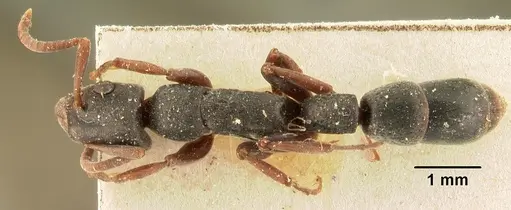
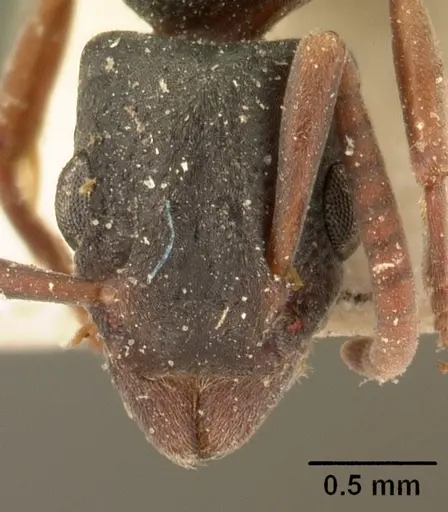
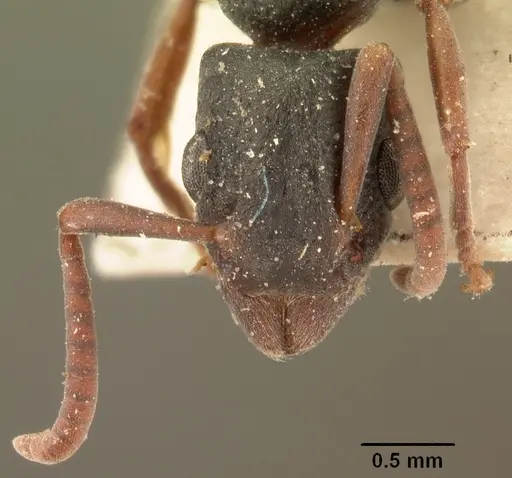
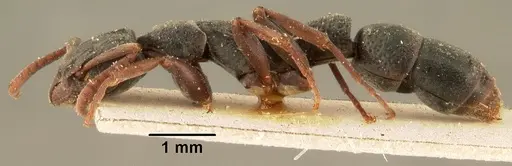
CASENT0132466
View on AntWeb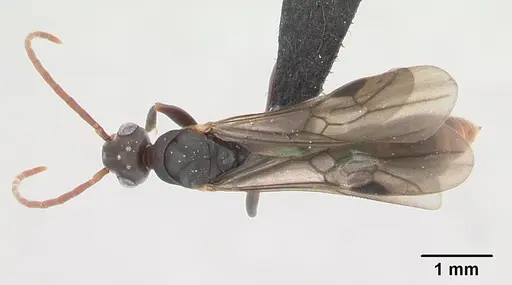
CASENT0132632
View on AntWeb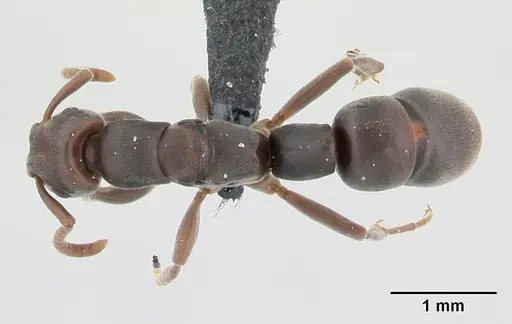
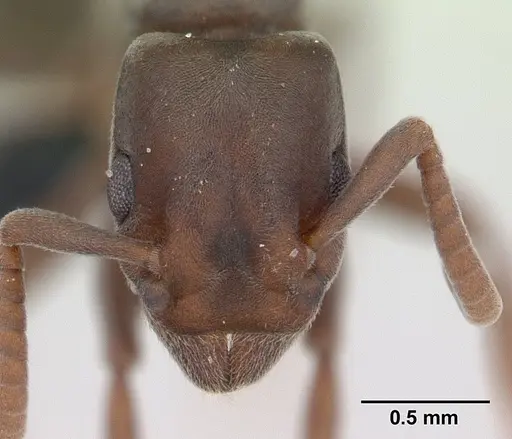
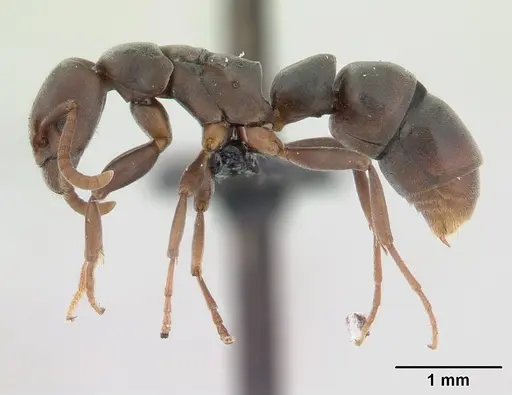
CASENT0132647
View on AntWeb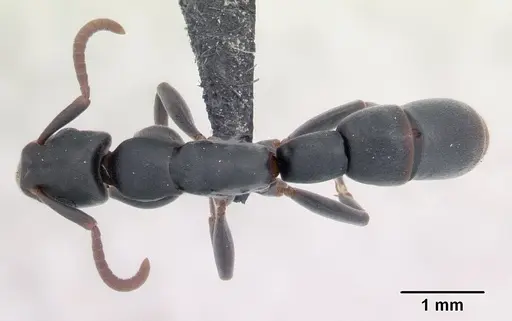
CASENT0147547
View on AntWeb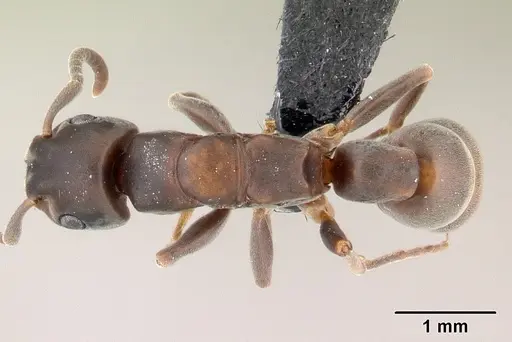
CASENT0416250
View on AntWeb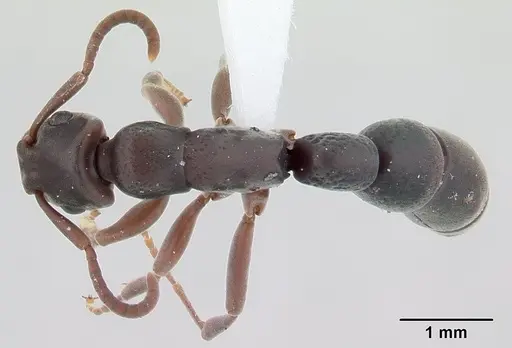
CASENT0442287
View on AntWeb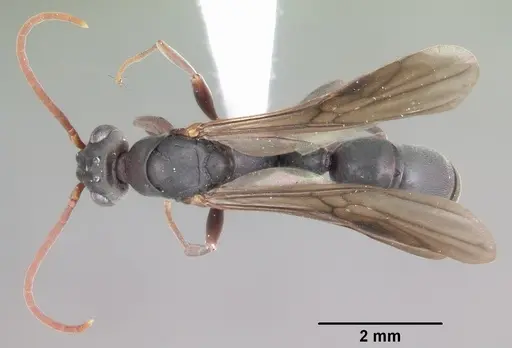
CASENT0451373
View on AntWeb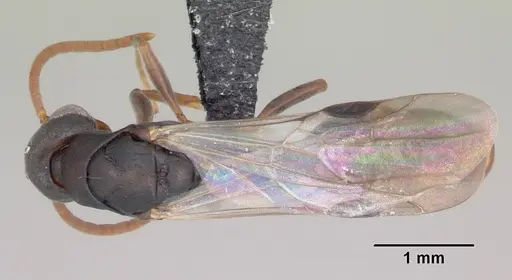
CASENT0498535
View on AntWeb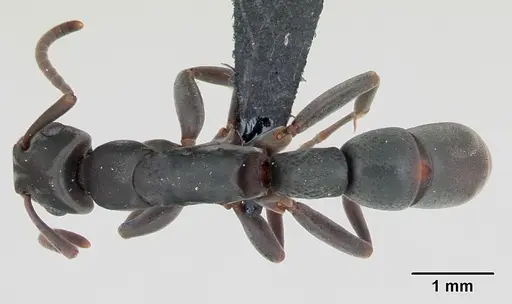
CASENT0498624
View on AntWeb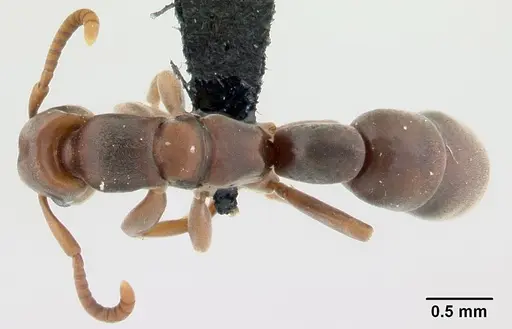
Literature
Loading...Loading products...