

Plagiolepis vanderkelleni
- Scientific Name
- Plagiolepis vanderkelleni
- Tribe
- Plagiolepidini
- Subfamily
- Formicinae
- Author
- Forel, 1901
- Distribution
- Found in 2 countries
Plagiolepis vanderkelleni Overview
Plagiolepis vanderkelleni is an ant species of the genus Plagiolepis. It is primarily documented in 2 countries , including Rwanda, South Africa. Detailed taxonomic data and occurrence records can be further explored via authoritative databases such as AntWeb or the Global Biodiversity Information Facility (GBIF).
Plagiolepis vanderkelleni
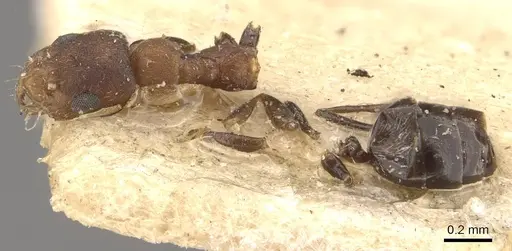
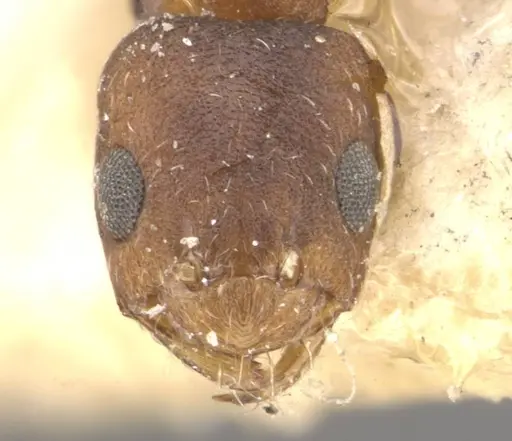
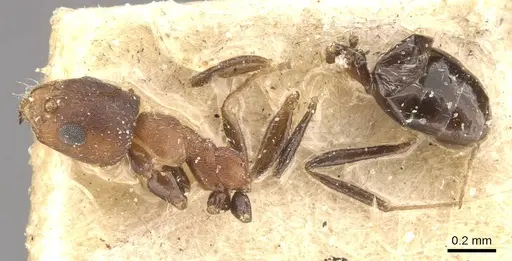
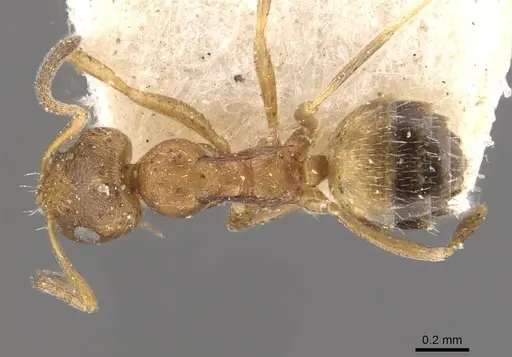
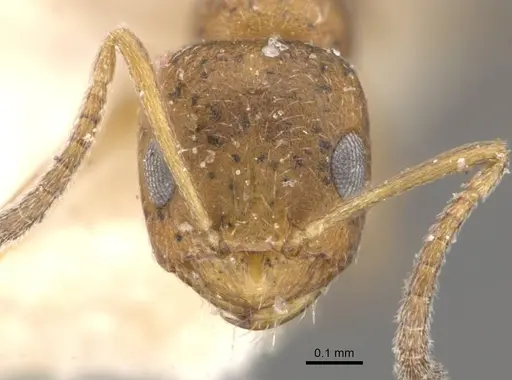
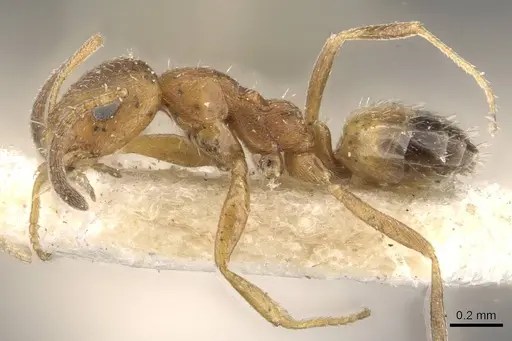
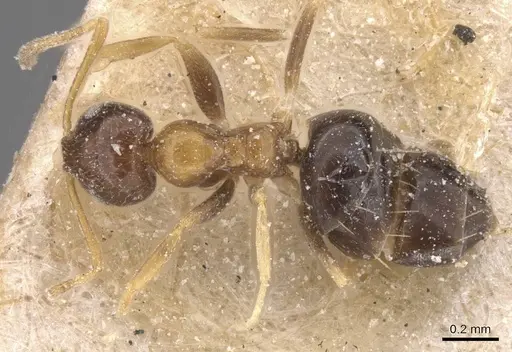
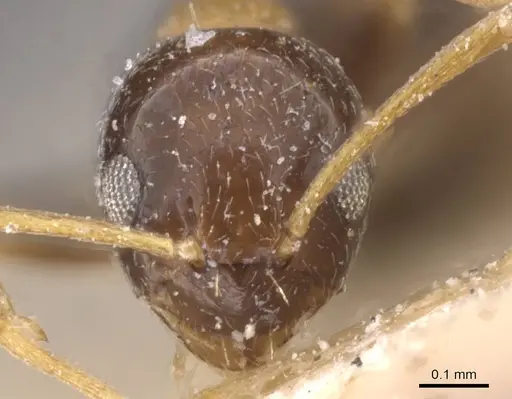
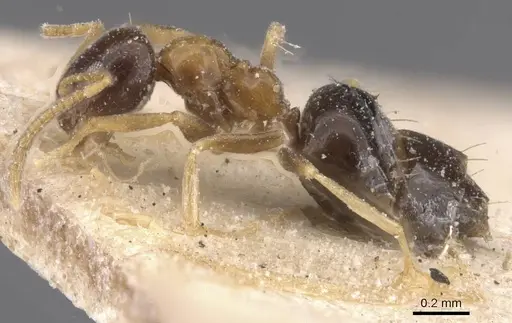
Plagiolepis vanderkelleni is a small ant species recently documented in Rwanda's Akagera National Park, representing a new record for the country [1]. Workers are tiny ants, typical of the Plagiolepis genus, which contains some of the smallest ants in the Formicinae subfamily. The genus is known for its cryptic habits and often-colonized nesting preferences. These ants are generally pale to dark brown in color and move quickly in characteristic Plagiolepis fashion. As a recently documented species in East Africa, specific biological details remain poorly studied, but they likely share general traits with other Plagiolepis species.
Quick Summary
- Difficulty: Medium
- Origin & Habitat: Akagera National Park, eastern Rwanda, a tropical savanna ecosystem with warm temperatures and seasonal rainfall [1].
- Colony Type: Unconfirmed colony structure. Most Plagiolepis species are monogyne (single queen), though some can form small multi-queen colonies. Further research needed.
- Colony: Monogyne
- Founding: Claustral
- Size & Growth:
- Queen: Estimated 5-6mm based on genus Plagiolepis patterns
- Worker: Estimated 2-3mm based on genus Plagiolepis patterns
- Colony: Likely small (under 500 workers) based on typical Plagiolepis colony sizes
- Growth: Unknown, likely moderate
- Development: Estimated 6-8 weeks at optimal temperature based on related Formicinae species (Development timeline is estimated from genus-level data since species-specific studies are unavailable)
- Antkeeping:
- Temperature: Keep at 22-26°C. This range reflects their East African tropical origin. A gentle heat gradient allows ants to regulate their temperature.
- Humidity: Maintain moderate to high humidity (60-80%). Plagiolepis species typically prefer conditions similar to their natural habitat, damp but not waterlogged substrate.
- Diapause: Unlikely required. As a tropical species from Rwanda, they likely do not enter true hibernation. However, a slight cool period during winter months may be beneficial.
- Nesting: Preferred nest types likely include test tubes, Y-tong nests, or plaster nests with small chambers scaled to their tiny size. In nature, they probably nest in soil, under stones, or in decaying wood.
- Behavior: Behavior is not specifically documented for this species. Based on genus patterns, they are likely non-aggressive, quick-moving ants that forage in trails. Escape prevention is critical due to their very small size, they can squeeze through standard barriers easily. They probably accept sugar water and small protein sources.
- Common Issues: escape prevention is critical due to their very small size, use fine mesh and tight-fitting barriers, limited species-specific data means care is based on genus inference rather than direct observation, small colony sizes may make them sensitive to disturbance, humidity control is important, too dry causes desiccation, too wet promotes mold, wild-caught colonies may carry parasites that can devastate small ant populations
New Discovery in Rwanda
Plagiolepis vanderkelleni represents a newly documented ant species for Rwanda, recorded during biodiversity surveys in Akagera National Park [1]. This East African national park features a mix of savanna, woodland, and wetland habitats along the Akagera River. The discovery highlights how even relatively well-studied ant genera like Plagiolepis still contain undocumented species in under-sampled regions of Africa. For antkeepers, this means that specific care requirements for P. vanderkelleni have not been directly studied, and much of what we know comes from inference based on related species in the same genus.
Nest Preferences
While specific nesting behavior is unconfirmed for this species, Plagiolepis ants typically prefer small, enclosed spaces. In captivity, test tubes with cotton water reservoirs work well for founding colonies. As the colony grows, small acrylic nests or Y-tong setups with narrow chambers scaled to their tiny worker size are appropriate. The chambers should be proportionally small, these are not large ants that need wide tunnels. Keep the nest substrate lightly moist but not saturated. A small water tube connected to the nest helps maintain humidity without flooding.
Feeding and Diet
Based on typical Plagiolepis feeding behavior, these ants likely accept a varied diet. Offer sugar water or honey as a constant energy source. For protein, small soft-bodied prey like fruit flies, pinhead crickets, or small mealworms work well. Plagiolepis species are generally not large predators, so prey items should be appropriately sized for their tiny workers. Feed protein 2-3 times per week, and keep sugar sources available at all times. Remove uneaten prey within 24-48 hours to prevent mold issues.
Temperature and Care
Maintain temperatures between 22-26°C, reflecting their tropical East African origin. A heating cable on one side of the nest creates a temperature gradient that allows ants to self-regulate. Place the heating on top of the nest, not underneath, to prevent excessive drying. Room temperature within this range is often sufficient. Monitor colony behavior, if workers cluster consistently near the heat source, increase temperature slightly, if they avoid heated areas, reduce heat. Avoid temperatures below 20°C or above 30°C for extended periods.
Behavior and Temperament
Plagiolepis vanderkelleni likely exhibits typical Plagiolepis behavior, these are quick-moving, generally non-aggressive ants that form moderate foraging trails. Workers are small and may be overlooked by larger ant species, which is part of their survival strategy. They are not known for stinging and pose no danger to keepers. The primary concern for antkeepers is their tiny size, which makes them expert escape artists. Standard barrier methods may not contain them, use fine mesh (at least 0.5mm) and ensure all lid seams are sealed. They are best suited for keepers who enjoy observing small, active ant species.
Frequently Asked Questions
How long does it take for Plagiolepis vanderkelleni to produce first workers?
Based on genus-level inference from related Formicinae species, expect first workers (nanitics) approximately 6-8 weeks after the queen lays eggs, assuming optimal temperatures around 24-26°C. This timeline is an estimate since species-specific development data is not available.
What do Plagiolepis vanderkelleni ants eat?
They likely accept standard ant foods: sugar water or honey for carbohydrates, and small protein sources like fruit flies, tiny crickets, or small mealworms. Feed protein 2-3 times per week and keep sugar water available constantly. Remove uneaten food promptly.
Are Plagiolepis vanderkelleni good for beginners?
They are moderate difficulty due to their very small size requiring excellent escape prevention and the lack of species-specific care data. Beginners comfortable with small ants may find them rewarding, but those new to ant keeping might prefer larger, better-documented species.
What temperature do Plagiolepis vanderkelleni need?
Keep them at 22-26°C. This tropical East African species prefers warmth. A simple heating cable on part of the nest creates a gradient, or room temperature in the low-mid 20s°C is often adequate.
How big do Plagiolepis vanderkelleni colonies get?
Based on typical Plagiolepis colony sizes, expect colonies up to a few hundred workers. They are not large colony formers like some other ant genera.
Do Plagiolepis vanderkelleni need hibernation?
Unlikely. As a tropical species from Rwanda, they probably do not require a true hibernation period. A slight reduction in temperature during winter months may be natural but is probably not required.
Can I keep multiple Plagiolepis vanderkelleni queens together?
Colony structure is unconfirmed for this species. Most Plagiolepis are monogyne (single queen), but some can form small multi-queen colonies. Until more data is available, keeping one queen per colony is recommended.
What is the best nest type for Plagiolepis vanderkelleni?
Test tubes work well for founding colonies. As the colony grows, small acrylic nests or Y-tong nests with proportionally small chambers are appropriate. The key is appropriately scaled chambers, these are tiny ants that need tight, secure spaces.
Why are my Plagiolepis vanderkelleni escaping?
Their very small size makes them excellent escape artists. Standard barriers often fail. Use fine mesh (0.5mm or smaller), check all lid seams carefully, and consider additional barrier methods like fluon on nest edges. Inspect setups daily for the first few weeks.
References

This caresheet is licensed under CC BY-SA 4.0 .
Literature
Loading...Loading products...