

Plagiolepis squamulosa
- Scientific Name
- Plagiolepis squamulosa
- Tribe
- Plagiolepidini
- Subfamily
- Formicinae
- Author
- Wheeler, 1934
- Distribution
- Found in 1 countries
Plagiolepis squamulosa Overview
Plagiolepis squamulosa is an ant species of the genus Plagiolepis. It is primarily documented in 1 countries , including Australia. Detailed taxonomic data and occurrence records can be further explored via authoritative databases such as AntWeb or the Global Biodiversity Information Facility (GBIF).
Plagiolepis squamulosa
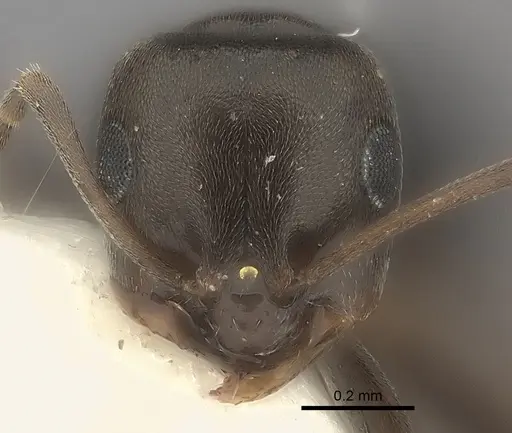
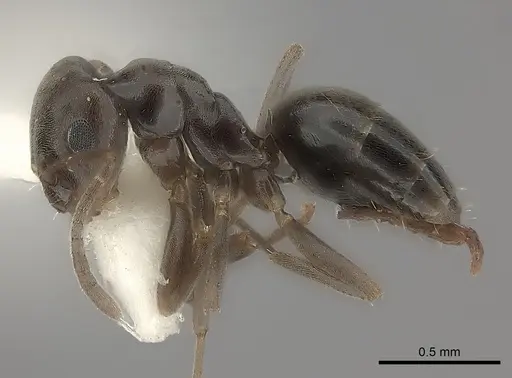
Plagiolepis squamulosa is a tiny ant species native to Western Australia. Workers measure just 1.5-2.5mm, making them one of the smaller ant species you'll encounter [1]. They have a dark brown coloration with the head being darker than the thorax, and the gaster slightly lighter. Their body surface appears finely squamulate (covered in tiny scale-like patterns) under magnification. These ants were first described from specimens found under stones at sand dunes south of Geraldton, Western Australia [1]. A notable trait of this species is the presence of replete workers, special workers that store liquid food in their distended abdomens, similar to honey ants [2].
Quick Summary
- Difficulty: Medium
- Origin & Habitat: Western Australia, specifically found in the Geraldton region and Rottnest Island. In nature, they nest under stones in sandy areas and have a wider distribution in southern Western Australia [2][1].
- Colony Type: Likely single-queen colonies based on typical Plagiolepis patterns. Colonies contain replete workers that store liquid food [2].
- Colony: Monogyne
- Founding: Claustral
- Size & Growth:
- Queen: Unknown, not described in available literature
- Worker: 1.5-2.5mm [1]
- Colony: Unknown, likely small to moderate colonies based on related species
- Growth: Unknown, likely moderate based on small worker size
- Development: Estimated 6-10 weeks based on related Formicinae species at optimal temperature (Direct development data not available for this species. Estimate based on genus-level patterns for small Plagiolepis species.)
- Antkeeping:
- Temperature: Keep at room temperature around 20-24°C. A gentle gradient allowing them to choose their preferred warmth is ideal.
- Humidity: Moderate humidity. These ants come from semi-arid coastal areas of Western Australia, so aim for substrate that is dry to slightly moist but not wet.
- Diapause: Likely required, Western Australian temperate species typically need a winter rest period. Reduce temperature to around 15°C for 2-3 months.
- Nesting: Small chambers work best for their tiny size. Y-tong nests or small acrylic setups with tight passages prevent escapes. They do well in naturalistic setups with sand substrate and stones.
- Behavior: These are peaceful, small ants that are not aggressive. Workers are active foragers but due to their tiny size, they pose no sting threat to humans. The main concern for keepers is escape prevention, their small size means they can squeeze through standard barriers. They readily accept sugar sources and small prey items.
- Common Issues: escape prevention is critical, their tiny 1.5mm size means they can slip through standard mesh and gaps, colonies grow slowly, which can frustrate beginners expecting rapid development, replete workers may die if the colony is disturbed too much during founding, humidity control is important, too wet causes fungal issues, too dry stresses the colony, wild-caught colonies may have parasites that affect captive survival
Housing and Escape Prevention
Because Plagiolepis squamulosa workers are only 1.5-2.5mm, escape prevention is your top priority. These tiny ants can squeeze through gaps that seem impossible. Use fine mesh (at least 0.5mm or finer) on all ventilation holes. Apply fluon or similar barrier products to the edges of your formicarium. Test tube setups work well for founding colonies, use cotton plugs that are firmly packed but not so tight that the queen might get stuck. When you eventually move them to a formicarium, choose one with tight-fitting connections and narrow tubing. Check all seals weekly, especially if your colony is small, a single lost queen or a few workers escaping can set you back significantly. [1]
Feeding and Diet
Plagiolepis squamulosa will accept a variety of foods. Offer sugar water, honey, or diluted maple syrup as a constant carbohydrate source. For protein, provide small live prey like fruit flies, pinhead crickets, or mealworm pieces. Their tiny size means prey items should be appropriately scaled, what seems small to you is a full meal to them. The presence of replete workers in wild colonies suggests they can store liquid food, so offering sugar sources is particularly beneficial. Feed protein every 2-3 days, removing any uneaten prey after 24 hours to prevent mold. Remove sugar sources if they become contaminated or evaporate to a sticky residue. [2]
Temperature and Seasonal Care
Keep your colony at room temperature, ideally around 20-24°C. These ants come from the Geraldton region of Western Australia, which has a Mediterranean climate with mild winters and warm summers. During the warmer months (roughly October through April in Australia), colony activity will increase. In winter, plan for a diapause period, reduce temperatures to around 15°C for 2-3 months. You can achieve this by moving the colony to a cooler room or using a small cooler placed near (not on) the formicarium. Do not feed during deep diapause but ensure a small water source is available. Resume normal feeding and temperatures gradually in spring. [1]
Colony Development
Plagiolepis squamulosa colonies start with a claustral founding queen who seals herself in a small chamber and raises her first workers alone using stored fat reserves. The first workers, called nanitics, will be smaller than mature workers but should still be recognizable. Growth rate is likely moderate, not as fast as tropical species but faster than some slow-growing temperate ants. Colonies may develop replete workers that store liquid food, which is an interesting adaptation to observe in captivity. Be patient during the founding phase, it can take 1-2 months before you see the first workers, and several months before the colony has more than a dozen workers. [2]
Nesting Preferences
In the wild, these ants nest under stones in sandy areas near the coast. For captivity, they do well in setups that mimic this. A Y-tong (acrylic) nest with small chambers works well, or you can use a naturalistic setup with a sand-filled container and flat stones on top for cover. The chambers should be appropriately sized, tight enough that the ants feel secure but with enough space for the colony to expand. Provide a water tube or moisture source in one area of the nest to maintain slight humidity. Avoid overly moist conditions as this can cause mold issues in their native dry-to-moderate habitat. [1]
Frequently Asked Questions
How long does it take for Plagiolepis squamulosa to produce first workers?
Expect 6-10 weeks from egg to first worker at optimal temperature (around 22-24°C). This is an estimate based on related Formicinae species since specific development data for this species is not available.
Are Plagiolepis squamulosa good for beginners?
They are moderate difficulty. The main challenge is their tiny size requiring excellent escape prevention. If you can provide proper containment and are patient with their slow growth, they can be rewarding to keep.
What do Plagiolepis squamulosa eat?
They accept sugar sources (honey, sugar water, maple syrup) and small protein items like fruit flies, pinhead crickets, and mealworm pieces. Their tiny size means prey should be appropriately small.
Do Plagiolepis squamulosa need hibernation?
Yes, they likely require a winter diapause period. Reduce temperatures to around 15°C for 2-3 months during winter months to simulate their natural seasonal cycle in Western Australia.
How big do Plagiolepis squamulosa colonies get?
Colony size is not well documented, but based on related species, they likely reach a few hundred workers. They are not among the largest ant species.
Can I keep multiple Plagiolepis squamulosa queens together?
This species is likely single-queen (monogyne) based on typical Plagiolepis patterns. Combining unrelated queens is not recommended as they may fight.
When should I move Plagiolepis squamulosa from a test tube to a formicarium?
Move them once the colony has 30-50 workers and the test tube shows signs of stress (condensation buildup, mold, or the棉花 is soiled). A small acrylic nest or Y-tong works well.
Why are my Plagiolepis squamulosa escaping?
Their tiny 1.5mm size means they can escape through standard barriers. Use fine mesh (0.5mm or finer), apply fluon to edges, and check all seals weekly. Even tiny gaps that seem insignificant can allow escape.
What temperature is best for Plagiolepis squamulosa?
Keep them at 20-24°C. Room temperature in most homes falls within this range. A slight temperature gradient allows the ants to choose their preferred area.
References

This caresheet is licensed under CC BY-SA 4.0 .
CASENT0217738
View on AntWeb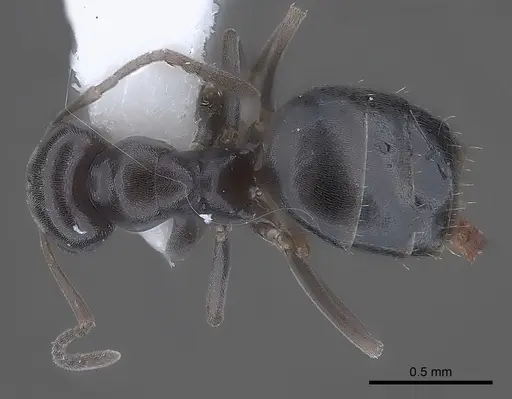
Literature
Loading...Loading products...