

Plagiolepis pictipes
- Scientific Name
- Plagiolepis pictipes
- Tribe
- Plagiolepidini
- Subfamily
- Formicinae
- Author
- Santschi, 1914
- Distribution
- Found in 1 countries
Plagiolepis pictipes Overview
Plagiolepis pictipes is an ant species of the genus Plagiolepis. It is primarily documented in 1 countries , including Rwanda. Detailed taxonomic data and occurrence records can be further explored via authoritative databases such as AntWeb or the Global Biodiversity Information Facility (GBIF).
Plagiolepis pictipes
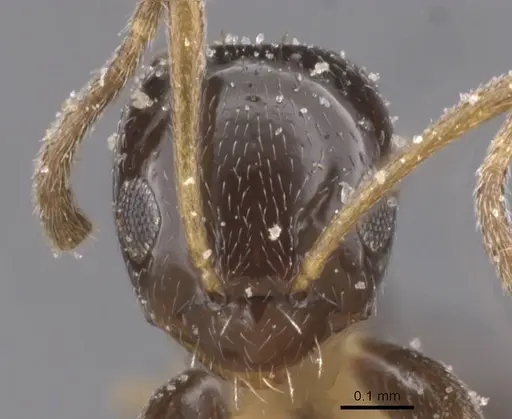
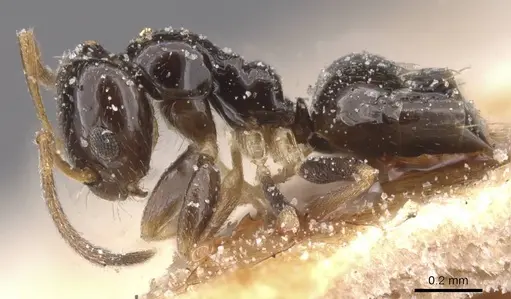
Plagiolepis pictipes is an extremely tiny ant species measuring just 1.4-1.5mm in total length [1]. Workers are pale to yellowish-brown with relatively smooth body surfaces. This species was originally described from Kenya and represents one of the smallest ant species you can keep. The genus Plagiolepis contains small ants often called 'pygmy ants' or 'small ants', these take that to an extreme. They are found in East Africa, with confirmed records from Kenya, Tanzania, and Rwanda in savannah environments [1][2].
This species is poorly documented in scientific literature, so much of what we know comes from general Plagiolepis genus patterns. They appear to live in small colonies in trees and shrubs in warm savannah habitats. Their tiny size means they are often overlooked but are an interesting challenge for antkeepers who want something truly miniature.
Quick Summary
- Difficulty: Medium
- Origin & Habitat: East Africa, Kenya, Tanzania, and Rwanda. Found in savannah environments, specifically on trees including Vachellia nilotica (acacia) and Grewia species [1][2]. This is a warm-climate species from tropical savannah.
- Colony Type: Unconfirmed, likely single-queen colonies based on typical Plagiolepis patterns, but no specific study on colony structure exists for this species.
- Size & Growth:
- Queen: Unknown, no documented measurements. Likely around 3-4mm based on genus patterns for similar tiny species.
- Worker: 1.4-1.5mm [1]
- Colony: Likely small, under 500 workers based on typical Plagiolepis colony sizes and their tiny individual size.
- Growth: Unknown, likely moderate based on genus patterns
- Development: Estimated 6-8 weeks based on typical Plagiolepis development at warm temperatures (25-28°C). (Not directly studied, estimate based on genus-level data for small tropical ants. Warmer temperatures within their tolerance range will speed development.)
- Antkeeping:
- Temperature: Warm conditions needed, aim for 24-28°C. They come from tropical savannah so keep them warm. A heating cable on one side of the nest creates a nice gradient [1].
- Humidity: Moderate humidity, savannah ants can handle some dryness but need access to moisture. Keep nest substrate lightly moist, not waterlogged. Provide a water tube for drinking.
- Diapause: Likely minimal or no true diapause, East African species. They may slow down slightly during cooler months but probably don't need hibernation. Keep at stable warm temperatures year-round.
- Nesting: These tiny ants need appropriately scaled housing. Y-tong nests or acrylic nests with very small chambers work well. Test tubes with cotton barriers are suitable for founding colonies. They naturally nest in small cavities in wood or under bark on trees [1].
- Behavior: Very small and docile ants, they are not aggressive and unlikely to sting humans. Their tiny size means they are easily overlooked but make fascinating display ants. They are arboreal in nature, found foraging on tree trunks and branches [1]. Escape prevention is critical, they can squeeze through incredibly small gaps. Use fine mesh and ensure all connections are sealed. They likely forage for honeydew and tiny insects on vegetation.
- Common Issues: escape prevention is critical, their tiny 1.5mm size means they can squeeze through standard mesh and gaps in equipment, very small colony size means slow population growth, don't expect rapid expansion, limited documented care information means you'll be learning alongside other keepers, they may be sensitive to drying out, monitor humidity more closely than larger species, wild-caught colonies may be difficult to establish due to unknown founding requirements
Housing and Nest Setup
Because Plagiolepis pictipes is extremely small (1.4-1.5mm), standard ant housing needs significant modification. Y-tong (Asian arrow) nests with narrow chambers work well, as do custom acrylic nests with appropriately scaled passages. Test tubes are suitable for founding colonies, use small diameter tubes (like 9mm or 12mm) rather than standard 25mm tubes, as the ants will feel more secure in appropriately sized spaces. Whatever housing you choose, escape prevention must be excellent. These ants can squeeze through gaps that would hold back much larger species. Apply fluon to all rim edges and use fine mesh (at least 0.5mm, preferably smaller) on any ventilation. A hydration setup that maintains consistent moisture without flooding is important, these ants are too small to rescue from standing water. [1]
Feeding and Diet
Based on typical Plagiolepis feeding patterns, these ants likely accept a varied diet including honeydew, sugar sources, and small protein items. Offer diluted honey water or sugar water regularly, changed every 2-3 days. For protein, small live prey is best, fruit flies, pinhead crickets, or tiny mealworms cut into pieces. Given their arboreal nature in savannah trees, they likely supplement with honeydew from aphids or scale insects if kept with a plant setup. Feed small amounts initially and observe what they accept. Remove uneaten protein after 24 hours to prevent mold. A constant sugar source is recommended for established colonies.
Temperature and Seasonal Care
Plagiolepis pictipes comes from East African savannah, a warm environment. Keep the nest area at 24-28°C for optimal activity and development. A heating cable or mat on one side of the nest creates a temperature gradient so ants can self-regulate. Place the heating on top of the nest, not underneath, to avoid drying out the substrate too quickly. Unlike temperate species, these ants likely do not require a diapause period. They may show slightly reduced activity during cooler periods but should remain active year-round with stable temperatures. Avoid temperature drops below 20°C for extended periods. [1]
Handling and Temperament
These are docile, tiny ants that pose no threat to keepers. They are not aggressive and their small size means even if they attempted to sting, it would not penetrate human skin. However, their small size makes them fragile and easily crushed. Handle gently when moving nests or connecting tubes. They are not escape artists in terms of climbing, they lack the sticky pads of some genera, but their tiny size means they will find any gap. Focus your escape prevention efforts on sealing all joints and using appropriately fine mesh. They are best observed with magnification due to their minute size.
Frequently Asked Questions
How long does it take for Plagiolepis pictipes to produce first workers?
Estimated 6-8 weeks from egg to worker at optimal temperatures (25-28°C). This is based on typical Plagiolepis genus development patterns, the exact timeline has not been directly studied for this species.
What do Plagiolepis pictipes eat?
They likely accept sugar water or honey water as a constant energy source, plus small protein items like fruit flies, tiny mealworms, or other small insects. Based on their arboreal habits, they probably also seek honeydew.
How big do Plagiolepis pictipes colonies get?
Likely small colonies of under 500 workers based on typical Plagiolepis genus patterns. Their minute individual size correlates with smaller colony sizes compared to larger ant species.
What temperature do Plagiolepis pictipes need?
Keep them warm at 24-28°C. They come from East African savannah and need consistently warm conditions. A heating cable on part of the nest creates a useful gradient.
Can I keep multiple Plagiolepis pictipes queens together?
Not recommended, there is no documented evidence for multi-queen colonies in this species. Based on typical genus patterns, they likely form single-queen colonies. Keep one queen per colony.
Do Plagiolepis pictipes need hibernation?
Likely no, they come from East Africa where temperatures remain warm year-round. They probably do not require a diapause period. Keep them at stable warm temperatures year-round.
Why are my Plagiolepis pictipes escaping?
Their tiny 1.5mm size allows them to squeeze through incredibly small gaps. Check all connections, apply fluon to rim edges, and use fine mesh (0.5mm or smaller) on any ventilation. Standard ant keeping barriers often fail against such small ants.
Is Plagiolepis pictipes good for beginners?
Probably not ideal for complete beginners due to their tiny size requiring specialized equipment and excellent escape prevention. However, experienced antkeepers looking for a unique challenge will find them rewarding.
When should I move Plagiolepis pictipes to a formicarium?
Wait until the colony reaches at least 20-30 workers and the test tube space becomes crowded. For these tiny ants, a small formicarium or Y-tong setup with appropriately scaled chambers works best.
References

This caresheet is licensed under CC BY-SA 4.0 .
CASENT0912411
View on AntWeb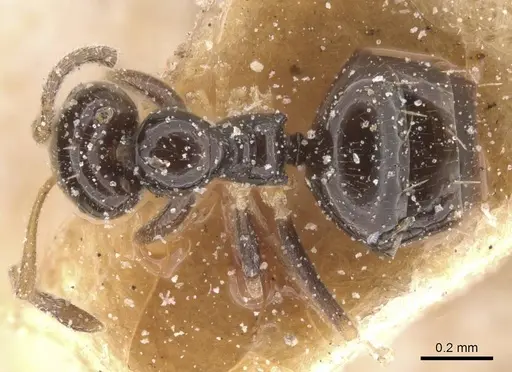
Literature
Loading...Loading products...