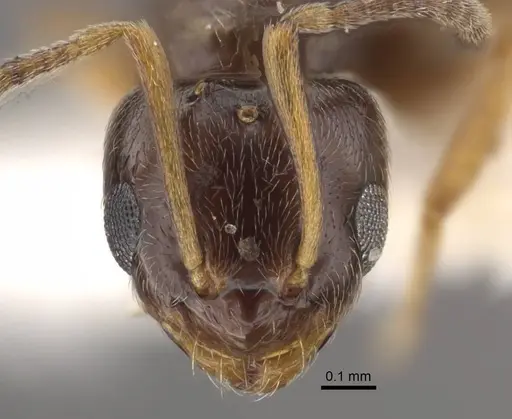
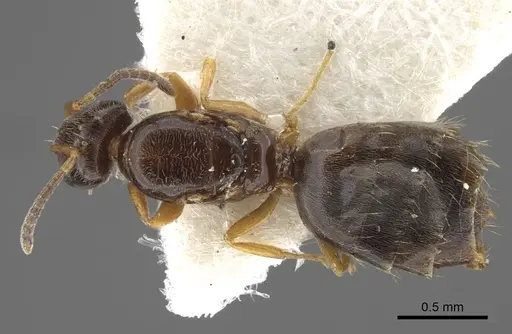
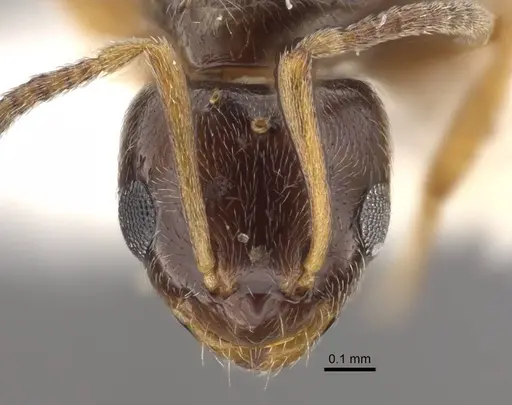
Plagiolepis karawajewi - "No widely accepted common name"
Plagiolepis karawajewi is a small ant species belonging to the Formicinae subfamily. These ants are native to the Palaearctic region, specifically found in areas like Ukraine, Russia, Azerbaijan, and Greece. Like other members of the genus Plagiolepis, they are generally tiny. Information on the exact size range for this specific species is limited, but related species in the genus have workers ranging from 1-4mm. They are known to be quite active and can be fast-moving. Their coloration typically involves shades of yellow, brown, dark brown, or black, with younger workers often appearing lighter. They are considered a prolific species, capable of rapid reproduction when conditions are favorable. Little is known about the exact biology of this specific species, but other Plagiolepis are known to be omnivores, feeding on both honeydew and small insects.
- Difficulty: Medium
- Origin & Habitat: Palaearctic Region (Ukraine, Russia, Azerbaijan, Greece) in Under stones, in rock crevices, or in soil, often in warm, open habitats like steppes and rural areas..
- Colony Type: Polygyne (multiple queens), claustral (queen seals herself in) founding.
- Size & Growth:
- Queen: Not specified
- Worker: 1-4mm
- Colony: Medium (thousands), with some related species reaching several thousand workers.. Fast (under warm conditions) growth.
- Antkeeping:
- Temperature: Recommended daytime temperatures around 23-27°C are ideal to encourage colony growth and activity. Consistent warmth supports their rapid reproduction..
- Humidity: These ants prefer a moderate to high humidity gradient within their nest. It is crucial to offer both a very humid area and a drier area, as they fear a lack of humidity. Aim for sections of the nest ranging from 50-80% humidity..
- Diapause: Required. 1.5-4 months at 5-15°C.
- Nesting: They typically nest hypogaeically (underground) but can also be found in rock crevices or under stones. For artificial setups, test tubes are recommended for founding and smaller colonies to prevent escapes, followed by acrylic, plaster, or naturalistic setups with fine substrate..
- Behavior: Medium (towards food or other ants, for defense) aggressiveness.
- Common Issues: Escape artists due to small size, Humidity fluctuations, Overfeeding leading to waste and mold, Colony stalling if conditions are not met.
One of the most remarkable traits of Plagiolepis ants, including potentially P. karawajewi, is their workers' ability to develop physogastry. This means their abdomens (gaster) can distend significantly to store large amounts of liquid food, becoming almost transparent as their exoskeleton plates stretch. This adaptation allows the colony to store substantial reserves, which is fascinating to observe. When providing liquid foods, it's a good idea to place a small piece of cotton in the feeding dish to prevent smaller workers from getting stuck and drowning.
Given their small size, typically 1-4mm for workers, Plagiolepis species are notorious for being escape artists. Proper escape prevention is paramount when keeping them. Housing them in secure setups like test tubes for founding colonies, and then transferring them to formicariums with tight-fitting lids and a barrier like PTFE (Teflon) or talcum powder along the edges, is highly recommended. Diligence in checking for potential escape routes is key to preventing them from roaming freely.
Plagiolepis karawajewi, like many ants in the genus, is a polygynous species, meaning colonies can house multiple queens. This characteristic contributes to their rapid colony growth and resilience. Observing a colony with several queens can be a rewarding experience for an ant keeper, as it often leads to a bustling and active nest. When starting a colony, pleometrosis, where multiple queens cooperate to found a nest, might be possible, further accelerating initial growth.
These ants are generally quite active foragers and omnivorous. Their diet should consist of a mix of sugary liquids, like diluted honey or sugar water, and small protein sources such as fruit flies, small mealworms, or other feeder insects. Due to their rapid reproduction and potentially large colony sizes, they will require consistent feeding. Ensuring a clean outworld and regular removal of waste helps maintain a healthy environment for your colony.
Frequently Asked Questions
What kind of nest setup is best for a Plagiolepis karawajewi colony?
For starting a Plagiolepis karawajewi colony, a test tube setup is ideal due to their tiny size and propensity to escape. As the colony grows, they can be moved to an acrylic, plaster, or naturalistic formicarium with very small chambers and excellent escape prevention measures, such as a Fluon or talcum powder barrier on the upper edges of the outworld. You'll want to ensure a good humidity gradient within the nest.
How often should I feed my Plagiolepis karawajewi colony?
Due to their fast growth rate and omnivorous diet, Plagiolepis karawajewi colonies should be fed regularly. Offer sugary liquids (like honey water) a few times a week, and small protein sources (like fruit flies or tiny mealworms) 2-3 times a week, depending on the colony's size and activity. Observe their consumption and adjust as needed to prevent waste and mold.
Do Plagiolepis karawajewi need to hibernate?
Yes, Plagiolepis karawajewi requires a diapause (hibernation) period. Typically, this should be for about 1.5 to 4 months at a cooler temperature, ideally between 5-15°C, from late November to late March. This rest period is crucial for the queen's health and the long-term success of the colony, mimicking their natural cycles.
Are Plagiolepis karawajewi difficult to keep?
Plagiolepis karawajewi are rated as 'Medium' difficulty. While they are prolific and fascinating, their small size makes them escape artists, requiring meticulous attention to nest security. Maintaining appropriate temperature and humidity gradients is also essential for their well-being and rapid colony growth.
Can I keep multiple Plagiolepis karawajewi queens together?
Absolutely! Plagiolepis karawajewi is a polygynous species, meaning they naturally have multiple queens in a single colony. In fact, keeping several queens together (pleometrosis) can lead to a much faster initial colony development and a larger overall colony size, which is a great aspect for ant keepers.
What do Plagiolepis karawajewi workers eat?
These ants are omnivores. Their diet should consist of a balance of sugary liquids, such as diluted honey or sugar water, and protein sources, including small insects like fruit flies, small crickets, or freshly killed mealworms. They will also appreciate nectar and other sweet exudates.
How large can a Plagiolepis karawajewi colony get?
A mature Plagiolepis karawajewi colony can reach several thousand workers. While not 'supercolonies' in the millions, a few thousand active, tiny workers make for a very impressive and bustling formicarium, constantly foraging and tending to their brood.
What kind of humidity do Plagiolepis karawajewi prefer?
Plagiolepis karawajewi appreciate a nest with varying humidity levels, typically from moderate to high. Aim to provide a humid section, around 50-80% relative humidity, alongside a drier area. This allows the ants to choose the most suitable spot for different stages of their brood and for themselves.
Do Plagiolepis karawajewi workers sting?
No, Plagiolepis karawajewi workers do not sting. Like other ants in the Formicinae subfamily, they are capable of spraying formic acid for defense, but this is generally harmless to humans unless in direct contact with a large amount.
How fast do Plagiolepis karawajewi colonies grow?
Plagiolepis karawajewi colonies are known for their fast growth rate, especially when kept under optimal warm conditions and provided with a consistent food supply. Their polygynous nature also contributes to this rapid expansion, allowing them to quickly populate a formicarium.
What is physogastry in Plagiolepis karawajewi?
Physogastry is a fascinating adaptation seen in Plagiolepis workers where their gasters (abdomens) can distend significantly to store liquid food, becoming almost transparent. This allows them to act as living food storage units for the colony, similar to honey pot ants, although typically not to the same extreme.
Where are Plagiolepis karawajewi found naturally?
Plagiolepis karawajewi are native to the Palaearctic region. This includes countries like Ukraine, Russia, Azerbaijan, and Greece. They are adapted to temperate and subtropical climates within this range, often found in open, warm, and disturbed areas.
Are there any specific challenges in keeping Plagiolepis karawajewi?
The main challenges with Plagiolepis karawajewi revolve around their small size and rapid reproduction. Their tiny workers are excellent escape artists, so a truly escape-proof setup is critical. Also, ensuring consistent food and appropriate humidity levels to support their fast-growing colonies can be demanding but rewarding.