

Plagiolepis atlantis
- Scientific Name
- Plagiolepis atlantis
- Tribe
- Plagiolepidini
- Subfamily
- Formicinae
- Author
- Santschi, 1920
- Distribution
- Found in 3 countries
Plagiolepis atlantis Overview
Plagiolepis atlantis is an ant species of the genus Plagiolepis. It is primarily documented in 3 countries , including Azerbaijan, Greece, Türkiye. Detailed taxonomic data and occurrence records can be further explored via authoritative databases such as AntWeb or the Global Biodiversity Information Facility (GBIF).
Plagiolepis atlantis
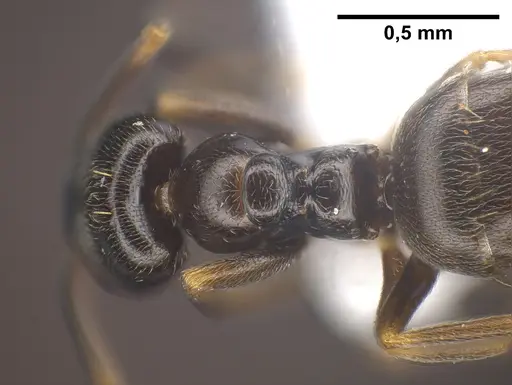
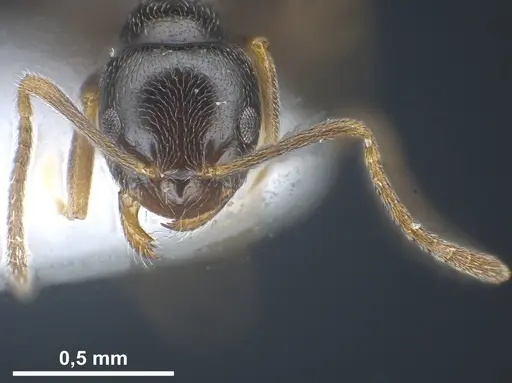
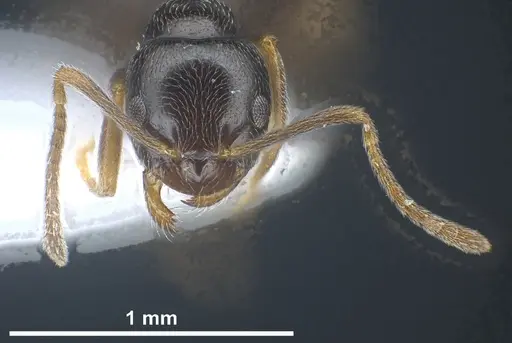
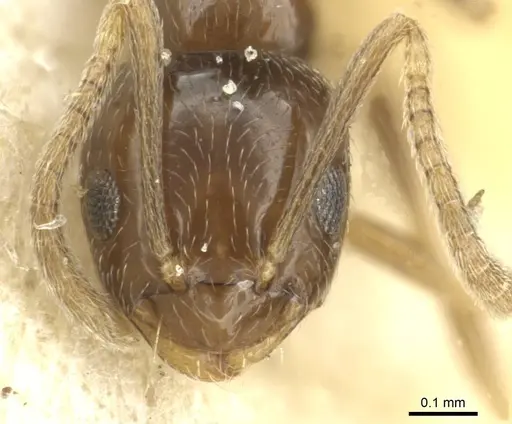
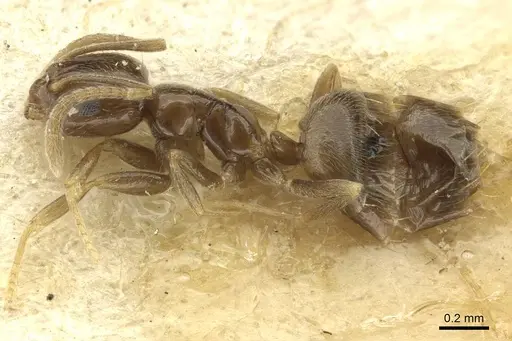
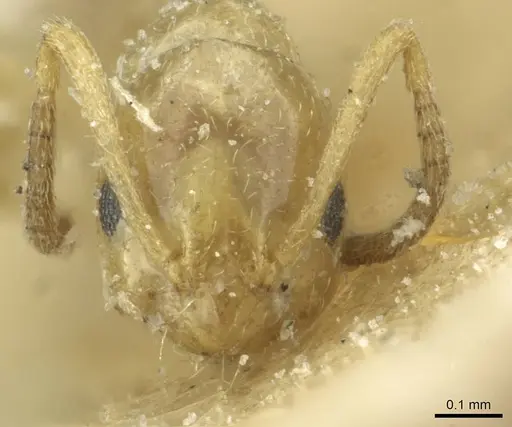
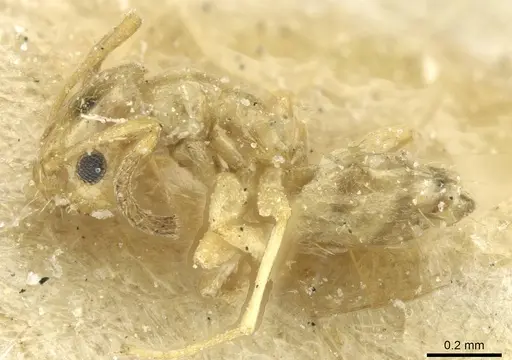
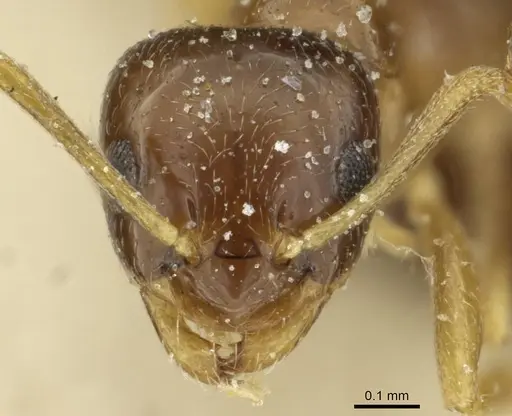
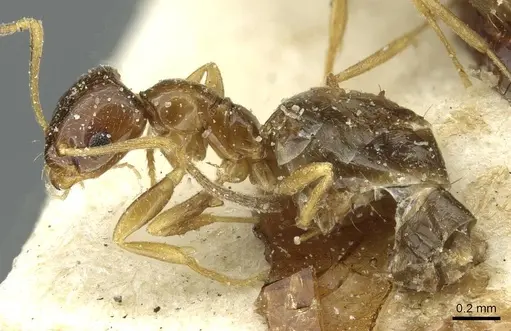
Plagiolepis atlantis is a tiny ant species native to North Africa and the eastern Mediterranean. Workers are extremely small at just 0.4-0.5mm in head size, making them one of the smallest ants you can keep. They have the typical Plagiolepis appearance with a pale yellowish-brown to reddish coloration and relatively long antennae. This species nests in soil beneath stones in humid areas overgrown with macchia or forest vegetation. Colonies are polygynous, meaning they contain multiple queens working together. Originally described as a variety of Plagiolepis barbara, it was elevated to full species status in 2020 and is now recognized as distinct from the related Plagiolepis schmitziii group.
Quick Summary
- Difficulty: Medium
- Origin & Habitat: North Africa (Algeria, Tunisia) and eastern Mediterranean (Turkey). They nest in soil beneath stones in humid areas overgrown with macchia or forest vegetation [1].
- Colony Type: Polygynous, colonies contain multiple queens working together [1]. This is a key trait to understand when keeping them, as multiple egg-laying queens support larger colony sizes.
- Colony: Polygyne
- Size & Growth:
- Queen: Estimated slightly larger than workers, likely 1.5-2mm based on genus patterns
- Worker: 0.4-0.5mm in head size (cephalic size 404-533 μm) [1]
- Colony: Likely several hundred workers based on polygynous colony structure and related species
- Growth: Moderate, typical for small Plagiolepis species
- Development: Estimated 6-8 weeks at optimal temperature based on genus patterns for small Formicinae (Development time inferred from related Plagiolepis species, specific data not available for this species)
- Antkeeping:
- Temperature: Keep at room temperature, roughly 20-26°C. They naturally occur in warm Mediterranean climates so moderate heat is beneficial. A gentle gradient allowing workers to self-regulate is ideal.
- Humidity: Require humid conditions, they naturally inhabit damp, shaded areas. Keep the nest substrate consistently moist but not waterlogged. Provide a water tube for drinking access.
- Diapause: Likely a mild winter slowdown period given their North African/Mediterranean origin. A period of cooler temperatures (10-15°C) for 2-3 months may benefit colony health.
- Nesting: Soil-nesting species that naturally nests beneath stones. In captivity, a naturalistic setup with moist substrate (like a mix of soil and sand) and flat stones or a Y-tong/plaster nest works well. They need tight chambers scaled to their tiny size.
- Behavior: These are tiny, active ants that form polygynous colonies. Workers are non-aggressive and primarily foragers for honeydew and small prey. Their extremely small size means escape prevention is critical, they can squeeze through standard test tube cotton and tiny gaps. They are not known to sting and pose no danger to keepers. Foraging activity is moderate, with workers readily searching for sugar sources and small insects.
- Common Issues: escape prevention is critical due to their extremely tiny size, use fine mesh barriers and tight-fitting lids, polygynous colonies may have queen competition or aggression during founding, monitor when introducing new queens, small colony size at founding makes them vulnerable to stress and dehydration, humidity management is tricky, too wet causes mold, too dry kills brood, wild-caught colonies may carry parasites that can decimate captive colonies
Housing and Nest Setup
Plagiolepis atlantis requires careful housing due to their extremely small size. These tiny ants can escape through gaps that would hold back much larger species. Use test tubes with tight cotton or, better yet, fluon barriers on the rim. For the nest itself, a naturalistic setup with moist substrate (a mix of soil and sand works well) beneath flat stones simulates their natural environment. Alternatively, a Y-tong or plaster nest with very small chambers can work, but ensure the passages are appropriately sized, these ants are barely half a millimeter long. The nest area should stay humid but not wet, with some drier areas available for the ants to self-regulate. [1]
Feeding and Diet
Like most Plagiolepis species, P. atlantis is omnivorous with a preference for sweet liquids. Workers readily collect honeydew from aphids and will drink sugar water or honey diluted with water. For protein, offer tiny prey items, fruit flies, pinhead crickets, or small mealworms cut into pieces. The larvae are omnivorous [2], so both sugar and protein sources support brood development. Feed small amounts of sugar water every few days and protein once or twice weekly. Remove uneaten prey within 24 hours to prevent mold.
Temperature and Seasonal Care
These ants come from warm Mediterranean regions, so they do best at room temperature or slightly above, aim for 22-26°C. They can tolerate brief cooler periods but prolonged cold slows or stops brood development. During winter, a mild hibernation period of 2-3 months at 10-15°C may benefit colony health, mimicking their natural seasonal cycle in North Africa. However, avoid very cold temperatures as they are not adapted to harsh winters. A small heating cable on one side of the nest can create a temperature gradient if your room runs cool. [1]
Colony Structure and Multi-Queen Care
Plagiolepis atlantis is polygynous, meaning colonies naturally have multiple queens. This is unusual among ant species and has implications for captive care. Unlike monogyne species where you keep a single queen, polygynous colonies can support multiple egg-laying queens simultaneously. This typically leads to faster colony growth initially but requires attention to colony harmony. When starting a colony, you may keep multiple founding queens together. However, if queens fight, separate them. Established polygynous colonies are generally stable, with queens tolerated by workers. [1]
Escape Prevention
This is the most critical aspect of keeping P. atlantis. Workers are only about 0.5mm in size, smaller than many springtails commonly used as feeders. They can easily squeeze through standard test tube cotton, tiny gaps in lids, and even through fine mesh that stops larger ants. Apply fluon (insect barrier) to all enclosure rims. Use containers with tight-fitting lids, not cotton-stoppered tubes for long-term housing. If using mesh, ensure it's fine enough (at least 0.3mm or finer). Check enclosures daily and immediately seal any gaps you discover. This species will escape if given half a chance. [1]
Frequently Asked Questions
How long does it take for Plagiolepis atlantis to produce first workers?
Based on related Plagiolepis species, expect first workers (nanitics) approximately 6-8 weeks after the queen lays eggs, at optimal warm temperatures around 24-26°C. Development is temperature-dependent, cooler temperatures will slow this significantly.
Can I keep multiple Plagiolepis atlantis queens together?
Yes, this species is naturally polygynous, meaning colonies have multiple queens. You can keep multiple founding queens together. However, watch for aggression, if queens fight, separate them into different enclosures.
Why are my Plagiolepis atlantis escaping?
These ants are extremely tiny (0.4-0.5mm) and can squeeze through the smallest gaps. Standard test tube cotton is not a barrier for them. Apply fluon to rims, use tight-fitting lids, and check for any gaps larger than a few hundredths of a millimeter.
What do Plagiolepis atlantis eat?
They are omnivorous. Offer sugar water or honey as a constant energy source, and protein (tiny insects like fruit flies, small mealworms) 1-2 times weekly. They readily accept sweet liquids and small prey items.
What temperature do Plagiolepis atlantis need?
Keep them at 22-26°C, typical room temperature. They come from warm Mediterranean regions and prefer these conditions. A slight temperature gradient allows workers to self-regulate.
Do Plagiolepis atlantis need hibernation?
A mild winter rest period is likely beneficial given their North African origin. Reduce temperature to 10-15°C for 2-3 months during winter. This mimics their natural seasonal cycle and may improve colony health.
Are Plagiolepis atlantis good for beginners?
They are intermediate in difficulty. The main challenge is their extremely small size requiring excellent escape prevention. If you can manage that, they are otherwise straightforward to keep.
How big do Plagiolepis atlantis colonies get?
Colony size is estimated at several hundred workers based on their polygynous structure and related species. They are not among the largest ant species but can form substantial colonies with multiple queens.
When should I move Plagiolepis atlantis to a formicarium?
Wait until the colony has at least 20-30 workers and is well-established in a test tube setup. For this tiny species, a naturalistic setup with moist substrate works better than traditional formicariums with large chambers.
References

This caresheet is licensed under CC BY-SA 4.0 .
ANTWEB1041460
View on AntWeb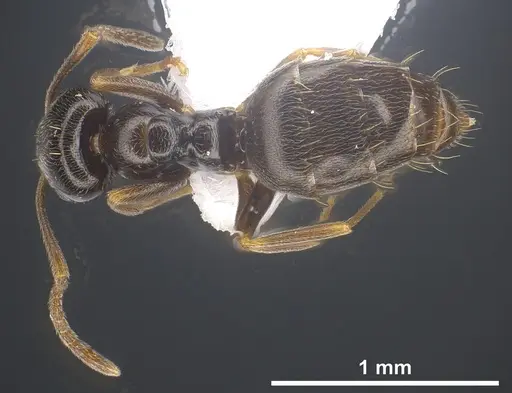
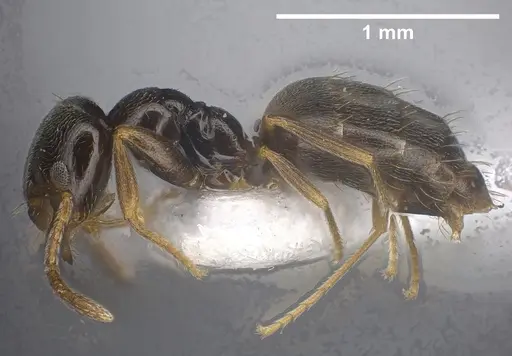
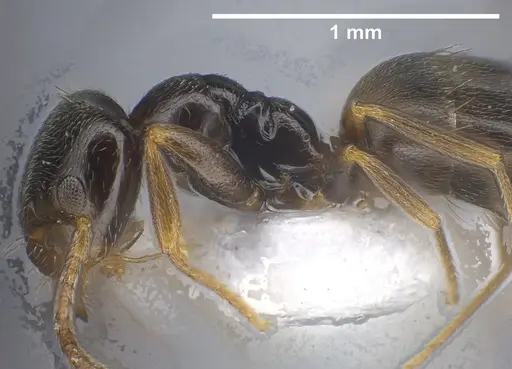
CASENT0763860
View on AntWeb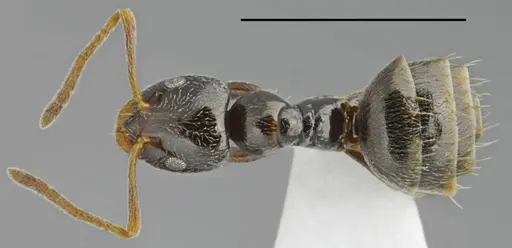
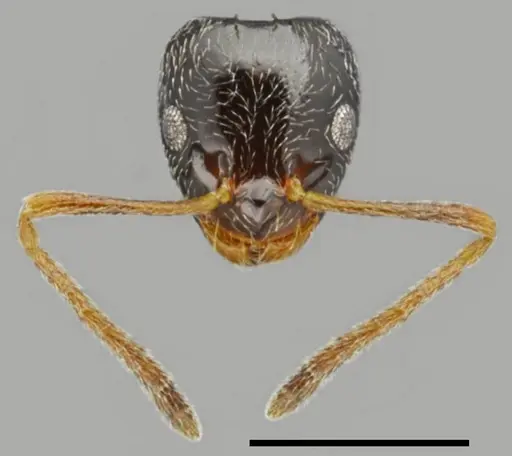
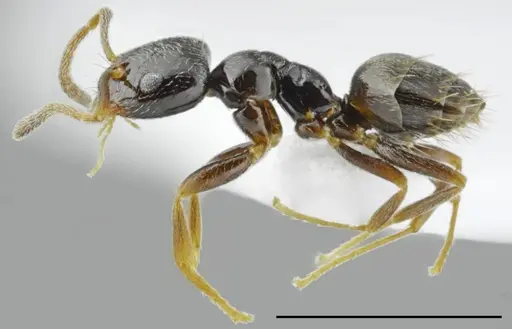
CASENT0906084
View on AntWeb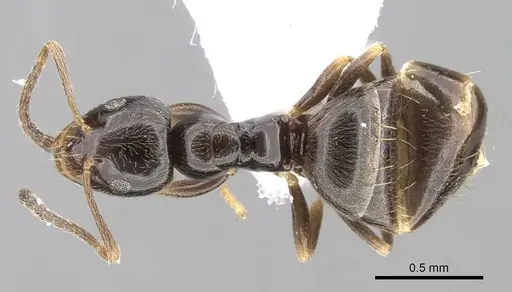
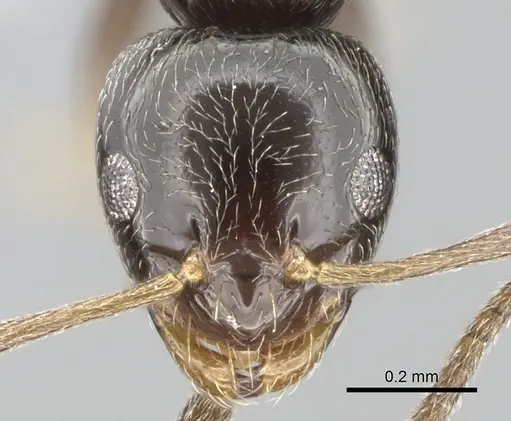
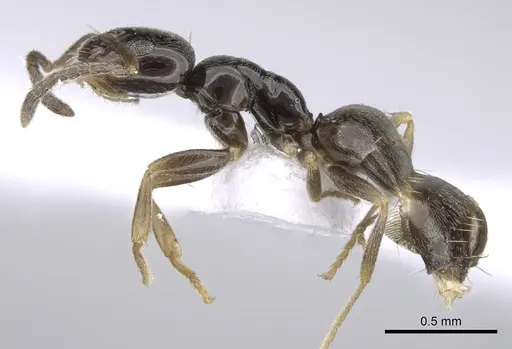
CASENT0912421
View on AntWeb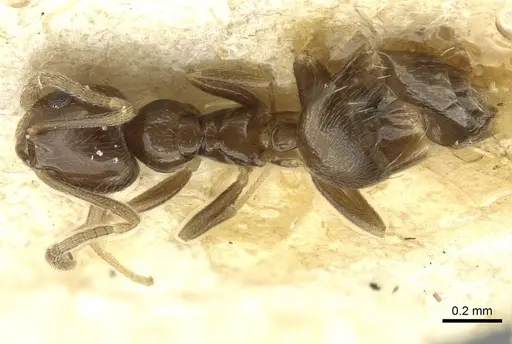
CASENT0912423
View on AntWeb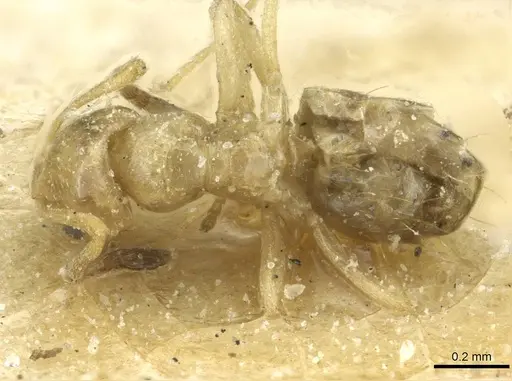
CASENT0912429
View on AntWeb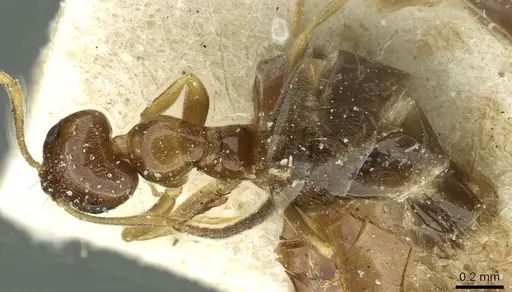
Literature
Loading...Loading products...