

Phrynoponera transversa
- Scientific Name
- Phrynoponera transversa
- Tribe
- Ponerini
- Subfamily
- Ponerinae
- Author
- Bolton & Fisher, 2008
- Distribution
- Found in 2 countries
Phrynoponera transversa Overview
Phrynoponera transversa is an ant species of the genus Phrynoponera. It is primarily documented in 2 countries , including Congo, Gabon. Detailed taxonomic data and occurrence records can be further explored via authoritative databases such as AntWeb or the Global Biodiversity Information Facility (GBIF).
Phrynoponera transversa
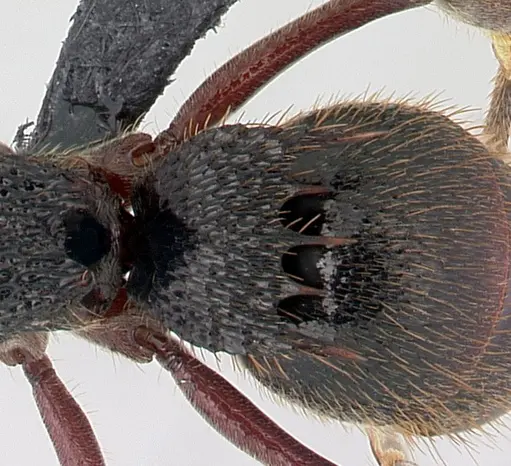
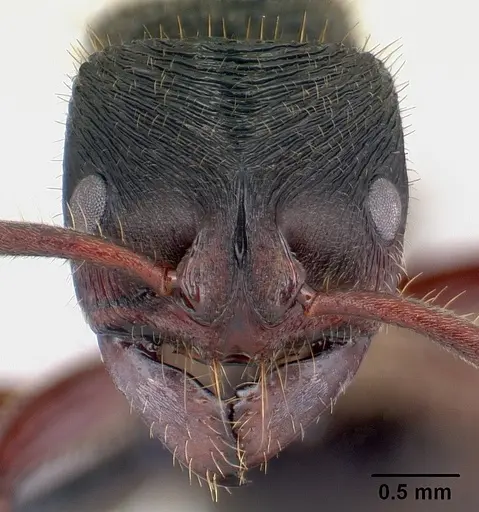
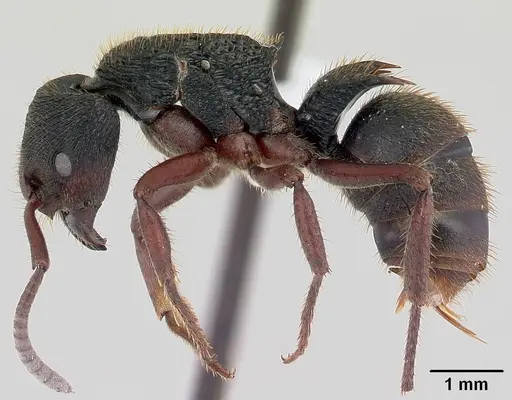
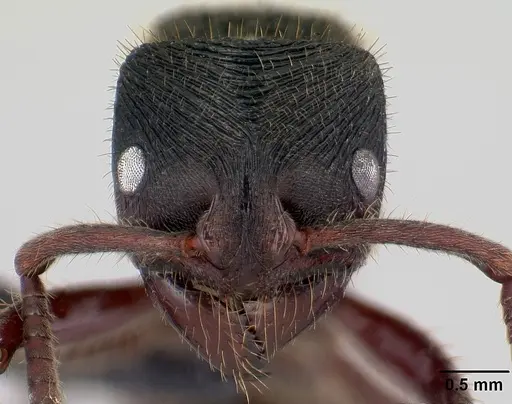
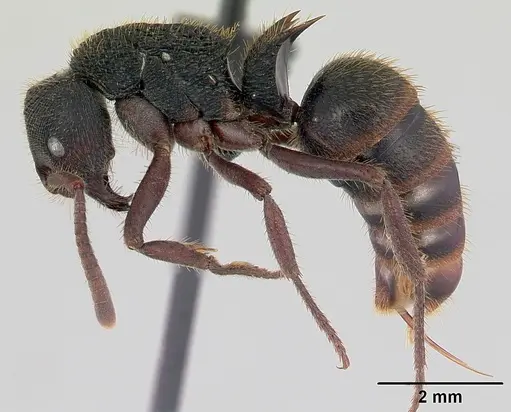
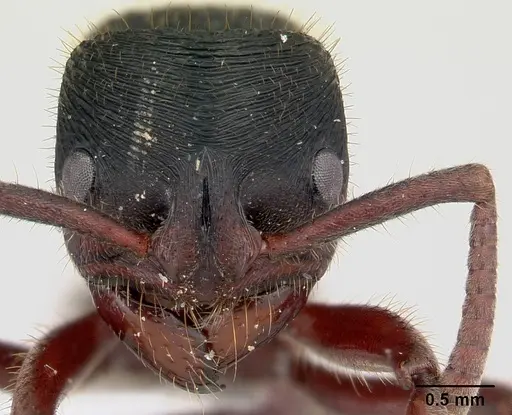
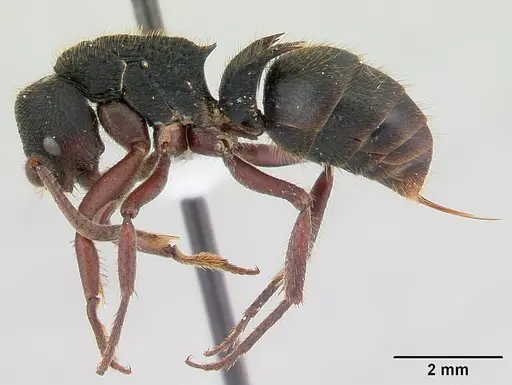
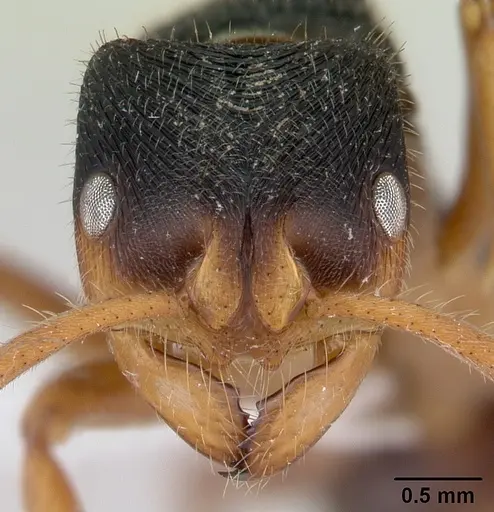
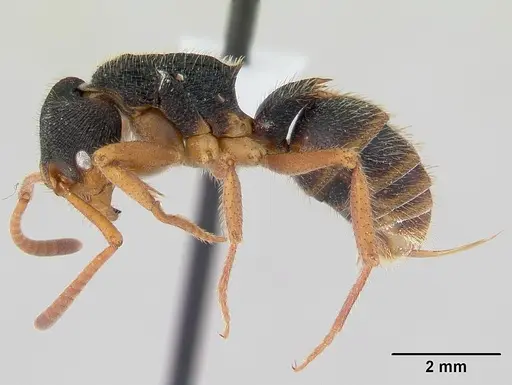
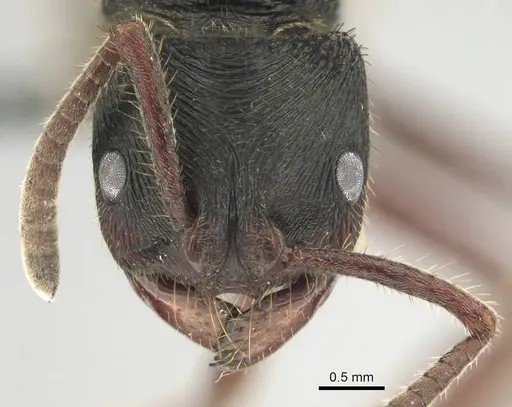
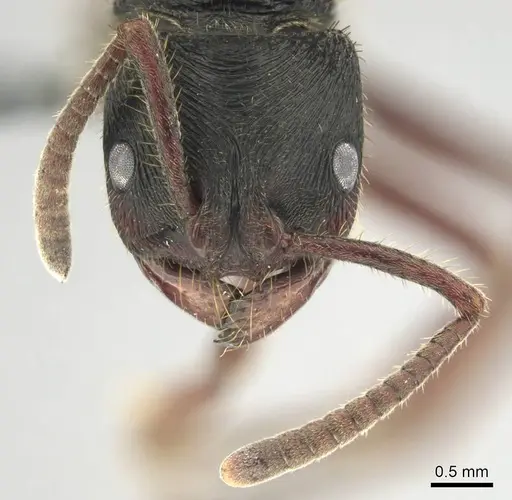
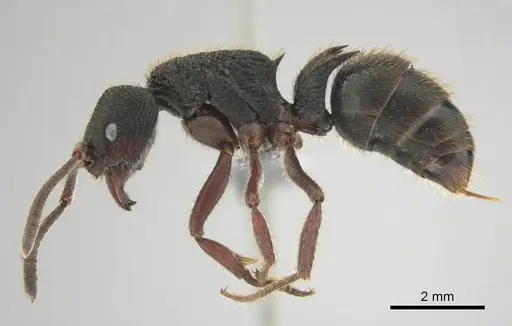
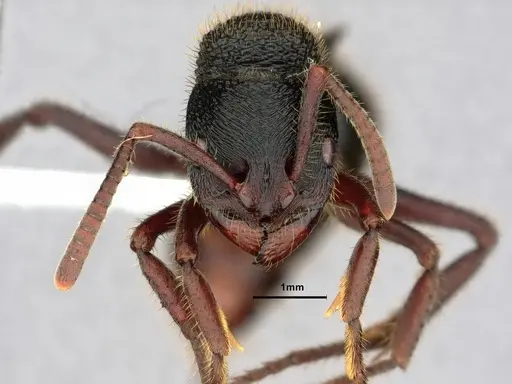
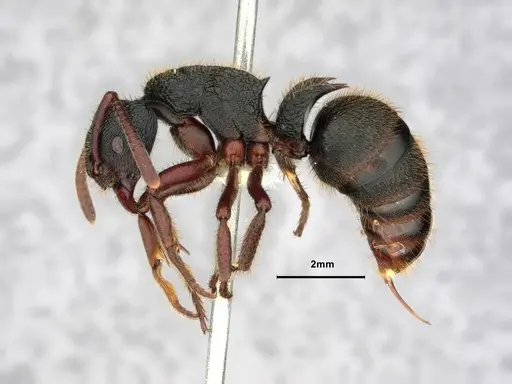
Phrynoponera transversa is a large ponerine ant species native to Central African rainforests. Workers measure 9.5-9.8mm in total length, making them substantial ants with a dark, heavily sculptured appearance [1]. They are immediately recognizable by their modified clypeus (the plate covering the front of the head) and the distinctive transverse groove pattern running across the top of the head behind the eyes [1][2]. This species has been collected primarily from leaf litter samples in Gabon and the Central African Republic, indicating they are ground-dwelling forest floor inhabitants [1][2]. The genus Phrynoponera is known for having potent stingers, and this species is no exception, keepers should expect a painful sting if handled carelessly.
Quick Summary
- Difficulty: Medium to Hard
- Origin & Habitat: Central African Republic and Gabon, in lowland tropical rainforests at elevations around 630m. They live in leaf litter and forest floor debris [1][2].
- Colony Type: Colony structure is unconfirmed. Only workers have been collected from the wild, with no data on queen number or colony size [1].
- Size & Growth:
- Queen: Unknown, queen caste has not been described
- Worker: 9.5-9.8mm total length [1]
- Colony: Unknown, no colony collections have been documented
- Growth: Unknown, no development data exists for this species
- Development: Unconfirmed, no direct observations of colony development exist. Based on typical Ponerinae patterns and their tropical origin, expect 6-10 weeks from egg to worker at warm temperatures. (This is an estimate based on related ponerine ants. Actual development time may vary.)
- Antkeeping:
- Temperature: Keep warm, around 24-28°C. As a tropical rainforest species from Gabon and CAR, they need stable warmth. A heating cable on one side of the nest creates a gradient allowing workers to self-regulate.
- Humidity: High humidity is essential. These ants live in leaf litter in humid rainforests, keep the nest substrate consistently moist but not waterlogged. Provide a water source and occasional misting if the setup allows.
- Diapause: No, this is a tropical species from stable rainforest environments. They do not require hibernation or winter rest.
- Nesting: In captivity, a naturalistic setup with moist substrate (like a soil-filled container or plaster nest with water reservoir) works well. They are leaf-litter dwellers, so they prefer tight, humid chambers over open spaces. A Y-tong or acrylic nest with consistently moist substrate is a practical choice.
- Behavior: Ponerine ants are typically predatory and more defensive than many common ant genera. Workers are likely to be active hunters, searching for small invertebrates in the substrate. They have a functional stinger and will use it if threatened, handle with care. Escape prevention is important though not as critical as for tiny species, their size makes them visible but they can still squeeze through small gaps. Expect moderate to high aggression when defending the nest.
- Common Issues: lack of documented care information means trial and error is required, start with conditions typical for tropical Ponerinae, tropical humidity requirements can lead to mold problems if ventilation is poor, predatory feeding requirements may be challenging, live prey is likely essential, no data on colony founding means introducing a queen may be difficult, potent sting means handling requires caution, they will defend the nest aggressively
Natural History and Identification
Phrynoponera transversa is a relatively recently described species, only named in 2008 by Bolton and Fisher. The species is distinguished by its unique head sculpture, a transverse groove pattern running across the head behind the eyes, plus a modified clypeus with a concave margin flanked by small teeth [1]. Workers are large at nearly 10mm, with heavily sculptured bodies showing various ridges and grooves. Most specimens have been collected from leaf litter in Gabonese and Central African rainforests, with a few caught in pitfall traps [1]. This suggests they are primarily ground-dwelling foragers that hunt through the forest floor debris.
Housing and Nest Setup
For this species, create a humid, naturalistic setup that mimics rainforest floor conditions. A container filled with moist soil or a plaster nest with a water reservoir both work well. The key is maintaining consistently damp substrate without flooding, these ants breathe through their spiracles and need moisture but also oxygen. Provide a shallow water foraging area. Because they are leaf-litter dwellers, they prefer tight, enclosed chambers rather than large open spaces. A small outworld connected to a nest chamber allows for feeding while keeping the nest humid. Escape prevention is important, while not tiny, they are active and determined.
Feeding and Diet
As a Ponerinae ant, Phrynoponera transversa is likely a predatory species that hunts small invertebrates. In the wild, they probably prey on springtails, small beetles, and other micro-arthropods found in leaf litter. In captivity, offer small live prey such as fruit flies, pinhead crickets, small mealworms, and other appropriately-sized insects. Sugar sources may be accepted occasionally, but protein-rich live prey is likely their primary food. Feed every few days, removing uneaten prey to prevent mold. Since their exact diet is unconfirmed, offer variety and observe what they accept.
Temperature and Humidity Requirements
This is a tropical species from stable rainforest environments in Gabon and the Central African Republic. Keep temperatures warm, ideally in the 24-28°C range. A slight temperature gradient allows workers to regulate their own exposure. Humidity should be high, think damp forest floor. The nest substrate should feel consistently moist but never waterlogged. A water reservoir in a plaster nest or regular light misting helps maintain humidity. Avoid both drying out and stagnant, mold-prone conditions. Good ventilation while maintaining humidity is key.
Behavior and Temperament
Ponerine ants are known for their defensive behavior and potent stingers, and Phrynoponera transversa follows this pattern. Workers are likely active hunters that patrol the substrate searching for prey. When threatened, they will use their stinger, expect a painful sting comparable to other large ponerines. They are probably more aggressive and less tolerant of disturbance than many common ant species. Colonies should be left relatively undisturbed, especially during the founding stage. If you need to move or inspect the nest, do so carefully and have escape prevention ready. Their large size makes them impressive but also means they can do real damage if they decide to sting.
Frequently Asked Questions
How long does it take for Phrynoponera transversa to produce first workers?
The exact development timeline is unconfirmed for this species. Based on typical Ponerinae development and their tropical origin, expect approximately 6-10 weeks from egg to worker at optimal warm temperatures (around 26°C). This is an estimate, actual times may vary.
What do Phrynoponera transversa ants eat?
They are likely predatory, feeding on small invertebrates like springtails, tiny beetles, and other micro-arthropods found in leaf litter. Offer small live prey such as fruit flies, pinhead crickets, and small mealworms. Sugar water may be occasionally accepted but protein prey is essential.
Can I keep Phrynoponera transversa in a test tube?
A test tube setup can work for founding, but these ants need high humidity and likely prefer a more naturalistic setup with moist soil substrate. If using test tubes, ensure the water chamber stays filled and the tube is kept humid. A plaster nest with water reservoir is often a better long-term option.
Do Phrynoponera transversa need hibernation?
No, they are tropical ants from stable rainforest environments in Central Africa and do not require hibernation or winter rest. Keep them warm year-round.
How big do Phrynoponera transversa colonies get?
The maximum colony size is unknown, no colony collections have been documented in scientific literature. Based on their size and typical Ponerinae patterns, colonies are likely moderate (dozens to a few hundred workers) rather than supercolonial.
Are Phrynoponera transversa good for beginners?
No, this species is not recommended for beginners. There is very limited documented care information, they require tropical conditions with high humidity, they have a painful sting, and their exact dietary and social requirements are unknown. This is a species for experienced keepers willing to experiment.
What temperature should I keep Phrynoponera transversa at?
Keep them warm, around 24-28°C. As a tropical rainforest species from Gabon, they need stable warmth. A heating cable on one side of the nest creates a gradient allowing workers to self-regulate their temperature.
Where is Phrynoponera transversa found in the wild?
This species is known from Gabon and the Central African Republic, specifically from rainforest areas like Monts Doudou in Gabon and the Dzanga-Ndoki area in CAR. They live in leaf litter at elevations around 630 meters.
How do I start a colony of Phrynoponera transversa?
Starting a colony is challenging since queen biology is unconfirmed. If you obtain a queen, she is likely claustral (seals herself in and raises first workers alone from stored fat). Provide a humid, warm nest with moist substrate. Since colony structure is unknown, do not attempt to keep multiple queens together. Success depends on obtaining a properly fed queen, offer small prey occasionally once workers emerge.
References

This caresheet is licensed under CC BY-SA 4.0 .
CASENT0178224
View on AntWeb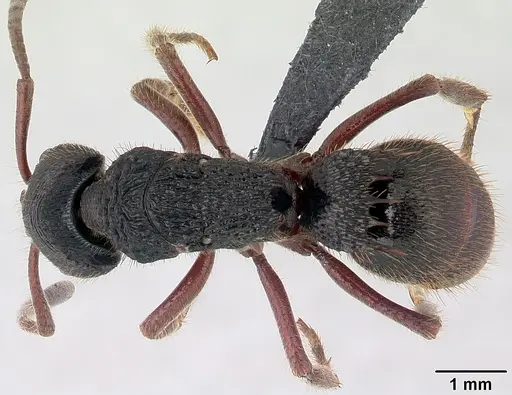
CASENT0178225
View on AntWeb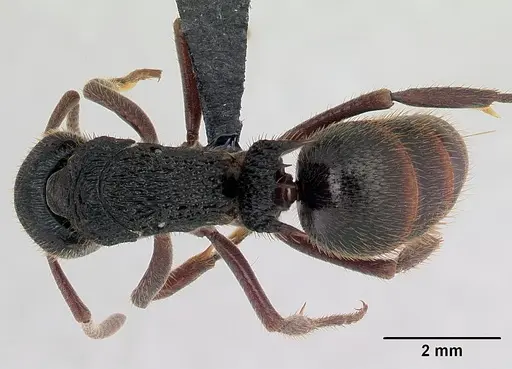
CASENT0178226
View on AntWeb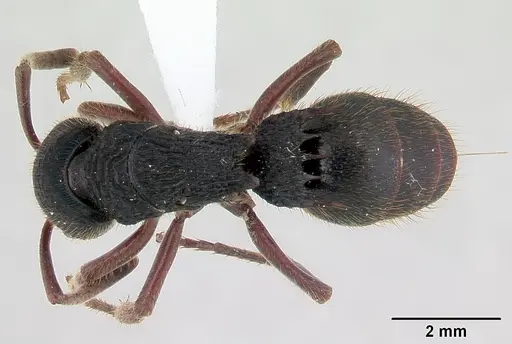
CASENT0178227
View on AntWeb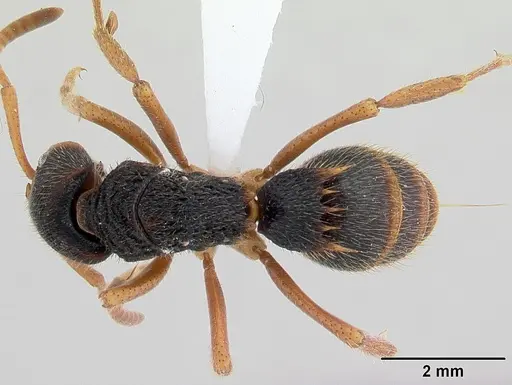
CASENT0250058
View on AntWeb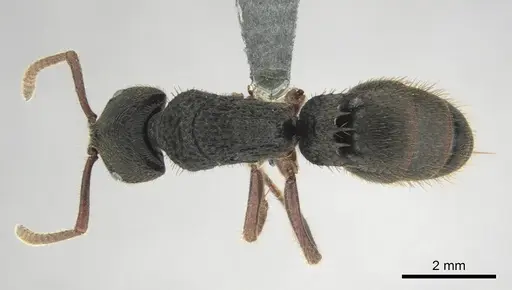
CASENT0882093
View on AntWeb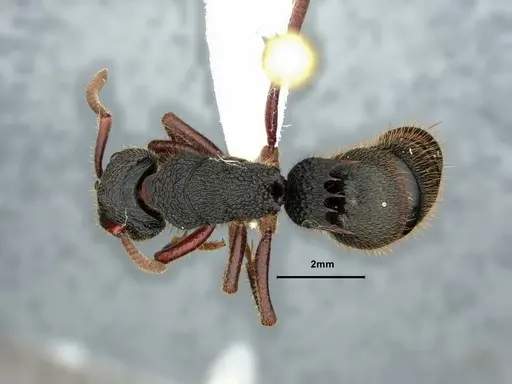
Literature
Loading...Loading products...