

Phrynoponera pulchella
- Scientific Name
- Phrynoponera pulchella
- Tribe
- Ponerini
- Subfamily
- Ponerinae
- Author
- Bolton & Fisher, 2008
- Distribution
- Found in 2 countries
Phrynoponera pulchella Overview
Phrynoponera pulchella is an ant species of the genus Phrynoponera. It is primarily documented in 2 countries , including Kenya, Tanzania, United Republic of. Detailed taxonomic data and occurrence records can be further explored via authoritative databases such as AntWeb or the Global Biodiversity Information Facility (GBIF).
Phrynoponera pulchella
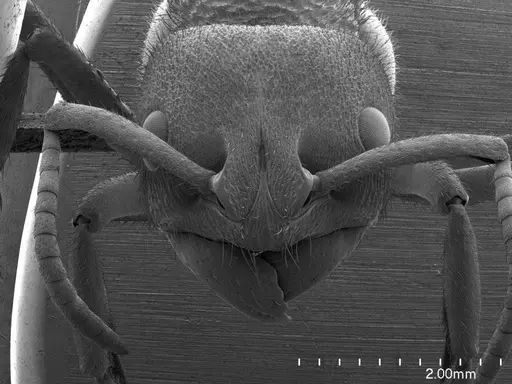
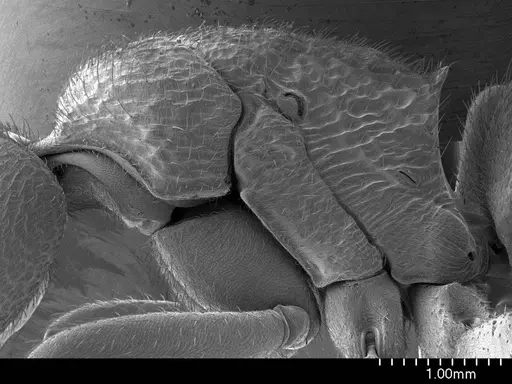
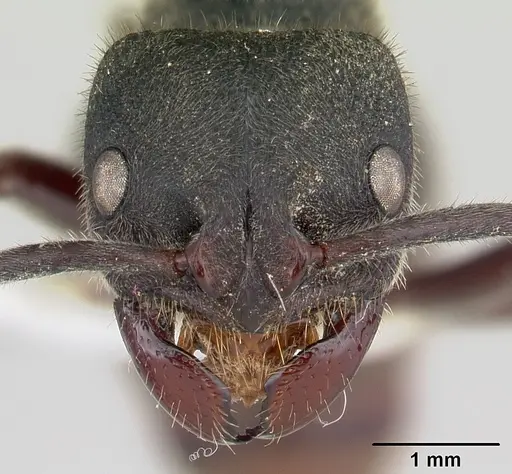
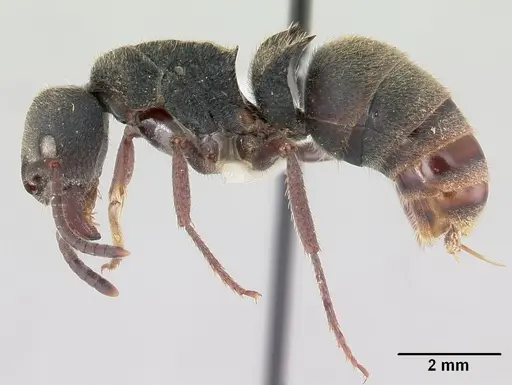
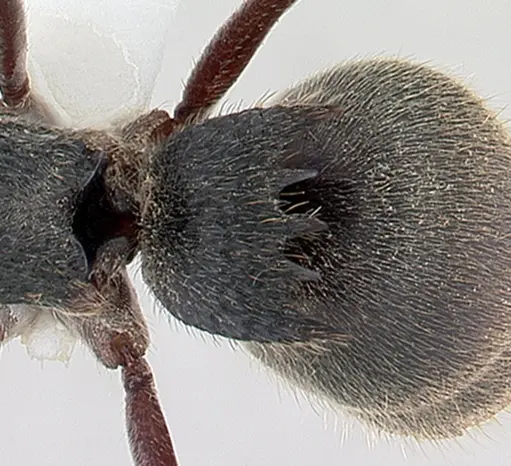
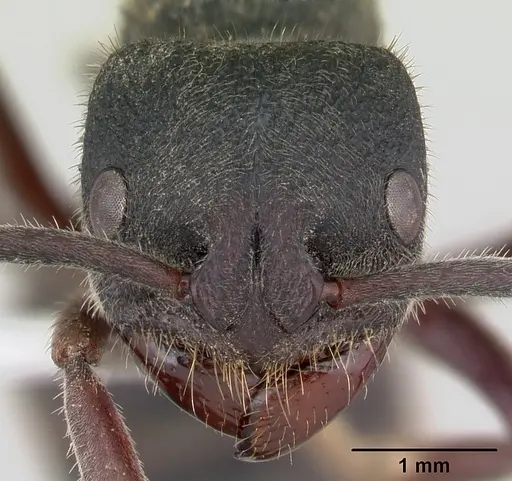
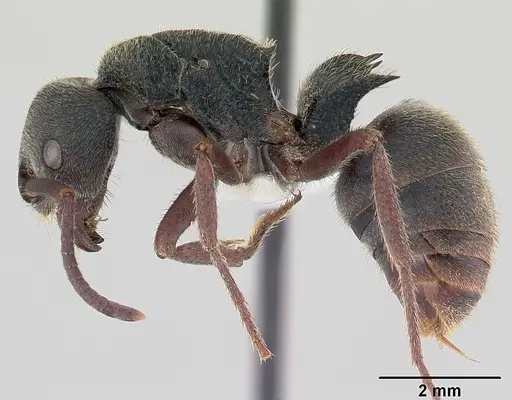
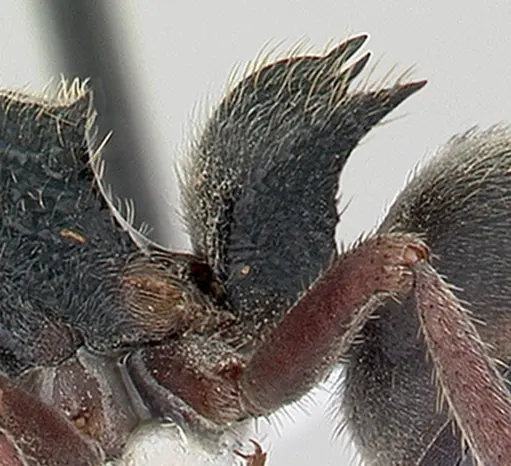
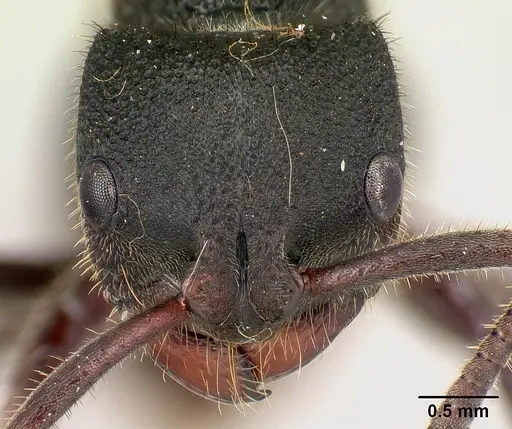
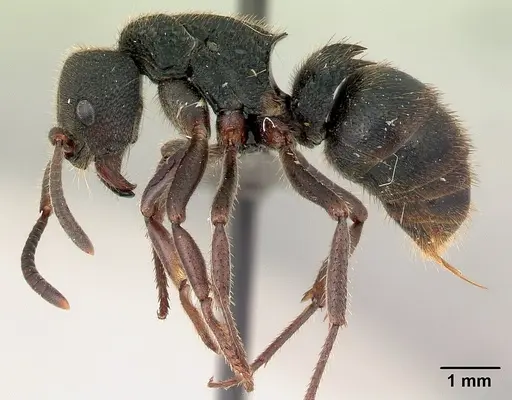
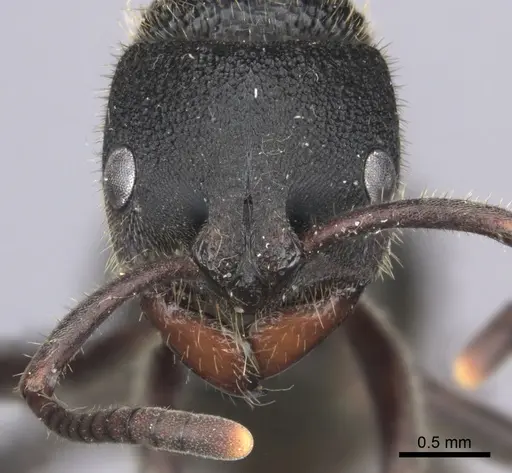
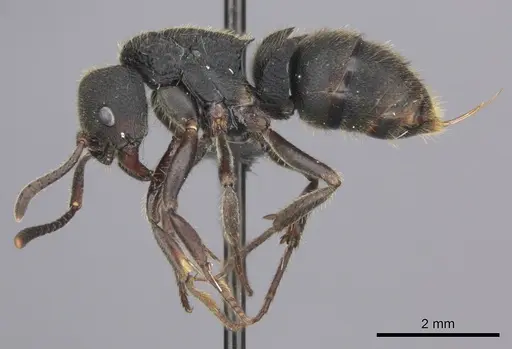
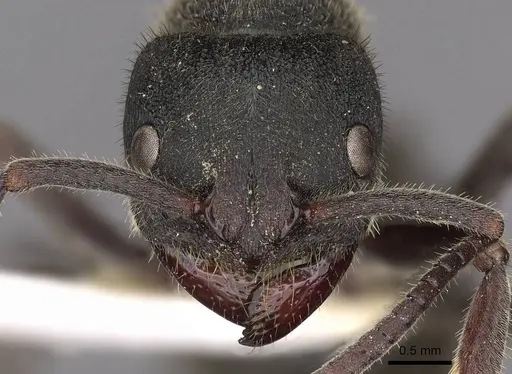
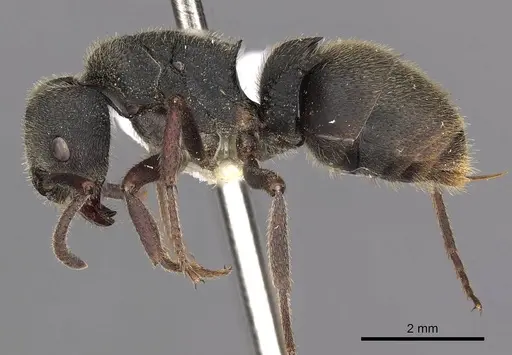
Phrynoponera pulchella is a large ponerine ant species from East Africa. Workers measure 11-12mm in total length, making them one of the larger ant species in the hobby [1]. They are immediately recognizable by their short, stout petiolar spines, dense golden-brown pubescence on the gaster and propodeum, and a unique feature among Phrynoponera species: traces of a stridulitrum (a sound-producing organ) on the second abdominal segment [1]. The head and mesosoma have coarse reticulate-rugose sculpture, while the gaster has a distinctive finely reticulate-punctate appearance. This species is known only from Kenya and Tanzania, where it inhabits lowland Acacia-Commiphora scrubland at elevations of 0-100 meters [1].
Nothing is known about the biology of this species, no queen has been described, colony size is unknown, and their exact nesting habits, diet, and behavior have not been studied [2]. This makes them an expert-only species suitable only for experienced antkeepers who understand that caring for poorly-documented species requires patience and careful observation.
Quick Summary
- Difficulty: Expert
- Origin & Habitat: Kenya and Tanzania in East Africa. They inhabit lowland Acacia-Commiphora scrubland at elevations of 0-100 meters [1]. The climate is warm and seasonally dry.
- Colony Type: Unknown, the queen has not been described, and colony structure has not been documented in the scientific literature [1][2].
- Size & Growth:
- Queen: Unknown, queens have not been described [1]
- Worker: 11.0-12.0 mm total length [1]
- Colony: Unknown, no colony size data exists
- Growth: Unknown
- Development: Unknown, development has not been studied (No data exists on egg-to-worker development time. Related Ponerine ants typically take 6-12 weeks at warm temperatures.)
- Antkeeping:
- Temperature: Keep at room temperature around 22-26°C. This is based on the warm, lowland East African habitat they originate from. A gentle heat gradient allows the colony to self-regulate.
- Humidity: Provide moderate humidity with a moist nesting area. The Acacia-Commiphora scrubland habitat is seasonally dry, so avoid overly wet conditions. A hydration zone in part of the nest with drier areas available works well.
- Diapause: Unknown, no data on overwintering requirements. East African ants from low elevations may not require true hibernation but may have reduced activity during cooler seasons.
- Nesting: Natural nesting is unknown. Large Ponerine ants typically prefer dark, secure nests. A Y-tong (AAC) nest or spacious acrylic formicarium with deep substrate works well. Provide a humid chamber and ensure the nest is escape-proof, these large ants can be surprisingly agile.
- Behavior: Behavior is unstudied. Ponerine ants are typically predatory with potent stings, and this large species should be considered capable of painful defensive stings. They are likely nocturnal or crepuscular foragers based on their large eyes. Escape prevention is important despite their size, they are active and may explore. Approach with caution during any colony maintenance.
- Common Issues: no biological data exists, keepers must be prepared for uncertainty and experimentation, queen and colony founding are completely unknown, establishing a colony may be extremely difficult, growth and development timeline is unknown, patience is essential, humidity and temperature preferences are inferred, not confirmed, observe colony behavior and adjust, potential sting pain is unknown but likely significant given their size and Ponerine phylogeny
Appearance and Identification
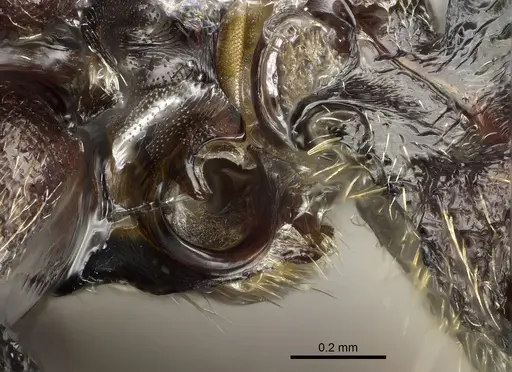
Phrynoponera pulchella workers are large ants measuring 11.0-12.0mm in total length [1]. They are robustly built with a broad head and mesosoma. The most distinctive features are the five short, stout spines on the petiole (the narrow waist segment), with the outer pair being the longest but still broadly triangular and weakly divergent [1]. The body is covered in dense golden-brown pubescence, particularly on the propodeum and gastral tergites. The gaster (abdomen) has characteristic fine reticulate-punctate sculpture that gives it a slightly roughened appearance. Unlike other Phrynoponera species, P. pulchella retains traces of a stridulitrum, a small roughly triangular area on the second abdominal segment that can produce sound [1]. The mandibles have 3-5 teeth depending on the specimen. The eyes are relatively large (0.56-0.58mm diameter) suggesting diurnal or crepuscular activity patterns.
Distribution and Habitat
This species is known only from East Africa, specifically Kenya and Tanzania [1]. In Kenya, specimens have been collected from Kora Reserve along the Tana River at elevations of 0-100m in Acacia-Commiphora scrubland, and from Arabuko-Sokoke Forest in Malindi District [1]. In Tanzania, they have been found at Mkomazi Game Reserve near Dindera Dam [1]. The Acacia-Commiphora scrubland habitat is characterized by semi-arid conditions with seasonal rainfall. These are lowland ants, the complete absence of records from high elevations suggests they prefer warm, lower-elevation environments.
Why This Species is Expert-Only
Phrynoponera pulchella is not a species for beginners. The fundamental reason is simple: absolutely nothing is known about their biology in captivity. The queen has never been described, meaning we do not know if they are monogyne (single queen) or polygyne (multiple queens), nor do we know how queens found new colonies [1][2]. We do not know if they are claustral (queen seals herself in and lives off stored fat) or semi-claustral (queen must leave to hunt). We do not know their exact temperature and humidity requirements, their development timeline, or what foods they accept. Keeping this species requires the ability to experiment, adapt, and accept significant uncertainty. You must be prepared for the possibility that establishing a colony may be extremely difficult or even impossible with current knowledge. This species is best suited for experienced antkeepers who have successfully kept multiple other species and understand the experimental nature of working with poorly-documented taxa.
Housing and Nesting
Since natural nesting behavior is unknown, recommendations must be based on what works for related large Ponerine ants. Provide a spacious nest, these are large ants that need room to move. A Y-tong (AAC) formicarium or a large acrylic nest with deep substrate works well. Include both a humid chamber and a drier area so the colony can self-regulate. Given their size and likely predatory nature, provide a water reservoir and ensure the outworld (foraging area) is appropriately sized. Escape prevention is important, while large, they are agile and can squeeze through small gaps. Use tight-fitting lids and consider barrier methods appropriate for their size. A naturalistic setup with a digging container can also work well if you obtain a colony.
Feeding and Diet
Diet is completely unstudied for this species. As a Ponerine ant, they are likely primarily predatory, feeding on insects and other small invertebrates. Related Ponerines typically accept live prey such as crickets, mealworms, and other arthropods. Given their large size (11-12mm workers), they can likely tackle prey that smaller ants cannot. I recommend starting with live insects (crickets, roaches, mealworms) and observing acceptance. Sugar sources may or may not be accepted, some Ponerines take honey or sugar water, while others are strictly predatory. Offer a variety and observe. Do not rely on sugar sources unless acceptance is confirmed. Always provide fresh water.
Temperature and Seasonal Care
Based on their East African lowland origin (0-100m elevation in Kenya and Tanzania), these ants likely prefer warm conditions. Room temperature of 22-26°C is a reasonable starting point. A gentle heat gradient (warming one side of the nest slightly) allows the colony to choose their preferred temperature. Avoid temperatures below 20°C or above 30°C until you observe how the colony responds. Nothing is known about diapause or winter requirements. East African ants from low elevations may not require true hibernation but could have reduced activity during cooler periods. Monitor colony activity levels and adjust accordingly, if they become less active, slightly warmer conditions may help. [1]
Safety and Handling
Ponerine ants are known for their potent stings, and at 11-12mm, Phrynoponera pulchella is a large species that should be treated with respect. While the exact sting pain level is unrecorded, it is reasonable to assume it could be significant. When working with this species, take precautions: use tools rather than bare hands, work in a well-lit area where you can see the ants, and move slowly to avoid provoking defensive responses. If provoked, these ants may deliver a painful sting. Have tweezers or other tools ready for colony maintenance. This is not a species for handling or for keepers who are sensitive to ant stings.
Frequently Asked Questions
How long do Phrynoponera pulchella workers live?
The worker lifespan is unknown, this species has not been studied in any detail.
Can beginners keep Phrynoponera pulchella?
No. This species is expert-only because absolutely nothing is known about their biology in captivity. We do not know how they form colonies, what they eat, or their exact care requirements. Only experienced antkeepers who understand experimental husbandry should attempt this species.
How big do Phrynoponera pulchella colonies get?
Unknown, colony size has not been documented. Related Ponerine ants typically form colonies of several hundred workers, but we have no specific data for this species.
What do Phrynoponera pulchella eat?
Likely primarily predatory based on their Ponerine phylogeny. They probably accept insects and other small invertebrates. Start with live prey like crickets or mealworms and observe. Sugar acceptance is uncertain.
How do I start a Phrynoponera pulchella colony?
This is extremely challenging since the queen has never been described and colony founding is unknown. If mated queens become available (unlikely), you would need to experiment with claustral-style setup (dark, humid chamber) and offer food once workers emerge. Wild-caught colonies are the most realistic option, if available.
What temperature do Phrynoponera pulchella need?
Based on their East African origin, keep them warm at 22-26°C. A gentle heat gradient allows the colony to self-regulate. Avoid temperatures below 20°C or above 30°C until you understand their preferences.
Do Phrynoponera pulchella need hibernation?
Unknown, no data exists on overwintering requirements. As lowland East African ants, they may not require true hibernation but could have reduced activity during cooler seasons.
Are Phrynoponera pulchella aggressive?
Ponerine ants are typically defensive and will sting when threatened. This large species should be considered capable of defensive behavior. Use caution during maintenance.
Where is Phrynoponera pulchella found?
Only in Kenya and Tanzania, East Africa. They inhabit lowland Acacia-Commiphora scrubland at elevations of 0-100 meters [1].
References

This caresheet is licensed under CC BY-SA 4.0 .
ANTWEB1008573
View on AntWeb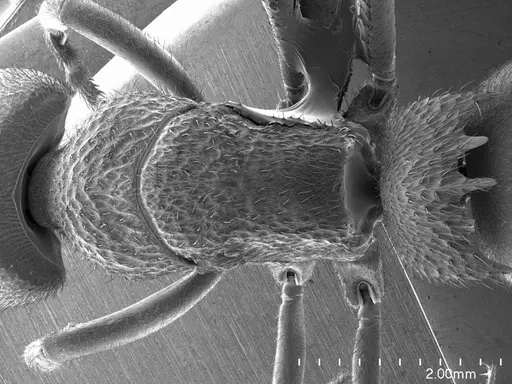
CASENT0178203
View on AntWeb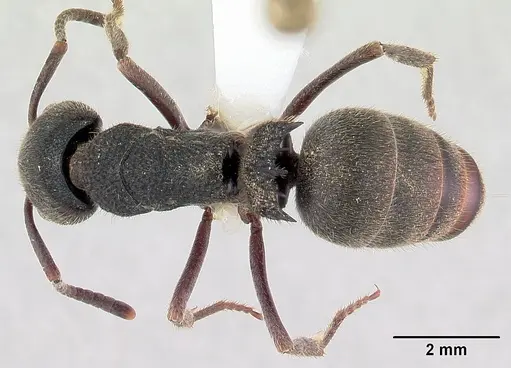
CASENT0178204
View on AntWeb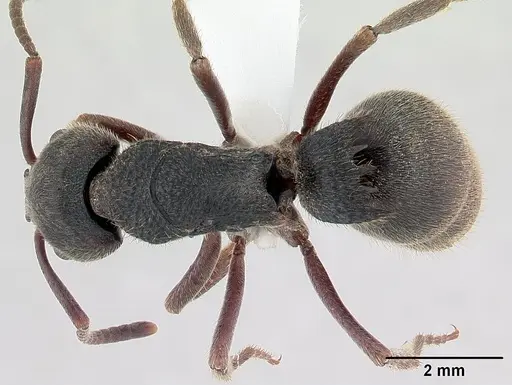
CASENT0217034
View on AntWeb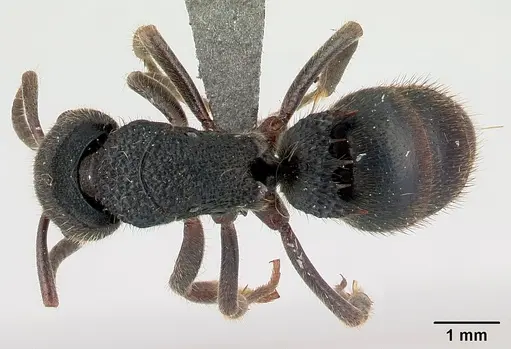
CASENT0217125
View on AntWeb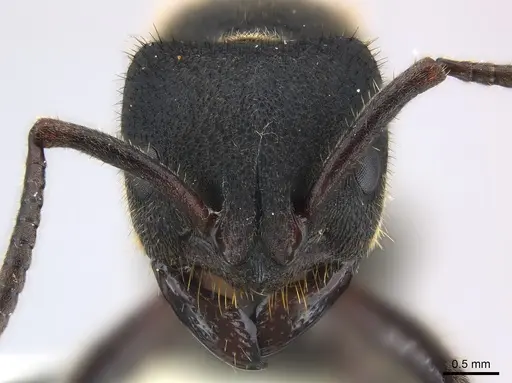
CASENT0235660
View on AntWeb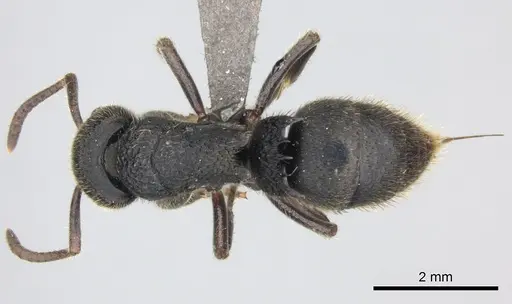
CASENT0900674
View on AntWeb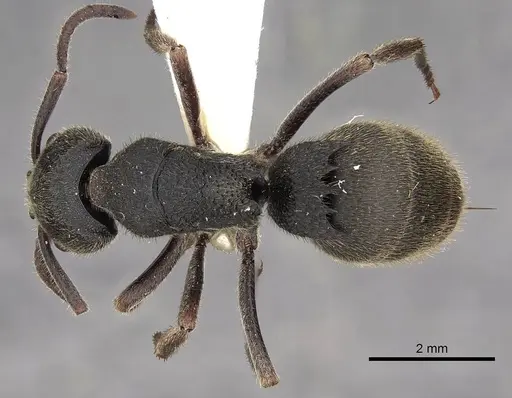
Literature
Loading...Loading products...