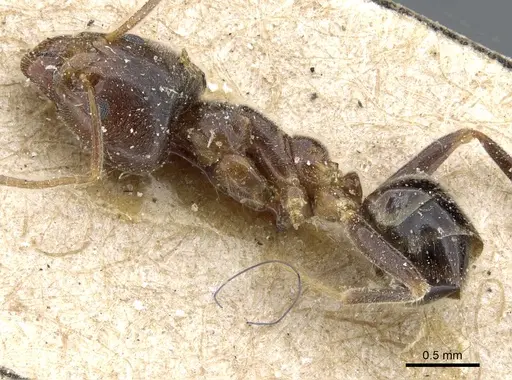
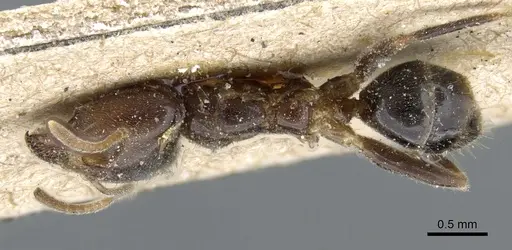
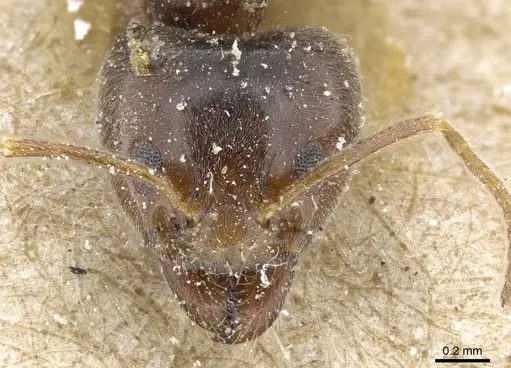
Philidris laevigata - "Smooth Philidris Ant"
Philidris laevigata is a fascinating ant species belonging to the Dolichoderinae subfamily. These ants are notable for their close association with 'ant plants' (myrmecophytes) in their natural habitat, often nesting within specialized plant structures called domatia. Workers exhibit polymorphism, meaning there's a size variation among them, with larger individuals sometimes having disproportionately bigger heads. They are generally fuscous brown, with slightly paler antennae, undersides of the thorax, and legs. Their heads are somewhat heart-shaped, and their mandibles are triangular with small teeth.
- Difficulty: Medium
- Origin & Habitat: India, Myanmar, China, Singapore, Bhutan, Southeast Asia (generally Indo-Australian and Oriental regions). in Forested areas, particularly tropical rainforests, where they are commonly found nesting in specialized ant plants like Dischidia major and Myrmecodia. They can also be found in disturbed vegetation..
- Colony Type: Polygyne (multiple queens), claustral, often with mutualism with host plants where queens utilize plant domatia. founding.
- Size & Growth:
- Queen: Not specified
- Worker: 3-3.5mm
- Colony: Medium (thousands), with mean colony sizes estimated around 18,000 individuals for the genus.. Medium growth.
- Antkeeping:
- Temperature: Ideally maintain a temperature range of 24-28°C for optimal activity and brood development. Temperatures between 26°C and 30°C may see peak foraging activity..
- Humidity: High humidity is crucial, especially in the nesting area, ranging from 70-90%. The outworld can have slightly lower humidity, around 40-70%..
- Diapause: Not required. Not specified at Not specified.
- Nesting: These ants are arboreal nesters, often forming elaborate internal partitions within the specialized leaves (pitchers) of host plants. In captivity, they will thrive in nests that mimic these conditions, such as setups with live Dischidia plants, or artificial nests with high humidity. They may also create satellite nests in dense foliage..
- Behavior: Low (towards handler, but will defend nest if threatened) aggressiveness.
- Common Issues: Mold in nest, Humidity fluctuations, Lack of suitable nesting structures, Inadequate diet.
Keeping Philidris laevigata requires a keen understanding of their unique symbiotic relationship with myrmecophytic plants. In the wild, they often inhabit specialized structures on plants like Dischidia major, where they build internal partitions to maximize space for their colony and brood. Replicating this in a formicarium is key to their long-term success. Consider incorporating live ant-plants if you can provide the necessary horticultural care, as this offers a naturalistic and enriching environment for your colony. This specialized nesting habit is a hallmark of their biology and should be a primary consideration for any antkeeper.
These ants are omnivores, and in their natural habitat, they are known to cultivate ant gardens, indicating a diet that likely includes honeydew from sap-feeding insects and various insect proteins. A varied diet of sugar sources (like sugar water or honey) and insect protein (such as roaches, mealworms, or fruit flies) will be essential to meet their nutritional needs. Ensure food is provided in an outworld that allows for easy foraging and waste removal, preventing mold or mites in the nesting area.
Humidity is paramount for Philidris laevigata, especially within the nest. They thrive in environments with high moisture levels, which is typical of their tropical rainforest origins. Maintaining a stable, high humidity without stagnant air is a fine balance. Proper ventilation in the outworld and thoughtful nest design will help prevent issues like mold, which can quickly decimate a colony. Regular misting of the outworld or providing a consistent water source in the nest is often beneficial.
While general information suggests polygyny in Philidris species, meaning colonies can have multiple queens, observation of your colony's specific queen count is always beneficial. The ability of their founding queens to fly and search for suitable host plants, along with the potential for pleometrosis (multiple queens founding a colony together), suggests a fascinating social dynamic. Witnessing a thriving colony producing alates (winged reproductive ants) is a strong indicator of success, signifying that the colony has reached a mature size and is receiving ample resources for reproduction.
Worker polymorphism, with individuals ranging from small to larger workers that can have proportionally bigger heads, adds another layer of intrigue to their care. While their specific behaviors related to size variation aren't fully documented for P. laevigata, it's reasonable to expect some division of labor, as is common in polymorphic species. Observing their foraging habits and how different sized workers interact can provide valuable insights into their colony's health and development.
Frequently Asked Questions
What kind of nest is best for *Philidris laevigata*?
These ants really thrive in setups that mimic their natural arboreal nests. Think about something that can incorporate live ant-plants like Dischidia, or an artificial nest with plenty of chambers and high humidity. They love to build partitions within spaces, so a nest allowing for this will be ideal for your colony's brood and comfort.
What do *Philidris laevigata* ants eat?
As omnivores, they need a balanced diet. Offer them a variety of sugary foods, like honey or sugar water, alongside insect protein such as small feeder insects like fruit flies, roaches, or mealworms. This diverse diet will keep your colony healthy and flourishing.
How big do *Philidris laevigata* colonies get?
While it varies, Philidris colonies are generally considered medium-sized, often reaching into the thousands of individuals. Some estimates suggest colony sizes around 18,000 individuals for the genus. Providing enough space for their growth is important for a thriving colony.
Do *Philidris laevigata* queens need a special setup for founding?
These queens are typically claustral, meaning they seal themselves off to raise their first workers. In the wild, they often utilize plant domatia. For founding, a test tube setup with a stable, high-humidity environment is often a good start, eventually transitioning to a more complex nest once workers arrive.
Are *Philidris laevigata* aggressive?
They are generally considered to have low aggression towards handlers. However, like any ant species, they will defend their nest and brood if they feel threatened. Observing their behavior will help you understand their temperament.
What humidity and temperature do *Philidris laevigata* need?
These ants need high humidity in their nest (70-90%) and a slightly lower, but still significant, humidity in their foraging area (40-70%). Temperature-wise, aim for around 24-28°C in their nesting area, as this range is ideal for their activity and brood development.
Do *Philidris laevigata* workers come in different sizes?
Yes, Philidris laevigata workers exhibit polymorphism, meaning you'll see a range of sizes within the worker caste. Larger workers might even have notably bigger heads. This size variation can lead to a fascinating division of labor within the colony.
How fast do *Philidris laevigata* colonies grow?
They have a medium growth rate. While not super fast like some other species, a healthy Philidris laevigata colony will steadily increase in numbers, especially with proper care and consistent feeding. Patience is key with these beauties!
Can *Philidris laevigata* have multiple queens?
Yes, Philidris species are typically polygyne, meaning a single colony can house multiple queens. This can contribute to a larger and more robust colony over time.
What are common problems when keeping *Philidris laevigata*?
The main challenges often revolve around maintaining consistent high humidity to prevent mold, providing the right type of nest that caters to their arboreal habits, and ensuring a diverse and consistent food supply. Humidity fluctuations can be particularly detrimental to their health.
Do *Philidris laevigata* need diapause?
No, Philidris laevigata are tropical ants and do not require diapause (a period of hibernation or dormancy). They need consistent warm temperatures and humidity year-round.
Where are *Philidris laevigata* found in the wild?
These ants are native to parts of Asia, including India, Myanmar, China, Singapore, and Bhutan. They prefer the warm, humid environments of tropical rainforests.