

Philidris cordata
- Scientific Name
- Philidris cordata
- Tribe
- Leptomyrmecini
- Subfamily
- Dolichoderinae
- Author
- Smith, 1859
- Distribution
- Found in 6 countries
Philidris cordata Overview
Philidris cordata is an ant species of the genus Philidris. It is primarily documented in 6 countries , including Australia, Indonesia, Malaysia. Detailed taxonomic data and occurrence records can be further explored via authoritative databases such as AntWeb or the Global Biodiversity Information Facility (GBIF).
Philidris cordata
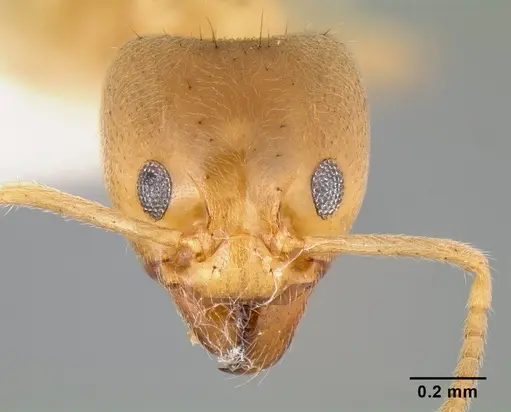
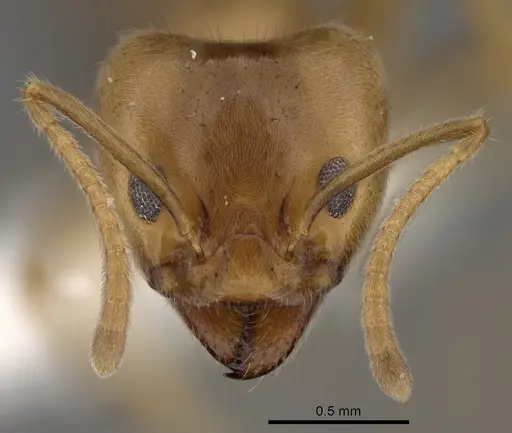
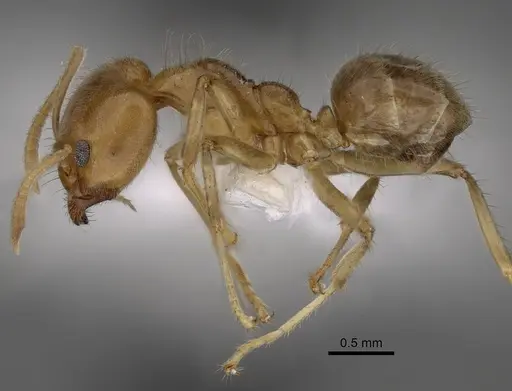
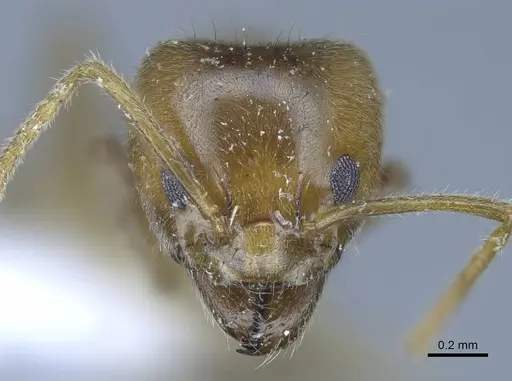
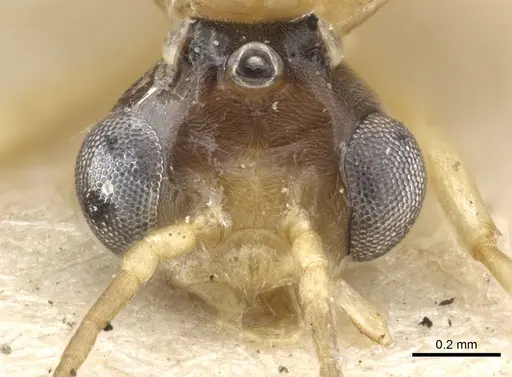
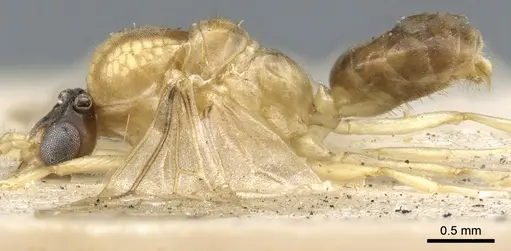
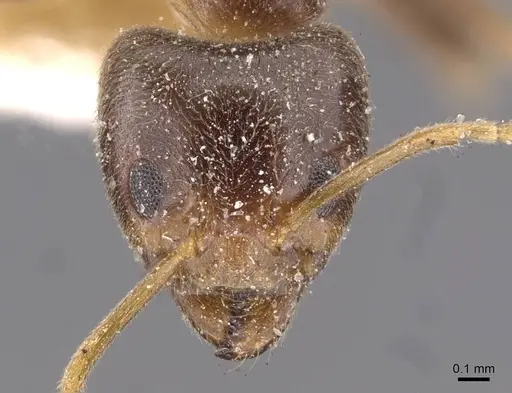
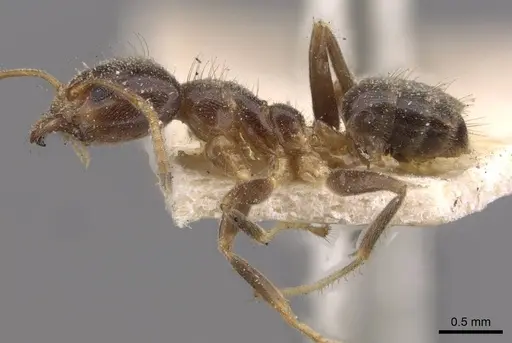
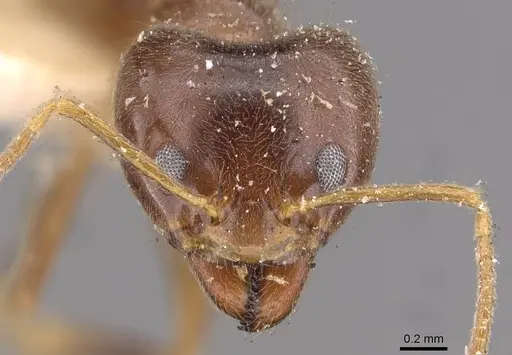
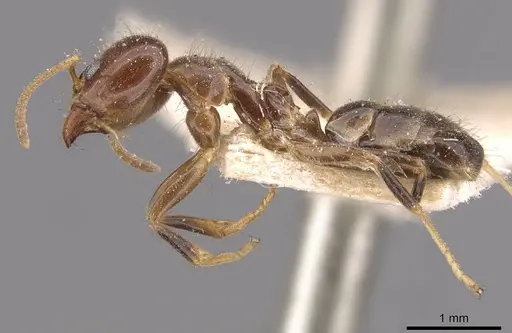
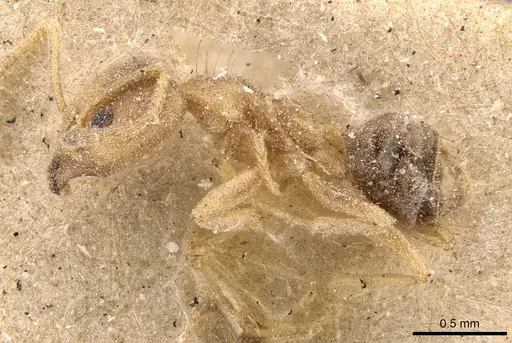
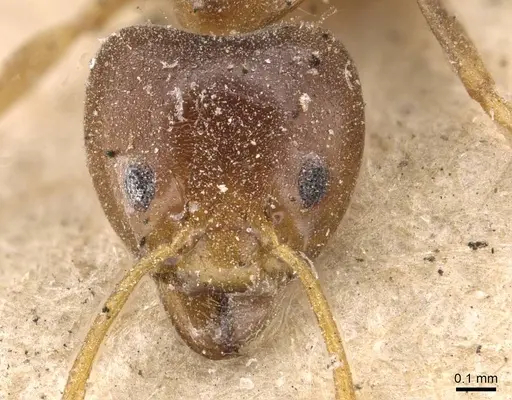
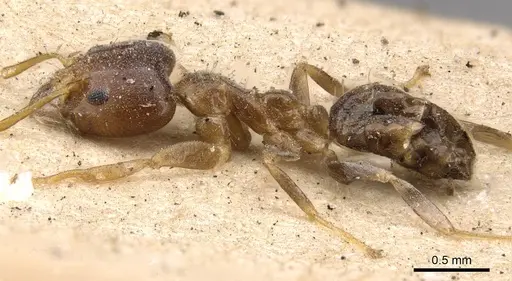
Philidris cordata is a medium-sized Dolichoderinae ant native to the Australasian and Indomalaya regions, including New Guinea, Indonesia, and Singapore. Workers are slender with a distinctive dark coloration and measure around 4-6mm. This species forms large colonies that create extensive trunk trails and semi-carton nest structures on tree trunks and at the base of trees. They are strongly associated with ant-plants like Myrmecodia beccarii, where they occupy domatium chambers. Unlike true ant-garden species, P. cordata is a secondary resident that opportunistically uses these plants. These ants are highly abundant and dominant in their range, capable of displacing other ant species including invasive ones in agricultural settings.
Quick Summary
- Difficulty: Medium
- Origin & Habitat: Native to New Guinea, Indonesia (Sulawesi, Aru Islands), and Singapore. Found in young secondary habitat, disturbed scrub in parks, abandoned plantation forests, and occasionally primary forest and mangroves. Nests in fallen twigs, behind bark of dead trees, and builds semi-carton nest extensions on tree trunks [1].
- Colony Type: Large colonies with extensive trunk trail systems. Multiple queens likely based on the semi-carton satellite nest structures and pervasive colony networks observed. Colony structure is not fully documented in scientific literature.
- Colony: Polygyne
- Founding: Claustral
- Size & Growth:
- Queen: Estimated 6-8mm based on genus typical sizes
- Worker: Estimated 4-6mm based on genus typical sizes
- Colony: Large colonies, dominant in cacao agroforestry with colonies spanning multiple trees [2]
- Growth: Moderate, fast once established
- Development: Estimated 6-8 weeks at tropical temperatures based on related Dolichoderinae (Development timeline is inferred from genus patterns, not directly studied for this species)
- Antkeeping:
- Temperature: Keep at 24-28°C. This is a tropical species from warm, humid regions of New Guinea and Indonesia. A heating cable on one side of the nest creates a suitable gradient [3] (related species thermal studies).
- Humidity: Keep at 70-80% humidity. These ants naturally inhabit humid tropical forest environments and are associated with ant-plants that provide moist domatium chambers. Mist the outworld regularly and keep nest substrate damp but not waterlogged [1].
- Diapause: No, this is a tropical species that does not require hibernation. Maintain year-round warm conditions [1].
- Nesting: Provide a naturalistic setup with multiple chambers or a Y-tong/plaster nest. In nature they nest in fallen twigs, behind bark, and build semi-carton structures on trees. They prefer enclosed spaces with some vertical height for their trunk trail systems. Avoid dry, arid setups, they need moisture [1].
- Behavior: Nocturnal foragers, they are classified as a nocturnal ant species [3]. Workers create extensive trunk trails made of semi-carton material on tree trunks. They are highly territorial and aggressive toward other ant species, capable of displacing invasive ants. They tend honeydew-producing insects and are associated with ant-plants. Escape prevention is important, use standard barriers as workers are medium-sized [2].
- Common Issues: colonies can be aggressive toward other ant species, keep isolated from other ant colonies, nocturnal activity means you may not see much during daylight hours, this is normal, large colony size requires significant space as colonies expand, tropical humidity requirements can lead to mold if ventilation is poor, semi-carton nest building may damage naturalistic setups over time
Nest Preferences and Housing
Philidris cordata naturally nests in fallen twigs, behind bark of dead trees, and builds semi-carton nest extensions on tree trunks. In captivity, they do well in Y-tong (acrylic) nests or plaster nests with multiple chambers. The semi-carton material they create in the wild suggests they do best with some organic material or textured surfaces they can work with. A naturalistic setup with a formicarium connected to an outworld works well. They need vertical space to accommodate their trunk trail behavior. Keep the nest humid but ensure good ventilation to prevent mold. Test tubes can work for founding colonies but will need upgrading as the colony grows [1].
Feeding and Diet
Like most Dolichoderinae ants, P. cordata is omnivorous with a preference for sugar sources. They will readily accept sugar water, honey, or diluted syrup. They also forage for protein, offer small insects like fruit flies, mealworms, or crickets. In their natural habitat, they tend honeydew-producing insects and associate with ant-plants. Feed sugar water constantly and protein prey 2-3 times per week. Remove uneaten prey after 24 hours to prevent mold. They are nocturnal, so offering food in the evening hours may increase feeding activity [3][2].
Temperature and Seasonal Care
As a tropical species from New Guinea and Indonesia, P. cordata requires warm temperatures year-round. Keep the nest area at 24-28°C. A heating cable on one side of the nest creates a gentle gradient while avoiding overheating. They do not require hibernation or diapause, maintaining consistent tropical conditions is key. Avoid temperatures below 20°C for extended periods. Room temperature in most homes (22-26°C) is often suitable, but monitor colony activity to ensure they are comfortable. They are adapted to high humidity environments, so misting the outworld regularly helps maintain appropriate conditions [3][1].
Behavior and Colony Dynamics
This species is nocturnal, meaning they are most active at night. Workers create extensive trunk trails made of semi-carton material, this is a distinctive behavioral trait. They are highly aggressive toward other ant species and can displace invasive ants, making them ecologically dominant in their range. Colonies appear to have multiple queens based on the extensive satellite nest systems they build. They are associated with ant-plants like Myrmecodia beccarii, occupying the domatium chambers in a mutualistic relationship. Workers will tend aphid colonies for honeydew. The semi-carton nest building can cause wear on naturalistic setups over time [1][2][3].
Ant-Plant Association
Philidris cordata is commonly found in association with the ant-plant Myrmecodia beccarii. The ants occupy the domatium (chambered tubers) of this plant, which provides shelter. This is a mutualistic relationship, the plant gets protection from herbivores while the ants get housing and likely nutrients from plant secretions. While not a true ant-garden species that initiates gardens, P. cordata is a secondary resident that opportunistically uses ant-gardens. In captivity, you could potentially keep them with compatible ant-plants, though this is not necessary for successful husbandry [4][5].
Growth and Development
Colony growth is moderate to fast once established. Founding colonies start with a single claustral queen who seals herself in and raises the first workers (nanitics) on stored body fat. The first workers are typically smaller than normal workers. Based on related Dolichoderinae, expect 6-8 weeks from egg to first worker at optimal tropical temperatures. Mature colonies can become very large, with thousands of workers spanning multiple nest sites. They are known to be highly abundant and dominant in agricultural landscapes like cacao agroforestry in Sulawesi, indicating strong colony growth potential [2][6].
Frequently Asked Questions
Is Philidris cordata a good beginner ant?
Philidris cordata is rated as medium difficulty. They are more challenging than common species like Lasius or Camponotus because they require tropical conditions (high humidity and warmth year-round), are nocturnal so you may not see much activity during the day, and can be aggressive. However, they are rewarding once their needs are met. If you can maintain 24-28°C and 70-80% humidity consistently, they are a good choice.
How long does it take for Philidris cordata to get first workers?
Based on related Dolichoderinae species, expect approximately 6-8 weeks from egg to first worker at optimal temperatures (24-28°C). The claustral queen will seal herself in and raise the first brood alone using stored energy reserves. The first workers (nanitics) will be smaller than normal workers.
Do Philidris cordata ants need hibernation?
No, they do not need hibernation. This is a tropical species from New Guinea and Indonesia where temperatures remain warm year-round. Keep them at 24-28°C consistently throughout the year. Temperatures below 20°C for extended periods can stress the colony.
What do Philidris cordata ants eat?
They are omnivorous with a preference for sugar. Offer sugar water, honey, or diluted syrup constantly. For protein, feed small insects like fruit flies, small mealworms, or crickets 2-3 times per week. They will also tend honeydew-producing insects if available. Remove uneaten prey after 24 hours.
Can I keep multiple Philidris cordata queens together?
Based on their natural colony structure with extensive trunk trails and semi-carton satellite nests, colonies appear to be polygynous (multiple queens). However, combining unrelated foundress queens in captivity has not been documented. It is generally not recommended to combine unrelated queens of this species as they may fight. If you obtain a colony, it likely already has multiple queens working together.
How big do Philidris cordata colonies get?
Colonies can become very large. In their native range, they are highly abundant and dominant in agricultural settings like cacao agroforestry, with colonies spanning multiple trees. Expect thousands of workers in mature colonies. They require significant space as they grow.
What temperature and humidity do Philidris cordata need?
Keep them at 24-28°C with humidity at 70-80%. This tropical species needs warm, humid conditions year-round. Use a heating cable on one side of the nest to create a gradient, and mist the outworld regularly. Good ventilation is important to prevent mold while maintaining humidity.
When are Philidris cordata most active?
They are nocturnal, meaning they are most active at night. You will see more activity in the evening and early morning hours. During the day, workers will remain inside the nest or move slowly along their trails. This is normal behavior for this species.
Why are my Philidris cordata dying?
Common causes include: temperatures below 20°C (they need tropical warmth), low humidity (they need 70-80%), poor ventilation causing mold, or stress from disturbance. They are also aggressive and may fight if housed near other ant colonies. Review your temperature, humidity, and ensure they have appropriate nesting space. If caught wild, they may also have parasites.
References

This caresheet is licensed under CC BY-SA 4.0 .
CASENT0106011
View on AntWeb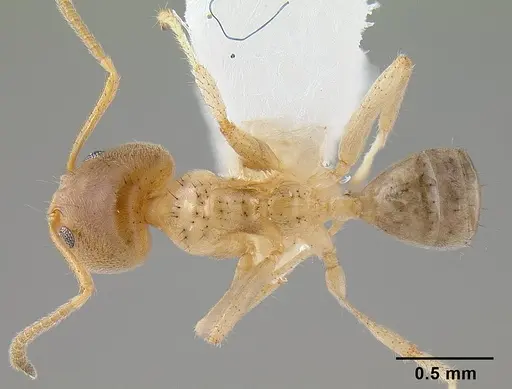
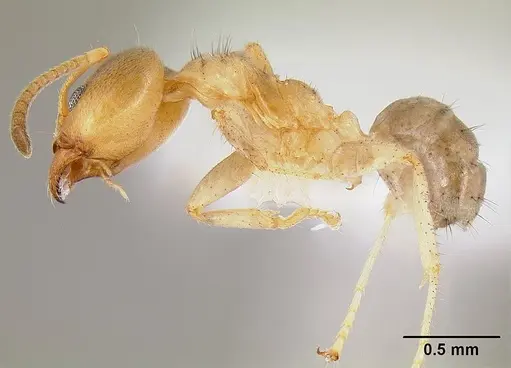
CASENT0249757
View on AntWeb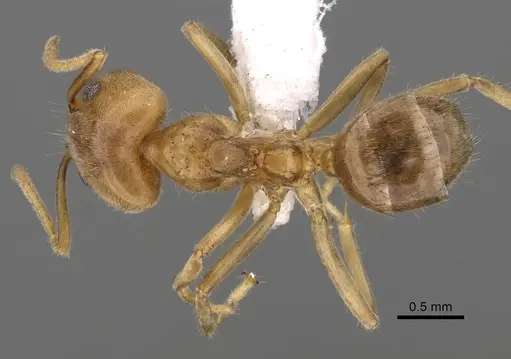
CASENT0740778
View on AntWeb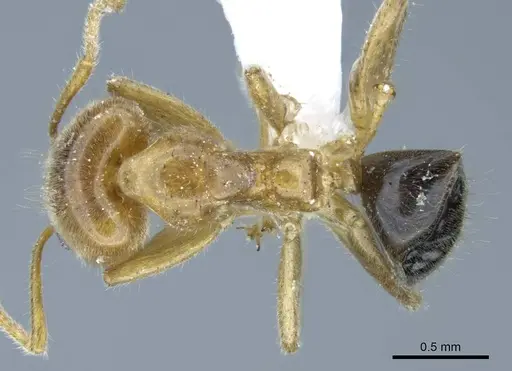
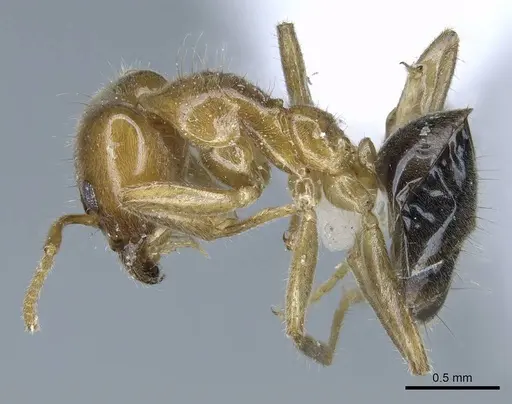
CASENT0901923
View on AntWeb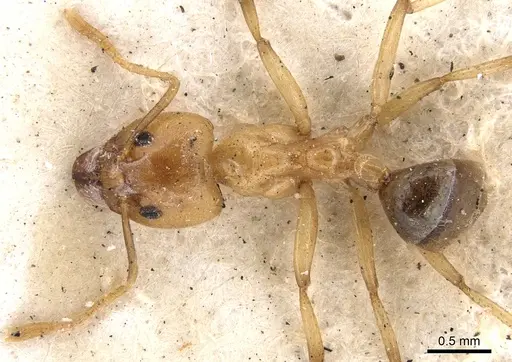
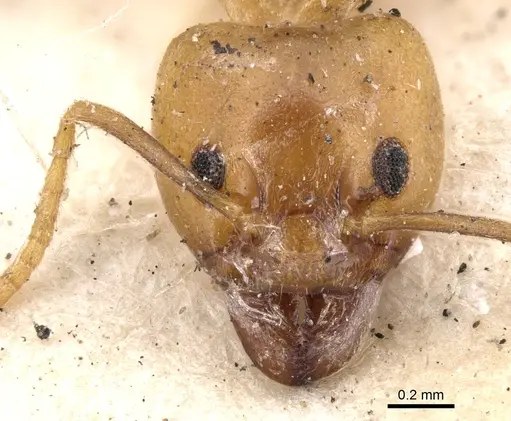
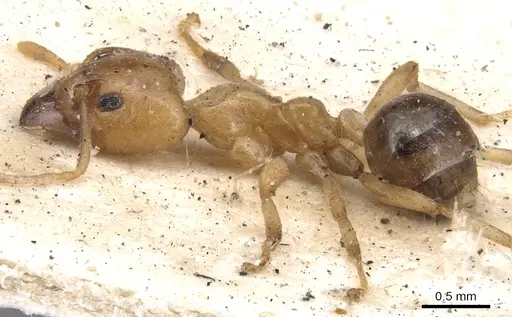
CASENT0903001
View on AntWeb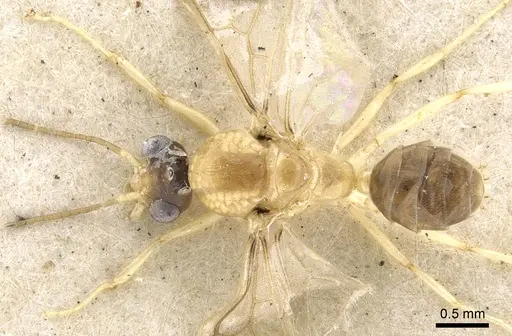
CASENT0909510
View on AntWeb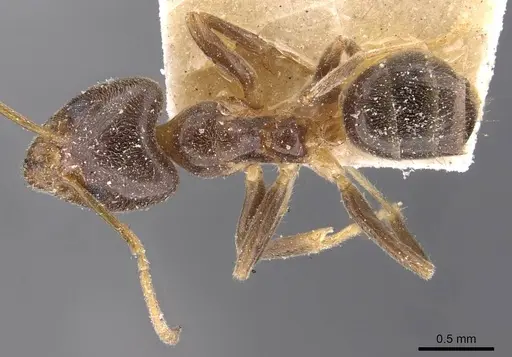
CASENT0909511
View on AntWeb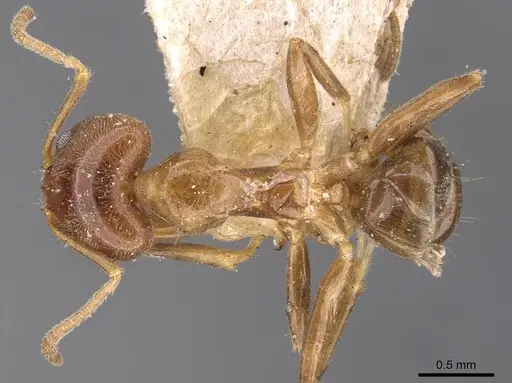
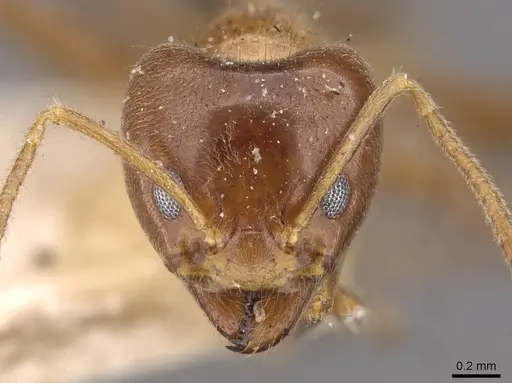
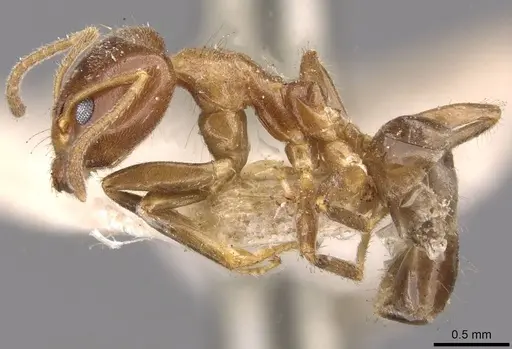
CASENT0909512
View on AntWeb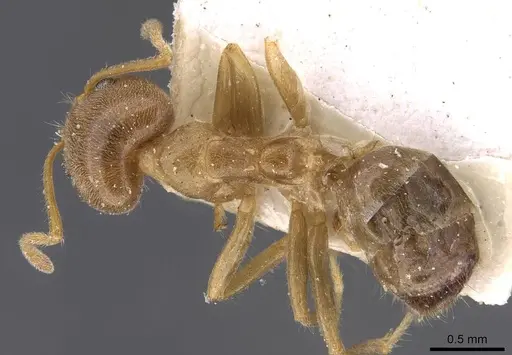
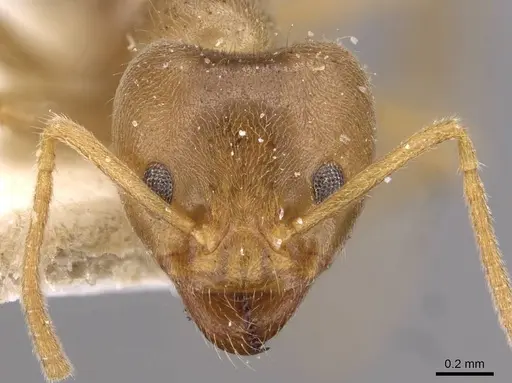
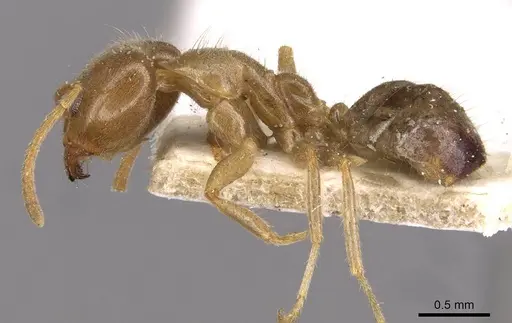
CASENT0909513
View on AntWeb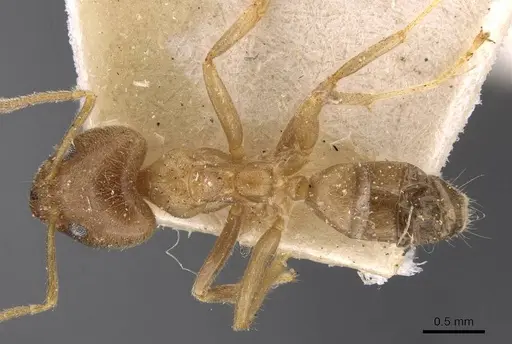
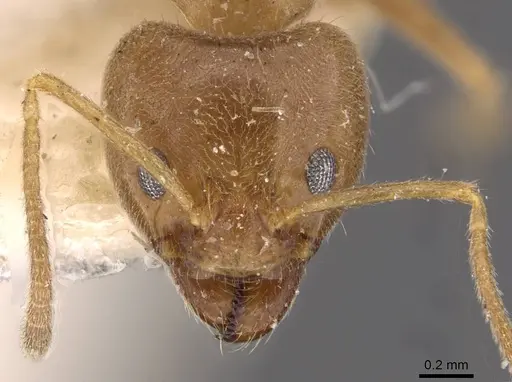
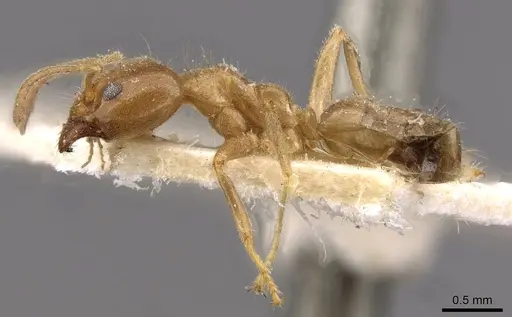
CASENT0909514
View on AntWeb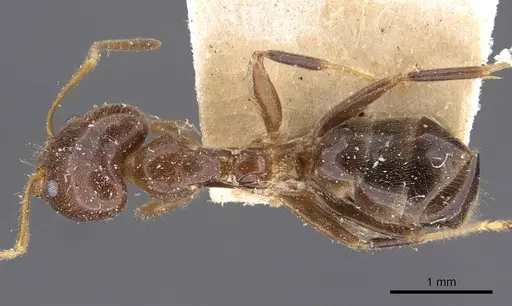
CASENT0909515
View on AntWeb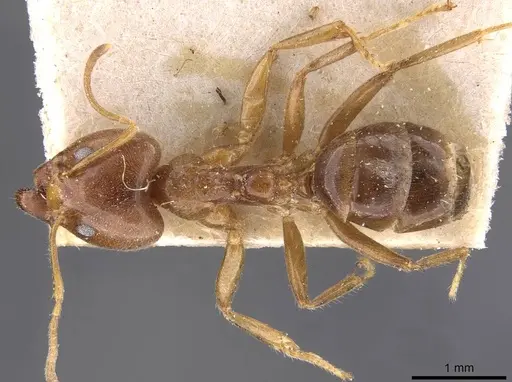
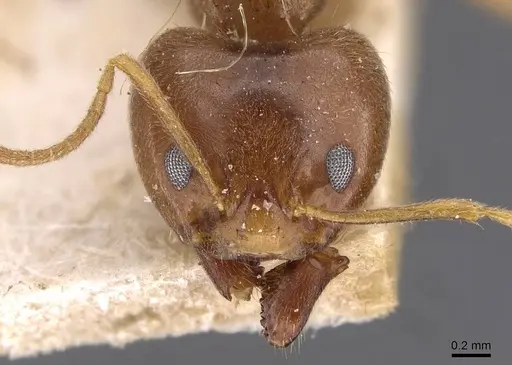
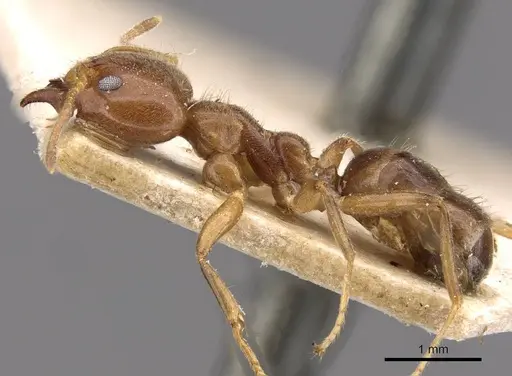
CASENT0909549
View on AntWeb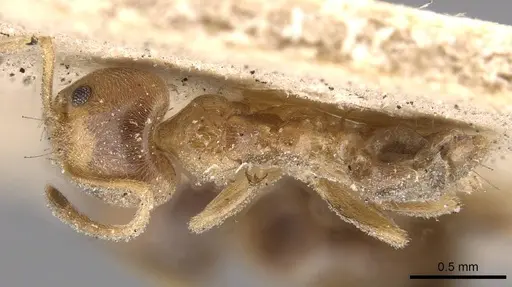
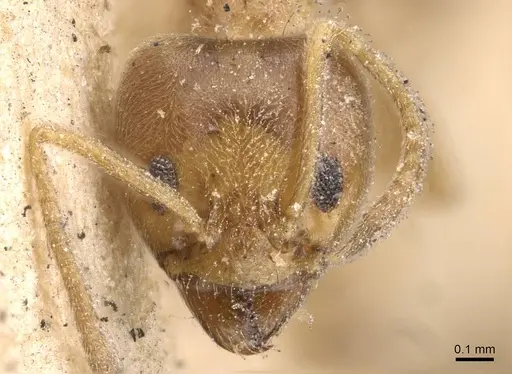
CASENT0909551
View on AntWeb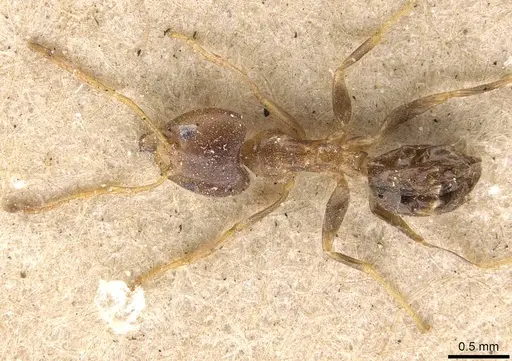
Literature
Loading...Loading products...