

Pheidole yaqui
- Scientific Name
- Pheidole yaqui
- Tribe
- Attini
- Subfamily
- Myrmicinae
- Author
- Creighton & Gregg, 1955
- Distribution
- Found in 2 countries
Pheidole yaqui Overview
Pheidole yaqui is an ant species of the genus Pheidole. It is primarily documented in 2 countries , including Mexico, United States of America. Detailed taxonomic data and occurrence records can be further explored via authoritative databases such as AntWeb or the Global Biodiversity Information Facility (GBIF).
Pheidole yaqui
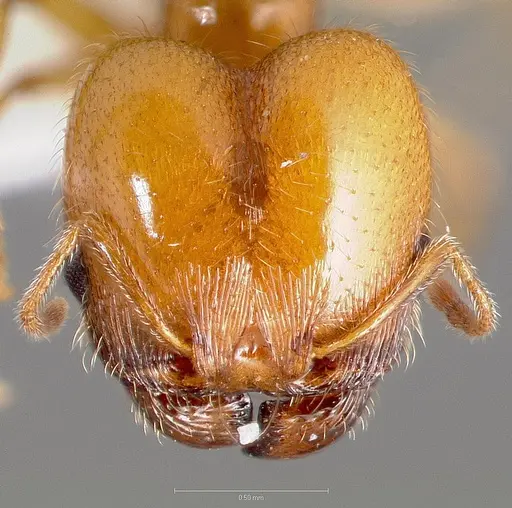
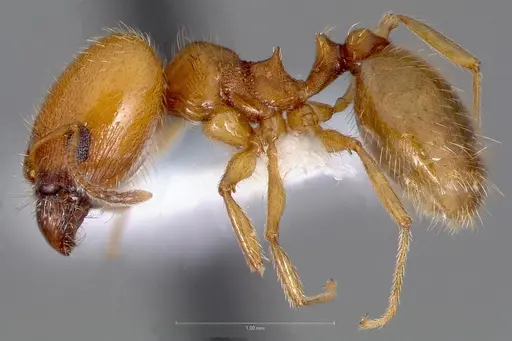
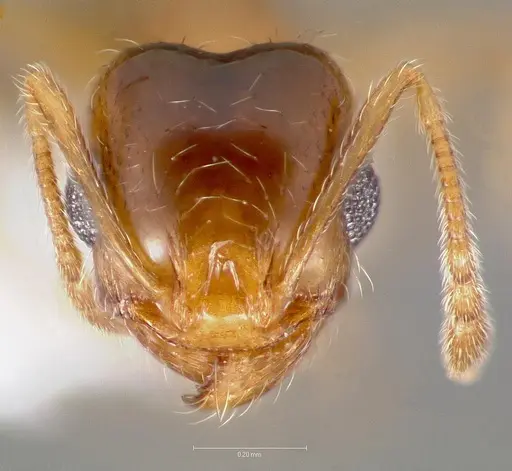
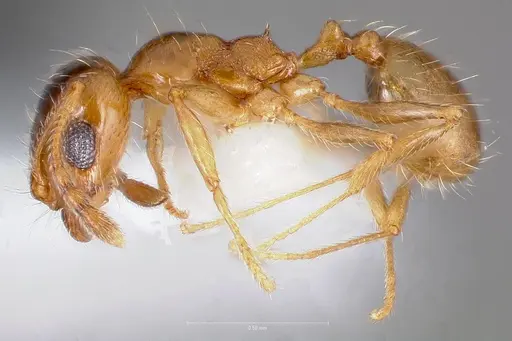
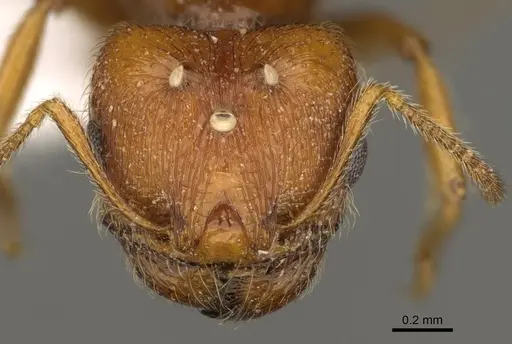
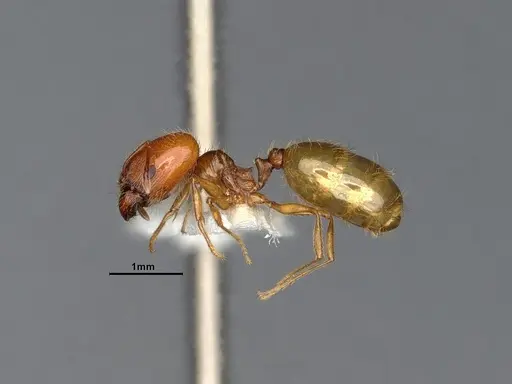
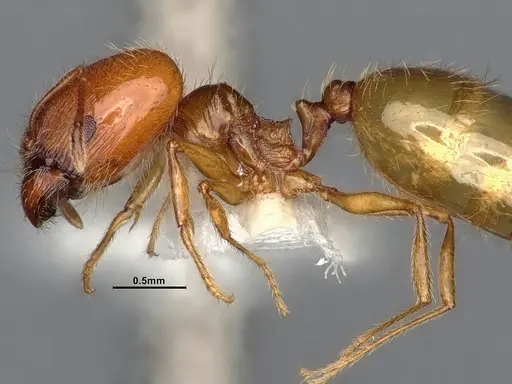
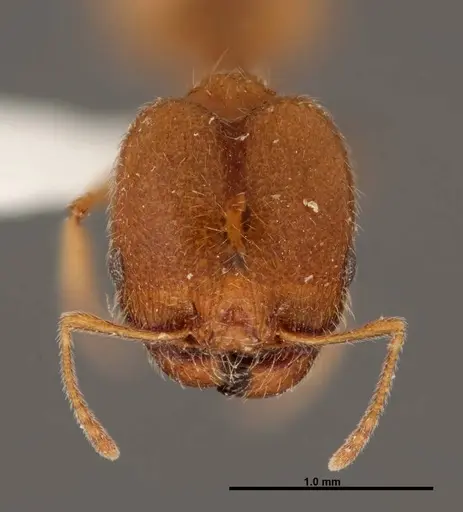
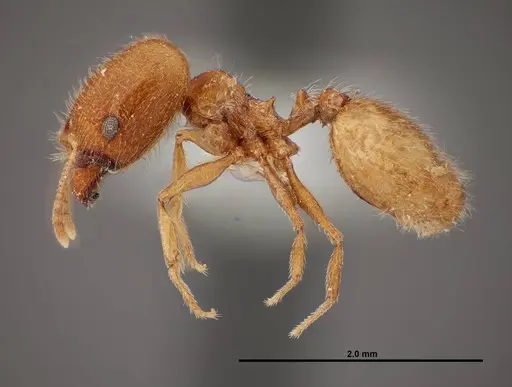
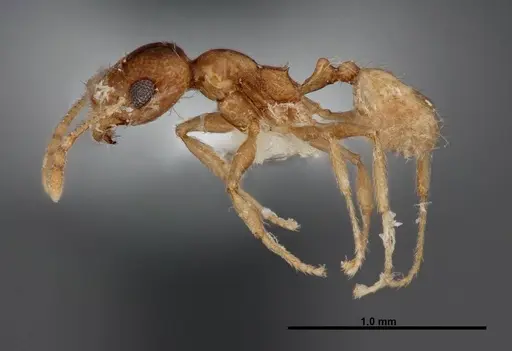
Pheidole yaqui is a small desert ant species native to the southwestern United States and northern Mexico. These ants belong to the genus Pheidole, known for their distinctive two-worker caste system: large major workers (soldiers) with oversized heads, and smaller minor workers that handle most day-to-day tasks. Majors measure around 1.2mm with a brownish-yellow coloration, while minors are about 0.5mm and medium yellow. The species was described in 1955 by Creighton and Gregg and is named after either the type locality (Yaqui Well in California's Anza Desert State Park) or the Yaqui people of the Sonoran desert.
What makes P. yaqui stand out is its preference for extremely arid nesting sites and its remarkably small colony size. Unlike many Pheidole species that form large colonies, P. yaqui colonies consist of only about 50-100 workers total, with roughly 12-15 majors and three to four times that number of minors. They nest directly in desert soil, sometimes building small crater mounds from excavated earth and seed chaff. This species is one of the more specialized seed-harvesting ants in the genus, with documented seed caches inside their nests.
Quick Summary
- Difficulty: Easy
- Origin & Habitat: Native to the desert regions of southern California (100-1050m elevation) and Baja California, Mexico (sea level to 550m). Found in creosote-acacia-juniper scrub, desert flats, and palo verde-agave-ocotillo scrub habitats[1].
- Colony Type: Small colonies with a single queen (monogyne). Colonies contain approximately 50-100 workers total, with major and minor castes. This is one of the smaller Pheidole species in terms of colony size.
- Colony: Monogyne
- Founding: Claustral
- Size & Growth:
- Queen: Approximately 6-7mm (estimated based on genus patterns)
- Worker: Major: 1.2mm HW, Minor: 0.5mm HW
- Colony: Up to 50-100 workers
- Growth: Moderate, small colony size means growth is inherently limited
- Development: Estimated 6-8 weeks at optimal temperature (based on typical Pheidole development) (Development times are not specifically documented for this species, estimate based on genus-level data for Pheidole in warm desert environments)
- Antkeeping:
- Temperature: Keep at 24-30°C, with a warm gradient. As a desert species, they tolerate higher temperatures well. Room temperature (22-25°C) is acceptable, with warmer spots around 28°C preferred for activity [1].
- Humidity: Low to moderate. These are desert ants adapted to arid conditions. Keep nest substrate relatively dry with only occasional light misting. Avoid damp conditions that can lead to mold. Think desert floor, not rainforest.
- Diapause: Yes, they experience a winter rest period in their native range. Reduce temperature to 15-18°C for 2-3 months during winter, mimicking their natural desert cold season [1].
- Nesting: Y-tong (AAC) nests work well for their small colony size. Because they nest in arid soil in the wild, plaster or acrylic nests with dry to slightly moist conditions are appropriate. Their tiny size means narrow chambers work better than large open spaces [1].
- Behavior: These ants are generally peaceful and not aggressive toward keepers. Major workers occasionally forage alongside minors but spend most of their time in the nest. They are seed-harvesters and will collect and store seeds, similar to harvester ants. They may also consume small insects. Their small colony size and desert nature make them relatively calm captives. Escape prevention is important due to their tiny minor workers, use fine mesh barriers.
- Common Issues: small colony size means slower population growth than many common species, tiny minor workers can escape through standard barrier setups, use fine mesh, desert species prone to mold in overly humid conditions, keep nesting area dry, limited foraging activity from majors means less spectacle than larger Pheidole species, winter hibernation is required for long-term colony health
Housing and Nest Setup
Pheidole yaqui is well-suited to standard antkeeping setups despite its small size. A Y-tong (AAC) nest works excellently because the narrow chambers match their natural soil-nesting preference and help maintain the dry conditions they require. Alternatively, a small acrylic nest or plaster nest with minimal water reservoirs will serve them well. Because they come from arid desert environments, err on the side of dryness rather than humidity, these ants are not prone to desiccation in typical room conditions. For the outworld, a simple container works fine, but ensure escape prevention is excellent since minor workers are tiny and can squeeze through gaps that seem impossibly small. Use fluon on container rims and fine mesh for any ventilation. A small test tube setup works for founding colonies, but be prepared to move them to a proper nest once the colony reaches 20-30 workers [1].
Feeding and Diet
In the wild, P. yaqui is a seed-harvester with documented caches of Euphorbia micromera and Oenothera clavaeformis seeds found inside their nests. In captivity, offer a varied diet including small seeds (millet, sesame, cracked sunflower seeds), protein sources like small mealworms or fruit flies, and occasional sugar water or honey. They are not aggressive predators, so focus on offering easily accessible food. Seeds should be crushed or small enough for the minor workers to handle. Protein should be offered 2-3 times per week for a growing colony, with seeds available constantly. Remove uneaten seeds periodically to prevent mold. The major workers will occasionally venture out to retrieve food but spend most of their time in the nest.
Temperature and Seasonal Care
As a desert species from southern California and Baja California, P. yaqui prefers warm conditions. Keep the nest area at 24-30°C, with a temperature gradient allowing workers to choose their preferred zone. They can tolerate temperatures into the mid-30s°C briefly but should not be exposed to sustained extreme heat. Room temperature in most homes (22-25°C) is acceptable, though providing a warm spot around 28°C will encourage more activity. During winter, simulate their natural seasonal cycle by reducing temperatures to 15-18°C for 2-3 months. This winter rest period is important for colony health and mimics the cooler desert winters they experience in their native range. Do not feed during hibernation and reduce water offerings to just enough to prevent complete drying [1].
Colony Structure and Behavior
Pheidole yaqui colonies are notably small compared to many Pheidole species. A typical colony contains only about 50-100 workers, with roughly 12-15 of these being major workers (the large-headed soldiers) and the rest minor workers. This is one of the smaller Pheidole species in terms of total population. The caste system works similarly to other Pheidole: minor workers handle foraging, brood care, and nest maintenance, while major workers defend the nest and help process larger food items. Notably, majors forage with minors less frequently than in some related species like P. xerophila, they tend to stay in the nest more. The species is monogyne, meaning a single queen heads each colony. Queens are likely claustral founders, sealing themselves in a chamber to raise the first brood on stored fat reserves, as is typical for the genus [1].
Growth and Development
Pheidole yaqui has a relatively slow growth trajectory compared to many common ant species, largely because their colonies max out at only 50-100 workers. From egg to first worker (nanitic), expect approximately 6-8 weeks at warm temperatures (around 28°C). The first workers will be smaller than normal minors, a common phenomenon in founding colonies. Growth continues steadily but slowly as the colony adds workers. Unlike species that can reach thousands of workers, P. yaqui colonies remain modest in size. This makes them an interesting species to observe but less satisfying for keepers who want rapid population explosions. Patience is key, a healthy founding colony might take 6-12 months to reach 30-40 workers, and maximum colony size is reached over several years [1].
Frequently Asked Questions
How long does it take for Pheidole yaqui to produce first workers?
Expect first workers (nanitics) to emerge approximately 6-8 weeks after the queen lays eggs, assuming temperatures around 28°C. This is typical for Pheidole species in warm conditions. Founding colonies require patience, significant growth takes several months [1].
Can I keep multiple Pheidole yaqui queens together?
No. Pheidole yaqui is monogyne, meaning colonies have a single queen. Combining unrelated queens will result in fighting. If you acquire a wild colony, it will have one queen. If you have multiple founding colonies, keep them separate [1].
What do Pheidole yaqui eat?
They are seed-harvesters and generalist feeders. Offer small seeds (millet, cracked sunflower), protein (small mealworms, fruit flies), and occasional sugar water or honey. Seeds should be available constantly, protein 2-3 times weekly. Remove uneaten food to prevent mold.
Are Pheidole yaqui good for beginners?
Yes, they are considered easy to keep. Their small colony size and modest requirements make them forgiving of minor mistakes. They are peaceful, don't require specialized equipment, and tolerate a range of conditions within reason. The main challenges are their slow growth and tiny worker size requiring good escape prevention [1].
Do Pheidole yaqui need hibernation?
Yes, they benefit from a winter rest period. Reduce temperatures to 15-18°C for 2-3 months during winter. This mimics their natural desert environment where winters are cooler. Stop feeding during hibernation and reduce moisture. Proper hibernation supports long-term colony health [1].
When should I move Pheidole yaqui to a formicarium?
You can keep them in a test tube setup for the founding stage, but plan to move them to a proper nest (Y-tong, acrylic, or plaster) once the colony reaches 20-30 workers. Their small size means they don't need a large nest, a compact formicarium works well. Ensure the nest provides dry to slightly moist conditions [1].
How big do Pheidole yaqui colonies get?
Colony size is naturally limited compared to many Pheidole species. Maximum colony size is approximately 50-100 workers, with about 12-15 being major workers. This is one of the smaller Pheidole species. Don't expect the massive colonies seen in species like P. pallidula or P. megacephala.
Why are my Pheidole yaqui dying?
Common causes include: overly humid conditions causing mold (keep them dry), escape of tiny workers through inadequate barriers, starvation (ensure seeds and protein are available), or stress from too frequent disturbances. They are desert-adapted, damp conditions are their biggest enemy. Also ensure they receive proper hibernation in winter [1].
References

This caresheet is licensed under CC BY-SA 4.0 .
CASENT0005775
View on AntWeb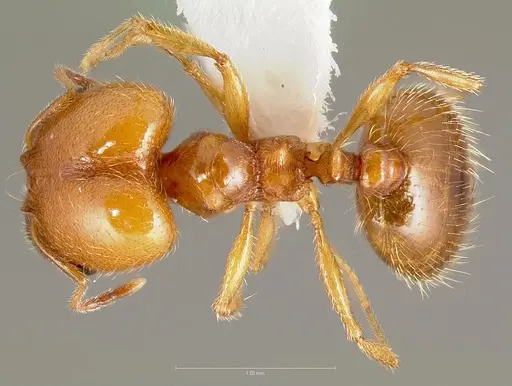
CASENT0005776
View on AntWeb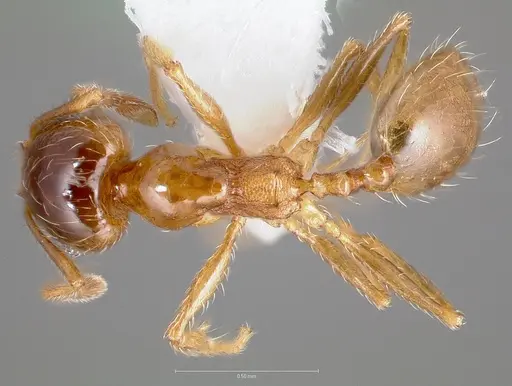
CASENT0863105
View on AntWeb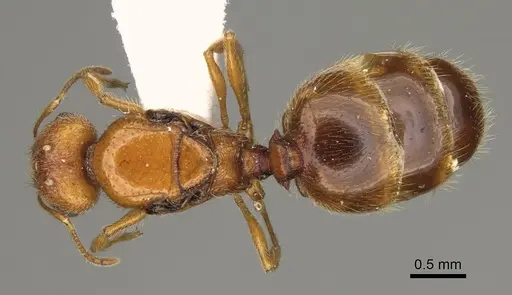
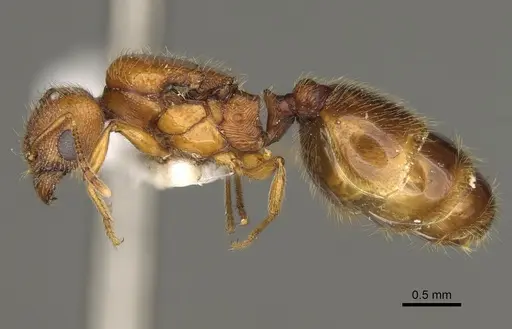
CASENT4031427
View on AntWeb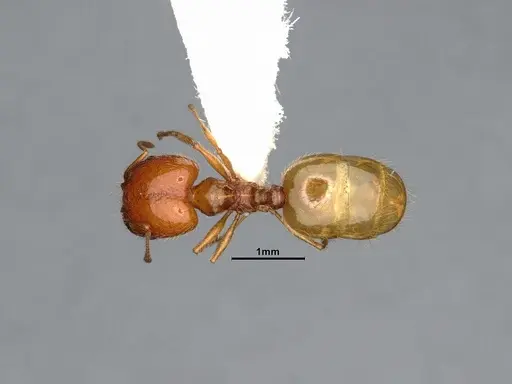
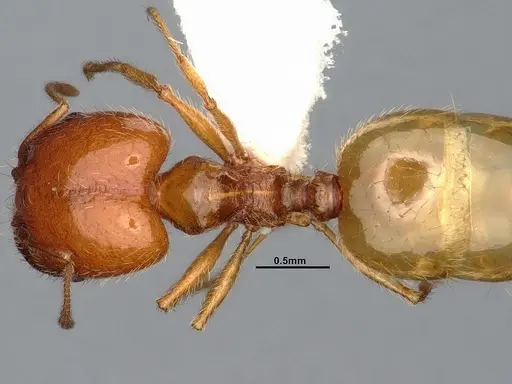
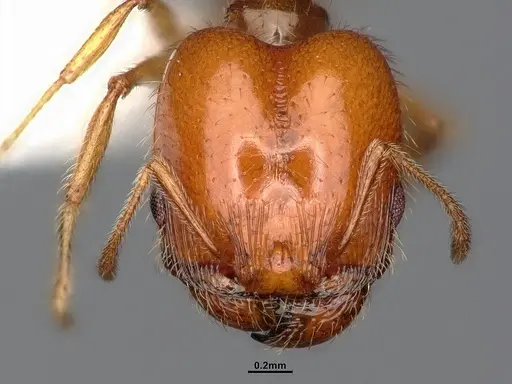
CASENT8368290
View on AntWeb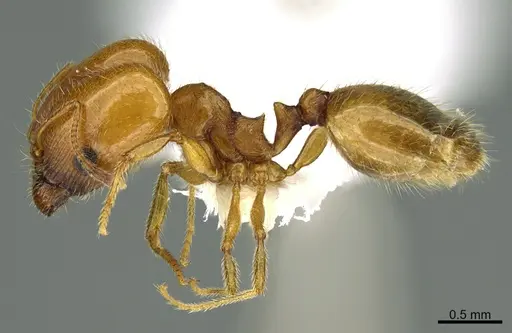
FMNHINS0000062692
View on AntWeb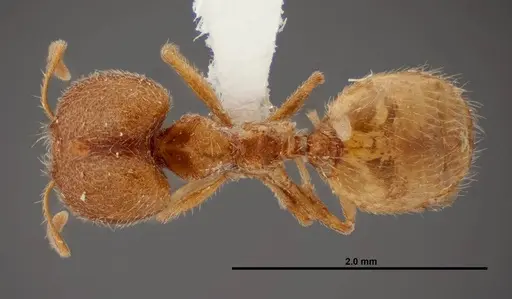
FMNHINS0000062793
View on AntWeb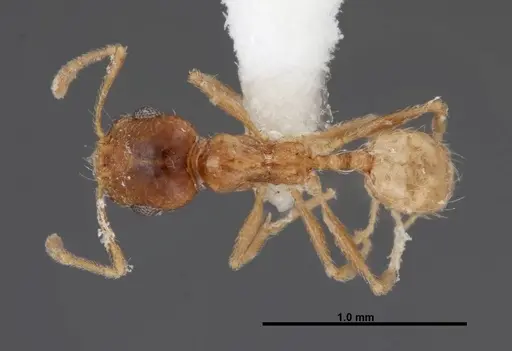
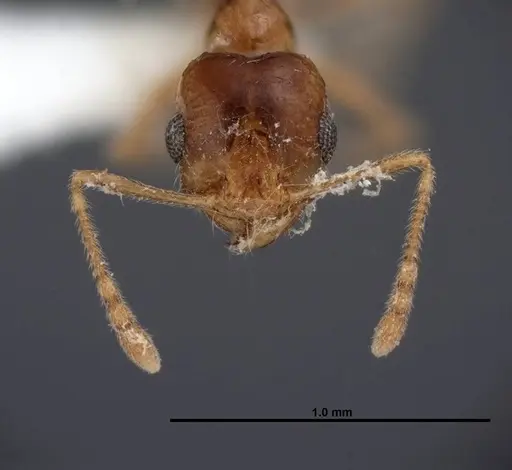
Literature
Loading...Loading products...