

Pheidole xocensis
- Scientific Name
- Pheidole xocensis
- Tribe
- Attini
- Subfamily
- Myrmicinae
- Author
- Forel, 1913
- Distribution
- Found in 1 countries
Pheidole xocensis Overview
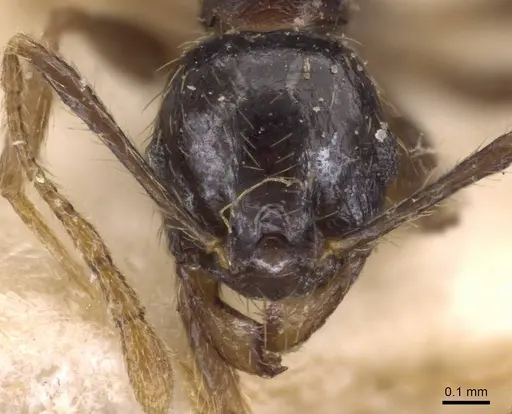
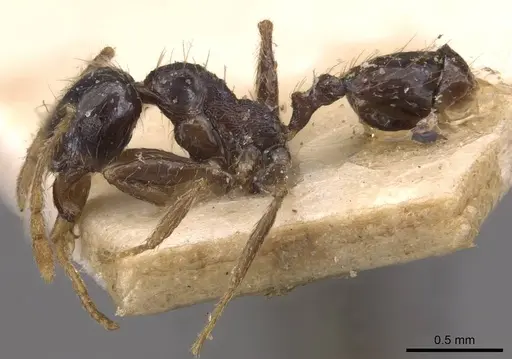
Pheidole xocensis is an ant species of the genus Pheidole. It is primarily documented in 1 countries , including Zimbabwe. Detailed taxonomic data and occurrence records can be further explored via authoritative databases such as AntWeb or the Global Biodiversity Information Facility (GBIF).
Pheidole xocensis
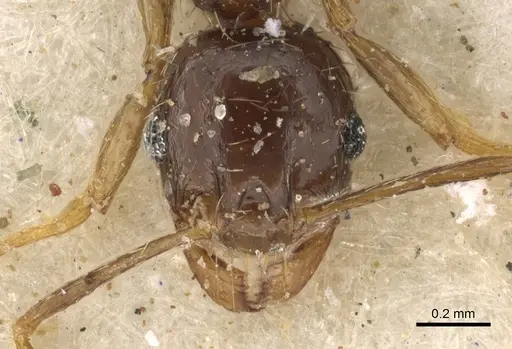
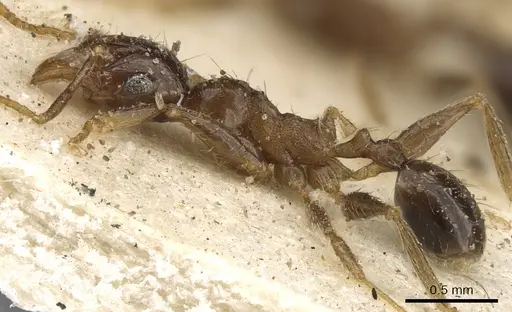
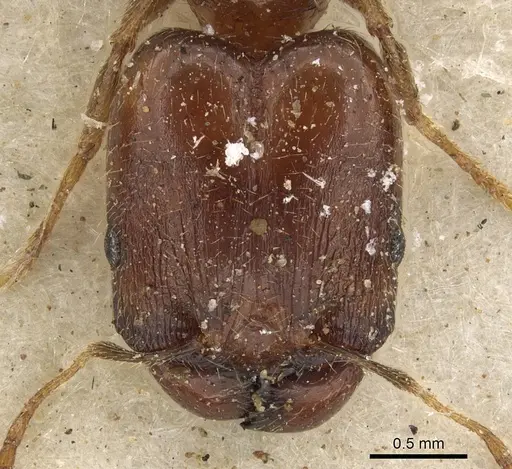
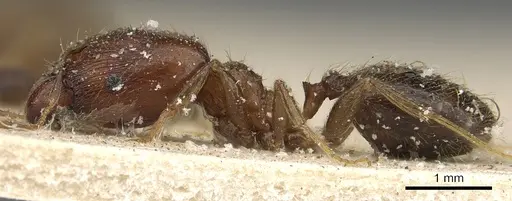
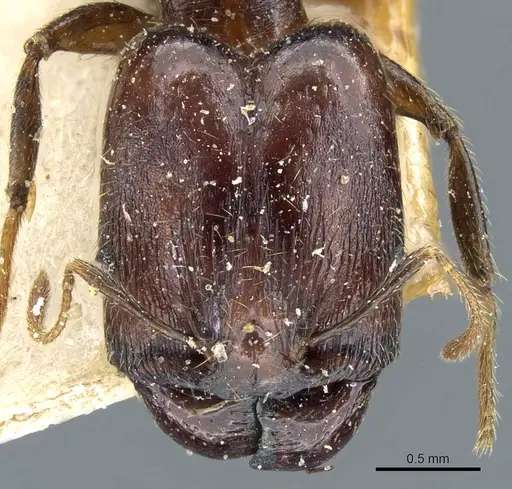
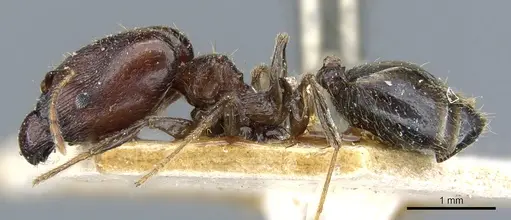
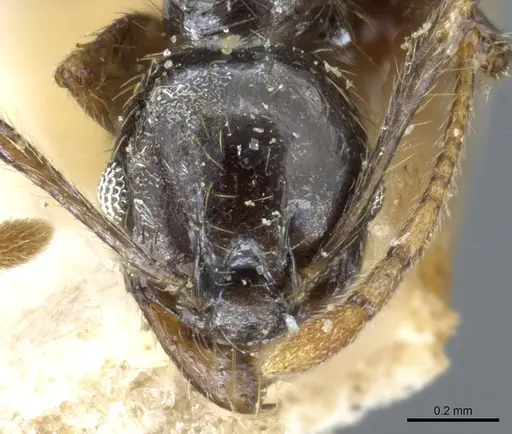
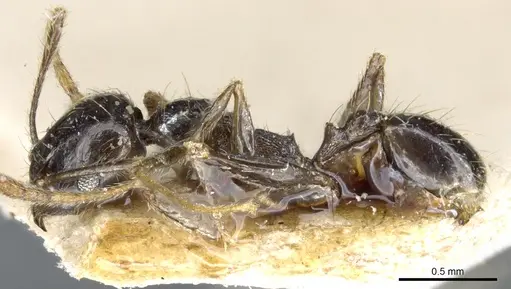
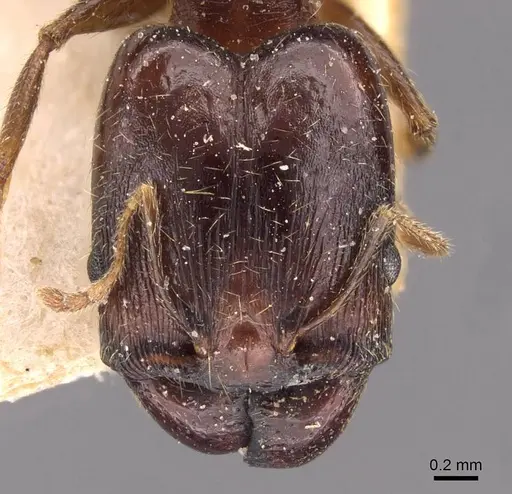
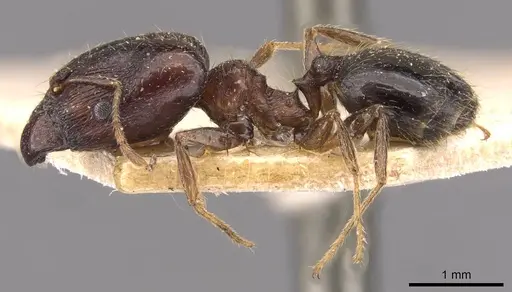
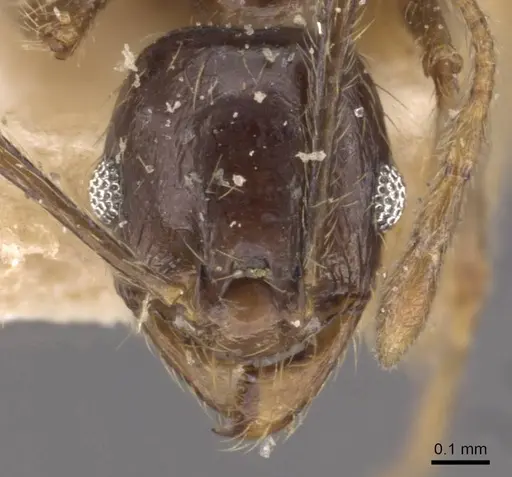
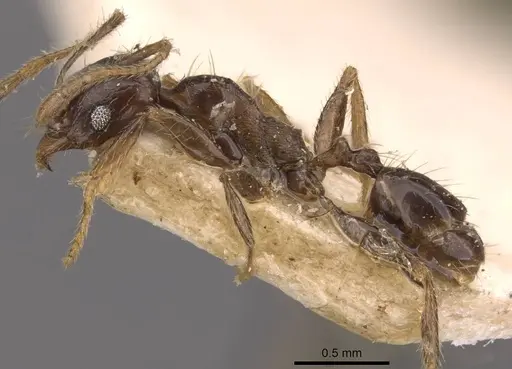
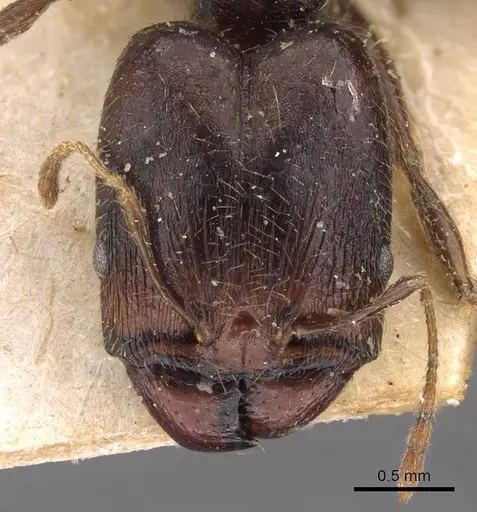
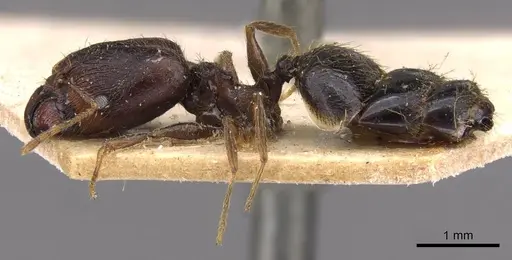
Pheidole xocensis is a small Neotropical ant known for its distinctive caste system with major and minor workers. The major workers have the characteristic enlarged heads that give Pheidole their common name of 'big-headed ants.' This species was originally described from Mexico and is part of a genus that has spread throughout tropical and subtropical regions worldwide. Colonies are moderate in size with distinct worker castes. The most notable trait of this species is its diet, it is at least partly graminivorous, meaning it collects and stores grass seeds, similar to many other Pheidole species [1].
Quick Summary
- Difficulty: Easy
- Origin & Habitat: Mexico and Central America, tropical to subtropical regions
- Colony Type: Likely monogyne (single queen) based on typical Pheidole patterns, though colony structure is not specifically documented for this species
- Colony: Monogyne
- Founding: Claustral
- Size & Growth:
- Queen: Estimated 7-9mm based on genus Pheidole patterns
- Worker: Minor workers 2-3mm, majors 3-4mm with enlarged heads based on genus description
- Colony: Estimated several hundred to a few thousand workers based on genus typical size
- Growth: Moderate, typical for tropical Pheidole
- Development: Estimated 6-8 weeks at optimal temperature based on related Pheidole species (Development time is inferred from genus-level data, not specifically studied for xocensis)
- Antkeeping:
- Temperature: Keep at 24-28°C, they are a tropical species that prefers warm conditions. A heating cable on one side of the nest creates a suitable gradient.
- Humidity: Moderate humidity around 50-70%. Keep the nest substrate slightly moist but allow some drying areas. These ants are more tolerant of drier conditions than many tropical species.
- Diapause: No, being tropical, they do not require hibernation. Keep them warm year-round.
- Nesting: In nature they nest in soil and may form small mounds. In captivity, a standard test tube setup works well for founding colonies. Later stages can use Y-tong nests, acrylic formicariums, or plaster nests with tight chambers scaled to their small size.
- Behavior: These ants are generally peaceful and not aggressive toward keepers. They are active foragers with majors readily defending the nest and helping with seed processing. Major workers use their enlarged heads to crack seeds and defend the colony. They are not known to sting and pose no danger to humans. Escape prevention is important due to their small size, use fine mesh barriers and tight-fitting lids. They are primarily granivorous but will also collect protein from small insects.
- Common Issues: escape prevention is critical due to their small size, they can squeeze through tiny gaps, slow founding stage, queens may take several weeks to lay first eggs, patience is required, colonies can become stressed if temperatures drop below 22°C, mold can develop if the nest is kept too wet, allow drying periods, major workers may appear alarming to beginners but they are not aggressive toward humans
Nest Preferences and Setup
Pheidole xocensis nests naturally in soil and often forms small mounds or colonies near grass areas where they can harvest seeds. In captivity, start founding colonies in a standard test tube setup with a water reservoir. The tube should be dark to encourage the queen to seal herself in a chamber. Once the colony reaches 20-30 workers, you can move them to a proper formicarium. Y-tong nests work well for this species, as do acrylic nests with tight chambers. The chambers should be appropriately sized, not too large, as these ants prefer snug spaces. A small outworld for foraging completes the setup.
Feeding and Diet
This species is at least partly graminivorous, meaning they collect and eat grass seeds [1]. In captivity, you can offer grass seeds, millet, or other small seeds as a staple food. They will also readily accept protein sources like small insects (fruit flies, pinhead crickets, mealworms). Sugar water or honey can be offered occasionally, though seeds should form the primary diet. Major workers use their enlarged heads to crack open seeds and distribute them to minor workers. Provide a shallow dish for seeds to prevent them being dragged into the nest where they could mold.
Temperature and Heating
Being a tropical species from Mexico and Central America, Pheidole xocensis prefers warm conditions. Keep the nest area at 24-28°C for optimal brood development. A heating cable placed on top of the nest (never underneath to avoid drying out the substrate) can help maintain warmth. Room temperature may be sufficient if your home stays in the mid-70s°F (around 24°C), but monitor colony activity, if workers seem sluggish, add gentle heating. Avoid temperatures below 22°C as this can stress the colony and slow brood development.
Behavior and Colony Structure
Pheidole ants have a distinctive caste system with major and minor workers. Minor workers handle most tasks inside the nest and care for brood, while major workers defend the colony, help process hard foods like seeds, and may assist with foraging. This species is not aggressive toward keepers and does not sting. They are active foragers, especially at night. Colonies grow through a combination of the queen laying eggs and the colony producing new reproductives. Major workers become more prominent as the colony grows. The colony will establish distinct foraging trails once established.
Frequently Asked Questions
How long does it take for Pheidole xocensis to raise first workers?
Expect 6-8 weeks from egg to first worker (nanitic) at optimal temperature. This is estimated from related Pheidole species since specific development data for xocensis is not available. The queen will remain sealed in her chamber for several weeks before eggs appear.
What do I feed Pheidole xocensis ants?
They are graminivorous, so grass seeds, millet, and similar small seeds should form their primary diet. They also accept protein like small insects (fruit flies, pinhead crickets, mealworms). You can occasionally offer sugar water or honey as a treat.
What temperature do Pheidole xocensis need?
Keep them warm at 24-28°C. They are tropical ants that prefer warm conditions year-round. A heating cable on the nest can help maintain proper temperature.
Are Pheidole xocensis good for beginners?
Yes, they are considered easy to keep. They are not aggressive, do not require hibernation, and have straightforward dietary needs. The main challenges are escape prevention due to their small size and patience during the slow founding stage.
How big do Pheidole xocensis colonies get?
Colony size is estimated at several hundred to a few thousand workers based on typical Pheidole genus size. Major workers become more common as the colony grows.
Do I need to hibernate Pheidole xocensis?
No, they do not require hibernation. Being a tropical species from Mexico and Central America, they need warm conditions year-round.
When should I move Pheidole xocensis from a test tube to a formicarium?
Move them once the colony reaches 20-30 workers or when the test tube becomes crowded. Make sure there is a proper foraging area and that the colony is established.
Why are my Pheidole xocensis dying?
Common causes include temperatures below 22°C, excessive humidity causing mold, or stress from disturbance during founding. Ensure proper temperature, allow the nest to dry between waterings, and minimize disturbing the queen during the founding stage.
Can I keep multiple queens together?
Pheidole xocensis is likely monogyne (single queen) based on typical genus patterns. Combining unrelated queens is not recommended as they likely will fight. Only keep one queen per colony.
References

This caresheet is licensed under CC BY-SA 4.0 .
CASENT0901292
View on AntWeb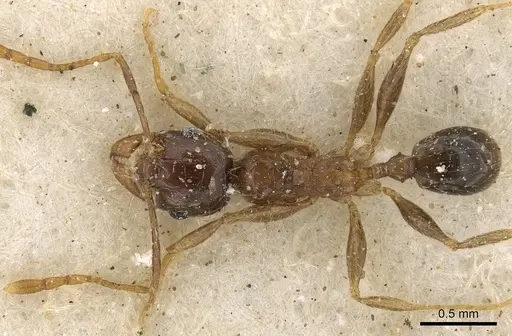
CASENT0901293
View on AntWeb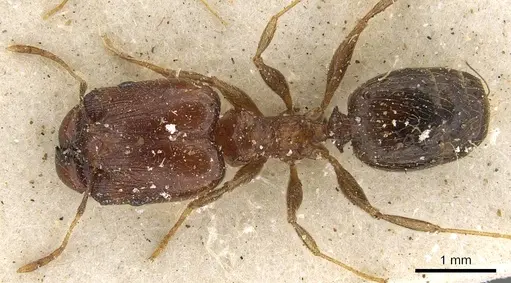
CASENT0901294
View on AntWeb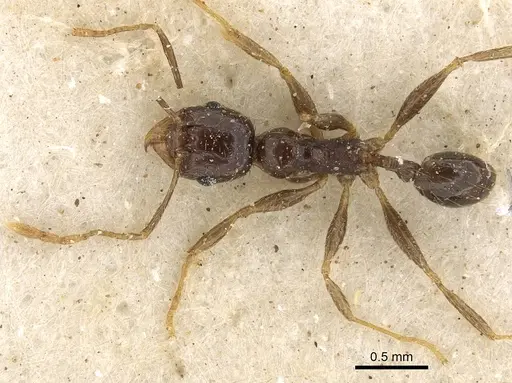
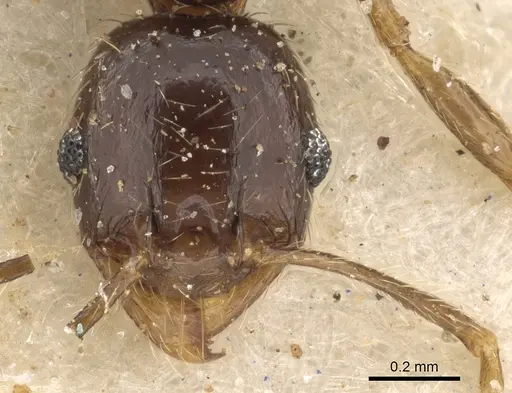
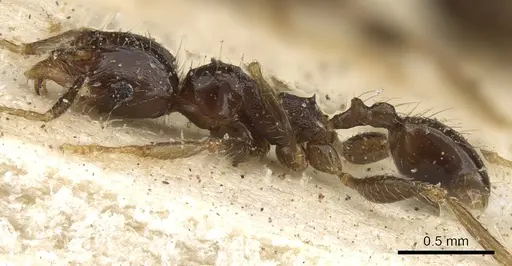
CASENT0901295
View on AntWeb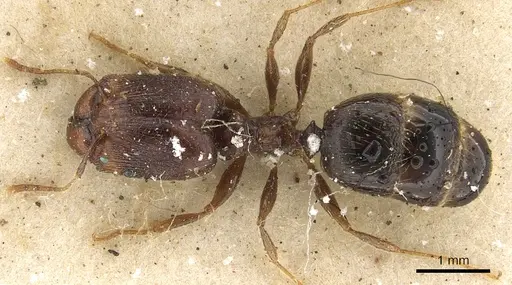
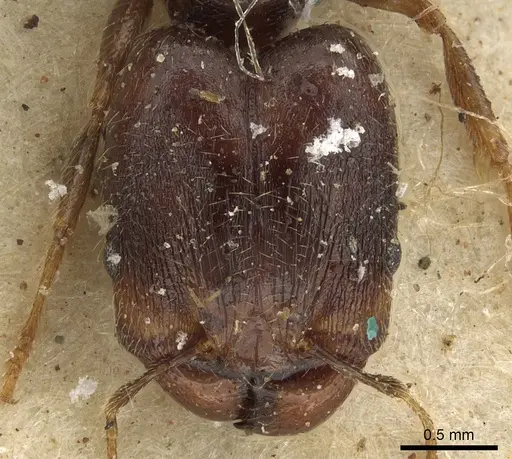
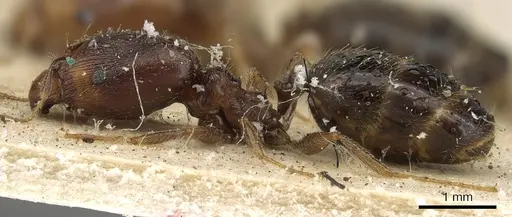
CASENT0904208
View on AntWeb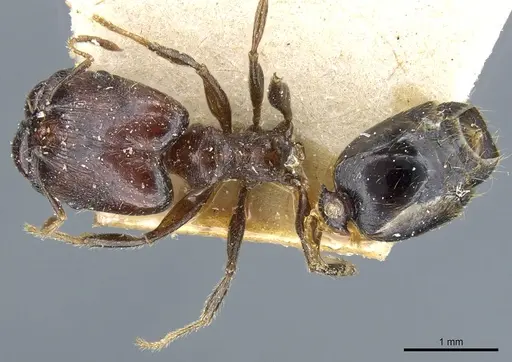
CASENT0904209
View on AntWeb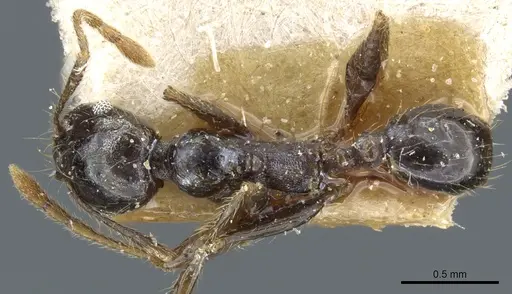
CASENT0907839
View on AntWeb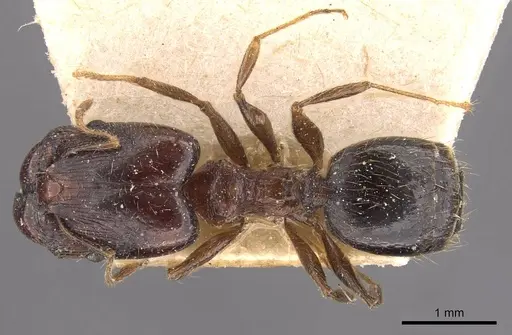
CASENT0907840
View on AntWeb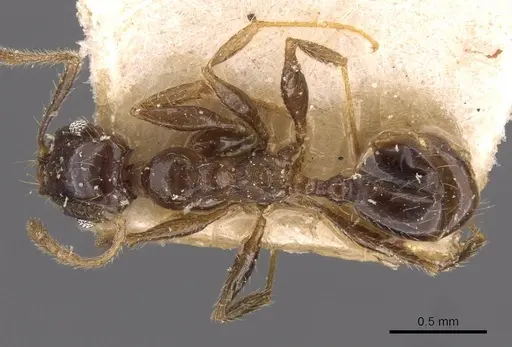
CASENT0907841
View on AntWeb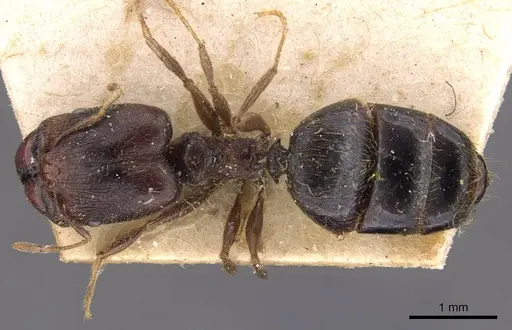
CASENT0907842
View on AntWeb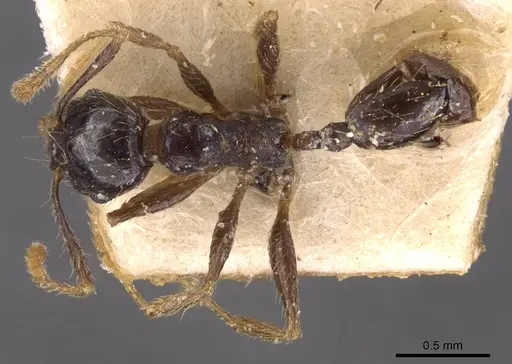
Literature
Loading...Loading products...