

Pheidole xanthocnemis
- Scientific Name
- Pheidole xanthocnemis
- Tribe
- Attini
- Subfamily
- Myrmicinae
- Author
- Emery, 1914
- Distribution
- Found in 1 countries
Pheidole xanthocnemis Overview
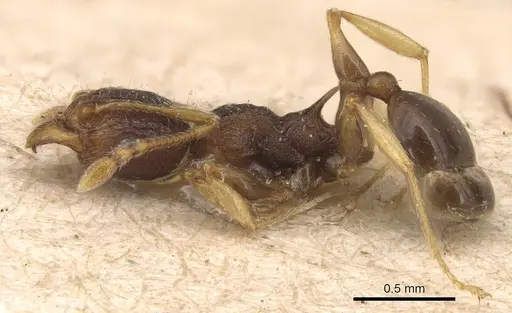
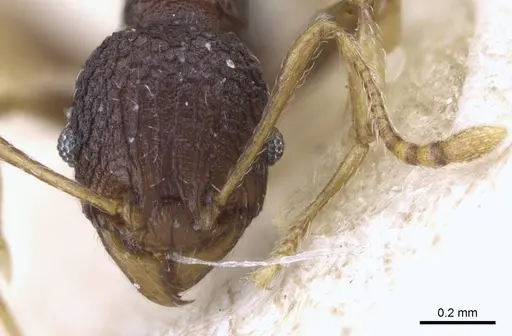
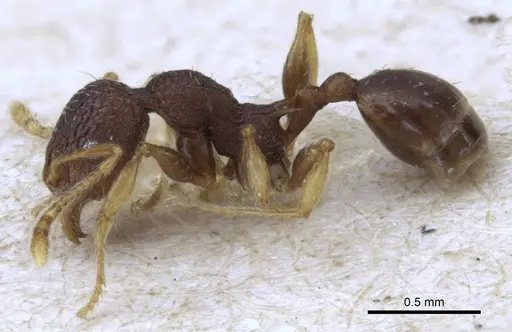
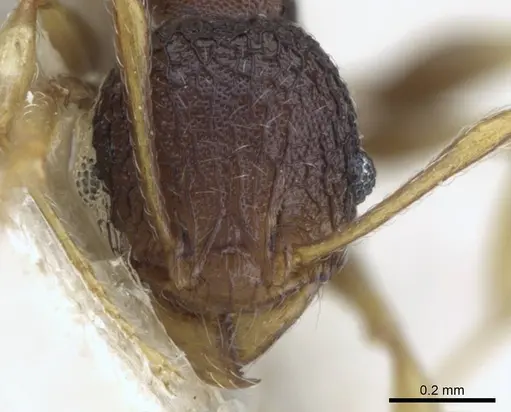
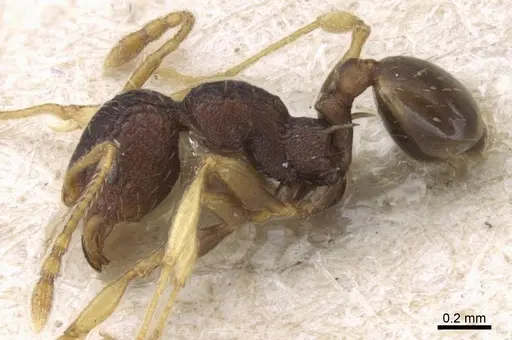
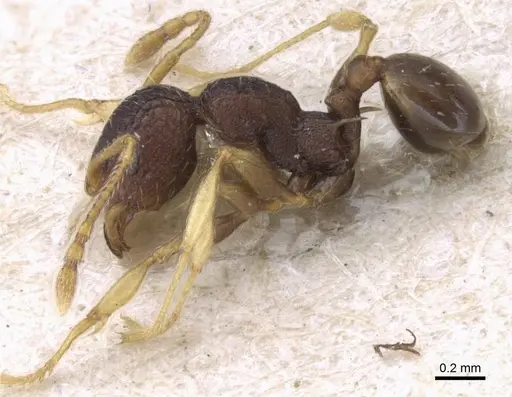
Pheidole xanthocnemis is an ant species of the genus Pheidole. It is primarily documented in 1 countries , including New Caledonia. Detailed taxonomic data and occurrence records can be further explored via authoritative databases such as AntWeb or the Global Biodiversity Information Facility (GBIF).
Pheidole xanthocnemis
Pheidole xanthocnemis is a small ant species endemic to New Caledonia and the Loyalty Islands. Like all Pheidole species, they have distinct worker castes, minor workers are small and slender, while major workers (soldiers) have enlarged heads used for seed processing and colony defense. The species was originally described by Emery in 1914 from specimens collected in New Caledonia [1]. This ant is part of the Attini tribe, which includes seed-harvesting ants, though they likely also forage for insects and tend honeydew-producing insects. As a tropical species from the Pacific region, they prefer warm, humid conditions similar to their natural habitat on these islands.
Quick Summary
- Difficulty: Easy
- Origin & Habitat: New Caledonia and Loyalty Islands (Mare), tropical Pacific islands with humid forest habitats [1][2]
- Colony Type: Likely single-queen colonies (monogyne) based on typical Pheidole patterns. Colonies develop distinct major and minor worker castes.
- Colony: Monogyne
- Founding: Claustral
- Size & Growth:
- Queen: Estimated 6-8mm based on genus patterns for medium-sized Pheidole
- Worker: Minor workers: 2-3mm, Major workers: 3-5mm based on genus patterns [3]
- Colony: Likely several hundred workers based on typical Pheidole colony development
- Growth: Moderate
- Development: Estimated 6-8 weeks at tropical temperatures (24-28°C) based on related Pheidole species (Development is faster in warmer conditions, slower in cooler temperatures)
- Antkeeping:
- Temperature: Keep at 24-28°C. A heating cable on one side of the nest creates a temperature gradient. Tropical species, they need consistent warmth [3]
- Humidity: High humidity preferred (60-80%). Keep the nest substrate consistently moist but not waterlogged. Mist occasionally and provide a water tube.
- Diapause: No, being a tropical species from New Caledonia, they do not require hibernation. Keep them warm year-round.
- Nesting: Ground-nesting species. In captivity, they do well in test tubes (for founding colonies), Y-tong nests, or plaster nests with moist substrate. They prefer dark, humid nest chambers.
- Behavior: Generally peaceful but will defend the nest aggressively if threatened. Major workers (soldiers) use their enlarged heads to block nest entrances and process seeds. They are active foragers that search for seeds, small insects, and sugar sources. Minor workers handle most foraging, while majors stay near the nest. They are not aggressive toward humans and rarely sting. Escape risk is moderate, use standard barrier techniques.
- Common Issues: colonies can stall if temperatures drop below 22°C, keep them warm, overfeeding can lead to mold in the nest, remove uneaten food promptly, test tube setups can dry out quickly, check water reservoirs regularly, major workers may block access to feeding areas, provide multiple entry points, wild-caught colonies may carry parasites, quarantine and observe new colonies
Housing and Nest Setup
Pheidole xanthocnemis does well in standard ant keeping setups. For founding colonies, a test tube setup works perfectly, fill one end with water, plug with cotton, and place the queen in the dark. The queen will seal herself in a chamber and raise her first brood alone. Once the colony reaches 20-30 workers, you can move them to a proper formicarium. Y-tong (AAC) nests, plaster nests, or naturalistic setups with soil all work well. These ants prefer dark, humid nest chambers, so cover the nest with an opaque sleeve or keep it in a shaded area. Provide an outworld (foraging area) connected to the nest for feeding. [3]
Feeding and Diet
As seed-harvesting ants (Attini tribe), Pheidole xanthocnemis primarily eats seeds. Offer crushed seeds, grain, or specialized ant seed mixes. They also need protein, small insects like fruit flies, mealworms, or crickets are readily accepted. Sugar sources like honey water or sugar water are also appreciated. Feed seeds continuously (they store them), protein 2-3 times per week, and sugar water every few days. Remove uneaten food promptly to prevent mold. In the wild, they also consume honeydew from aphids and small arthropods. [3]
Temperature and Seasonal Care
Being from tropical New Caledonia, this species needs warm conditions year-round. Keep the nest area at 24-28°C. A heating cable placed on top of the nest (never under it, as excessive heat can kill the colony) helps maintain optimal temperatures. Room temperature is often insufficient unless your home is naturally warm. They do not require hibernation or cooling periods. Monitor colony activity, if workers cluster near the heated area, the temperature is right. If they avoid the heated side, reduce heat. Consistent warmth leads to faster brood development. [3]
Colony Development and Growth
A newly mated queen will dig a small chamber and seal herself in (claustral founding). She lays eggs and feeds the larvae from her stored fat reserves. After 4-6 weeks, the first workers (nanitics) emerge, these are typically smaller than normal workers. The colony grows slowly at first, but accelerates once the first workers begin foraging. Pheidole colonies develop distinct castes: minor workers handle most tasks, while major workers (soldiers) develop later and assist with seed processing and defense. A healthy colony can reach several hundred workers over 1-2 years. [3]
Behavior and Defense
Pheidole xanthocnemis is not aggressive toward keepers. Major workers (soldiers) have enlarged heads that they use to block nest entrances and process hard seeds. If the nest is threatened, majors will rush to defend while minors evacuate the brood. They are active foragers that search the outworld for food. They communicate through chemical trails, when a forager finds food, they leave a scent trail for others to follow. They are diurnal, with most activity during daylight hours. [3]
Frequently Asked Questions
How long does it take for Pheidole xanthocnemis to have first workers?
Expect first workers (nanitics) to emerge 6-8 weeks after the queen is sealed in, at optimal temperatures of 24-28°C. This timeline varies based on temperature, warmer conditions speed development, cooler conditions slow it down.
What do I feed Pheidole xanthocnemis?
They eat seeds (crushed or whole), small insects (fruit flies, mealworms), and sugar sources (honey water, sugar water). Seeds should be available continuously, protein 2-3 times weekly, and sugar water every few days.
What temperature do they need?
Keep them at 24-28°C. A heating cable on the nest helps maintain these tropical temperatures. They do not tolerate cool conditions well and do not require hibernation.
Are Pheidole xanthocnemis good for beginners?
Yes, they are considered easy to keep. They are forgiving of minor mistakes, don't require hibernation, and are not aggressive. Their main needs are warmth and humidity.
When should I move them to a formicarium?
Move from test tube to formicarium once the colony reaches 20-30 workers. Make sure the formicarium has appropriate humidity and dark nesting chambers.
How big do colonies get?
Based on typical Pheidole patterns, colonies can reach several hundred workers over 1-2 years. Well-established colonies may grow larger.
Do they need hibernation?
No. Being a tropical species from New Caledonia, they do not require hibernation. Keep them warm year-round at 24-28°C.
Can I keep multiple queens together?
Pheidole species are typically monogyne (single queen). Combining unrelated queens is not recommended as they may fight. If you find multiple queens, they are likely ergatoid (wingless) replacement reproductives in an established colony.
Why are my ants not growing?
Common causes include: temperatures below 22°C (keep warmer), low humidity (mist more often), insufficient food (offer more variety), or the queen is dead. Check these parameters and adjust accordingly.
References

This caresheet is licensed under CC BY-SA 4.0 .
CASENT0281735
View on AntWeb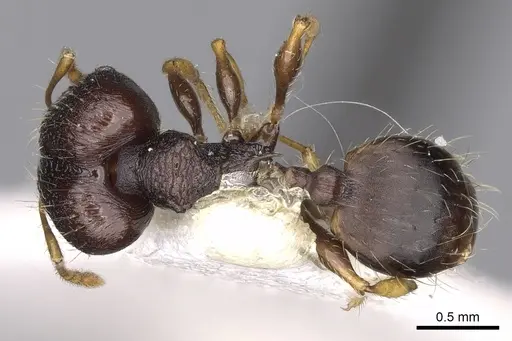
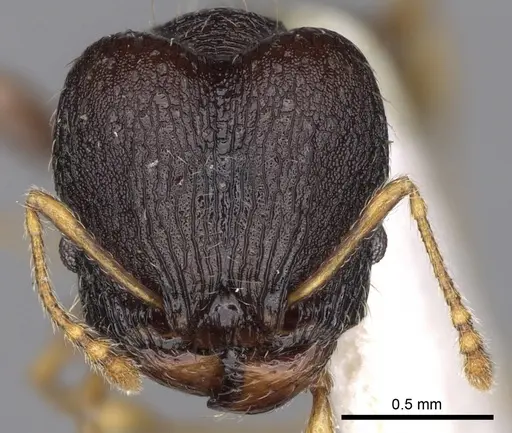
CASENT0281736
View on AntWeb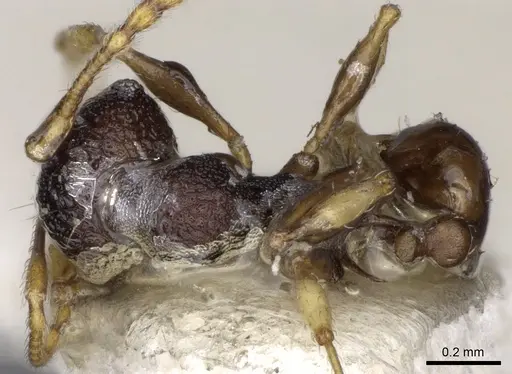
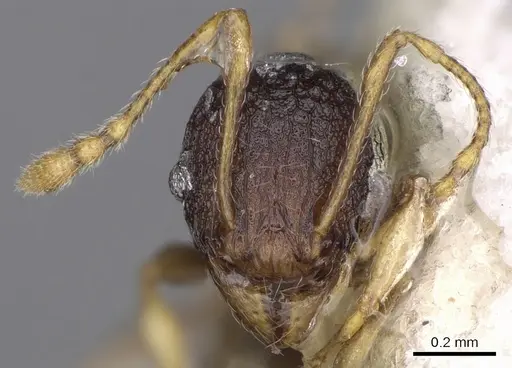
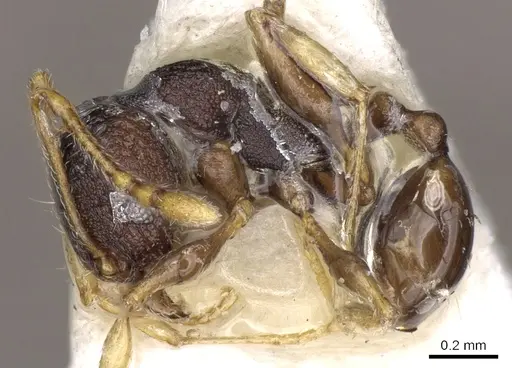
CASENT0282400
View on AntWeb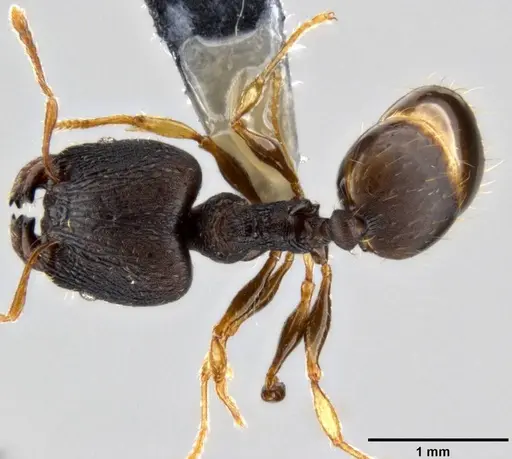
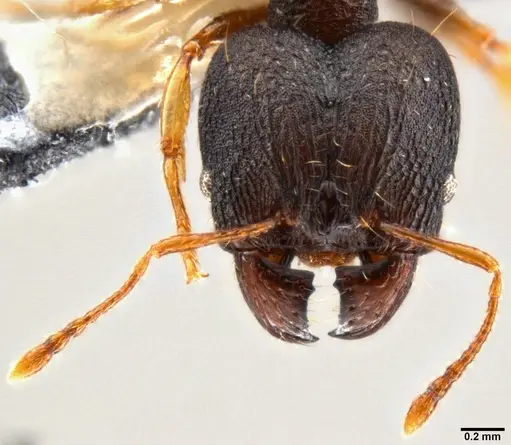
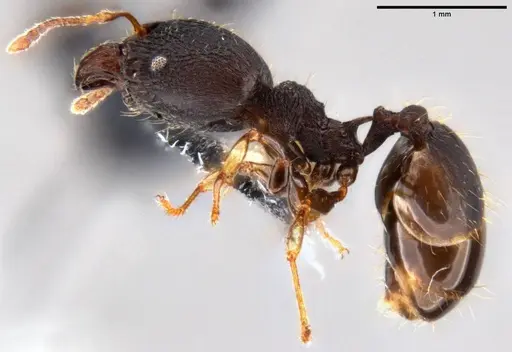
CASENT0282479
View on AntWeb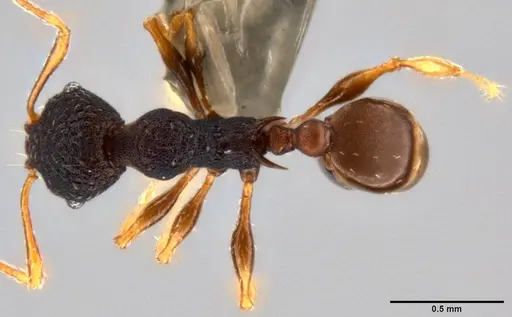
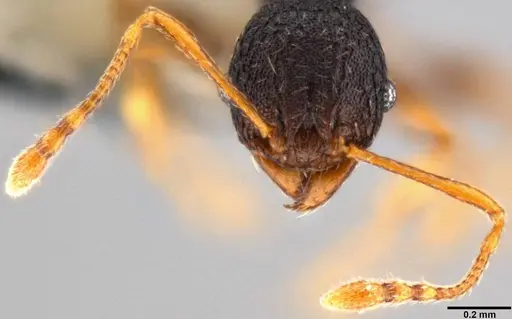
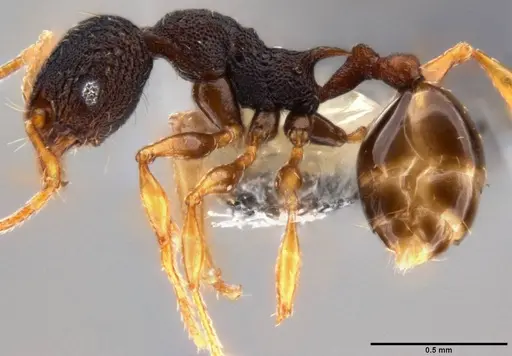
CASENT0904288
View on AntWeb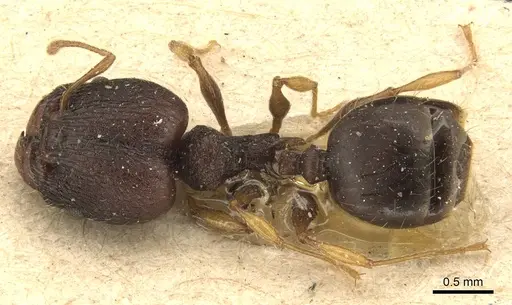
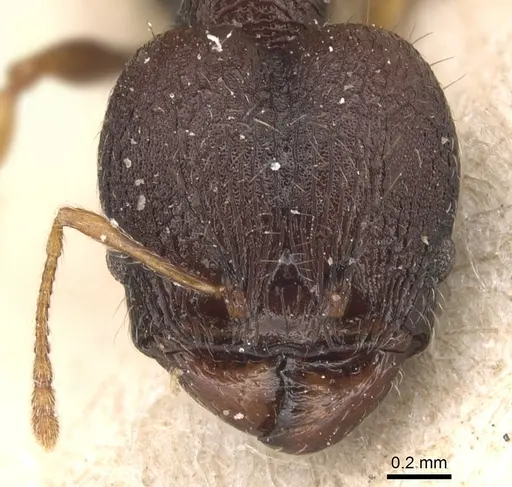
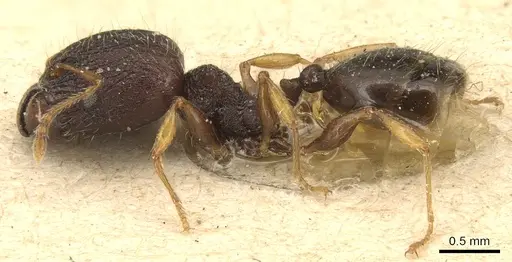
CASENT0904289
View on AntWeb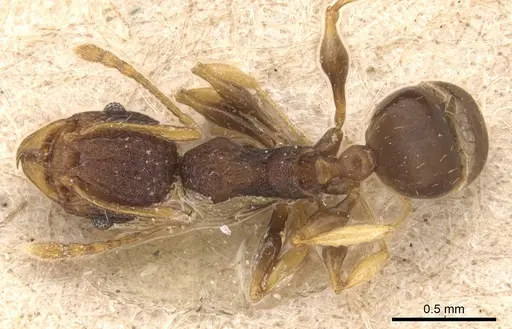
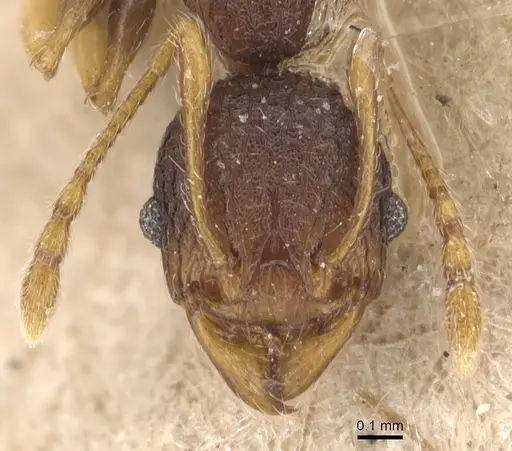
CASENT0906686
View on AntWeb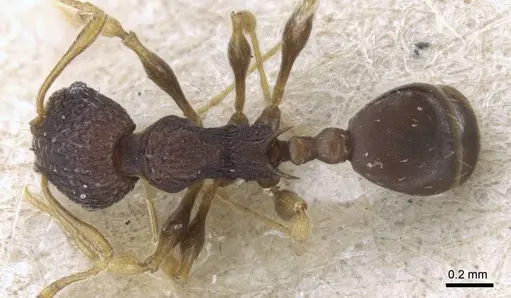
CASENT0906687
View on AntWeb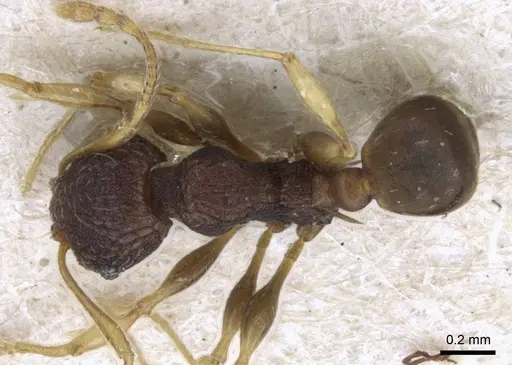
Literature
Loading...Loading products...