

Pheidole woodmasoni
- Scientific Name
- Pheidole woodmasoni
- Tribe
- Attini
- Subfamily
- Myrmicinae
- Author
- Forel, 1885
- Distribution
- Found in 1 countries
Pheidole woodmasoni Overview
Pheidole woodmasoni is an ant species of the genus Pheidole. It is primarily documented in 1 countries , including India. Detailed taxonomic data and occurrence records can be further explored via authoritative databases such as AntWeb or the Global Biodiversity Information Facility (GBIF).
Pheidole woodmasoni
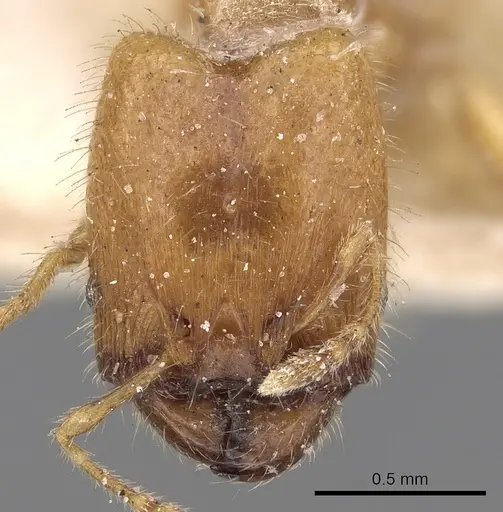
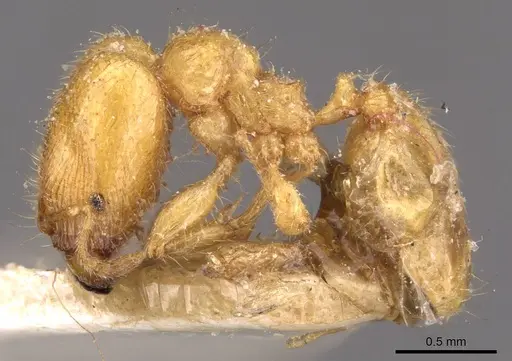
Pheidole woodmasoni is a small ant species native to South Asia, found across India, Bangladesh, and Sri Lanka. Workers come in two sizes: minor workers at 2-3mm and major workers (soldiers) at 3-4mm, with the larger majors having distinctive enlarged heads. The species is part of the Generalised Myrmicinae functional group, meaning they are generalist foragers that can adapt to various food sources. Queens have not been directly measured in scientific literature, but based on typical Pheidole genus patterns, they likely measure around 5-7mm. This species thrives in warm, humid conditions across the Himalayan foothills and the Indian subcontinent, ranging from sea level up to 1000 meters elevation.
Quick Summary
- Difficulty: Easy
- Origin & Habitat: Native to the Indomalaya region, found across India, Bangladesh, and Sri Lanka. In India, recorded from states including Arunachal Pradesh, Assam, Delhi, Himachal Pradesh, Karnataka, Maharashtra, Meghalaya, Punjab, Sikkim, Tamil Nadu, Uttarakhand, and West Bengal. They inhabit elevations from sea level up to 1000 meters, found in abandoned agricultural land, warm broadleaved forests, and built-up areas [1][2][3].
- Colony Type: Likely monogyne (single queen colonies) based on typical Pheidole genus patterns. Colonies produce both minor workers and major workers (soldiers) with enlarged heads for seed processing.
- Colony: Monogyne
- Founding: Claustral
- Size & Growth:
- Queen: Estimated 5-7mm based on genus patterns
- Worker: Minor workers 2-3mm, major workers 3-4mm
- Colony: Likely reaches several hundred workers based on typical Pheidole colony sizes
- Growth: Moderate
- Development: Estimated 6-8 weeks based on related Pheidole species (Development time is estimated from genus-level data, direct measurements for this species are not available)
- Antkeeping:
- Temperature: Keep at 24-28°C. Based on their tropical/subtropical distribution across India and Sri Lanka, they prefer warm conditions. A heating cable on one side of the nest creates a suitable gradient.
- Humidity: Keep substrate moderately moist. They are found in diverse habitats from agricultural land to forests, suggesting they tolerate a range of humidity levels. Provide a water tube for humidity access.
- Diapause: Likely minimal or no true diapause. As a tropical/subtropical species from southern Asia, they probably remain active year-round with slight slowing in cooler months.
- Nesting: Use a standard formicarium or test tube setup. They adapt well to acrylic nests, Y-tong nests, or plaster nests. Provide a foraging area with sand or soil substrate.
- Behavior: Pheidole woodmasoni is a generalist forager with moderate activity levels. Colonies will forage for seeds, small insects, and sugary liquids. Major workers (soldiers) help process larger seeds and provide colony defense. They are not particularly aggressive but will defend their nest vigorously. Escape risk is moderate, their small size means they can slip through loose connections, but standard barrier methods work well.
- Common Issues: colonies may decline if kept too cold, maintain warm temperatures, major workers require time to develop, don't expect soldiers immediately, overfeeding can lead to mold in the nest, remove uneaten food promptly, small size means standard escape prevention is necessary, wild-caught colonies may carry parasites that can devastate captive colonies
Housing and Nest Setup
Pheidole woodmasoni adapts well to various captive setups. A standard test tube setup works well for founding colonies, use a test tube with a water reservoir at one end, stopped with cotton to maintain humidity. For established colonies, acrylic nests (like Y-tong or AntCube) or plaster nests provide good visibility and humidity control. The foraging area should be simple, a plastic container with a substrate layer of sand or soil works fine. Ensure all connections are secure since their small size allows them to squeeze through tiny gaps. Use fluon or barrier tape on the rim of the outworld to prevent escapes.
Feeding and Diet
Pheidole woodmasoni is a generalist feeder that accepts a variety of foods. In captivity, they readily consume small insects like fruit flies, pinhead crickets, and mealworm pieces. Seeds are an important part of their natural diet, you can offer grass seeds, millet, or bird seed. They also accept sugar water, honey, or diluted syrup. Feed protein sources (insects or seeds) 2-3 times per week, and keep a sugar source constantly available. Remove uneaten food after 24-48 hours to prevent mold. The major workers (soldiers) specialize in processing larger seeds, so offering some larger seeds gives them a job to do.
Temperature and Seasonal Care
As a species from tropical and subtropical South Asia, Pheidole woodmasoni prefers warm conditions. Keep the nest area at 24-28°C for optimal colony development. A heating cable placed on one side of the nest creates a temperature gradient that allows the ants to self-regulate. They do not require true hibernation, maintain warm temperatures year-round. However, slight slowing of activity in cooler winter months is normal. Avoid temperatures below 20°C for extended periods, as this can weaken or kill the colony. Room temperature within this range is acceptable without additional heating.
Colony Growth and Development
Pheidole colonies develop through distinct phases. A newly mated queen will seal herself in a chamber (claustral founding) and lay her first eggs, surviving entirely on her stored fat reserves. After 6-8 weeks (estimated from genus data), the first workers called nanitics emerge, these are typically smaller than normal workers. Once workers arrive, the colony grows more quickly as foragers bring back food. Major workers (soldiers) with enlarged heads appear as the colony matures, usually once the colony reaches several dozen workers. The majors assist with seed processing and colony defense. A mature colony may contain several hundred workers with a significant proportion being majors.
Frequently Asked Questions
How long does it take for Pheidole woodmasoni to produce first workers?
Expect first workers (nanitics) to emerge in about 6-8 weeks after the queen lays eggs. This timeline is estimated from related Pheidole species since specific development data for P. woodmasoni is not available. Temperature affects development speed, warmer conditions (around 26-28°C) speed up development, while cooler temperatures slow it down.
What do I feed Pheidole woodmasoni?
They are generalist feeders that accept small insects (fruit flies, pinhead crickets, mealworms), seeds (grass seeds, millet, bird seed), and sugar sources (honey, sugar water). Offer protein foods 2-3 times per week and keep a sugar source constantly available. The major workers specialize in processing seeds, so offering some larger seeds gives them a useful role.
Can I keep multiple Pheidole woodmasoni queens together?
This species is likely monogyne (single queen) based on typical Pheidole patterns. Combining unrelated queens is not recommended as they likely will fight. If you capture a dealate queen, house her alone in a test tube until workers emerge. Only introduce a second queen to an established colony if you observe evidence of natural polygyny in this species, which has not been documented.
What temperature do Pheidole woodmasoni need?
Keep them warm at 24-28°C. This matches their natural habitat across tropical and subtropical South Asia. A heating cable on part of the nest creates a gradient. Room temperature within this range is acceptable. Avoid temperatures below 20°C for extended periods.
Are Pheidole woodmasoni good for beginners?
Yes, this species is beginner-friendly. They are tolerant of varying conditions, easy to feed, and don't require special hibernation care. Their small size and generalist diet make them straightforward to keep. The main challenges are ensuring proper escape prevention and maintaining warm temperatures.
When should I move my colony to a formicarium?
Move Pheidole woodmasoni to a formicarium once the colony reaches 20-30 workers and the test tube space becomes cramped. Before moving, ensure the formicarium is properly set up with appropriate humidity and a connected foraging area. They adapt well to most standard nest types including acrylic, plaster, and naturalistic setups.
How big do Pheidole woodmasoni colonies get?
Based on typical Pheidole genus patterns, colonies likely reach several hundred workers at maturity. The presence of major workers (soldiers) increases as the colony grows. A mature colony will have a significant proportion of majors assisting with seed processing and defense.
Do Pheidole woodmasoni need hibernation?
No, true hibernation is not required. As a tropical/subtropical species from South Asia, they remain active year-round. You may notice slightly reduced activity in cooler months, but maintaining warm temperatures (24-28°C) year-round is recommended. They do not enter diapause like temperate species.
Why are my Pheidole woodmasoni dying?
Common causes include: temperatures below 20°C (keep them warm), excessive humidity causing mold (ensure ventilation), overfeeding leading to mold (remove uneaten food), or parasites from wild-caught colonies (quarantine new colonies). Also check for escape routes, their small size means they can slip through tiny gaps. Ensure your colony has a healthy queen and brood present.
References

This caresheet is licensed under CC BY-SA 4.0 .
CASENT0281685
View on AntWeb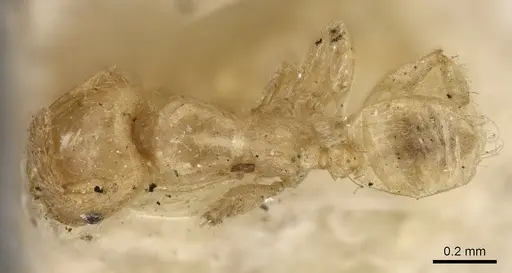
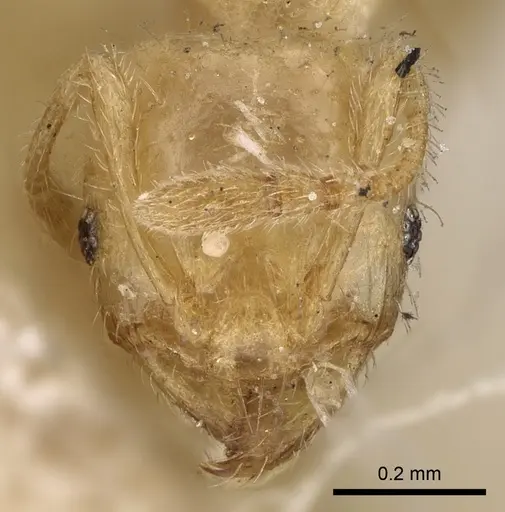
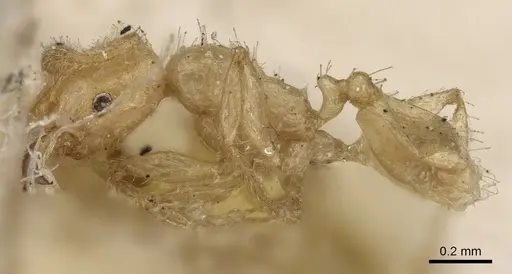
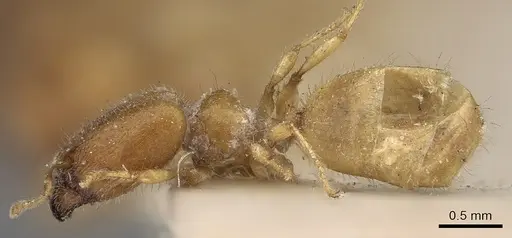
CASENT0281686
View on AntWeb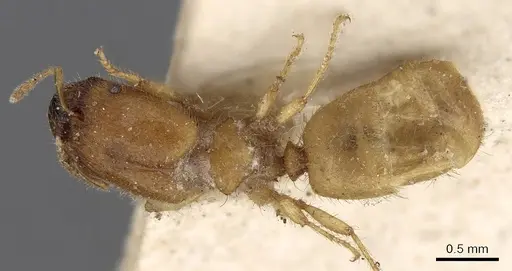
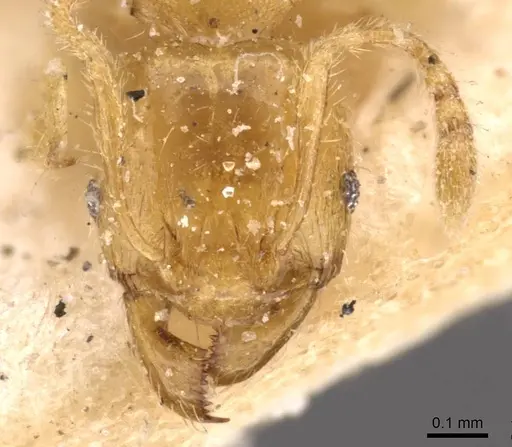
CASENT0908007
View on AntWeb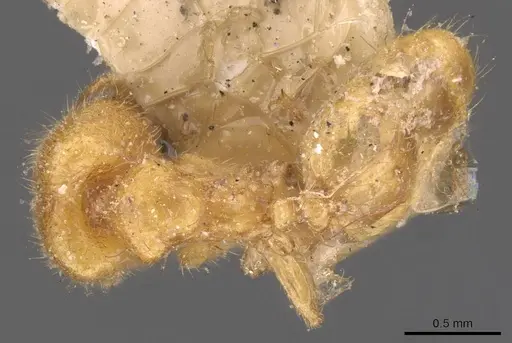
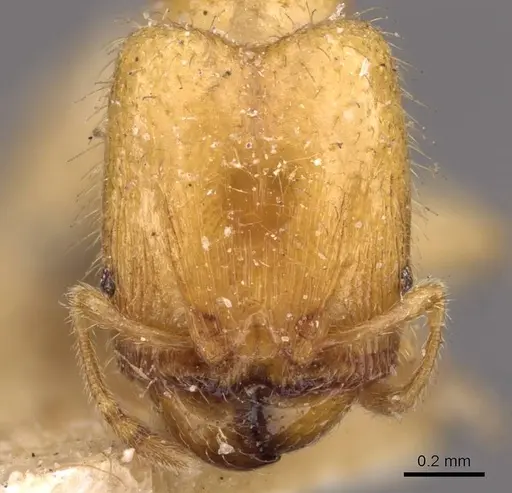
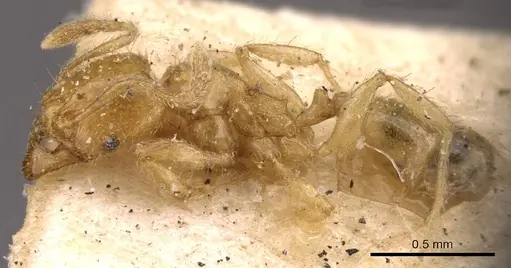
CASENT0908008
View on AntWeb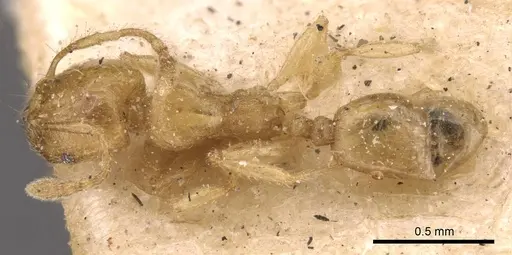
Literature
Loading...Loading products...