

Pheidole wolfringi
- Scientific Name
- Pheidole wolfringi
- Tribe
- Attini
- Subfamily
- Myrmicinae
- Author
- Forel, 1908
- Distribution
- Found in 1 countries
Pheidole wolfringi Overview
Pheidole wolfringi is an ant species of the genus Pheidole. It is primarily documented in 1 countries , including Brazil. Detailed taxonomic data and occurrence records can be further explored via authoritative databases such as AntWeb or the Global Biodiversity Information Facility (GBIF).
Pheidole wolfringi
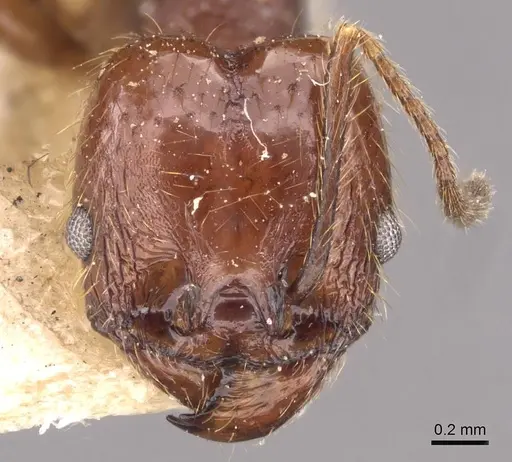
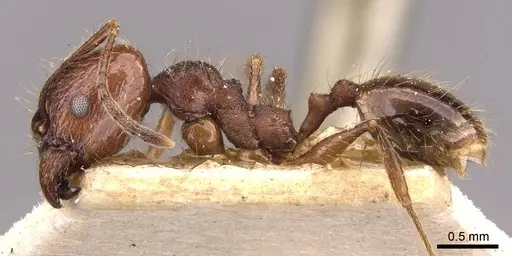
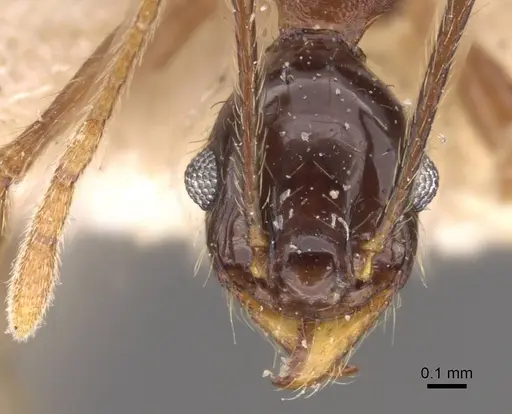
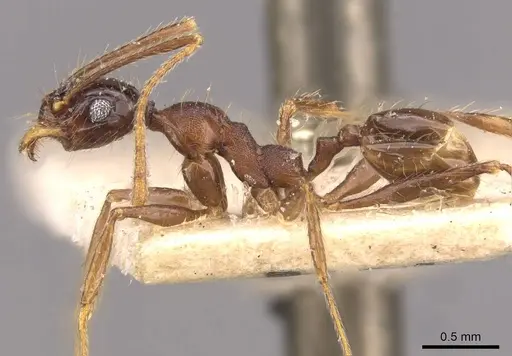
Pheidole wolfringi is a small ant species native to southeastern Brazil, specifically found in the Rio de Janeiro and São Paulo regions. This species belongs to the 'jujuyensis complex' within the larger fallax group, a classification based on distinctive morphological features. Major workers have a head width of about 1.2mm and are uniformly light brown in color, while minor workers are considerably smaller at around 0.54mm head width with slightly lighter appendages. The species was originally described by Forel in 1908 and later elevated from synonymy by Wilson in 2003. As with many Neotropical Pheidole species, biological information is extremely limited, making specific care recommendations based on this species alone difficult.
Quick Summary
- Difficulty: Unknown, likely Medium based on genus patterns
- Origin & Habitat: Southeastern Brazil, specifically Rio de Janeiro and São Paulo states [1]. Found in the Neotropical region [1].
- Colony Type: Unknown colony structure, Pheidole species are typically monogyne (single queen) but some can be polygyne. No specific data for this species.
- Colony: Monogyne
- Founding: Claustral
- Size & Growth:
- Queen: Estimated 5-7mm based on genus patterns, no direct measurement available
- Worker: Major: 1.20mm HW, Minor: 0.54mm HW
- Colony: Unknown, typical Pheidole colonies reach hundreds to low thousands of workers
- Growth: Unknown, estimated Moderate based on genus patterns
- Development: Estimated 6-8 weeks based on typical Pheidole development (Development timeline is unconfirmed for this specific species. Estimates based on general genus patterns for tropical Pheidole species.)
- Antkeeping:
- Temperature: Keep at 22-26°C. This range is typical for Neotropical species from southeastern Brazil. Adjust based on colony activity, if workers cluster together, they may prefer slightly warmer conditions.
- Humidity: Maintain moderate humidity around 60-70%. Provide a water tube as a moisture source. These ants likely prefer conditions similar to Brazil's Atlantic Forest region.
- Diapause: Unknown, southeastern Brazil has mild winters, but some dormancy may occur. Monitor colony activity and reduce temperatures slightly (by 3-5°C) during winter months if the colony becomes less active.
- Nesting: Y-tong (AAC) nests or test tube setups work well for Pheidole. Provide moist substrate. The species likely nests in soil or rotting wood in nature. Acrylic nests with narrow chambers are also suitable.
- Behavior: Pheidole species are generally non-aggressive but will defend their nest vigorously. Major workers have enlarged heads for seed-crushing or defense. They are not known to sting significantly. Escape prevention should be moderate, these ants are small but not as tiny as some Pheidole species. Standard barrier methods (fluon, talcum powder) should suffice.
- Common Issues: No species-specific biological data exists, care is based on genus inference, Colony growth rate is unknown and may be slow initially, Winter care is uncertain due to unknown diapause requirements, Limited availability, rarely available in the antkeeping hobby
Nest Preferences and Housing
Pheidole wolfringi can be kept in standard antkeeping setups. Test tubes work well for founding colonies, use a standard test tube setup with a water reservoir sealed with a cotton plug. For established colonies, Y-tong (AAC) nests provide appropriate chamber sizes. The species likely prefers enclosed spaces similar to other Pheidole species. Provide a connection to an outworld for foraging. Since we have no specific data on this species' nesting preferences, follow general Pheidole husbandry: moist substrate in the nest area, dry outworld for foraging. [1]
Feeding and Diet
Pheidole species are generalist omnivores. Feed a varied diet including protein sources (small insects like fruit flies, mealworms, crickets) and carbohydrates (sugar water, honey, or honeydew). Major workers have enlarged heads suggesting they may process seeds or harder foods, so offering small seeds can provide enrichment. Feed protein 2-3 times per week and ensure constant access to sugar water. Remove uneaten food after 24-48 hours to prevent mold. Since this species' specific diet is unknown, follow standard Pheidole feeding protocols.
Temperature and Seasonal Care
Maintain temperatures between 22-26°C year-round. This species comes from southeastern Brazil (São Paulo and Rio de Janeiro), a region with warm temperatures and moderate seasonal variation. Room temperature within this range is typically suitable. If your room is cooler, use a heating cable on one side of the nest to create a gentle gradient. Allow the colony to naturally slow during winter months if activity decreases, a slight temperature reduction of 3-5°C is acceptable. Do not let temperatures drop below 18°C for extended periods. [1]
Behavior and Colony Dynamics
Pheidole wolfringi exhibits the typical Pheidole caste system with distinct major and minor workers. Major workers have enlarged heads with powerful mandibles, likely used for processing seeds or defending the colony. Minor workers handle most foraging and brood care. Colonies are likely to be modest in size compared to some larger Pheidole species. The species is not considered aggressive toward keepers but will bite if threatened. Major workers may also release defensive chemicals. Standard observation should be done without disturbing the nest excessively.
Acquiring and Legal Considerations
This species is rarely available in the antkeeping hobby as it is not commonly collected or traded. If available, expect to pay a premium for wild-caught or captive-bred colonies. Do not collect from the wild in Brazil, this species has limited distribution and protected status may apply. Never release ant colonies outside their native range. In North America or Europe, release of Neotropical species is prohibited and can cause ecological damage. [1]
Frequently Asked Questions
How long does it take for Pheidole wolfringi to produce first workers?
The exact timeline is unknown for this species. Based on typical Pheidole genus patterns, expect 6-8 weeks from egg to first worker at optimal temperatures (24-26°C). Founding colonies may take longer as the queen raises her first brood alone.
What do Pheidole wolfringi ants eat?
Feed them a varied diet of protein (small insects like fruit flies, pinhead crickets, mealworms) and carbohydrates (sugar water, honey, or honeydew). Pheidole species are generalist omnivores, so they should accept most standard ant foods. Remove uneaten food after 24-48 hours.
How big do Pheidole wolfringi colonies get?
Colony size is unconfirmed for this species. Based on typical Pheidole patterns, expect colonies of several hundred to perhaps low thousands of workers. They are not among the largest Pheidole species.
What temperature is best for Pheidole wolfringi?
Keep them at 22-26°C. This matches their natural range in southeastern Brazil. Room temperature in this range is ideal, use a heating cable only if your room runs cooler.
Do Pheidole wolfringi need hibernation?
Diapause requirements are unknown. Southeastern Brazil has mild winters, so they may not need a true hibernation. Reduce temperatures slightly (3-5°C) during winter months if the colony shows reduced activity, but do not force cold hibernation.
Can I keep multiple Pheidole wolfringi queens together?
Colony structure is unconfirmed for this species. Most Pheidole are monogyne (single queen), but some can be polygyne. Unless you have confirmed information that this species accepts multiple queens, keep only one queen per colony.
Is Pheidole wolfringi good for beginners?
Difficulty level is uncertain due to limited biological data. Based on general Pheidole care, they should be manageable for intermediate keepers. However, the lack of species-specific information makes this a challenging choice for complete beginners who might prefer more documented species.
When should I move Pheidole wolfringi to a formicarium?
Keep them in a test tube setup for the founding stage. Once the colony reaches 20-30 workers and the test tube shows signs of degradation (mold, condensation issues), transfer to a formicarium. Y-tong nests work well for Pheidole species.
Where is Pheidole wolfringi found in the wild?
This species is native to southeastern Brazil, specifically recorded from Rio de Janeiro and São Paulo states. They inhabit the Neotropical region, likely in forested areas with suitable nesting sites.
References

This caresheet is licensed under CC BY-SA 4.0 .
CASENT0908212
View on AntWeb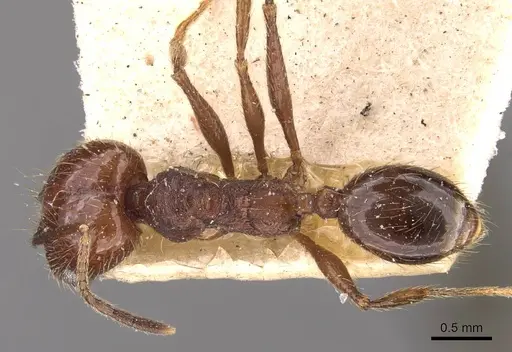
CASENT0908213
View on AntWeb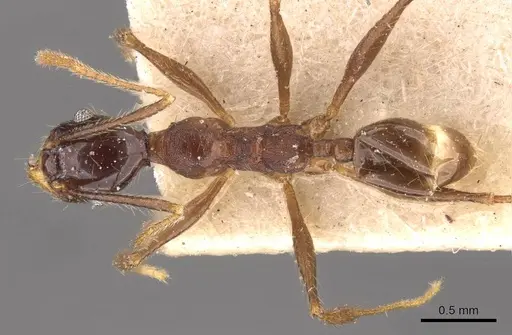
Literature
Loading...Loading products...