

Pheidole watsoni
- Scientific Name
- Pheidole watsoni
- Tribe
- Attini
- Subfamily
- Myrmicinae
- Author
- Forel, 1902
- Distribution
- Found in 3 countries
Pheidole watsoni Overview
Pheidole watsoni is an ant species of the genus Pheidole. It is primarily documented in 3 countries , including China, India, Lao People's Democratic Republic. Detailed taxonomic data and occurrence records can be further explored via authoritative databases such as AntWeb or the Global Biodiversity Information Facility (GBIF).
Pheidole watsoni
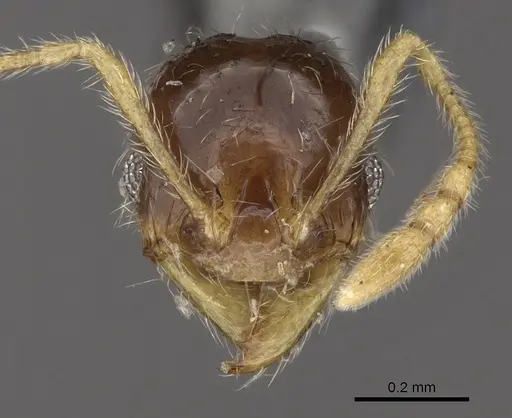
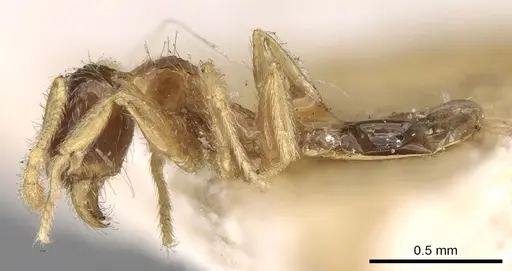
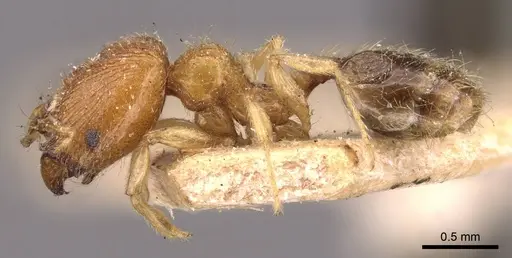
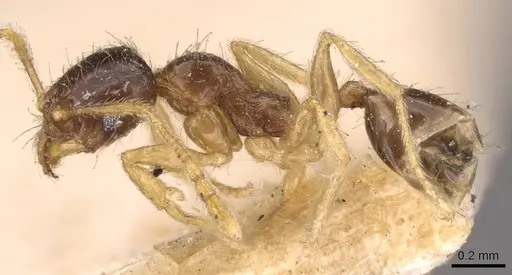
Pheidole watsoni is a small to medium-sized ant species native to South and Southeast Asia, ranging from India and Sri Lanka through Myanmar and Bangladesh to southern China. This species is famous for its dramatic size polymorphism, colonies produce two distinct worker castes: tiny minor workers (1.8-2.1mm) and large major workers called soldiers (3.4-3.6mm) with oversized heads [1]. The body is reddish-brown with yellowish-brown antennae, legs, and gaster. These ants are ground-nesters, found in forests, rubber plantations, and even urban gardens, where they build nests in rotting wood or directly in the soil at elevations ranging from 210m to 1800m [2][1].
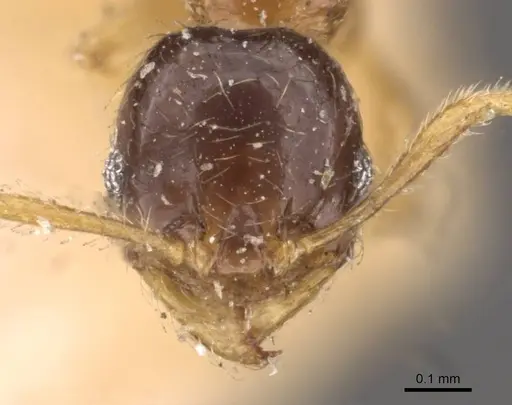
What makes P. watsoni stand out among Pheidole species is its extremely well-developed soldier caste. The soldiers have distinctly enlarged heads with specialized mandibles designed for seed-crushing and colony defense. Studies show this species is common in many parts of India, particularly in Maharashtra where it contributes significantly to ant communities, and can be found nesting both in rotten wood and on the ground surface [3][4][2].
Quick Summary
- Difficulty: Easy
- Origin & Habitat: Native to South and Southeast Asia, found in India, Sri Lanka, Bangladesh, Myanmar, and southern China (Yunnan, Guangxi). Inhabits forests, rubber plantations, and urban gardens at elevations from 210m to 1800m [1][5][2].
- Colony Type: Single-queen colonies (monogyne). Colonies produce distinct major and minor worker castes [1].
- Colony: Monogyne
- Founding: Claustral
- Size & Growth:
- Queen: Approximately 5-6mm (estimated based on genus patterns)
- Worker: Minor workers: 1.8-2.1mm, Major workers (soldiers): 3.4-3.6mm [1]
- Colony: Likely several hundred workers based on typical Pheidole colony sizes
- Growth: Moderate
- Development: 6-8 weeks (estimated based on typical Pheidole development at 24-26°C) (Development time is estimated from genus-level data, as species-specific studies are not available. Pheidole species typically develop from egg to worker in 6-8 weeks under warm conditions.)
- Antkeeping:
- Temperature: Keep at 24-28°C. This species tolerates a range from roughly 20°C to 30°C, but growth is optimal in the warm range. A heating cable on one side of the nest creates a useful gradient [2][1].
- Humidity: Moderate humidity around 50-70%. Keep the nest substrate slightly moist but not waterlogged. These ants naturally nest in rotting wood and soil, which retain some moisture without being saturated [2].
- Diapause: Yes, based on temperate and subtropical distribution, colonies likely require a winter rest period. Reduce temperature to 15-18°C for 2-3 months during winter [2].
- Nesting: Prefers nesting in rotting wood, soil, or under stones. In captivity, a Y-tong (AAC) nest or plaster formicarium works well. Provide some damp substrate for the nest chamber and a dry outworld area for foraging [2].
- Behavior: Generally peaceful but will defend the colony vigorously using soldier castes. Forages actively on the ground surface and can be aggressive when defending food sources. Minor workers handle most foraging while soldiers guard the nest entrance and help crack larger food items. Escape risk is moderate, use standard barriers but they are not particularly good climbers compared to some Myrmicinae [3].
- Common Issues: colonies may decline if kept too cold, maintain warm temperatures year-round except during winter diapause, soldier production may be low in small colonies, this is normal, majors develop as colony grows, wild-caught colonies may have parasites, quarantine and observe new colonies carefully, overfeeding can lead to mold problems in nest, remove uneaten food promptly, they are ground-nesting and may escape through small gaps in setup, ensure connections are secure
Nest Preferences and Setup
Pheidole watsoni naturally nests in rotting wood, soil, and under stones in its native habitat [2]. In captivity, these ants do well in Y-tong (acrylic) nests or plaster formicariums with narrow chambers. The key is providing a nest area with moderate humidity, use a water reservoir or moist substrate in part of the nest while keeping another section drier. A test tube setup with a cotton ball providing moisture works well for founding colonies. As the colony grows, you can transition to a formicarium while maintaining a moisture gradient. These ants are not arboreal, so horizontal or shallow vertical setups mimic their natural ground-nesting behavior better than tall vertical nests [2].
Feeding and Diet
Like most Pheidole species, P. watsoni is omnivorous with a preference for protein-rich foods. In the wild, they forage for seeds, small insects, and honeydew. In captivity, offer a varied diet: protein sources like small crickets, mealworms, fruit flies, or other small insects 2-3 times per week. They will also accept sugar water, honey, or diluted maple syrup as an energy source. Seeds are not required but some keepers report that Pheidole enjoy cracked seeds. Remove uneaten food within 24-48 hours to prevent mold. The soldier caste helps process larger food items that minor workers cannot handle alone [3].
Temperature and Seasonal Care
This species comes from subtropical regions and prefers warm conditions. Keep the nest at 24-28°C for optimal growth and brood development. They can tolerate temperatures as low as 20°C and as high as 30°C, but activity and development slow outside this range. During winter, based on their distribution in temperate parts of China and India, colonies benefit from a diapause period. Reduce temperatures to 15-18°C for 2-3 months, reducing feeding to once every 2-3 weeks. Do not feed heavily during diapause as ants will not digest food properly. Return to normal temperatures gradually in spring [2][1].
Colony Development and Castes
One of the most fascinating aspects of keeping P. watsoni is watching the colony develop its distinct worker castes. Minor workers (1.8-2.1mm) handle most tasks including foraging, nursing brood, and maintaining the nest. Major workers or soldiers (3.4-3.6mm) have dramatically enlarged heads and specialized mandibles for defense and processing large food items like seeds [1]. In founding colonies, expect only minor workers for the first few months. Soldiers typically appear once the colony reaches 50-100 workers. The ratio of majors to minors varies by colony and environmental conditions, well-fed colonies in good conditions often produce more soldiers. This polymorphism makes them particularly interesting to observe [1].
Behavior and Temperament
Pheidole watsoni is generally calm and not aggressive toward keepers, but they will defend their nest vigorously if threatened. The soldier caste serves as the colony's primary defense, using their powerful mandibles to bite potential threats. Foraging occurs primarily on the ground surface, and workers are most active during evening and night hours in the wild, though they will forage any time in captivity. They are not particularly good climbers and are less likely to escape than some arboreal species, but standard escape prevention (Fluon on container rims, secure connections) is still recommended. When introducing new food, minor workers often recruit soldiers to help process larger items [3][4].
Frequently Asked Questions
How long does it take for Pheidole watsoni to produce first workers?
Expect first workers (nanitics) approximately 6-8 weeks after the queen lays eggs, assuming temperatures around 24-26°C. This is typical for Pheidole species, though exact timing varies with temperature and diet.
Are Pheidole watsoni good for beginners?
Yes, this species is considered beginner-friendly. They are relatively hardy, tolerate a range of conditions, and are not particularly aggressive. Their interesting soldier caste makes them engaging to watch.
How big do Pheidole watsoni colonies get?
Based on typical Pheidole patterns, colonies likely reach several hundred workers. The exact maximum is not documented, but related species commonly reach 300-500 workers in captivity.
What do I feed Pheidole watsoni?
Offer small insects (crickets, mealworms, fruit flies) as protein 2-3 times per week, and provide sugar water, honey, or maple syrup constantly for energy. Remove uneaten food promptly to prevent mold.
Do Pheidole watsoni need hibernation?
Yes, based on their distribution in temperate parts of their range (southern China), they benefit from a winter rest period. Reduce temperature to 15-18°C for 2-3 months and feed sparingly.
When should I move my colony to a formicarium?
Move to a formicarium when the colony reaches 50-100 workers and the test tube becomes cramped. Ensure the new setup has appropriate humidity and a connection to an outworld.
Why aren't my colonies producing soldiers?
This is normal for young colonies. Soldiers (majors) typically appear once the colony reaches 50-100 workers. Well-fed colonies in good conditions produce soldiers earlier. Be patient, soldier production increases as the colony grows.
Can I keep multiple Pheidole watsoni queens together?
No, this species is monogyne (single-queen). Multiple unrelated queens will fight. Only keep one queen per colony.
Where is Pheidole watsoni found in the wild?
This species ranges from India and Sri Lanka through Myanmar and Bangladesh to southern China (Yunnan, Guangxi). It lives in forests, rubber plantations, and urban gardens at elevations between 210m and 1800m [5][1][2].
References

This caresheet is licensed under CC BY-SA 4.0 .
CASENT0281698
View on AntWeb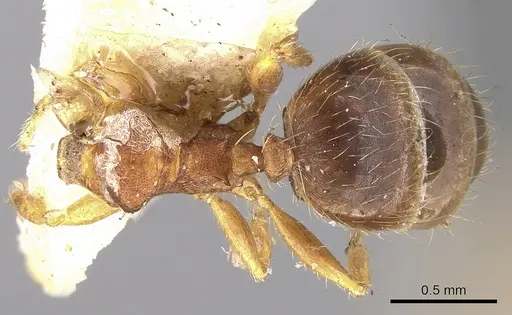
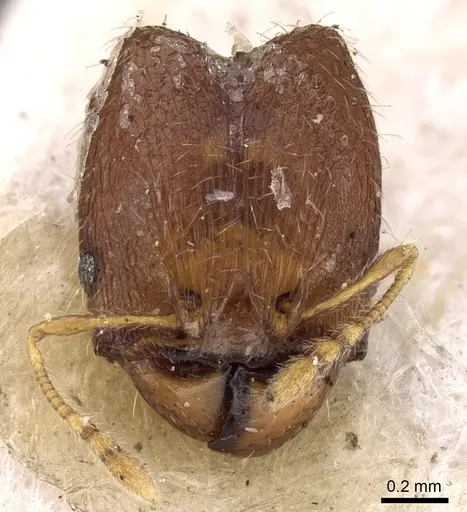
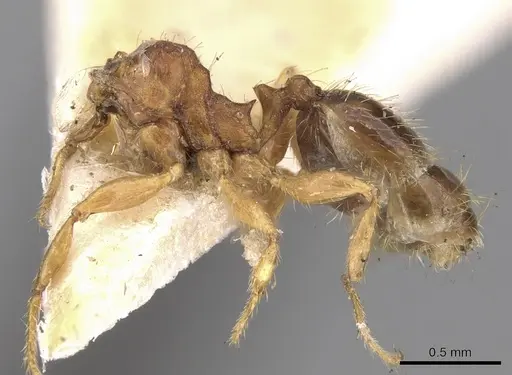
CASENT0281699
View on AntWeb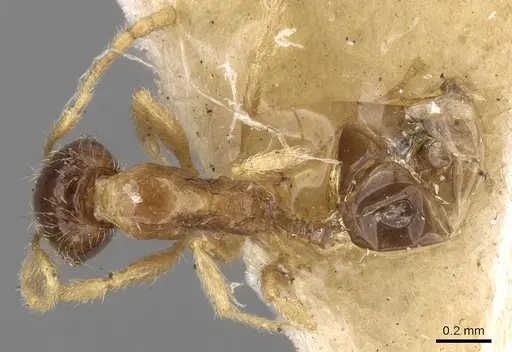
CASENT0908005
View on AntWeb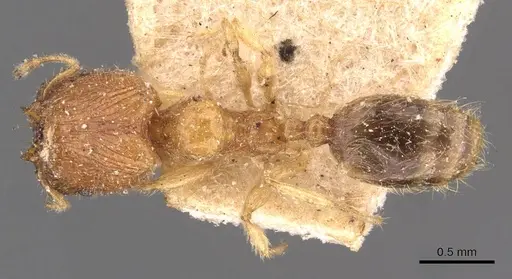
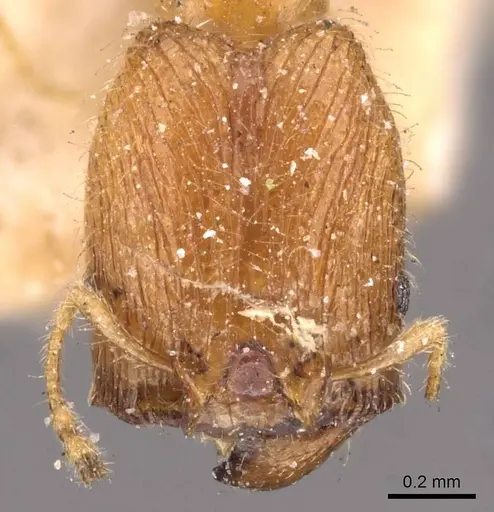
CASENT0908006
View on AntWeb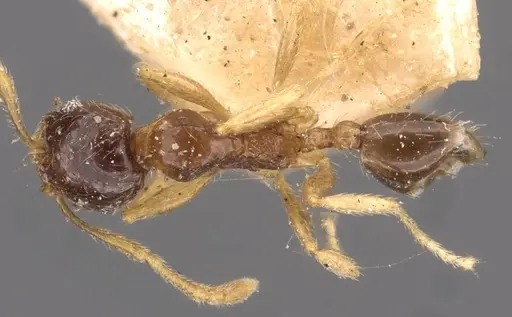
Literature
Loading...Loading products...