

Pheidole wardi
- Scientific Name
- Pheidole wardi
- Tribe
- Attini
- Subfamily
- Myrmicinae
- Author
- Wilson, 2003
- Distribution
- Found in 3 countries
Pheidole wardi Overview
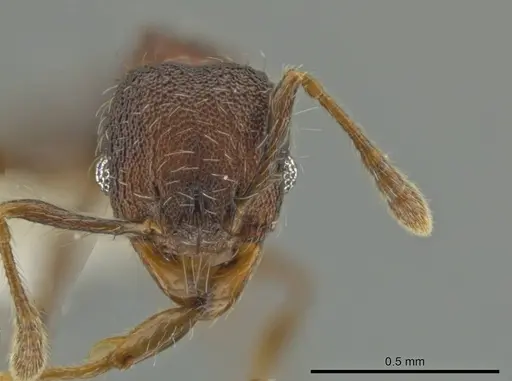
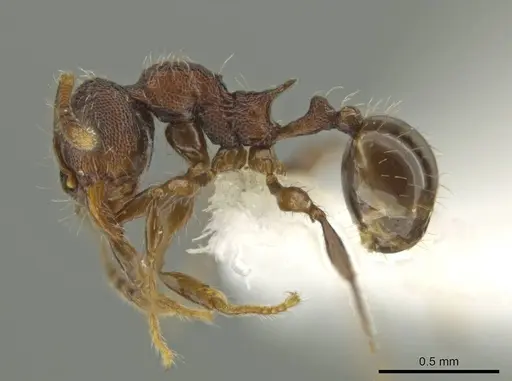
Pheidole wardi is an ant species of the genus Pheidole. It is primarily documented in 3 countries , including Guatemala, Honduras, Mexico. Detailed taxonomic data and occurrence records can be further explored via authoritative databases such as AntWeb or the Global Biodiversity Information Facility (GBIF).
Pheidole wardi
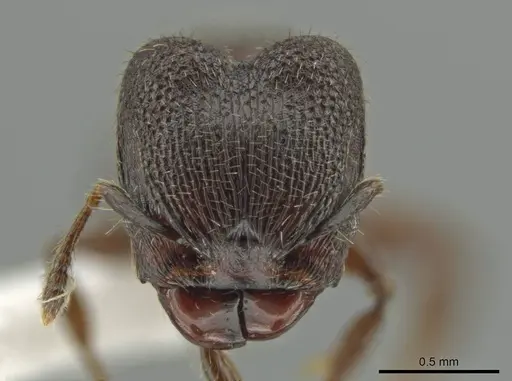
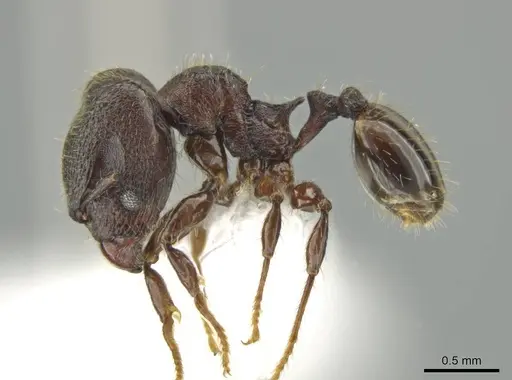
Pheidole wardi is a small to medium-sized ant native to Central America, specifically found in Honduras and Guatemala [1]. Like all Pheidole species, they are dimorphic, meaning the colony has two distinct worker types: larger major workers (sometimes called soldiers) with oversized heads for seed-crushing, and smaller minor workers that handle most of the daily tasks. This dimorphic structure gives them a distinctive appearance compared to single-worker ant species. They are part of the diverse Pheidole genus, which is one of the largest ant genera in the world with hundreds of species across the Americas.
Quick Summary
- Difficulty: Easy
- Origin & Habitat: This species is found in Honduras and Guatemala in Central America [1]. They likely inhabit tropical forest edges, agricultural areas, or disturbed habitats where they can nest in soil and access both seeds and small insects. The genus Pheidole is known for thriving in varied habitats across the Neotropics.
- Colony Type: Single-queen colonies (monogyne) are typical for this species, which is the most common colony structure in the Pheidole genus. The colony will develop major workers as the population grows, a trait common to dimorphic Pheidole species.
- Colony: Monogyne
- Founding: Claustral
- Size & Growth:
- Queen: Estimated 6-8mm based on typical Pheidole queen dimensions
- Worker: Minor workers: 2-3mm, Major workers: 4-6mm [1]
- Colony: Likely reaches several hundred to a few thousand workers based on typical Pheidole colony development
- Growth: Moderate, Pheidole colonies typically grow steadily but not rapidly
- Development: Estimated 6-8 weeks based on typical Pheidole development at warm temperatures (Development time is inferred from genus-level data since species-specific timing is unconfirmed. Warmer temperatures (24-28°C) will speed development, while cooler conditions will slow it.)
- Antkeeping:
- Temperature: Keep at 24-28°C. This matches their tropical origin in Honduras and Guatemala. A slight temperature gradient allows the ants to regulate their conditions.
- Humidity: Moderate humidity around 50-70%. Keep the nest substrate lightly moist but allow some drying between waterings. These ants tolerate typical household humidity well.
- Diapause: No, being tropical, they do not require hibernation. However, they may slow down slightly during cooler winter months if your room temperature drops.
- Nesting: Pheidole wardi will do well in standard ant setups. A Y-tong (AAC) nest, plaster nest, or test tube setup works well. They prefer dark, enclosed spaces for the nest chamber. An outworld for foraging allows them to bring seeds and prey back to the nest.
- Behavior: Pheidole wardi is generally calm and not aggressive toward keepers. The minor workers handle foraging, brood care, and nest maintenance, while major workers specialize in seed-crushing and colony defense. They are active foragers that will collect seeds and small insects. They are not known for being escape artists, their moderate size makes standard escape prevention adequate. Major workers can deliver a mild sting if threatened, though Pheidole stings are generally not dangerous to healthy humans.
- Common Issues: colonies may stall if temperatures drop below 20°C for extended periods, major workers develop slowly, don't be alarmed if your colony stays minor-only for months, seed-eating means they can become lazy about hunting live prey if given too many seeds, overfeeding can lead to mold in the nest, remove uneaten food promptly
Housing and Nest Setup
Pheidole wardi adapts well to various captive setups. A Y-tong (acrylic) nest or plaster nest provides the dark, enclosed environment they prefer. Test tube setups work well for founding colonies, simply place the queen in a test tube with a water reservoir plugged with cotton. Once the colony reaches 20-30 workers, you can transition to a proper formicarium. Include an outworld (foraging area) connected to the nest so workers can collect food and bring it back. The outworld should have a layer of substrate or a foraging platform where they can handle seeds and prey. Ensure all connections are secure, while not excellent escape artists, they will find any loose connections.
Feeding and Diet
Pheidole wardi is omnivorous with a preference for seeds and protein. In captivity, offer a mix of seeds (millet, chia, flax, or commercial ant seed mixes) which major workers will crack open with their powerful jaws. Protein sources include small insects like fruit flies, pinhead crickets, or mealworm pieces. They will also accept sugar water or honey occasionally. Feed seeds continuously, they store them like a pantry. Offer protein prey 2-3 times per week, removing any uneaten prey after 24 hours. A varied diet keeps the colony healthy and encourages major worker production. Remove moldy food promptly to prevent health issues.
Temperature and Seasonal Care
As a tropical species from Honduras and Guatemala, Pheidole wardi prefers warm conditions. Keep the nest area at 24-28°C for optimal brood development. A heating cable on one side of the nest creates a temperature gradient they can regulate themselves. They do not require hibernation (diapause) since they come from a tropical climate. During winter, if your room temperature drops significantly, the colony may slow down activity slightly, this is normal and they should recover when warmed. Avoid temperatures below 18°C for extended periods as this can weaken the colony. Room temperature in most homes (20-24°C) is acceptable, though slightly warm conditions will result in faster growth.
Colony Development and Major Workers
One of the fascinating aspects of keeping Pheidole wardi is watching the colony develop its dimorphic worker castes. The first workers (nanitics) are always minor workers, small and numerous. As the colony grows and resources allow, the queen will begin producing major workers with their distinctive enlarged heads. Major workers typically appear once the colony reaches 50-100 workers. Their role is primarily defense and seed-crushing, while minor workers handle most other tasks. Don't be concerned if your colony stays minor-only for the first few months, this is normal. The appearance of major workers is a sign your colony is healthy and growing well.
Frequently Asked Questions
How long does it take for Pheidole wardi to produce first workers?
Expect first workers (nanitics) in about 6-8 weeks after the queen lays eggs, assuming temperatures around 24-28°C. This is typical for Pheidole species. The exact timing depends on temperature, warmer conditions speed development, cooler conditions slow it.
What do Pheidole wardi ants eat?
They are omnivorous but prefer seeds and protein. Offer commercial ant seed mixes, grains, or millet for the major workers to crack open. For protein, provide small insects like fruit flies, pinhead crickets, or mealworm pieces. They will occasionally accept sugar water or honey as a treat.
When should I move my Pheidole wardi colony to a formicarium?
Move them when the test tube setup becomes crowded, typically when you see 20-30 workers and the water reservoir is running low. Make sure the formicarium has appropriate humidity and a connected outworld for foraging. They do well in Y-tong nests, plaster nests, or naturalistic setups.
Are Pheidole wardi good for beginners?
Yes, they are excellent for beginners. They are hardy, adaptable, and not particularly aggressive. Their moderate size and simple care requirements make them a good choice for new antkeepers. The only consideration is their need for warmth, which is easily provided.
How big do Pheidole wardi colonies get?
Based on typical Pheidole development, colonies can reach several hundred to a few thousand workers over several years. The exact maximum is unknown for this specific species, but the genus is known for substantial colony sizes.
Do I need to hibernate Pheidole wardi?
No, hibernation is not required. Being from tropical Honduras and Guatemala, they do not have a winter dormancy period. They may slow slightly during cooler months if your room temperature drops, but they do not need a formal hibernation setup.
Why aren't my Pheidole wardi producing major workers?
This is normal in young colonies. Major workers typically only appear once the colony reaches 50-100 workers and has sufficient resources. Be patient, the queen will begin producing majors when the colony is established enough to support the additional investment. Ensure you are feeding a protein-rich diet.
Can I keep multiple Pheidole wardi queens together?
Pheidole wardi is typically monogyne (single-queen). Combining unrelated queens is not recommended as they will likely fight. Only keep one queen per colony unless you have specific reason to believe your colony is polygynous.
What temperature is best for Pheidole wardi?
Keep them at 24-28°C for optimal growth. A slight gradient allowing them to choose their preferred temperature is ideal. Room temperature (20-24°C) is acceptable but will result in slower development. Avoid temperatures below 18°C.
References

This caresheet is licensed under CC BY-SA 4.0 .
CASENT0617187
View on AntWeb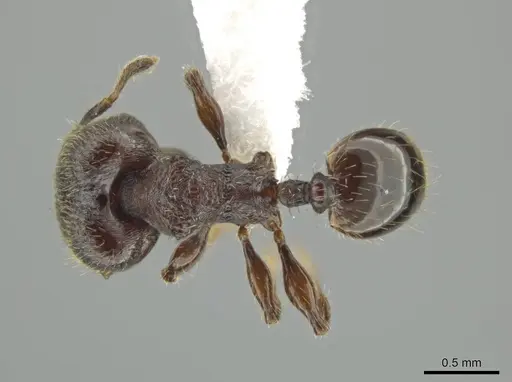
CASENT0617188
View on AntWeb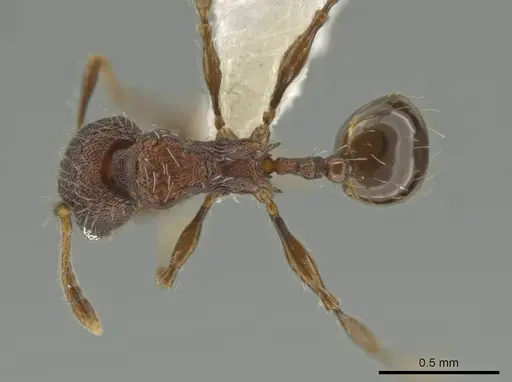
Literature
Loading...Loading products...