

Pheidole walkeri
- Scientific Name
- Pheidole walkeri
- Tribe
- Attini
- Subfamily
- Myrmicinae
- Author
- Mann, 1922
- Distribution
- Found in 5 countries
Pheidole walkeri Overview
Pheidole walkeri is an ant species of the genus Pheidole. It is primarily documented in 5 countries , including Costa Rica, Guatemala, Honduras. Detailed taxonomic data and occurrence records can be further explored via authoritative databases such as AntWeb or the Global Biodiversity Information Facility (GBIF).
Pheidole walkeri
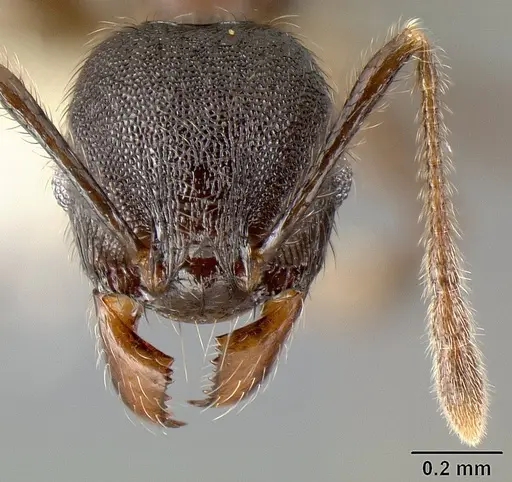
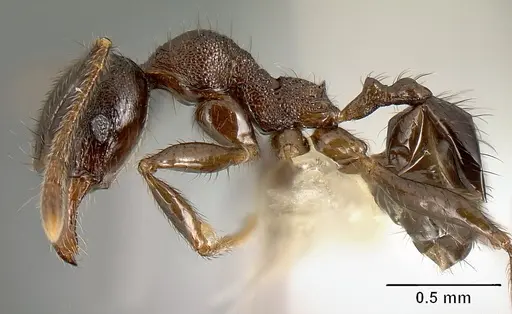
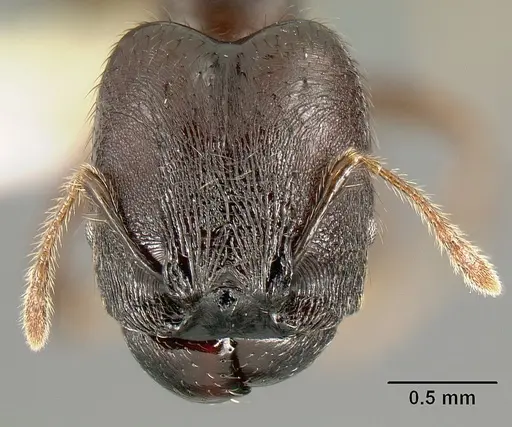
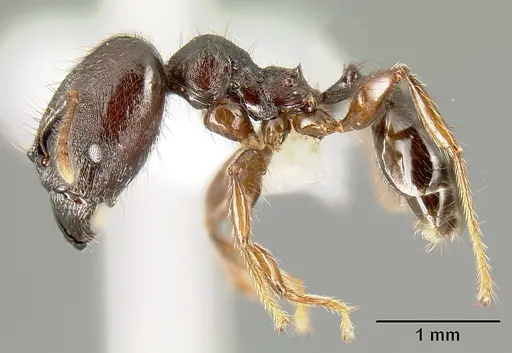
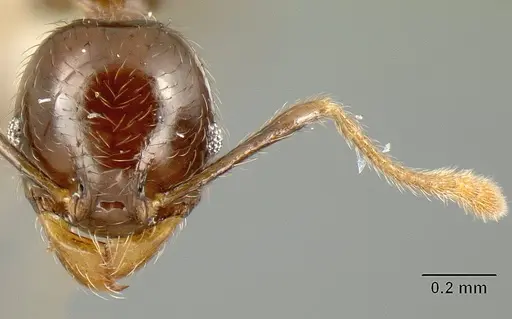
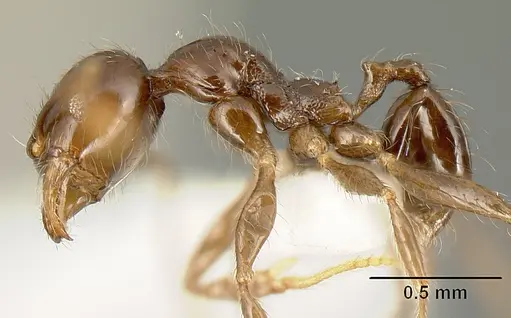
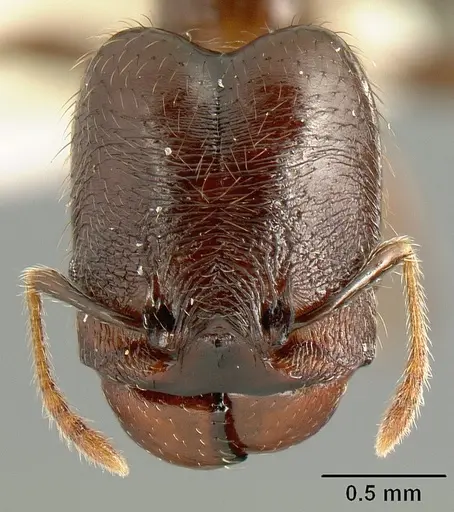
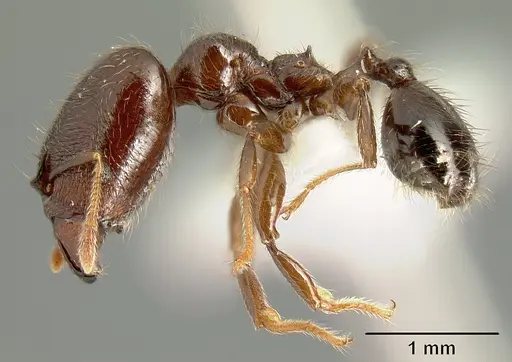
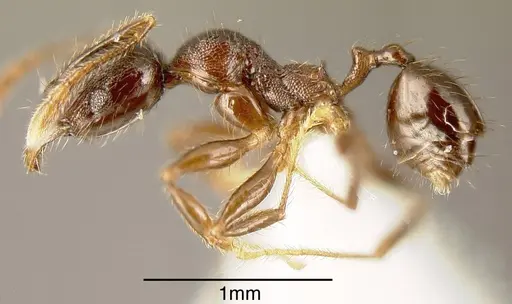
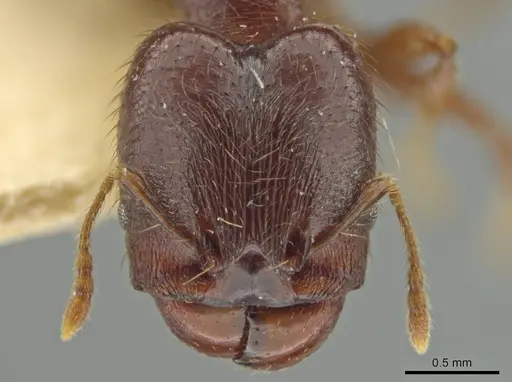
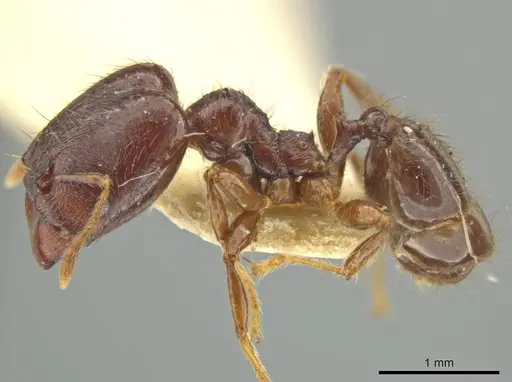
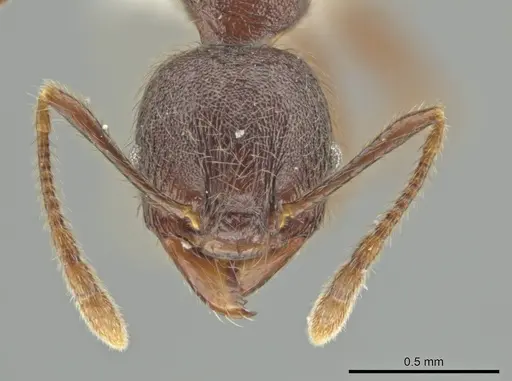
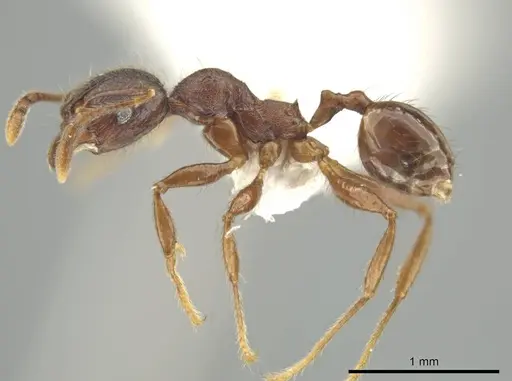
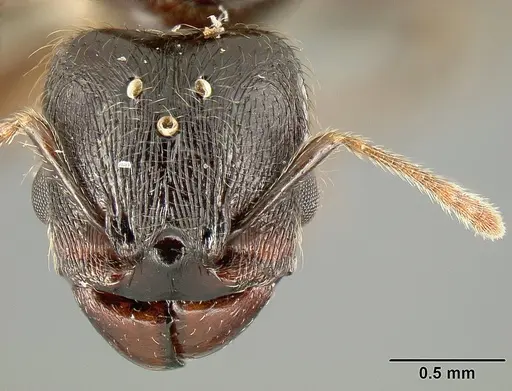
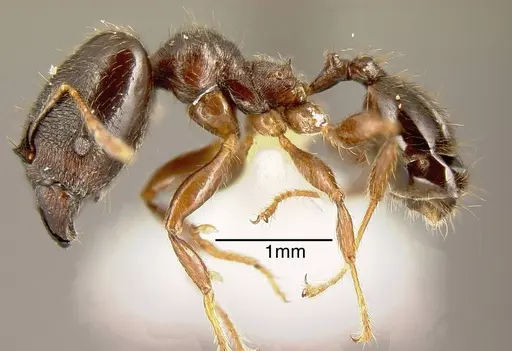
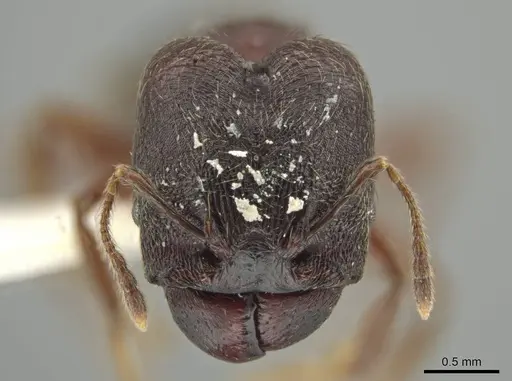
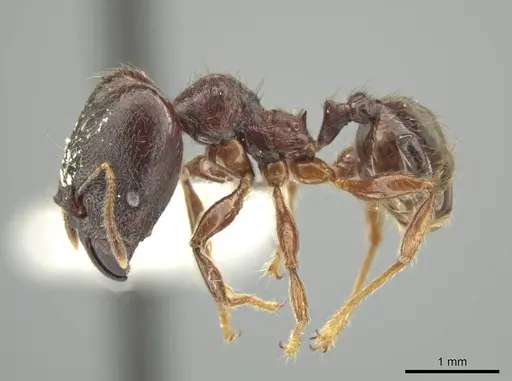
Pheidole walkeri is a small Neotropical ant found throughout Central America from Mexico to Costa Rica, with recent records extending into Colombia. These ants inhabit primary wet forests where they nest in dead wood, dead branches, and live plant stems, particularly the hollow stems of Myriocarpa along streams and the internodes of Cecropia saplings. Colonies can be polydomous, meaning they spread across multiple separate nest locations, sometimes occupying different internodes of the same Cecropia sapling. Workers are distinctive for their reddish-brown coloration and the major workers (soldiers) have an unusual head structure with forward-projecting clypeal wings that give them a semi-phragmotic appearance, a trait shared with only a few other Pheidole species. Minor workers measure around 0.54mm while majors reach about 1.26-1.37mm [1][2][3].
Quick Summary
- Difficulty: Medium
- Origin & Habitat: Primary wet forests of Central America (Mexico, Guatemala, Belize, Honduras, Nicaragua, Costa Rica, and now Colombia) from sea level to canopy height. Nests in dead wood, dead branches, and live plant stems, particularly Myriocarpa along streams and Cecropia saplings [1][2][4].
- Colony Type: Colonies are polydomous, occupying multiple separate nest locations. Colony structure (single-queen vs multi-queen) is unconfirmed for this species.
- Founding: Claustral
- Size & Growth:
- Queen: Undocumented, estimated 6-8mm based on typical Pheidole queen size
- Worker: Minor workers: 0.54mm, Major workers: 1.26-1.37mm [3]
- Colony: Unknown, likely several hundred workers based on typical Pheidole colony sizes
- Growth: Moderate, estimated based on tropical Pheidole patterns
- Development: 4-8 weeks (estimated based on related tropical Pheidole species) (Development time is estimated, not directly studied for this species. Tropical Pheidole typically develop faster than temperate species.)
- Antkeeping:
- Temperature: Keep warm at 24-28°C. As a tropical wet forest species, they need consistent warmth. A heating cable on one side of the nest creates a gentle gradient.
- Humidity: High humidity is essential, these ants live in damp forest environments. Keep nest substrate consistently moist but not waterlogged. Provide a water tube for drinking access.
- Diapause: No, as a tropical species, they do not require hibernation. Maintain warm conditions year-round.
- Nesting: Prefers moist, humid nest conditions. Y-tong (AAC) nests or plaster nests work well since they hold humidity. Test tubes can work for founding colonies but monitor moisture levels. Avoid dry setups.
- Behavior: Workers are active foragers that recruit nestmates to food sources. They collect seeds and store them in their nests, this granivorous behavior is unusual among Pheidole and makes them interesting to watch. Colonies are polydomous in the wild, which means they may benefit from having multiple connected chambers or a larger nest space. They are not aggressive but majors can deliver a mild sting if threatened. Their small size means escape prevention is important, use fine mesh barriers [1][2].
- Common Issues: escape prevention is critical due to their tiny size, they can squeeze through standard barrier gaps, dry conditions quickly stress these humidity-dependent ants, polydomous nature means they may need more space than typical single-nest setups, slow founding phase, Pheidole queens can take time to establish first workers, wild-caught colonies may carry parasites that cause problems in captivity
Nest Preferences and Housing
In the wild, Pheidole walkeri nests in moist, decaying wood and live plant stems, particularly the hollow internodes of Cecropia saplings and Myriocarpa stems along streams. This tells us they need humid, humid-stable conditions in captivity. Y-tong (AAC) nests or plaster nests work best because they hold moisture well and provide the dark, humid environment these ants prefer. Test tube setups can work for founding colonies but require careful moisture monitoring, the cotton can dry out quickly. Avoid dry setups like acrylic nests without a water reservoir. Given their polydomous nature in the wild (colonies spread across multiple nest locations), established colonies may benefit from larger, multi-chamber setups. Keep the nest area consistently moist but never waterlogged, the substrate should feel damp to the touch. [1][2]
Feeding and Diet
These ants are unusual among Pheidole for their seed-caching behavior, workers recruit to food sources and bring seeds back to store in their nest [1][2]. In captivity, offer a varied diet including: protein sources like small insects (fruit flies, pinhead crickets, mealworms), seeds and grains (millet, chia, cracked sunflower seeds), and sugar sources (honey water, sugar water). The seed-caching behavior means they may store food for later consumption, which is interesting to observe. Feed protein 2-3 times per week and keep sugar water available constantly. Remove uneaten seeds periodically to prevent mold. Their small size means prey items should be appropriately sized, avoid offering anything larger than the minor workers can handle.
Temperature and Seasonal Care
As a tropical wet forest species from Central America, Pheidole walkeri needs warm, stable temperatures year-round. Keep the nest area at 24-28°C, this range supports normal colony activity and brood development. A heating cable placed on one side of the nest creates a gentle temperature gradient, allowing ants to self-regulate by moving between warmer and cooler areas. Unlike temperate species, they do not require hibernation or winter cooling periods. Maintaining consistent warmth is more important than exact temperature precision. Avoid placing the nest near air conditioning vents or drafty areas. Room temperature in most homes (20-24°C) may be slightly cool, using a low-level heat source is recommended for optimal colony health. [1][2][3]
Behavior and Colony Structure
Pheidole walkeri exhibits several interesting behaviors that affect how you keep them. Colonies are polydomous in the wild, meaning they naturally spread across multiple nest locations, this suggests they may do better with larger, multi-chamber setups once established rather than cramped single chambers. Workers recruit nestmates to food sources using chemical trails, so you'll see coordinated foraging efforts rather than random searching. The major workers (soldiers) have an unusual head structure with forward-projecting clypeal wings, this is a semi-phragmotic adaptation, meaning they can partially block their nest entrance with their head. This is a defensive adaptation. majors can deliver a mild sting if provoked, though they are not particularly aggressive. Their small size (minors are only 0.54mm) means escape prevention must be excellent, use fine mesh barriers and check for gaps in your setup regularly. [1][2][3]
Growth and Development
The development timeline for Pheidole walkeri has not been directly studied, but based on typical tropical Pheidole patterns, expect 4-8 weeks from egg to first worker (nanitic) at optimal temperature. The founding phase can be slow, claustral Pheidole queens seal themselves in and rely on stored fat reserves to raise their first brood alone. During this time, the queen needs complete darkness and minimal disturbance. Once the first nanitic workers emerge, the colony enters a growth phase where worker numbers gradually increase. Colony growth is typically moderate rather than explosive, Pheidole colonies rarely reach the thousands of workers that some larger genera achieve. Patience is key during the founding phase, avoid the temptation to check on the queen too frequently, as disturbance can cause abandonment.
Frequently Asked Questions
How long does it take for Pheidole walkeri to raise first workers?
Expect 4-8 weeks from egg to first worker at optimal temperature (24-28°C). This is an estimate based on typical tropical Pheidole development, as the specific timeline for P. walkeri has not been documented.
What do Pheidole walkeri ants eat?
They accept a varied diet including small insects, seeds and grains, and sugar water. Their unusual seed-caching behavior means they may store seeds in their nest, so offer appropriately sized seeds like millet or cracked sunflower seeds.
Are Pheidole walkeri good for beginners?
They are rated as medium difficulty. The main challenges are their humidity requirements and escape prevention due to their tiny size. Experienced antkeepers will have more success with this species.
Can I keep multiple queens together?
The colony structure (single-queen vs multi-queen) has not been documented for this species. It is not recommended to combine unrelated foundresses, as aggressive interactions are likely.
What temperature do Pheidole walkeri need?
Keep them warm at 24-28°C. As a tropical wet forest species, they need consistent warmth year-round without hibernation.
Do they need hibernation?
No. As a tropical species from Central America, they do not require hibernation or winter cooling. Maintain warm conditions year-round.
What size colony do they reach?
Colony size is not documented, but based on typical Pheidole patterns, expect several hundred workers at maturity. They are polydomous in the wild, which may affect space requirements.
References

This caresheet is licensed under CC BY-SA 4.0 .
CASENT0609398
View on AntWeb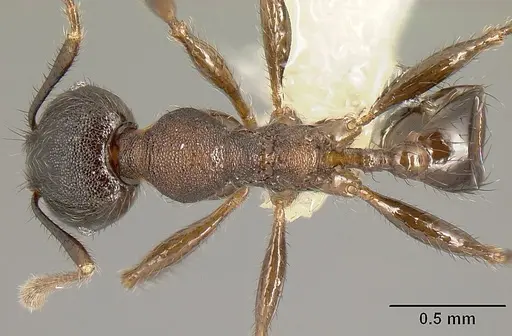
CASENT0609592
View on AntWeb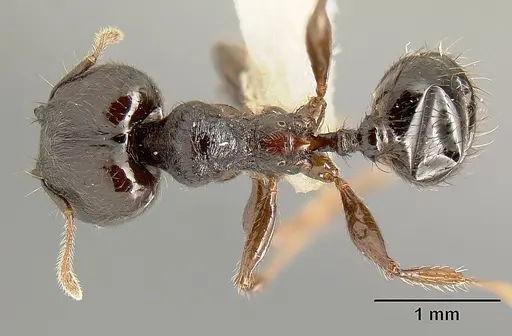
CASENT0610099
View on AntWeb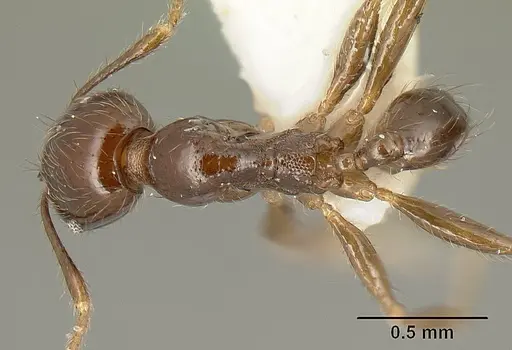
CASENT0610100
View on AntWeb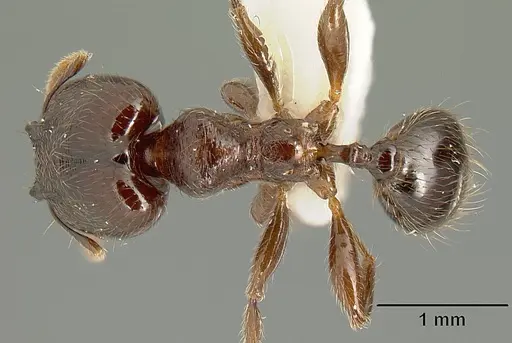
CASENT0635435
View on AntWeb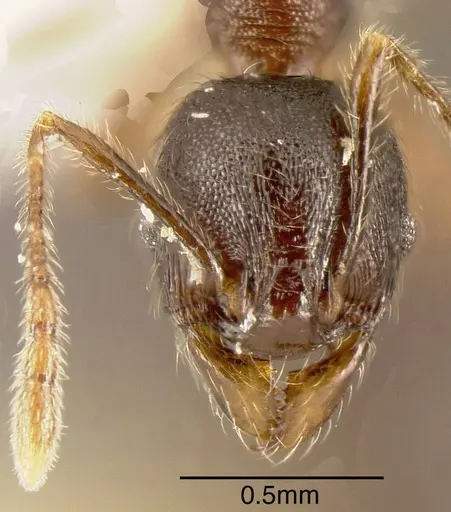
CASENT0645893
View on AntWeb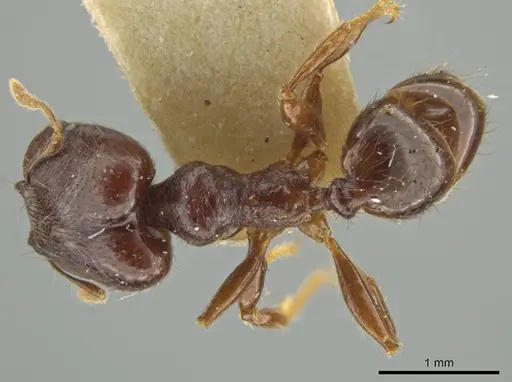
CASENT0646283
View on AntWeb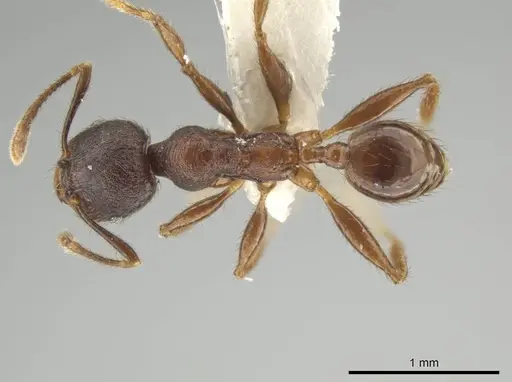
INBIOCRI001237436
View on AntWeb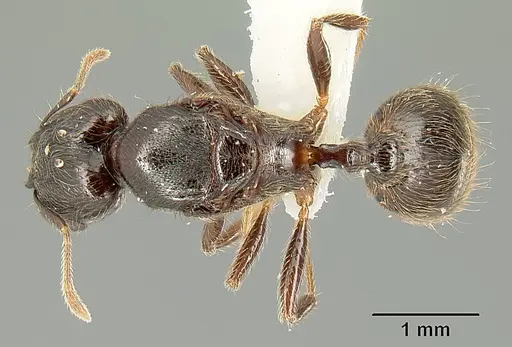
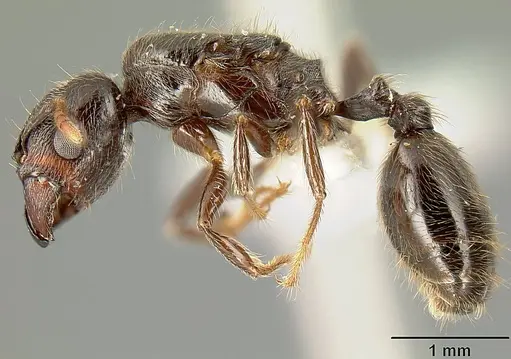
INBIOCRI002279566
View on AntWeb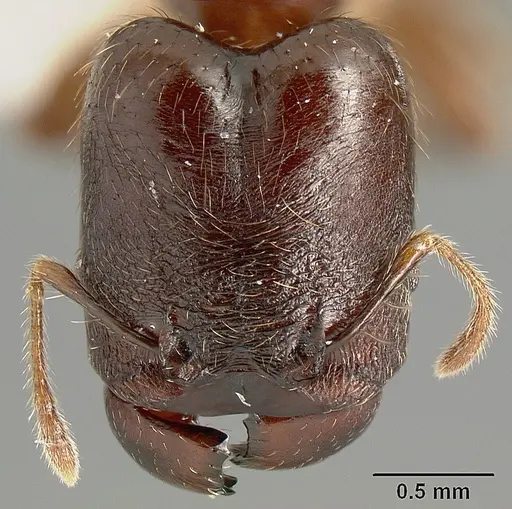
INBIOCRI002279567
View on AntWeb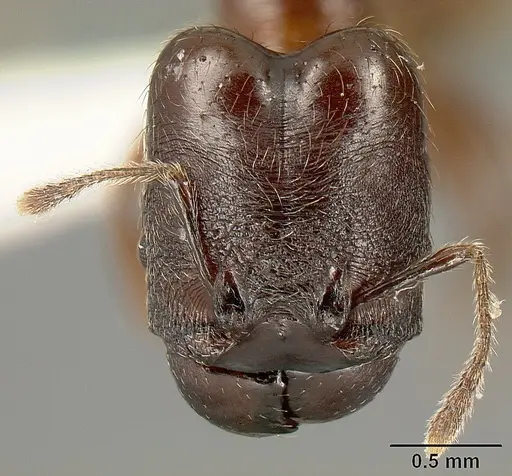
INBIOCRI002279568
View on AntWeb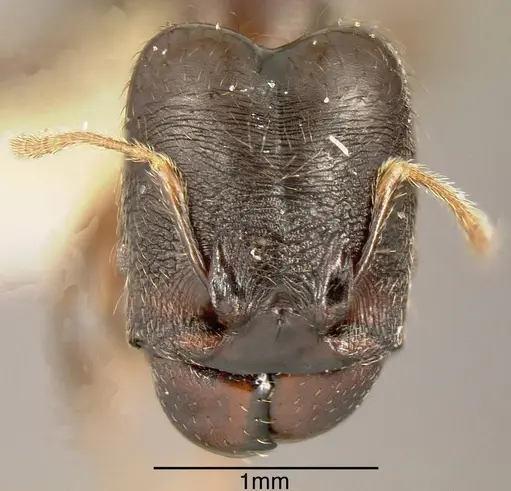
INBIOCRI002279571
View on AntWeb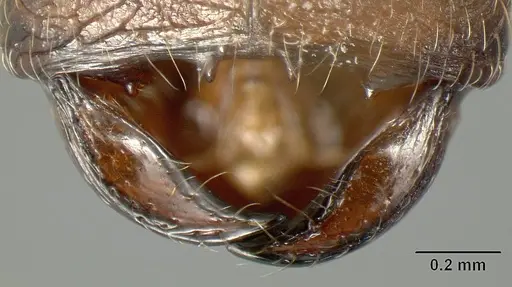
JTLC000016391
View on AntWeb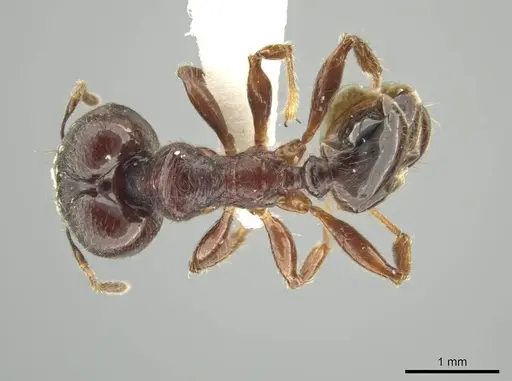
Literature
Loading...Loading products...