

Pheidole vulgaris
- Scientific Name
- Pheidole vulgaris
- Tribe
- Attini
- Subfamily
- Myrmicinae
- Author
- Eguchi, 2006
- Distribution
- Found in 3 countries
Pheidole vulgaris Overview
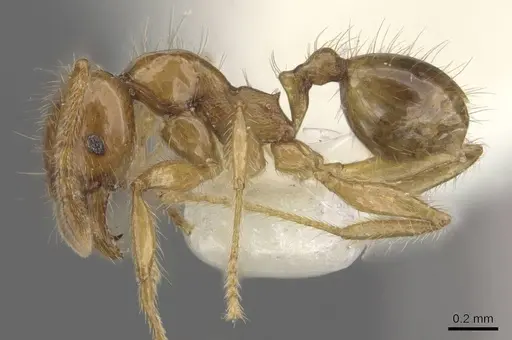
Pheidole vulgaris is an ant species of the genus Pheidole. It is primarily documented in 3 countries , including China, Lao People's Democratic Republic, Viet Nam. Detailed taxonomic data and occurrence records can be further explored via authoritative databases such as AntWeb or the Global Biodiversity Information Facility (GBIF).
Pheidole vulgaris
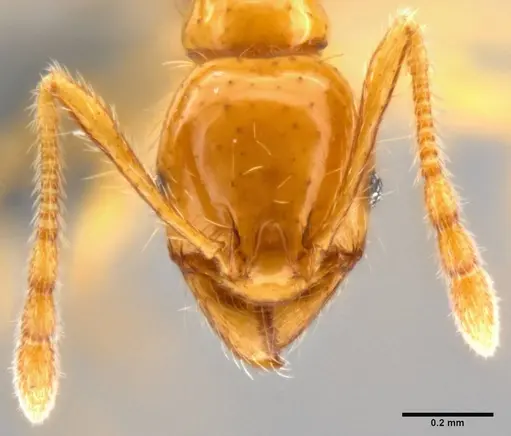
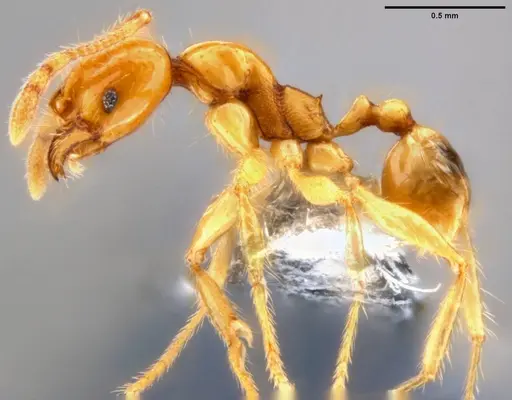
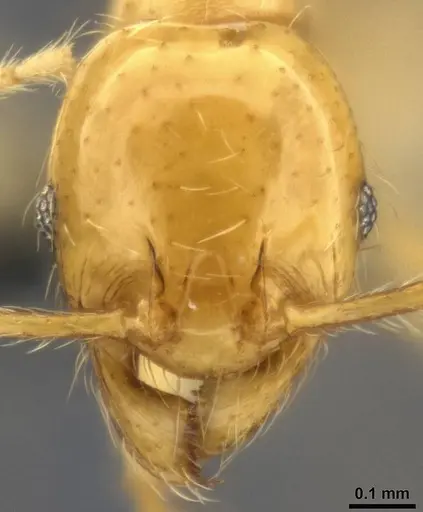
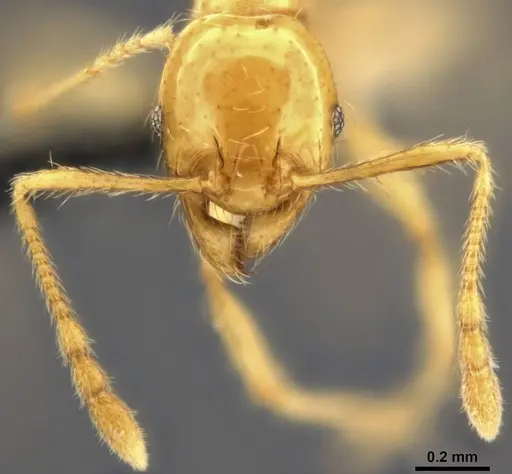
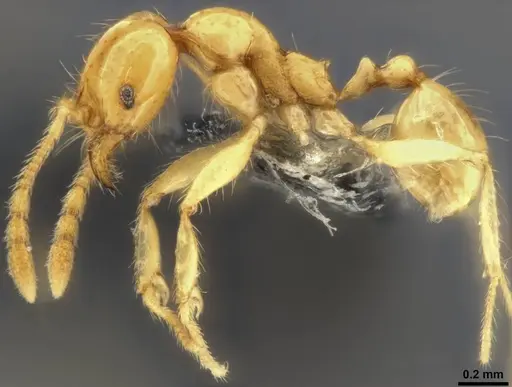
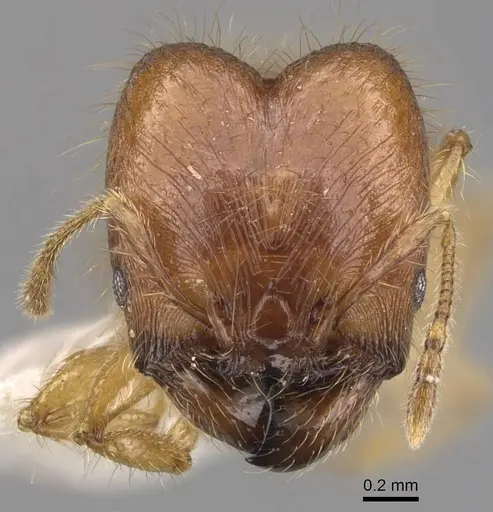
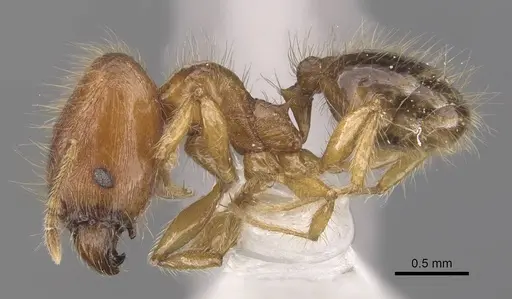
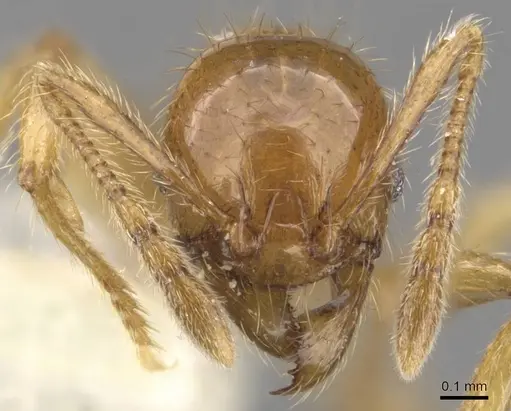
Pheidole vulgaris is a small ant species native to Southeast Asia, found in Vietnam, southern China, Thailand, and northern India. The genus Pheidole is known for its distinctive two-worker caste system: major workers (soldiers) have enlarged heads for defense and seed-processing, while minor workers handle most day-to-day tasks. Major workers measure 1.18-1.38mm in head length with a smooth to lightly ridged head surface, while minor workers are much smaller at 0.54-0.61mm with a uniformly smooth and shiny appearance. Both castes have a petiole that is longer than the postpetiole. This species inhabits forest edges and well-developed forests, nesting directly in soil. Colonies are at least occasionally polygynous, meaning multiple queens can coexist in a single nest.
Quick Summary
- Difficulty: Medium
- Origin & Habitat: Southeast Asia, Vietnam, southern China, Thailand, and Uttar Pradesh, India. Found in forest edges to well-developed forests, nesting in soil [1][2][3].
- Colony Type: At least occasionally polygynous, colonies can have multiple queens [1][2]. The genus Pheidole typically has claustral founding where the queen seals herself in a chamber and lives on stored fat reserves until her first workers emerge.
- Colony: Optionally polygyne
- Founding: Claustral
- Size & Growth:
- Queen: Estimated 5-7mm based on genus patterns (no direct measurement available)
- Worker: Major: 1.18-1.38mm head length, Minor: 0.54-0.61mm head length [1][2]
- Colony: Unknown, no colony size data available. Pheidole colonies can range from hundreds to thousands of workers.
- Growth: Moderate, inferred from genus patterns
- Development: Estimated 6-10 weeks based on typical Pheidole development at tropical temperatures (Development time is estimated from related species, no specific data for P. vulgaris. Tropical Pheidole species typically develop faster than temperate species.)
- Antkeeping:
- Temperature: Keep at 24-28°C. This is a tropical/subtropical species from Southeast Asia, so warmth is important for colony activity and brood development [3].
- Humidity: Keep nest substrate moderately moist. Being a soil-nesting forest species, they prefer damp but not waterlogged conditions. Provide a moisture gradient so ants can choose their preferred humidity.
- Diapause: Unknown, no specific data on overwintering requirements. Being from tropical/subtropical Asia, they likely do not require true hibernation but may reduce activity in cooler conditions.
- Nesting: Soil-nesting species. In captivity, a naturalistic setup with soil or a Y-tong/plaster nest works well. Provide damp substrate that holds moisture without becoming soggy.
- Behavior: Pheidole ants are generally non-aggressive toward keepers but will defend their nest vigorously. Major workers use their enlarged heads for seed processing and colony defense. They are foragers that collect seeds and small insects. Escape risk is moderate, their small size means they can squeeze through small gaps, so use standard barrier methods. They are active foragers, especially at night in their natural forest habitat.
- Common Issues: no specific colony size data makes growth expectations uncertain, humidity balance is critical, too dry causes brood death, too wet causes mold, tropical species may struggle in air-conditioned rooms without supplemental heating, minor workers are very small and can escape through standard test tube cotton if not careful, polygynous colonies may have queen conflicts if spaces are limited
Housing and Nest Setup
Pheidole vulgaris is a soil-nesting species that thrives in naturalistic setups with damp soil or substrate. A Y-tong (acrylic) nest with a dirt chamber or a plaster nest with moisture retention works well. The nest should have chambers scaled appropriately for their small size, minor workers are only 0.5mm, so passages should be snug but not cramped. Provide an outworld (foraging area) connected to the nest via tubing. Since they nest in forest soils, include some substrate depth (at least 1-2cm) to maintain humidity. A water tube attached to the nest helps maintain moisture levels over time.
Feeding and Diet
Pheidole species are typically granivorous (seed-eating) and omnivorous, collecting seeds and small insects. In captivity, offer a varied diet including small seeds (grass seeds, millet), protein sources (small crickets, mealworms, fruit flies), and occasional sugar water or honey. Major workers have specialized head morphology for seed processing. Feed small amounts every 2-3 days and remove uneaten food to prevent mold. Fresh water should always be available.
Temperature and Seasonal Care
As a species from tropical Southeast Asia (Vietnam, southern China, Thailand), P. vulgaris requires warm conditions. Keep the nest at 24-28°C for optimal brood development. Room temperature may be sufficient in warm climates, but heating cables or mats may be needed in cooler environments. Avoid temperatures below 20°C for extended periods. There is no documented diapause requirement for this species, they appear to be active year-round in their native range. Reduce feeding slightly during cooler periods if colony activity decreases. [3]
Colony Structure and Queen Care
This species is polygynous, meaning colonies can have multiple queens. In the wild, colonies are 'at least occasionally polygynous', multiple reproductive queens can coexist in a single nest. This is unusual compared to many ant species that have single queens. When keeping multiple queens together, ensure ample space to reduce conflict. Queens are likely claustral founders, they seal themselves in a chamber and raise the first brood alone on stored fat reserves. The first workers (nanitics) will be smaller than normal workers.
Growth and Development
Major workers of P. vulgaris measure 1.18-1.38mm in head length, while minor workers are much smaller at 0.54-0.61mm. The genus Pheidole is known for its distinct caste system where majors develop from larvae that receive more food. Development from egg to worker likely takes 6-10 weeks at optimal temperatures, though no specific data exists for this species. Colonies probably grow moderately, not as fast as some tropical species but faster than cold-climate ants. Expect the first workers (nanitics) to appear 6-8 weeks after founding. [1][2]
Frequently Asked Questions
How long does it take for Pheidole vulgaris to produce first workers?
Estimated 6-10 weeks from egg to first worker at optimal temperatures (24-28°C). This is based on typical Pheidole genus development patterns since no specific data exists for P. vulgaris. The first workers will be smaller nanitics.
Can I keep multiple queens together in Pheidole vulgaris?
Yes, this species is polygynous, colonies can have multiple queens. In the wild, colonies are documented as 'at least occasionally polygynous.' However, when combining unrelated foundress queens in captivity, provide ample space and monitor for aggression.
What do Pheidole vulgaris ants eat?
They are omnivorous like most Pheidole species. Offer small seeds (grass seeds, millet), protein (small insects like fruit flies, pinhead crickets, mealworms), and occasional sugar water or honey. Major workers can process seeds with their enlarged heads.
What temperature do Pheidole vulgaris ants need?
Keep them warm at 24-28°C. This is a tropical/subtropical species from Southeast Asia. Room temperature is often sufficient, but you may need a heating cable in cooler environments. Avoid temperatures below 20°C.
Are Pheidole vulgaris ants good for beginners?
They are rated Medium difficulty. They require warm, humid conditions typical of tropical ants. The main challenges are maintaining proper humidity and temperature. Their small size also requires attention to escape prevention.
How big do Pheidole vulgaris colonies get?
Colony size is not documented in scientific literature. Based on typical Pheidole patterns, colonies likely reach several hundred to a few thousand workers. They are not among the largest Pheidole species.
References

This caresheet is licensed under CC BY-SA 4.0 .
CASENT0282658
View on AntWeb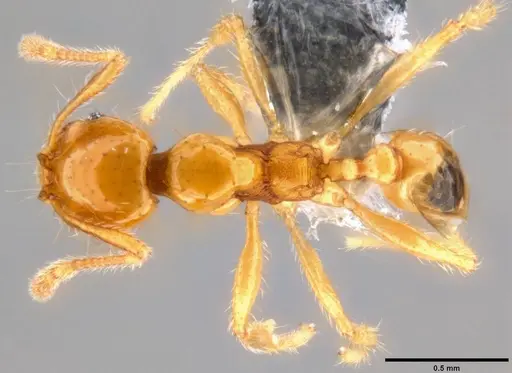
CASENT0282732
View on AntWeb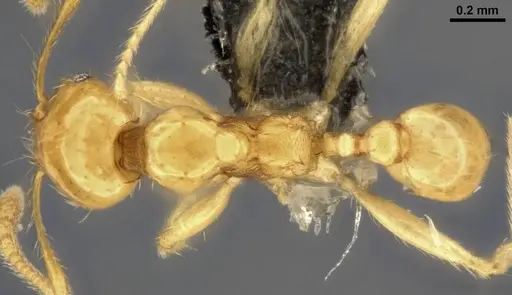
CASENT0905877
View on AntWeb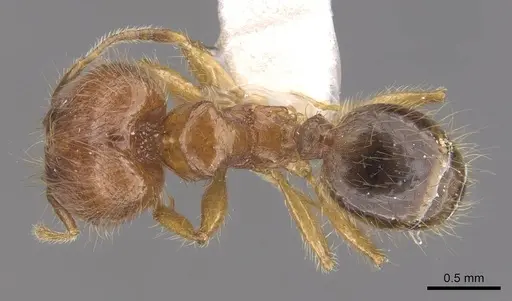
CASENT0905878
View on AntWeb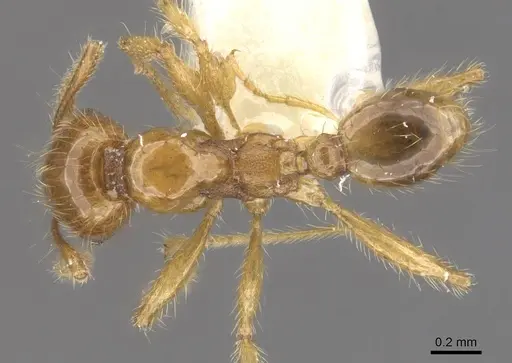
Literature
Loading...Loading products...