

Pheidole voasara
- Scientific Name
- Pheidole voasara
- Tribe
- Attini
- Subfamily
- Myrmicinae
- Author
- Salata & Fisher, 2020
- Distribution
- Found in 1 countries
Pheidole voasara Overview
Pheidole voasara is an ant species of the genus Pheidole. It is primarily documented in 1 countries , including Madagascar. Detailed taxonomic data and occurrence records can be further explored via authoritative databases such as AntWeb or the Global Biodiversity Information Facility (GBIF).
Pheidole voasara
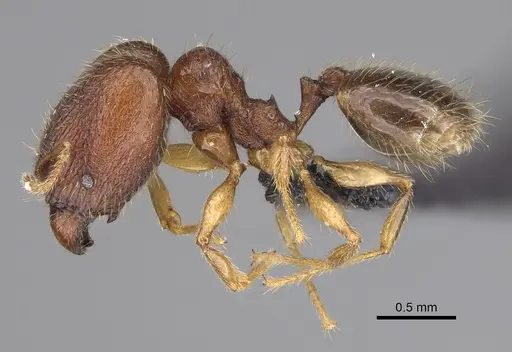
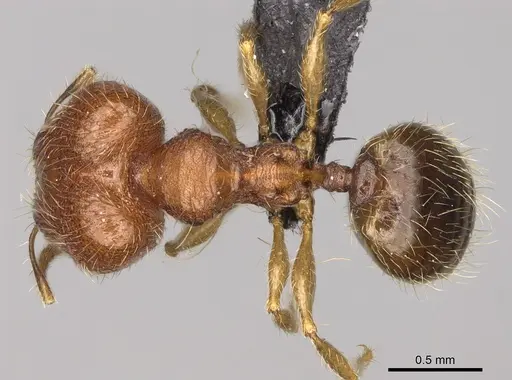
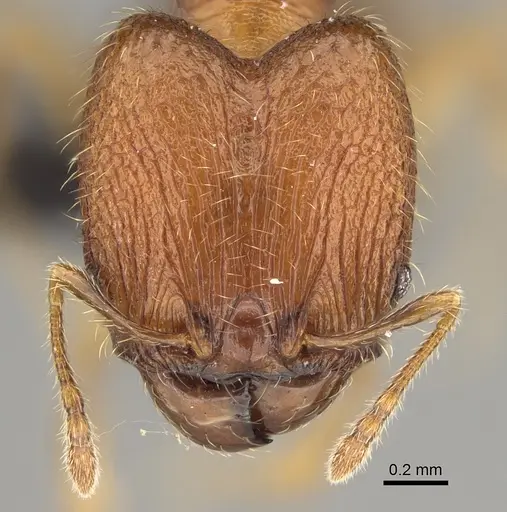
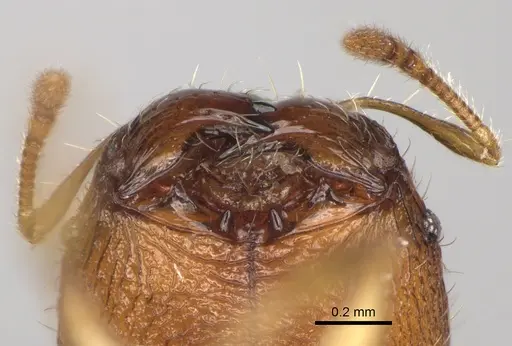
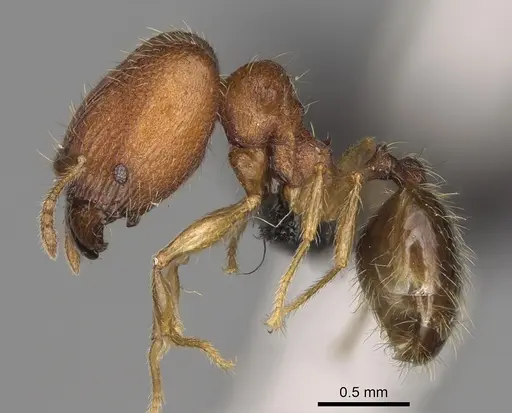
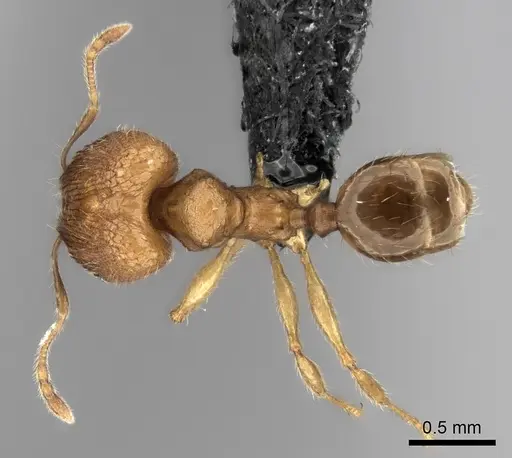
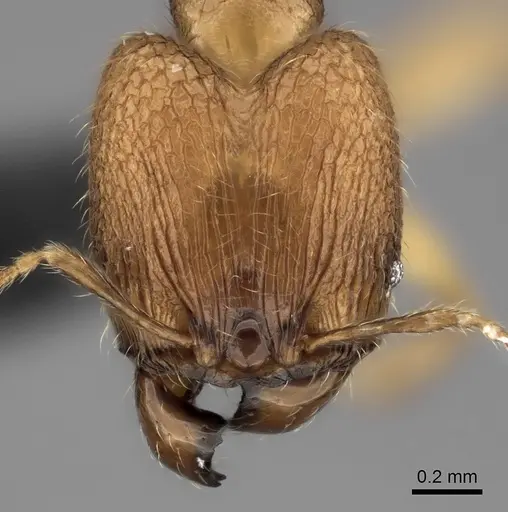
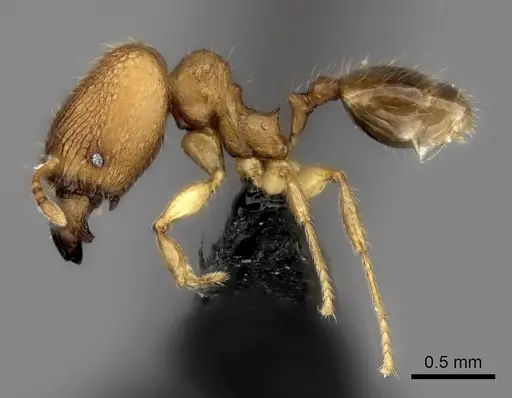
Pheidole voasara is a small ant species native to Madagascar, belonging to the Pheidole lutea species group. Major workers measure around 1.05-1.20mm in head length and display a distinctive orange to yellowish-brown coloration, which inspired its common name 'voasara' meaning 'orange' in Malagasy [1]. The species was discovered in the Réserve Spéciale d'Ambohijanahary at elevations between 725-1100 meters, inhabiting gallery forest and montane rainforest environments [1]. Like all Pheidole species, this ant has two worker castes: larger majors (soldiers) with distinctive oval heads and lobe-like outer hypostomal teeth, and smaller minors that handle most daily tasks [1]. The major's head surface shows a unique combination of shiny occipital lobes with sparse rugae and fine foveolae, setting it apart from related species like P. lutea and P. ranohirensis [1].
Quick Summary
- Difficulty: Medium
- Origin & Habitat: Madagascar, specifically the Réserve Spéciale d'Ambohijanahary in the Toliara region. Found in gallery forest and montane rainforest at elevations of 725-1100 meters [1].
- Colony Type: Likely monogyne (single queen) based on typical Pheidole genus patterns. Pheidole colonies typically have one founding queen that establishes the colony, though some species can be polygynous. No specific data for this species.
- Colony: Monogyne
- Founding: Claustral
- Size & Growth:
- Queen: Unknown for this species, Pheidole queens typically range 5-9mm
- Worker: Major: 1.05-1.20mm head length (HL), minor size unknown [1]
- Colony: Unknown for this species, typical Pheidole colonies can reach several thousand workers
- Growth: Moderate, inferred from genus patterns
- Development: 6-10 weeks, estimated based on typical Pheidole development at warm temperatures (Development time not directly studied for this species. Pheidole species typically develop from egg to worker in 6-10 weeks under optimal conditions (around 24-28°C). Nanitics (first workers) are smaller than normal workers.)
- Antkeeping:
- Temperature: Keep at 22-26°C. The species comes from montane rainforest at 725-1100m elevation, suggesting it can tolerate slightly cooler conditions than lowland tropical ants. A gentle temperature gradient is ideal.
- Humidity: Moderate to high, montane rainforest habitat suggests they prefer humid conditions. Keep nest substrate moist but not waterlogged, with some drier areas available. Aim for 60-80% humidity.
- Diapause: Unlikely, being a tropical Madagascar species, they probably do not require a true hibernation. However, they may show reduced activity during cooler periods.
- Nesting: Nesting preferences unknown in the wild. In captivity, standard test tube setups work well for founding colonies. Once established, they do well in Y-tong nests, acrylic nests, or naturalistic setups with moist substrate. Provide deep enough chambers for brood development.
- Behavior: Pheidole species are generally non-aggressive toward keepers but majors will defend the colony if threatened. Workers are active foragers that search for food both on the ground and may climb. They have a varied diet including proteins, sugars, and seeds. Escape prevention is important, they are small ants that can squeeze through small gaps. majors are primarily defensive but also help process larger food items and seeds.
- Common Issues: escape prevention is critical, small size means they can slip through tiny gaps, founding colonies are fragile, queen needs complete darkness and minimal disturbance until first workers arrive, overfeeding can lead to mold problems in test tube setups, wild-caught colonies may carry parasites that can decimate the colony in captivity, major workers develop later than in some genera, patience is needed during founding
Housing and Setup
For founding colonies, a simple test tube setup works well. Fill a test tube one-third with water, plug with a cotton ball to create a water reservoir, then add the queen. The queen will seal herself into the dark end of the tube. Keep the founding setup in complete darkness and avoid disturbances until the first workers (nanitics) emerge. Once the colony reaches 20-30 workers, you can consider moving them to a formicarium. Y-tong nests, acrylic nests, or naturalistic setups all work well for Pheidole. The key is providing moist substrate that holds humidity without becoming waterlogged. A nest chamber depth of 5-10mm is appropriate for their small size. Always use excellent escape prevention, these tiny ants can squeeze through gaps that seem impossible.
Feeding and Diet
Pheidole voasara likely accepts a varied diet similar to other Pheidole species. Offer protein sources such as small insects (fruit flies, pinhead crickets, mealworms), and sugar sources including sugar water, honey, or diluted honey water. They may also accept seeds, particularly for the major workers to process. Feed small amounts every 2-3 days, removing uneaten food to prevent mold. During founding, the queen does not need food, she survives on stored fat reserves. Once workers emerge, begin offering tiny amounts of protein and sugar. Adjust feeding frequency based on colony size and consumption rates.
Temperature and Humidity
Based on their origin in montane rainforest at 725-1100m elevation in Madagascar, these ants prefer warm but not extreme temperatures. Aim for 22-26°C in the nest area. You can create a gentle temperature gradient by placing a heating cable on one side of the nest, but ensure there's a cooler area they can retreat to if too warm. For humidity, maintain moderate to high levels (60-80%). The nest substrate should feel consistently moist but never soggy. Montane environments experience daily moisture cycles, so some fluctuation is natural. Mist the outworld occasionally but avoid over-misting which can lead to mold.
Colony Development and Growth
Pheidole colonies grow through a well-defined series of stages. After the nuptial flight, a mated queen digs a chamber and seals herself inside (claustral founding). She lays eggs and feeds the larvae from her own body reserves. After 6-10 weeks (at optimal temperature), the first workers emerge, these are called nanitics and are typically smaller than normal workers. The colony then enters a growth phase where worker population increases steadily. Major workers (soldiers) appear later in colony development, typically when the colony reaches several hundred workers. The majors serve as defenders and help process larger food items. Full colony maturity, with large numbers of majors, may take 1-2 years under good conditions.
Behavior and Observation
Pheidole voasara exhibits typical Pheidole behavior patterns. Workers are active foragers that search the outworld for food. The smaller minors handle most tasks including foraging, caring for brood, and maintaining the nest, while majors defend the colony and help process larger food items. When you observe the colony, you'll see workers moving with purpose, checking the outworld for new food sources. They are not particularly aggressive toward keepers but majors will respond to threats. The species is diurnal, with most activity during daylight hours. Watching the interaction between majors and minors is fascinating, majors often wait at the nest entrance while minors go out to forage, ready to respond to any threats.
Frequently Asked Questions
How long does it take for Pheidole voasara to have first workers?
Based on typical Pheidole development, expect first workers (nanitics) in about 6-10 weeks after the queen lays eggs, assuming temperatures around 24-26°C. This timeline is estimated as specific development data for this species is not available.
What do Pheidole voasara ants eat?
They likely accept a varied diet including small insects (fruit flies, pinhead crickets, mealworms) for protein, and sugar sources like sugar water, honey water, or honey. They may also process seeds. Feed small amounts every 2-3 days and remove uneaten food.
Can I keep multiple Pheidole voasara queens together?
Not recommended. While some Pheidole species can be polygynous, there is no data for this specific species. Combining unrelated queens typically leads to fighting. Start with a single queen for best success.
What temperature do Pheidole voasara ants need?
Keep them at 22-26°C. They come from montane rainforest in Madagascar, so they can tolerate slightly cooler conditions than pure tropical species. A gentle temperature gradient allows them to regulate their own temperature.
How big do Pheidole voasara colonies get?
Specific colony size data is not available for this species, but typical Pheidole colonies reach several thousand workers. It may take 1-2 years to reach a mature colony size under good conditions.
Do Pheidole voasara ants need hibernation?
Unlikely. Being a tropical Madagascar species from montane rainforest, they probably do not require a true hibernation period. They may show reduced activity during cooler periods but a full diapause is not necessary.
Are Pheidole voasara good for beginners?
This species is rated as Medium difficulty. While not the easiest species, Pheidole are generally hardy once established. The main challenges are the founding stage (requiring patience) and escape prevention due to their small size. Experience with at least one founding colony is recommended.
When should I move Pheidole voasara to a formicarium?
Wait until the colony has 20-30 workers before considering a move. Moving too early can stress the colony. When moving, ensure the new nest has similar humidity conditions to the test tube setup to prevent rejection.
Why are my Pheidole voasara dying?
Common causes include: disturbance during founding (queen needs complete darkness and quiet), mold from overfeeding or poor ventilation, temperatures too high or too low, and parasites from wild-caught colonies. Ensure the queen is in a dark, undisturbed location and only offer tiny amounts of food during founding.
References

This caresheet is licensed under CC BY-SA 4.0 .
Literature
Loading...Loading products...