

Pheidole vigilans
- Scientific Name
- Pheidole vigilans
- Tribe
- Attini
- Subfamily
- Myrmicinae
- Author
- Smith, 1858
- Distribution
- Found in 3 countries
Pheidole vigilans Overview
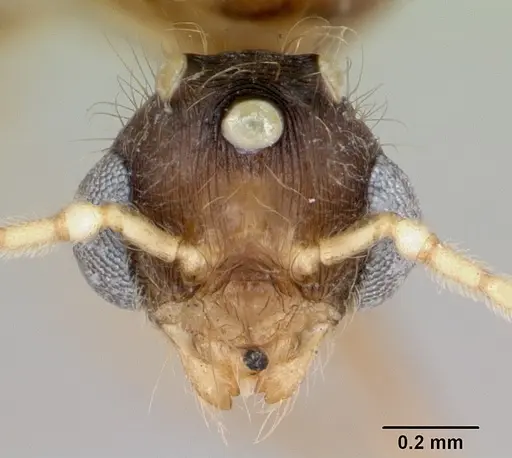
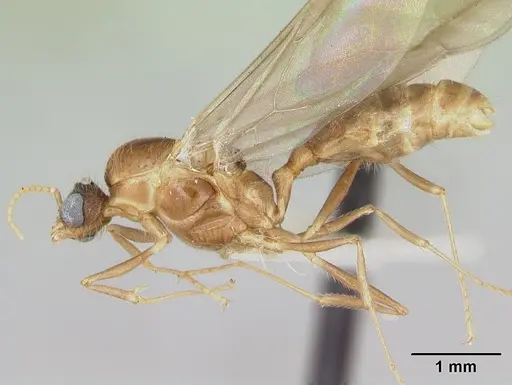
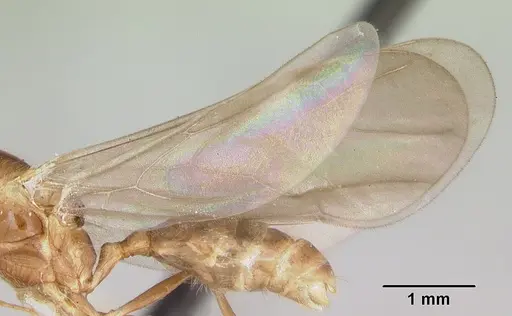
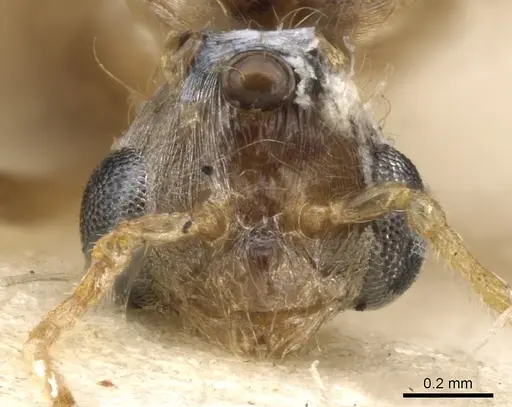
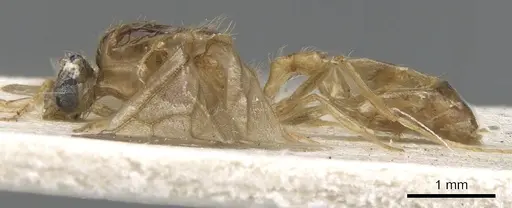
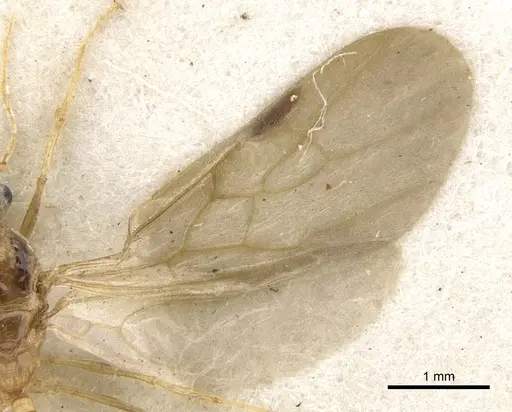
Pheidole vigilans is an ant species of the genus Pheidole. It is primarily documented in 3 countries , including Australia, Norfolk Island, New Zealand. Detailed taxonomic data and occurrence records can be further explored via authoritative databases such as AntWeb or the Global Biodiversity Information Facility (GBIF).
Pheidole vigilans
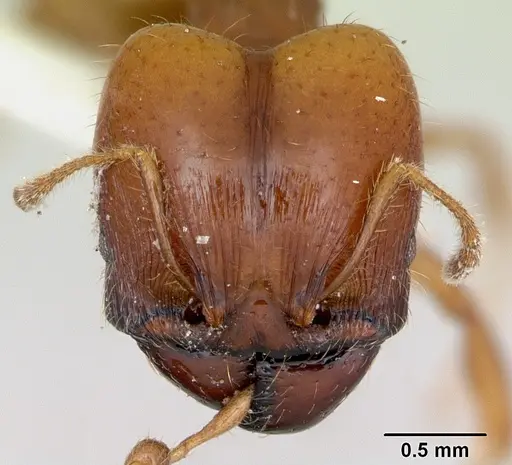
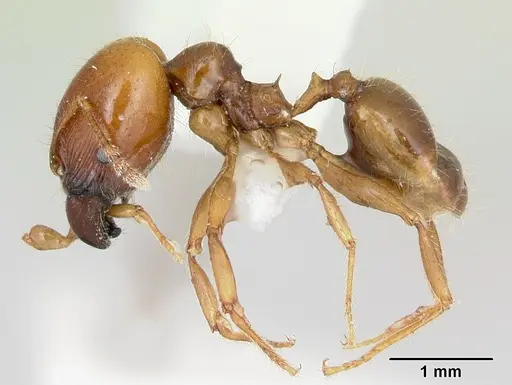
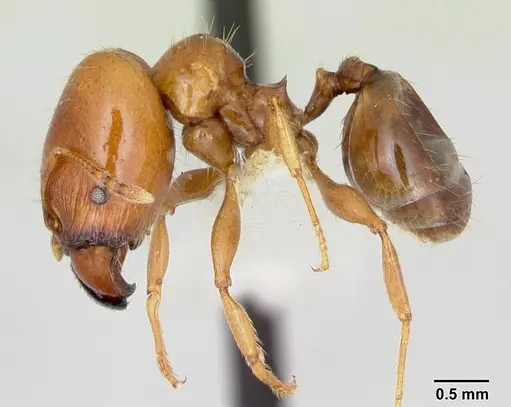
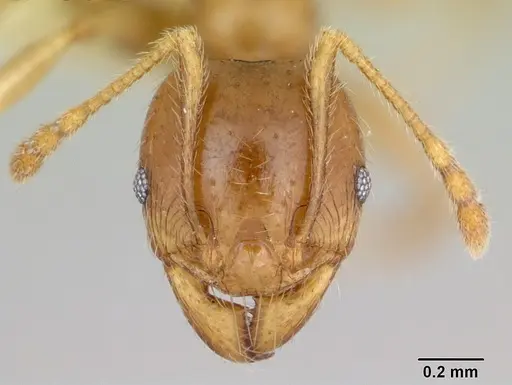
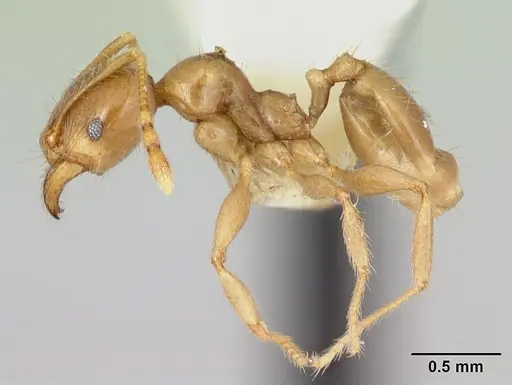
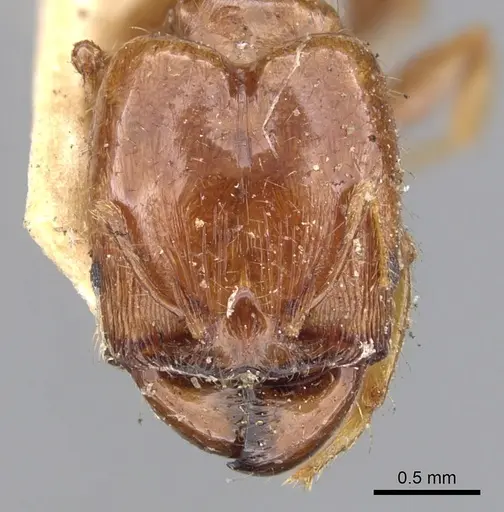
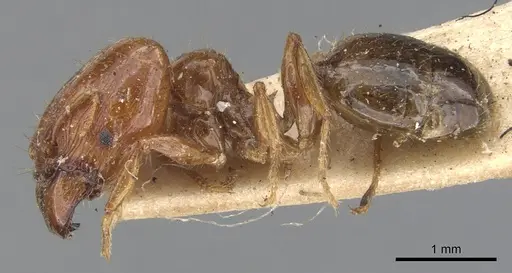
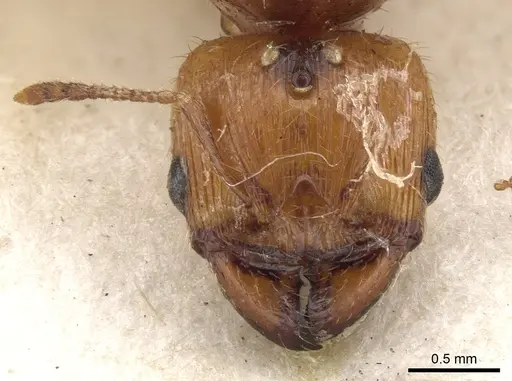
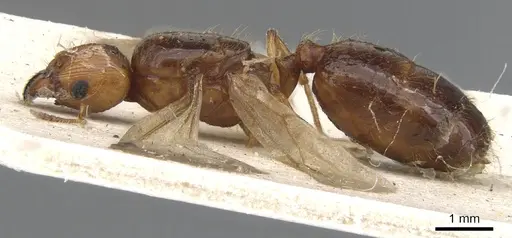
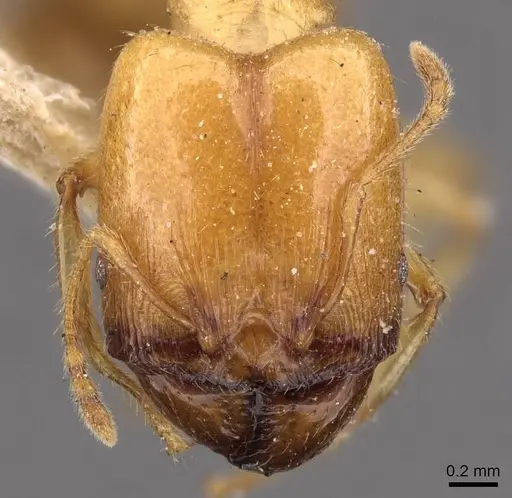
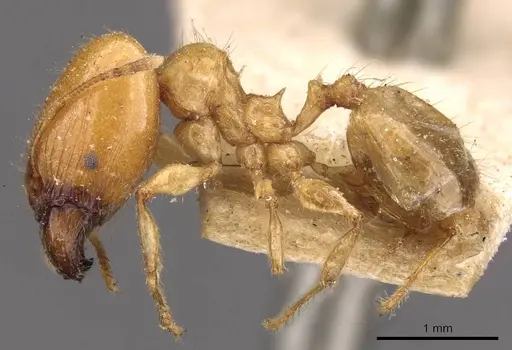
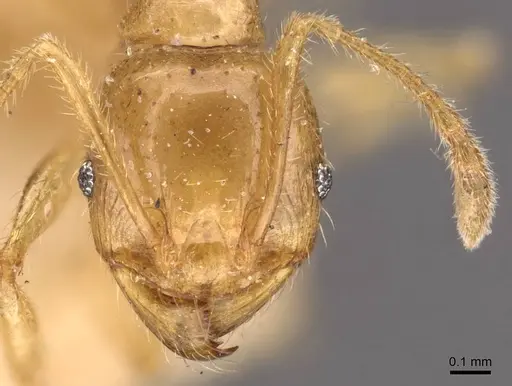
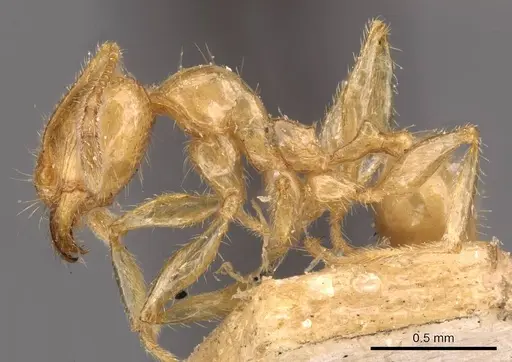
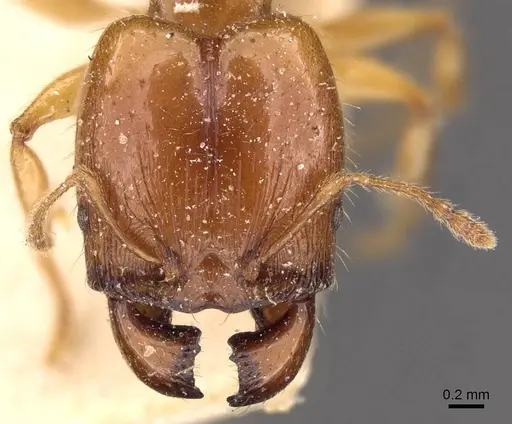
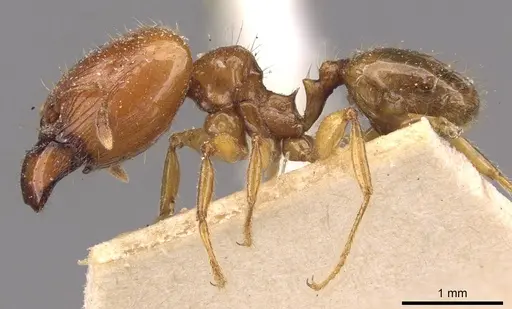
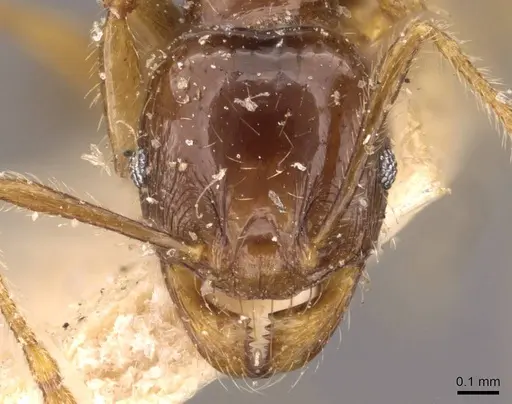
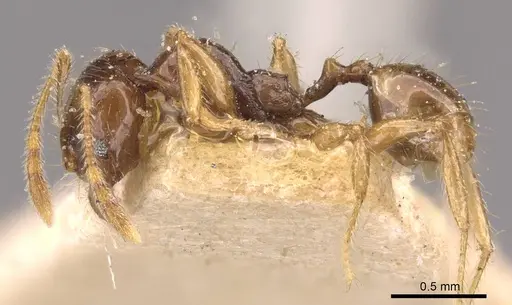
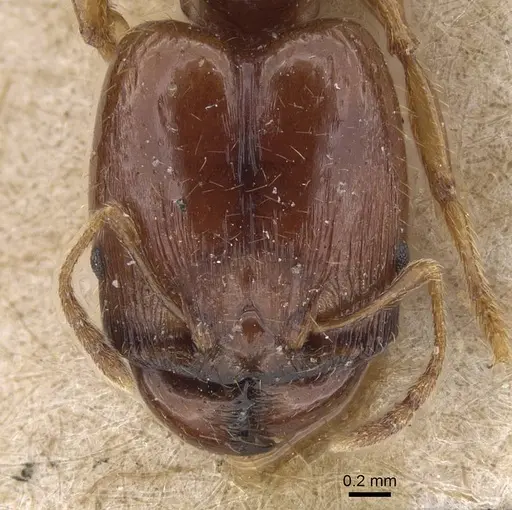
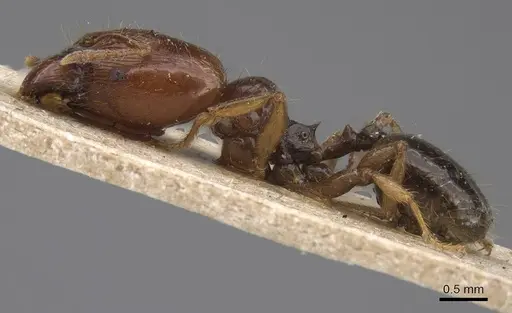
Pheidole vigilans is a small ant species native to southeastern Australia, now established as an introduced species in New Zealand and on several islands including Norfolk Island and Lord Howe Island [1][2]. The species gets its common name 'big-headed ant' from the distinctive enlarged heads of the major workers (soldiers), which are used to defend the colony and crack seeds. Workers are small at 2-4mm, while majors have notably larger heads that can be nearly as wide as their abdomen. The species is light brown to reddish-brown in color with a smooth, glossy body. Pheidole vigilans belongs to the tribe Attini and is classified as a GENERALIZED MYRMICINE functional group [2].
This species has become notable for its invasive behavior in New Zealand, where it has spread to multiple ports and urban areas since its introduction [3]. It thrives in disturbed habitats and is often found near human structures, making it a common household pest in its introduced range. The species shows typical Pheidole behavior with distinct minor and major worker castes, where majors specialize in defense and seed processing while minors handle most foraging and brood care.
Quick Summary
- Difficulty: Easy
- Origin & Habitat: Native to southeastern Australia, particularly around Melbourne. Introduced to New Zealand, Norfolk Island, and Lord Howe Island [1][4]. Found in urban areas, ports, and buildings in its introduced range [3].
- Colony Type: Single-queen colonies (monogyne) based on typical Pheidole colony structure. Colonies can grow large with multiple queens in established populations.
- Colony: Monogyne
- Founding: Claustral
- Size & Growth:
- Queen: Approximately 5-6mm, estimated based on typical Pheidole queen dimensions
- Worker: Minor workers: 2-3mm, Major workers: 3-4mm [5]
- Colony: Can reach several thousand workers in mature colonies, typical for established Pheidole species
- Growth: Moderate to fast, Pheidole colonies typically develop quickly once established
- Development: Approximately 6-8 weeks at warm temperatures, inferred from typical Pheidole development [5] (Development time depends on temperature, warmer conditions (24-28°C) accelerate development)
- Antkeeping:
- Temperature: Keep at 24-28°C (warm room temperature). They tolerate a range from 20-30°C but grow best in warm conditions. A heating cable on one side of the nest creates a useful gradient [5].
- Humidity: Moderate humidity around 50-60%. Keep the nest substrate slightly moist but not waterlogged. Pheidole species generally prefer conditions that prevent complete drying but also avoid saturation [5].
- Diapause: No, as a species from temperate Australia and established in New Zealand, they do not require true hibernation. However, they may reduce activity during cooler winter months in unheated rooms.
- Nesting: Use a standard formicarium setup, Y-tong (AAC), plaster, or naturalistic setups work well. They prefer nested chambers with some soil or sand substrate. Test tube setups work for founding colonies [5].
- Behavior: Pheidole vigilans is not aggressive toward humans and rarely stings. The main concern for keepers is their small size, minor workers are tiny and can escape through standard barrier setups. Use fine mesh and apply Fluon to prevent escapes. Majors are more conspicuous but not particularly aggressive. They are generalist foragers that accept both protein and carbohydrate foods. Colonies are active throughout the day, with workers readily foraging along trails.
- Common Issues: escape prevention is critical, minor workers are very small and can slip through standard barriers, colonies can become stressed if humidity drops too low, monitor substrate moisture, major workers may block nest entrances with their large heads during disturbance, this is normal defensive behavior, rapid colony growth can lead to overcrowding if not given adequate space, monitor for escape attempts as colony expands
Housing and Nest Setup
Pheidole vigilans adapts well to various captive setups. For founding colonies, a simple test tube setup works perfectly, fill a test tube with water, plug with cotton, and place the queen in the humid chamber. The queen will seal herself into a chamber and remain there while her first workers (nanitics) develop. Once the colony reaches 20-30 workers, you can transition to a formicarium. Y-tong (AAC) nests are excellent for Pheidole because they provide proper humidity control and allow you to observe colony development. Plaster nests and naturalistic setups with soil also work well. Whatever setup you choose, ensure there is a water tube or moisture source to maintain humidity. The nest chambers should be appropriately sized, not too large for small colonies, as ants feel more secure in snugger spaces. [5]
Feeding and Diet
Pheidole vigilans is omnivorous and accepts a wide variety of foods. For protein, offer small insects like fruit flies, small crickets, mealworms, or frozen bloodworms. They also eat seeds, the major workers use their large heads to crack seed coats and access the nutritious interior. For carbohydrates, provide sugar water, honey, or diluted maple syrup. In the wild, they also consume honeydew from aphids and other plant-sap feeding insects. Feed small amounts every 2-3 days, removing any uneaten food after 24 hours to prevent mold. A constant carbohydrate source (like a cotton ball with sugar water) should be available, with protein offered 2-3 times per week depending on colony size. Growing colonies benefit from more frequent protein feeding. [5]
Temperature and Seasonal Care
Keep your colony at 24-28°C for optimal development. Room temperature (around 20-24°C) is acceptable but will slow growth slightly. A small heating cable on one side of the nest creates a temperature gradient that allows ants to self-regulate. Place the heating element on top of the nest, not underneath, to avoid evaporating moisture too quickly. Pheidole vigilans does not require hibernation or diapause since it comes from temperate Australia and has established in New Zealand's similar climate. During winter months in unheated rooms, you may notice reduced activity and slower brood development, which is normal. Avoid temperatures below 15°C for extended periods as this can stress the colony. Maintain stable temperatures rather than allowing large fluctuations. [5]
Behavior and Colony Dynamics
One of the most interesting aspects of Pheidole vigilans is the distinct worker caste system. Minor workers handle most tasks, foraging, caring for brood, and maintaining the nest. Major workers (soldiers) have enlarged heads and mandibles specialized for cracking seeds and defending the colony. When the nest is disturbed, majors often block the entrance with their large heads, this is normal defensive behavior and not a cause for concern. The colony will grow from a few workers to several thousand over time. Major workers typically appear as the colony reaches several hundred workers. Workers communicate using chemical trails to guide nestmates to food sources. They are primarily diurnal (day-active) but can forage at night if needed. This species is not aggressive toward humans and rarely stings, making them suitable for beginners. [5]
Escape Prevention
Escape prevention requires attention because minor workers are very small. Standard test tube stoppers may not be sufficient, use cotton wool packed tightly or commercial stoppers designed for small ants. When using formicariums, apply Fluon (a liquid PTFE coating that creates a slippery barrier) to all rim edges and connection points. Fine mesh with holes smaller than 0.5mm is necessary for any ventilation openings. Check connections between the outworld and nest area regularly, as small workers can exploit even tiny gaps. When feeding, be especially vigilant during transfer between setups. A well-sealed outworld with a barrier of fluon or baby powder mixed with alcohol around the rim will prevent escapes during feeding times. [5]
Frequently Asked Questions
How long does it take for Pheidole vigilans to produce first workers?
Expect first workers (nanitics) to emerge in approximately 6-8 weeks at warm temperatures (24-28°C). The exact timing depends on temperature, warmer conditions speed development while cooler temperatures slow it down. The queen will remain sealed in her chamber until her first brood emerges.
What do Pheidole vigilans eat?
They are omnivorous and accept both protein and carbohydrate foods. Offer small insects (fruit flies, small crickets, mealworms) for protein, and sugar water, honey, or diluted maple syrup for carbohydrates. They also crack and eat seeds, which is why the major workers' large heads are specialized.
Are Pheidole vigilans good for beginners?
Yes, they are considered an easy species to keep. They are tolerant of various conditions, not aggressive, and adapt well to captive setups. The main challenge is escape prevention due to their small size, but this is manageable with proper barriers.
When should I move my colony to a formicarium?
Move from a test tube to a formicarium once the colony reaches 20-30 workers and the test tube space becomes cramped. Signs include workers frequently clustering on the cotton or the water reservoir running low faster than usual. A Y-tong or plaster nest works well for this species.
Do Pheidole vigilans need hibernation?
No, they do not require true hibernation. As a species from temperate Australia established in New Zealand, they are adapted to mild conditions. They may show reduced activity in cooler winter months, which is normal seasonal behavior.
How big do Pheidole vigilans colonies get?
Mature colonies can reach several thousand workers. The colony grows from the founding queen's first nanitics to a large colony over 1-2 years under good conditions. The appearance of major workers typically begins once the colony reaches several hundred workers.
Why are my major workers blocking the nest entrance?
This is normal defensive behavior. Major workers use their enlarged heads to physically block the nest entrance when they sense disturbance. This protects the colony from threats. It is not a sign of illness or problem, simply leave them alone and they will resume normal activity shortly.
Can I keep multiple Pheidole vigilans queens together?
Pheidole vigilans is typically monogyne (single queen per colony). Combining unrelated queens is not recommended as they will likely fight. In established colonies, only one queen typically lays eggs while others may be tolerated but not necessary.
What temperature is best for Pheidole vigilans?
Keep them at 24-28°C for optimal growth. Room temperature (20-24°C) is acceptable but will result in slower development. A small heating cable on part of the nest creates a gradient that ants can use to self-regulate their temperature.
References

This caresheet is licensed under CC BY-SA 4.0 .
CASENT0172951
View on AntWeb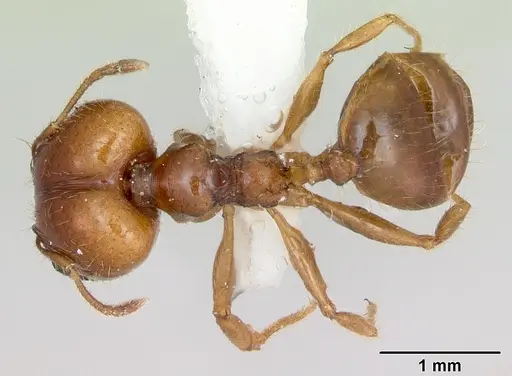
CASENT0172952
View on AntWeb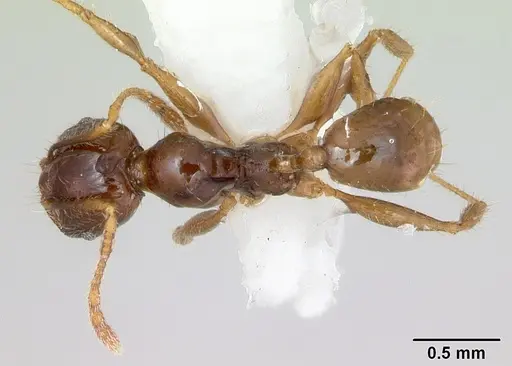
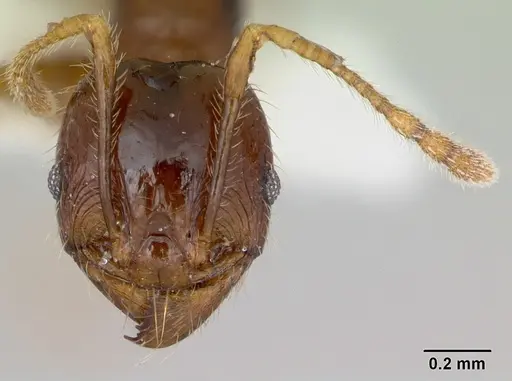
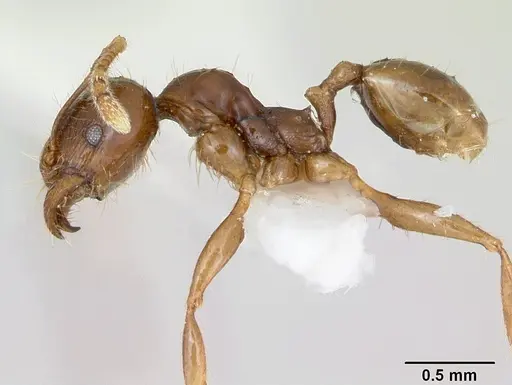
CASENT0172953
View on AntWeb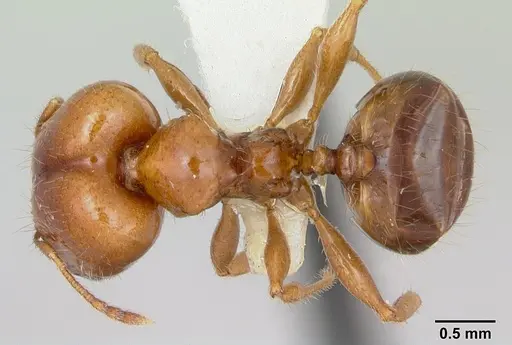
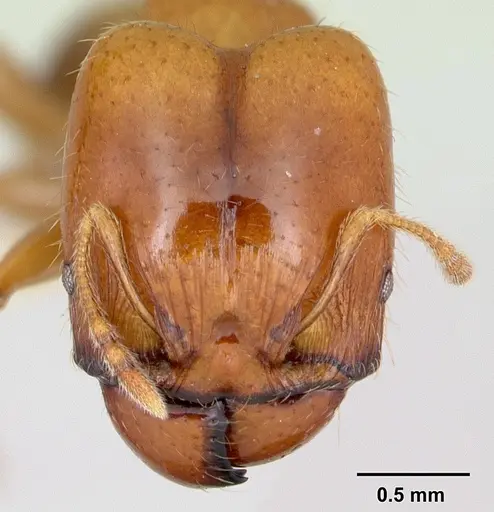
CASENT0172954
View on AntWeb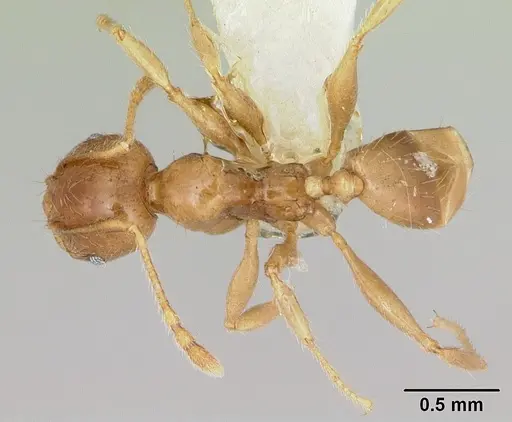
CASENT0172955
View on AntWeb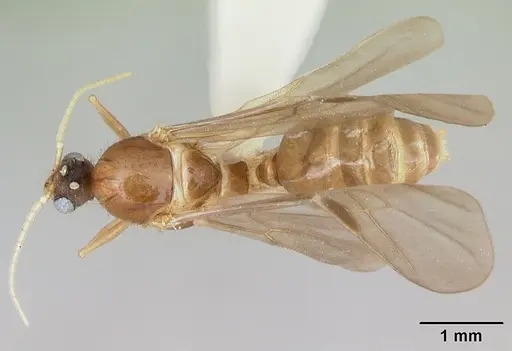
CASENT0901543
View on AntWeb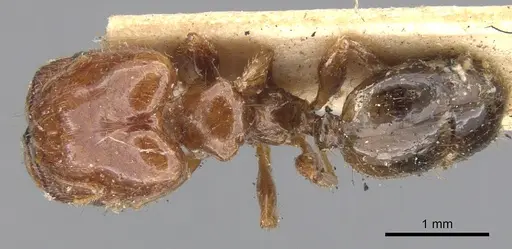
CASENT0901544
View on AntWeb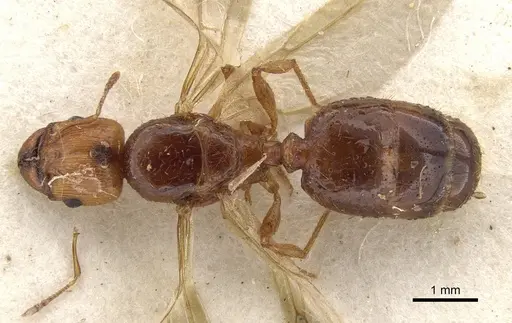
CASENT0901545
View on AntWeb
CASENT0908015
View on AntWeb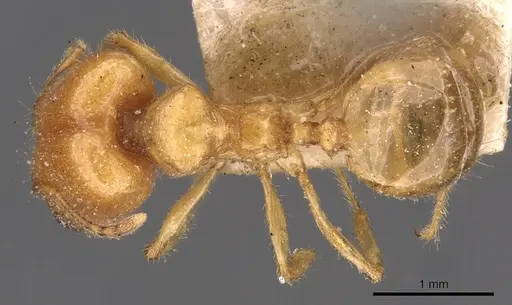
CASENT0908016
View on AntWeb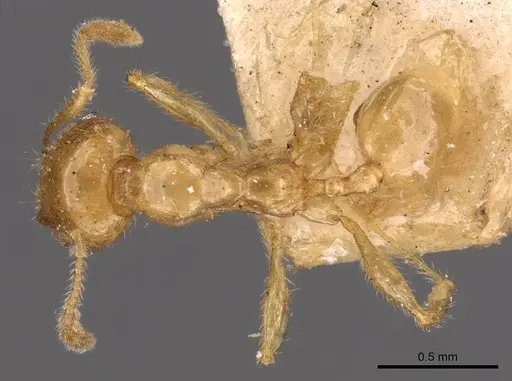
CASENT0908017
View on AntWeb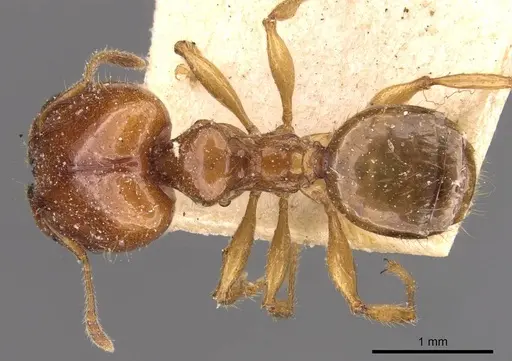
CASENT0908018
View on AntWeb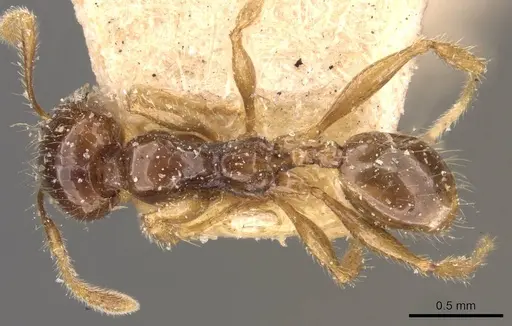
CASENT0915458
View on AntWeb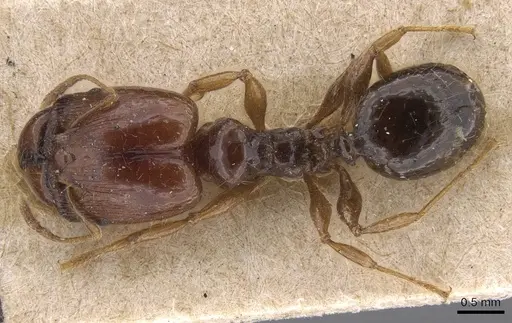
Literature
Loading...Loading products...