

Pheidole vestita
- Scientific Name
- Pheidole vestita
- Tribe
- Attini
- Subfamily
- Myrmicinae
- Author
- Wilson, 2003
- Distribution
- Found in 1 countries
Pheidole vestita Overview
Pheidole vestita is an ant species of the genus Pheidole. It is primarily documented in 1 countries , including Costa Rica. Detailed taxonomic data and occurrence records can be further explored via authoritative databases such as AntWeb or the Global Biodiversity Information Facility (GBIF).
Pheidole vestita
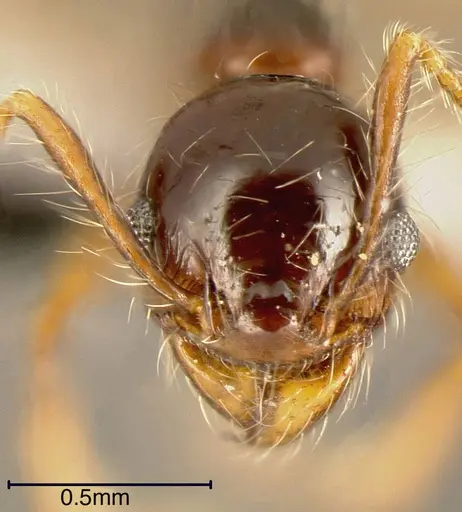
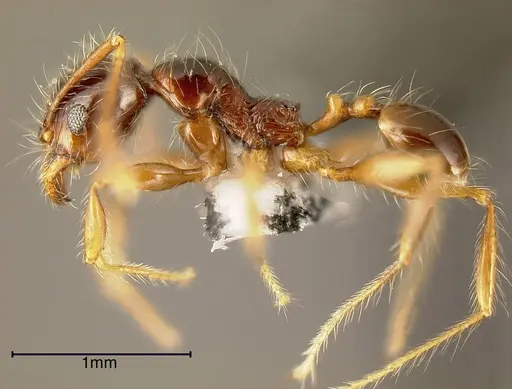
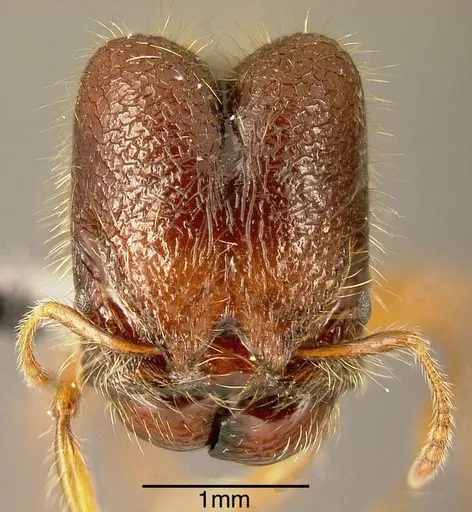
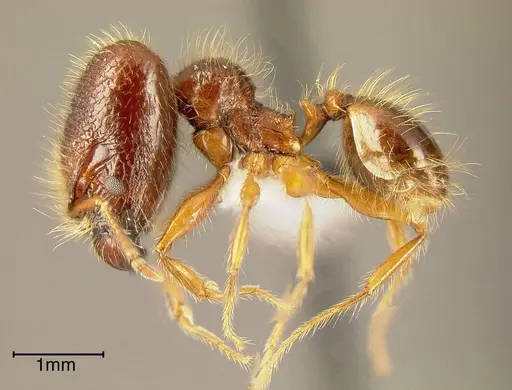
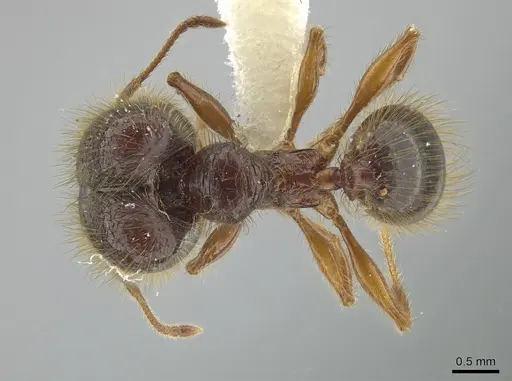
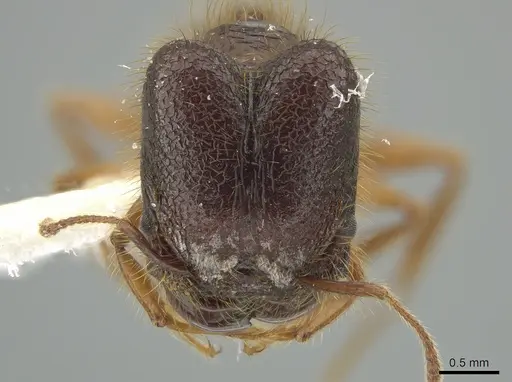
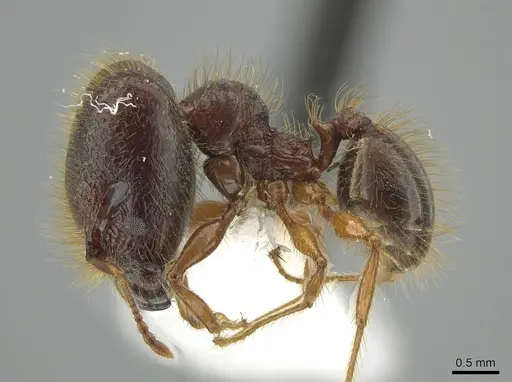
Pheidole vestita is a tropical big-headed ant from Costa Rica, first described by E.O. Wilson in 2003. These ants belong to the scrobifera group and are known for their remarkably dense covering of long hairs, which gives them a distinctive 'clothed' appearance, the species name 'vestita' literally means 'clothed' or 'wearing garments.' The colony has two worker castes: majors with large heads (1.86mm head width) and smaller minors (0.60mm head width). The majors have a dark reddish-brown coloration with a rugoreticulate pattern on the back of their head, while minors are lighter brown. This species is only known from La Selva Biological Station, making it a rare find in the antkeeping hobby[1].
What makes P. vestita special is its nocturnal foraging behavior, unlike many ants that search for food during the day, these ants venture out at night along forest trails. They nest in clayey soil in mature forest areas, creating simple ground nests. The dense pilosity is unusual among Pheidole species and helps them navigate through their humid forest floor habitat[1].
Quick Summary
- Difficulty: Medium
- Origin & Habitat: La Selva Biological Station, Costa Rica, tropical mature forest trails with clayey soil. Ground-nesting species that forages at night in shaded forest environments [1].
- Colony Type: Single-queen (monogyne) colonies typical of Pheidole genus. Colony size unknown for this specific species but related Pheidole species can reach several thousand workers [1].
- Colony: Monogyne
- Founding: Claustral
- Size & Growth:
- Queen: Unknown for this species, Pheidole queens typically 5-9mm
- Worker: Major: 1.86mm HW, Minor: 0.60mm HW
- Colony: Unknown, likely several thousand workers based on genus patterns
- Growth: Moderate, typical for tropical Pheidole
- Development: Estimated 6-8 weeks at tropical temperatures (24-28°C) (Development time inferred from related Pheidole species, direct data unavailable for P. vestita)
- Antkeeping:
- Temperature: Keep at 24-28°C, these are tropical ants from lowland Costa Rica. A heating cable on one side of the nest creates a temperature gradient [1].
- Humidity: High humidity required, think damp tropical forest floor. Keep the nest substrate consistently moist but not waterlogged. Provide a water tube for drinking access [1].
- Diapause: No, as a tropical species from Costa Rica, they do not require hibernation. Maintain warm temperatures year-round [1].
- Nesting: Clay soil nesting in nature, a naturalistic setup with moist soil or a Y-tong/plaster nest works well. They prefer tight chambers scaled to their size. Avoid dry conditions.
- Behavior: Nocturnal foragers, they become active at night searching for food. Pheidole are generally non-aggressive toward keepers but majors can deliver a mild sting. They are not considered dangerous to humans. Escape risk is moderate, minors are tiny (0.60mm) so fine mesh barriers are recommended[1].
- Common Issues: tiny minor workers can escape through standard mesh, use fine mesh barriers, tropical humidity requirements mean dry housing causes colony decline, nocturnal activity means you may not see them foraging until evening, limited distribution data means colony founding success rates are unknown, overheating is a risk, keep away from direct sunlight and excessive heat sources
Housing and Nest Setup
Pheidole vestita nests in clayey soil in nature, so a naturalistic setup with moist soil substrate works best. You can use a Y-tong (acrylic) nest with tight chambers, or a plaster nest that holds humidity well. The key is maintaining consistently damp substrate, these tropical ants dry out quickly in dry housing. A test tube setup can work for founding colonies if you keep the cotton moist and the tube wrapped in a damp cloth. For established colonies, provide a nest area with multiple chambers connected by narrow tunnels. The minors are very small (0.60mm), so ensure your escape prevention uses fine mesh, standard mesh will not contain them[1].
Feeding and Diet
Pheidole species are omnivorous and will accept a variety of foods. Offer protein sources like small insects (fruit flies, small crickets, mealworms), and provide sugar water or honey as an energy source. In the wild, they forage at night and likely scavenge for dead insects and collect honeydew from aphids. Feed protein 2-3 times per week and keep sugar water available constantly. Remove uneaten prey after 24 hours to prevent mold. Given their small minor workers, prey items should be appropriately sized, tiny insects work better than large ones [1].
Temperature and Humidity
As a tropical species from Costa Rica, Pheidole vestita needs warm, humid conditions. Keep the nest area at 24-28°C (75-82°F). A small heating cable placed on one side of the nest creates a temperature gradient the ants can choose between. Temperature below 22°C can slow brood development significantly. Humidity should be high, the nest substrate should feel consistently moist. Mist the outworld occasionally and use a water tube for drinking access. Never let the nest dry out completely, as this will kill the colony. Avoid placing the nest in air-conditioned rooms or near fans that dry the air [1].
Colony Development
The founding queen will seal herself in a chamber and raise the first brood alone, living off her stored fat reserves, this is claustral founding typical of Pheidole. First workers (nanitics) will be smaller than normal workers. Expect 6-8 weeks for the first workers to emerge at optimal temperatures. After that, growth is moderate, the colony will expand gradually as more workers hatch. Major workers develop later and appear as the colony grows larger. Unlike some ants, Pheidole colonies do not have super fast growth, so patience is needed. A mature colony can have several thousand workers including many majors [1].
Behavior and Activity
Pheidole vestita is nocturnal, the colony will be most active in the evening and night hours. This is unusual among pet ants and means you might not see much activity during the day. The majors have large heads designed for seed-crushing and defense, while the smaller minors handle most foraging and brood care. When threatened, majors can deliver a mild sting, though these ants are not considered dangerous to keepers. The dense pilosity (long hairs) covering their bodies may help them sense their environment in the dark forest floor. Watch for workers carrying seeds or insect parts back to the nest, this is normal foraging behavior[1].
Frequently Asked Questions
How long does it take for Pheidole vestita to get first workers?
Expect 6-8 weeks from founding to first workers at optimal tropical temperatures (24-28°C). This is based on typical Pheidole development, specific data for P. vestita is not available. The queen will remain sealed in her chamber until the first nanitic workers emerge.
What do Pheidole vestita ants eat?
They are omnivores. Offer small insects (fruit flies, pinhead crickets, small mealworms) for protein, and keep sugar water or honey available constantly. They will also collect seeds and may tend aphids for honeydew.
What temperature do Pheidole vestita need?
Keep them at 24-28°C (75-82°F). These tropical Costa Rican ants need warmth year-round. A small heating cable on part of the nest creates a gradient they can regulate themselves.
Do Pheidole vestita need hibernation?
No. As a tropical species from Costa Rica, they do not require diapause or hibernation. Maintain warm temperatures throughout the year.
Can I keep multiple Pheidole vestita queens together?
No. Pheidole are typically single-queen (monogyne) species. Combining unrelated queens will result in fighting. Only keep one queen per colony.
How big do Pheidole vestita colonies get?
The maximum colony size is unknown for this specific species, but related Pheidole species can reach several thousand workers. Expect moderate growth over 1-2 years to a few hundred workers.
Why are my Pheidole vestita dying?
Common causes include: dry nest conditions (tropical ants need humidity), temperatures below 22°C, escape of tiny minors through standard mesh, and mold from uneaten prey. Check your humidity levels and use fine mesh barriers.
When should I move Pheidole vestita to a formicarium?
Wait until the colony has at least 50-100 workers before moving. Test tubes work fine for founding and early colonies. A formicarium with proper humidity control becomes beneficial once the colony outgrows a test tube.
Are Pheidole vestita good for beginners?
They are rated as medium difficulty. The main challenges are maintaining tropical humidity and preventing escapes of their tiny workers. If you can keep conditions warm and humid, they are rewarding ants to keep.
References

This caresheet is licensed under CC BY-SA 4.0 .
Literature
Loading...Loading products...