

Pheidole vatu
- Scientific Name
- Pheidole vatu
- Tribe
- Attini
- Subfamily
- Myrmicinae
- Author
- Mann, 1921
- Distribution
- Found in 2 countries
Pheidole vatu Overview
Pheidole vatu is an ant species of the genus Pheidole. It is primarily documented in 2 countries , including Fiji, Wallis and Futuna. Detailed taxonomic data and occurrence records can be further explored via authoritative databases such as AntWeb or the Global Biodiversity Information Facility (GBIF).
Pheidole vatu
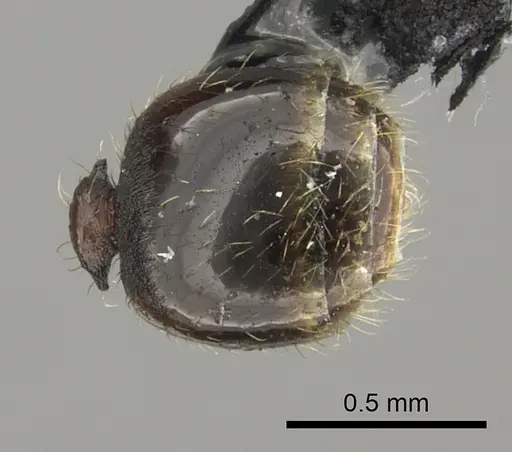
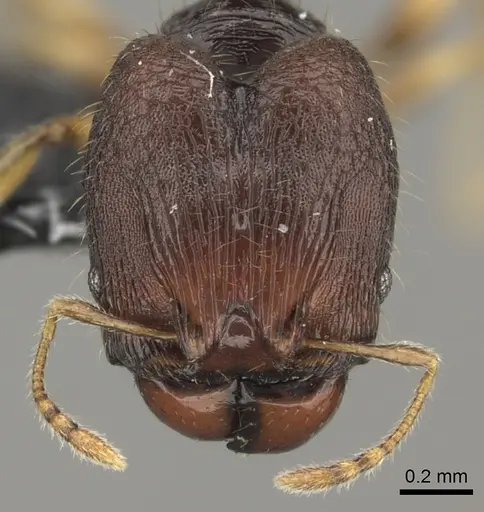
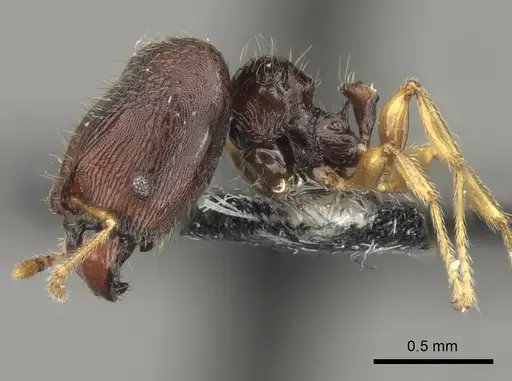
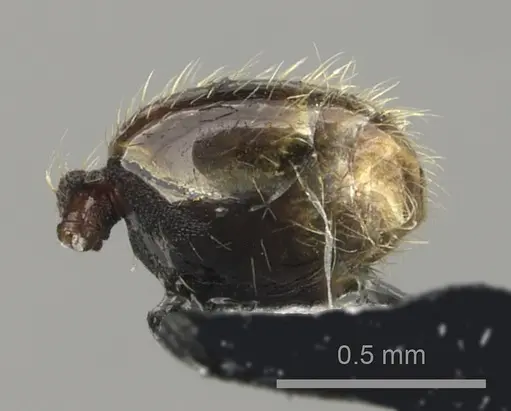
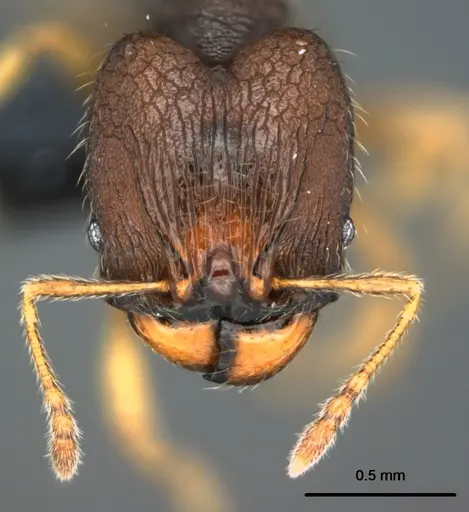
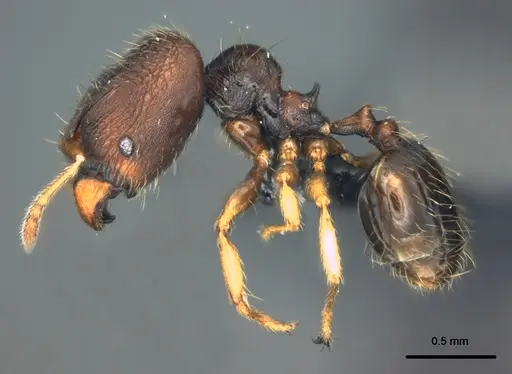
Pheidole vatu is a tiny endemic ant from Fiji, belonging to the knowlesi species group. Major workers measure 0.73-1.02mm with a distinctive dark brown body and lighter reddish-brown head and mandibles, while minor workers are even smaller at 0.41-0.47mm. The species is identified by its highly domed promesonotum with a steep posterior declivity, both major and minor workers show this characteristic profile. Found across most major Fijian islands including Viti Levu, Taveuni, Vanua Levu, and several others, these ants nest under stones, in leaf litter, and under fallen branches in rainforest habitats at elevations between 146-1000m [1]. This species is the easiest to identify among the knowlesi group on Fiji, with workers showing large smooth areas on the lateral and dorsal mesonotum that make them nearly smooth and shiny [2].
Quick Summary
- Difficulty: Medium
- Origin & Habitat: Endemic to Fiji islands, found in primary and secondary rainforest, disturbed forest, and along forest edges from 146-1000m elevation [1][3]
- Colony Type: Single-queen colonies (monogyne), typical for Pheidole genus. Major and minor worker castes present.
- Colony: Monogyne
- Founding: Claustral
- Size & Growth:
- Queen: WL 1.10-1.16mm [2]
- Worker: Major: 0.73-1.02mm, Minor: 0.41-0.47mm [2]
- Colony: Estimated up to a few hundred workers based on typical Pheidole colony sizes
- Growth: Moderate, based on typical Pheidole development patterns
- Development: Estimated 6-8 weeks at tropical temperatures based on genus-level data (Development time inferred from related Pheidole species, specific timeline unconfirmed for this species)
- Antkeeping:
- Temperature: Keep around 24-28°C, these are tropical forest ants from Fiji. A gentle temperature gradient is recommended [1].
- Humidity: Keep moderately humid (60-80%). These forest-floor ants prefer damp conditions but not waterlogged substrate. Provide a moisture gradient so ants can choose their preferred zone.
- Diapause: No, as a tropical species from Fiji, they do not require hibernation. Maintain year-round tropical conditions.
- Nesting: Y-tong (AAC) nests work well for their small size. They also accept test tube setups and naturalistic setups with stones or logs to nest under. The species naturally nests under stones and in leaf litter [1].
- Behavior: These ants have major and minor worker castes, the majors have enlarged heads for seed-processing and defense. They are non-spinescent (they don't have long propodeal spines) [4]. Workers are active foragers that search for small prey and honeydew. Due to their very small size, escape prevention is critical, they can squeeze through tiny gaps. They are not aggressive toward keepers but majors can deliver a mild sting if threatened.
- Common Issues: escape prevention is critical due to their very small size, use fine mesh and tight-fitting barriers, wild-caught colonies may have parasites that can kill them in captivity, slow growth in founding phase means colonies can stall if conditions aren't optimal, overfeeding can lead to mold problems in small nests, maintaining stable humidity is challenging but crucial, they dry out quickly
Nest Preferences
In the wild, Pheidole vatu nests under stones, under fallen branches, and in leaf litter within forest habitats [1]. They prefer humid, shaded microhabitats at elevations between 146-1000m. For captive care, Y-tong (acrylic aerated concrete) nests work well because they maintain humidity while allowing you to observe the colony. Test tube setups are also suitable for founding colonies. If using a naturalistic setup, provide flat stones or pieces of wood for the ants to nest under. The nest should have areas of varying moisture, some damp areas for brood, slightly drier areas for food storage. Avoid very tall chambers as these small ants prefer tight, enclosed spaces.
Feeding and Diet
Pheidole ants are omnivorous foragers that collect seeds, small insects, and honeydew. In captivity, offer a varied diet: protein sources like small crickets, mealworms, fruit flies, and other tiny insects work well. Sugar sources like honey water or sugar water should be provided regularly, these ants will readily accept sweet liquids. For the major workers, they can process harder foods like seeds. Feed small amounts every 2-3 days and remove any uneaten food to prevent mold. Since they are small ants, portion sizes should be tiny, a few fruit flies or a drop of honey water is sufficient for a developing colony.
Temperature and Care
As a tropical species from Fiji, Pheidole vatu requires warm, stable temperatures around 24-28°C. They do not tolerate cold well, temperatures below 20°C can slow their metabolism and stop brood development. Use a heating cable on one side of the nest to create a gentle gradient, but never place heat directly on the nest as this can cause drying. Room temperature within this range is acceptable. Since they come from a humid forest environment, maintain moderate to high humidity (60-80%) in the nest area. Use a water reservoir or mist regularly to maintain moisture, but ensure ventilation prevents stagnant air. These ants do not require hibernation, maintain tropical conditions year-round. [1]
Behavior and Colony Structure
Pheidole vatu has distinct major and minor worker castes. The major workers have enlarged heads with powerful mandibles, they handle seed processing and colony defense. Minor workers handle most foraging, brood care, and daily tasks. This species is non-spinescent, meaning they lack the long propodeal spines seen in some Pheidole species [4]. Workers are active foragers that search the outworld for food. They are not particularly aggressive toward keepers but will defend if their nest is threatened. The colony will grow from a single queen through claustral founding, the queen seals herself in a chamber and raises the first workers (nanitics) on her stored fat reserves before the workers emerge to forage.
Growth and Development
Colony growth follows typical Pheidole patterns. After the claustral founding phase, the queen lays eggs that develop through larval and pupal stages to become workers. First-generation workers (nanitics) are typically smaller than mature workers. The colony expands as more workers are produced, with major workers appearing as the colony reaches several dozen workers. Specific development timeline for P. vatu is unconfirmed, but based on related species, expect 6-8 weeks from egg to worker at optimal tropical temperatures. Growth rate is moderate, colonies can reach 100+ workers within the first year under good conditions. The presence of major workers typically increases as the colony matures.
Frequently Asked Questions
How long does it take for Pheidole vatu to have first workers?
Based on typical Pheidole development, expect first workers (nanitics) approximately 6-8 weeks after the queen lays eggs, at optimal tropical temperatures around 26°C. The exact timeline for P. vatu specifically is unconfirmed but genus-level data suggests this timeframe.
What do Pheidole vatu ants eat?
They are omnivorous. Offer small insects (fruit flies, pinhead crickets, mealworms) for protein, and sugar sources (honey water, sugar water) regularly. They can also process small seeds. Feed every 2-3 days with small portions.
Are Pheidole vatu good for beginners?
They are rated as medium difficulty. They require stable tropical conditions and excellent escape prevention due to their tiny size. Beginners should be prepared for their specific humidity and temperature needs.
Can I keep multiple Pheidole vatu queens together?
No, this is a monogyne (single-queen) species. Only keep one queen per colony. Combining unrelated queens will result in fighting.
What temperature do Pheidole vatu need?
Keep them at 24-28°C. These tropical forest ants from Fiji need warm conditions year-round. Do not let temperatures drop below 20°C.
Do Pheidole vatu need hibernation?
No, as a tropical species from Fiji, they do not require hibernation or winter cooling. Maintain warm, tropical conditions throughout the year.
Why are my Pheidole vatu escaping?
Their very small size (minor workers are only 0.41-0.47mm) means they can squeeze through tiny gaps. Use fine mesh (at least 0.5mm or finer), tight-fitting lids, and apply barrier tape or fluon to all edges. Check for any cracks around the outworld connection.
When should I move Pheidole vatu to a formicarium?
Wait until the colony has at least 30-50 workers and is actively foraging in the outworld. For founding colonies, keep them in a test tube setup until the water reservoir is nearly depleted or the colony becomes cramped. A Y-tong nest works well for their small size.
How big do Pheidole vatu colonies get?
Based on typical Pheidole colony sizes, expect colonies to reach several hundred workers. The exact maximum for this species is unconfirmed but related species typically max out around 200-500 workers.
What makes Pheidole vatu different from other Pheidole?
P. vatu belongs to the knowlesi group and is endemic to Fiji. It can be identified by the large smooth areas on its mesosoma and the highly domed promesonotum with a steep posterior declivity. It is the easiest Pheidole to identify in Fiji [2].
References

This caresheet is licensed under CC BY-SA 4.0 .
CASENT0184306
View on AntWeb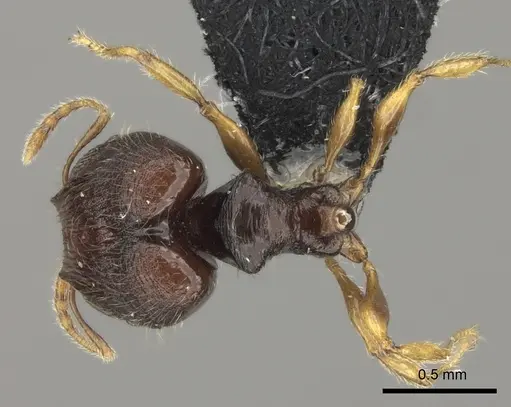
CASENT0185525
View on AntWeb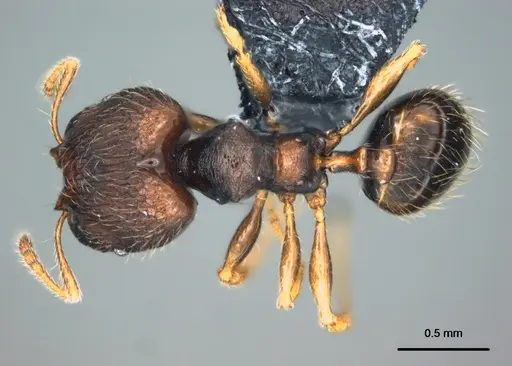
Literature
Loading...Loading products...