

Pheidole vanderveldi
- Scientific Name
- Pheidole vanderveldi
- Tribe
- Attini
- Subfamily
- Myrmicinae
- Author
- Forel, 1913
- Distribution
- Found in 1 countries
Pheidole vanderveldi Overview
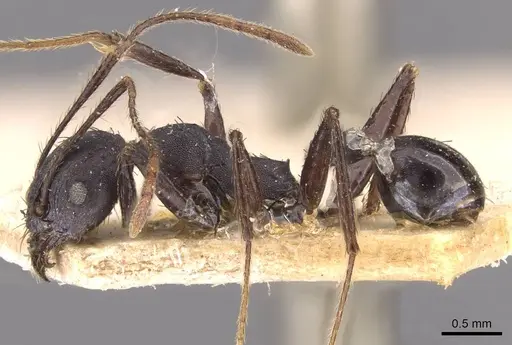
Pheidole vanderveldi is an ant species of the genus Pheidole. It is primarily documented in 1 countries , including Congo, Democratic Republic of the. Detailed taxonomic data and occurrence records can be further explored via authoritative databases such as AntWeb or the Global Biodiversity Information Facility (GBIF).
Pheidole vanderveldi
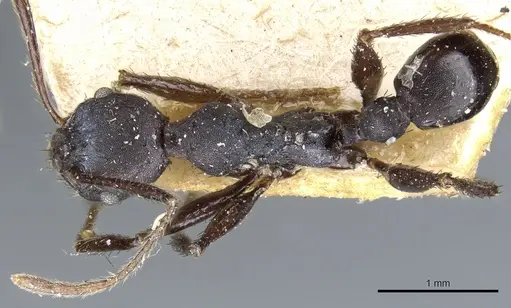
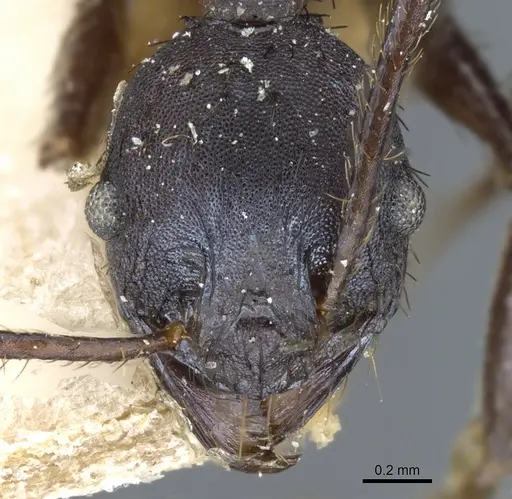
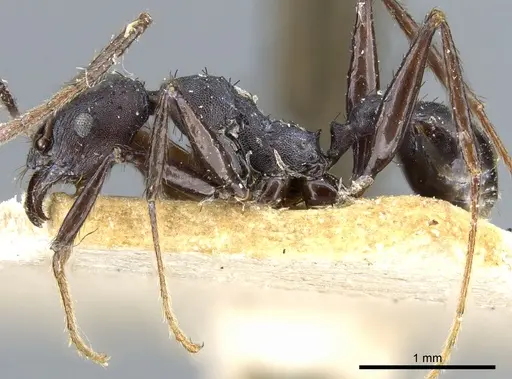
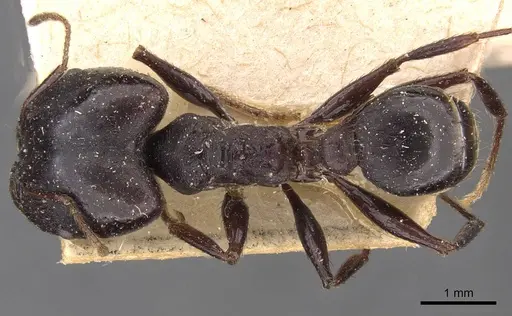
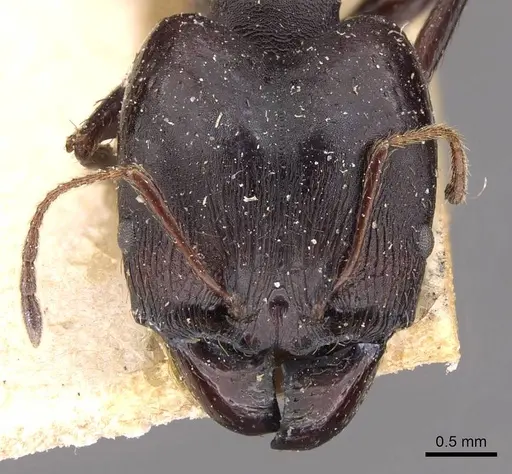
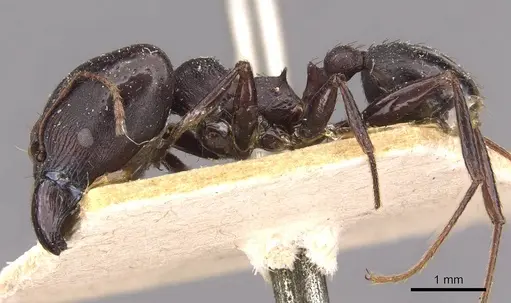
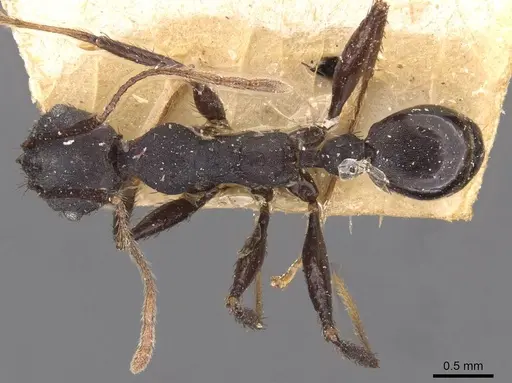
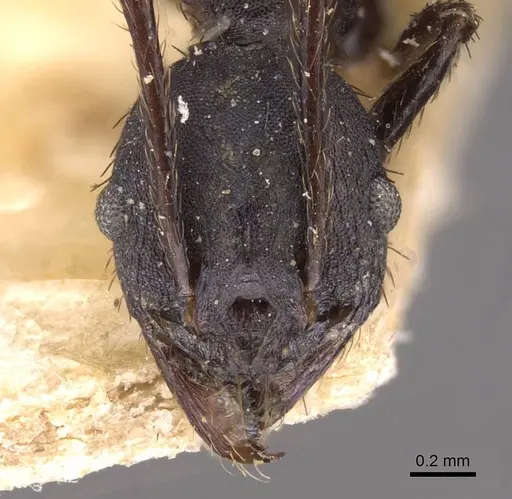
Pheidole vanderveldi is a small ant species native to the Democratic Republic of Congo in Central Africa. Like all Pheidole species, they have two distinct worker castes: major workers (soldiers) with notably large heads, and smaller minor workers that make up the majority of the colony. The genus is commonly called 'big-headed ants' due to this dramatic size difference between castes. Workers are typically 2-4mm, with majors being larger. This species was first described in the early 1900s and is found in the HL province of the DRC [1]. As a tropical African species, they likely inhabit forest floor environments where they forage for seeds and small insects.
Quick Summary
- Difficulty: Easy
- Origin & Habitat: Democratic Republic of Congo (Central Africa). Found in the HL province [1]. Likely inhabits tropical forest floor habitats typical of Central African Pheidole species.
- Colony Type: Likely monogyne (single queen colonies), typical of most Pheidole species. Colonies contain two worker castes, major workers (soldiers) and minor workers.
- Colony: Monogyne
- Founding: Claustral
- Size & Growth:
- Queen: Estimated 7-9mm based on genus patterns
- Worker: 2-4mm (minors 2-3mm, majors 3-4mm)
- Colony: Likely several hundred to a few thousand workers based on genus typical colony sizes
- Growth: Moderate
- Development: Estimated 6-8 weeks at tropical temperatures based on related species (Development time is inferred from genus patterns, direct observations for this specific species are not available)
- Antkeeping:
- Temperature: Keep at 24-28°C. As a tropical species from Central Africa, they need warm conditions. A heating cable on one side of the nest can create a temperature gradient
- Humidity: Moderate to high humidity (60-80%). Keep the nest substrate slightly moist but not waterlogged. Mist occasionally and provide a water tube.
- Diapause: Likely no true diapause, tropical species may slow slightly during cooler periods but do not require hibernation
- Nesting: In captivity, they do well in test tubes for founding, then can be moved to Y-tong nests, acrylic nests, or naturalistic setups with soil. They prefer nested areas with some moisture retention.
- Behavior: Pheidole vanderveldi is generally peaceful and not aggressive toward keepers. Major workers use their large heads to crack seeds and defend the colony, while minor workers handle most foraging and brood care. They are active foragers that search for seeds, small insects, and sugary liquids. Escape prevention should be moderate, while not extremely tiny, they can squeeze through small gaps, so standard barrier methods work well.
- Common Issues: colonies may stall if temperatures drop below 22°C, keep them warm, overfeeding can lead to mold in the nest, remove uneaten food promptly, major workers may appear threatening but are defensive rather than aggressive toward keepers, slow initial growth during founding phase is normal, be patient, wild-caught colonies may carry parasites, quarantine and observe new colonies
Nest Preferences and Housing
Pheidole vanderveldi can be started in a standard test tube setup for the founding queen. Once the colony reaches 20-30 workers, they can be moved to a more spacious formicarium. Y-tong (AAC) nests work well because they provide dark, humid chambers that mimic underground nests. Acrylic nests with soil or plaster also work nicely. These ants don't need extremely elaborate setups, they adapt well to various captive environments as long as humidity and temperature are maintained. For a growing colony, provide chambers large enough for the colony to expand but not so large that they feel exposed. A water tube attached to the nest helps maintain humidity.
Feeding and Diet
In the wild, Pheidole species are omnivorous but often lean toward granivory, they collect seeds and use their powerful major worker jaws to crack them open. They also scavenge small insects and arthropods, and will tend aphids for honeydew. In captivity, offer a varied diet: seeds (millet, chia, flax) for the majors to crack, small insects like fruit flies or pinhead crickets for protein, and sugar water or honey as an energy source. Feed protein sources 2-3 times per week, and keep sugar water available constantly. Remove uneaten food after 24-48 hours to prevent mold.
Temperature and Seasonal Care
As a tropical species from the Democratic Republic of Congo, Pheidole vanderveldi needs warm conditions year-round. Keep the nest area at 24-28°C (75-82°F). A small heating cable placed on top of the nest can maintain these temperatures, especially in cooler rooms. Unlike temperate species, they do not require a hibernation period or winter cooling. However, they may become slightly less active during cooler periods. Avoid temperatures below 22°C as this can slow colony growth and potentially stress the colony. Room temperature in a heated home is often suitable, but monitor with a thermometer.
Behavior and Colony Structure
One of the most fascinating aspects of Pheidole ants is their distinct worker caste system. Minor workers (2-3mm) handle most day-to-day tasks: foraging, caring for brood, and feeding the queen. Major workers (3-4mm) have oversized heads with powerful mandibles designed for cracking hard seeds and defending the colony. You'll often see majors near the queen or at the nest entrance, while minors do most of the active work outside. This division of labor makes them fascinating to observe. The colony will grow over time, with the proportion of majors typically increasing as the colony matures. Majors are not aggressive toward keepers but will defend the nest if threatened.
Frequently Asked Questions
How long does it take for Pheidole vanderveldi to produce first workers?
Expect first workers (nanitics) to emerge in about 6-8 weeks after the queen lays eggs, assuming temperatures around 26°C. This is an estimate based on related Pheidole species, direct observations for this specific species are not documented.
Can I keep multiple Pheidole vanderveldi queens together?
Pheidole species are typically monogyne (single queen). Combining unrelated queens is not recommended as they will likely fight. If you capture a founding queen, keep her alone until she establishes her colony.
What do I feed Pheidole vanderveldi?
Offer a varied diet: seeds (millet, chia, flax) that majors can crack, small insects (fruit flies, pinhead crickets) for protein, and sugar water or honey. They are omnivorous and will accept most standard ant foods.
Are Pheidole vanderveldi good for beginners?
Yes, they are considered a good beginner species. They are relatively hardy, don't require hibernation, and are not aggressive. Their interesting two-caste colony structure makes them engaging to watch.
When should I move my colony to a formicarium?
Move them when the colony reaches around 20-30 workers and the test tube is becoming crowded. Make sure the formicarium has appropriate humidity and a water source before transferring.
How big do Pheidole vanderveldi colonies get?
Based on typical Pheidole colony sizes, expect several hundred to a few thousand workers at maturity. The exact maximum for this species is unknown but colonies grow steadily over several years.
Do Pheidole vanderveldi need hibernation?
No, as a tropical African species they do not require hibernation. Keep them warm year-round at 24-28°C. They may slow slightly during cooler periods but do not enter true diapause.
Why are my major workers dying?
Some major worker loss is normal as the colony ages. However, if you're seeing many majors dying, check for stress factors: temperature too low, humidity issues, or poor nutrition. Also ensure the colony isn't overcrowded.
References

This caresheet is licensed under CC BY-SA 4.0 .
Literature
Loading...Loading products...