

Pheidole vallifica
- Scientific Name
- Pheidole vallifica
- Tribe
- Attini
- Subfamily
- Myrmicinae
- Author
- Forel, 1901
- Distribution
- Found in 5 countries
Pheidole vallifica Overview
Pheidole vallifica is an ant species of the genus Pheidole. It is primarily documented in 5 countries , including Bolivia, Plurinational State of, Brazil. Detailed taxonomic data and occurrence records can be further explored via authoritative databases such as AntWeb or the Global Biodiversity Information Facility (GBIF).
Pheidole vallifica
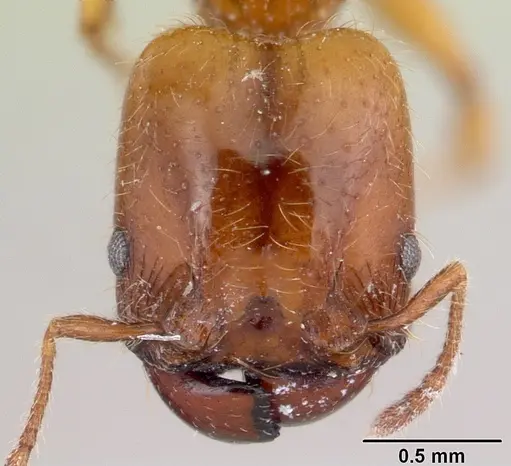
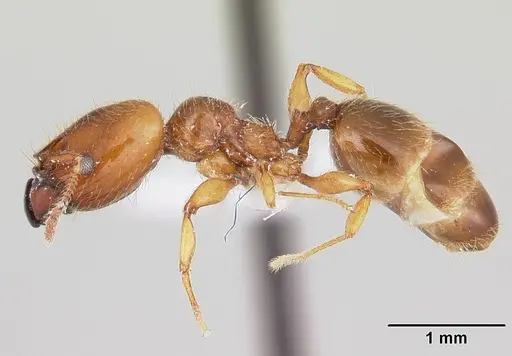
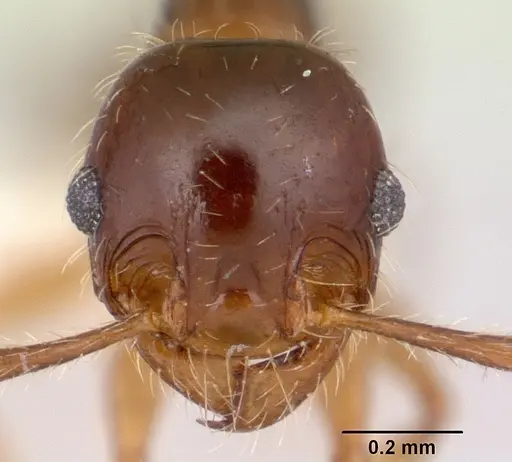
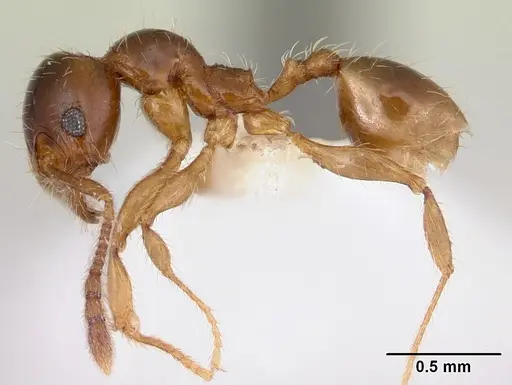
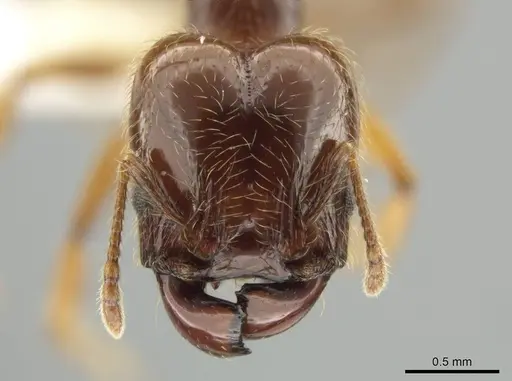
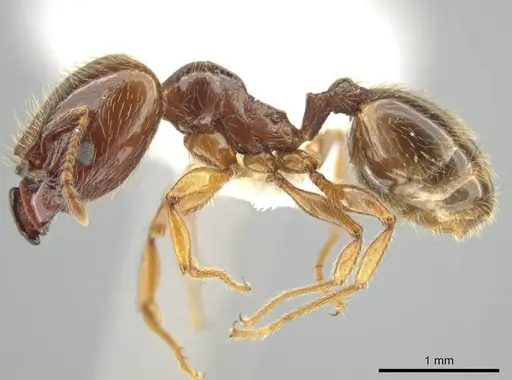
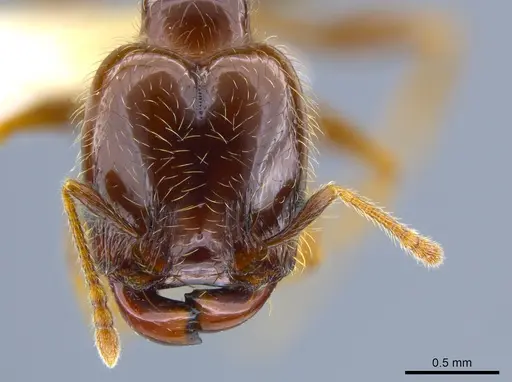
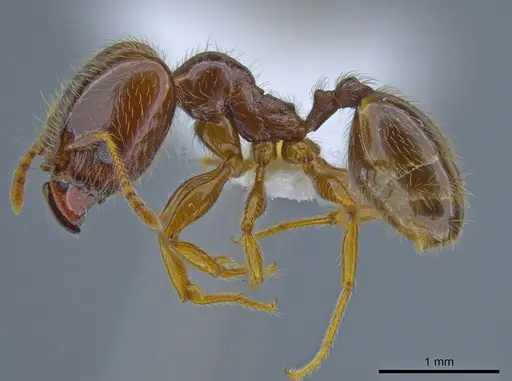
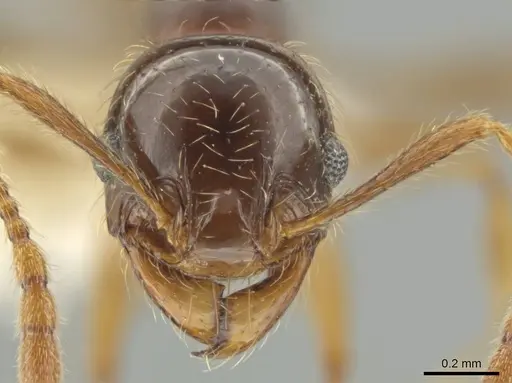
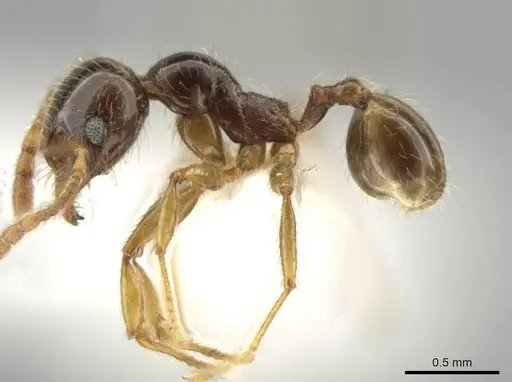
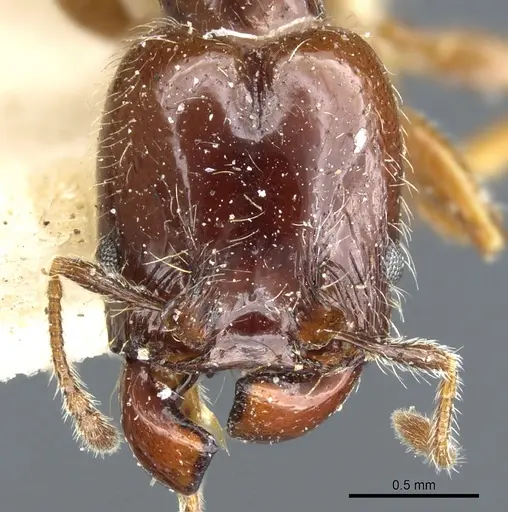
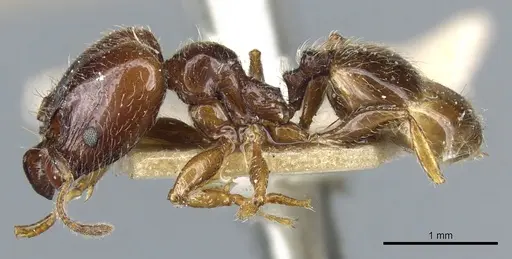
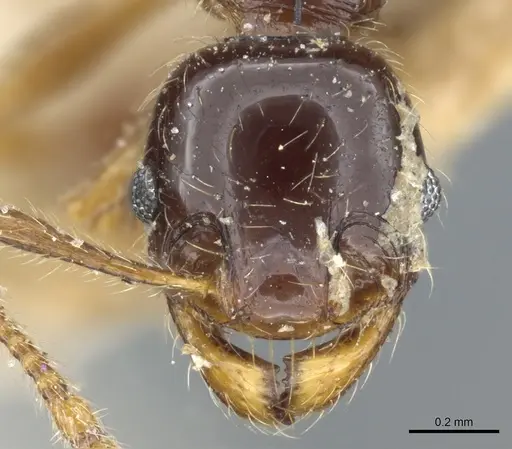
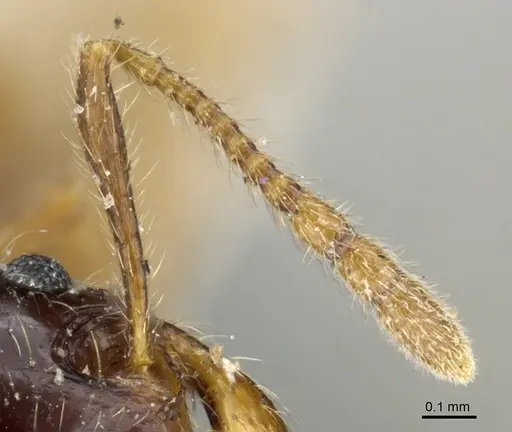
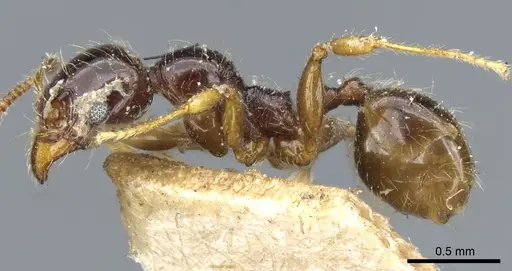
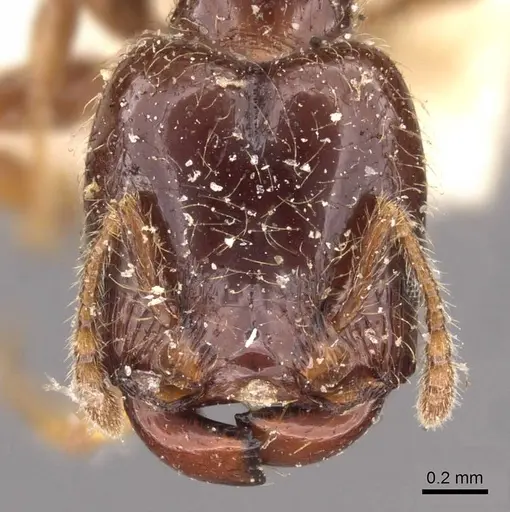
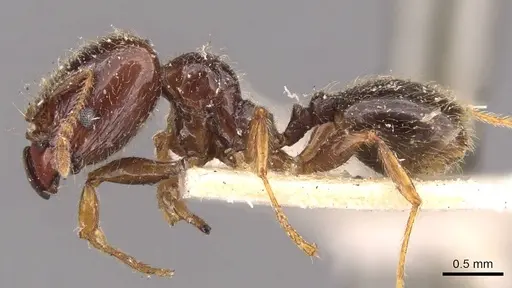
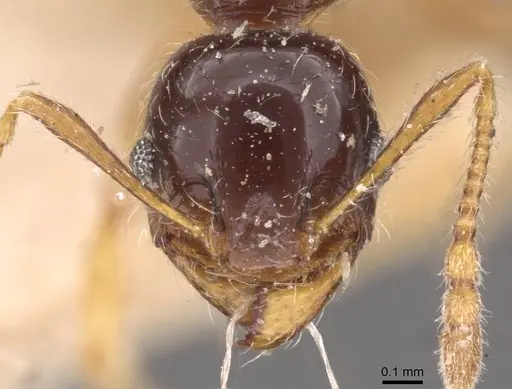
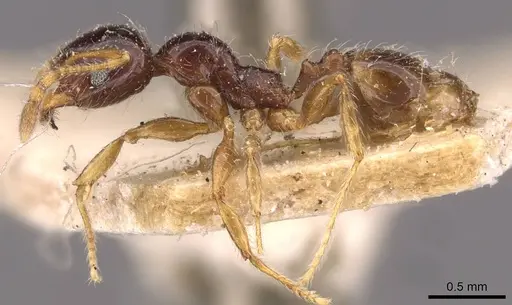
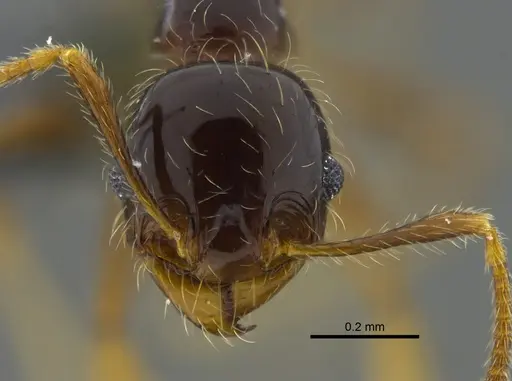
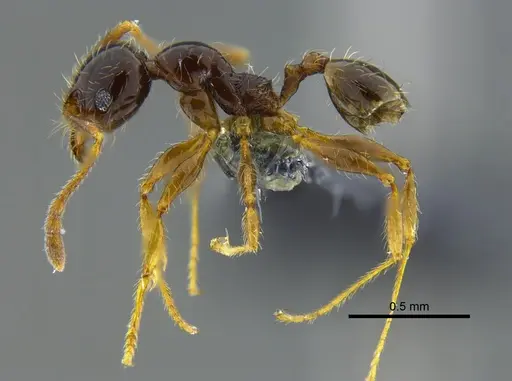
Pheidole vallifica is a small Neotropical ant known for its distinctive caste system with large major workers (soldiers) and smaller minor workers. Majors measure around 1.12mm head width with a light reddish-brown coloration, while minors are about 0.60mm and light brown. This unusual species belongs to the tristis group and was first described from Colombia in 1901. Colonies are small with few minors and only one or two majors per nest. The species ranges from Honduras down through Costa Rica to Argentina and Paraguay, with populations in Colombia's Andean regions and Brazil's Amazon basin. They nest in open soil in humid areas such as stream edges and banana plantations, creating small nests with characteristic semicircular soil piles around the entrance.
Quick Summary
- Difficulty: Medium
- Origin & Habitat: Neotropical region, Honduras, Costa Rica, Colombia, Brazil, Paraguay, and Argentina. Found in humid sandy soil at stream edges, banana plantations, and open soil areas at various elevations including over 1000m in Colombia's Sierra Nevada de Santa Marta [1][2][3].
- Colony Type: Single-queen colonies (monogyne) typical of the genus Pheidole. Colonies are small with few workers and typically only 1-2 major workers [3].
- Colony: Monogyne
- Founding: Claustral
- Size & Growth:
- Queen: Undocumented for this species, typical Pheidole queens are 5-8mm
- Worker: Major: 1.12mm HW, Minor: 0.60mm HW [2]
- Colony: Small colonies, few minors and only 1-2 majors per nest [3]
- Growth: Moderate, based on typical Pheidole development patterns
- Development: 6-8 weeks estimated based on typical Pheidole genus patterns at tropical temperatures (Development time is estimated, direct measurements not available for this species)
- Antkeeping:
- Temperature: Keep at 24-28°C based on tropical Neotropical distribution. A gentle gradient allows workers to regulate their temperature.
- Humidity: Maintain moderate to high humidity (60-80%). These ants naturally occur in humid areas near streams and in banana plantations. Keep substrate consistently moist but not waterlogged.
- Diapause: No diapause required, being tropical, they do not need a winter rest period. Keep temperatures stable year-round.
- Nesting: Soil-nesting species. Use a naturalistic setup with moist substrate (soil or soil-sand mix) or a Y-tong/plaster nest with moisture reservoir. They prefer tight chambers scaled to their small size.
- Behavior: Pheidole vallifica is a peaceful species with typical Pheidole behavior, majors use their heads to block nest entrances and may defend the colony. Workers are active foragers that search for protein and sugar sources. Minor workers are tiny (0.6mm) so escape prevention should be good, though not as critical as for very small species. They are not aggressive toward humans and do not pose a sting risk.
- Common Issues: small colony size means slow population growth, don't expect rapid expansion, humidity control is important, too dry and brood will desiccate, major workers are relatively rare in founding colonies, this is normal for the species, tropical species are sensitive to temperature drops, keep warm year-round, wild-caught colonies may have parasites, quarantine and observe before introducing to other colonies
Nest Preferences and Housing
Pheidole vallifica is a soil-nesting species that naturally creates small nests in open ground. In the wild, they nest in humid sandy soil at stream edges and in agricultural areas like banana plantations. The nests have small entrances surrounded by semicircular piles of excavated soil, a distinctive field sign. For captive care, a naturalistic setup with a moist soil or soil-sand mixture works best. You can also use a Y-tong (acrylic) nest or plaster nest with a water reservoir to maintain humidity. The chambers should be appropriately scaled to their tiny size, minor workers are only about 0.6mm, so tight, narrow passages help them feel secure. A small outworld for foraging completes the setup. [2][3]
Feeding and Diet
Like other Pheidole species, P. vallifica is omnivorous and will accept both protein and sugar sources. In captivity, offer protein-rich foods like small insects (fruit flies, small crickets, mealworms) and sugar sources such as honey water or sugar water. They are likely to collect honeydew from aphids if kept in a naturalistic setup. Feed protein 2-3 times per week and keep sugar water available at all times. Remove uneaten prey after 24-48 hours to prevent mold. Given their small colony size in the wild, they don't need large quantities of food, a small piece of prey every few days is sufficient for a developing colony.
Temperature and Seasonal Care
As a tropical Neotropical species, P. vallifica requires warm temperatures year-round. Keep the nest area at 24-28°C (75-82°F). A heating cable on one side of the nest can create a gentle gradient, allowing workers to move between warmer and cooler areas. Avoid temperature drops below 22°C as prolonged cool periods can weaken the colony and slow brood development. Since they come from regions with minimal seasonal temperature variation, no hibernation or diapause is needed. Maintain stable warmth throughout the year, this is a species that does best in a consistently warm setup rather than one with seasonal fluctuations. [1][2]
Colony Structure and Development
Pheidole vallifica colonies are notably small compared to many other Pheidole species. In the wild, nests contain few minor workers and only 1-2 major workers (soldiers). This is unusual, many Pheidole species have proportionally more majors. The species is part of the tristis group, which contains several unusual species with uncertain taxonomic affinities. Queens have not been directly measured for this species, but typical Pheidole queens are 5-8mm. Development from egg to worker likely takes 6-8 weeks at optimal tropical temperatures. Colonies grow slowly due to their naturally small size, don't expect rapid population explosion. The presence of major workers is a defining characteristic of Pheidole, and they serve defensive and food-processing roles in the colony. [2][3]
Behavior and Temperament
This is a peaceful species that poses no real danger to keepers. Major workers can deliver a mild sting but are not aggressive and rarely use it. The majors' primary role appears to be nest defense and possibly helping process larger food items, their larger heads contain powerful muscles. Workers are active foragers that will search the outworld for food. The species is not known for escape artistry, though minor workers are small enough that standard barrier methods (Fluon, petroleum jelly) should still be used. They are daytime active and will establish regular foraging patterns once settled. The small colony size means you'll see fewer workers overall, but each one will be active and visible.
Frequently Asked Questions
How long does it take for Pheidole vallifica to produce first workers?
Expect 6-8 weeks from egg to first worker at optimal temperatures (24-28°C). This is estimated based on typical Pheidole genus development, as specific timing for this species has not been documented.
What do Pheidole vallifica ants eat?
They are omnivorous. Offer small insects (fruit flies, pinhead crickets, small mealworms) for protein 2-3 times per week, and keep sugar water or honey water available at all times. They will also collect honeydew if you keep aphids in a naturalistic setup.
Do Pheidole vallifica ants need hibernation?
No. As a tropical Neotropical species, they do not require hibernation. Keep them warm year-round at 24-28°C without seasonal temperature drops.
How big do Pheidole vallifica colonies get?
Colonies remain relatively small. In the wild, nests contain only a few minor workers and 1-2 major workers. In captivity, expect under 100 workers at maturity, this is a small-colony species.
Can I keep multiple Pheidole vallifica queens together?
Not recommended. Pheidole is typically monogyne (single-queen colonies). Combining unrelated queens has not been documented for this species and would likely result in fighting.
What size nest do I need for Pheidole vallifica?
Use a small nest, these ants have tiny colonies. A Y-tong (AAC) nest with small chambers or a naturalistic setup with moist soil works well. The chambers should be appropriately scaled to their 0.6mm minor workers.
Are Pheidole vallifica good for beginners?
They are moderate difficulty. The main challenges are maintaining proper humidity and warmth for a tropical species, and accepting that colonies remain small. They are not difficult once their humidity and temperature needs are met.
What temperature should I keep Pheidole vallifica at?
Keep them at 24-28°C (75-82°F). This tropical species needs consistent warmth. A heating cable on part of the nest creates a useful gradient.
Why are there so few major workers in my colony?
This is normal for the species. Pheidole vallifica naturally forms small colonies with only 1-2 major workers. Unlike some Pheidole species that produce many soldiers, this species has few majors even in established colonies.
How often should I feed Pheidole vallifica?
Offer protein (small insects) 2-3 times per week. Keep sugar water or honey water available constantly, change it every few days to prevent fermentation. Remove uneaten prey after 24-48 hours.
References

This caresheet is licensed under CC BY-SA 4.0 .
CASENT0178065
View on AntWeb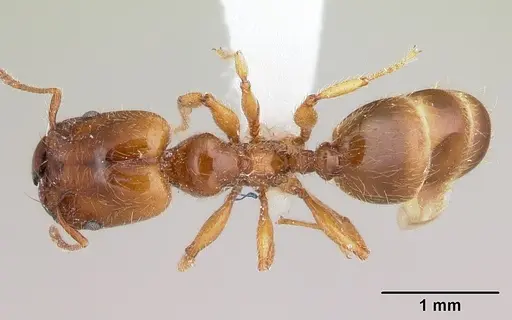
CASENT0178066
View on AntWeb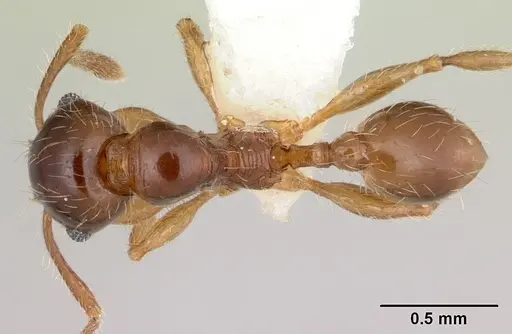
CASENT0635689
View on AntWeb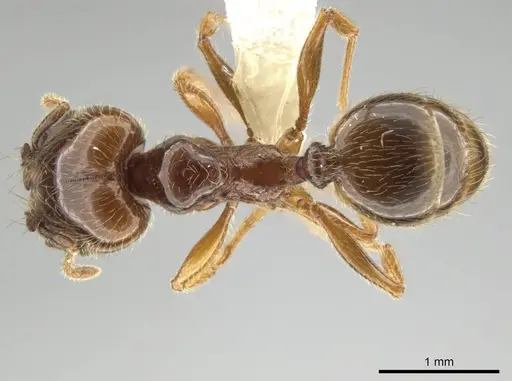
CASENT0635690
View on AntWeb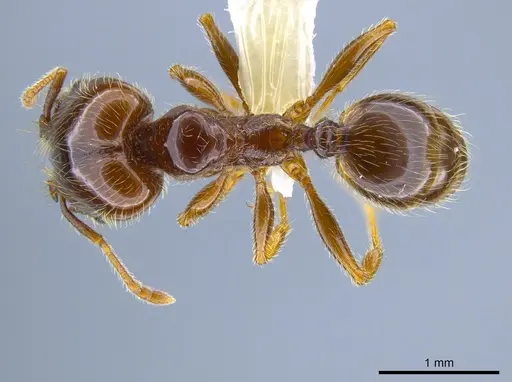
CASENT0635691
View on AntWeb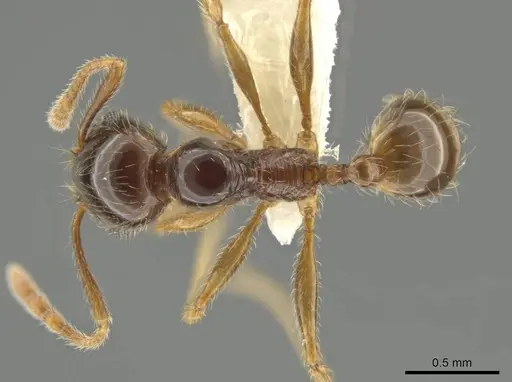
CASENT0904316
View on AntWeb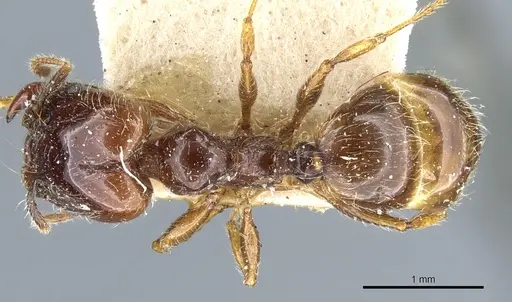
CASENT0904317
View on AntWeb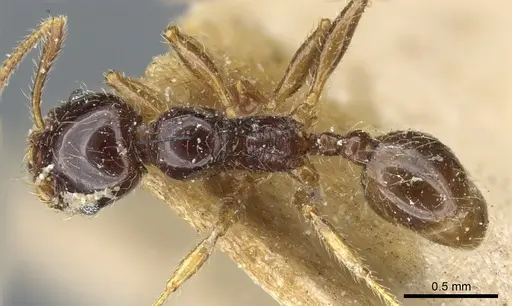
CASENT0908210
View on AntWeb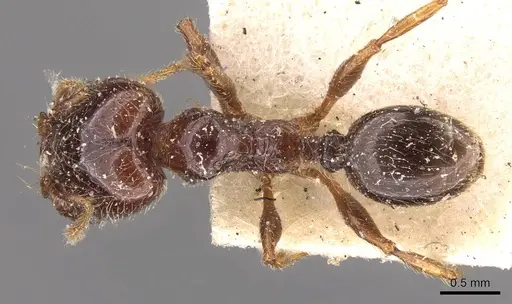
CASENT0908211
View on AntWeb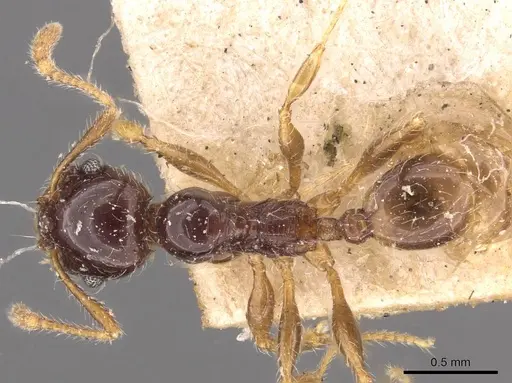
CBUMAGENT40736
View on AntWeb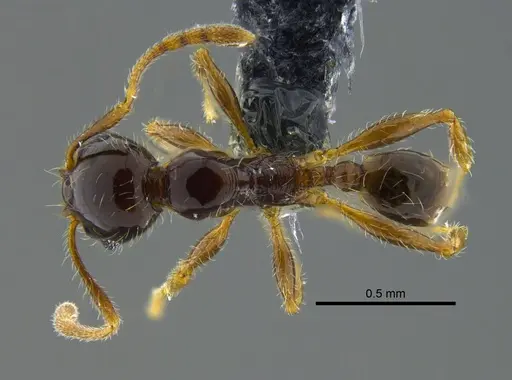
Literature
Loading...Loading products...