

Pheidole vallicola
- Scientific Name
- Pheidole vallicola
- Tribe
- Attini
- Subfamily
- Myrmicinae
- Author
- Wheeler, 1915
- Distribution
- Found in 2 countries
Pheidole vallicola Overview
Pheidole vallicola is an ant species of the genus Pheidole. It is primarily documented in 2 countries , including Mexico, United States of America. Detailed taxonomic data and occurrence records can be further explored via authoritative databases such as AntWeb or the Global Biodiversity Information Facility (GBIF).
Pheidole vallicola
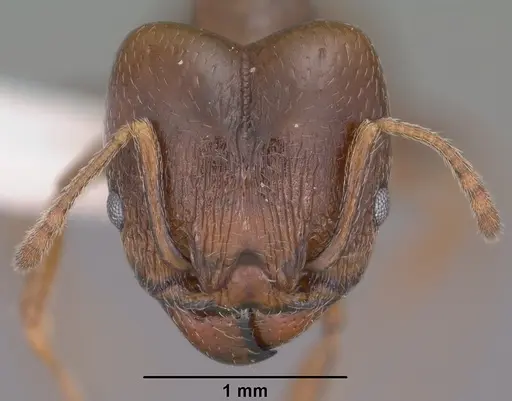
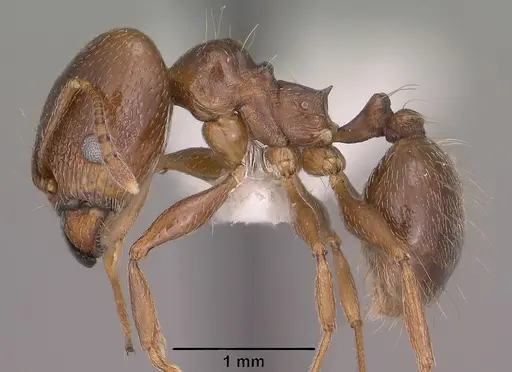
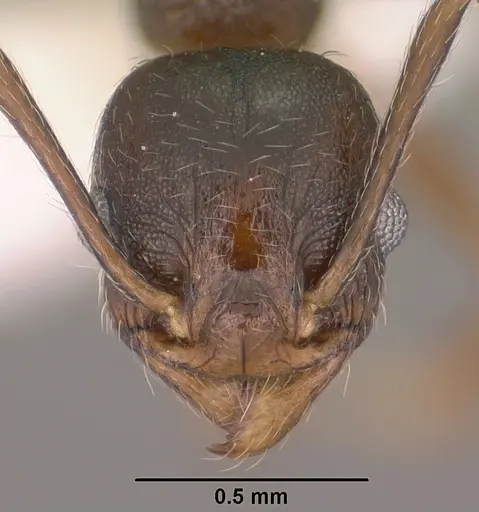
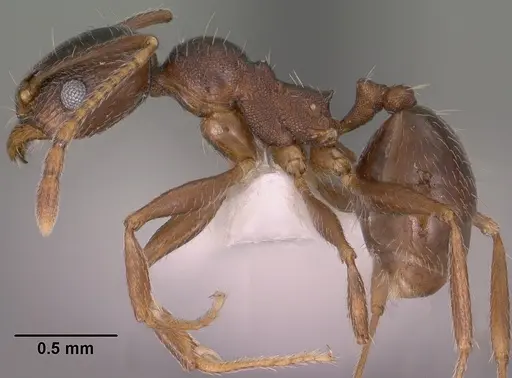
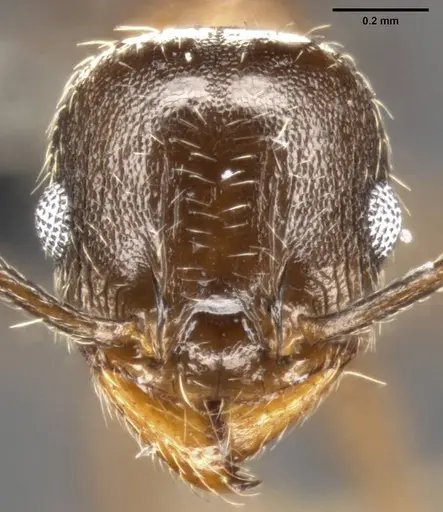
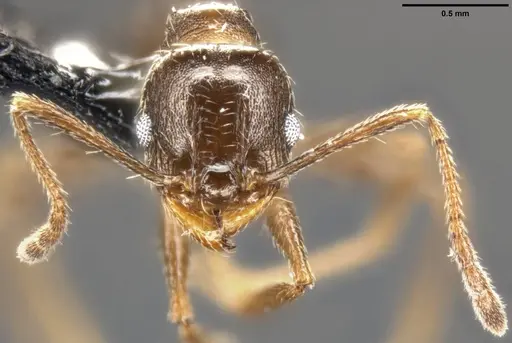
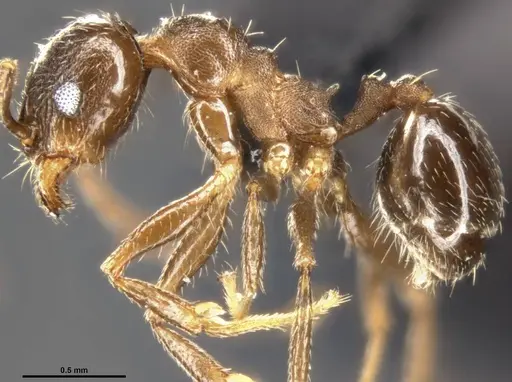
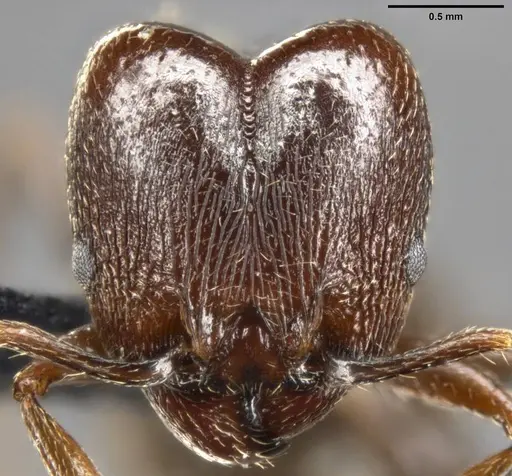
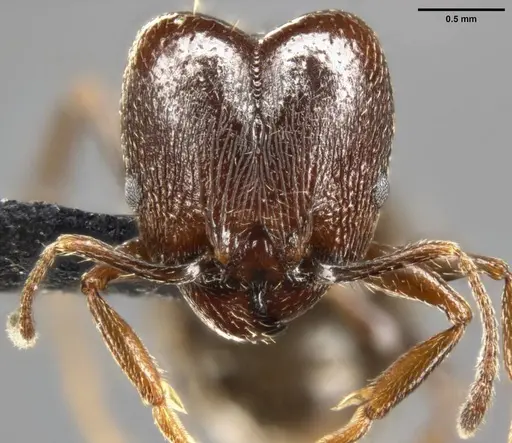
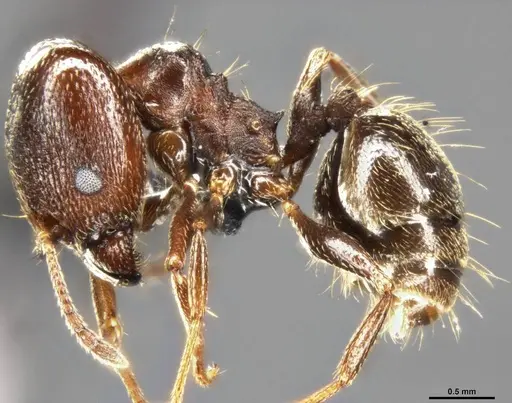
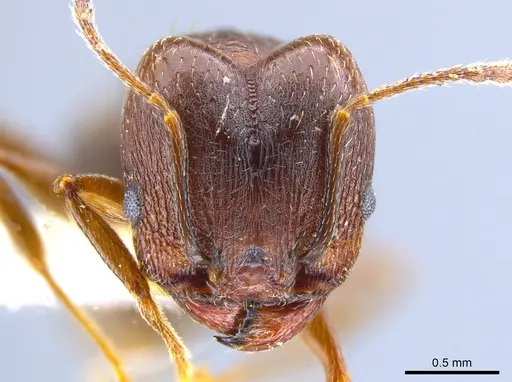
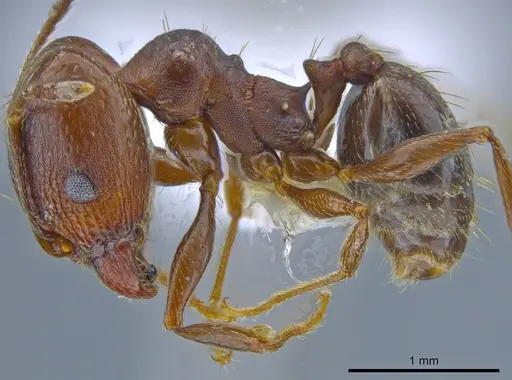
Pheidole vallicola is a small North American ant species native to the mountainous regions of southeastern Arizona, New Mexico, and northern Mexico. The species gets its name from the Latin 'vallicola' meaning valley dweller, referring to its preferred habitat. Majors are recognizable by their elongated scapes that reach at least three-quarters of the distance between their insertion and the posterior margin of the head, along with a distinctive flattened region at the base of the scape. The head tapers toward the back in side view, and the dorsum is covered with sparse, very long hairs. Minors are small at around 0.64mm head width with a concolorous medium reddish-brown coloration. This species is a member of the crassicornis group and is known for storing seeds in its nests, a behavior that makes them interesting for antkeepers who enjoy watching granivorous species [1][2].
In the wild, P. vallicola favors creek banks and open woodland habitats at elevations between 1200-1900 meters, ranging from ponderosa pine forests to oak-pine-juniper and oak-mesquite-sumac communities. They nest under stones in rocky loam soils, with brood typically developing through July. The species has been recorded across multiple mountain ranges in Arizona including the Chiricahua, Dragoon, Huachuca, Pajarito, Pinal, and Sierra Ancha.
Quick Summary
- Difficulty: Easy
- Origin & Habitat: Mountainous regions of southeastern Arizona, New Mexico, and northern Mexico at elevations of 1200-1900m. Found in creek banks and open woodland including ponderosa pine, oak, pine-oak-juniper, and oak-mesquite-sumac habitats. Nests under stones in rocky loam soils.
- Colony Type: Monogyne (single queen colonies), typical for Pheidole genus. Colonies contain distinct major and minor worker castes.
- Colony: Monogyne
- Founding: Claustral
- Size & Growth:
- Queen: Approximately 6-7mm (estimated from genus patterns for Pheidole species)
- Worker: Minor: 0.64mm HW, Major: 1.34mm HW
- Colony: Colony size data not directly studied, but Pheidole colonies typically reach several hundred workers. Estimated up to 300-500 workers based on genus patterns.
- Growth: Moderate, typical for Pheidole genus
- Development: 6-10 weeks (estimated from typical Pheidole development at room temperature) (Development time estimated from related species in the genus. Brood has been observed in nests during July, suggesting a summer breeding cycle.)
- Antkeeping:
- Temperature: Keep at room temperature around 20-24°C. Given their mountain habitat at 1200-1900m elevation, they prefer cooler conditions than typical tropical ants. A gentle gradient with a slightly warmer side allows them to regulate their temperature [1].
- Humidity: Moderate humidity needs. They nest in rocky loam soils, so keep the nest substrate moist but not waterlogged. Allow some drier areas in the outworld for foraging. Mist occasionally and monitor substrate moisture.
- Diapause: Yes, as a temperate species from Arizona mountains, they likely require a winter rest period. Reduce temperature to around 15°C for 2-3 months during winter. This aligns with their mountain habitat and July brood development [1].
- Nesting: Test tube setups work well for founding colonies. For established colonies, Y-tong or plaster nests with moderate moisture work well. They naturally nest under stones in compact soil, so provide them with a nest environment that mimics rocky loam conditions. Avoid overly dry or sandy substrates [1].
- Behavior: Pheidole vallicola is a generally calm species with typical Pheidole temperament. The major workers are larger and serve as soldiers and food processors, while the smaller minors handle most foraging and brood care. They are seed-storing ants, so they will collect and store seeds in addition to hunting small insects. They are not aggressive toward keepers but will defend their nest if threatened. Escape prevention is important because minor workers are very small (around 0.64mm) and can slip through small gaps. Use fine mesh and tight-fitting lids[1].
- Common Issues: escape prevention is critical, minor workers are extremely small at 0.64mm and can squeeze through standard mesh, overheating risk, being from mountain habitats, they prefer cooler temperatures than typical tropical ants, seed storage behavior means they may ignore protein offerings if they have sufficient seeds, offer both, colonies may be slow to establish initially, patience is needed during the founding stage, test tube flooding can drown colonies, use appropriate water reservoir size and monitor condensation
Housing and Nest Setup
For founding colonies, a standard test tube setup works well. Fill the tube about one-third with water and plug with a cotton ball, then provide a small foraging area. The queen will seal herself into a chamber and remain there until her first workers emerge. For established colonies with 50+ workers, consider moving to a Y-tong (acrylic) nest or a plaster/soil setup that can accommodate their seed-storing behavior. The nest should have chambers sized appropriately for their small minor workers. Keep the nest substrate moderately moist to match their natural rocky loam soil habitat. A small outworld for foraging allows them to hunt and collect seeds away from the nest area. Use fine mesh on all openings, their tiny minor workers are excellent escape artists [1].
Feeding and Diet
Pheidole vallicola is omnivorous with a preference for seeds and small insects. In the wild, they store seeds in their nests, so offering a variety of seeds is beneficial, millets, chia, and small bird seeds work well. For protein, offer small insects like fruit flies, pinhead crickets, and mealworms. They will also accept sugar water or honey occasionally. Feed seeds continuously as they store them, and offer protein 2-3 times per week. Remove any uneaten seeds or prey after 48 hours to prevent mold. The major workers help process larger food items by crushing them for the minors to carry back to the nest[1].
Temperature and Seasonal Care
As a mountain-dwelling species from elevations of 1200-1900m in Arizona and New Mexico, P. vallicola prefers cooler temperatures than many common ant species. Keep the nest area at room temperature, ideally around 20-24°C. They can tolerate slightly cooler conditions, which mimics their natural habitat. During summer months (when brood develops), temperatures in the low-to-mid 20s°C are ideal. In winter, they benefit from a diapause period, reduce temperatures to around 15°C for 2-3 months. This winter rest helps synchronize their breeding cycle with natural seasonal patterns. Avoid placing the colony near heating elements that might cause overheating [1].
Colony Structure and Castes
Pheidole vallicola exhibits the classic Pheidole dimorphic caste system with distinct major and minor workers. The majors are significantly larger (1.34mm head width) and serve as soldiers, defending the colony and processing large food items. Their most distinctive features include elongated scapes that reach well past the head, a flattened region at the scape base, and sparse very long hairs on the gaster. The minors are tiny (0.64mm head width) and handle most daily tasks including foraging, brood care, and nest maintenance. A single queen heads each colony. This caste polymorphism makes them fascinating to observe as you watch the division of labor between the two worker types.
Growth and Development
Colony growth is moderate, typical of the Pheidole genus. The queen lays eggs in spring and summer, with brood having been observed in nests during July in the wild. The first workers (nanitics) are typically smaller than normal workers but emerge quickly as the queen has stored fat reserves for claustral founding. After the founding stage, colony growth accelerates as more workers emerge to help with foraging and brood care. A mature colony may contain several hundred workers. The presence of both major and minor castes typically becomes apparent once the colony reaches around 50-100 workers. Expect 6-10 weeks from egg to first worker under optimal conditions [1].
Handling and Temperament
Pheidole vallicola is a peaceful species that is generally calm in captivity. They are not particularly aggressive and rarely bite or sting. When threatened, they may send out majors to defend the nest, but they pose no danger to keepers. Their small size makes them fascinating to observe, especially when majors and minors work together. They are not known for escape attempts beyond their tiny size allowing them to slip through gaps. Excellent escape prevention is essential, use fine mesh, apply fluon barriers, and ensure all connections are secure. They are a good choice for antkeepers who want to observe seed-harvesting behavior and caste interactions without dealing with aggressive species [1].
Frequently Asked Questions
Can I keep Pheidole vallicola in a test tube?
Yes, test tubes work well for founding colonies. Use a standard setup with a water reservoir sealed with cotton. The queen will seal herself into a chamber and stay there until her first workers emerge. Keep the tube in a dark, quiet location during the founding stage. Once the colony reaches 50+ workers, consider moving to a larger nest like a Y-tong or plaster setup.
How long until first workers in Pheidole vallicola?
Expect first workers (nanitics) to emerge in about 6-10 weeks at room temperature. This is typical for Pheidole species. The exact timing depends on temperature, slightly warmer conditions can speed development slightly. The queen is claustral and seals herself in, living off stored fat until her first workers hatch.
What do Pheidole vallicola eat?
They are omnivorous with a preference for seeds and small insects. Offer a mix of small seeds (millet, chia, bird seed) and protein sources (fruit flies, pinhead crickets, mealworms). They will also occasionally accept sugar water or honey. Seeds can be offered continuously as they store them in the nest. Remove uneaten food after 48 hours.
Are Pheidole vallicola good for beginners?
Yes, they are considered an easy species suitable for beginners. They are peaceful, don't require specialized equipment, and their seed-storing behavior is interesting to observe. The main challenges are escape prevention due to their tiny size and providing appropriate winter cooling for diapause.
Do Pheidole vallicola need hibernation?
Yes, as a mountain species from Arizona and New Mexico, they benefit from a winter rest period. Reduce temperatures to around 15°C for 2-3 months during winter. This helps synchronize their breeding cycle with natural seasonal patterns and promotes healthy colony development.
How big do Pheidole vallicola colonies get?
Colony size is estimated at several hundred workers based on typical Pheidole patterns. The colony will develop distinct major and minor castes once it reaches around 50-100 workers. Growth is moderate, expect several months to reach significant numbers.
When should I move Pheidole vallicola to a formicarium?
Move from test tube to a formicarium when the colony reaches 50-100 workers or when the test tube becomes crowded. A Y-tong or plaster nest works well. They prefer moderate humidity and will store seeds in the nest, so ensure adequate space for food storage.
Why are my Pheidole vallicola escaping?
Their minor workers are extremely small (0.64mm) and can squeeze through standard mesh and small gaps. Use fine mesh (at least 0.5mm or smaller), apply fluon barriers to smooth surfaces, and check all connections and lid seals regularly. Escape prevention is critical for this species.
Can I keep multiple Pheidole vallicola queens together?
No, Pheidole vallicola is monogyne, colonies have a single queen. Combining unrelated queens is not recommended and would likely result in fighting. Each colony should be started with one founding queen.
What temperature is ideal for Pheidole vallicola?
Keep nest temperatures around 20-24°C. As a mountain species from 1200-1900m elevation, they prefer cooler conditions than tropical ants. A slight temperature gradient allows them to choose their preferred spot. Avoid overheating.
What makes Pheidole vallicola different from other Pheidole?
P. vallicola is notable for its mountain habitat preference (1200-1900m elevation), seed-storing behavior, and distinctive major worker morphology with elongated scapes and sparse very long hairs. It belongs to the crassicornis group and is found only in the American Southwest and northern Mexico.
References

This caresheet is licensed under CC BY-SA 4.0 .
CASENT0104455
View on AntWeb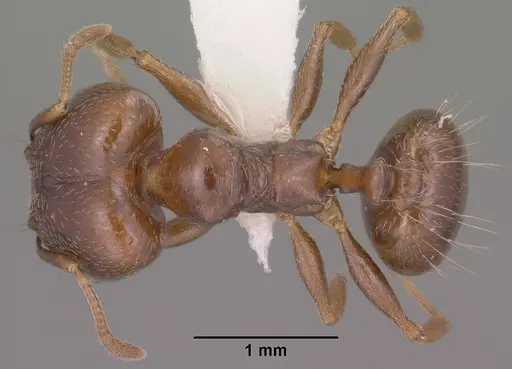
CASENT0104456
View on AntWeb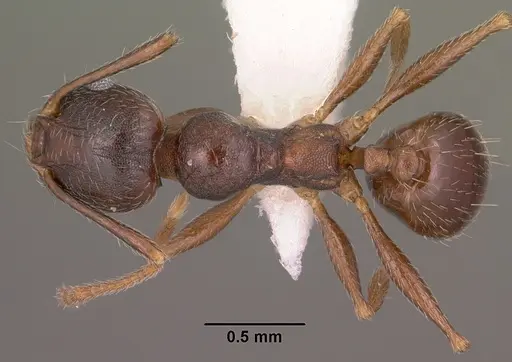
CASENT0282703
View on AntWeb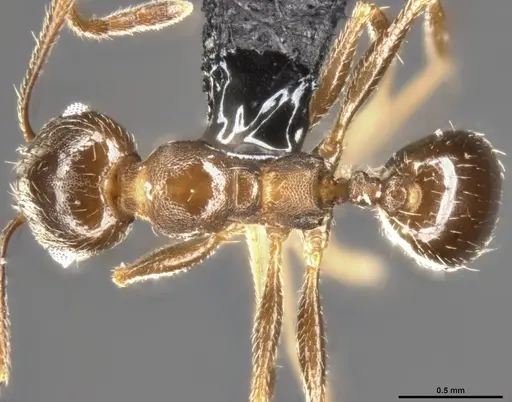
CASENT0282704
View on AntWeb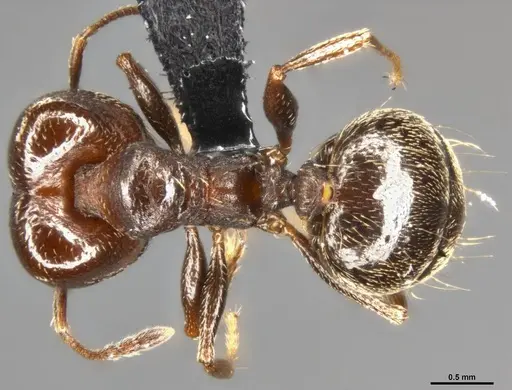
CASENT0637409
View on AntWeb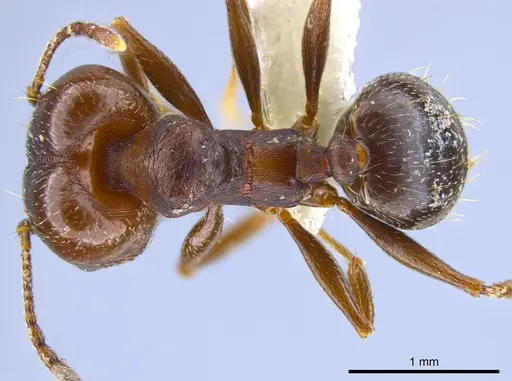
Literature
Loading...Loading products...