

Pheidole ursus
- Scientific Name
- Pheidole ursus
- Tribe
- Attini
- Subfamily
- Myrmicinae
- Author
- Mayr, 1870
- Distribution
- Found in 4 countries
Pheidole ursus Overview
Pheidole ursus is an ant species of the genus Pheidole. It is primarily documented in 4 countries , including Costa Rica, Guatemala, Honduras. Detailed taxonomic data and occurrence records can be further explored via authoritative databases such as AntWeb or the Global Biodiversity Information Facility (GBIF).
Pheidole ursus
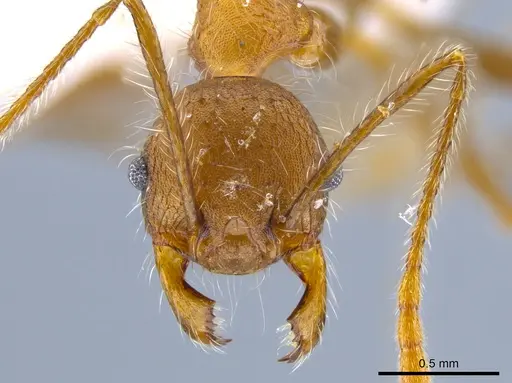
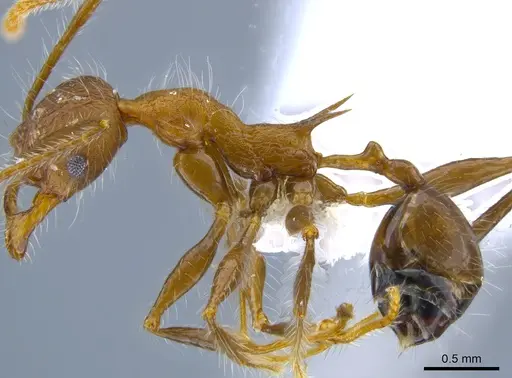
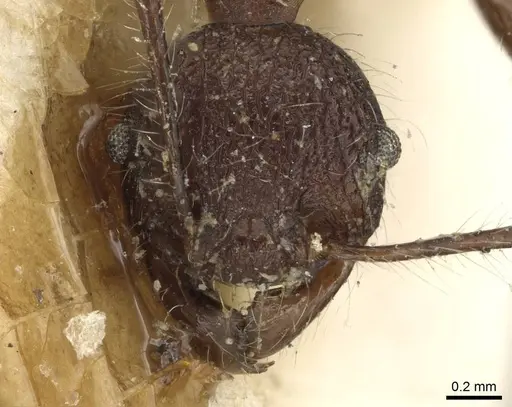
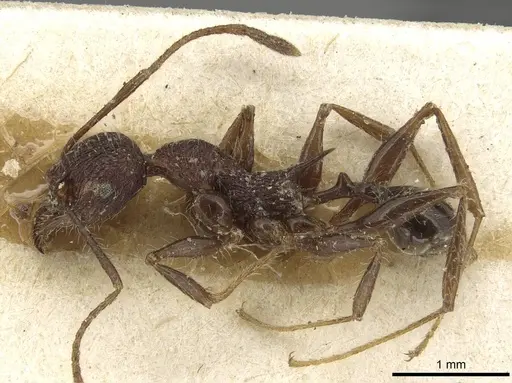
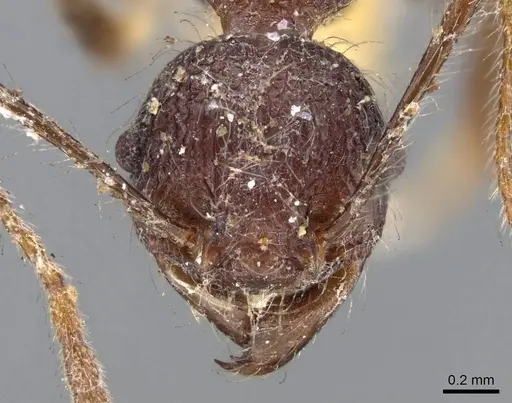
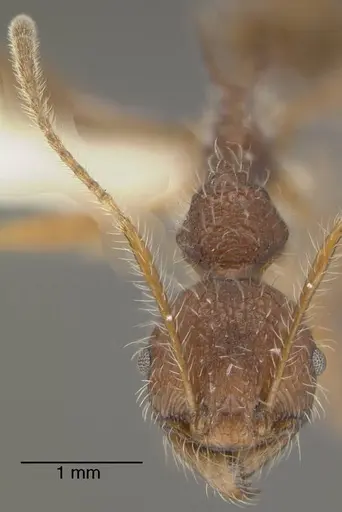
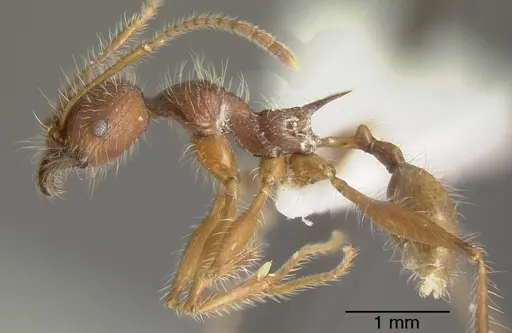
Pheidole ursus is a large, dimorphic ant species native to Central America, found in Mexico, Guatemala, Honduras, and Costa Rica. The name 'ursus' means bear in Latin, referring to the large, rough-surfaced majors with their dark coloration. This is a truly impressive species, major workers reach 7.5mm, making them among the largest Pheidole majors in the region, while minor workers are a more modest 4mm [1]. The most striking feature is their extremely long propodeal spines, which are proportionally longer than most related species. Majors have a dark blackish-brown body with a rough, rugoreticulate surface on the head and mesosoma, while minors are blackish-brown with reddish overtones and lighter reddish-brown appendages.
These ants inhabit tropical forest environments, including coffee plantations at higher elevations around 1600m. They are ground-nesting ants that form moderate-sized colonies. The combination of their large size, distinctive morphology, and interesting behavior makes them an engaging species for antkeepers who want something more challenging than common temperate species.
Quick Summary
- Difficulty: Medium
- Origin & Habitat: Native to the Neotropical region: Mexico, Guatemala, Honduras, and Costa Rica. Found in tropical forests and coffee plantations at elevations up to 1600m [2][3].
- Colony Type: Single-queen (monogyne) colonies. This is a dimorphic species with distinct major and minor worker castes.
- Colony: Monogyne
- Founding: Claustral
- Size & Growth:
- Queen: Approximately 9-10mm (estimated based on genus patterns for large Pheidole)
- Worker: Major workers: 7.5mm [1]. Minor workers: 4mm [1].
- Colony: Colonies reach several thousand workers at maturity (typical for large Pheidole)
- Growth: Moderate to fast, Pheidole species typically develop quickly once established
- Development: 6-8 weeks at optimal temperature (estimated based on genus patterns for tropical Pheidole) (Development is faster at warmer temperatures within their tropical range. Nanitics (first workers) are typically minor workers.)
- Antkeeping:
- Temperature: Keep at 24-28°C. These are tropical ants from low-to-mid elevations in Central America, so they prefer warm conditions. A slight temperature gradient allows them to regulate. Avoid temperatures below 20°C for extended periods.
- Humidity: Maintain moderate to high humidity (60-80%). These forest-floor ants prefer conditions similar to their tropical habitat. Keep the nest substrate consistently moist but not waterlogged.
- Diapause: No, this is a tropical species that does not require hibernation. Keep them warm year-round.
- Nesting: These ants do well in Y-tong (AAC) nests, plaster nests, or naturalistic setups with soil. They prefer darker nest chambers and will readily excavate in soil-based setups. Provide a foraging area that allows for seed harvesting and prey hunting.
- Behavior: Majors are primarily soldiers and foragers for hard seeds and large prey, while minors handle most inside-nest tasks and small food retrieval. This species is not particularly aggressive but will defend the nest vigorously if threatened. They are active foragers that readily hunt small insects and collect seeds. Escape prevention is important, while not the smallest ants, they are strong climbers and can escape through small gaps. Their large majors can be quite conspicuous when defending the colony.
- Common Issues: tropical species are sensitive to temperature drops, keep them warm or colony may decline, colonies can be slow to establish initially, patience is needed during founding, large majors require more space in the nest chambers than typical small ants, overfeeding can lead to mold issues in the nest, remove uneaten food promptly, wild-caught colonies may carry parasites, quarantine and observe new colonies
Housing and Nest Setup
Pheidole ursus does well in a variety of captive setups. Y-tong (acrylic) nests work excellently, the dark chambers these ants prefer can be achieved by using colored acrylic. Plaster nests with built-in water reservoirs maintain humidity well, which these tropical ants appreciate. For a naturalistic approach, use a soil-filled formicarium that allows the ants to excavate their own tunnels. The nest should have chambers large enough accommodate the large major workers, tight spaces that work for tiny ants will feel cramped for these substantial workers. Provide a well-defined outworld (foraging area) where you can offer food and watch the majors and minors interact. A gap of at least 2cm between the nest and the top of the formicarium, combined with fluon barriers, prevents escapes. [2]
Feeding and Diet
Pheidole ursus is a generalist omnivore, like most Pheidole species. In captivity, they readily accept protein sources including small insects (fruit flies, pinhead crickets, mealworms), and will also harvest seeds. Offer protein prey 2-3 times per week, adjusting based on colony size. They also accept sugar sources, a drop of honey or sugar water should be provided once or twice weekly. The large majors are particularly adept at processing hard seeds and large prey items that minors cannot handle alone. Remove any uneaten prey after 24-48 hours to prevent mold. A varied diet leads to healthier colonies, rotate between different protein sources and include seeds in their diet.
Temperature and Seasonal Care
As a tropical species from Central America, Pheidole ursus needs warm conditions year-round. Maintain temperatures between 24-28°C in the nest area. A heating cable or mat on one side of the nest creates a gentle gradient that allows the ants to choose their preferred temperature. Room temperature (around 22-24°C) is acceptable but may slow growth slightly. Temperatures below 20°C for extended periods can stress the colony and lead to decline. There is no diapause requirement, these ants do not experience cold winters in their native habitat. Keep them at consistent warm temperatures throughout the year to support continuous brood development. [2]
Colony Development and Growth
Pheidole ursus colonies start with a claustral founding, the queen seals herself in a chamber and raises the first brood alone on her stored fat reserves. The first workers (nanitics) are typically minor workers and emerge after 6-8 weeks at optimal temperature. Once the first workers emerge, the colony enters a growth phase. Major workers begin appearing as the colony reaches a few hundred workers, the exact trigger for major production varies but typically occurs when the colony is well-established. Growth rate is moderate to fast for a large ant species. A mature colony can contain several thousand workers with a significant proportion being majors. The presence of large, impressive majors is one of the most rewarding aspects of keeping this species.
Behavior and Observation
Watching a Pheidole ursus colony reveals fascinating division of labor. Minor workers handle brood care, nest maintenance, and most food retrieval. Major workers serve as soldiers and foragers for large items, their large heads contain powerful muscles for seed processing and defense. When you drop a large prey item in the foraging area, majors will quickly mobilize to tackle it. The contrast between the jet-black majors with their massive heads and the smaller reddish-brown minors makes for visually striking observation. These ants are not aggressive toward keepers but will defend vigorously if their nest is threatened. They are diurnal and show consistent activity patterns throughout the day.
Frequently Asked Questions
How long does it take for Pheidole ursus to raise first workers?
Expect first workers (nanitics) after 6-8 weeks at optimal temperature (24-28°C). The exact timing depends on temperature and feeding. Once the queen seals herself in during claustral founding, she will not emerge until her first workers emerge.
What do Pheidole ursus eat?
They are omnivores that accept both protein and sugar. Feed small insects like fruit flies, pinhead crickets, or mealworms 2-3 times per week. They also readily take seeds and will consume a drop of honey or sugar water. A varied diet keeps the colony healthiest.
What temperature do Pheidole ursus need?
Keep them warm at 24-28°C. These tropical ants do not tolerate cold well. A heating cable on one side of the nest creates a gradient. Room temperature (22-24°C) is acceptable but may slow growth slightly.
Are Pheidole ursus good for beginners?
They are rated as medium difficulty. The main challenges are their tropical temperature requirements (no hibernation) and the need for patience during colony establishment. If you can maintain warm, humid conditions year-round and are willing to wait for the colony to grow, they are rewarding to keep.
How big do Pheidole ursus colonies get?
Mature colonies can reach several thousand workers. The impressive majors (7.5mm) become more common as the colony grows. A well-established colony after 2-3 years can be quite substantial.
Can I keep multiple Pheidole ursus queens together?
No. This is a monogyne species, colonies have a single queen. Combining unrelated queens will result in fighting. Only introduce a new queen to an established colony if you are attempting pleometrosis (multiple queens founding together), which has risks.
What size nest do I need for Pheidole ursus?
Use a nest with chambers large enough for their 7.5mm majors. Y-tong nests or plaster nests work well. Provide a foraging area at least twice the size of the nest. They do well in both vertical and horizontal nest orientations.
Do Pheidole ursus need hibernation?
No. As a tropical species from Central America, they do not require diapause or hibernation. Keep them warm year-round at 24-28°C for optimal development.
Why are my Pheidole ursus majors dying?
Majors have shorter lifespans than minors, it is normal for some to die off. However, if you see many dying at once, check temperature (too cold?), humidity (too dry?), or food quality. Also ensure the colony is not stressed by excessive disturbance.
References

This caresheet is licensed under CC BY-SA 4.0 .
CASENT0612735
View on AntWeb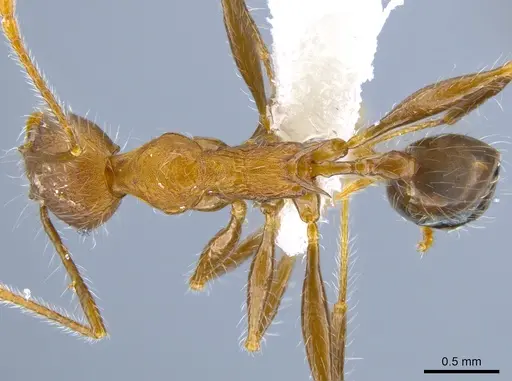
CASENT0915431
View on AntWeb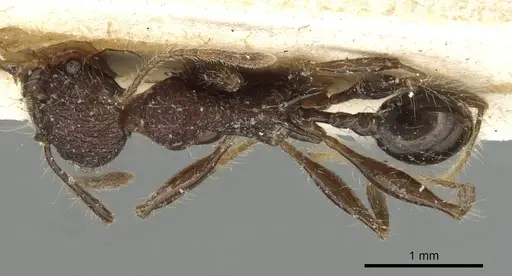
CASENT0919788
View on AntWeb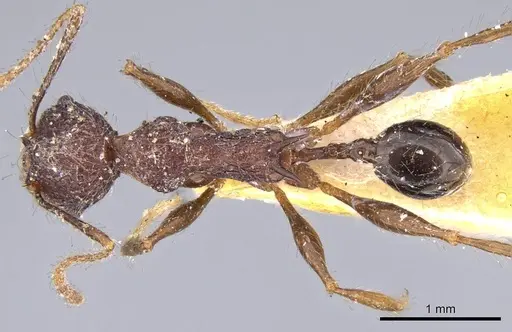
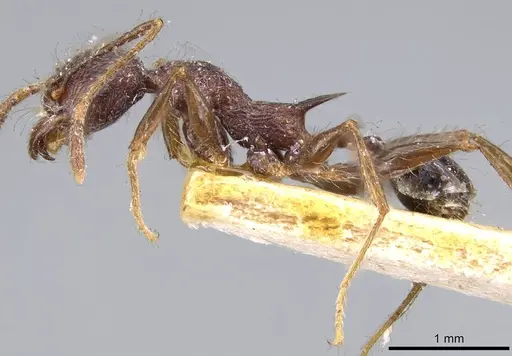
CASENT0919789
View on AntWeb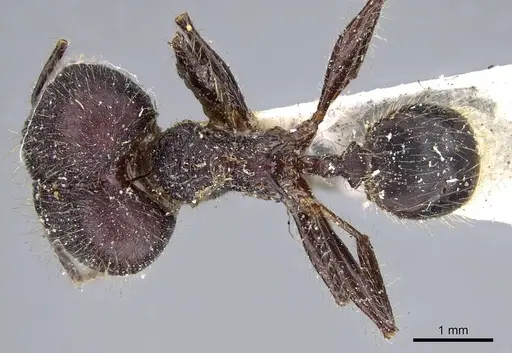
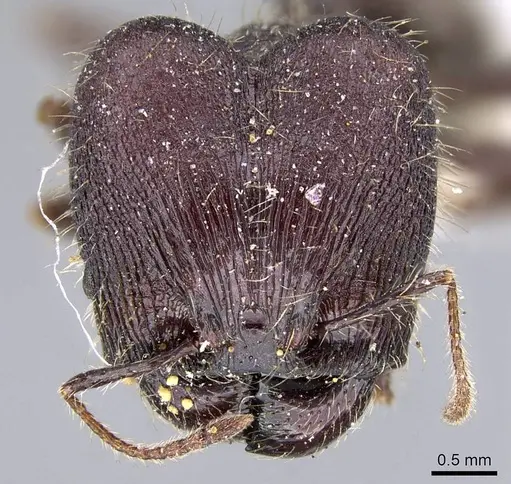
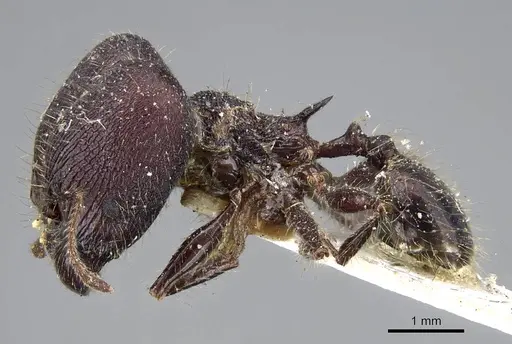
INBIOCRI001280928
View on AntWeb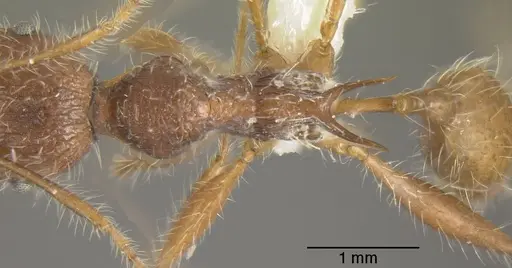
Literature
Loading...Loading products...